
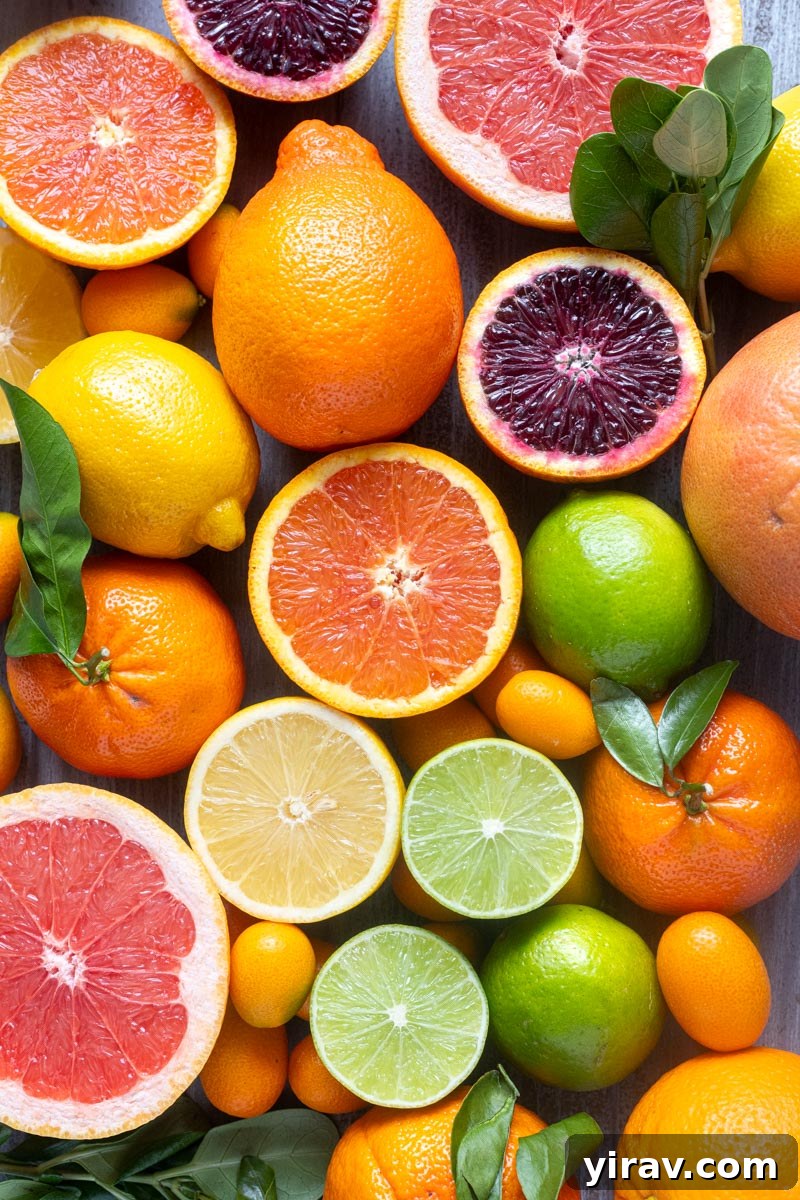
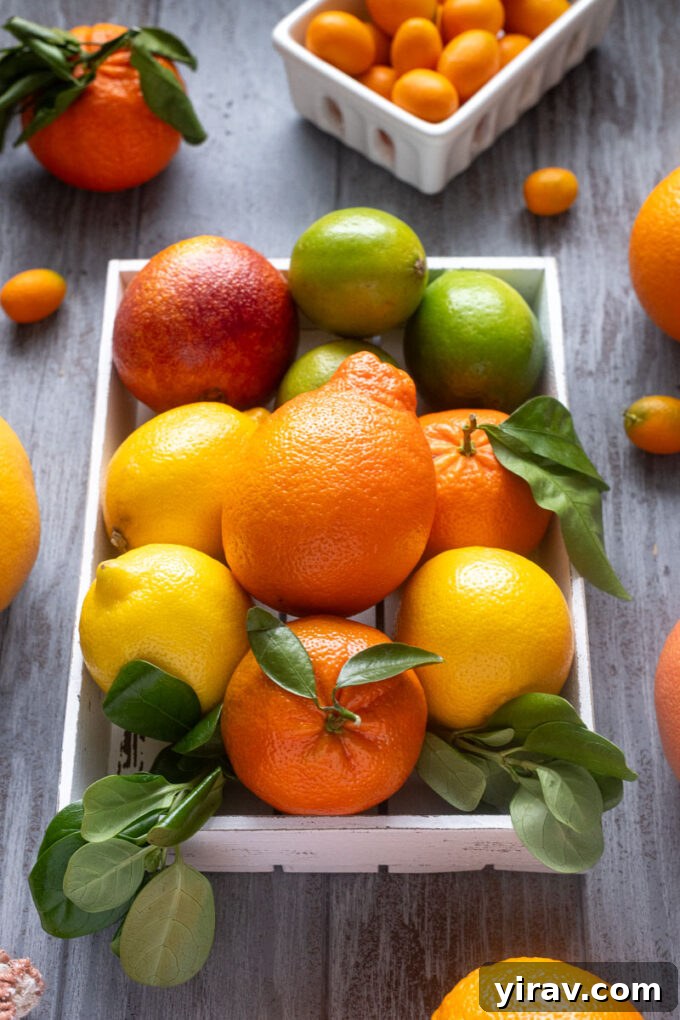
Welcome to the ultimate Citrus Guide, your comprehensive resource for understanding the diverse world of citrus fruits. This guide will delve into various citrus varieties, explore their unique flavor profiles, and reveal their incredible versatility in both sweet and savory culinary applications. You’ll also discover optimal seasons for each fruit, ensuring you enjoy them at their absolute peak freshness and flavor.
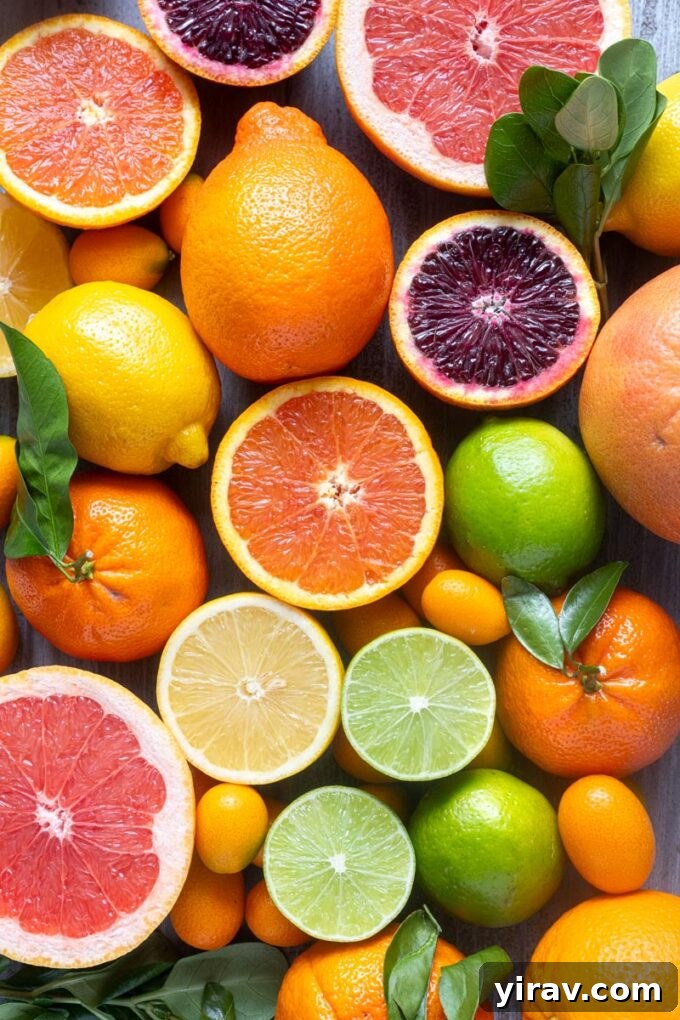
Citrus is a culinary powerhouse, a staple I incorporate daily into my recipes. Its vibrant notes add brightness, essential balance, and an unparalleled fresh flavor to everything from hearty savory dinners and crisp salads to delightful sweet treats like quick breads and decadent desserts. It’s truly astonishing how a simple squeeze of fresh citrus juice or a sprinkle of aromatic zest can elevate a dish from ordinary to extraordinary, infusing it with a lively zing that awakens the palate.
This detailed Citrus Guide not only outlines when citrus fruits are in season — covering popular choices like oranges, lemons, limes, and grapefruit, alongside more exotic varieties — but also provides an in-depth look at their distinct flavor characteristics and optimal culinary uses. Furthermore, you’ll gain valuable insights into selecting and storing citrus properly to maximize freshness, and uncover effortless ways to integrate fresh juice and zest into a wide array of savory preparations, baked goods, and desserts.
Whether you’re crafting a tangy lemon marinade for chicken, tossing vibrant citrus segments into a refreshing salad, or baking a timeless key lime pie, a deeper understanding of citrus varieties and their seasonal peaks will undoubtedly make your cooking endeavors not only simpler but infinitely more delicious. Prepare to unlock the full potential of these amazing fruits!
When Is Citrus in Season?
While many citrus varieties are cultivated and available year-round in grocery stores, their true peak season, when they offer the most exceptional flavor, juiciness, and aroma, typically spans from late fall through early spring. Major citrus-growing regions in the United States, such as California, Florida, Arizona, and Texas, see their harvests ripen during these cooler months.
Even though popular fruits like oranges, lemons, and limes are consistently on supermarket shelves, experiencing them during their peak season is a revelation. This is when the fruits naturally accumulate higher sugar content, yield more juice, develop thinner and smoother skins, and boast a brighter, more exquisitely balanced flavor profile.
Peak citrus season generally runs as follows:
- November through April: Oranges and mandarins are abundant, offering a wide array of sweet and easy-to-peel options.
- November through March: Meyer lemons are at their prime, known for their unique sweetness and floral notes.
- January through May: Grapefruit varieties, from tart white to sweet ruby, are at their most flavorful.
- Year-round (with seasonal peaks): Limes, though available consistently from warmer climates, often have periods of intensified flavor and juiciness.
During their peak season, citrus fruits develop distinct characteristics:
- Higher natural sugar content: Leading to a sweeter and more enjoyable taste.
- More juice: Making them ideal for cooking, baking, and refreshing drinks.
- Thinner, smoother skin: Indicating ripeness and often making them easier to peel and zest.
- Brighter, more balanced flavor: A harmonious blend of sweetness and acidity that truly stands out.
For more seasonal produce highlights throughout the year, explore my guides for specific months, such as the January Seasonal Produce Guide, February Seasonal Produce Guide, and March Seasonal Produce Guide.
Common Citrus Varieties and Flavor Profiles
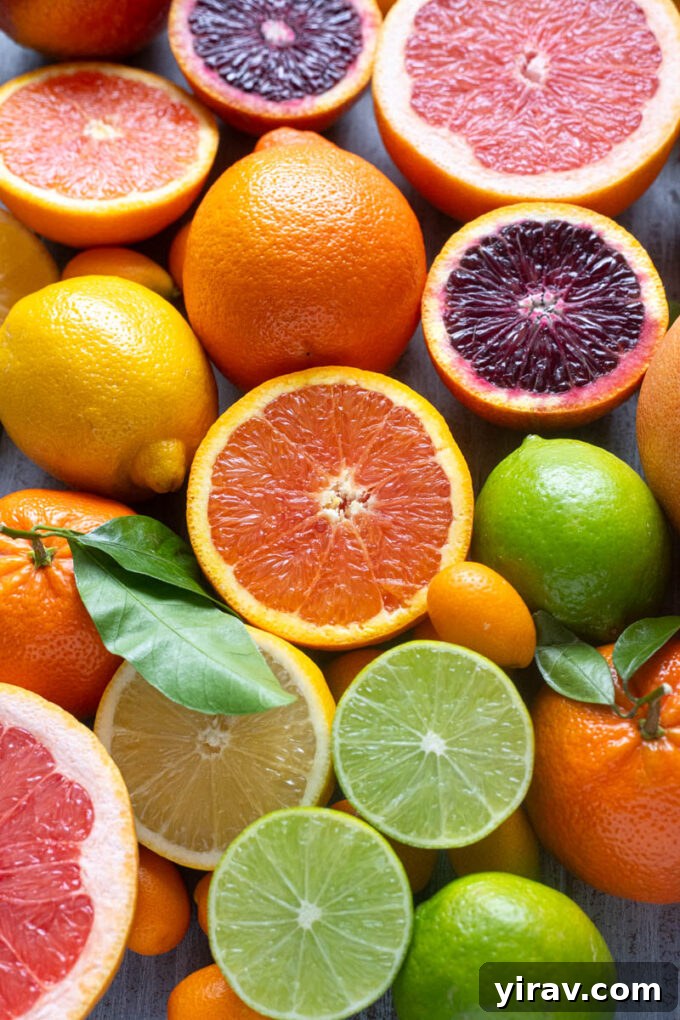
Oranges
Oranges are perhaps the most universally beloved citrus, offering a wide spectrum of sweetness and juiciness. They are incredibly versatile, fitting seamlessly into both culinary and beverage applications.
- Types: Navel, Cara Cara, Valencia, Blood Orange
- Flavor: Ranges from purely sweet to a refreshing sweet-tart balance.
- Best Uses: Fresh snacking, vibrant salads, flavorful marinades, roasting poultry and meats, and, of course, fresh juice.
Let’s explore some key orange varieties:
- Navel Oranges: Characterized by their distinct “belly button” (a rudimentary second fruit), Navels are sweet, juicy, and typically seedless. Their easy-to-peel nature makes them ideal for snacking, while their robust flavor is excellent in fruit salads and as a fresh juice.
- Cara Cara Oranges: A type of Navel orange, Cara Caras are distinguishable by their stunning pinkish-red flesh. They boast a unique flavor profile often described as having subtle notes of berries (like raspberry or cranberry) and rose, alongside their inherent citrus sweetness. They are wonderfully juicy and low in acid, perfect for gourmet salads and desserts.
- Blood Oranges: Known for their dramatic, deep crimson flesh, blood oranges offer a sweet-tart flavor with hints of raspberry and a slightly bitter undertone. Their striking color makes them a fantastic addition to cocktails, desserts, and visually appealing salads. They are a winter favorite.
- Valencia Oranges: Often considered the “juicing orange,” Valencias are exceptionally juicy and possess a bright, sweet flavor. While they may have some seeds, their high juice content makes them the top choice for fresh-squeezed orange juice. They are primarily a summer orange, extending the orange season.
Lemons
Lemons are indispensable in kitchens worldwide, prized for their intense acidity and bright, clean aroma. They are used to enhance flavors, tenderize meats, and provide a refreshing counterpoint in countless dishes.
- Types: Eureka, Meyer, Lisbon
- Flavor: Pungent and distinctly tart; Meyer lemons are notably less acidic and possess a fragrant, slightly floral sweetness.
- Best Uses: Essential for baking, crafting vibrant vinaigrettes, building robust sauces, brightening soups, infusing beverages, and garnishing nearly anything.
Two main types dominate:
- Eureka Lemons: These are the most common lemons found in grocery stores. They are highly acidic, have a thick, pebbly rind, and contain a moderate amount of seeds. Their strong tartness makes them perfect for cooking, baking, and cleaning.
- Meyer Lemons: A hybrid believed to be a cross between a lemon and a mandarin orange, Meyer lemons are smaller, rounder, and have a thinner, smoother, deep yellow-orange skin. They are especially popular during winter and early spring for their balanced sweetness, lower acidity, and pronounced floral aroma, making them superb for desserts, cocktails, and delicate sauces.
- Lisbon Lemons: Similar to Eureka lemons, Lisbon lemons are also widely available and very acidic, with a smooth skin and fewer seeds. They are an excellent all-purpose lemon for cooking and juicing.
Limes
Limes bring a distinctive sharp, aromatic acidity to global cuisines, particularly in Mexican, Thai, and other Southeast Asian dishes. Their zest and juice are key to balancing rich flavors.
- Types: Persian (most common), Key Limes
- Flavor: Characterized by a sharp, bright, and sometimes slightly bitter acidity.
- Best Uses: Crucial in Mexican and Asian cuisines, marinades for seafood and poultry, refreshing beverages, and iconic desserts like pie.
The two primary varieties are:
- Persian Limes (or Bearss Limes): These are the larger, oval, seedless limes typically found in supermarkets. They have a thicker skin and a less intense, but still tart, flavor than Key limes. Their ample juice makes them versatile for all culinary applications.
- Key Limes: Smaller, rounder, and more aromatic, Key limes have a distinctive highly acidic, floral, and slightly bitter flavor. They are often revered for their use in classic Key lime pie, refreshing curds, and unique cocktails. Their thin rind makes them harder to zest and juice but their flavor is unparalleled.
Grapefruit
Grapefruit offers a unique blend of sweet, tart, and often slightly bitter notes, making it a refreshing choice for breakfast, salads, and even grilling.
- Flavor: Distinctively sweet-tart with a characteristic underlying bitterness. The intensity of sweetness and bitterness varies by type.
- Best Uses: Enjoyed fresh for breakfast, broiled with a touch of sugar, segmented into vibrant salads, or as a base for refreshing juices and cocktails.
There are several types of grapefruit:
- Pink and Ruby Red Grapefruit: These varieties are generally sweeter and less bitter than white grapefruit, with a beautiful pink or red flesh. They are excellent for eating fresh and provide a lovely color to dishes.
- White Grapefruit: The original grapefruit, white varieties are typically tarter and more bitter than their colored counterparts. They are often preferred for juicing due to their robust flavor.
Mandarins (Clementines, Tangerines & Satsumas)
Mandarins represent a delightful category of smaller, loose-skinned citrus that are incredibly popular for their ease of peeling and sweet flavor, especially among children.
- Flavor: Predominantly sweet with low acidity, making them exceptionally palatable.
- Peak Season: Typically from November through February, making them a winter delight.
- Best Uses: Ideal for snacking, perfect for lunchboxes, adding a sweet touch to salads, and creating light, refreshing desserts.
This group includes several well-loved types:
- Clementines: Small, brilliantly orange, and almost always seedless, clementines are exceptionally sweet and perhaps the easiest to peel, making them a top choice for fresh consumption.
- Tangerines: Generally slightly larger than clementines, tangerines have a deeper orange color and a mild tartness that complements their sweetness. They are also easy to peel and section.
- Satsumas: Known for being exceptionally easy to peel, sometimes almost falling out of their skins, satsumas are very juicy and sweet, with very few seeds. They are a delicate and delicious choice, often enjoyed fresh.
Kumquats
Kumquats are truly unique in the citrus family, offering a delightful and surprising culinary experience due to their edible peel.
- Flavor: The skin is distinctly sweet and aromatic, while the juicy interior pulp is tart, creating a perfectly balanced sweet-tart sensation with every bite.
- Peak Season: Generally from December through March.
- Best Uses: Sliced thinly into fresh salads, simmered into flavorful marmalades and preserves, incorporated into desserts, or used as a stunning, zesty garnish for cocktails and drinks.
Unlike most citrus, the entire kumquat fruit is meant to be eaten whole – peel and all. This makes them a fascinating ingredient to experiment with, adding a burst of flavor and texture to a variety of dishes. Their intense aroma and balanced taste make them a chef’s favorite for adding a gourmet touch.
How to Choose Citrus
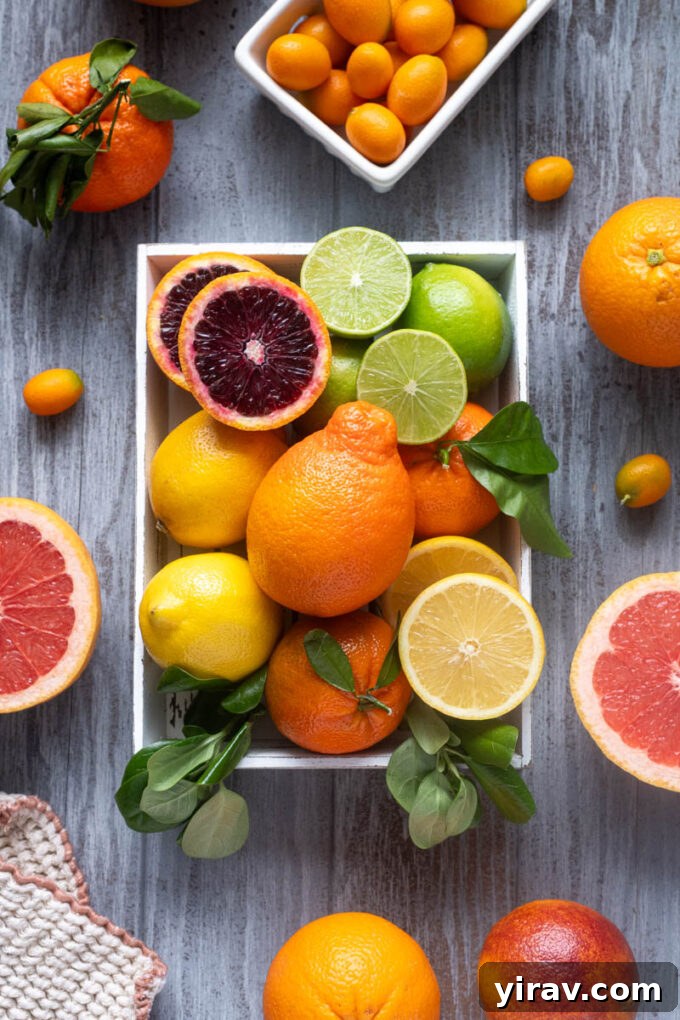
Selecting the best citrus fruits is crucial for maximizing flavor and juiciness in your culinary creations. A few simple tips can help you pick perfect produce every time:
- Heavy for its size: This is arguably the most important indicator. A heavy fruit suggests a high juice content, which means more flavor and moisture for your recipes.
- Smooth and firm: Look for fruits with smooth, taut skin that feels firm to the touch. Avoid any with soft spots, mushy areas, or excessive wrinkling, as these are signs of decay or dehydration.
- Vibrant in color: The skin should have a bright, even color characteristic of its type. While some green on limes or oranges is natural, generally, a rich, consistent hue indicates ripeness.
- Fragrant when scratched lightly: Gently scratch the rind with your fingernail. A strong, pleasant citrusy aroma is a sure sign of a flavorful and ripe fruit. This indicates that the essential oils in the zest are potent.
Conversely, avoid any fruit that feels unusually dry, surprisingly light for its size, or overly soft and squishy, as these are indicators of poor quality, lack of juice, or overripeness.
How to Store Citrus
Proper storage is key to extending the life of your citrus fruits and preserving their peak flavor and juiciness. Follow these guidelines for optimal freshness:
- At Room Temperature: Whole, uncut citrus can be stored on your countertop for up to 2–3 days. This is ideal if you plan to use them soon, as it allows their aromatic qualities to shine.
- Refrigerated: For longer storage, place whole citrus fruits in the crisper drawer of your refrigerator. They can last effectively for up to 2–3 weeks, sometimes even longer depending on the variety and initial freshness.
- Zest Before Juicing: Always remember to zest your citrus before you slice and juice it! It’s much easier to zest a firm, whole fruit than a juiced half. Store zest in an airtight container in the fridge for a few days, or freeze it for months.
- Freeze Fresh Juice: Don’t let excess citrus juice go to waste. Pour fresh juice into ice cube trays and freeze until solid. Once frozen, transfer the juice cubes to a freezer-safe bag or container. These frozen cubes are perfect for adding a burst of citrus flavor to smoothies, sauces, dressings, or drinks at any time.
Why Cooking with Citrus Makes Food Better
Citrus fruits are culinary magic wands, capable of transforming dishes in ways that extend far beyond simply adding flavor. Their unique chemical composition allows them to interact with other ingredients, balancing richness and enhancing natural tastes.
Here’s why citrus is an indispensable tool in any kitchen:
- Acidity to Balance Fat and Richness: The tartness of citrus cuts through the richness of fatty foods (like butter, cream, or fatty meats), preventing dishes from feeling heavy. It brightens and lightens, creating a harmonious balance on the palate. Think of lemon with fish or lime in a creamy sauce.
- Natural Sweetness Without Added Sugar: Many citrus fruits, especially oranges and mandarins, offer a natural sweetness. This allows you to add a fruity, bright sweetness to dishes and desserts without relying solely on refined sugars, making your meals both healthier and more flavorful.
- Aromatic Zest that Intensifies Flavor: The zest (the colorful outer layer of the rind) contains potent essential oils that are packed with concentrated flavor and aroma. Zest can infuse a dish with a much deeper, more complex citrus note than juice alone, often without adding significant liquid or acidity.
- Brightness that Lifts Heavier Dishes: A squeeze of lemon or lime at the end of cooking can “finish” a dish, adding a fresh, vibrant pop that lifts the overall flavor profile. It prevents dishes from tasting flat or one-dimensional, making them more exciting and appealing.
- Tenderizing Power in Marinades: The acidity in citrus juice works as a natural tenderizer for meats and poultry. It helps to break down tough fibers, resulting in more succulent and flavorful proteins. Beyond tenderizing, it also infuses the food with delicious citrus notes.
I find that a final squeeze of fresh lemon or lime juice just before serving can truly brighten and elevate the flavor of almost any savory dish, making it a habit I highly recommend adopting.
How to Cook with Citrus
Citrus is an incredibly versatile ingredient that can enhance both savory and sweet dishes by providing essential acidity, vibrant brightness, and natural sweetness. From the simplest vinaigrettes to sophisticated baked desserts, the judicious use of fresh citrus juice and zest can completely transform everyday meals into memorable culinary experiences.
Here are some ways to incorporate citrus into your cooking:
- Juice: Use fresh juice for marinades, dressings, sauces, beverages, and to finish dishes. A little goes a long way in brightening flavors.
- Zest: The fragrant oils in the zest add concentrated flavor without extra liquid. Incorporate it into baked goods, spice rubs, compound butters, or sprinkle it over finished dishes.
- Segments: Whole segments of oranges or grapefruit are perfect for salads, fruit platters, and desserts, offering bursts of juicy flavor.
- Candied Peel: The peels of some citrus, especially oranges and lemons, can be candied for a sweet and chewy treat or a decorative garnish.
- Infusions: Use citrus peels to infuse oils, vinegars, or spirits for custom flavorings.
Savory Citrus Recipes
Citrus fruits infuse savory dishes with their bright, tangy essence, whether they take center stage in a marinade, vinaigrette, or sauce, or simply provide a finishing touch of fresh juice stirred into a comforting soup or stew. Their acidity cuts through richness, balances flavors, and adds a refreshing lift.
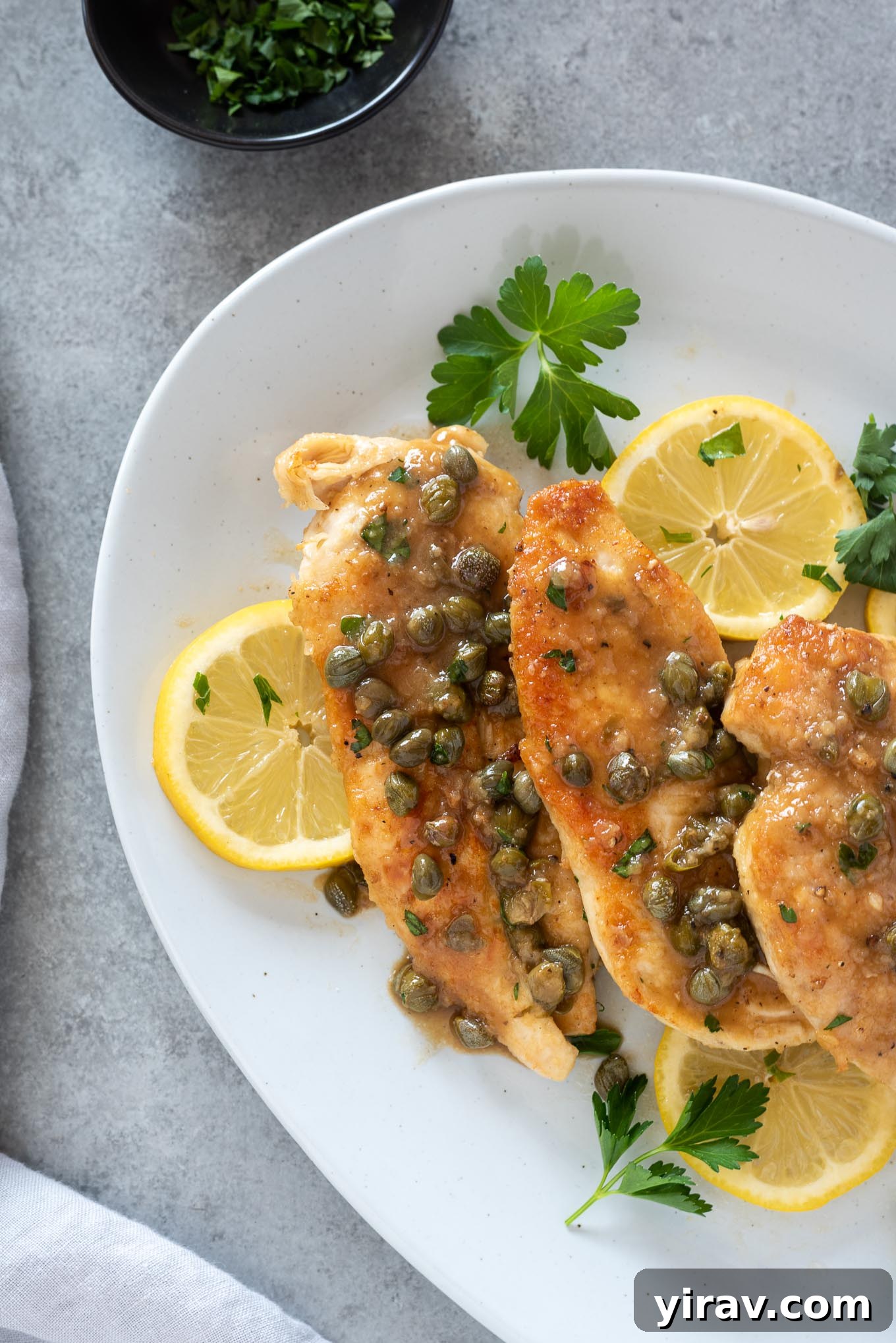
Easy Chicken Piccata Recipe
Chicken Piccata features pan-fried chicken complemented by a tangy lemon caper sauce!
Get the Recipe

Ground Beef Enchilada Casserole
Ground Beef Enchilada Casserole is the no-fuss way to enjoy enchiladas! It comes together in one pot and is finished with fresh lime juice to make all the flavors pop!
Get the Recipe
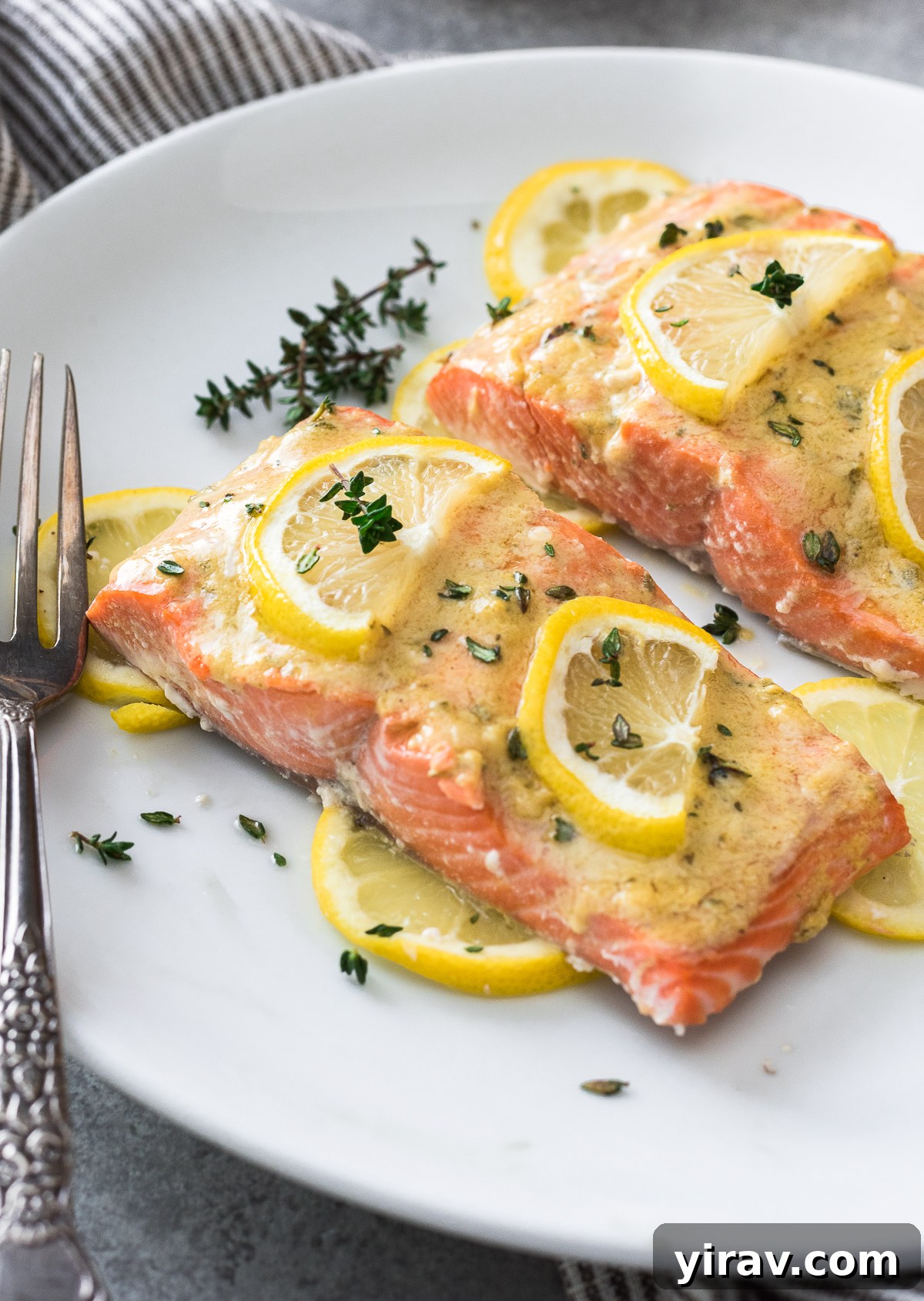
Lemon Dijon Baked Salmon
Lemon Dijon Baked Salmon offers juicy baked salmon with a tangy lemon dijon sauce. It’s a family favorite!
Get the Recipe
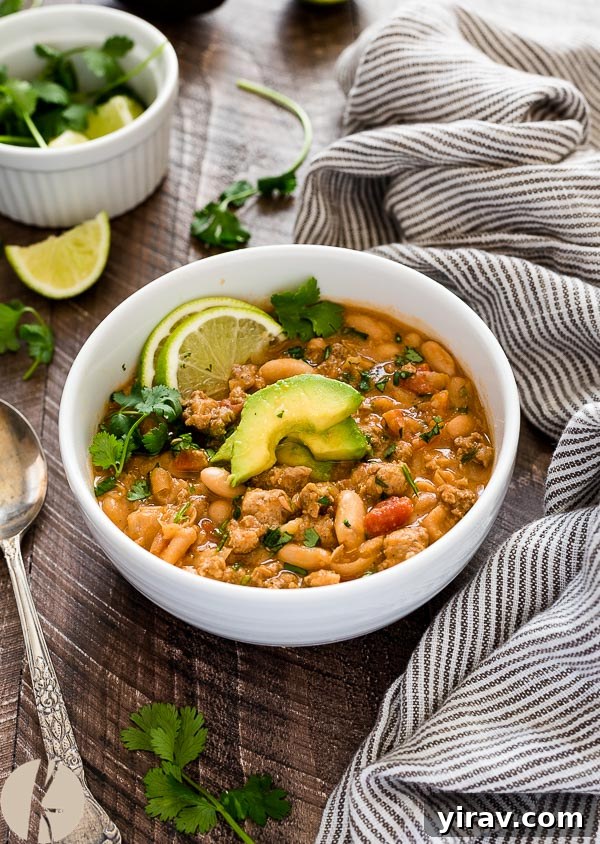
White Bean Turkey Chili
White Bean Turkey Chili is hearty and satisfying, with fresh lime juice and cilantro bringing all the flavors together!
Get the Recipe
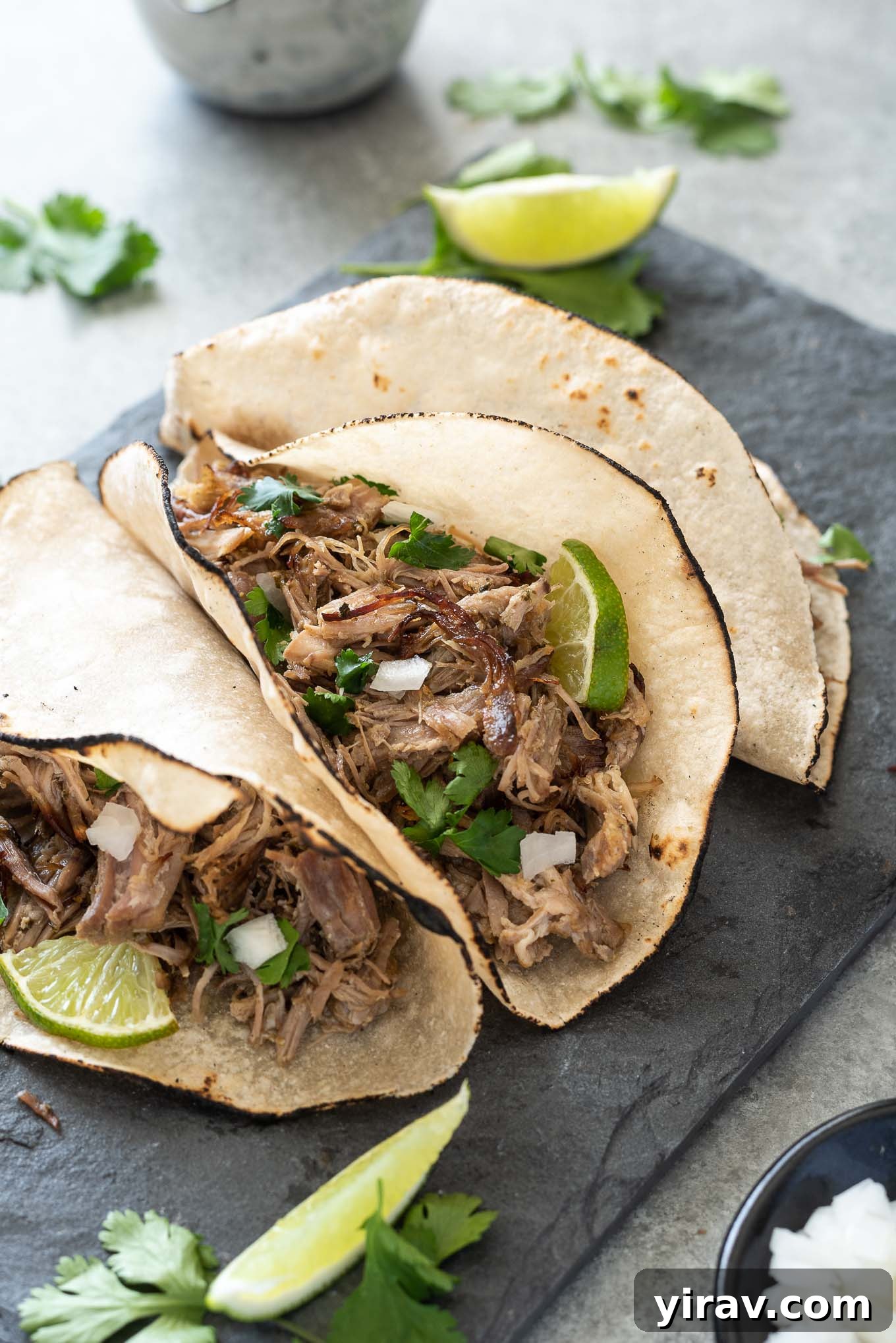
Slow Cooker Pork Carnitas
Slow Cooker Pork Carnitas features tender, juicy pork braised in a flavorful marinade of lime and orange juice, garlic, and cilantro. It’s incredibly flavorful and perfect for bowls, tacos, and more!
Get the Recipe
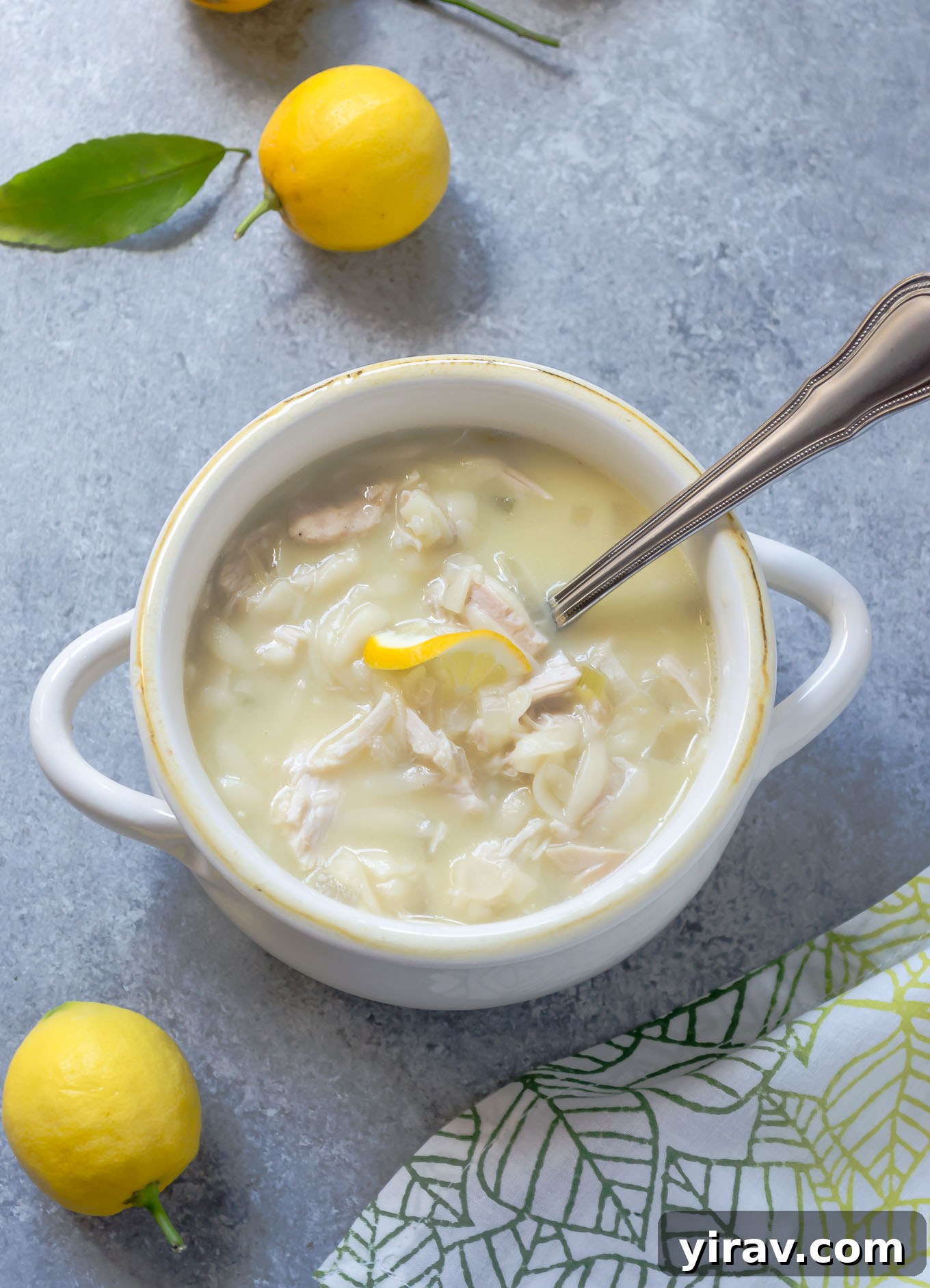
Slow Cooker Greek Lemon Chicken Soup
Slow Cooker Greek Lemon Chicken Soup is creamy, cozy, and bursting with fresh lemon flavor!
Get the Recipe
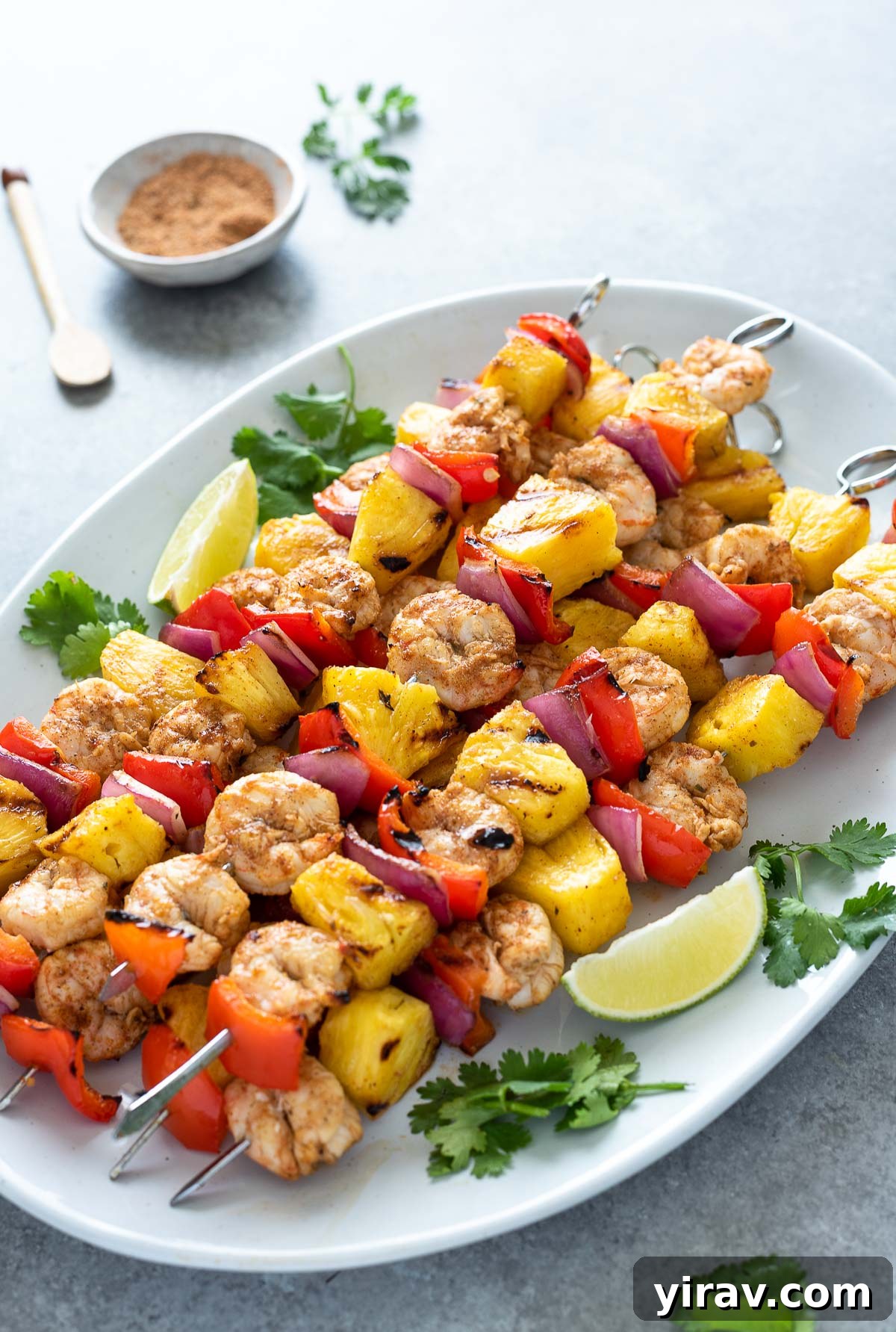
Jerk Pineapple Shrimp Skewers Recipe
Pineapple Shrimp Skewers are marinated in a vibrant Jamaican jerk sauce that includes both lime and orange juice. They’re sweet, smoky, and cook up in under 10 minutes!
Get the Recipe
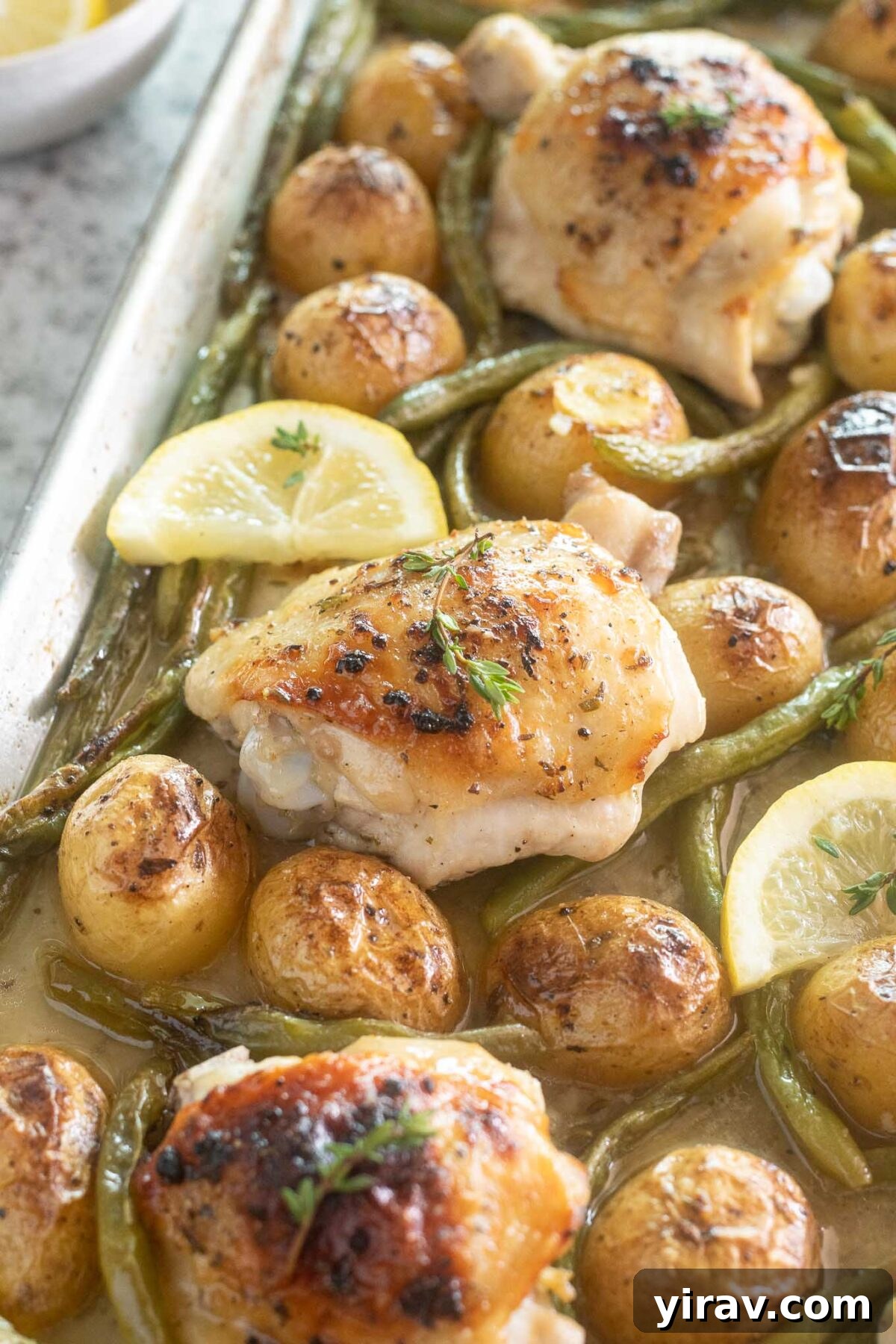
Sheet Pan Chicken Thighs
Sheet Pan Chicken Thighs with Potatoes and Green Beans is an easy one-pan dinner featuring the bright flavors of lemon, garlic, and Dijon!
Get the Recipe
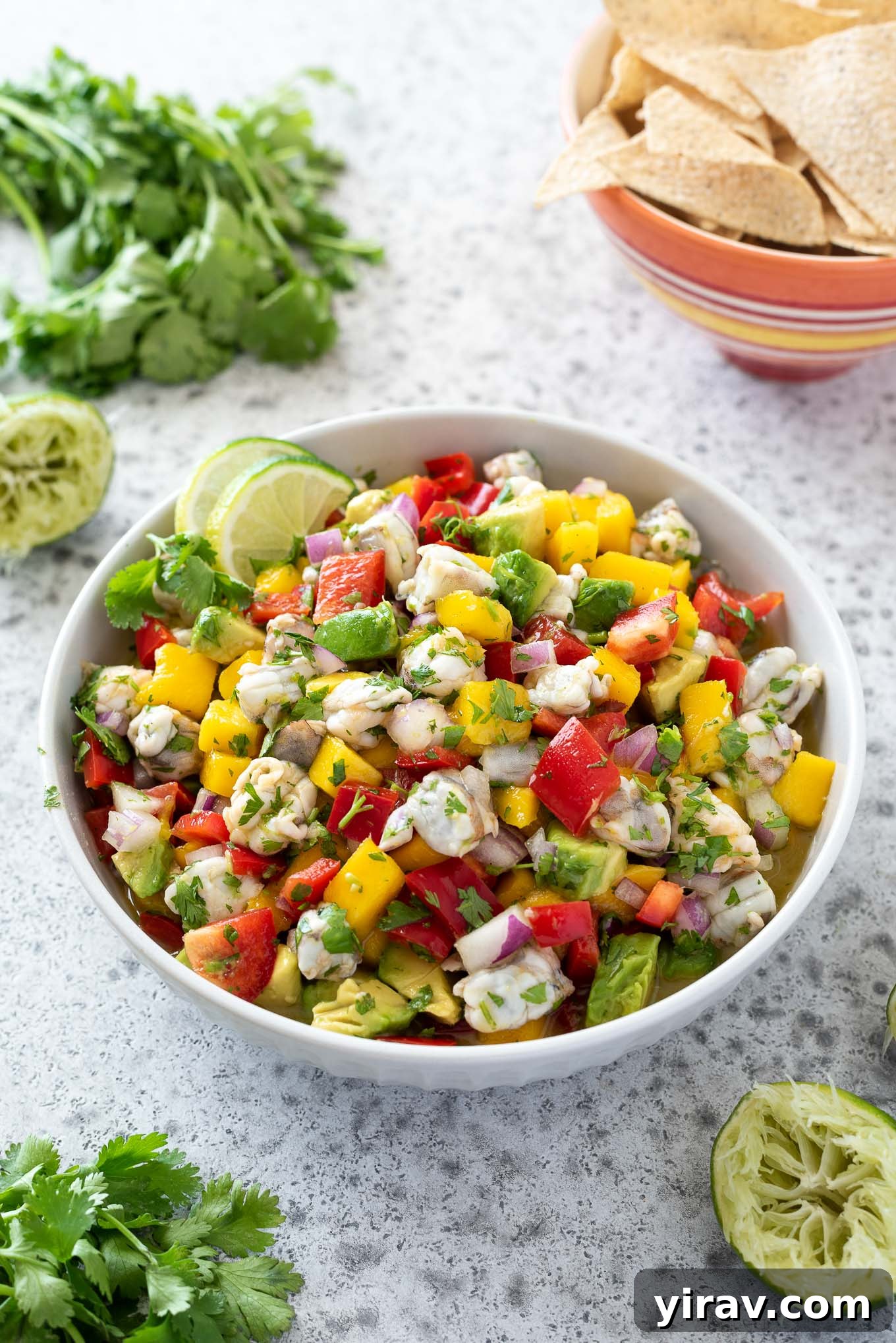
Easy Shrimp Ceviche Recipe
Shrimp Ceviche is packed with sweet and savory flavor. The shrimp “cooks” in fresh lemon and lime juice, making it an easy no-cook appetizer!
Get the Recipe
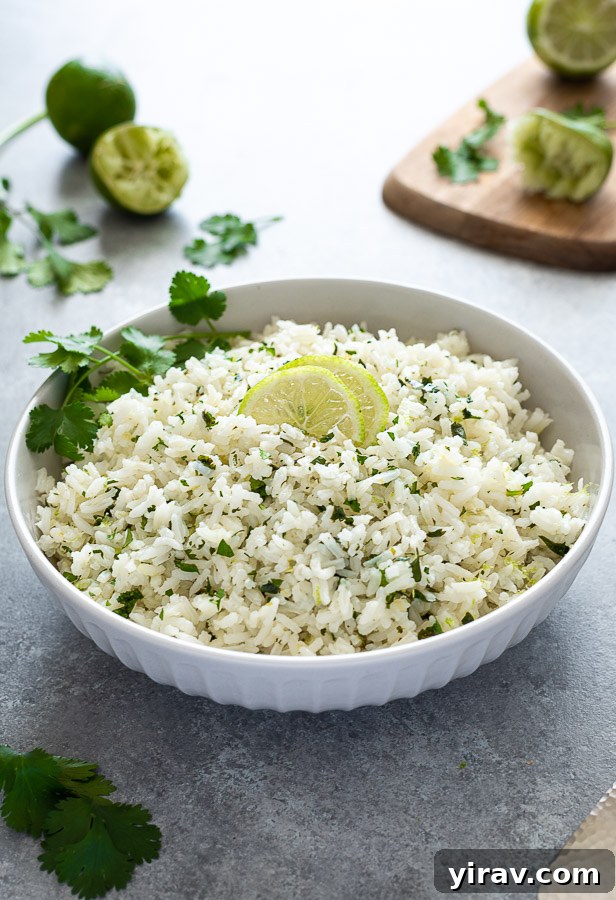
Cilantro Lime Rice
Cilantro Lime Rice is an easy, healthier version of Chipotle’s, bursting with fresh lime and cilantro flavor. Serve in burrito bowls or as a delicious side dish!
Get the Recipe
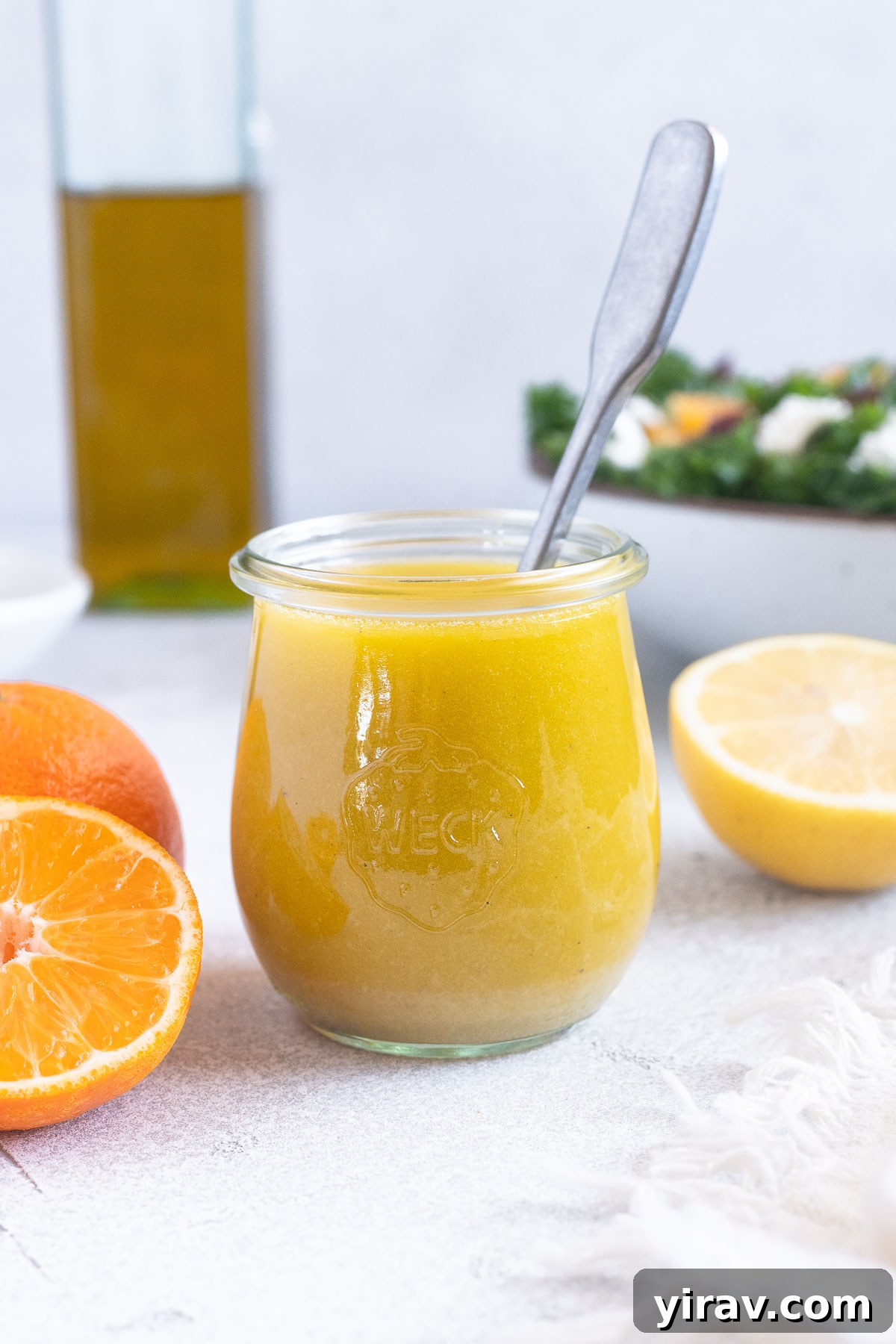
Citrus Vinaigrette Recipe
Citrus Vinaigrette is sweet, tangy, and bursting with fresh citrus flavor! This delicious salad dressing comes together with just 6 ingredients and takes only minutes to make!
Get the Recipe
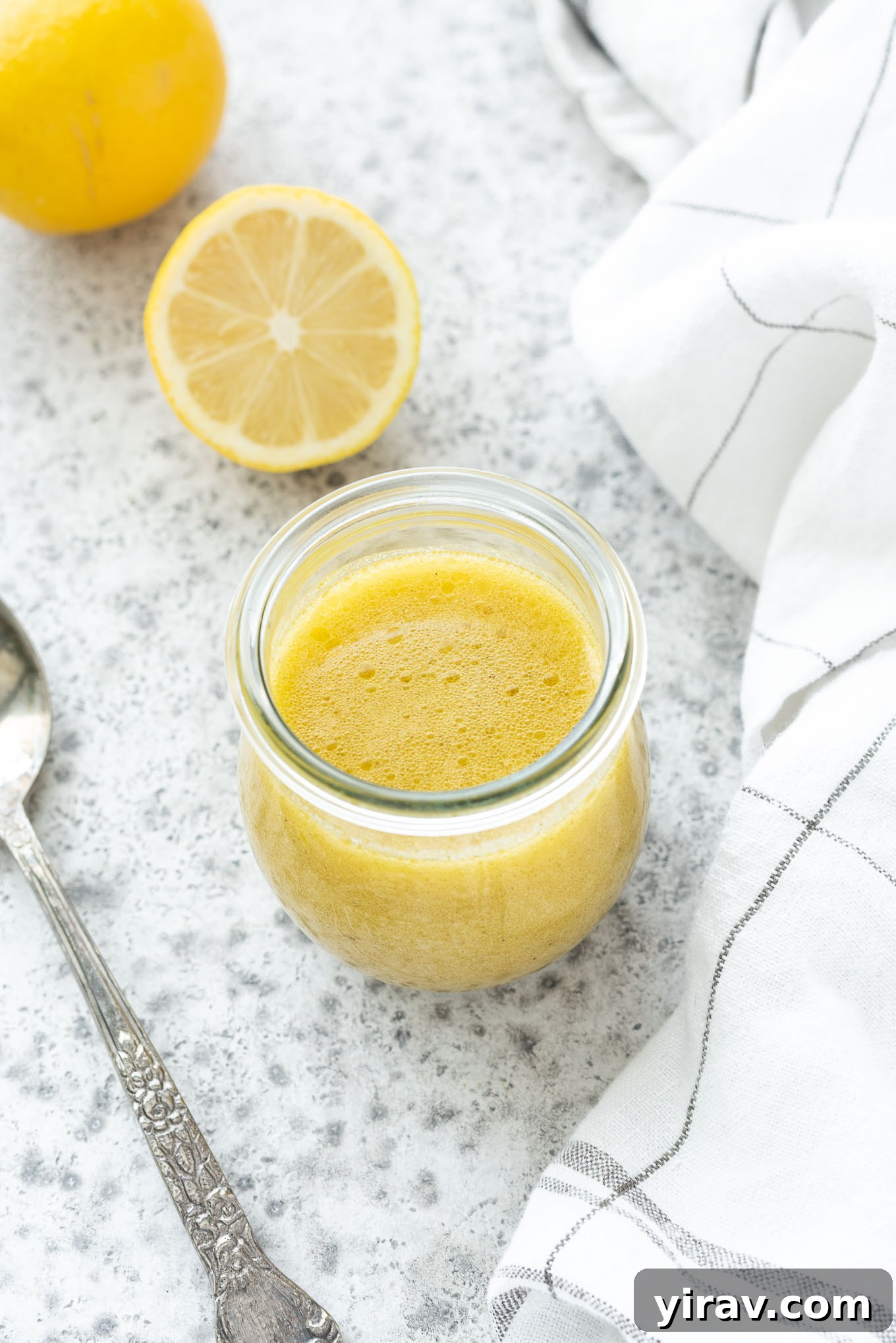
Lemon Vinaigrette Recipe
This Lemon Vinaigrette Recipe will take your salads to the next level! It’s fresh and tangy, includes just 4 ingredients, and comes together in about a minute!
Get the Recipe
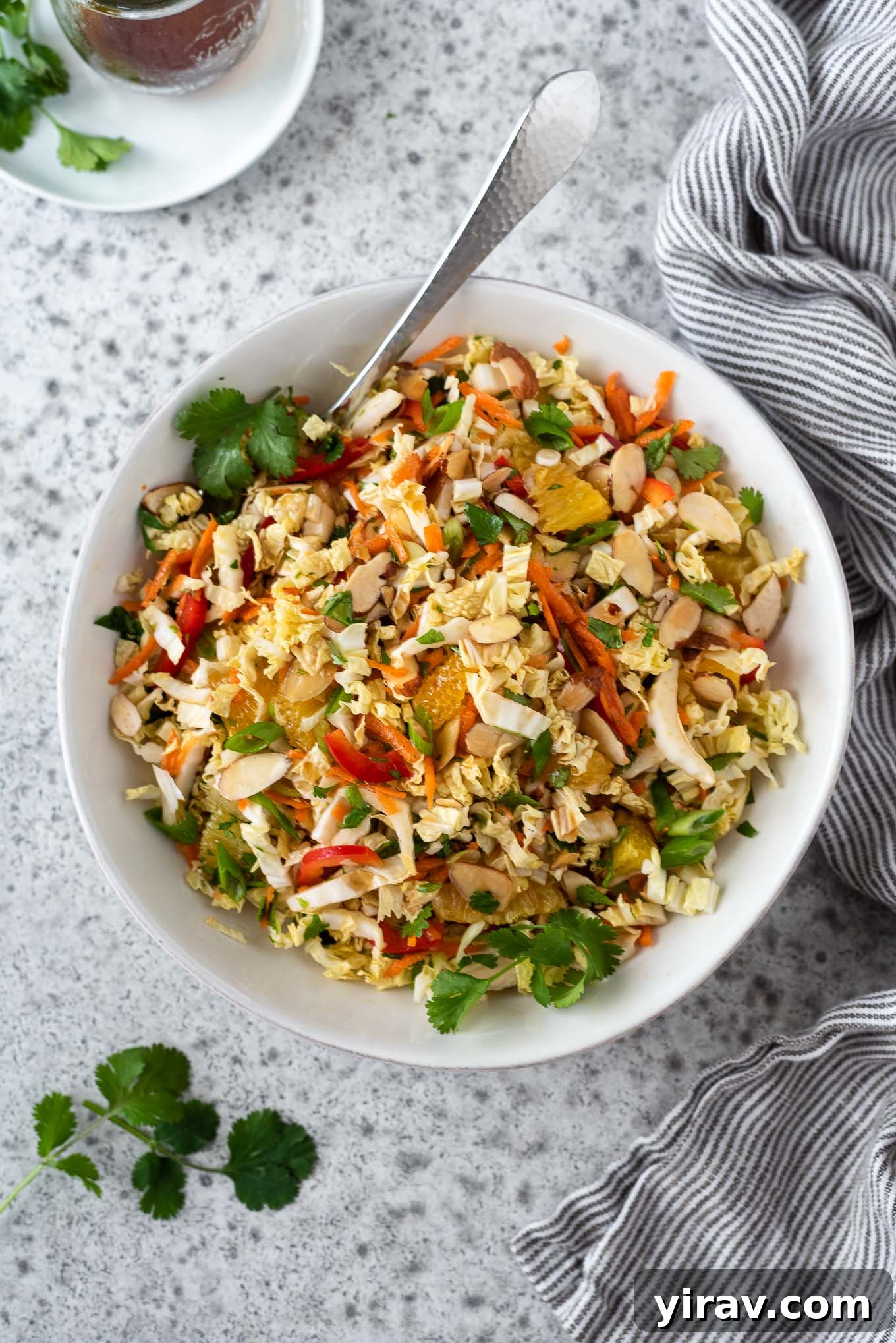
Napa Cabbage Salad with Asian Dressing
Napa Cabbage Salad is crisp, crunchy, and utterly addictive! This vegan salad is sweet, savory, and tossed in a bright Asian dressing!
Get the Recipe
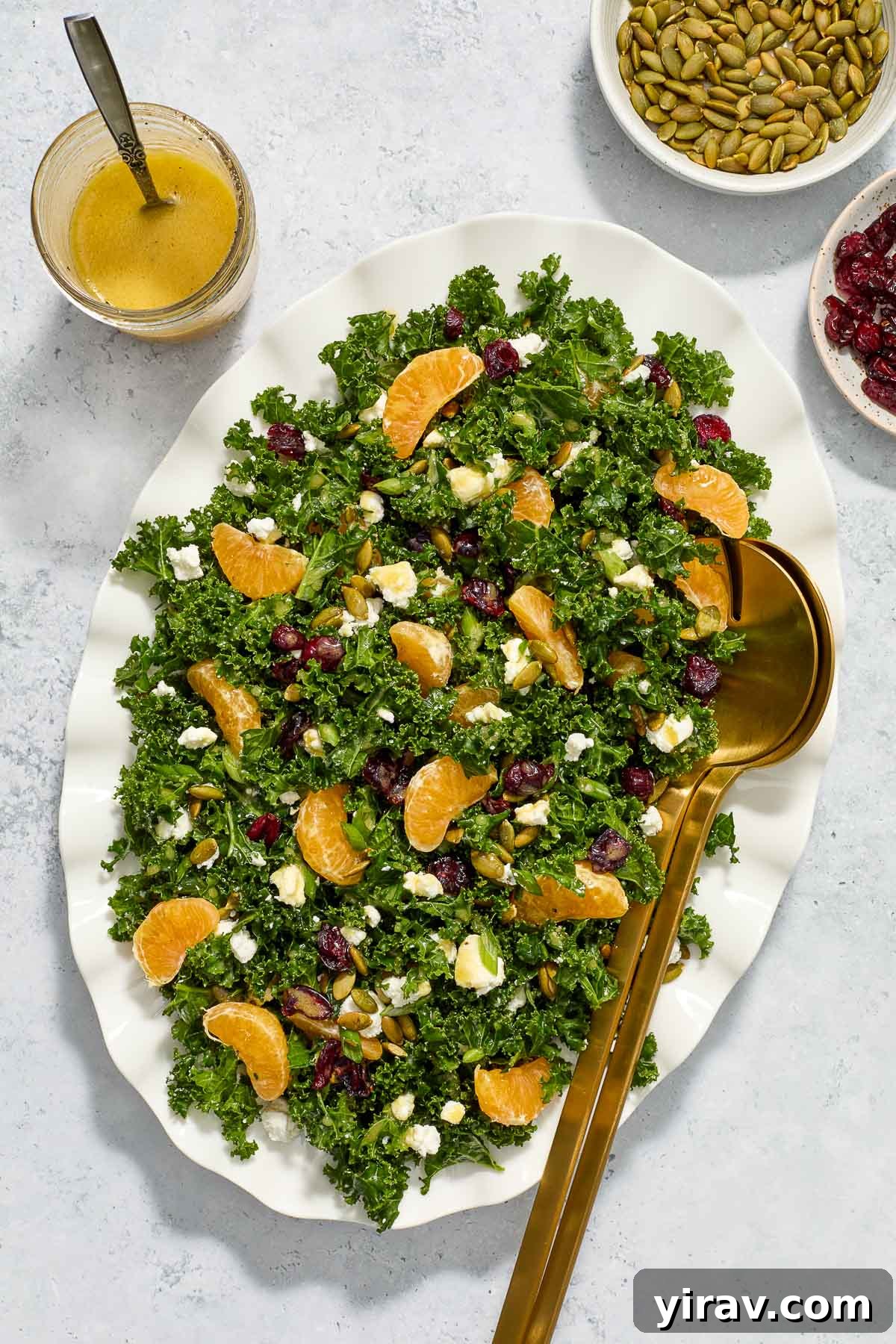
Kale Orange Salad with Goat Cheese
This hearty kale salad is packed with creamy goat cheese, juicy orange segments, dried cranberries, and crunchy pepitas. A tangy citrus vinaigrette is the perfect finishing touch! This is a great side salad for cooler months and can be assembled in advance.
Get the Recipe
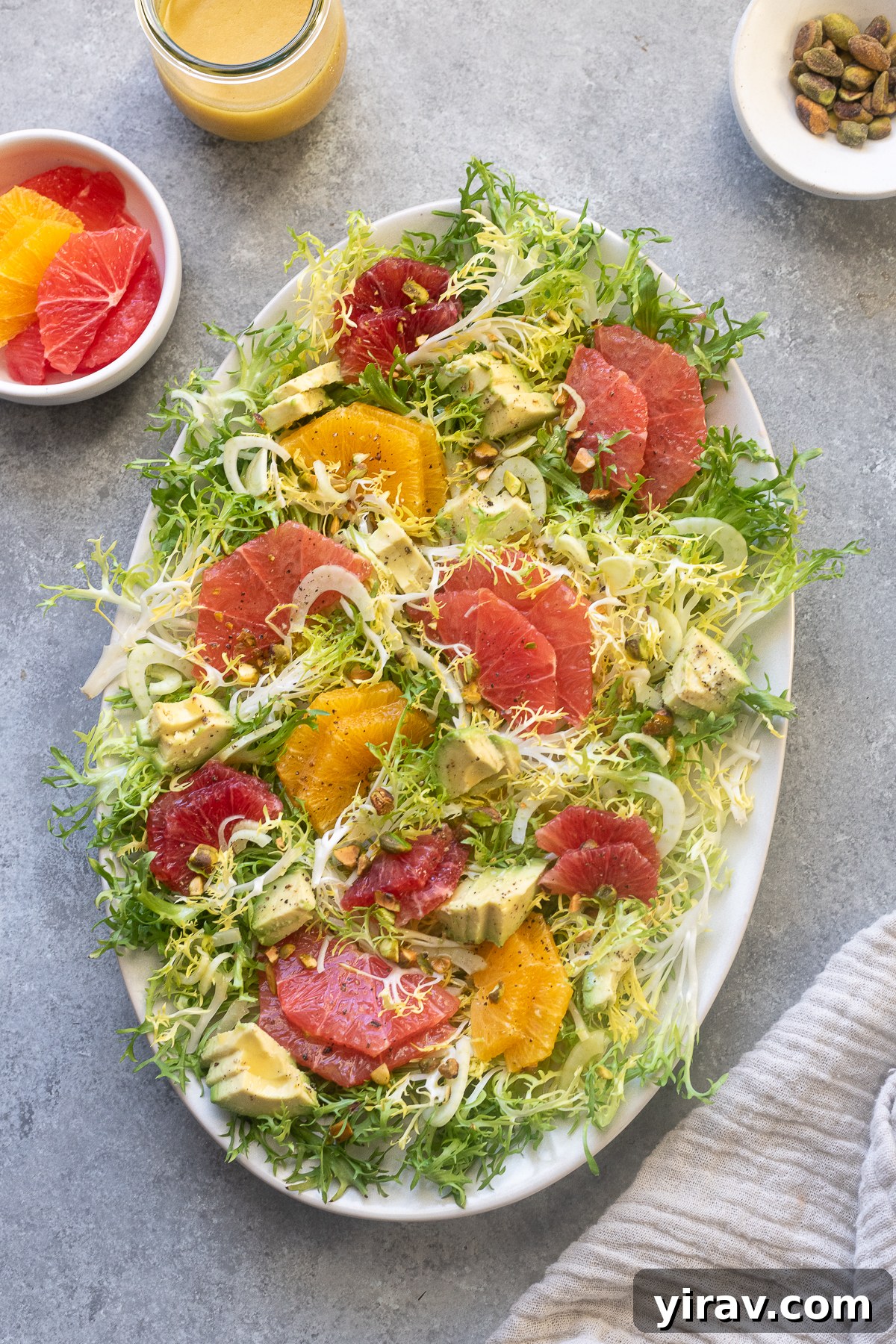
Frisee Citrus Salad
Frisée Citrus Salad is crisp, refreshing, and guaranteed to brighten any winter day! It’s easy yet elegant, and components may be prepped entirely in advance!
Get the Recipe
Sweet Citrus Recipes
Citrus truly shines in the realm of baking and desserts, where its fresh juice contributes essential brightness and its zest intensifies flavor without adding excessive liquid. From the vibrant tang of classic lemon bars to the tropical allure of key lime pie, these recipes beautifully highlight the sweet, aromatic, and invigorating qualities of citrus.
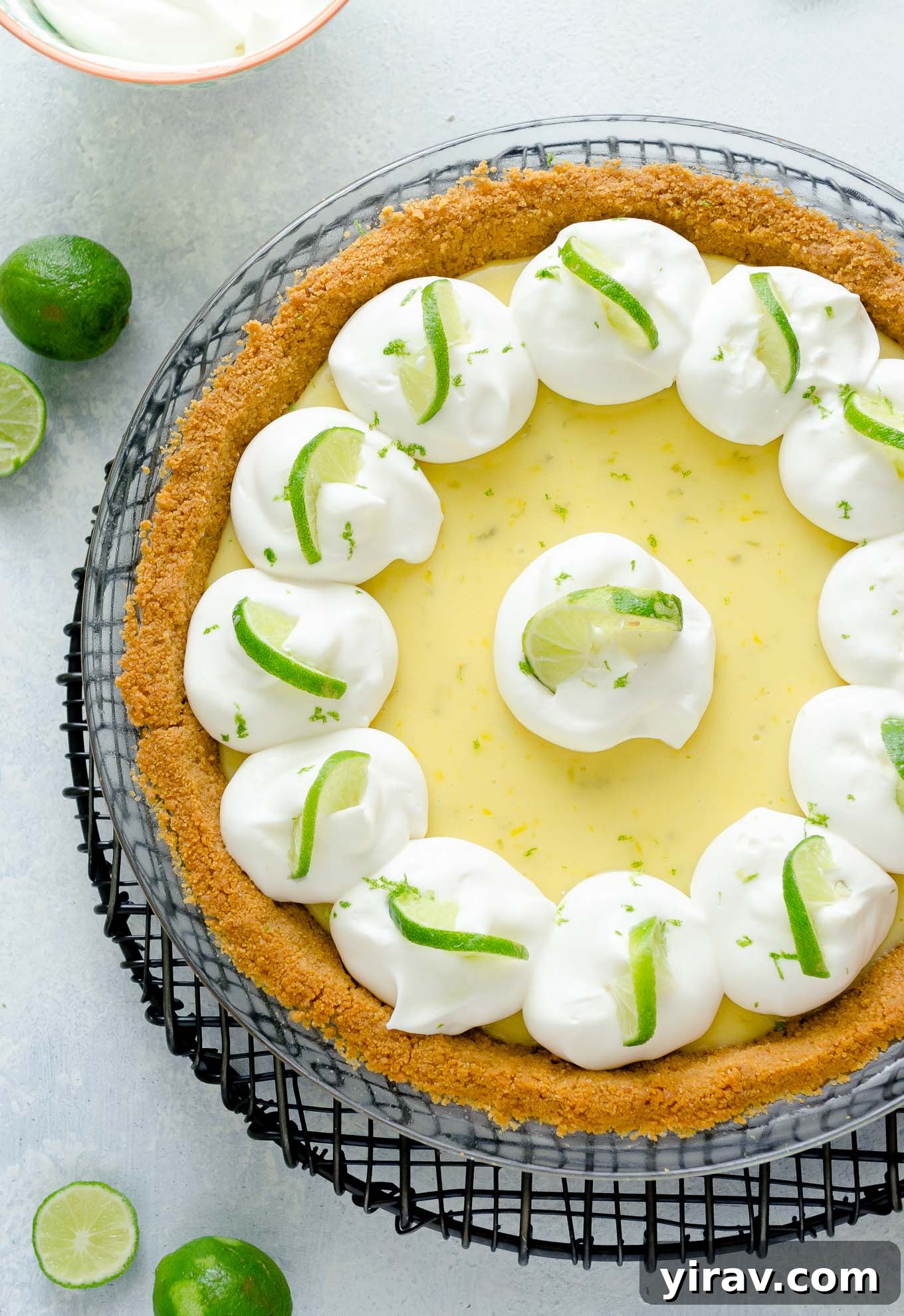
Easy Classic Key Lime Pie
Easy Classic Key Lime Pie is creamy and bursting with fresh key lime flavor. This pie is so simple to make and will have people raving every time!
Get the Recipe

Easy Lemon Bars Recipe
This Easy Lemon Bars Recipe is complete with a press-in shortbread crust, luscious, tangy lemon filling, and a dusting of powdered sugar. They’re made with simple ingredients, are so easy to make, and always receive rave reviews!
Get the Recipe
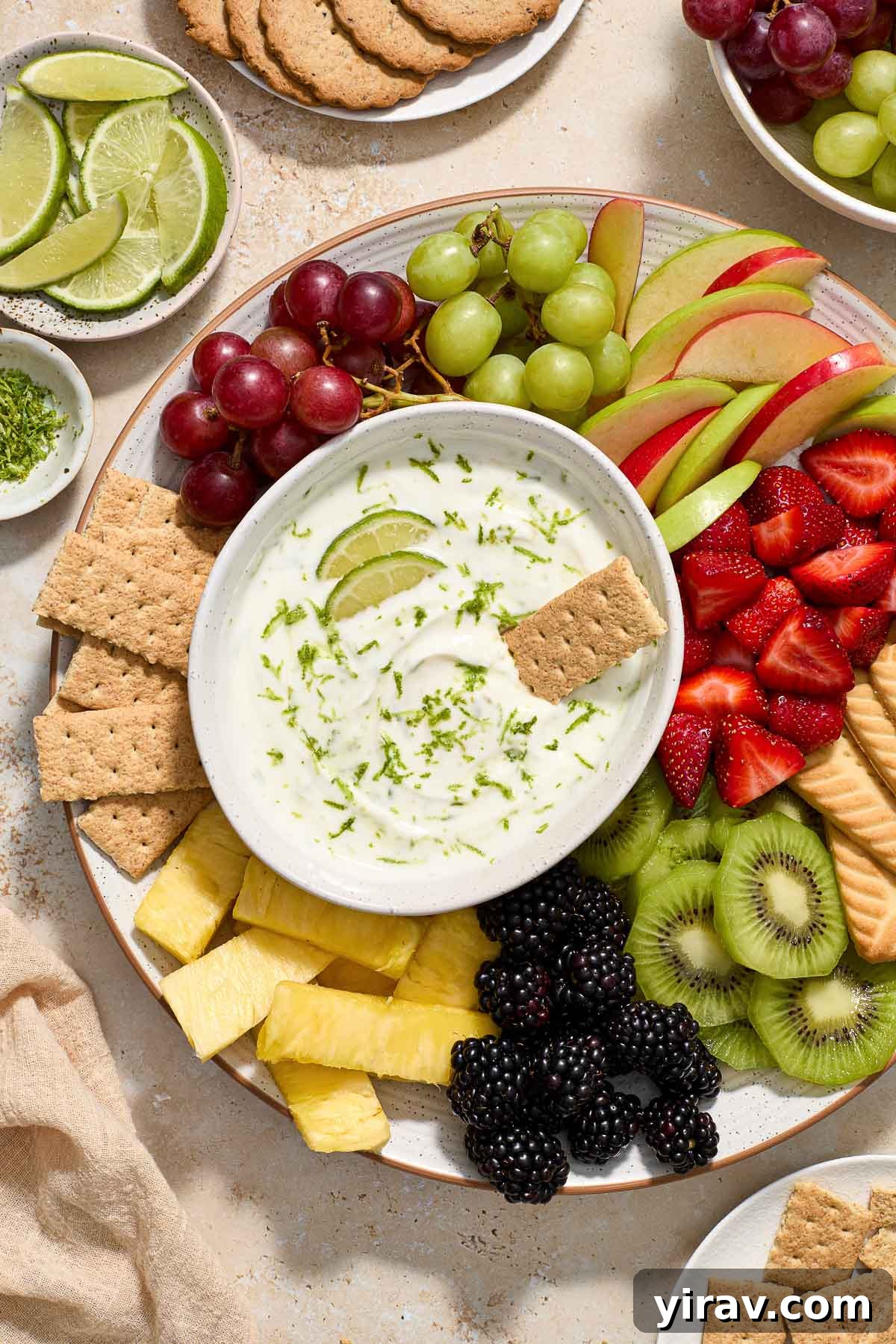
Key Lime Yogurt Fruit Dip
Key Lime Yogurt Fruit Dip is creamy, satisfying, and bursting with fresh key lime flavor! It’s a healthy snack or appetizer that includes just 3 ingredients!
Get the Recipe

Almond Flour Lemon Loaf Cake
This Almond Flour Lemon Loaf Cake is super moist and bursting with lemon flavor! It comes together in one bowl with just a few ingredients, and it’s dairy-free and gluten-free!
Get the Recipe
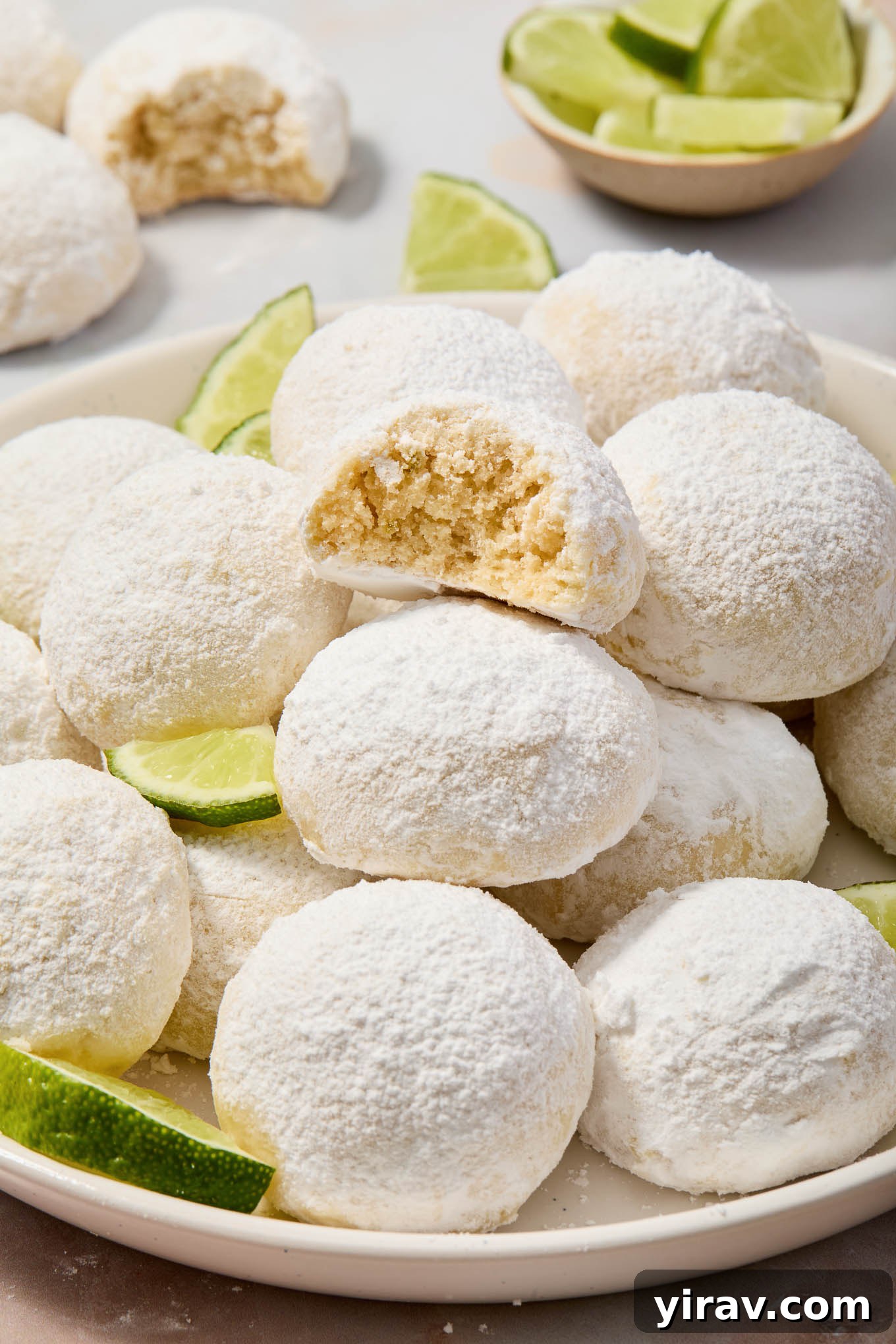
Key Lime Cooler Cookies
Key Lime Cooler Cookies are light and buttery, bursting with fresh key lime flavor, and coated in powdered sugar! They’re so easy to make and keep for up to two weeks!
Get the Recipe
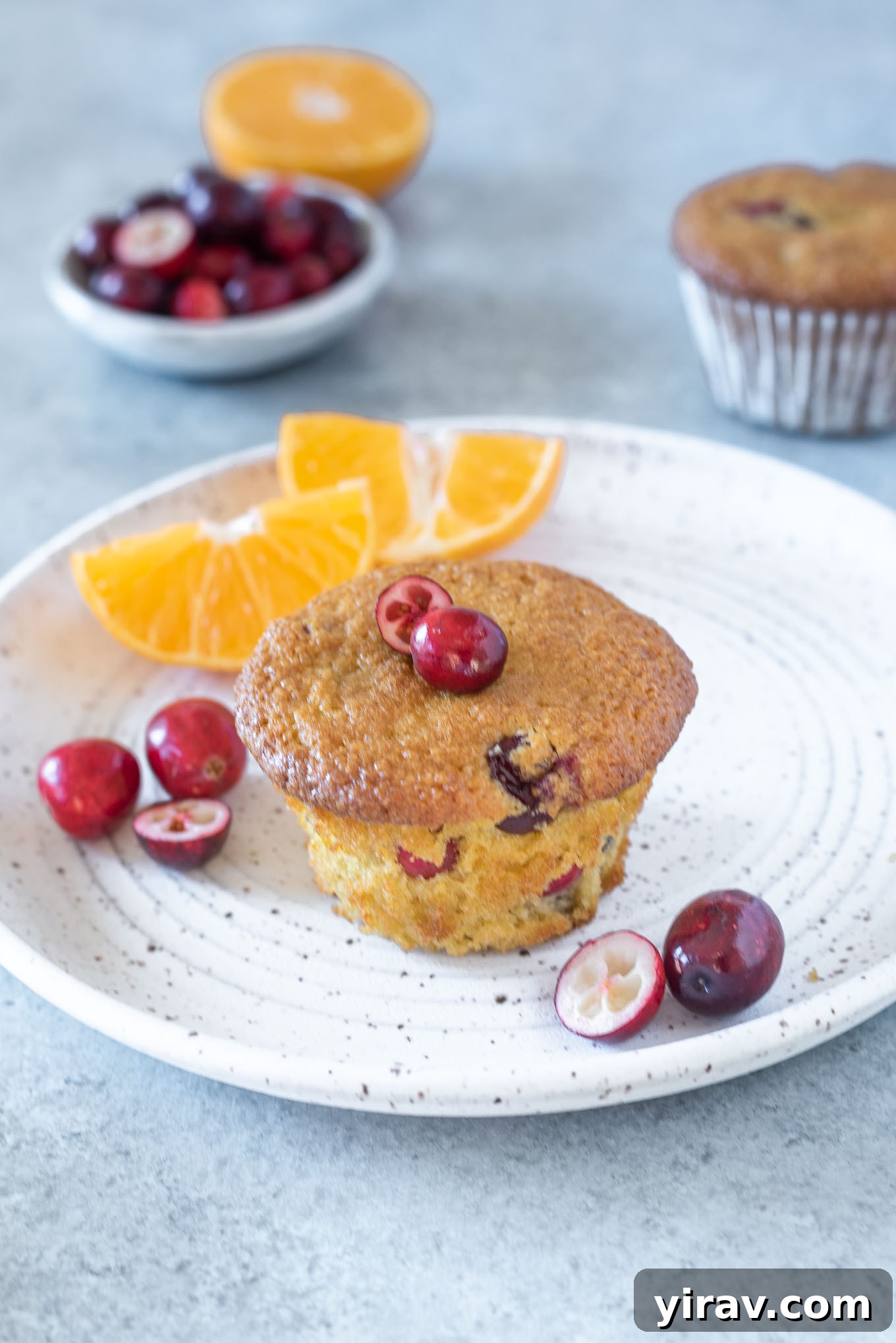
Healthy Cranberry Orange Muffins
Healthy Cranberry Orange Muffins are light, fluffy, and bursting with orange flavor and fresh cranberries. These gluten-free muffins are made with almond flour, contain no refined sugar, and come together in just one bowl!
Get the Recipe
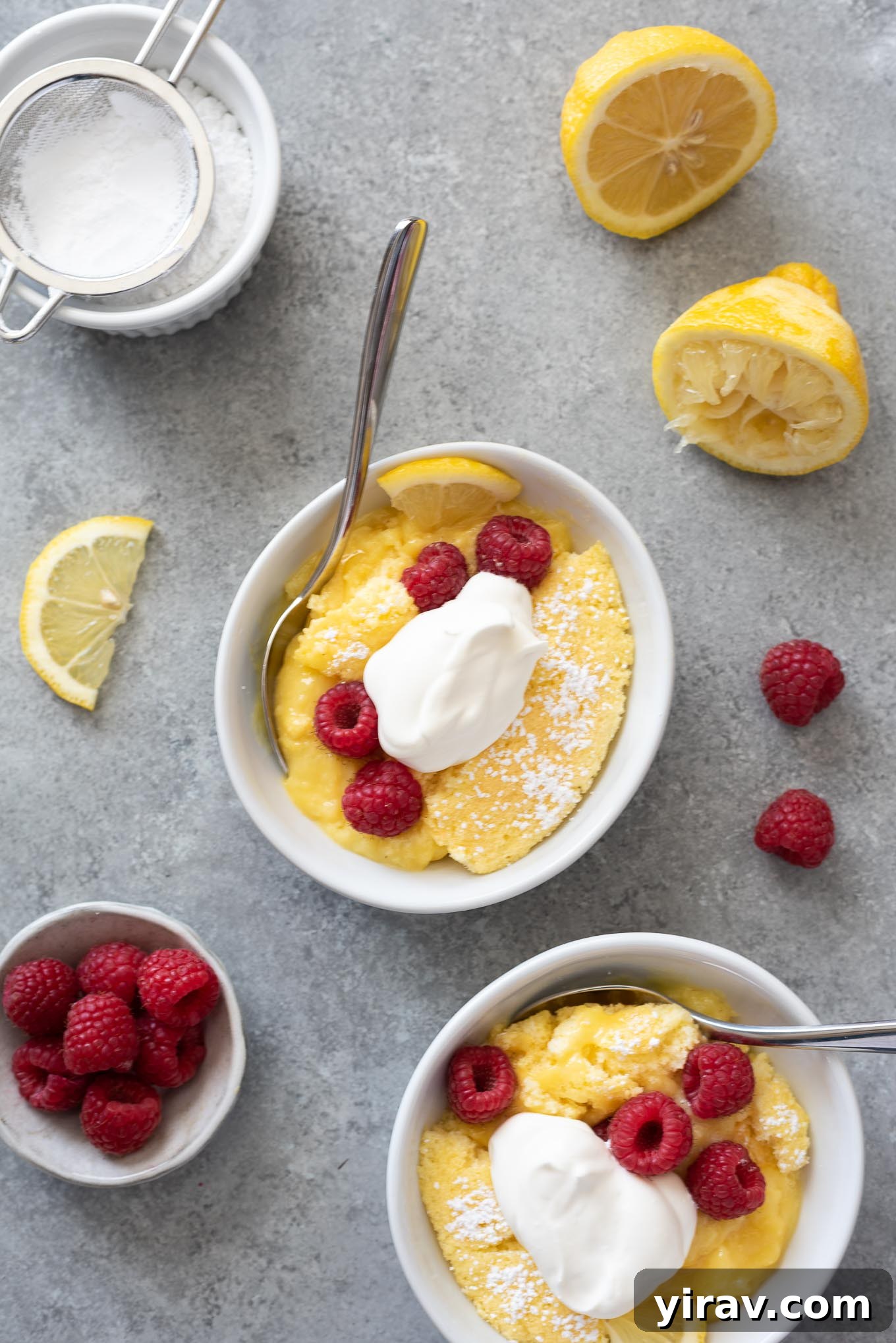
Lemon Pudding Cake
Lemon Pudding Cake features luscious layers of creamy lemon pudding and fluffy cake for the best lemon dessert ever! It’s so easy to make and includes a gluten-free option!
Get the Recipe
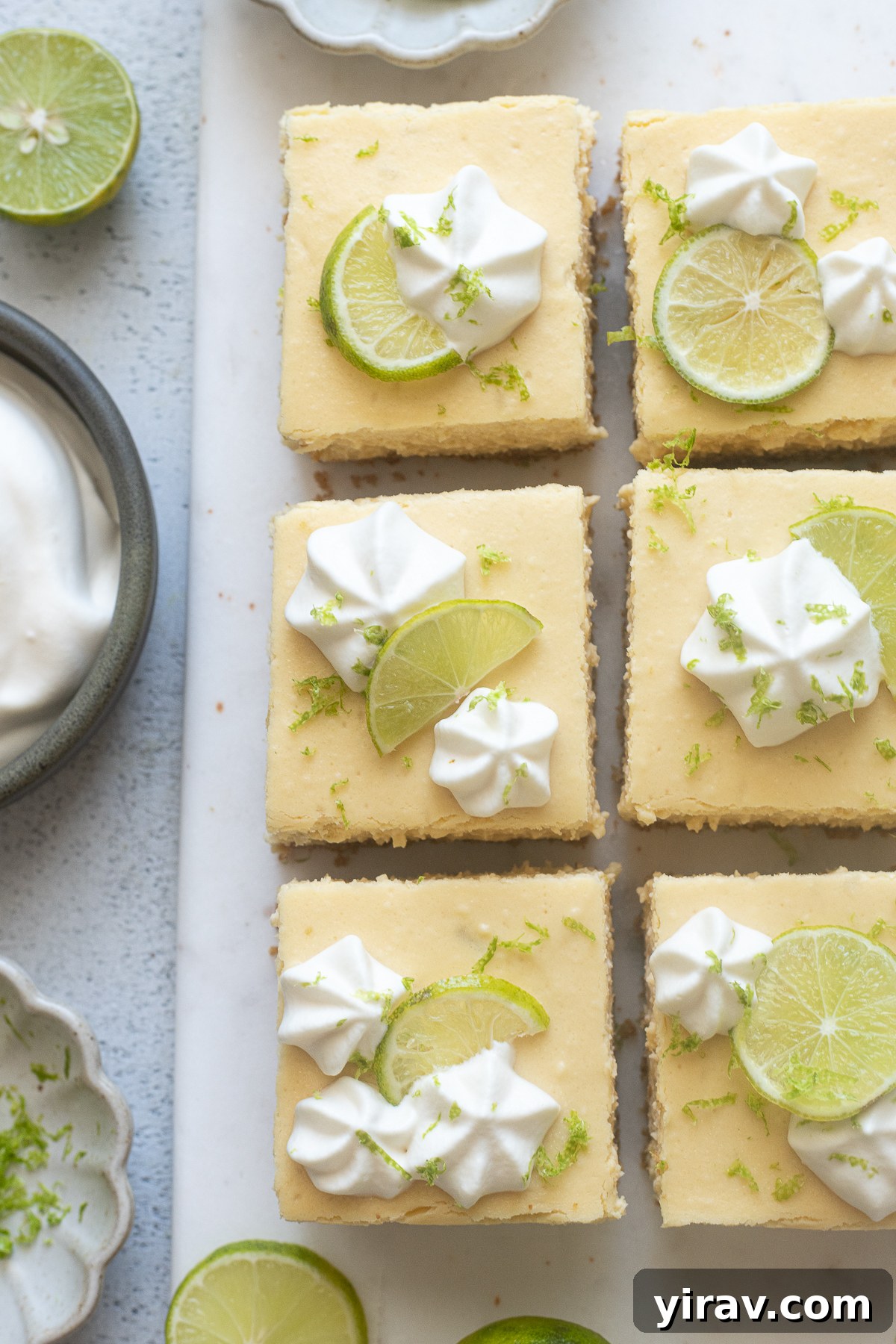
Key Lime Cheesecake Bars
Key lime cheesecake bars feature a buttery graham cracker crust topped with a creamy layer of key lime cheesecake. They’re bursting with fresh key lime flavor and are much easier to make than traditional cheesecake!
Get the Recipe
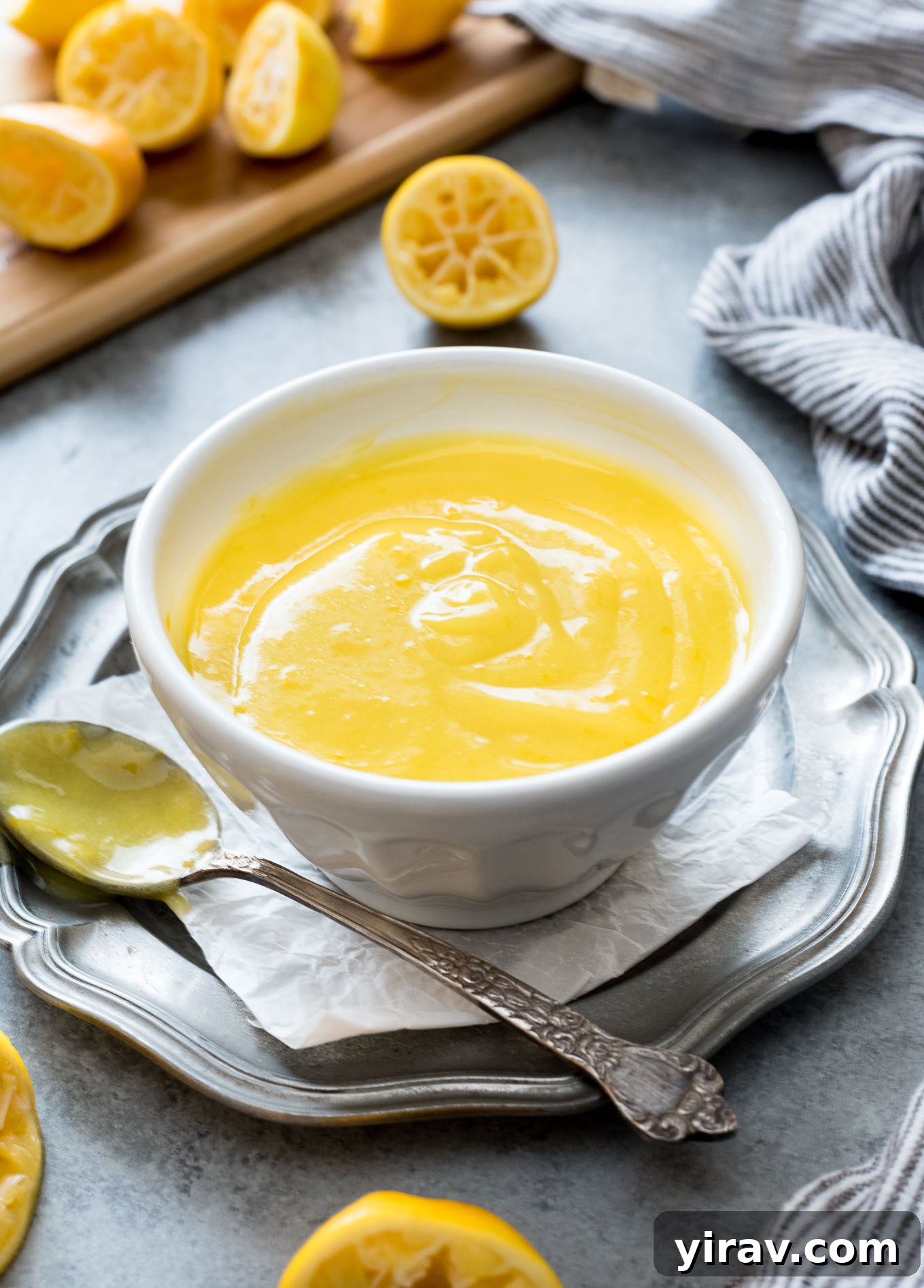
Lemon Curd
Lemon Curd is tangy, luscious, and bursting with flavor! It’s so easy and delicious, perfect served with scones, as a tart filling, or topping cheesecake!
Get the Recipe
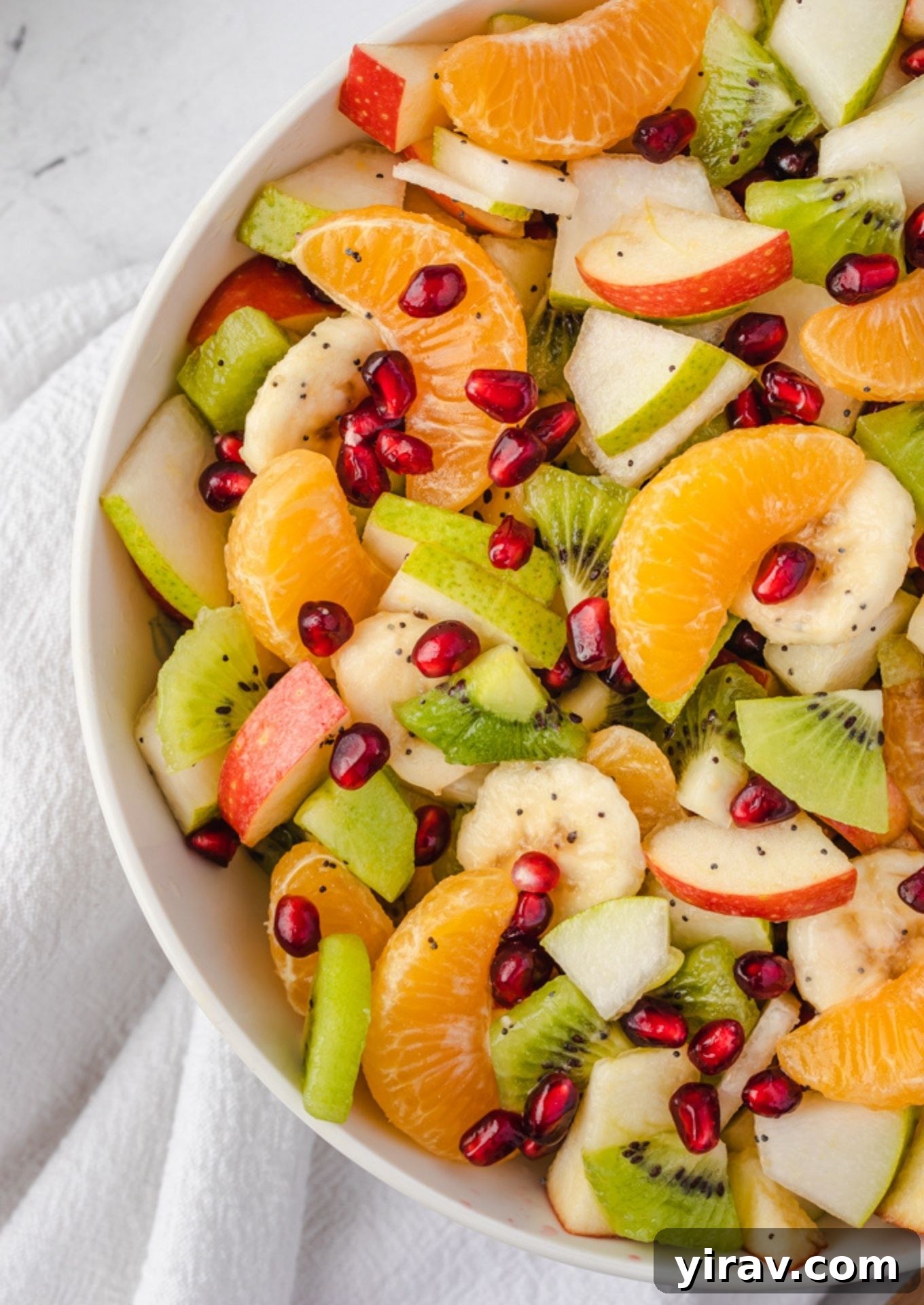
Winter Fruit Salad
Winter Fruit Salad is fresh, vibrant, and tossed in a flavorful citrus dressing. It’s a gluten-free, vegan recipe that’s great for brunch, snacks, and potlucks!
Get the Recipe
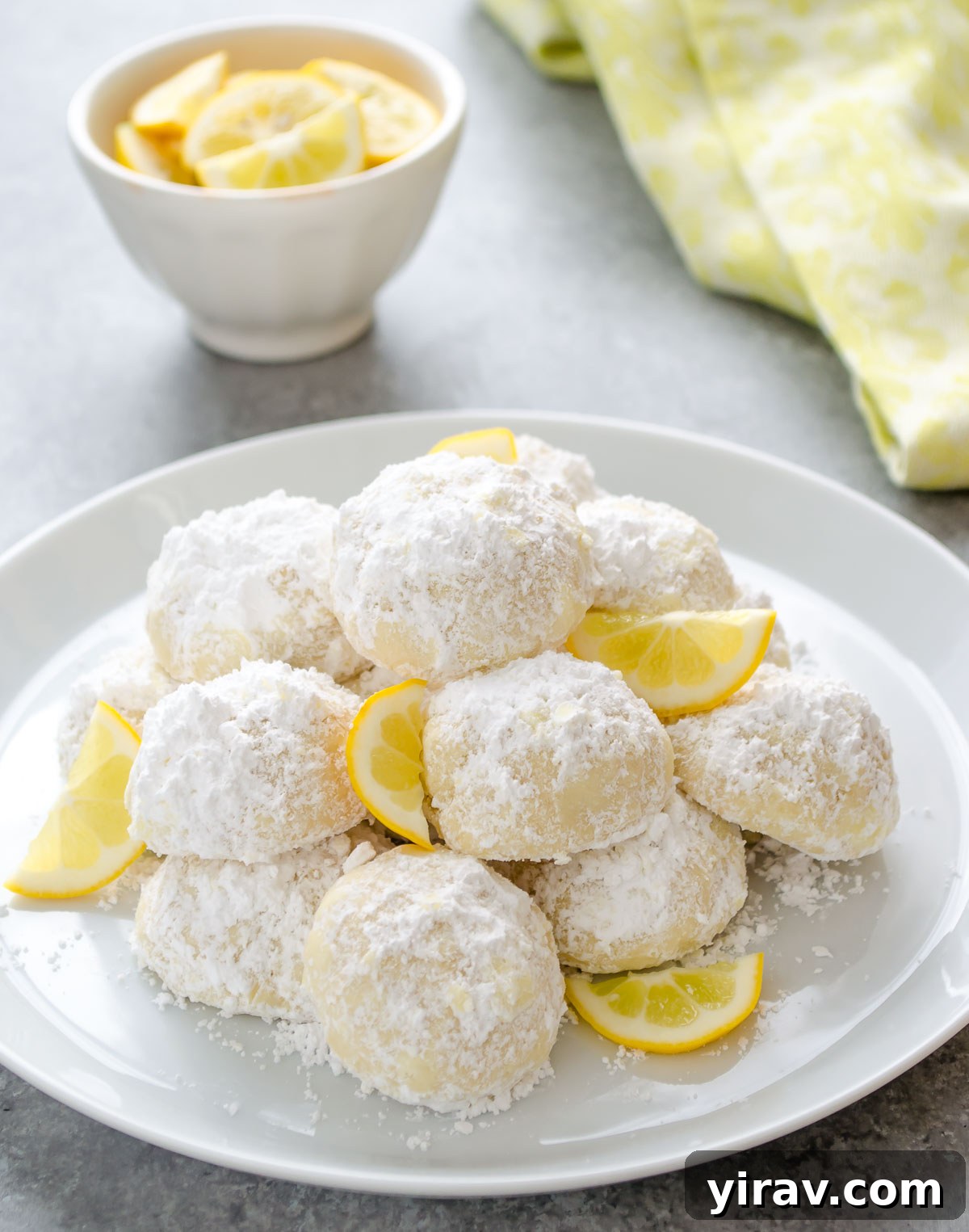
Meyer Lemon Greek Butter Cookies (Kourabiedes)
Meyer Lemon Greek Butter Cookies are easy, classic Greek kourabiedes with a refreshing citrus twist. They’re perfect for your holiday baking!
Get the Recipe
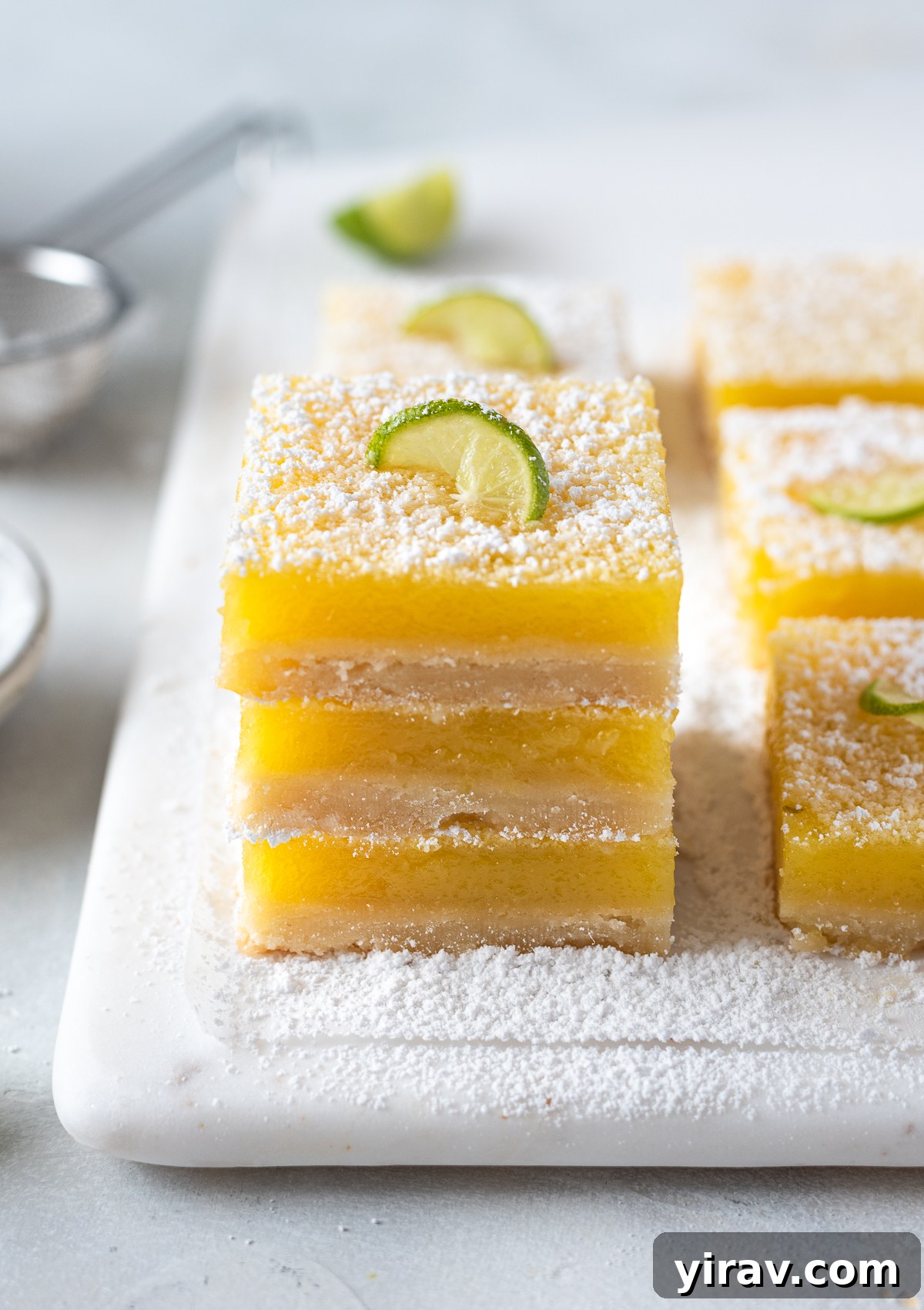
Key Lime Shortbread Bars Recipe
A creamy key lime filling tops a buttery shortbread crust in these easy key lime shortbread bars.
Get the Recipe
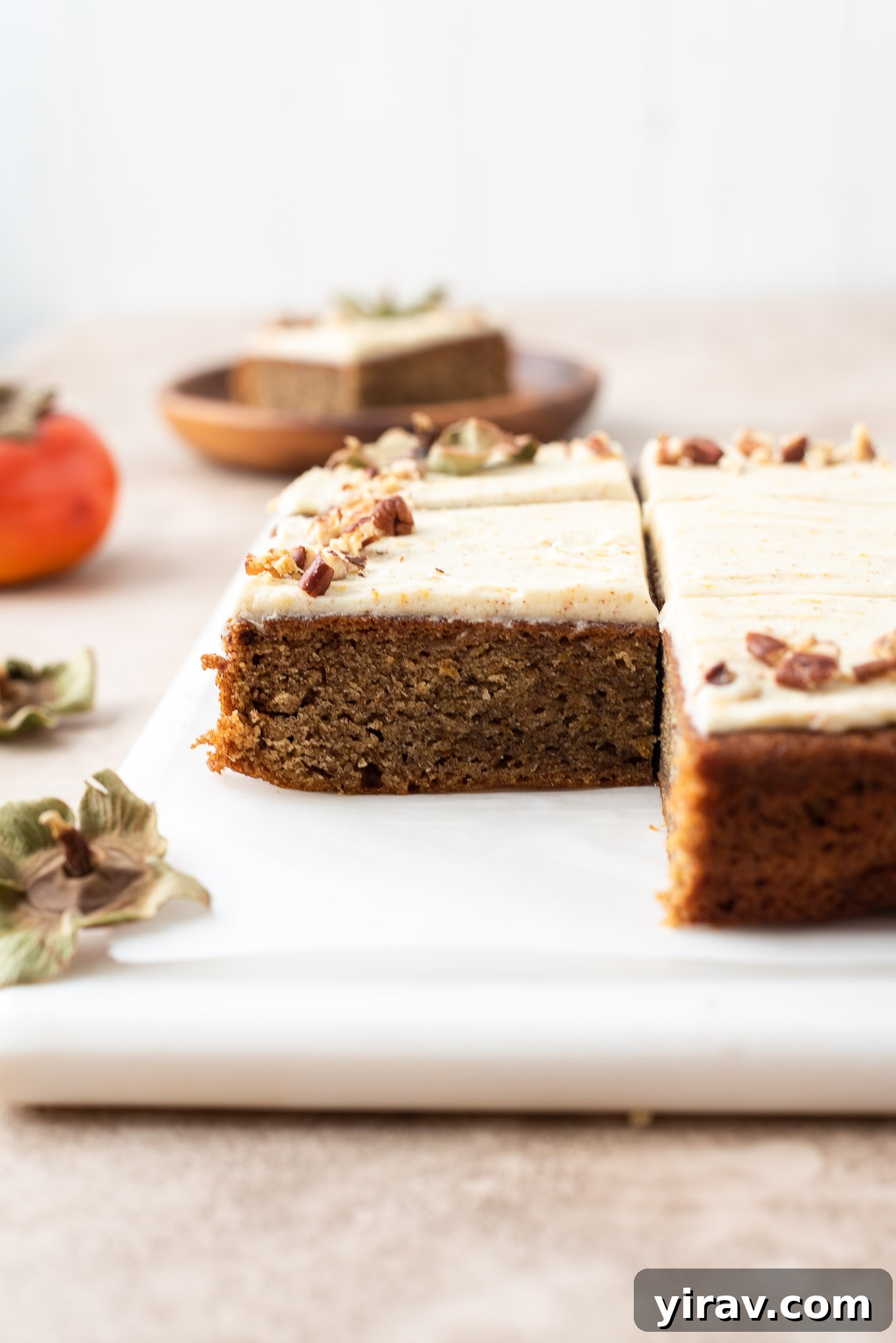
Persimmon Cake with Brown Butter Orange Frosting
Persimmon Cake with Brown Butter Orange Frosting is dense, moist, and full of flavor! It’s a delicious, versatile cake perfect for dessert, holidays, and even breakfast and brunch!
Get the Recipe
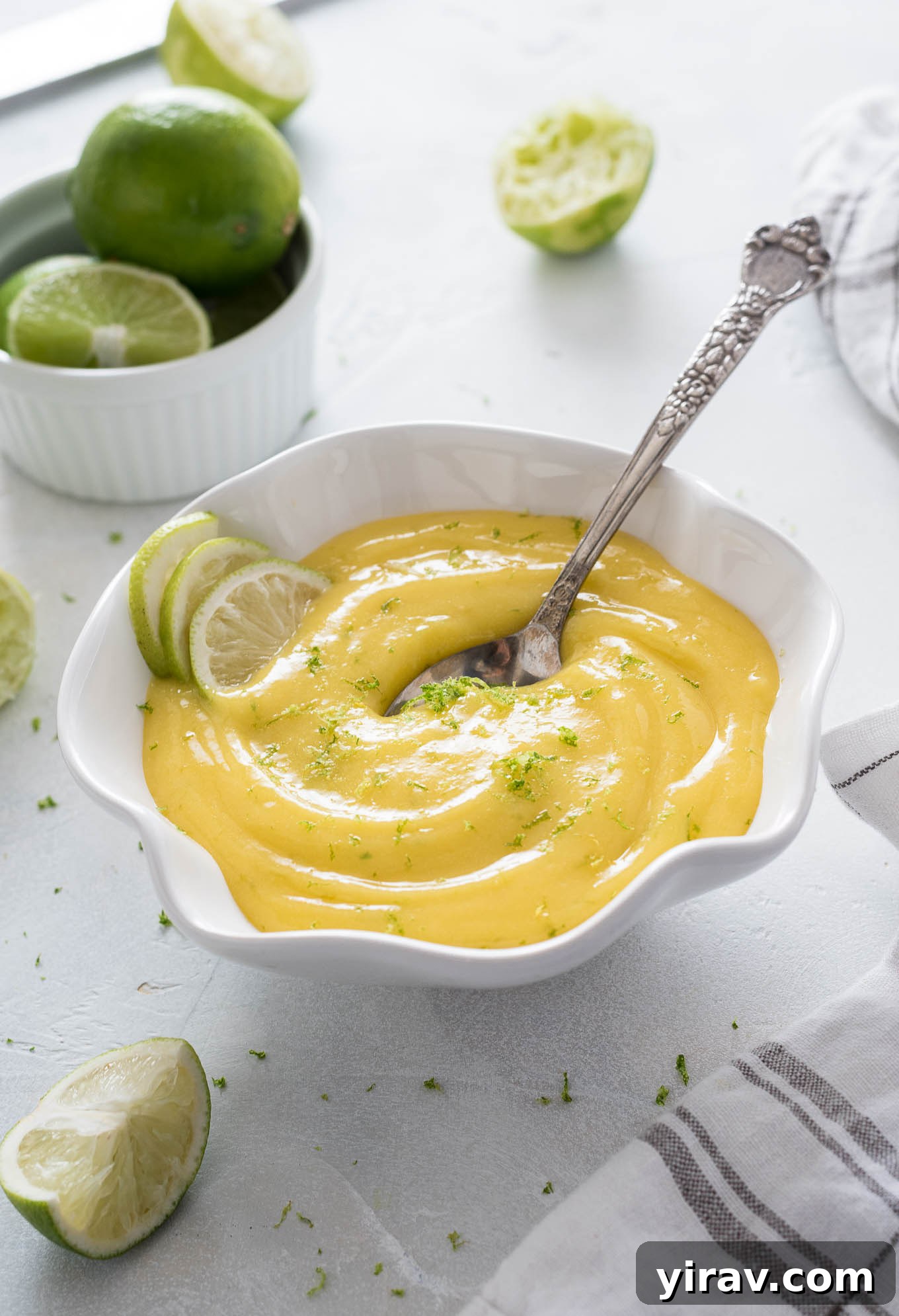
Lime Curd
Lime Curd is sweet, luxurious, and bursting with fresh lime flavor. It comes together in about 10 minutes, keeps for weeks in the refrigerator, and is freezer-friendly!
Get the Recipe
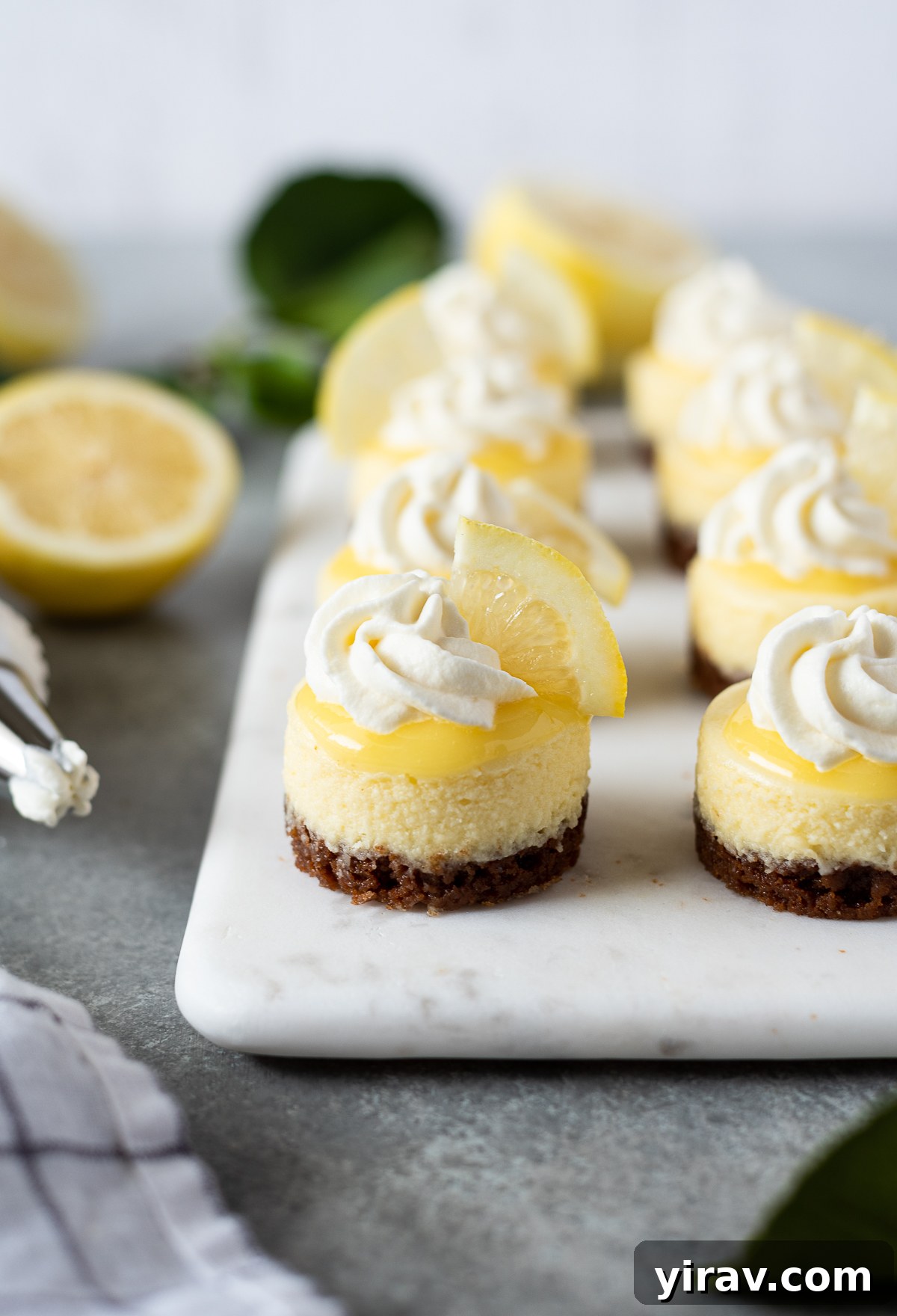
Mini Lemon Cheesecakes
These Mini Lemon Cheesecakes are an explosion of flavor with tangy lemon curd and a spicy gingersnap cookie crust! They’re perfect for entertaining as they can be assembled completely in advance!
Get the Recipe
Citrus Cocktails and Drinks
Fresh citrus juice is a game-changer for both sophisticated cocktails and refreshing everyday beverages, providing crucial balance and natural acidity. These vibrant drinks demonstrate how oranges, lemons, grapefruit, and limes can infuse every sip with unparalleled brightness and zest, transforming simple ingredients into delightful concoctions.
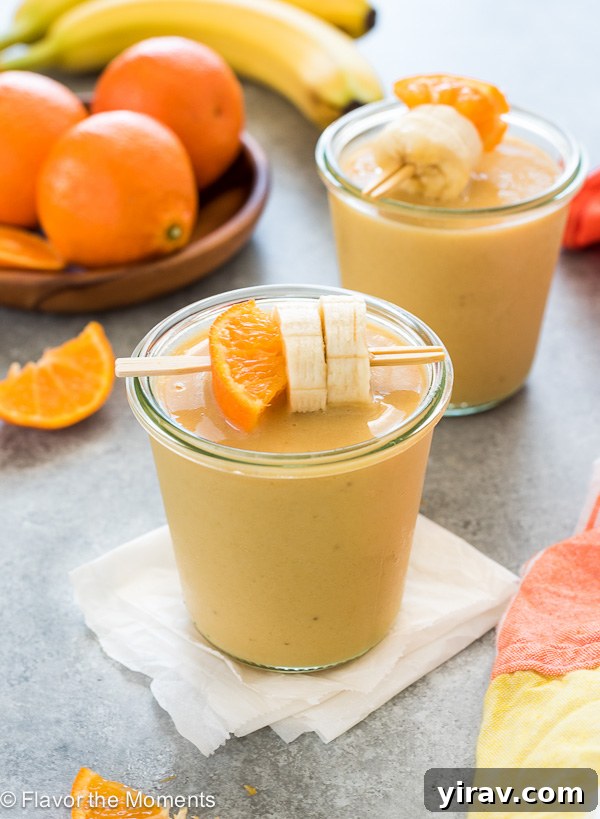
Orange Creamsicle Smoothie
This orange creamsicle smoothie is a creamy, refreshing smoothie reminiscent of your favorite popsicle! It’s made with just 3 ingredients and is so easy to customize.
Get the Recipe
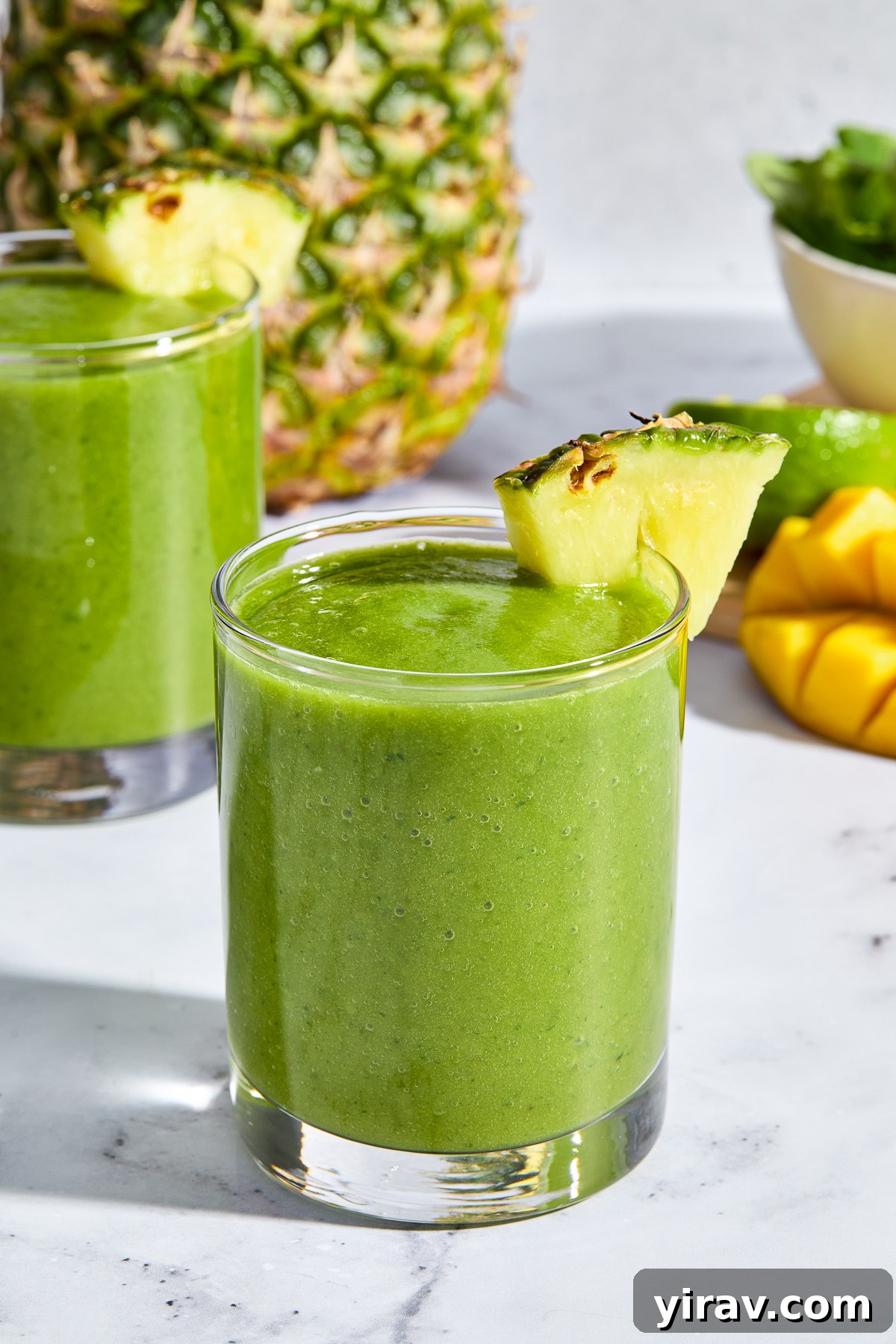
Tropical Mango Kale Smoothie
This Mango Kale Smoothie is creamy, refreshing, and made with no refined sugar. If you’re trying to sneak more greens into your diet, you’ll love this kale smoothie that’s bursting with the tropical flavors of mango, pineapple, and banana!
Get the Recipe
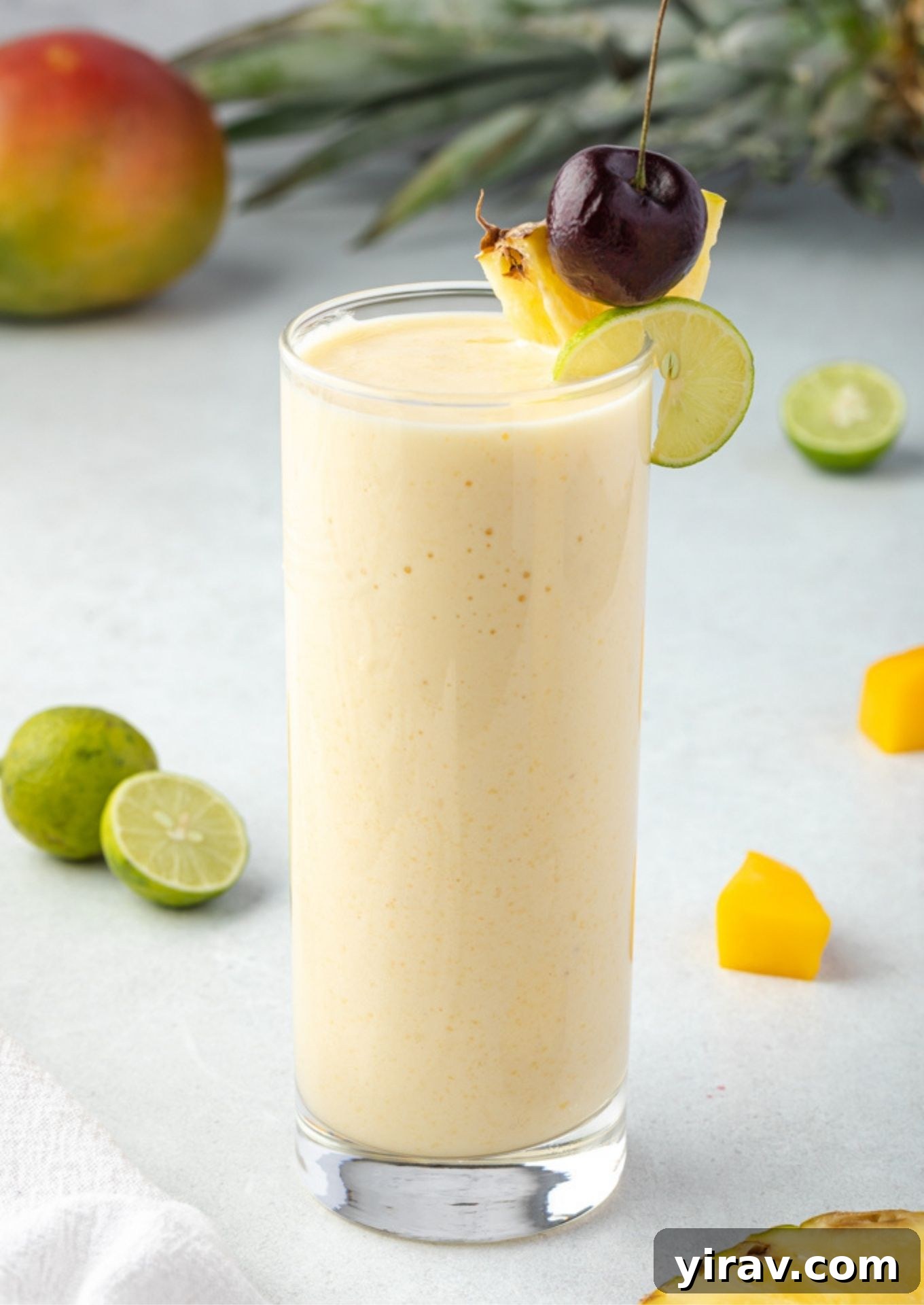
Tropical Smoothie Recipe
This Tropical Smoothie Recipe is creamy, refreshing, and bursting with tropical fruit flavor! It’s a satisfying breakfast or snack and can be made dairy-free and vegan!
Get the Recipe
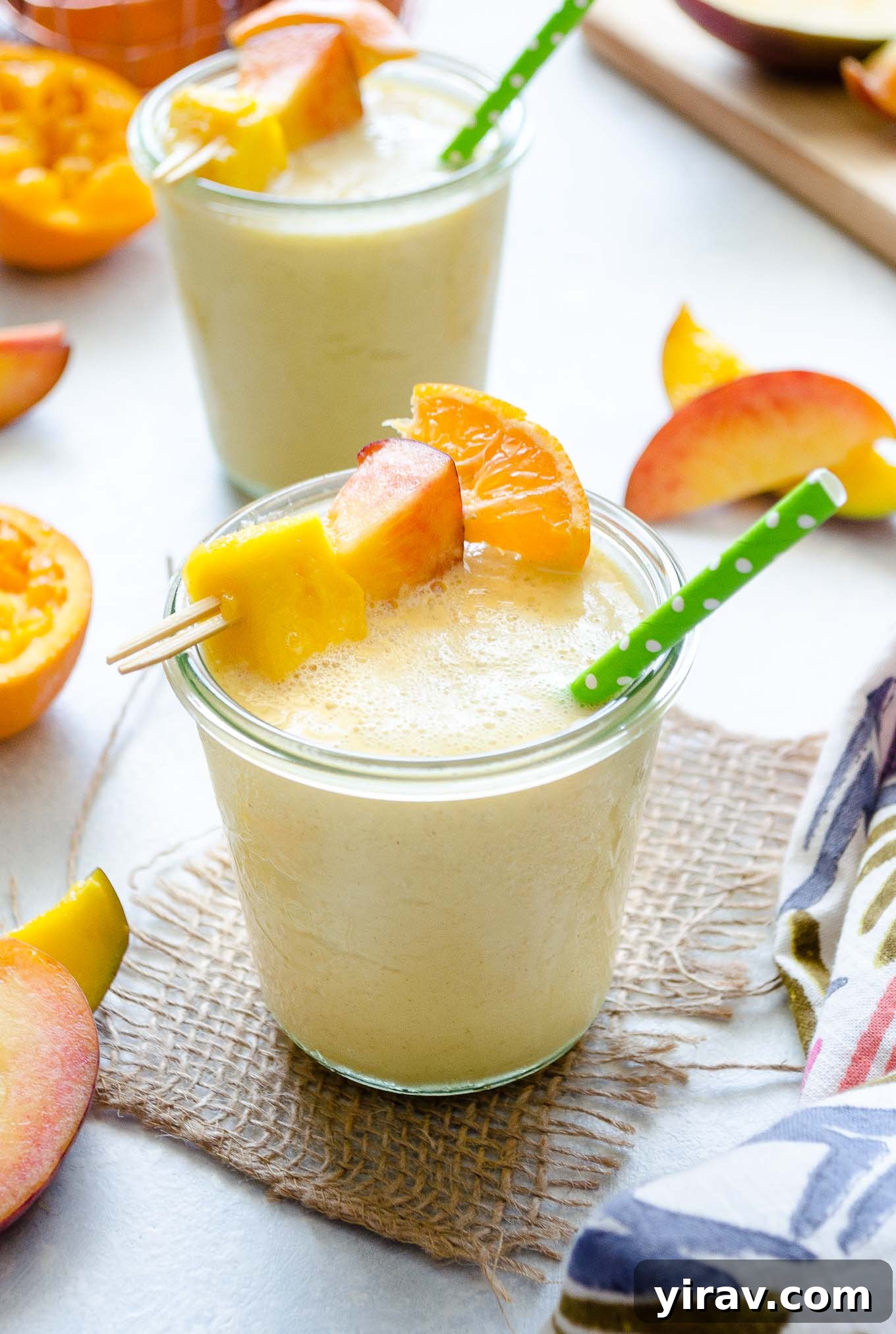
Peach Mango Smoothie
Peach mango smoothie is creamy, refreshing, and packed with fresh flavor! It’s an easy breakfast or snack with no added sugar and about 104 calories per serving!
Get the Recipe

Strawberry Lemon Drop Martini
Strawberry Lemon Drop is tart, sweet, and refreshing with fresh strawberries, lemon juice, vodka, and Cointreau. It’s the perfect spring and summer cocktail!
Get the Recipe
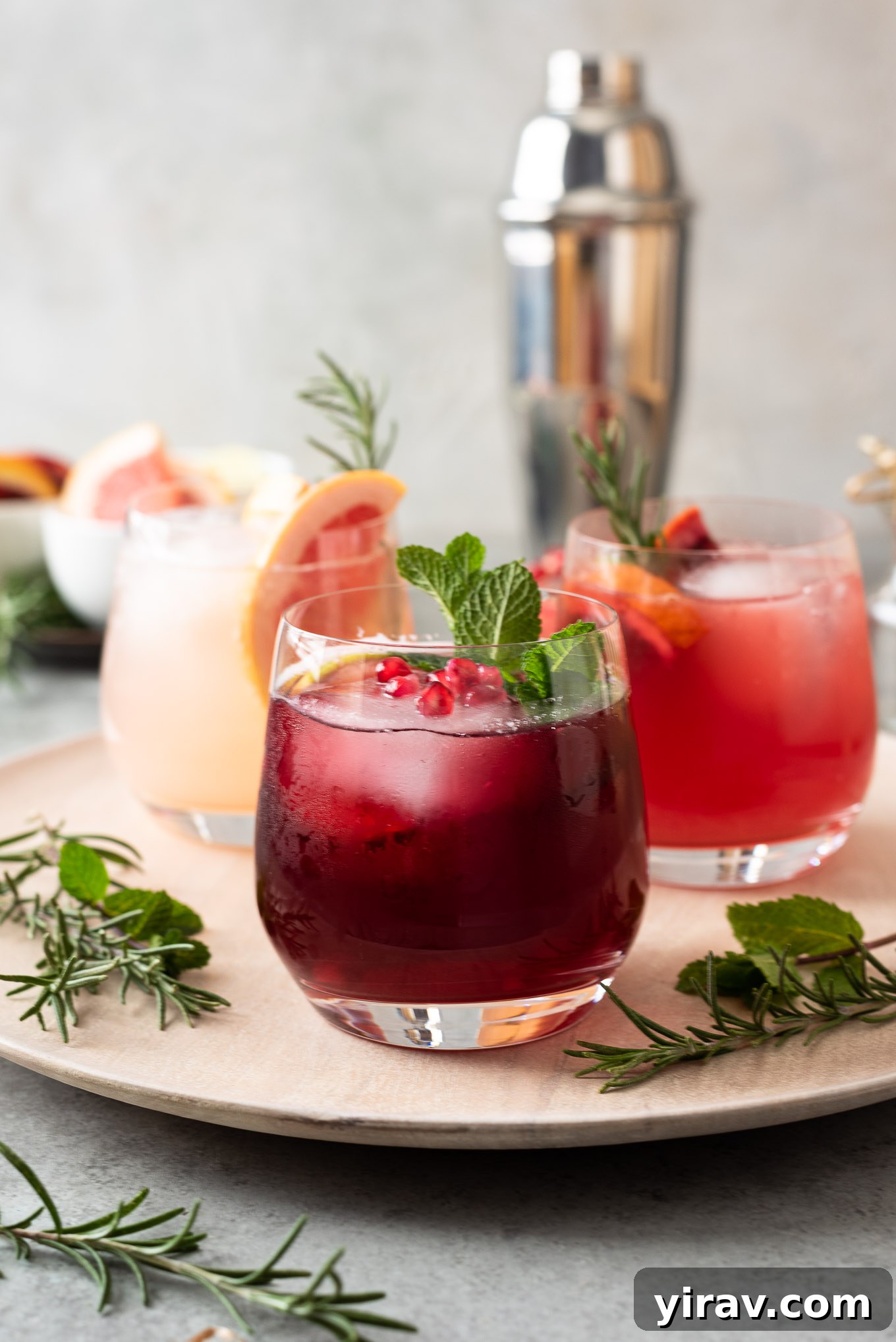
Easy Vodka Spritzers (3 Flavors!)
Vodka Spritzers are crisp, refreshing, and come in 3 delicious flavors! They’re made with real fruit juice, contain no added sugar, and are beyond easy to make!
Get the Recipe
FAQs
No. While citrus is available in stores throughout the year, most varieties reach their peak flavor, juiciness, and sweetness from late fall through early spring. Enjoying them during these cooler months ensures the best quality.
Meyer lemons are a unique hybrid, typically sweeter, less acidic, and possess a distinct floral aroma compared to the sharper, more acidic flavor of traditional Eureka or Lisbon lemons. They also have thinner, smoother skin.
Whole citrus fruits can last up to three weeks when stored properly in the refrigerator. At room temperature, they typically remain fresh for about 2–3 days. Freshly squeezed juice should ideally be consumed within 2–3 days for best quality.
Yes, absolutely! Freezing citrus juice is an excellent way to preserve it. Simply pour the juice into ice cube trays and freeze until solid. Once frozen, transfer the cubes to a freezer-safe container or bag for longer storage, ready to be used as needed.
Before juicing, roll the whole citrus fruit firmly on a countertop for about 10-15 seconds. This helps to break down the internal membranes, making it easier to extract more juice. You can also briefly microwave it for 10-20 seconds before rolling and juicing.
For the best flavor and aroma in your cooking and drinks, fresh citrus juice is highly recommended. Bottled juices often lack the vibrant, complex notes and essential oils found in fresh fruit, which can significantly impact the taste of your dish.
While citrus fruits are a year-round presence, their true brilliance is most evident during their peak season, when they are naturally sweeter, juicier, and more aromatic. Developing a deeper understanding of the distinct characteristics of each citrus variety — and mastering how to best utilize them in your kitchen — will undoubtedly make your seasonal cooking endeavors simpler, more enjoyable, and profoundly more flavorful.
Consider this comprehensive Citrus Guide your essential go-to resource for exploring and cooking with the incredible world of citrus. Happy cooking!