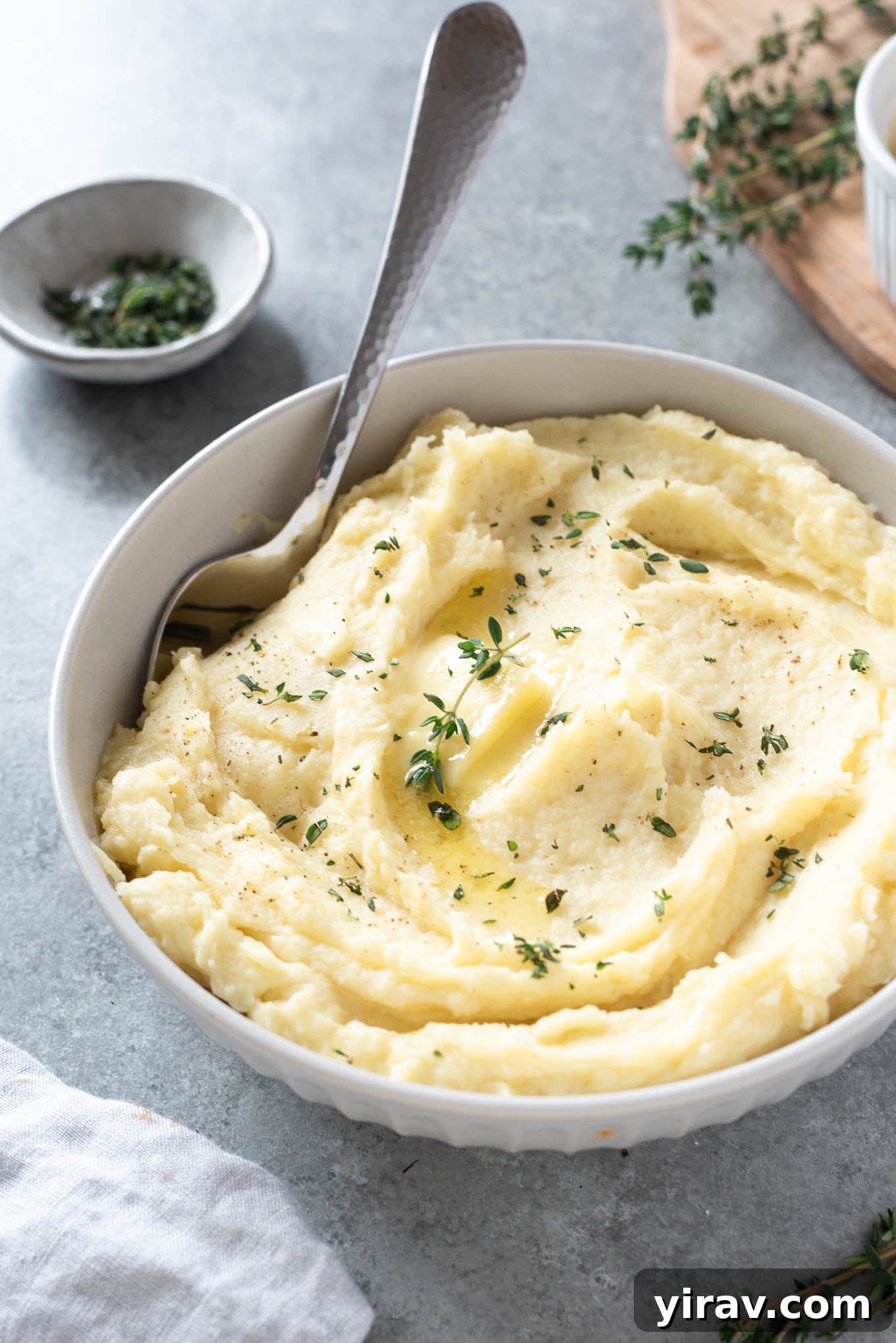
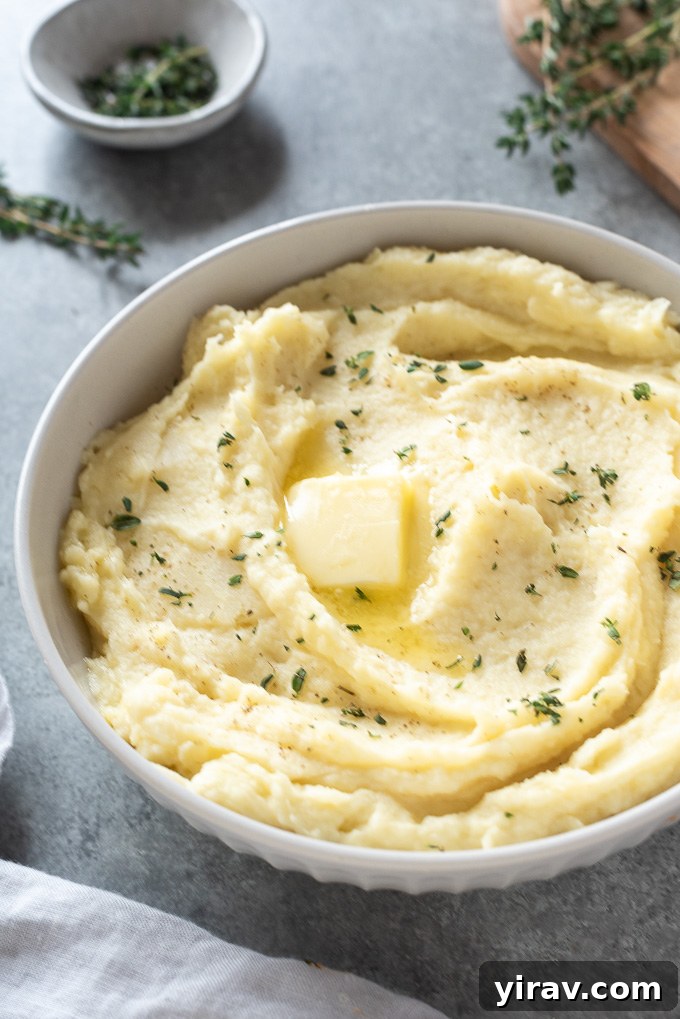
Step aside, traditional mashed potatoes! This incredible Parsnip Puree is about to revolutionize your side dish game. Boasting a velvety smooth texture and a rich, creamy consistency, it’s destined to become your new culinary obsession. This naturally gluten-free and delightfully flavorful side dish is versatile enough to complement virtually any main course you’re serving, from a festive holiday roast to a simple weeknight meal.
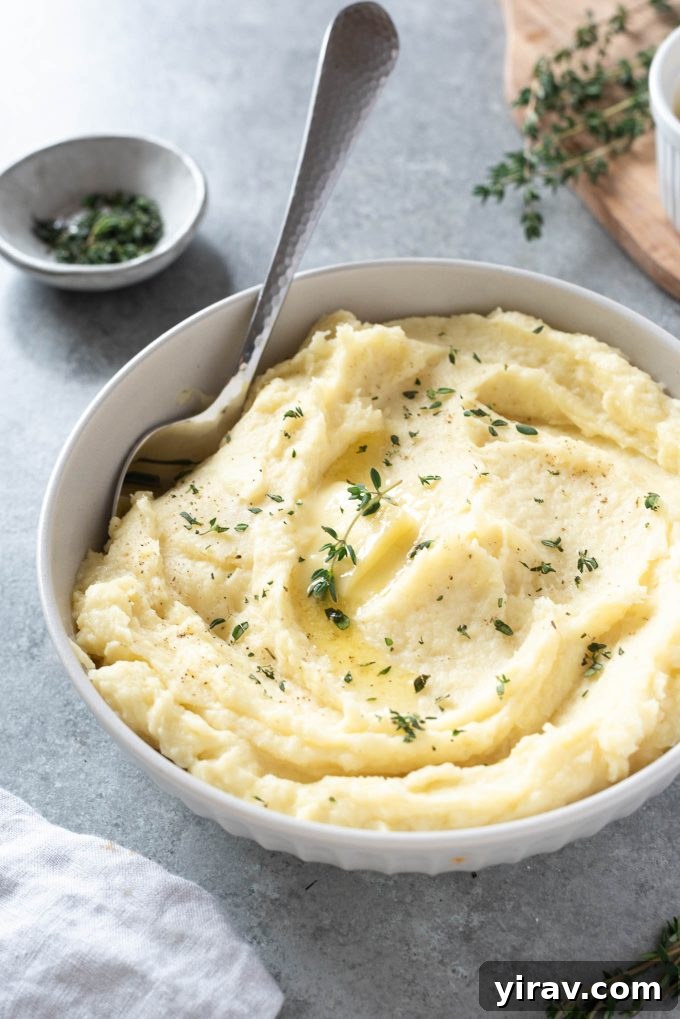
My journey with parsnips began many years ago, and it was love at first bite. Their distinct sweet and earthy flavor truly shines, especially when caramelized through roasting, as seen in my popular spatchcock roast chicken recipe, or lending depth to a comforting parsnip soup. For years, I enjoyed these versatile root vegetables in various forms, yet somehow, the idea of mashing them eluded me.
Then, last year, a culinary lightbulb finally went off. I decided to try making Creamy Parsnip Puree, and it was an instant, resounding success. The first time, I served it discreetly, letting my family assume they were enjoying their beloved Yukon Gold garlic mashed potatoes. The initial bite brought a delightful surprise to their faces, and my eldest son, a connoisseur of comfort food, declared it the best “mashed potatoes” he had ever tasted.
When I finally revealed that their new favorite side was, in fact, parsnip mash, their reaction was priceless – and entirely positive. They didn’t care about the vegetable; they only cared that it was absolutely delicious. The dish has been a weekly staple in our home ever since, and I couldn’t be happier to share this easy, flavorful parsnip recipe with you.
For all parsnip enthusiasts, or those curious to explore more, make sure to check out my comprehensive produce guide, complete with a fantastic collection of parsnip recipes!
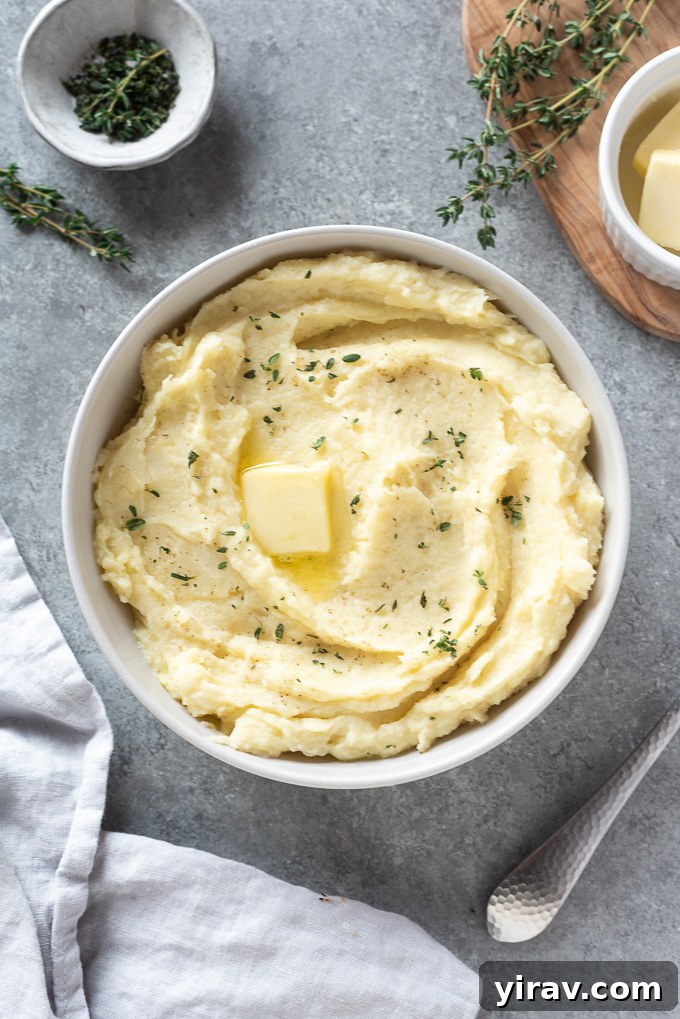
Why You’ll Love This Creamy Parsnip Puree Recipe
- This parsnip puree delivers an exquisite combination of silky smoothness and luscious creaminess. Each spoonful bursts with the inherent sweet, woody notes of parsnip, perfectly balanced with aromatic garlic and the subtle freshness of thyme, creating a truly memorable flavor profile.
- At its heart, this recipe celebrates the humble parsnip, allowing its unique flavor to shine. Beyond this star ingredient, the remaining components are highly customizable, giving you the flexibility to adapt it based on what you have readily available in your pantry.
- Not only is this parsnip puree a breeze to prepare, but it’s also a naturally gluten-free side dish, making it a healthy and inclusive option for all diners. It pairs beautifully with an extensive range of proteins, from roasted meats and poultry to seared fish, making it incredibly versatile for any meal.
- Compared to traditional mashed potatoes, parsnip puree offers a slightly lower carbohydrate count and a richer fiber content, contributing to a more balanced and nutritious meal without compromising on taste or texture. It’s an ideal choice for those looking to introduce more diverse root vegetables into their diet.
- This dish feels incredibly gourmet and elegant, yet its preparation is surprisingly straightforward. It’s the perfect recipe to impress guests at a dinner party or simply elevate a casual family meal with its sophisticated flavor and presentation.
Essential Ingredients for Parsnip Puree
The beauty of this creamy parsnip puree recipe lies in its simplicity, with parsnips taking center stage. While I’ve chosen specific ingredients to achieve peak creamy richness and flavor, feel free to adapt the quantities or substitute with your preferred components to perfectly match your taste and dietary needs. Here’s a deeper look into what makes this puree so special:
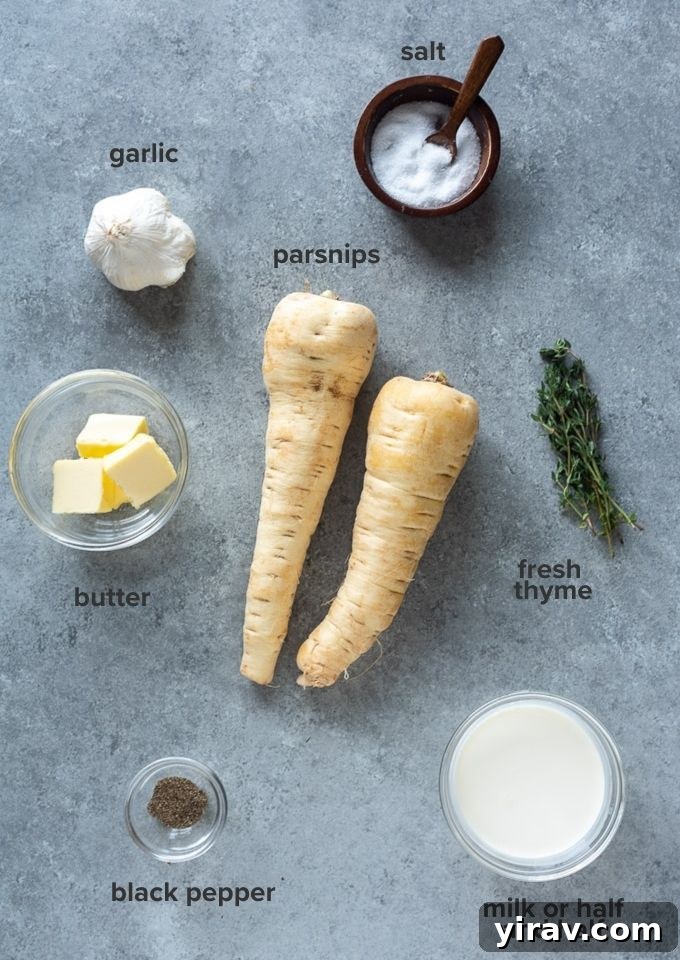
Ingredient Notes and Customizations
- Parsnips: If you’re new to parsnips, prepare for a delightful culinary discovery! These root vegetables are cousins to carrots but offer a unique flavor profile — distinctively sweet with earthy, woody undertones. This flavor intensifies beautifully when cooked, lending an unparalleled depth to this side dish. From a nutritional perspective, parsnips are a fantastic choice, providing a good source of fiber, vitamin C, vitamin K, folate, and potassium. While they are considered a starchy vegetable, they are indeed a lower-carb option compared to traditional potatoes, containing roughly 12 grams of carbohydrates per half-cup serving versus potatoes’ 20 grams, making them a smart choice for those mindful of carb intake. When selecting parsnips, look for firm, smooth roots that are free from blemishes or soft spots. Smaller to medium-sized parsnips tend to be sweeter and more tender.
- Garlic: Fresh garlic cloves are highly recommended for their pungent, savory aroma and flavor, which beautifully complements the sweetness of the parsnips. For an even more mellow, sweet, and complex garlic flavor, consider roasting the garlic cloves before adding them to the pot. If fresh garlic isn’t available or you prefer a milder taste, a pinch of garlic powder can be used as a substitute, but adjust to taste.
- Unsalted Butter: Butter is key to achieving that luxurious richness and decadent mouthfeel. I’ve found that just a few tablespoons of softened unsalted butter are enough to infuse a wonderful depth of flavor without overpowering the delicate taste of the parsnips. Using unsalted butter allows you to control the overall saltiness of the dish more precisely. For an even richer taste, you can slightly increase the butter quantity.
- Half and Half: This provides the perfect balance of creaminess without being overly heavy. However, its versatility allows for easy substitutions. You can opt for heavy cream for an extra-indulgent puree, or use any type of milk you have on hand (whole milk, 2%, or even a dairy-free alternative like unsweetened almond or oat milk for a vegan version) for a lighter consistency. A combination of milk and cream also works wonderfully. Ensure your chosen dairy is at room temperature before adding it to avoid cooling down the parsnips too much.
- Fresh Thyme: Fresh herbs elevate this parsnip puree to another level. Fresh thyme offers a subtle, aromatic counterpoint to the sweet parsnips. Feel free to experiment with other fresh herbs such as rosemary, sage, chives, or finely chopped scallions to jazz up the flavor profile according to your preference. Dried herbs can be used in a pinch, but remember that their flavor is more concentrated, so use about one-third of the amount of fresh herbs.
- Kosher Salt and Freshly Ground Black Pepper: These essential seasonings are crucial for bringing all the flavors together and enhancing the natural sweetness of the parsnips. Kosher salt has a coarser grain and a cleaner taste than regular table salt. Always season to taste, adding more if needed, and remember that freshly ground black pepper provides a superior aroma and flavor compared to pre-ground varieties.
Refer to the full recipe card below for precise quantities and additional details.
How to Prepare This Creamy Parsnip Puree
While “parsnip purée” might sound like a dish reserved for fine dining, its preparation is surprisingly straightforward and will undoubtedly impress your family and guests alike. For added convenience, you can even peel and chop your parsnips in advance, storing them in a bowl of cold water in the refrigerator to get a head start on your meal.
The term “purée” itself means to process food into a smooth, creamy paste or liquid. Achieving this desired silky consistency for parsnips requires more than just a simple potato masher. While a masher can yield a chunkier “mash,” for a truly smooth puree, a blending tool is essential. My personal favorite for this task is an immersion blender, which makes quick work of the parsnips and is incredibly easy to clean up afterward.
Pro tip: If you don’t own an immersion blender, a food processor or a standard blender will work perfectly to achieve a beautifully smooth and lump-free parsnip puree. Just be careful when blending hot liquids, and process in batches if necessary.
Detailed instructions are provided in the recipe card below.
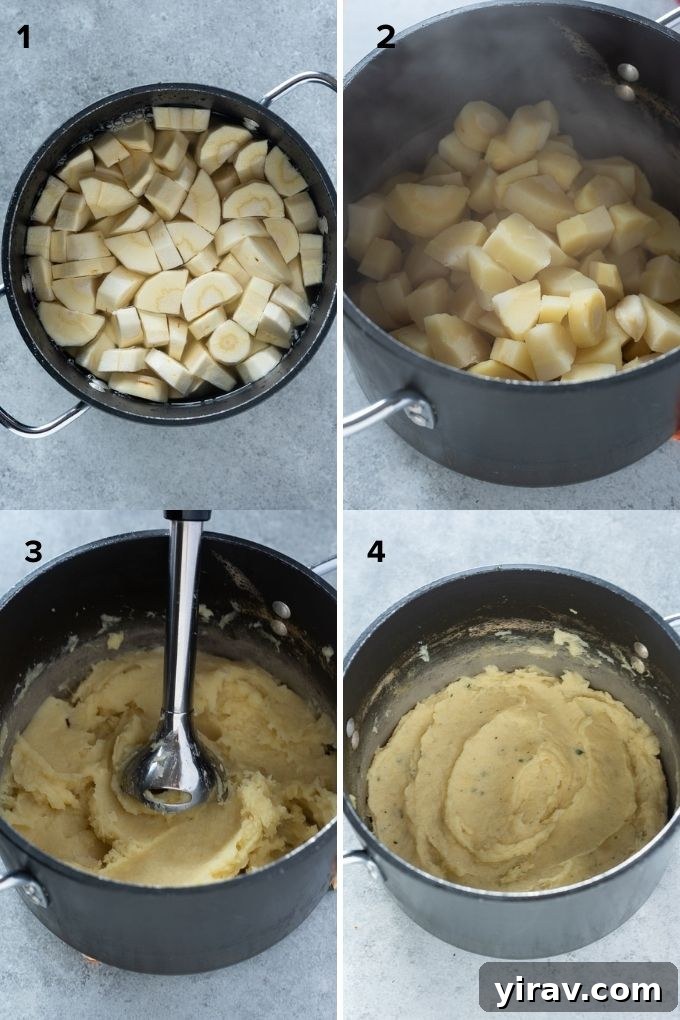
- Prepare the Parsnips and Garlic: Begin by placing the peeled and chopped parsnips along with the smashed garlic cloves into a large pot. Fill the pot with enough cold water to cover the vegetables by approximately one inch. This ensures even cooking.
- Boil Until Tender: Cover the pot with a lid and bring the water to a rapid boil over medium-high heat. Once boiling, remove the lid and reduce the heat slightly to a steady simmer. Continue to cook for about 10-15 minutes, or until the parsnips are perfectly fork-tender. You should be able to easily pierce them with a fork with minimal resistance.
- Drain Thoroughly: Carefully drain the cooked parsnips and garlic very well in a colander. It’s crucial to remove as much excess water as possible to prevent a watery puree, which could dilute the flavor and impact the texture.
- Puree to Perfection: Return the drained parsnips and garlic to the same pot. Add the softened unsalted butter and room-temperature half and half. Using an immersion blender, carefully blend the mixture directly in the pot until it reaches a luxuriously smooth and creamy consistency. Alternatively, transfer the mixture to a food processor or a regular blender and process until smooth.
- Season and Serve: Finally, add the kosher salt, freshly ground black pepper, and chopped fresh thyme. Stir everything together thoroughly to ensure the seasonings are evenly distributed. Taste and adjust seasonings as needed. Serve your exquisite parsnip puree warm and enjoy!
Parsnip Puree FAQs
While parsnips contain fewer carbohydrates than an equal serving of potatoes, they are still considered a starchy root vegetable. One cup of sliced parsnips typically contains about 24 grams of carbohydrates. For comparison, one cup of mashed potatoes contains approximately 35 grams of carbohydrates. So, while not ‘low-carb’ in the strictest sense, they offer a moderate-carb alternative with a different nutritional profile, including higher fiber content which can help manage blood sugar.
Parsnips have a distinctly different and generally more pronounced flavor than potatoes. Potatoes are quite neutral and starchy, serving as a canvas for other flavors. Parsnips, on the other hand, boast a unique sweet, earthy, and slightly peppery taste, often described as having notes of carrot, turnip, and even a hint of nutty spice. This inherent flavor profile makes parsnip puree a more complex and interesting side dish compared to plain mashed potatoes.
Parsnips are incredibly versatile and can be used in many of the same applications as carrots. They shine alongside roasted meats like lamb, beef, pork, and chicken, as their sweetness beautifully cuts through rich flavors. They also complement a wide range of other root vegetables such as carrots, potatoes, sweet potatoes, and turnips, as well as winter squash like butternut or acorn squash. Herbs like thyme, rosemary, sage, and parsley enhance their flavor, as do warm spices like nutmeg or a touch of cinnamon. Use parsnips in hearty soups, stews, casseroles, roasted vegetable medleys, or, of course, as a creamy puree.
Absolutely! Parsnip puree is an excellent make-ahead dish, perfect for busy weeknights or holiday meal prepping. You can prepare the entire puree up to 2-3 days in advance. Store it in an airtight container in the refrigerator. When ready to serve, gently reheat it on the stovetop over low heat, stirring frequently and adding a splash of milk or cream to restore its creamy consistency, or warm it in the microwave.
Yes, parsnip puree freezes beautifully! Allow the puree to cool completely before transferring it to freezer-safe bags or airtight containers. It can be stored in the freezer for up to 3 months. To thaw, simply move it to the refrigerator overnight. Reheat it on the stovetop, adding a little liquid if needed, or in the microwave, stirring until smooth and warm.
Delicious Serving Suggestions for Parsnip Puree
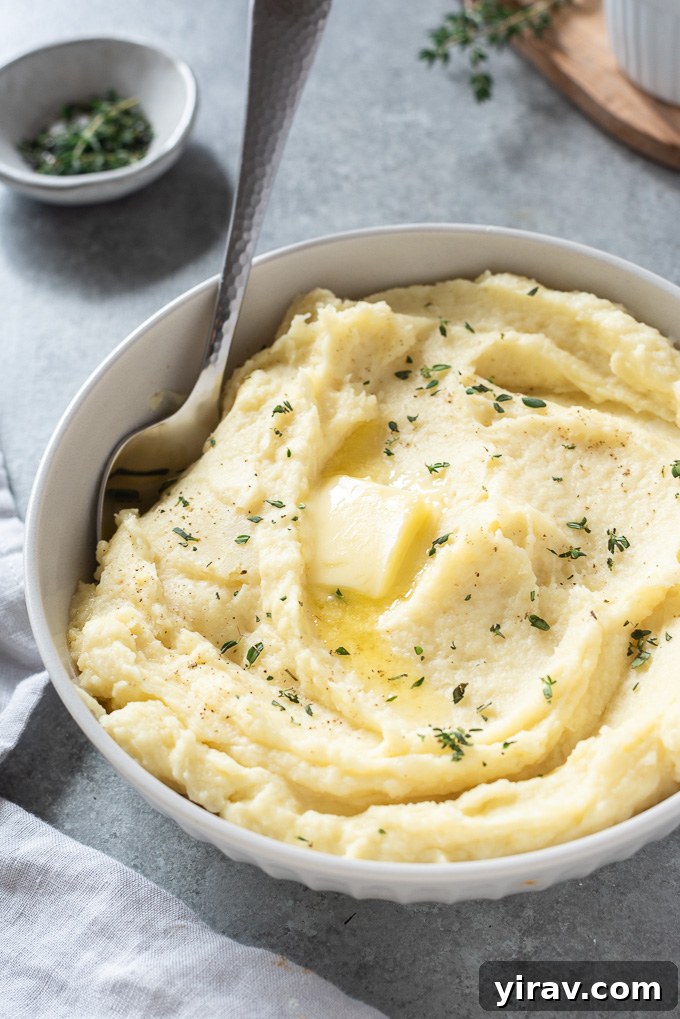
This creamy parsnip mash is incredibly versatile and can be served alongside any dish that would traditionally pair well with mashed potatoes. Its elevated flavor profile makes it suitable for both casual family dinners and sophisticated gatherings:
- Classic Roasts: Serve this luxurious puree with perfectly roasted lemon garlic chicken or a tender roasted turkey breast for a comforting Sunday dinner or a special occasion.
- Hearty Stews and Braises: It’s the ultimate comfort food when served as a rich base for slow-cooked dishes like beef bourguignon or a hearty lamb stew, allowing the puree to soak up all the flavorful juices.
- Holiday Feasts: Elevate your holiday table! This parsnip puree makes a fantastic side dish for Thanksgiving or Christmas, pairing wonderfully with a succulent spatchcock turkey, a juicy slow cooker ham, or even a rich prime rib.
- Elegant Dinners: For a romantic Valentine’s Day dinner or any special evening, serve it alongside a perfectly pan-seared steak or delicate broiled salmon fillets.
- St. Patrick’s Day Celebration: Add a unique twist to your St. Patrick’s Day feast by pairing it with tender corned beef and cabbage or a robust Instant Pot Irish beef stew for an unforgettable meal.
- Game Day or Casual Gatherings: Don’t reserve this puree just for fancy meals! It’s a surprisingly delicious and sophisticated accompaniment to game day favorites like crispy air fryer chicken wings or flavorful slow cooker pulled pork, adding an unexpected gourmet touch.
- Vegetarian Mains: Pair with roasted root vegetables, lentil loaf, or mushroom steaks for a wholesome vegetarian meal.
Expert Tips for Perfect Parsnip Puree
- Achieving Ultimate Smoothness: For the silkiest puree, an immersion blender is ideal as it blends directly in the pot, minimizing mess. If you don’t have one, a food processor or a high-speed blender works just as well. For blenders, remember to work in batches and be cautious when blending hot liquids. Ensure all lumps are gone before serving.
- Customizing Creaminess and Richness: The half and half in this recipe provides a lovely balance, but feel free to substitute it with whole milk for a slightly lighter puree, or heavy cream for an exceptionally rich and decadent version. You can also use a combination of both. Adjust the amount of butter to your personal taste – a little more can add extra indulgence!
- Enhancing with Herbs: While fresh thyme offers a classic and delightful flavor, this recipe is highly adaptable to your preferred herbs. Experiment with finely chopped fresh rosemary, sage, chives, or scallions. A blend of herbs can also create a complex and inviting aroma.
- Storage and Reheating: Store any leftover parsnip puree in an airtight container in the refrigerator for up to 3 days. To reheat, gently warm it in the microwave or on the stovetop over low heat, stirring frequently. If it appears too thick, add a small splash of milk or cream to bring it back to its original creamy consistency.
- Selecting the Best Parsnips: Choose parsnips that are firm, smooth, and free of soft spots or blemishes. Smaller to medium-sized parsnips tend to be more tender and have a sweeter flavor compared to larger, older ones, which can sometimes be woody in the core.
- Proper Drainage is Key: After boiling, ensure you drain the parsnips thoroughly. Excess water can lead to a watery, less flavorful puree. Letting them sit in the colander for a few minutes or even returning them to the hot, empty pot for a minute to steam off any residual moisture can make a significant difference.
More Delicious Side Dish Recipes You’ll Love:
- Easy Brussels Sprouts and Bacon
- Instant Pot Garlic Mashed Potatoes
- Mashed Sweet Potatoes
- Garlic Mashed Cauliflower
- Roasted Carrots and Parsnips
- Hearty Roasted Root Vegetables
- Cheesy Rosemary Twice Baked Mashed Potatoes
Did you try this recipe? If so, be sure to leave a review below and tag me @flavorthemoments on Facebook and Instagram!
Creamy Parsnip Puree Recipe
Servings: 8 servings
Prep Time: 15 mins
Cook Time: 15 mins
Total Time: 30 mins
Print Recipe
Pin Recipe
5 reviews
Leave a Review »
Equipment
- Immersion Blender (or food processor/standard blender)
Ingredients
- 3 lbs. parsnips, peeled and cut into 1″ chunks
- 3 cloves garlic, smashed and peeled
- 1/2 cup half and half, room temperature
- 4 tablespoons unsalted butter, softened
- 1 tablespoon chopped fresh thyme (or your favorite herbs)
- 1 teaspoon kosher salt (if using regular table salt, reduce to 1/2 teaspoon)
- 1/4 teaspoon freshly ground black pepper
Instructions
- Place the parsnips and garlic in a large pot and fill with enough water to cover by 1″. Cover the pot and bring to a boil over medium-high heat. Remove the lid and simmer for 10-15 minutes or until the parsnips are fork-tender.
- Drain the parsnips and garlic well in a colander.
- Place the parsnips back in the pot and add the softened butter and half and half. Using an immersion blender, puree the mixture until smooth. If you don’t have one, puree in a blender or food processor.
- Add the salt, pepper, and fresh thyme, and stir well to combine. Serve and enjoy!
Video
https://youtu.be/pEHqYD_cOKk
Notes
- Pro tip: If you don’t have an immersion blender, puree the parsnip mash in a food processor or blender until smooth.
- The half and half may be substituted with whole milk or heavy cream, or a combination of both. Add more or less butter to suit your taste!
- Customize this recipe by using your favorite fresh herbs, such as chives or scallions, in place of or in addition to thyme.
- Store leftovers in an airtight container for up to 3 days in the refrigerator. Reheat gently in the microwave or on the stovetop, adding a splash of milk or cream if needed to restore consistency.
Nutrition
Nutrition is estimated using a food database and is only intended to be used as a guideline for informational purposes.
Course: Side Dishes
Cuisine: American
Author: Marcie
Did you try this recipe? Be sure to tag @flavorthemoments with the hashtag #flavorthemoments on Instagram so I can see what you made!