The Ultimate Guide to Radishes: Varieties, Health Benefits, and 20+ Delicious Recipes
Welcome to radish season! Get ready to explore over 20 of the Best Radish Recipes, from refreshing slaws to savory roasted dishes and tantalizing pickled delights. This comprehensive guide will not only inspire your next meal but also educate you on everything you need to know about this vibrant root vegetable, including how to choose, store, and even grow your own radishes.
Embracing Radish Season: A Celebration of Spring’s Bounty
With spring in full swing, bringing its refreshing showers and verdant landscapes, my culinary focus naturally shifts to fresh, seasonal produce. While asparagus, peas, fava beans, and various leafy greens are perennial favorites, there’s one humble root vegetable that consistently captures my attention: the radish. Its crisp texture and peppery bite signal the true awakening of the season, promising light and flavorful meals after the longer, colder months.
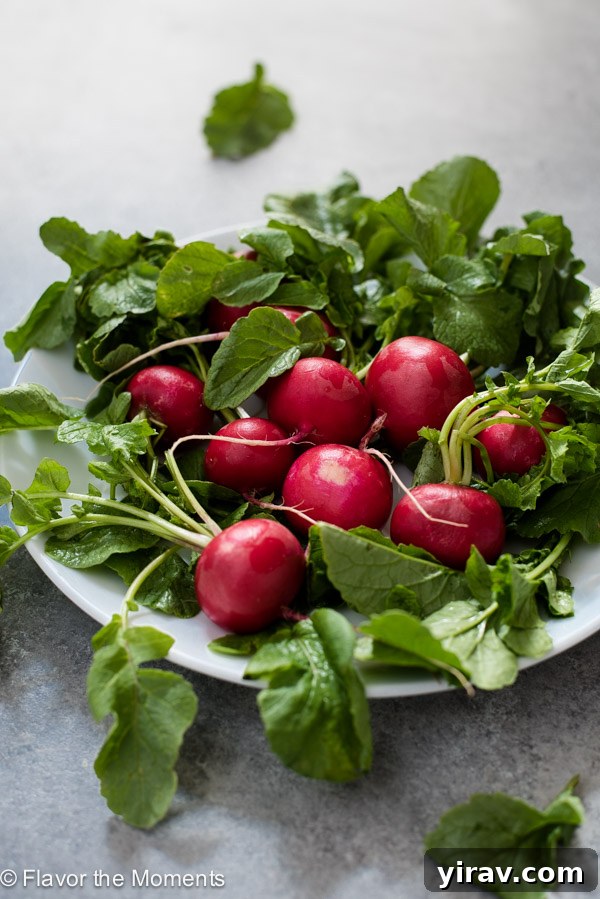
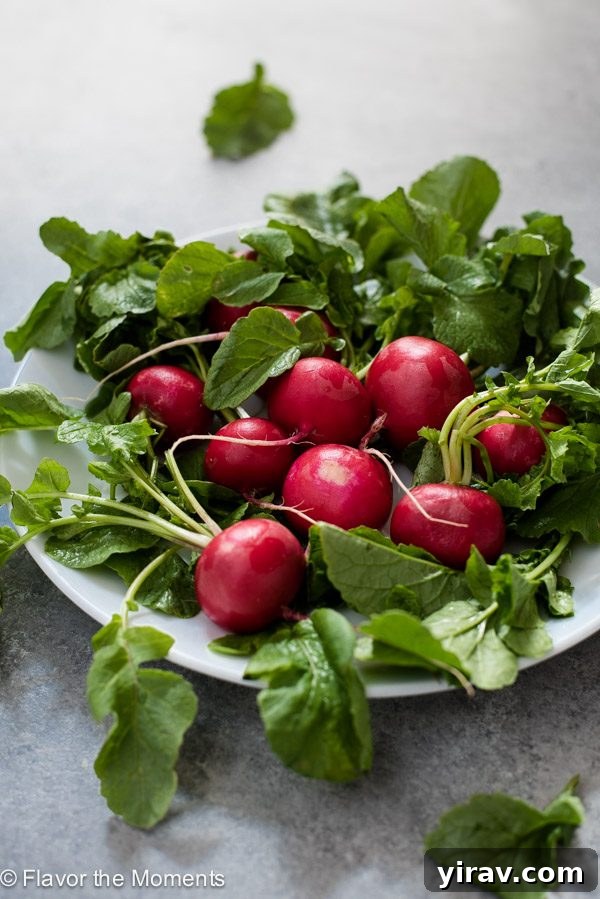
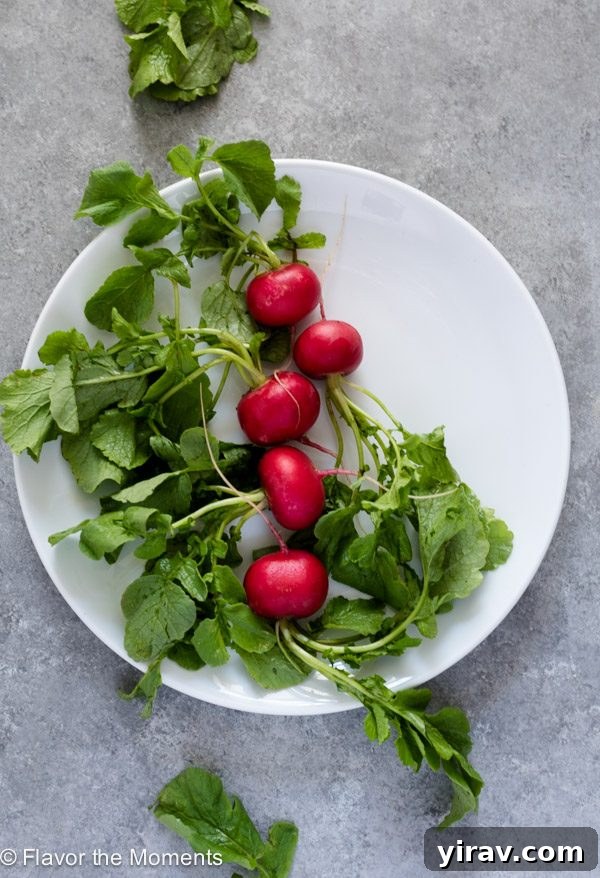
I’ve been eager to share this in-depth radish guide for weeks. My initial plan was to showcase a wide array of radish varieties through captivating photographs. Despite a diligent search, finding a diverse selection proved challenging. Ultimately, I decided to proceed with the most beautiful bunches of classic red radishes I could find, and they certainly delivered, proving to be quite photogenic in their simple elegance.
This ultimate radish guide is meticulously crafted to cover every aspect of this intriguing vegetable. From understanding the different types and their unique flavors to mastering the art of selecting and storing them, we’ll delve deep into the world of radishes. Beyond the fundamentals, you’ll also discover an inspiring collection of delicious radish recipes below, offering creative and exciting ways to incorporate these vibrant roots into your cooking!
Explore More Seasonal Produce Guides
If you have a passion for fresh produce and seasonal eating, be sure to explore our other helpful guides:
- April Seasonal Produce Guide
- Cabbage Recipes & Guide
- Chicory Recipes & Guide
- Leek Recipes & Guide
- March Seasonal Produce Guide
- May Seasonal Produce Guide
- Fennel Recipes & Guide
- Swiss Chard Recipes & Guide
A Comprehensive Radish Produce Guide
What Exactly Are Radishes?
Radishes (Raphanus sativus) are globe-shaped, pungent-tasting edible root vegetables belonging to the extensive Brassica family. This family is a powerhouse of nutritious crops, also encompassing popular vegetables like broccoli, kale, cabbage, mustard greens, cauliflower, and turnips. Interestingly, radishes share a close genetic lineage with other notably spicy roots such as wasabi and horseradish, explaining their characteristic zing.
While often associated with their familiar red, round form, radishes boast a remarkable diversity in size, shape, and color. From elongated white varieties to stunning purple and black types, their appearance can vary significantly. Though versatile, radishes are most commonly enjoyed raw, adding a crisp texture and peppery kick to countless dishes. Their roots are a global culinary staple, featured in cuisines across continents for centuries, valued for both their flavor and their health benefits.
Exploring the Diverse World of Radish Varieties
The world of radishes is far more varied than many realize, with types categorized primarily by their growing season and unique characteristics. Here’s a closer look at some of the most common and intriguing varieties:
- Spring/Summer Radishes: These are the most widely recognized and quickly maturing varieties.
- Cherry Belle: The classic, vibrant red, perfectly round radish, often pictured in this post. Known for its mild peppery flavor.
- Sparkler: Distinguished by its bright red top and distinct white tip, offering a slightly more pronounced peppery taste.
- French Breakfast: A small, oblong radish, typically red at the top with a white bottom, favored for its milder, buttery flavor.
- White Beauty: Entirely white and round, providing a subtle, crisp flavor.
- White Icicle: An elongated, pure white radish resembling a small carrot, growing 5-8 inches in length with a relatively mild flavor.
- Winter Radishes: These varieties grow larger and store longer, often with a more intense flavor.
- Daikon: A giant white radish, almost parsnip-sized, popular in Asian cuisines. It has a milder, sweeter flavor when cooked, but can be quite pungent raw.
- Black Spanish Radish: Features a striking black skin and crisp white flesh, offering a very strong, spicy flavor, often used for medicinal purposes.
- Unique & Specialty Radishes:
- Fire and Ice: A visually appealing radish, half red and half white, providing a balanced flavor.
- Easter Egg Radishes: A delightful mix of purple, pink, white, and red radishes, adding a burst of color to any dish.
- Watermelon Radishes: My personal favorite! These heirloom radishes boast a pale green exterior and a stunning bright pink or magenta interior, resembling a mini watermelon. They offer a milder, slightly sweet flavor with a crisp texture.
Understanding the Unique Radish Flavor Profile
At their core, radishes are celebrated for their crisp, crunchy texture and their characteristic pungent, peppery flavor. However, the intensity of this “spiciness” isn’t uniform; it can vary significantly based on a few factors:
- Growing Conditions: Radishes cultivated in hotter temperatures tend to develop a spicier flavor.
- Size: Generally, larger radishes pack a stronger peppery punch than their smaller counterparts.
An intriguing aspect of radish flavor is that their peppery notes aren’t present until the moment you bite into them. This culinary magic is a result of glucosinolates and an enzyme called myrosinase, which are stored separately within the radish cells. When you chew, these compounds combine, forming allyl isothiocyanates. This same potent compound is responsible for the fiery kick found in horseradish and wasabi, creating that familiar sinus-clearing sensation. It’s truly fascinating how chemistry plays such a direct role in our perception of taste!
The Edible Goodness of Radish Greens
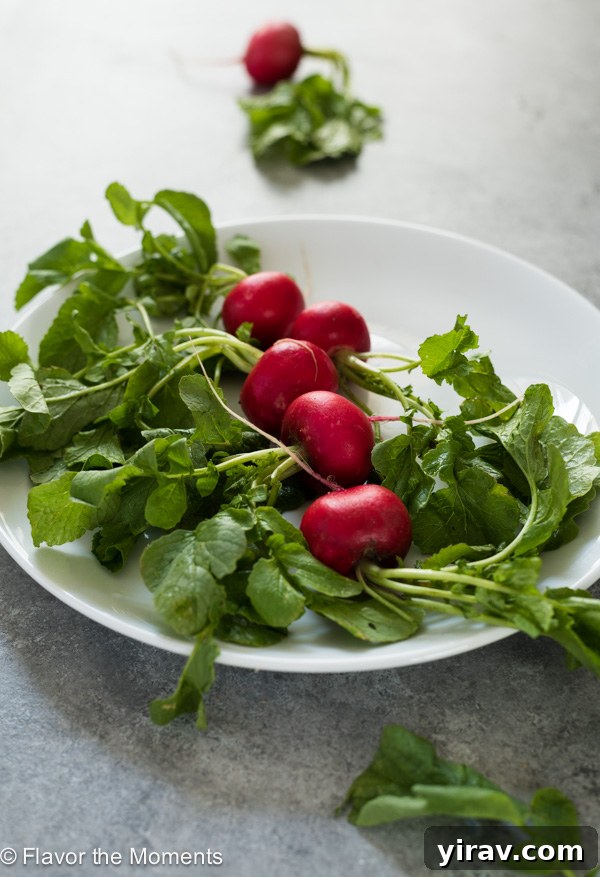
A common misconception is that radish greens are merely decorative and should be discarded. On the contrary, radish greens are not only edible but are often considered the most nutritious part of the plant! These tender leaves offer a mild, slightly bitter flavor that can add depth and complexity to a variety of dishes. So next time you bring home a bunch of radishes, resist the urge to toss those beautiful greens.
There are numerous delicious ways to utilize radish greens in your cooking. They can be incorporated into:
- Soups and Stews: Add them towards the end of cooking for a fresh, peppery note.
- Salads: Chop them finely and mix them into your favorite green salads for added flavor and nutrients.
- Pastas: Wilt them into pasta dishes as a vibrant green addition.
- Pesto Sauce: Replace or combine them with basil for a unique and flavorful radish green pesto.
- Smoothies: A handful of radish greens can boost the nutritional content of your morning smoothie.
- Sautés: Quickly sauté them with garlic and olive oil for a simple, healthy side dish.
Remarkable Health Benefits of Radishes
Beyond their delightful crunch and vibrant flavor, radishes are a nutritional powerhouse, making them an excellent addition to any diet. Here’s why these humble roots are so good for you:
- Rich in Vitamins and Minerals: Radishes are an excellent source of Vitamin C, a powerful antioxidant that supports immune function and skin health. They also provide significant amounts of potassium, essential for blood pressure regulation, as well as calcium and sodium. Furthermore, radishes contain smaller but still beneficial quantities of Vitamins A, K, and B6, alongside thiamin, niacin, folate, phosphate, iron, magnesium, and zinc.
- Hydration and Satiety: Composed of approximately 95% water, radishes are incredibly hydrating. Their high water and fiber content contribute to a feeling of fullness, which can be beneficial for weight management by reducing overall calorie intake.
- Digestive Health: The dietary fiber in radishes aids in healthy digestion, promoting regular bowel movements and preventing constipation. They can also soothe urinary disorders due to their diuretic properties.
- Low Glycemic Index: Radishes have a very low glycemic index, meaning they cause a minimal rise in blood sugar levels, making them a suitable food choice for individuals managing diabetes or those seeking to maintain stable energy levels.
- Cardiovascular and Kidney Support: Regular consumption of radishes has been linked to potential benefits for cardiovascular health, including helping to lower blood pressure. Their natural detoxifying properties may also contribute to protecting kidney function.
- Immune Boost: The high Vitamin C content, coupled with other antioxidants, helps strengthen the immune system, protecting the body against common illnesses and chronic diseases.
For more in-depth information on the extensive health benefits of radishes, we highly recommend consulting resources like Organic Facts on Radish Health Benefits.
Your Guide to Growing Radishes Successfully
If you’ve ever considered starting a home garden, radishes are an excellent choice for beginners. They were among the first crops I planted, and I can attest to their reputation for a high success rate and quick return, which is incredibly rewarding. While I often face mixed results with other seeds, radishes consistently thrive.
I’ve successfully grown many varieties, including watermelon, Easter egg, French breakfast, and Cherry Belle radishes, without ever encountering significant issues. Here are some tips for cultivating your own:
- Ideal Conditions: Radishes flourish in full sun, though they can tolerate partial shade, especially in warmer climates.
- Soil Preparation: Plant seeds in well-draining, loose soil, ideally in raised beds or containers if your garden soil is compact.
- Planting Depth and Spacing: Sow seeds about 1 inch deep for smaller varieties and 1.5 inches deep for larger types. Space them about 1 inch apart in rows, with rows 6-12 inches apart.
- Staggered Planting: To enjoy a continuous harvest, consider staggering your planting. For instance, plant a batch of seeds every 1-2 weeks throughout the growing season. This prevents all your radishes from maturing at once.
- Maturity Time: Many radish varieties mature remarkably fast, often ready for harvest in just 3-4 weeks. Longer-growing types might take up to 6-7 weeks.
- Companion Planting: Radishes make excellent companion plants. Their pungent odor naturally deters common garden pests like aphids, ants, and cucumber beetles. They can also act as a trap crop, luring pests away from more delicate main crops.
- Cover Cropping: In organic farming, radishes are often utilized as a cover crop. Their deep taproots help to break up compacted soil, improving its structure and preparing the ground for spring planting. They also suppress weeds and absorb excess nitrogen from the soil, which benefits water quality.
Choosing, Storing, and Preparing Radishes for Optimal Freshness
To get the most out of your radishes, knowing how to select, store, and prepare them is key to maximizing their crispness and flavor.
Choosing the Best Radishes:
When selecting radishes at the market, look for:
- Bright, Smooth Skin: The radishes themselves should be firm, unblemished, and vibrant in color, whether red, white, or purple.
- Healthy Greens: If the greens are attached, they should appear fresh, green, and lively, not wilted or yellowing. This is a good indicator of overall freshness.
Storing Radishes for Longevity:
Proper storage is crucial for maintaining crispness:
- Remove Greens: As soon as you bring them home, cut the greens off just above the top of the radish. The greens continue to draw moisture from the root, which can cause the radish to become soft and rubbery quickly.
- Store Separately: Wash the radish roots thoroughly and pat them completely dry. Store them in an airtight container or a sealed plastic bag in the crisper drawer of your refrigerator. They will remain crisp for up to 5-7 days.
- Reviving Limp Radishes: If your radishes have lost some of their crunch, submerge them in a bowl of ice water for 30-60 minutes. This often helps them absorb water and regain their crisp texture.
Utilizing Radish Greens:
Don’t discard those nutritious greens! Wash them thoroughly before use. You can:
- Use Fresh: Chop and add to salads, stir-fries, or soups.
- Freeze: Chop and place in a zip-top bag, removing as much air as possible, and freeze for up to 3 months to use in cooked dishes later.
How to Prepare Radishes for Eating:
Radishes are incredibly versatile, offering countless culinary applications:
- Raw Delights:
- Salads & Slaws: Thinly sliced radishes add a delightful crunch and peppery zest to any salad or coleslaw.
- Sandwiches & Tacos: Use them as a crunchy topping for sandwiches, wraps, or as a vibrant garnish for tacos and soups.
- Snack: Enjoy them simply sliced with a sprinkle of salt, or with butter and flaky sea salt, a classic French preparation.
- Pickled Perfection:
- Have you ever tried a pickled radish recipe? The transformation is incredible! Pickling mellows their spice while enhancing their tangy flavor, making them an addictive condiment for almost anything. I just recently tried them, and I’m completely hooked – I honestly don’t know if I’ll ever prefer a regular pickle again! They are fantastic on tacos, banh mi, or simply as a refreshing side.
- Cooked Creations:
- Sautéed & Roasted: Yes, you can cook radishes! Roasting or sautéing radishes completely transforms their flavor profile. The heat mellows their peppery bite, bringing out a surprisingly sweet, earthy, and slightly nutty taste, making them a wonderful low-carb side dish. Try them with a touch of butter, garlic, or your favorite herbs.
Can You Freeze Radishes?
Yes, you can freeze radishes, though their texture will change upon thawing, making them best suited for cooked dishes rather than raw applications. To freeze them effectively:
- Wash Thoroughly: Clean the radishes well and trim off the greens and root ends.
- Slice: Slice them into desired shapes or leave them whole if they are small.
- Blanch: Blanch the radishes in boiling water for 2 to 3 minutes. This helps preserve their color and nutrients.
- Ice Bath: Immediately transfer them to an ice water bath to stop the cooking process.
- Pat Dry: Once cooled, pat them thoroughly dry to prevent ice crystals from forming.
- Package: Seal them inside a freezer-safe bag or airtight container. They can be stored in the freezer for up to 6 months.
Dive Into 20+ Best Radish Recipes
Now that you’re well-versed in the wonderful world of radishes, it’s time to get cooking! If you’re wondering what to do with these versatile roots, look no further. Below, you’ll find an inspiring collection of over 20 of the best radish recipes that showcase their incredible range.
Radishes can be transformed into vibrant slaws, layered into satisfying sandwiches, tossed into refreshing salads, or even pickled for a zesty condiment. Explore the recipes below for a wealth of ideas and discover your new favorite way to enjoy radishes!
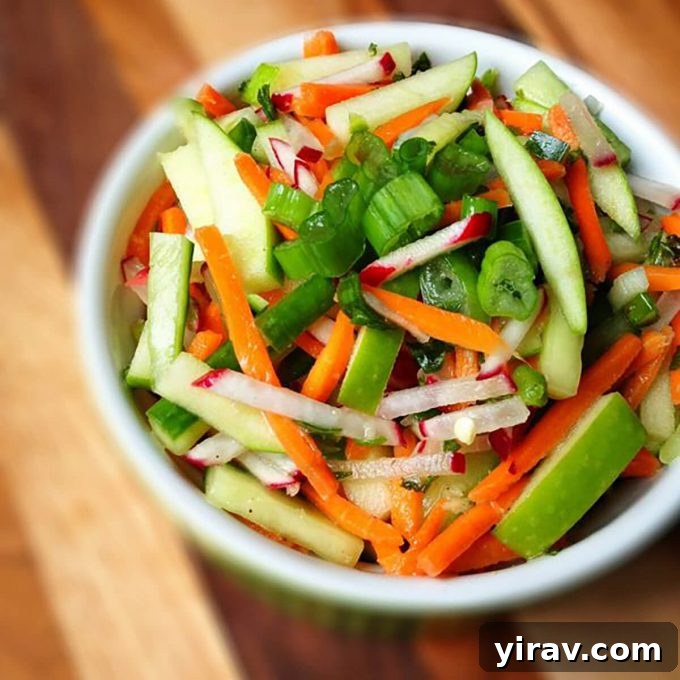
Apple Radish Slaw with Honey Lime Vinaigrette
Get the Recipe
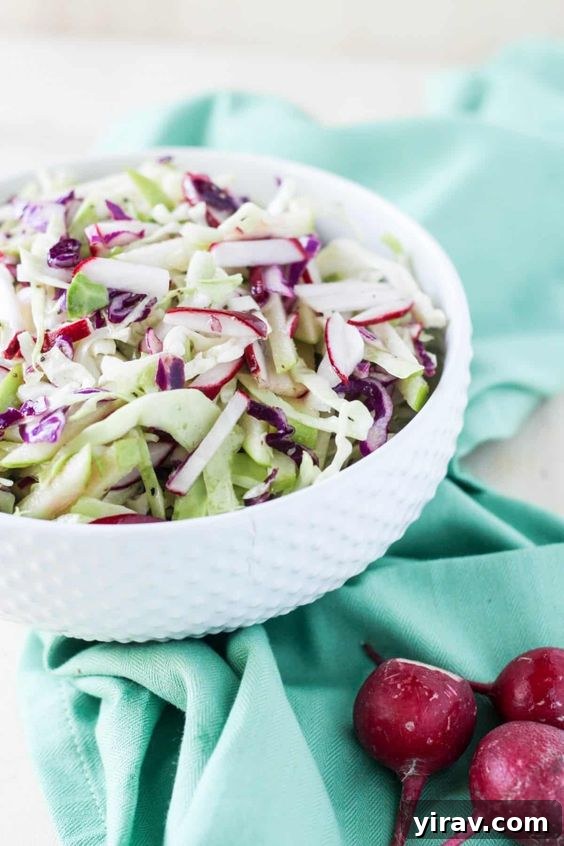
Cabbage Radish and Apple Coleslaw
Get the Recipe
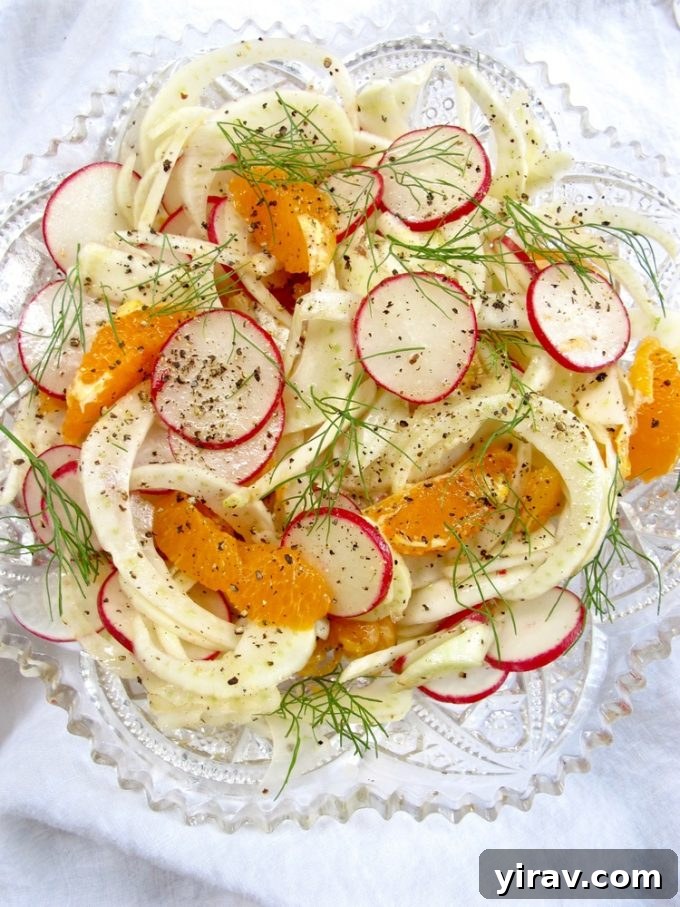
Fennel and Radish Citrus Salad
Get the Recipe
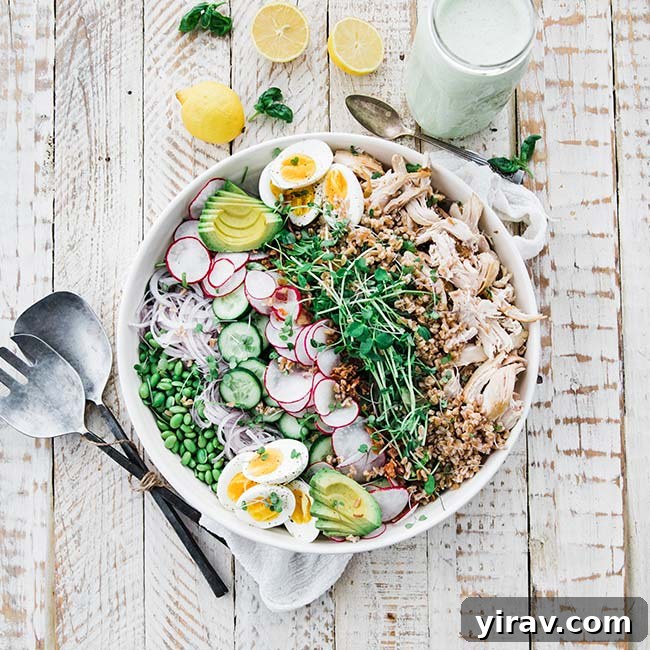
Green Goddess Salad
Get the Recipe
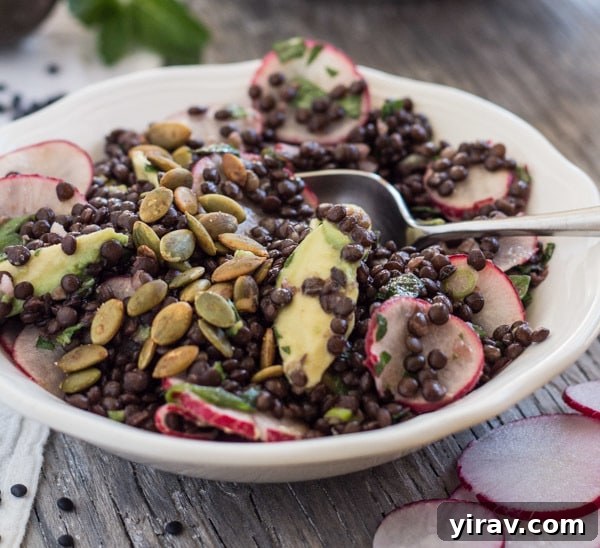
Lentil, Avocado, and Radish Salad
Get the Recipe

Mexican Meatballs (Albondigas)
Get the Recipe
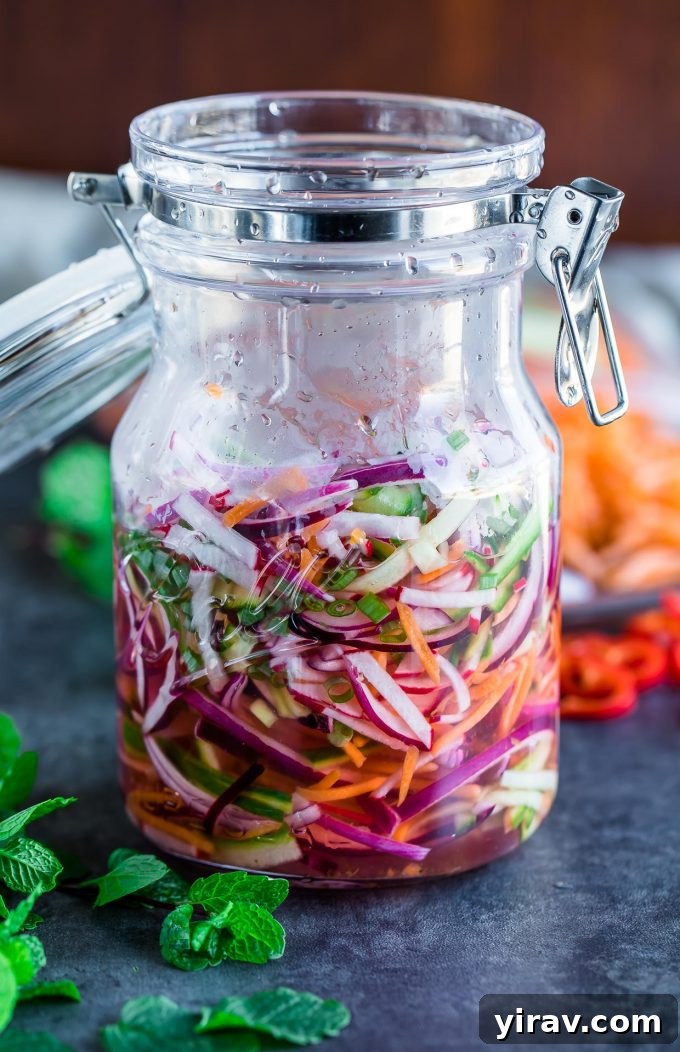
Quick Fridge Pickled Vegetables
Get the Recipe

Radish, Avocado and Egg Mayonnaise Sandwich
Get the Recipe

Radish Rose Tea Sandwiches
Get the Recipe

Roast Beef Sandwich Recipe with Horseradish Cream
Get the Recipe
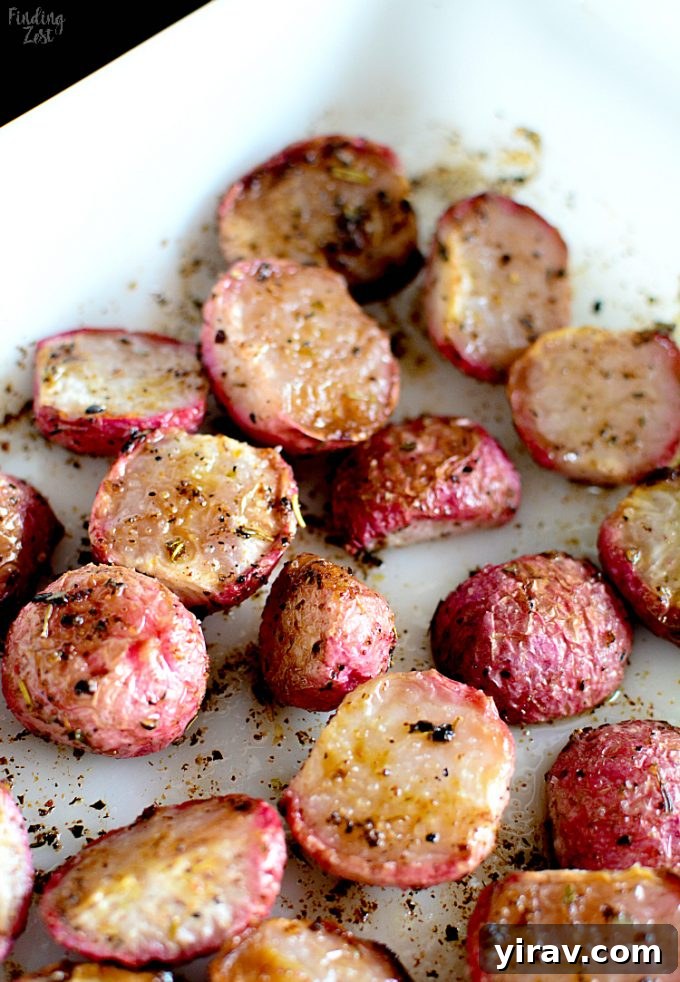
Roasted Radishes
Get the Recipe
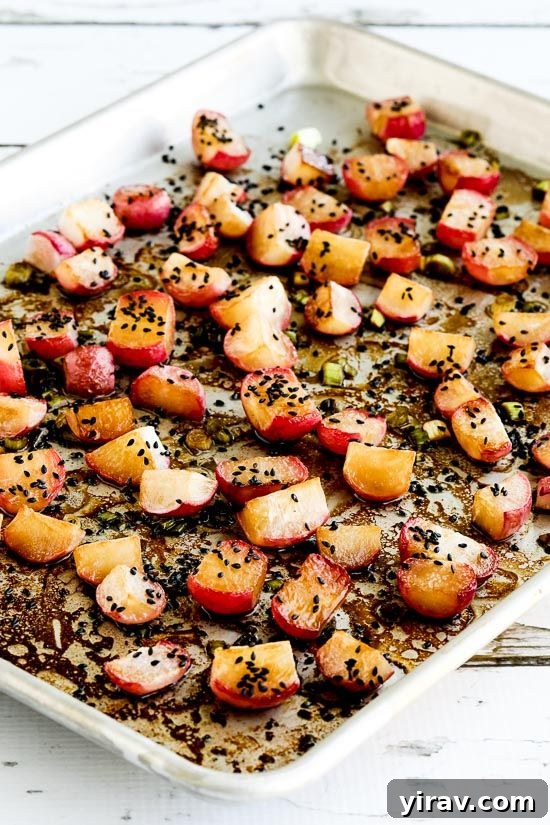
Roasted Radishes with Soy Sauce & Sesame Seeds
Get the Recipe
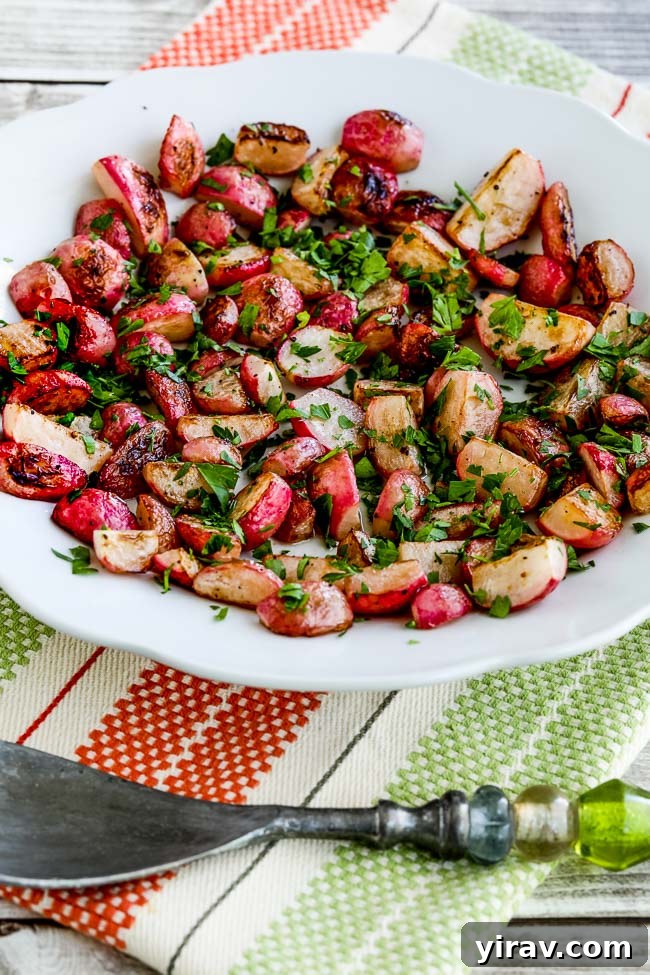
Sauteed Radishes with Vinegar and Herbs
Get the Recipe
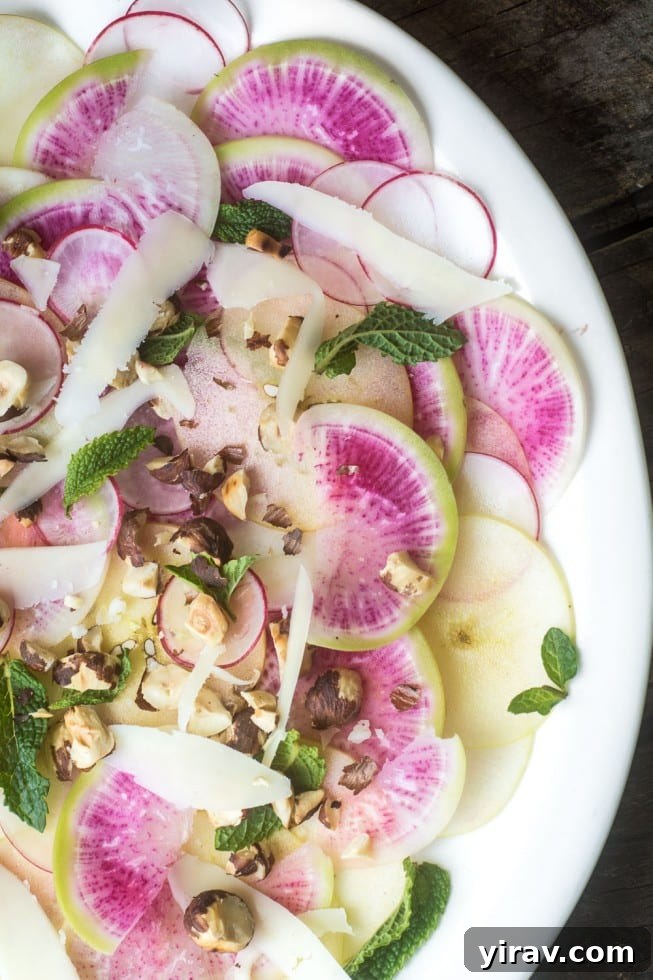
Shaved Apple and Radish Salad
Get the Recipe

Shrimp Tacos
Get the Recipe

Sticky Five Spice Chicken with Carrot Radish Slaw
Get the Recipe

Spring Arugula Salad with Shaved Asparagus, Radish and Peas

Spring Pea and Radish Risotto
Get the Recipe

Steak Tacos with Radish-Cilantro Salsa
Get the Recipe
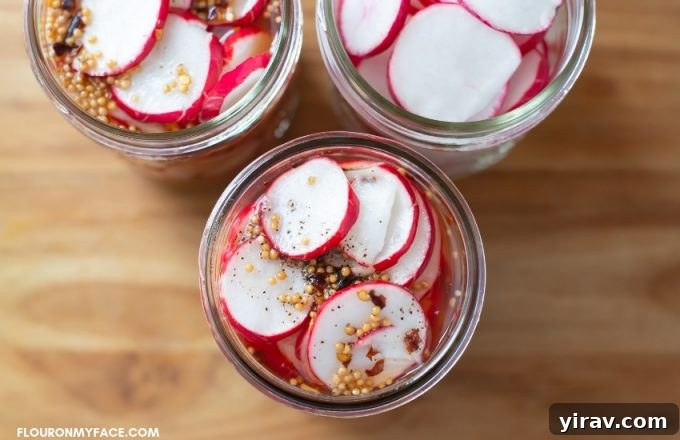
Refrigerator Sweet Pickled Radishes
Get the Recipe
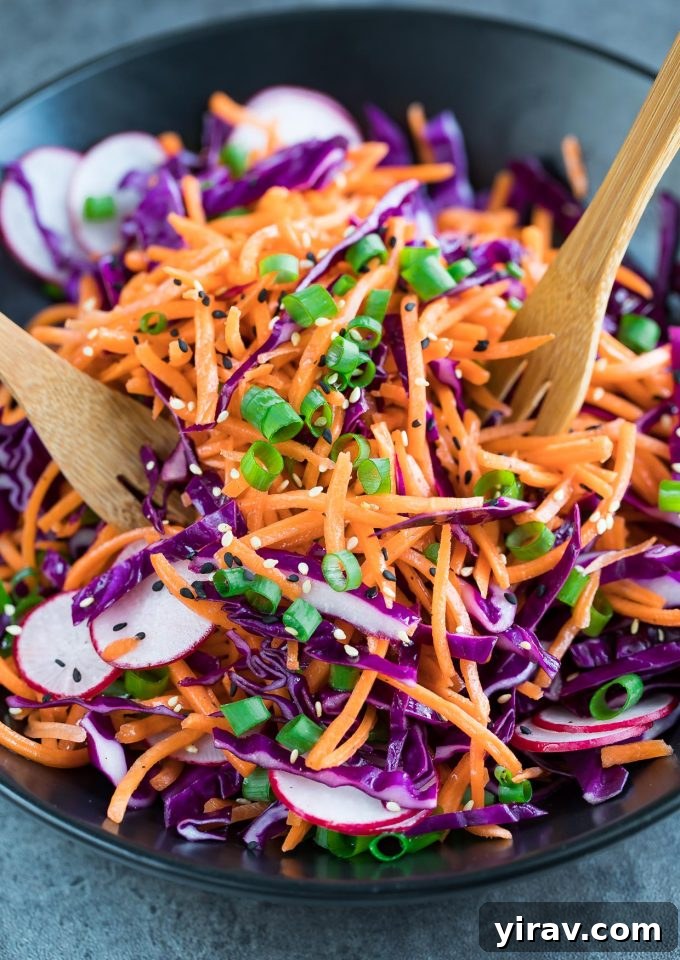
Whole30 Carrot Slaw
Get the Recipe
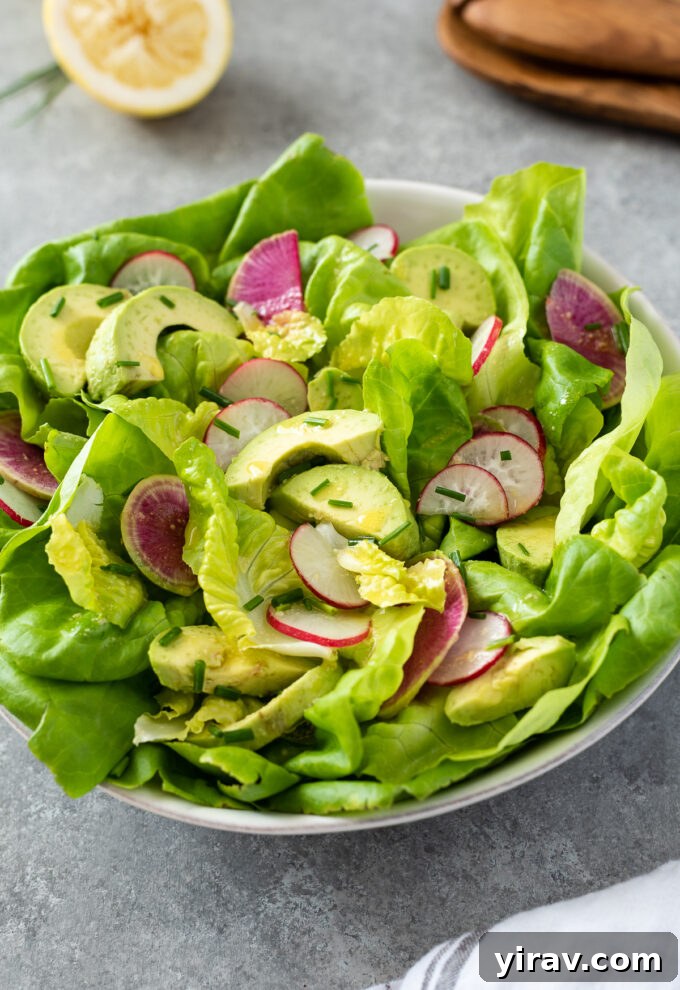
Butter Lettuce Salad with Avocado
Get the Recipe
References for Further Reading
- Gardening Know How: Types of Radishes
- Healthline: The Benefits of Radishes
- Organic Facts: Health Benefits of Radish
- Spruce Eats (General culinary information)
- WebMD: 7 Healthy Facts About Radishes
- Wikipedia: Radish