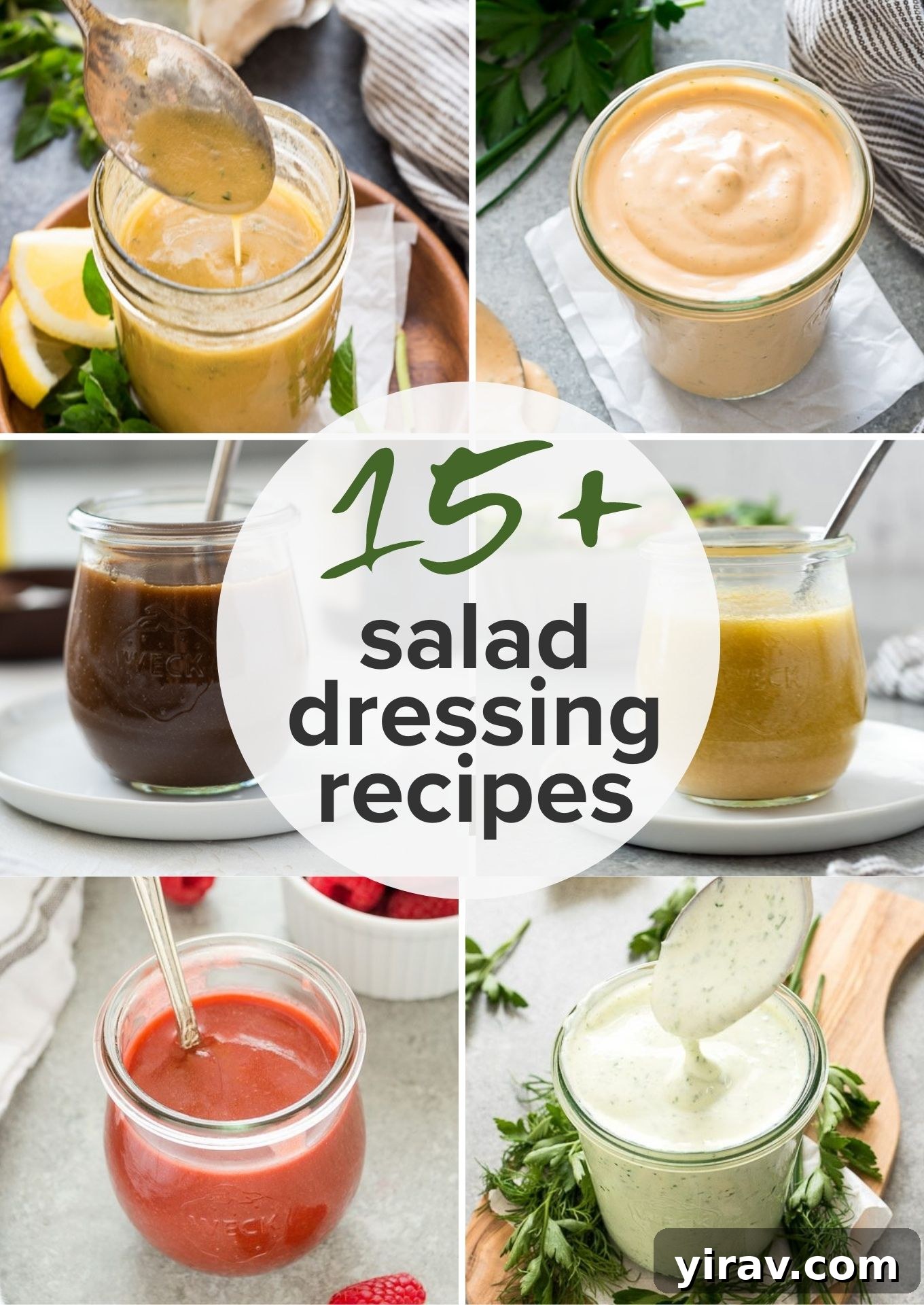
Transform your everyday salads into extraordinary culinary experiences with this extensive collection of over 15 delectable Homemade Salad Dressing Recipes! Forget bland, store-bought options laden with preservatives and unpronounceable ingredients. Our recipes empower you to create dressings that are bursting with fresh, vibrant flavors, incredibly easy to prepare, and completely free from artificial additives. Elevate your healthy eating journey and discover the joy of crafting dressings that truly make your salads sing.
Why Homemade Salad Dressings are a Game-Changer
For many, salads are a daily craving, a canvas for incorporating the freshest seasonal ingredients to maximize both flavor and nutritional value. Yet, a truly magnificent salad can often be let down by a mediocre dressing. That’s precisely why I embarked on a journey years ago to master homemade salad dressings.
Store-bought versions, while convenient, often contain excessive salt, questionable preservatives, and a list of ingredients that are challenging to decipher. My salads, and indeed, my health, deserved better. I quickly discovered not only the simplicity of making dressings from scratch but also how these fresh, vibrant concoctions breathe new life into every bite. A great dressing isn’t just an accompaniment; it’s the star that transforms a simple bowl of greens into an exciting, eagerly anticipated meal. This realization has made homemade dressings an indispensable part of my weekly meal prep routine.
Beyond the enhanced taste, preparing your own dressings offers incredible control over ingredients, allowing you to tailor them to your dietary needs and preferences. You can easily adjust sweetness, acidity, and seasoning, ensuring every dressing is perfectly balanced to your palate. This level of customization is simply unattainable with pre-made options, making homemade dressings a cornerstone for anyone passionate about healthy, delicious eating.
To fully appreciate these dressings, be sure to explore our seasonal salad collections for a wealth of delicious ideas that pair perfectly with these homemade wonders!
- Fall Salad Recipes
- Spring Salad Recipes
- Summer Salad Recipes
- Winter Salad Recipes
Mastering the Art of Salad Dressing: Types and Techniques
Salad dressings generally fall into two broad categories: oil and vinegar-based vinaigrettes, and creamy dressings. Both types offer incredible versatility, allowing for countless variations to suit any flavor profile or dietary need. Understanding the fundamentals of each will unlock a world of culinary creativity in your kitchen.
Basic Vinaigrette: The Healthy and Versatile Choice
For those seeking a healthy and light salad dressing, a basic vinaigrette is an unparalleled choice. Composed primarily of oil and acid, it serves not only as a fantastic dressing but also doubles as an excellent marinade for proteins and vegetables. Its clean, bright flavors perfectly complement a wide array of salads without overpowering them.
The traditional ratio of oil to vinegar in a vinaigrette is 3 parts oil to 1 part vinegar. However, personal preference often dictates adjustments. I particularly enjoy adding a bit of extra vinegar to achieve a more pronounced tangy flavor that awakens the palate. Experimenting with different types of oils and vinegars can dramatically alter the character of your vinaigrette, offering endless possibilities for customization.
It’s important to remember that the ingredients in a vinaigrette are temporarily emulsified when combined. Oil and vinegar are immiscible, meaning they naturally separate upon standing. This is perfectly normal! Before each use, simply give the dressing a vigorous shake or whisk until it is emulsified once again, ensuring every pour delivers a consistent blend of flavors.
Essential Vinaigrette Ingredients and Flavor Enhancers
The foundation of any great vinaigrette lies in its main components: olive oil and a chosen acid. Beyond these, a thoughtful selection of additions can elevate the flavor profile, adding depth and complexity.
- Quality Olive Oil: This is the backbone of your vinaigrette. Opt for a good quality extra virgin olive oil. Its robust, fruity notes will form the rich base of your flavorful dressing. The better the oil, the more exquisite your dressing will be.
- Vinegar or Acid: This provides the essential tang. Explore various vinegars such as red wine vinegar for a classic touch, balsamic for a sweeter, richer profile, or apple cider vinegar for a bright, slightly fruity note. Freshly squeezed lemon, lime, or orange juice can also be used, either alone or combined with vinegar for added depth and a layered tartness.
- Dijon Mustard: A secret weapon in many vinaigrettes. Dijon mustard isn’t just for flavor; its pungent, savory notes add complexity, while also acting as a natural emulsifier, helping to bind the oil and vinegar together for a smoother consistency. Even a small amount makes a significant difference.
- Shallots or Garlic: Finely chopped shallots or minced garlic are frequently incorporated into vinaigrettes for their aromatic qualities. The acidity in the dressing helps to mellow their raw intensity, ensuring their flavor enhances rather than overpowers.
- Sweetener: A touch of sweetness, such as maple syrup, honey, or agave, can brilliantly balance the acidity in the dressing. This step is entirely optional, but even a single teaspoon can round out the flavors and create a more harmonious blend.
- Herbs and Seasonings: This is where personalization shines. Fresh herbs like parsley, thyme, oregano, or dried herbs can completely transform a basic vinaigrette. Common seasonings like onion powder, ground cumin, smoked paprika, or a pinch of red pepper flakes can introduce new dimensions of flavor, making each dressing unique.
Simple Methods for Making Basic Vinaigrette
Crafting a delicious vinaigrette at home is surprisingly simple, with several convenient methods to choose from:
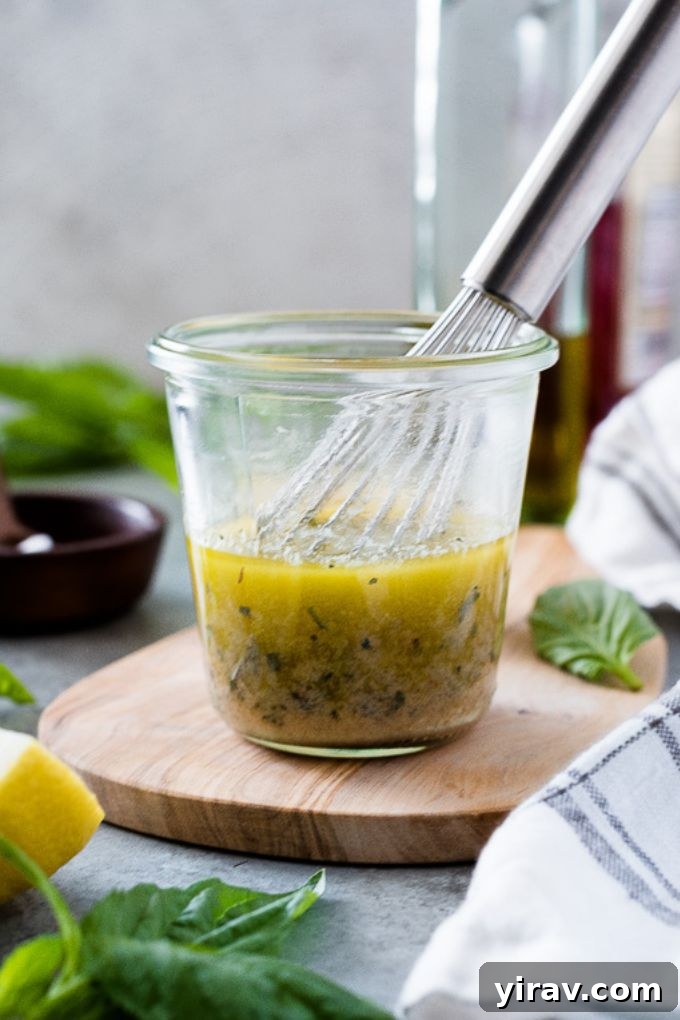
- Mason Jar or Container with Lid: This is hands down my favorite method for its sheer ease and minimal cleanup. Simply place all your chosen ingredients into a mason jar or any container with a tight-fitting lid. Secure the lid firmly and shake vigorously for about 30 seconds until the mixture is well emulsified. It’s quick, efficient, and perfect for immediate use or storage.
- Bowl and Whisk: For a more traditional approach, combine all ingredients except the olive oil in a mixing bowl and whisk thoroughly. Then, while continuously whisking, slowly drizzle in the olive oil in a steady stream. This gradual addition helps to create a smooth, well-emulsified dressing. This method provides more control over the emulsification process.
- Food Processor or Blender: This method is ideal when your dressing includes finely chopped ingredients like shallots, garlic, or fresh herbs, and you desire a perfectly smooth consistency. Add all ingredients except the oil to the food processor bowl. Process until finely chopped and combined, then, with the machine running, slowly pour the olive oil through the feed tube until the dressing is fully emulsified and smooth.
Creamy Salad Dressing: Indulgent and Customizable
Creamy salad dressings offer a delightful contrast to vinaigrettes, ranging from rich and decadent to lighter, healthier options. Some creamy dressings are essentially vinaigrettes with a touch of mayonnaise or yogurt for a thicker texture, while others forgo oil entirely, relying on their creamy base. Their luxurious texture and rich flavor make them incredibly popular.
While traditional creamy dressings can be high in calories and unhealthy fats due to ingredients like mayonnaise or sour cream, they don’t have to be. With a few simple swaps and mindful choices, you can create healthier versions that are just as satisfying. The versatility of creamy dressings extends beyond salads; they make fantastic dips for fresh vegetables, grilled chicken wings, and much more, adding a burst of flavor to any snack or meal.
Key Ingredients for Irresistible Creamy Salad Dressings
Creating a luscious creamy dressing involves balancing one or two creamy components with a liquid to achieve the right consistency, along with acids, herbs, and seasonings to develop a well-rounded flavor profile.
- Creamy Component(s): Mayonnaise and sour cream are classic bases, providing a rich, tangy foundation. For a healthier twist, consider substituting all or part of these with Greek yogurt, which adds protein and a delightful tang. For special diets, vegan mayo and other dairy-free alternatives work beautifully. Avocado and tahini are also excellent healthy additions or substitutions, lending creaminess and unique flavors.
- Liquid: A liquid component is essential for thinning the dressing to a pourable consistency suitable for salads. Buttermilk adds a distinctive tang and richness, while milk or non-dairy milk can provide a smoother, milder base. For a lighter touch, water or fresh citrus juice can be used to achieve the desired texture without adding extra fat.
- Acid: Just like with vinaigrettes, a touch of acid is crucial in creamy dressings to brighten and enhance all the flavors. Vinegar (like white wine or apple cider) or fresh citrus juice (lemon, lime) can make the ingredients “pop,” preventing the dressing from tasting flat. Even one tablespoon can make a significant impact on the overall balance.
- Sweetener: A hint of honey, maple syrup, or a natural sweetener can help balance the tanginess of the acid and creamy components, creating a more harmonious flavor. Adjust to your taste preferences.
- Herbs and Seasonings: Fresh or dried herbs are paramount for adding freshness, vibrant color, and aromatic depth. Think parsley, chives, dill, basil, cilantro, or mint. Aromatic seasonings such as onion powder, garlic powder, ground cumin, paprika, and a touch of black pepper are vital for building complex layers of flavor.
- Flavorful Add-ins: To truly elevate your creamy dressings, consider incorporating bold add-ins. Capers offer a briny kick, anchovies or anchovy paste provide umami depth, while Dijon mustard adds a sharp, savory note. Ketchup, Worcestershire sauce, roasted red peppers, roasted garlic, finely minced shallots, and even finely chopped pickles can introduce incredible flavor and unique texture dimensions.
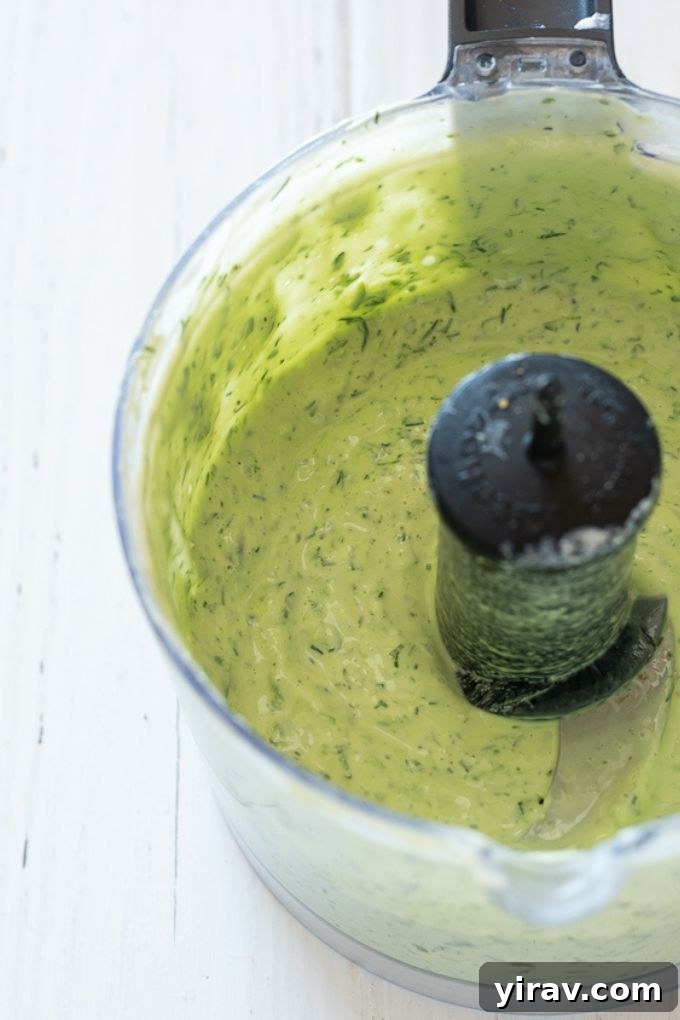
The Best Way to Make Creamy Salad Dressing
For creamy salad dressings, especially those incorporating fresh herbs or other ingredients that need to be finely puréed, the food processor is an invaluable tool to achieve a silky-smooth consistency.
- Using a Food Processor or Blender: Simply place all your creamy dressing ingredients into the bowl of a food processor or a high-speed blender. Process until the dressing reaches your desired consistency – smooth, well-combined, and free of any large chunks. This method ensures all flavors are perfectly integrated and creates a uniform texture that beautifully coats your salad greens.
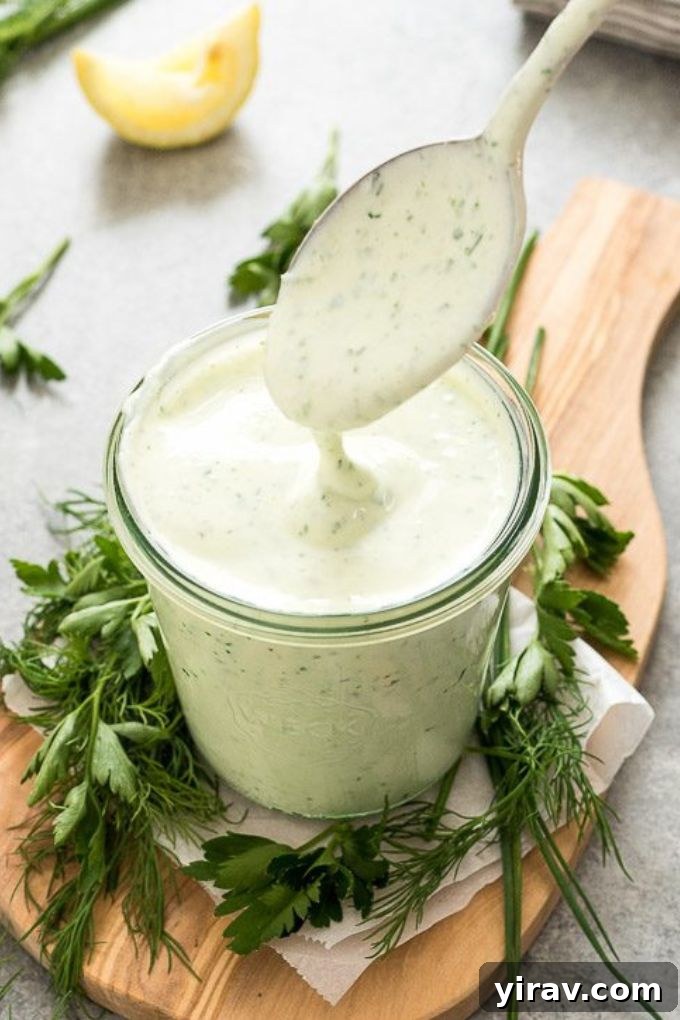
15 Best Salad Dressing Recipes to Elevate Your Meals
Ready to ditch the store-bought and dive into a world of fresh flavors? This curated selection of homemade salad dressing recipes is guaranteed to add incredible excitement and a gourmet touch to all your salads and beyond. Each recipe offers a unique flavor profile, from zesty vinaigrettes to rich, creamy concoctions, ensuring you’ll find the perfect match for any dish.
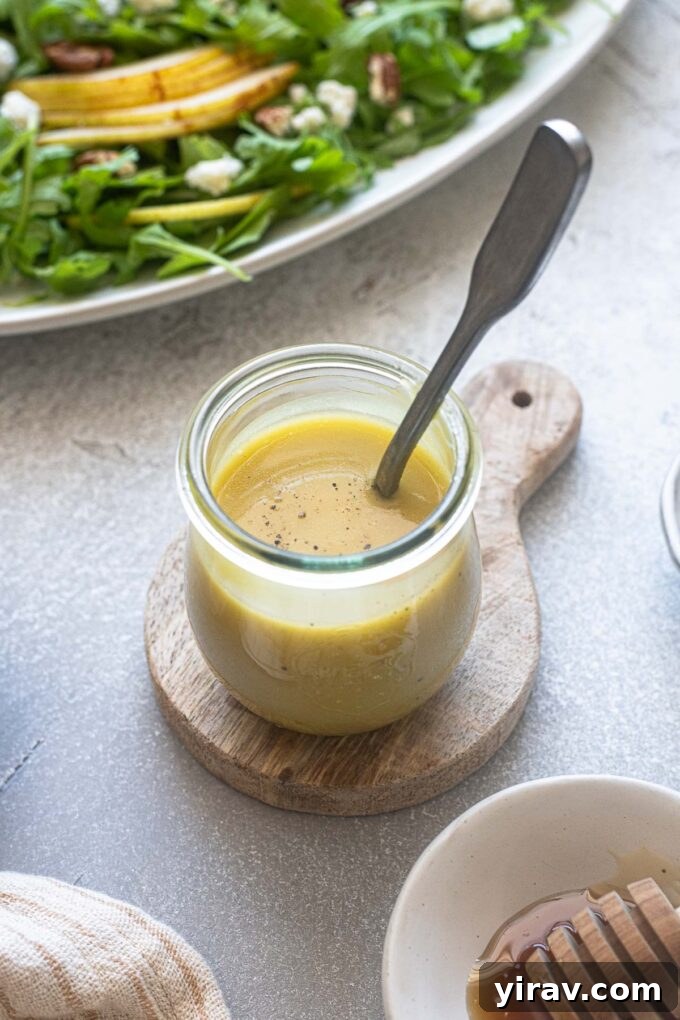
Honey Champagne Vinaigrette
Get the Recipe
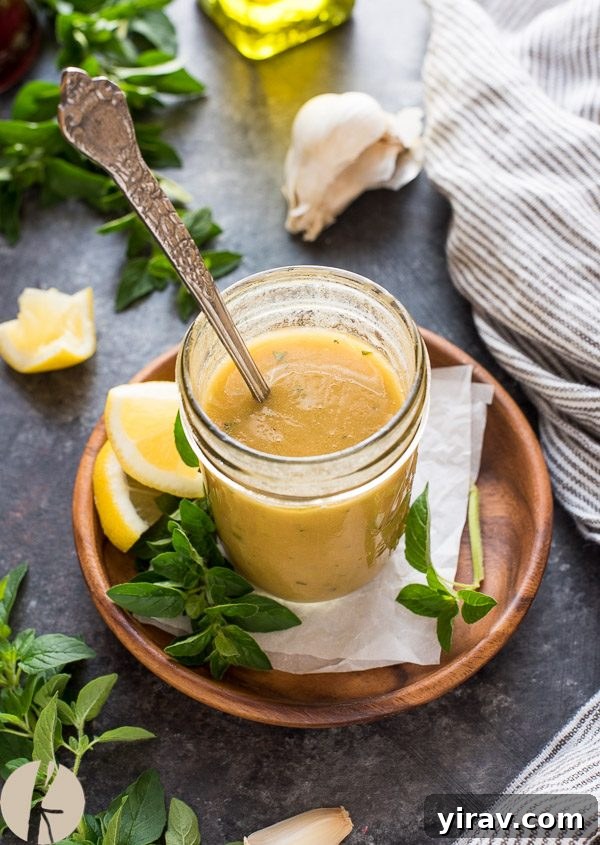
Easy Greek Salad Dressing
Get the Recipe
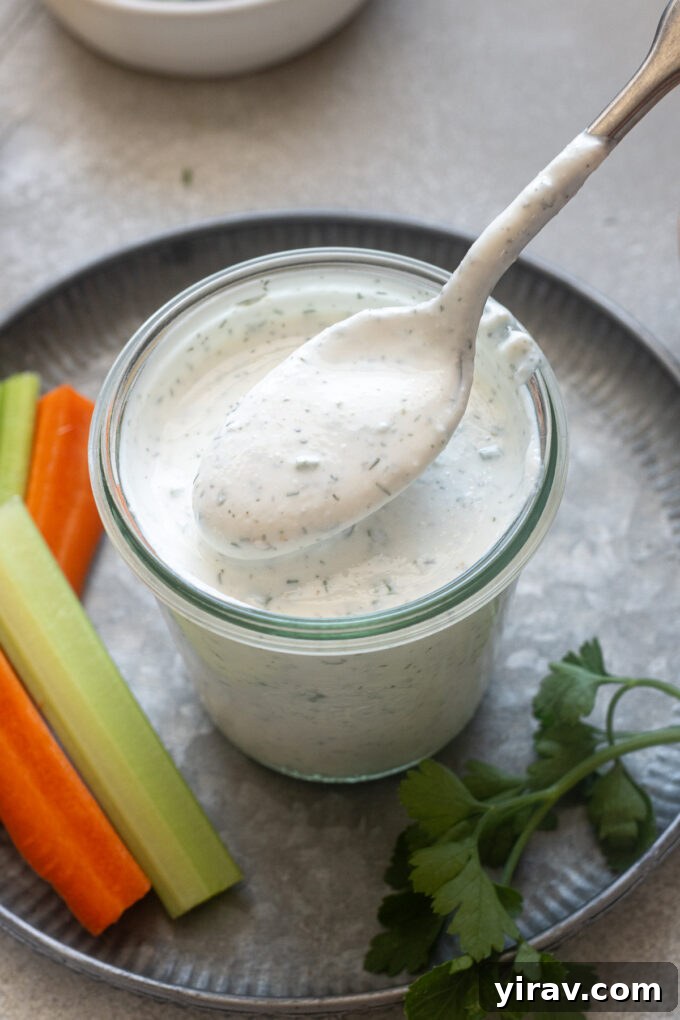
Greek Yogurt Ranch Dressing
Get the Recipe
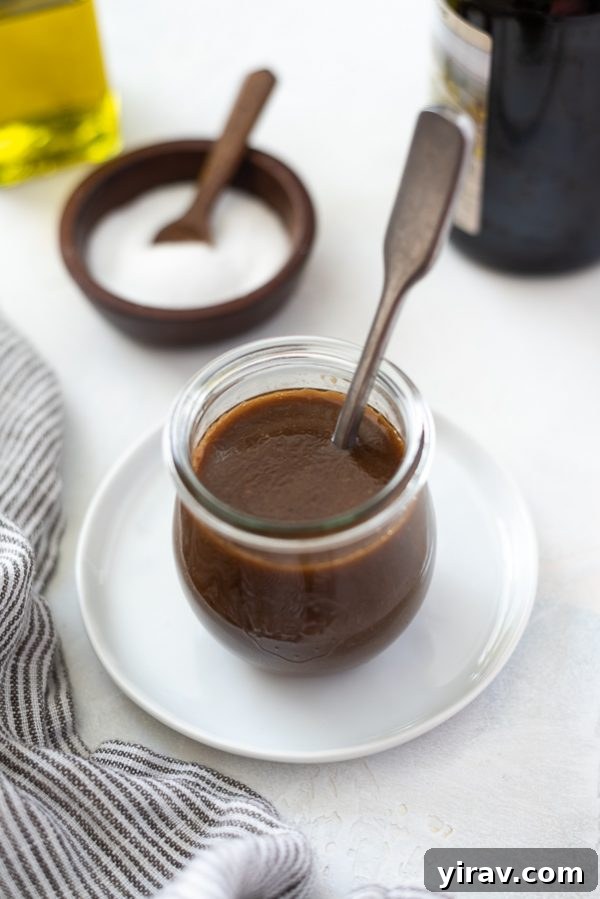
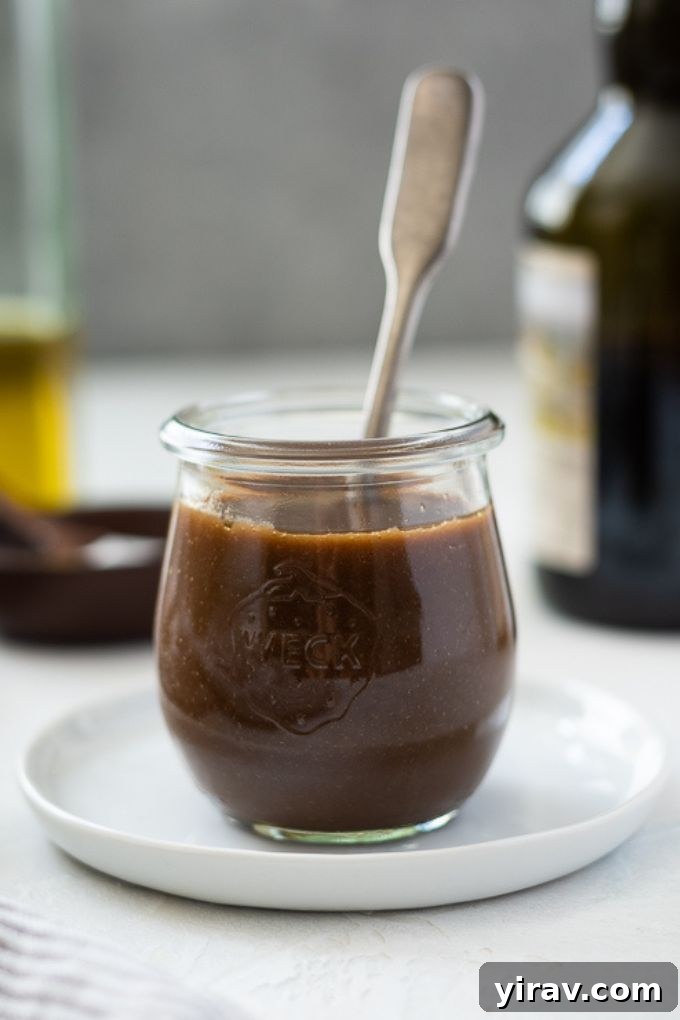
Balsamic Vinaigrette Dressing
Get the Recipe
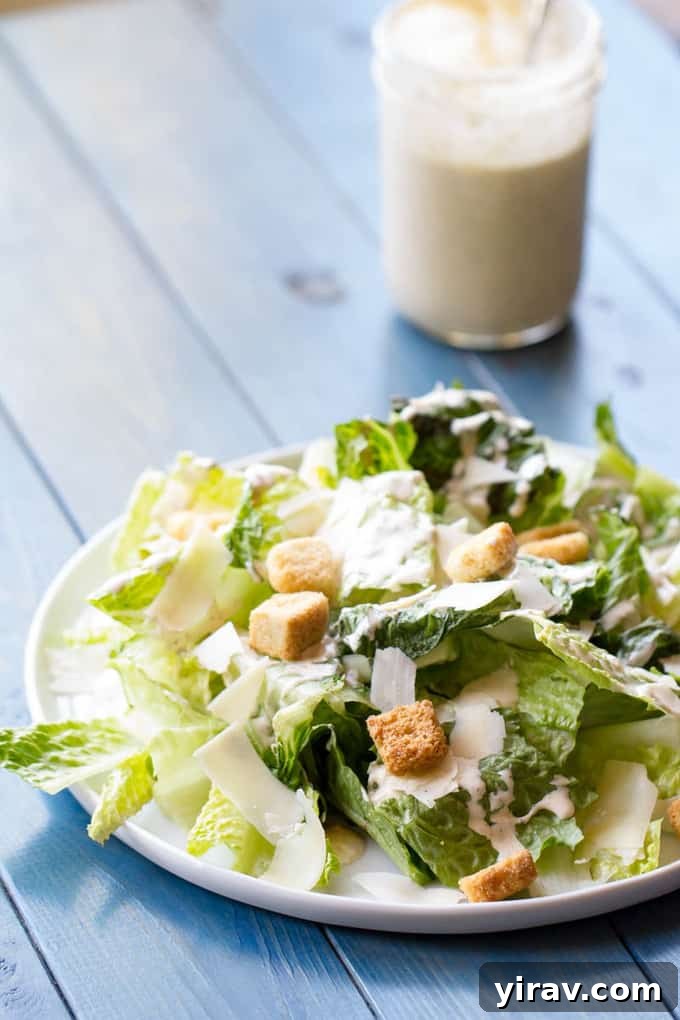
Caesar Salad Dressing Recipe – Homemade Creamy Caesar
Get the Recipe
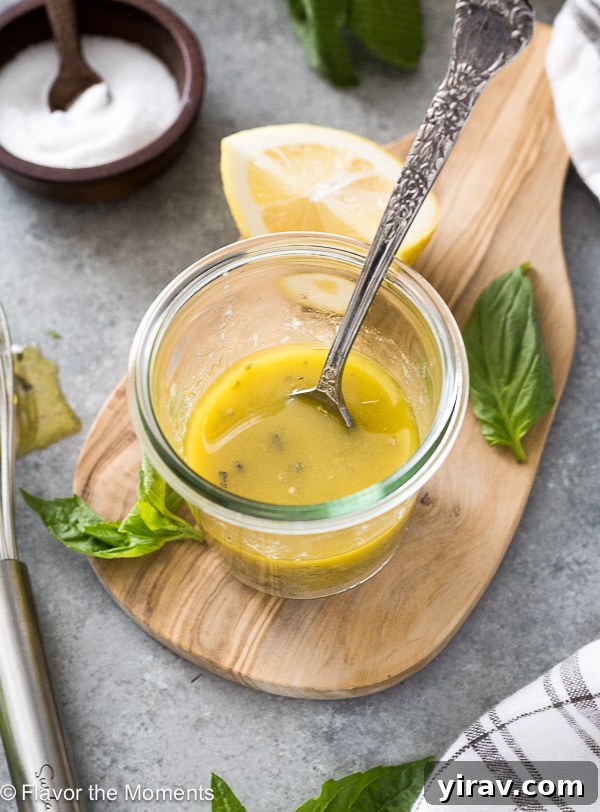
Homemade Italian Dressing
Get the Recipe
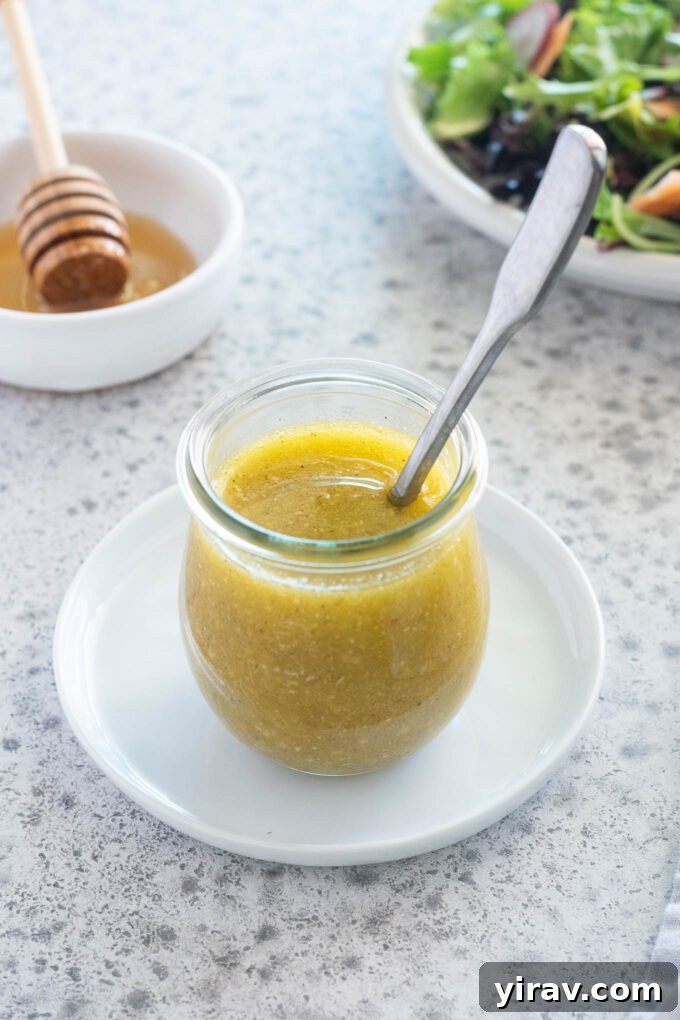
Honey Mustard Dressing
Get the Recipe
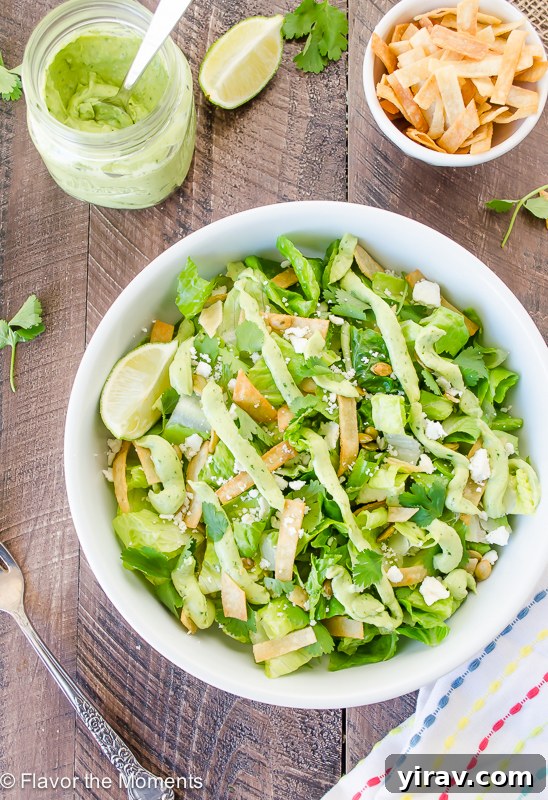
Creamy Avocado Dressing
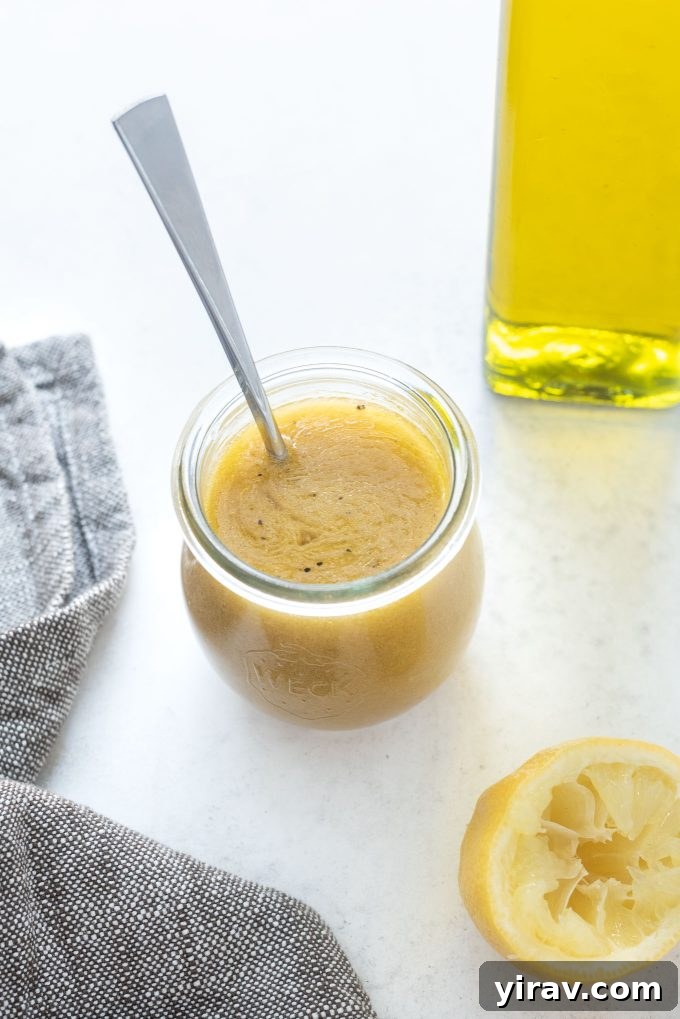
Red Wine Vinaigrette
Get the Recipe
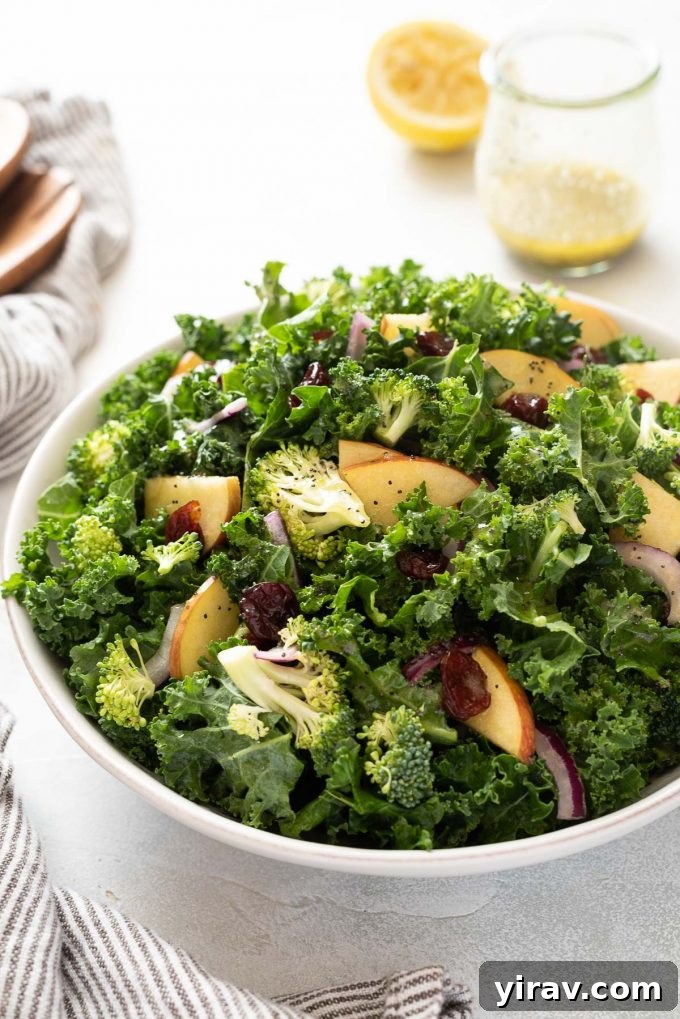
Lemon Poppy Seed Dressing
Get the Recipe
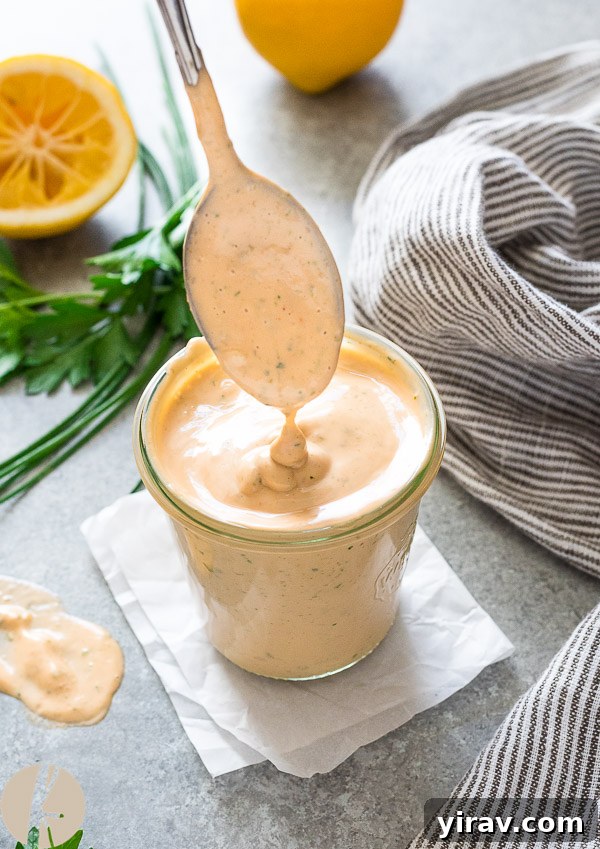
Homemade Louie Dressing
Get the Recipe
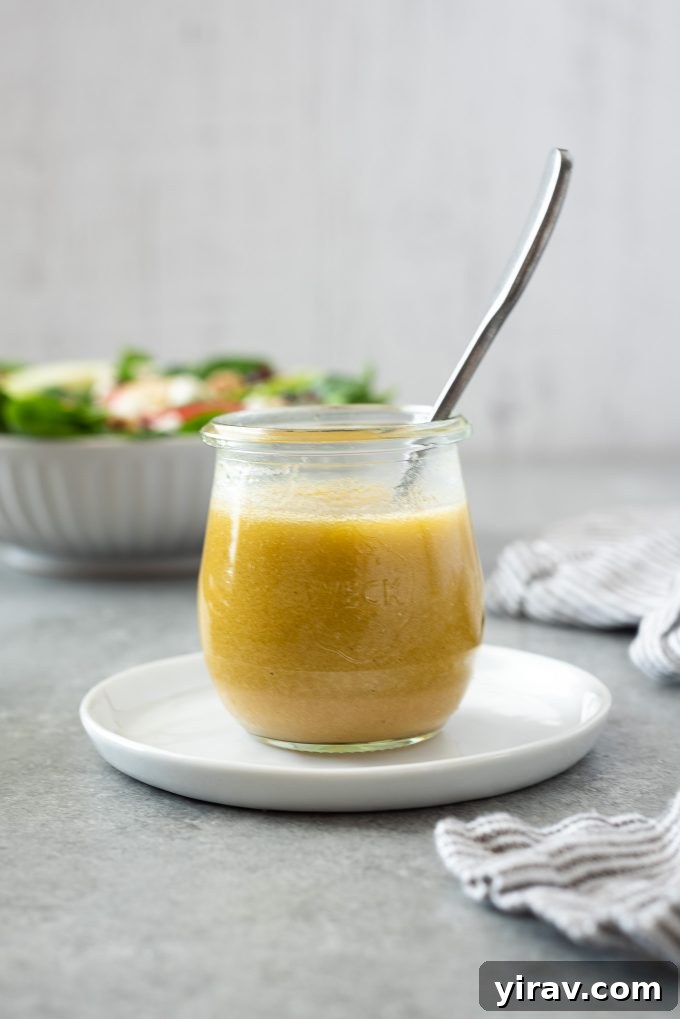
Apple Cider Vinegar Dressing
Get the Recipe
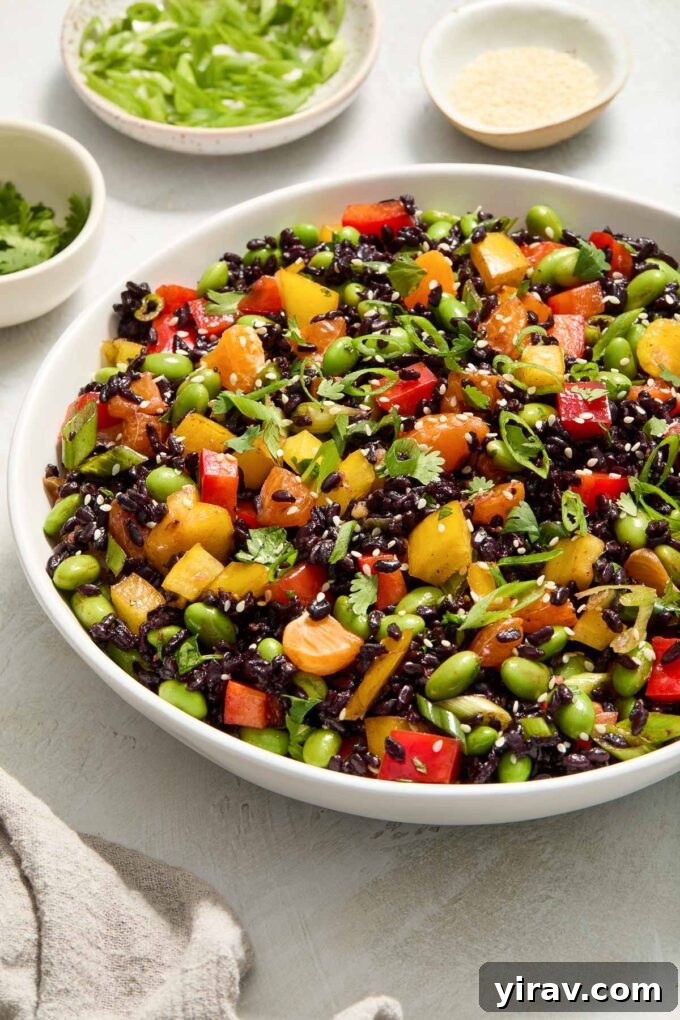
Ginger Orange Dressing
Get the Recipe
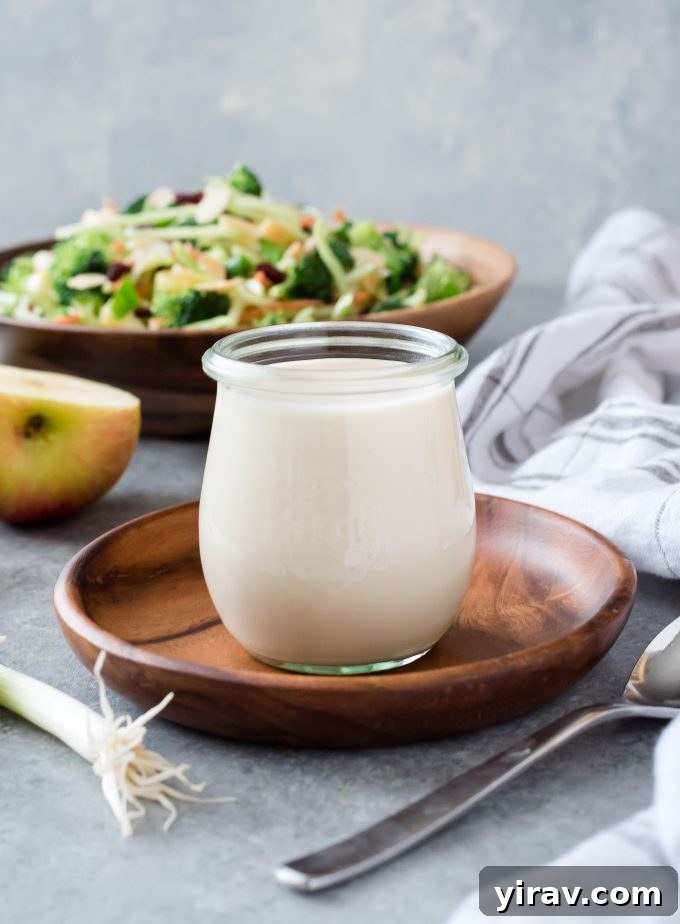
Homemade Coleslaw Dressing Recipe
Get the Recipe
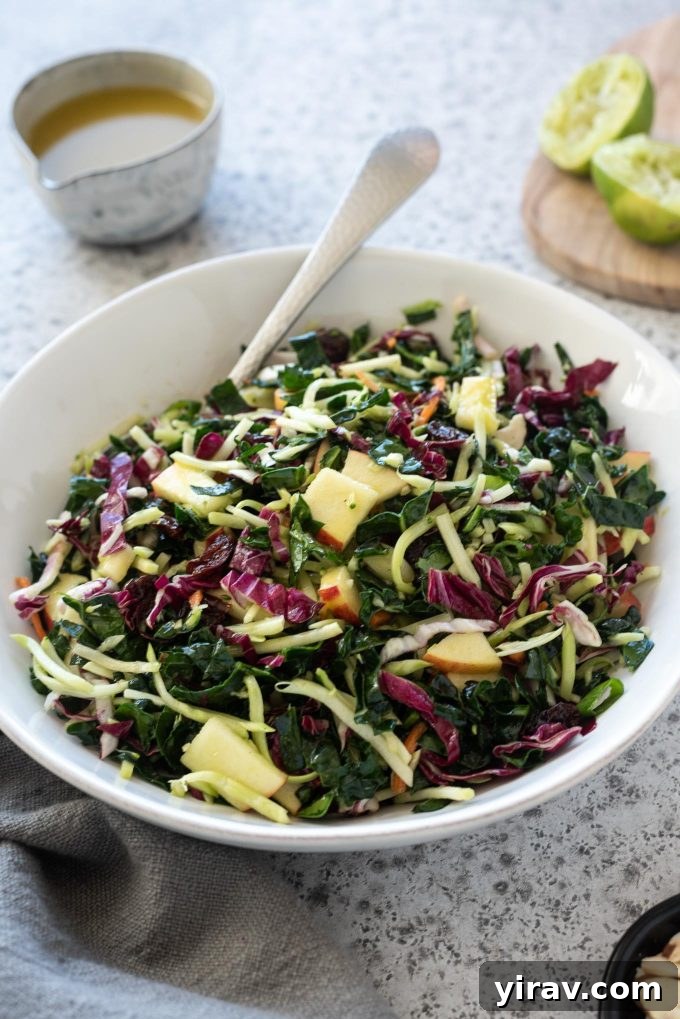
Honey Lime Dressing
Get the Recipe
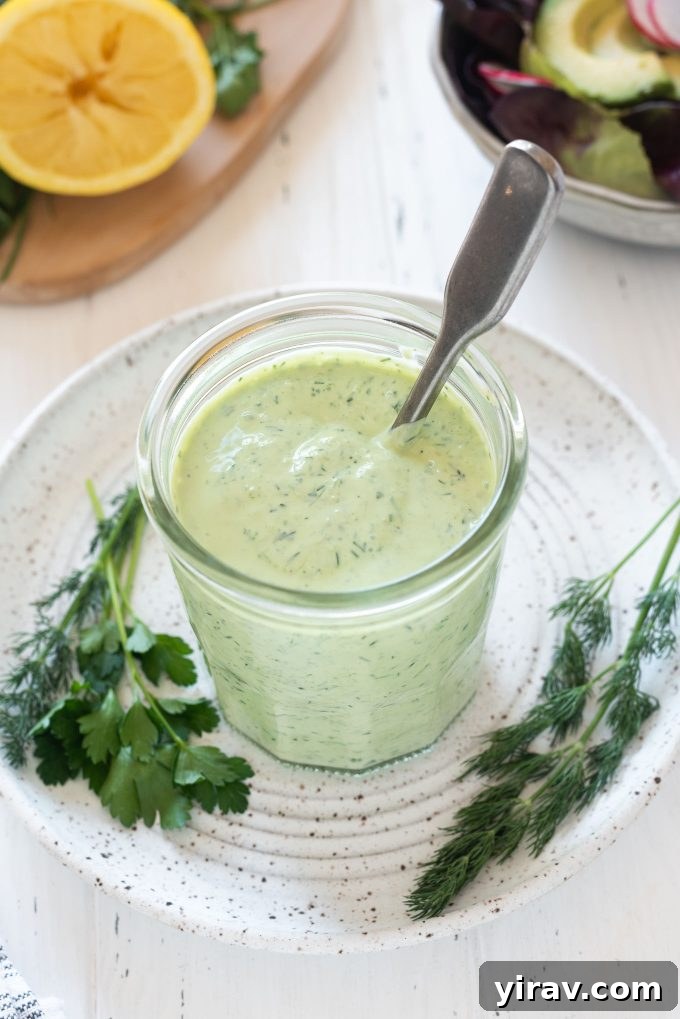
Green Goddess Dressing
Get the Recipe
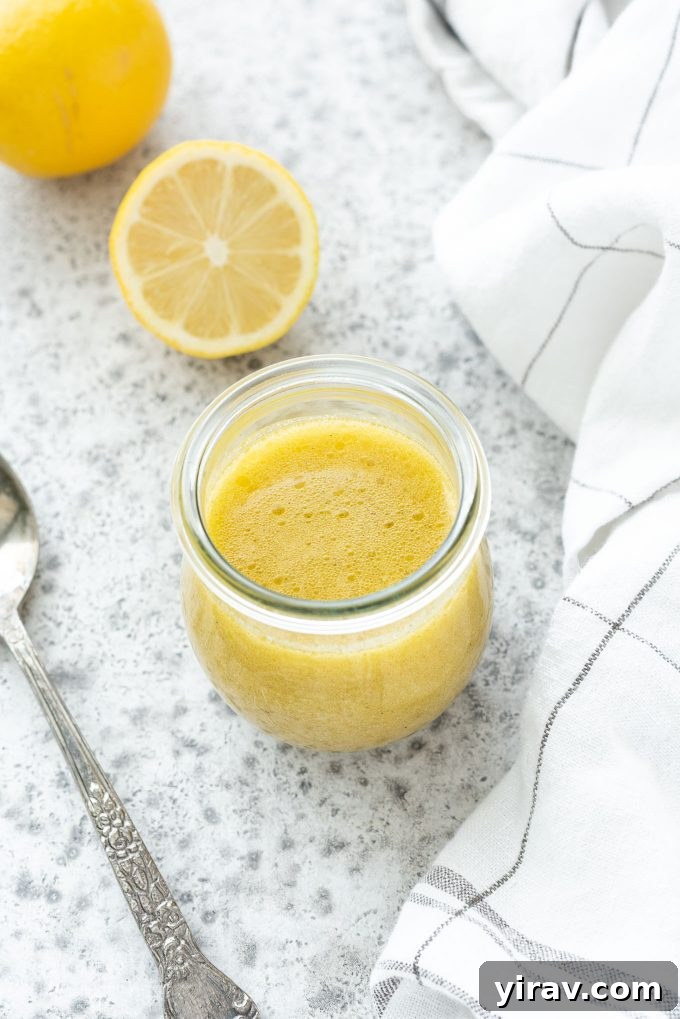
Lemon Vinaigrette Recipe
Get the Recipe
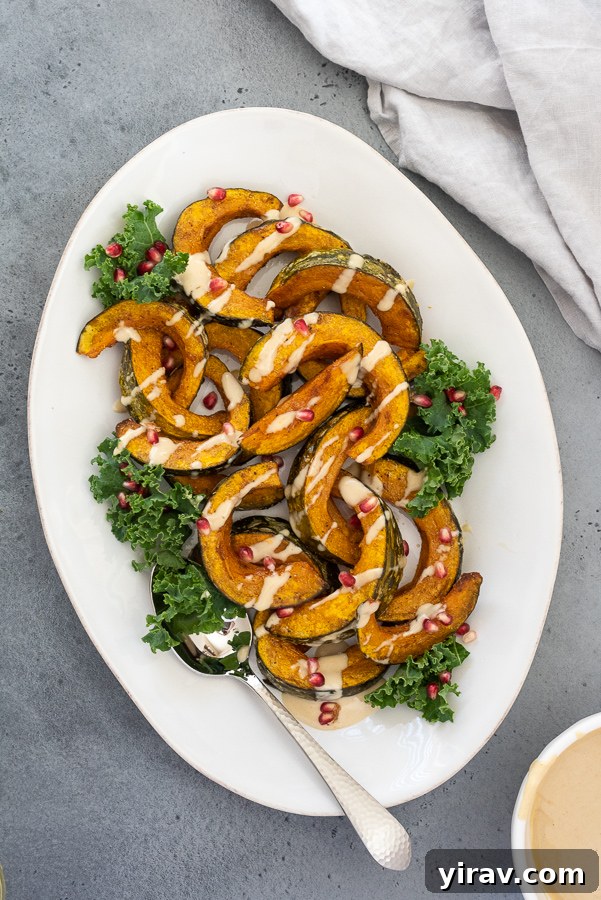
Orange Tahini Dressing
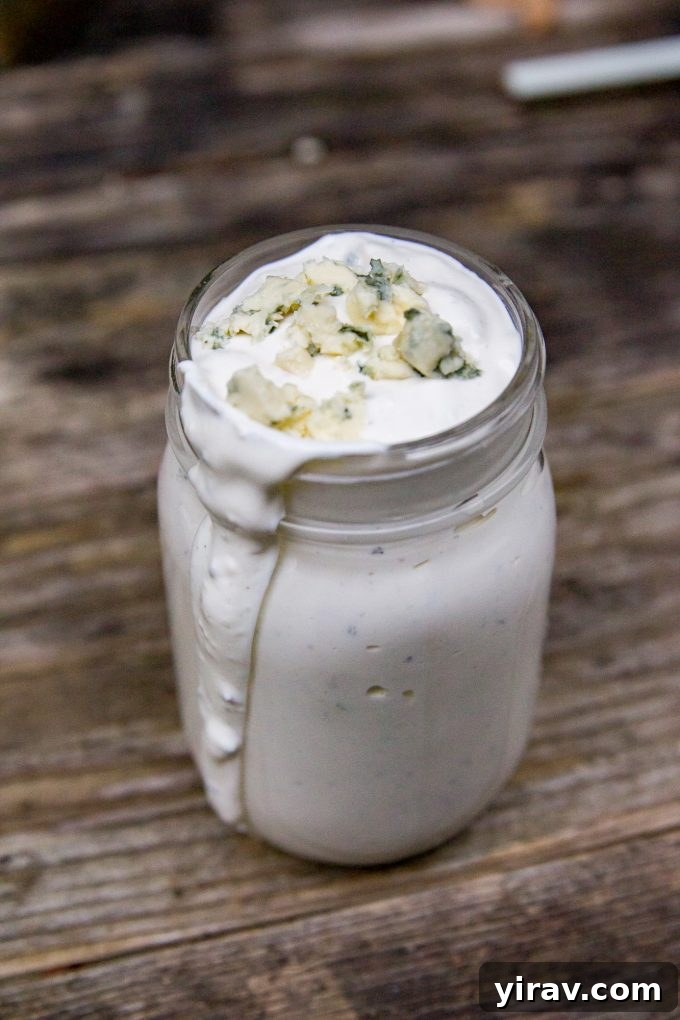
Bacon Blue Cheese Dressing Recipe
Get the Recipe
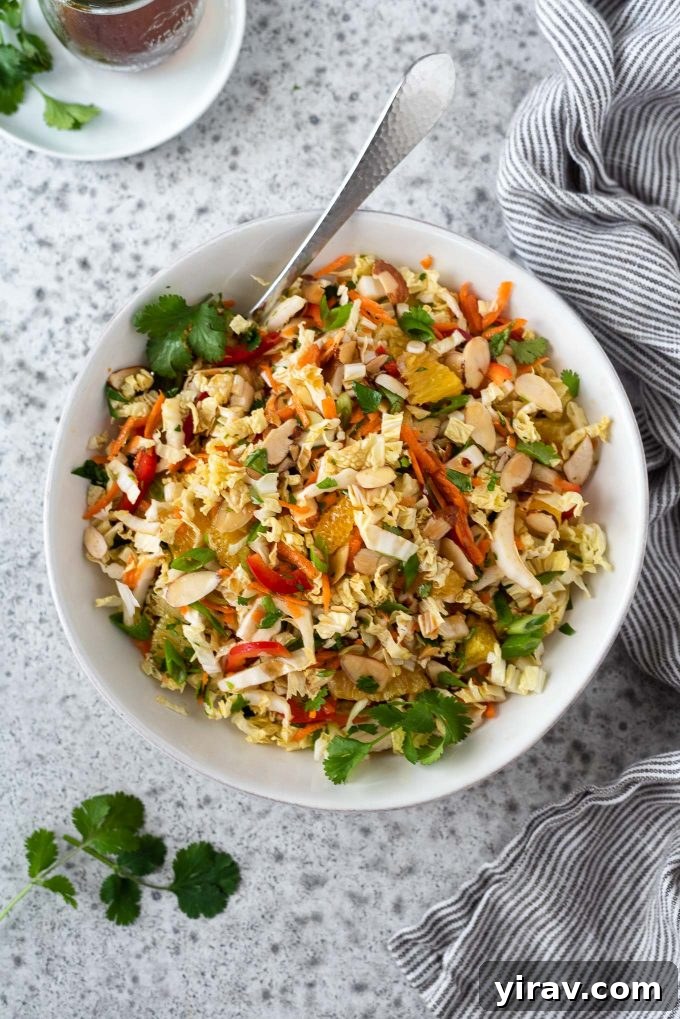
Asian Dressing
Get the Recipe
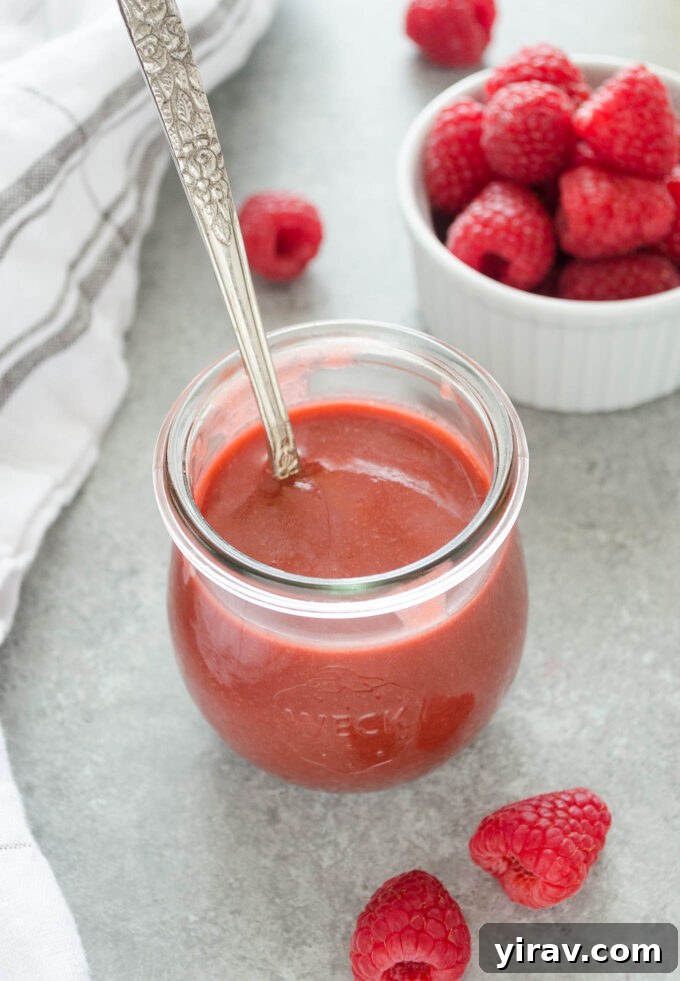
Raspberry Vinaigrette
Get the Recipe