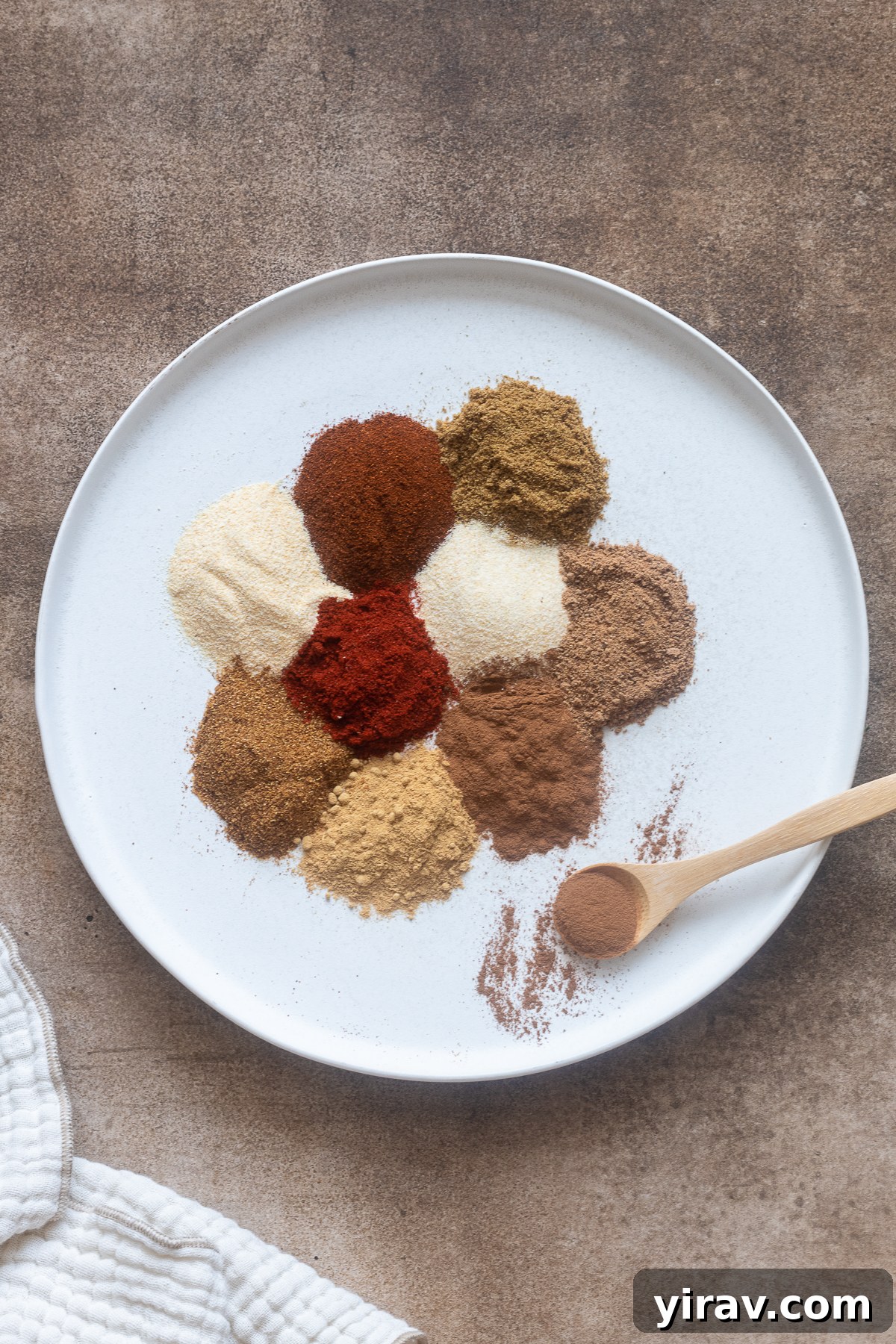
Transform your everyday cooking into extraordinary culinary experiences with the magic of spices! This comprehensive guide unlocks the secrets to a well-stocked spice cabinet, detailing 10 Essential Spices that form the backbone of countless delicious meals. Whether you’re a novice cook eager to explore new flavors or a seasoned chef seeking to refine your pantry, this guide offers invaluable insights and practical tips on how to effectively use each spice in a variety of dishes, including some of my personal favorite recipes.
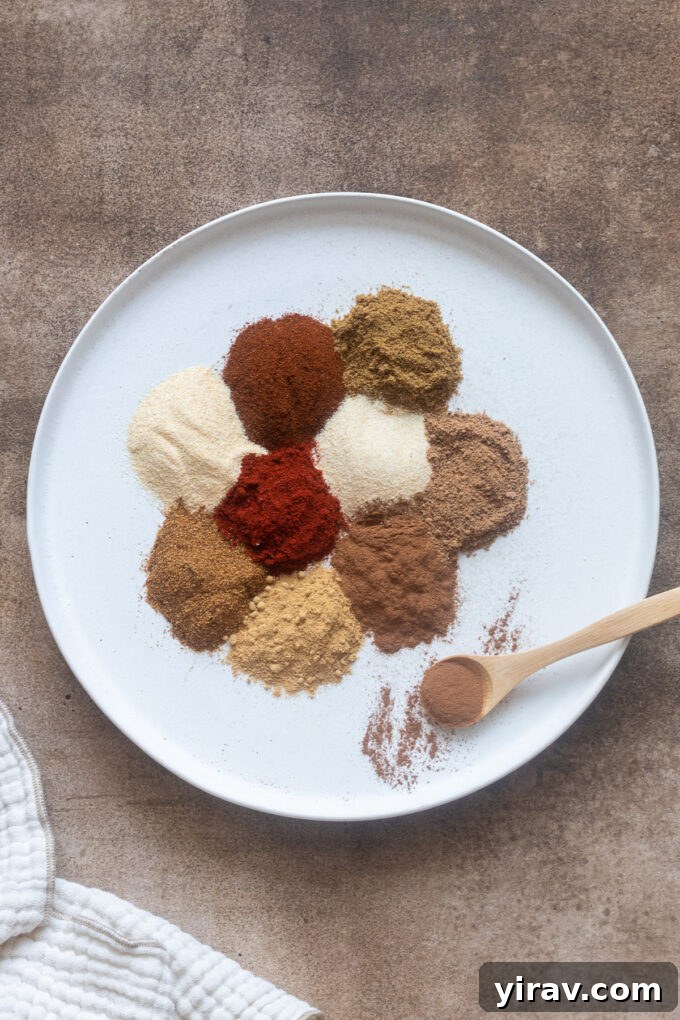
Spices are more than just flavorings; they are the heart and soul of global cuisine, capable of adding warmth, depth, heat, and aromatic complexity to even the simplest ingredients. A strategically organized and thoughtfully curated spice cabinet is not merely a convenience—it’s an indispensable tool for any home cook looking to elevate their dishes from good to truly exceptional. The right selection of spices can turn mundane meals into memorable feasts, infusing them with vibrant character and enticing aromas.
This ultimate spice guide meticulously covers 10 common spices that I consider absolute must-haves for any kitchen. Beyond these primary flavor enhancers, we’ll delve into the foundational pantry staples like salt and pepper, exploring their various forms and best applications. Additionally, I’m excited to share a curated list of a few extra spices that I reach for occasionally when seeking to introduce unique flavor profiles or a special kick. To complete your essential flavor arsenal, this guide also highlights 8 crucial dried herbs that are invaluable for adding herbaceous notes and aromatic depth to your cooking.
For those new to the world of spices and dried herbs, or even for experienced cooks looking for fresh inspiration, you’ll find concise yet informative descriptions of each item’s distinct flavor profile. More importantly, I’ve included direct links to some of my most cherished recipes that feature these ingredients, providing tangible examples and immediate opportunities for you to put your newfound knowledge into practice. The goal is to empower you to begin cooking with confidence and creativity right away, fostering a comfort level that will encourage you to experiment and utilize these versatile ingredients in a multitude of ways for years to come.
Beyond dried ingredients, cooking with fresh herbs can bring an unparalleled vibrancy to your dishes. Don’t miss my comprehensive Fresh Herbs Produce Guide, which provides detailed information on common fresh herbs to cook with, alongside a collection of delicious recipes designed to help you utilize them to their fullest potential.
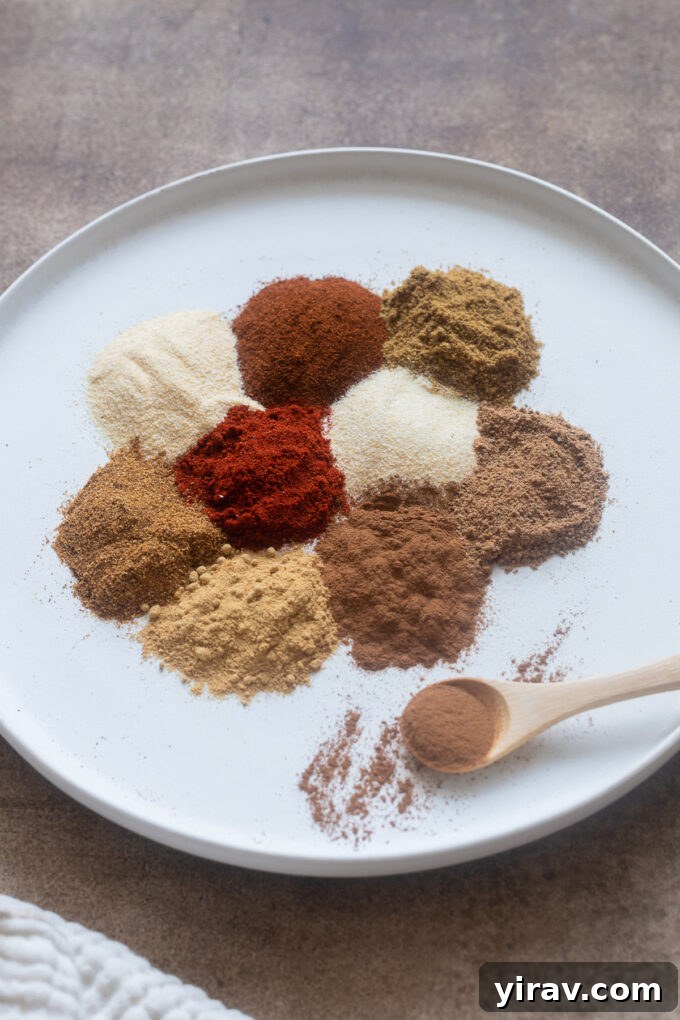
10 Essential Spices for Everyday Cooking
These are the workhorses of my kitchen—the common spices that consistently find their way into my daily cooking routine. Their incredible versatility makes them indispensable for both simple weeknight meals and more elaborate culinary projects. Stocking these ten will give you a powerful foundation for building flavor in virtually any dish you create!
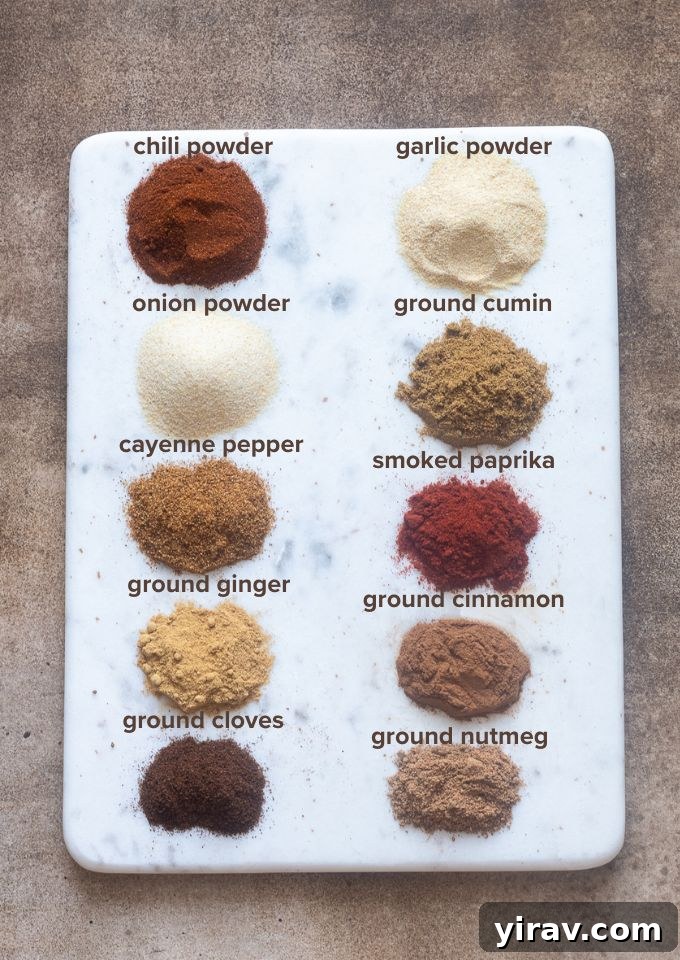
1. Smoked Paprika
- Flavor Profile: Distinctly sweet and smoky, with deep earthy undertones. Unlike regular paprika, the chilies are dried and smoked over oak fires, imparting an intense, nuanced flavor.
- Best Uses: Excellent for adding a rich, smoky depth to roasted vegetables, creating savory rubs for various meats, enhancing beans, and enriching the flavor of hearty soups and stews. It’s a key ingredient in many Spanish and Hungarian dishes.
- Try it in: Crispy Air Fryer Zucchini Fries, a flavorful Grilled Tri-Tip Roast with Santa Maria Rub, and a comforting Cabbage and Ground Beef Casserole.
2. Chili Powder
- Flavor Profile: A convenient blend of spices, typically featuring ground chilies, cumin, oregano, and garlic powder. It offers a mild to medium heat with complex smoky and earthy undertones, making it incredibly versatile.
- Best Uses: The cornerstone of classic chili recipes, essential for tacos, a flavor booster in casseroles, and a must-have for authentic Tex-Mex dishes. It’s also fantastic in marinades and rubs.
- Try it in: A hearty Guinness Chili, sweet and savory Air Fryer Roasted Sweet Potatoes, and zesty Chili Lime Grilled Shrimp Skewers.
3. Cumin
- Flavor Profile: Warm, earthy, and nutty, often with subtle citrusy notes. It has a distinctive aroma that is instantly recognizable and adds significant depth to savory dishes.
- Best Uses: Absolutely fundamental in Mexican, Indian, and Middle Eastern cuisines. It pairs wonderfully with beans, enriches soups, and forms an integral part of many spice rubs for meat and vegetables.
- Try it in: A comforting Crock Pot Green Enchilada Chicken Soup, a juicy Grilled Pork Tenderloin, and a vibrant Grilled Mexican Corn Salad.
4. Garlic Powder
- Flavor Profile: Concentrated savory and pungent garlic flavor, with a touch of sweetness that mellows when cooked. It offers a consistent garlic taste without the moisture or texture of fresh garlic.
- Best Uses: An excellent choice for quick seasoning of vegetables, a staple in salad dressings, marinades, and dry rubs. It ensures an even distribution of garlic flavor, especially in powdery mixes.
- Try it in: Incredibly crispy Smashed Roasted Baby Potatoes, a convenient Sheet Pan Sausage, Peppers, and Sweet Potatoes, and perfectly cooked Air Fryer Broccoli.
5. Onion Powder
- Flavor Profile: Sweet and savory, providing a concentrated onion flavor without the crunch or pungency of fresh onions. It blends seamlessly into dishes.
- Best Uses: A crucial ingredient in many homemade spice blends, a fantastic addition to soups, marinades, and dressings. It provides a foundational flavor layer in many savory preparations.
- Try it in: Flavorful Air Fryer Chicken Drumsticks, a rich Homemade Bourbon BBQ Sauce, and tender Slow Cooker Pulled Pork.
6. Cayenne Pepper
- Flavor Profile: Known for its bold, spicy heat that hits quickly and lingers. It adds a vibrant kick without significantly altering the other flavors in a dish.
- Best Uses: Perfect for adding a fiery punch to pasta sauces, stir-fries, sprinkling over pizza, enhancing casseroles, and invigorating marinades. Use sparingly until you know your desired heat level.
- Try it in: Spicy Mini Goat Cheese Balls, savory-sweet Maple Rosemary Roasted Nuts, and vibrant Sautéed Swiss Chard.
7. Cinnamon
- Flavor Profile: Sweet and woody, with a warm, comforting aroma. While often associated with sweet dishes, its versatility extends to savory applications.
- Best Uses: A beloved staple in baking, delightful in oatmeal and smoothies, surprisingly complex in curries, and a wonderful aromatic addition to savory stews and braises.
- Try it in: Fragrant Grilled Lamb Kofta Kebabs, a hearty Moroccan Chicken Soup with Chickpeas, and a classic Easy Apple Crisp Recipe.
8. Nutmeg
- Flavor Profile: Sweet, nutty, and slightly peppery, with a warm, aromatic quality. It’s best used freshly grated for maximum flavor and aroma.
- Best Uses: A must-have for baking, adding a distinctive warmth to creamy sauces (like béchamel), custards, and traditional holiday recipes. It also complements root vegetables beautifully.
- Try it in: A rich Parsnip Soup Recipe and delicious Gluten-Free Carrot Oat Muffins.
9. Ground Ginger
- Flavor Profile: Warm, subtly peppery, and slightly sweet, with a distinct zest that adds brightness to both sweet and savory dishes. It’s more pungent than fresh ginger when dried.
- Best Uses: Essential in baking, a common ingredient in stir-fries, a core component of many curries, and a vibrant addition to marinades for meat and poultry.
- Try it in: Festive Gingerbread Macadamia Biscotti and classic Gingerbread Cookies.
10. Cloves
- Flavor Profile: Intensely strong, warm, and sweet, with a notable touch of bitterness and a powerful aroma. A little goes a long way with this potent spice.
- Best Uses: A staple in baking, an iconic flavor in holiday spice mixes, a fragrant addition to slow-cooked stews, and a unique element in certain marinades and brines.
- Try it in: A comforting Pumpkin Pie From Scratch and a decadent Pumpkin Cheesecake Pie. It’s also perfect for infusing flavor into mulled cider or homemade spice blends.
Pantry Staples: Salt & Pepper
While technically not classified as spices due to their mineral nature rather than plant origin, salt and pepper are undeniably the most fundamental flavor enhancers in any kitchen. They are the backbone of virtually every savory dish, and their presence is essential for balancing and amplifying flavors. Understanding the nuances of different varieties can significantly impact your cooking.
- Sea Salt: Fine sea salt is my preferred choice for everyday cooking. It boasts a clean, pure flavor that enhances ingredients without overpowering them. Its slightly coarser texture compared to highly refined table salt means it dissolves well but also provides a pleasant granular mouthfeel when used as a finishing salt. Being less processed, it often retains trace minerals that can contribute subtle flavor complexities and unique coloration. I always have Redmond Real Salt readily available in my kitchen.
- Kosher Salt: Characterized by its distinctive coarse, flaky grains, kosher salt has a remarkably clean taste. Its larger crystal size makes it easy to pinch and sprinkle, offering greater control over seasoning, especially for meats and roasted vegetables. It dissolves relatively easily, making it suitable for brines and marinades. Note that due to its larger grain, you typically need to use approximately twice the volume of kosher salt compared to fine table salt to achieve the same level of salinity.
- Flaky Sea Salt: Also elegantly known as Fleur de Sel or French finishing sea salt, this variety is prized for its delicate, crunchy texture and pristine flavor. My absolute favorite brand is Maldon Salt. It’s primarily used as a finishing touch, sprinkled just before serving, to add a delightful crunch and a burst of clean, briny flavor to dishes. I adore using it on my rich Peppermint Mocha Brownies and as a perfect textural complement for savory Air Fryer Sweet Potato Fries.
- Whole Peppercorns: Unquestionably a pantry essential, whole black peppercorns deliver a bold, sharp, and subtly fruity flavor. When freshly ground using a pepper mill, their aromatic compounds are released immediately, resulting in a far more vibrant and complex flavor profile than pre-ground pepper. This fresh grind adds significant depth and a lively bite to savory dishes. I consistently keep a pepper mill filled with whole peppercorns on hand to ensure the freshest possible flavor in my cooking.
- Ground Black Pepper: While I strongly advocate for freshly grinding whole peppercorns for superior flavor, ground black pepper offers unparalleled convenience and is always ready for immediate use. Its flavor is milder and less aromatic than freshly cracked peppercorns, but it remains a practical option for quick seasoning when time is of the essence or for recipes where a more subtle pepper note is desired. I still maintain a small jar of pre-ground black pepper in my pantry for those hurried moments.
Beyond the Basics: Spices I Use Occasionally
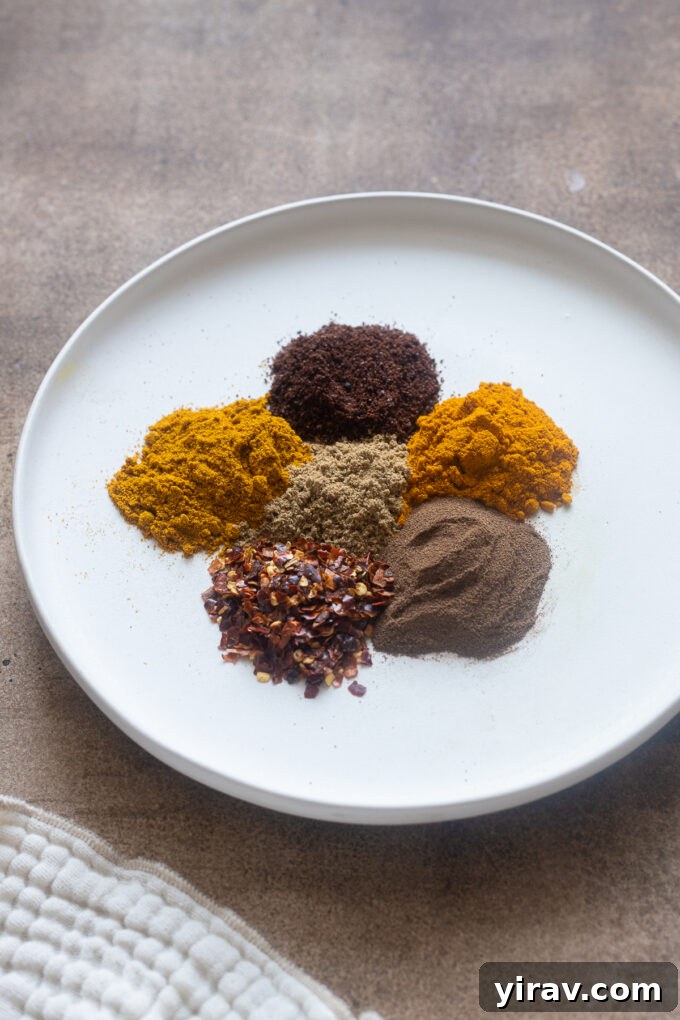
Once you’ve confidently established your foundational collection of the 10 essential spices, you’ll be ready to expand your culinary horizons with these additional, wonderfully flavorful spices. These are my “honorable mentions”—ingredients I might not use daily, but which consistently deliver a powerful flavor boost when called upon. Of this list, sumac is one that I find myself reaching for most often due to its unique tang.
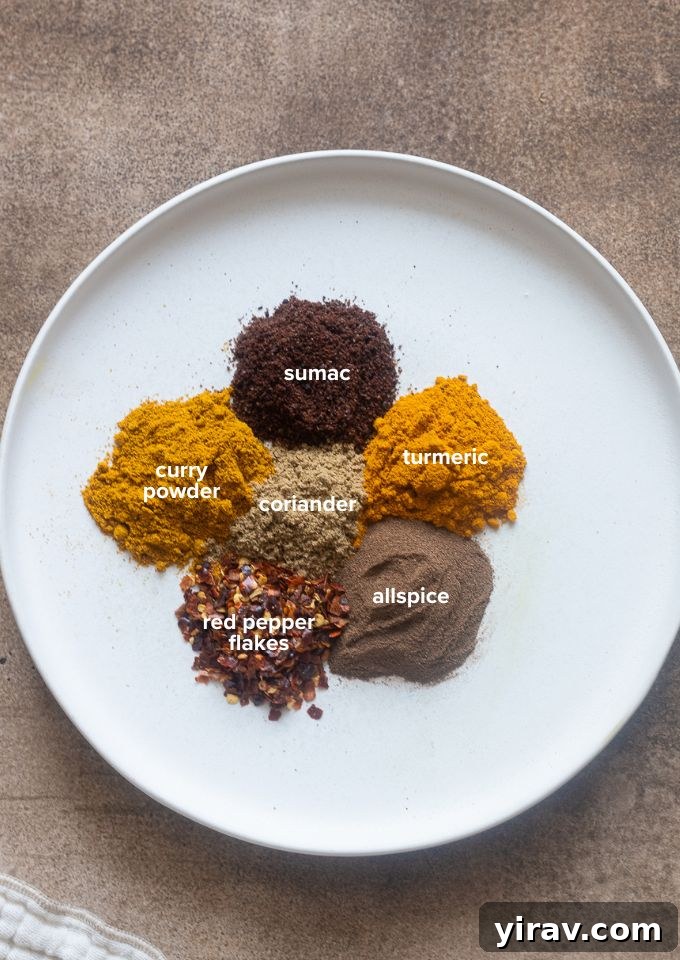
- Turmeric – Celebrated for its vibrant golden hue and distinctive earthy, slightly bitter, and pungent flavor. Turmeric is a powerhouse of both taste and beneficial properties, making it a staple in curries, hearty soups, and soothing wellness lattes. I love its vibrant color and flavor in my aromatic Thai Pumpkin Curry with Chicken and my warming Instant Pot Carrot Ginger Soup.
- Sumac – This beautiful, reddish-purple spice offers a bright, tart, and distinctly lemony flavor with a hint of fruitiness. It’s a cornerstone in Middle Eastern cooking, adding a desirable tang without the liquid of fresh lemon juice. I frequently use it to brighten up roasted sweet potatoes and my hearty Roasted Root Vegetables!
- Curry Powder – A convenient and complex blend of warm, aromatic spices that typically includes turmeric, cumin, coriander, ginger, and chili powder, among others. Its flavor profile is wonderfully intricate—earthy, subtly sweet, and mildly spicy, with the exact balance varying based on the specific mix. It instantly imparts depth and a beautiful golden color to dishes like a refreshing Curry Chicken Salad and a creamy Creamy Curry Coleslaw.
- Coriander – The seeds of the cilantro plant, coriander offers a uniquely citrusy, subtly sweet, and floral flavor with warm, earthy undertones. It’s a versatile spice often found in complex spice blends and pickling recipes, adding a gentle brightness. It lends fantastic flavor to a simple Sautéed Cabbage and a perfectly cooked Pork Loin Roast.
- Allspice – Don’t let the name mislead you; allspice is a single berry, not a blend. Its unique flavor profile remarkably combines notes of cloves, nutmeg, and cinnamon, creating a warm and sweet essence. It’s a cherished ingredient in baking, marinades, and quintessential fall recipes. It’s an absolute must-have in my delightful Pumpkin Overnight Oats and fluffy Gluten-Free Pumpkin Spice Waffles.
- Red Pepper Flakes – Crafted from dried, crushed red chili peppers, these flakes bring a sharp, lingering heat to dishes. They are one of the most straightforward ways to introduce a quick burst of spice and visual appeal. I frequently sprinkle them over my favorite pizza slices or pasta dishes, and they add a welcome kick to roasted vegetables when I crave a little extra warmth. They are an essential component in my vibrant Chimichurri Sauce Recipe and comforting Marry Me Chicken Soup!
8 Essential Dried Herbs
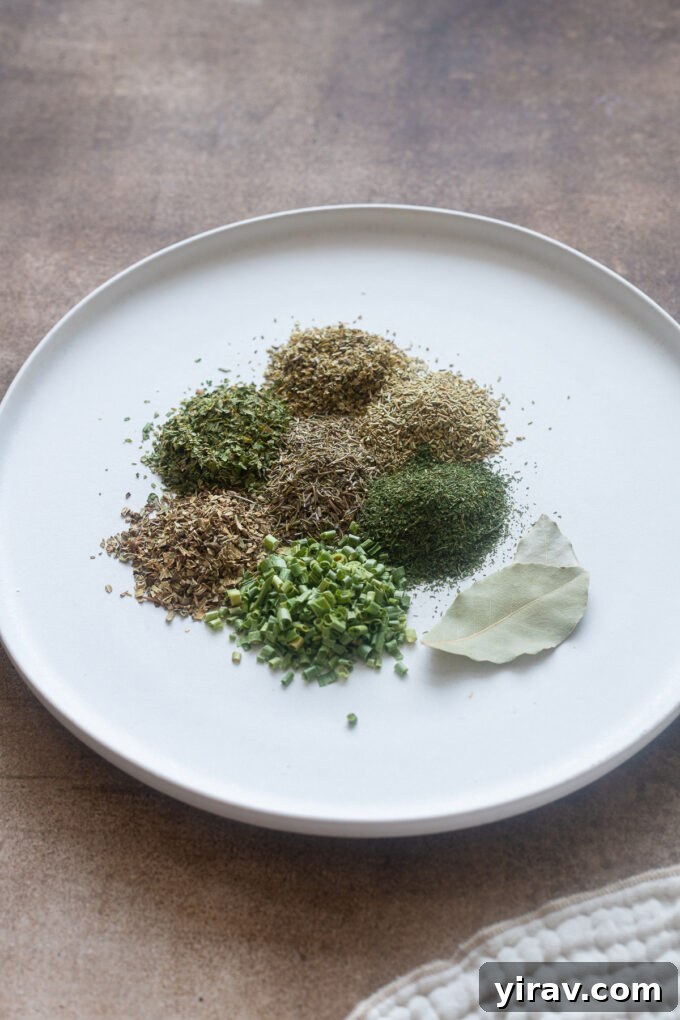
While distinct from spices, dried herbs are equally vital components of a well-stocked pantry and are ingredients I rely on frequently. They offer a convenient, long-lasting, and reasonably priced way to infuse dishes with herbaceous flavor, especially when fresh herbs are not in season or readily available. Properly stored, dried herbs retain their aromatic qualities for extended periods, making them invaluable for everyday cooking.
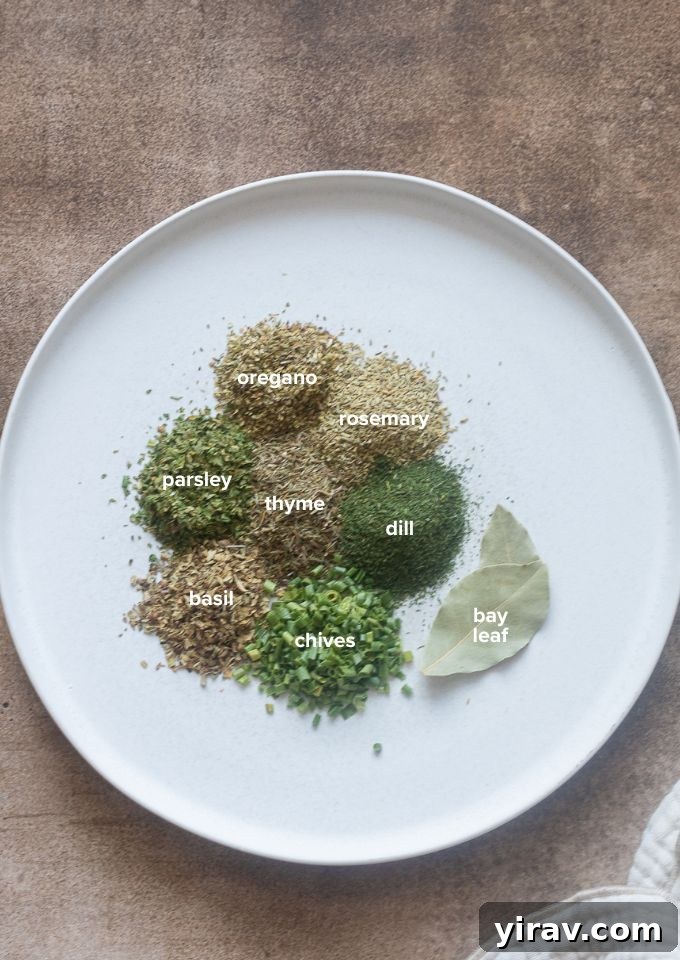
- Bay Leaf – These aromatic leaves contribute a subtle, almost woodsy, and slightly floral depth to long-cooking dishes. They are typically removed before serving. Try it in classic Coq Au Vin, a hearty Crock Pot Chicken and Wild Rice Casserole, and foundational Homemade Chicken Stock.
- Oregano – Boasting an earthy, robust, and slightly bitter flavor, dried oregano is more concentrated than its fresh counterpart. It’s an essential herb for Mediterranean and Mexican recipes, adding an authentic aromatic punch. Try it in a vibrant Mediterranean Baked Cod, a comforting Ground Chicken Chili, and savory Greek Chicken Souvlaki.
- Thyme – Dried thyme offers a subtle, earthy, and mildly minty flavor that is incredibly versatile. It works wonderfully in soups, with various meats, and alongside roasted vegetables, imparting a gentle yet distinct herbaceous note. Try it in a hearty Instant Pot White Bean Stew, a convenient Sheet Pan Chicken Thighs with Potatoes and Green Beans, and a rich Butternut Squash Mac and Cheese.
- Rosemary – Known for its distinctive woody, pine-like aroma and pungent flavor, dried rosemary pairs exceptionally well with roasted meats (especially lamb and poultry) and potatoes. Its strong flavor holds up well to long cooking times. Try it in creamy Crock Pot Mashed Potatoes, a perfectly seared Pan Seared Steak, and tender Instant Pot Short Ribs.
- Parsley – Dried parsley delivers a mild, slightly grassy, and clean flavor. While it lacks the vibrant freshness of its fresh counterpart, it is highly useful for adding a gentle herbal note and a touch of color to soups, casseroles, and homemade spice blends. It acts as an excellent background herb.
- Basil – When dried, basil’s flavor becomes more concentrated, earthy, and slightly less sweet than fresh basil. It truly shines in slow-cooked dishes such as rich tomato sauces, comforting soups, and hearty stews, where it has ample time to fully release its complex flavors. Try it in my incredibly flavorful Homemade Marinara Sauce.
- Dill – Dried dill offers a muted, grassy flavor with subtle anise notes. It is a convenient ingredient for preparing dips, crafting vibrant salad dressings, and enhancing potato or seafood dishes when fresh dill is unavailable. It’s an essential component for my creamy Homemade No-Mayo Greek Yogurt Ranch Dressing and would make a great substitute for fresh dill in my beloved Garlic Butter Salmon Recipe.
Spice Blends You Can Make at Home
Once your pantry is thoughtfully stocked with these foundational common spices and herbs, you’ll possess all the ingredients necessary to embark on the rewarding journey of crafting your own spice blends and rubs right in your home kitchen. Not only do homemade blends boast unparalleled freshness and more vibrant flavor compared to their store-bought counterparts, but they also offer the significant advantage of being free from unwanted additives, anti-caking agents, and preservatives. This control allows you to tailor the blends precisely to your taste and dietary preferences.
The beauty of these DIY blends lies in their accessibility: they are formulated using the very same pantry staples meticulously listed throughout this guide. This means you can whip up a fresh batch anytime inspiration strikes, without the need to purchase specialized, pre-mixed packets that often sit on the shelf for too long and lose their potency.
Here are a few of my go-to recipes for homemade spice blends that will revolutionize your cooking:
- Homemade Blackened Seasoning – A bold, smoky, and slightly spicy blend perfect for achieving that characteristic “blackened” crust on dishes. It’s exceptional for Blackened Salmon with Pineapple Salsa, flavorful Grilled Fish Tacos, tender Air Fryer Chicken Breast, or adding a kick to Grilled Vegetables.
- BBQ Chicken Rub – A perfectly balanced sweet and savory blend with a touch of spice, designed to create a delicious crust and tender, flavorful chicken. It’s truly great for succulent Grilled BBQ Chicken or quick and easy Air Fryer BBQ Chicken.
- Homemade Jamaican Jerk Seasoning – A complex and intensely spicy blend, rich with fragrant aromatics like allspice, thyme, and fiery Scotch bonnet peppers (or cayenne for a milder version). It’s ideal for vibrant Jerk Pineapple Shrimp Skewers, juicy Air Fryer Chicken Thighs, or tender Oven Baked Pork Chops.
- Za’atar Spice Recipe – An earthy and tangy Middle Eastern blend, featuring dried herbs like thyme and oregano, often sumac, and sesame seeds. It’s incredibly delicious on Grilled Chicken Thighs, savory Air Fryer Roasted Vegetables, or drizzled with olive oil on flatbread. Please note: You will need sesame seeds for this recipe, which technically is not a spice but a seed.
- Homemade Chai Spice Mix – A wonderfully warm and cozy aromatic blend, typically featuring cinnamon, cardamom, ginger, cloves, and star anise. It’s fantastic in lattes, delicious in overnight oats like my Chai Spiced Chia Overnight Oats, and adds a special touch to baked goods such as Spiced Chai Pumpkin Pie.
- Homemade Pumpkin Pie Spice – The quintessential autumn favorite, this blend combines cinnamon, ginger, nutmeg, and cloves to evoke the comforting flavors of fall. It’s perfect for scrumptious Pumpkin Pie Bars, delightful Mini Pumpkin Cheesecakes, and fluffy Whole Wheat Pumpkin Pancakes.
- Homemade Taco Seasoning Recipe – A highly versatile blend bursting with Tex-Mex flavors like chili powder, cumin, and garlic. It’s ideal for classic Ground Beef Tacos, sizzling Air Fryer Chicken Fajitas, or a hearty Slow Cooker Chicken Tortilla Soup.
How to Store Spices
Proper storage is crucial for preserving the potency, aroma, and vibrant flavor of your spices and dried herbs. Exposure to air, light, heat, and moisture can rapidly degrade their quality, turning once-aromatic ingredients into dull, ineffective powders. Adhering to these simple guidelines will ensure your spices remain at their peak for as long as possible:
- Airtight Containers: Always store your spices and dried herbs in tightly sealed, airtight containers. This prevents exposure to oxygen, which is one of the primary culprits in flavor degradation. Glass jars with tight-fitting lids or opaque metal tins are ideal.
- Away from Light and Heat: Direct sunlight and heat are enemies of spice longevity. Avoid storing spices near windows, above the stove, or next to dishwashers or ovens, as these areas experience fluctuating temperatures that can diminish their volatile oils. A cool, dark pantry or a cabinet away from heat sources is the best location.
- Shelf Life for Ground Spices: For optimal flavor and potency, ground spices like paprika, cumin, and garlic powder should ideally be used within 6 to 12 months. Beyond this period, they won’t necessarily spoil, but their aromatic compounds will weaken significantly.
- Shelf Life for Whole Spices: Whole spices, such as whole peppercorns, cumin seeds, or cloves, have a much longer shelf life due to their protective outer layer. When stored correctly, they can maintain their quality for up to 2 years, sometimes even longer.
- Tip: Buy Whole and Grind as Needed: To maximize the flavor and extend the shelf life of your spices, consider purchasing them whole (like nutmeg, cumin seeds, or coriander seeds) and grinding them just before use. A dedicated spice grinder or a mortar and pestle will allow you to release their freshest, most intense aromas, elevating your dishes to another level.
Spice Guide FAQs
Based on their versatility and frequent use in a wide array of cuisines, the essential spices I recommend for every pantry are smoked paprika, chili powder, cumin, garlic powder, onion powder, cayenne pepper, cinnamon, nutmeg, ground ginger, and cloves. These foundational spices are incredibly useful for crafting homemade spice blends, flavoring chilis, enriching soups and stews, creating delicious rubs for meats, and enhancing all sorts of baked goods.
Absolutely. While salt and pepper are not botanically classified as spices, they are undeniably the most critical flavor foundation in virtually all cooking and should always be on hand. Salt, whether it’s fine sea salt, coarse kosher salt, or delicate flaky finishing salt, enhances and balances the inherent flavors of ingredients in your dishes. Pepper, available as whole peppercorns (best freshly ground) or convenient ground black pepper, complements flavors while adding a distinct aromatic warmth and a subtle “bite” to your culinary creations.
For versatile and pantry-friendly herbaceous flavor, I recommend stocking bay leaf, oregano, thyme, rosemary, parsley, basil, and dill. These dried herbs are robust and retain their flavor for up to 1 year when stored correctly. They are fantastic for infusing a wide range of dishes, including hearty soups, slow-cooked stews, vibrant dressings, rich marinara sauce, and so much more, bringing depth and aromatic complexity to your meals.
To maximize the longevity and potency of your spices, it’s essential to store them in airtight containers, away from direct light, heat, and moisture. A cool, dark pantry or cupboard is ideal. As a general rule, whole spices (like seeds or pods) last significantly longer, typically up to 2 years, while ground spices maintain their peak flavor for about 6 to 12 months. Grinding whole spices just before use is an excellent way to ensure maximum freshness and flavor.
The best way to check a spice’s freshness is by its aroma. Pour a small amount into your hand and rub it gently with your thumb and forefinger, then smell it. If the aroma is strong, pungent, and vibrant, the spice is still good. If it smells faint, dusty, or has no discernible scent, it’s time to replace it. Visually, spices shouldn’t be faded in color, though this is less reliable than the aroma test.
Yes, you can often substitute dried herbs for fresh, and vice versa, but you’ll need to adjust the quantities. Dried herbs are generally more concentrated in flavor than fresh herbs. A good rule of thumb is to use 1/3 the amount of dried herbs for fresh herbs (e.g., if a recipe calls for 1 tablespoon of fresh parsley, use 1 teaspoon of dried parsley). For fresh herbs replacing dried, use three times the amount (e.g., 1 teaspoon dried oregano becomes 1 tablespoon fresh oregano). Always taste and adjust as needed.
Conclusion
Building a robust and flavorful spice collection doesn’t have to be an overwhelming endeavor. By starting with the essentials outlined in this guide—the 10 indispensable spices, coupled with the foundational staples of salt and pepper—you’ll lay a strong groundwork for all your culinary adventures. As your confidence grows and your palate expands, you can gradually branch out to incorporate occasional-use spices and a wider array of dried herbs, continually enriching your cooking repertoire.
With just a thoughtfully chosen handful of jars and a little understanding of their unique properties, you’ll be empowered to create incredibly flavorful and aromatic meals any night of the week. Remember, spices are about experimentation and joy in the kitchen. Don’t be afraid to taste, adjust, and discover your own favorite flavor combinations. For even more inspiration and to round out your knowledge of fresh ingredients, make sure to check out my comprehensive Fresh Herbs Produce Guide. Together, these guides serve as the perfect starting point for infusing vibrant, unforgettable flavor into every dish you prepare.