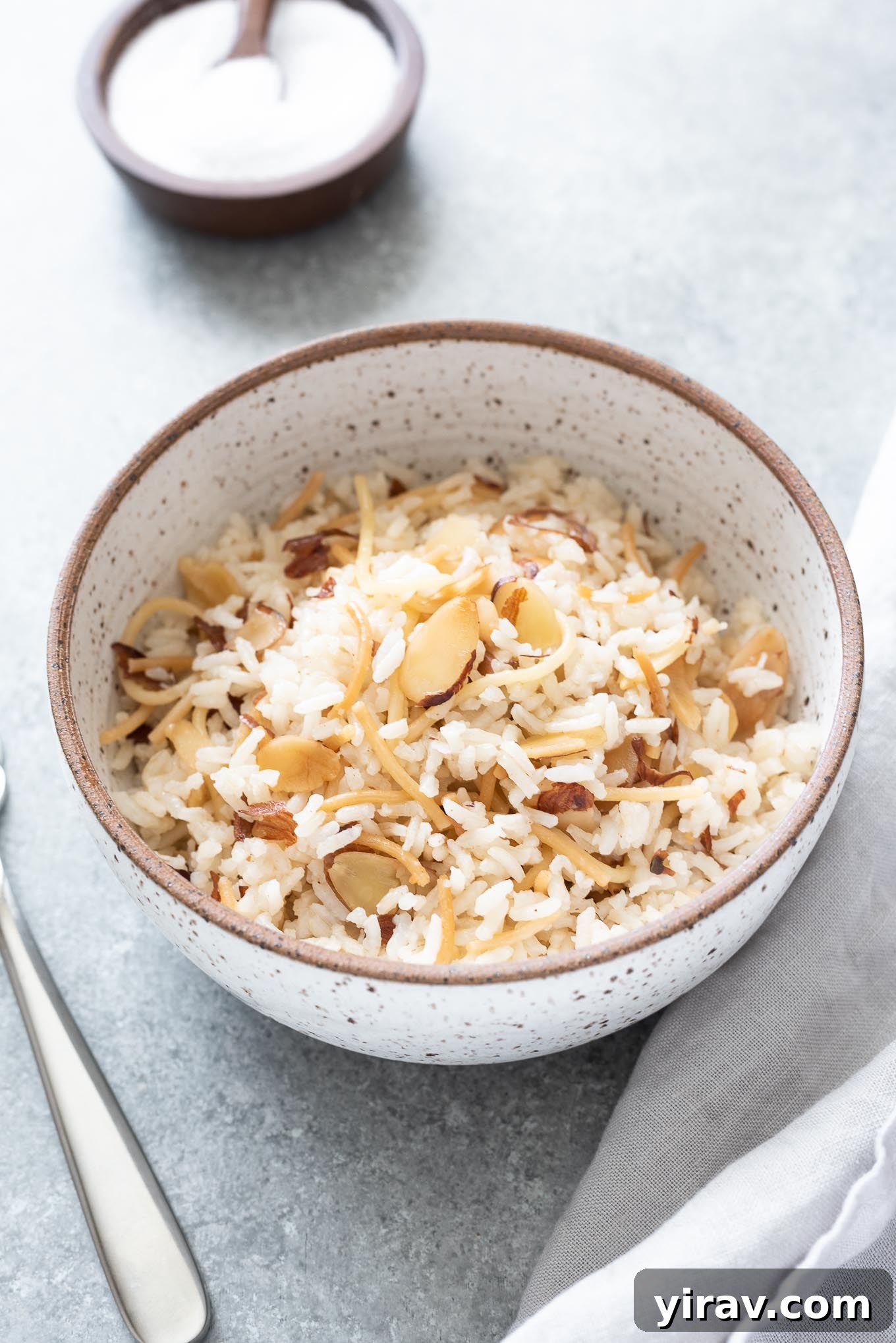
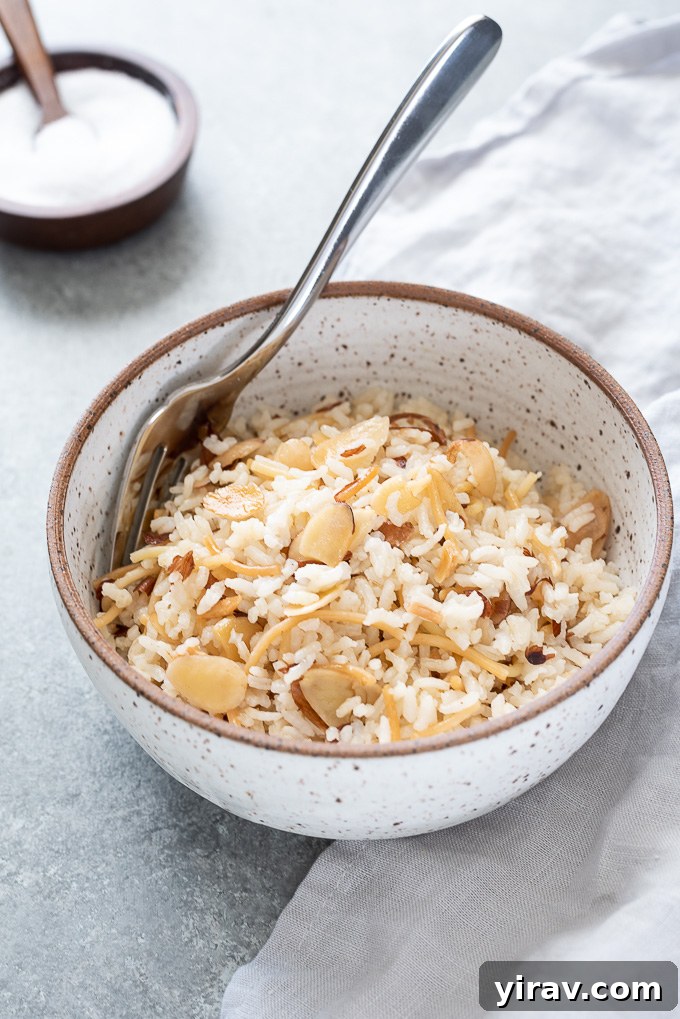
Transform your ordinary rice into an extraordinary culinary experience with this exquisite Almond Rice Pilaf recipe. This isn’t just a side dish; it’s a symphony of textures and flavors, featuring perfectly fluffy rice, savory brown butter, and the delightful crunch of toasted almonds and vermicelli pasta. Effortlessly versatile and ready in under 30 minutes, it’s the ultimate easy side dish that complements virtually any meal, promising a flawless result every single time.
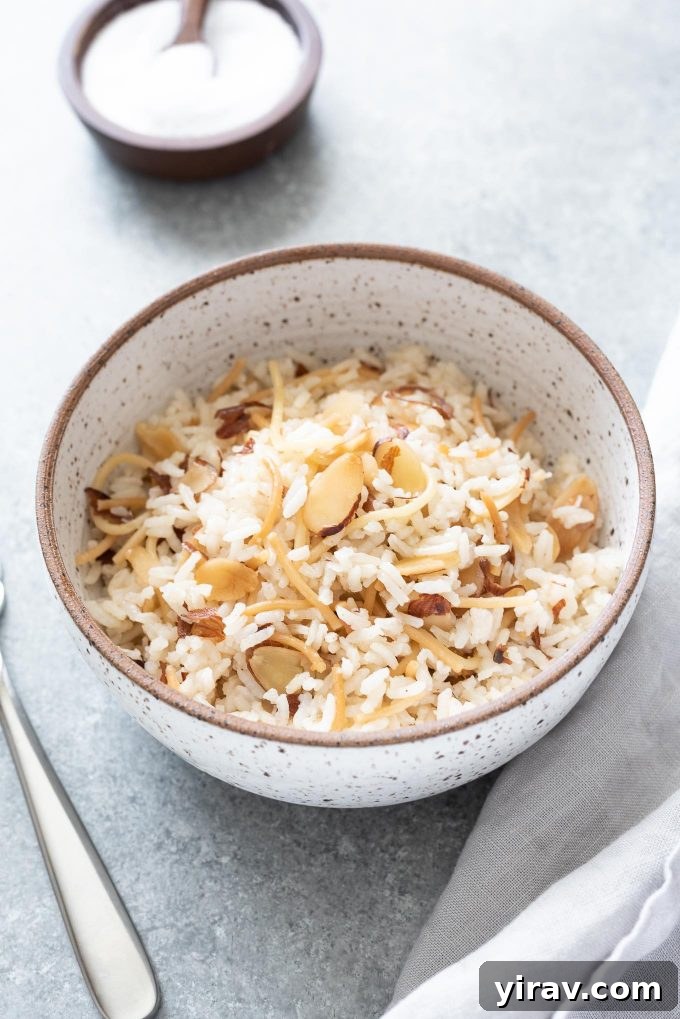
For many, rice holds a special place, often evoking cherished memories of family meals and comforting aromas. Growing up, rice was a staple on my dinner table several times a week, a consistent presence that I always looked forward to. Even today, a single bite can transport me back to those nostalgic moments, reminding me of its simple yet profound ability to bring people together.
While I often incorporate rice into heartwarming one-pot dinners, such as my Instant Pot chicken and rice or a rich Mexican rice casserole, its true versatility shines as an accompanying side dish. It has an incredible ability to pair harmoniously with an extensive array of main courses, enhancing rather than overpowering the primary flavors.
Dishes like creamy coconut rice and zesty cilantro lime rice are regular features in my cooking repertoire. However, if I had to choose a single favorite, it would unequivocally be this Almond Rice Pilaf recipe. This isn’t merely a recipe; it’s a cherished family heirloom, a culinary legacy passed down through generations, originally perfected by my beloved grandmother.
My grandmother prepared this extraordinary rice pilaf for every holiday feast and family gathering, and it was always the first dish to disappear. Its popularity was undeniable; we absolutely devoured it. Before she passed, I made sure to ask her for the recipe. As was common for her generation, there was no written recipe. She simply recounted the ingredients she used and the method she followed, guiding me to recreate her magic in my own kitchen.
To my astonishment, she revealed that her original recipe called for an entire stick of butter! My jaw nearly dropped. In an effort to make it a bit lighter without sacrificing the authentic taste, I’ve successfully scaled back the butter to half the amount. The result? A perfectly indulgent, deeply flavorful almond rice pilaf that still tastes exactly like my grandma’s, a true testament to her culinary wisdom and my adaptation.
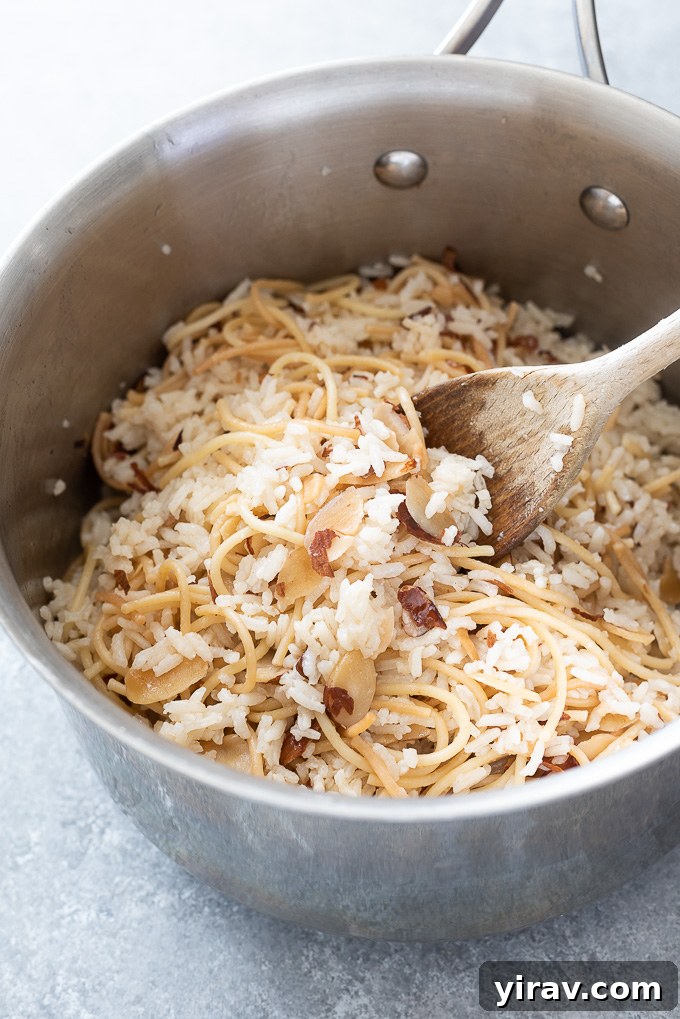
Why You’ll Adore This Almond Rice Pilaf Recipe
- Unforgettable Flavor and Texture: This almond rice pilaf is a masterful blend of textures. Each grain of rice is perfectly fluffy, infused with the rich, nutty notes of brown butter. The addition of crunchy almonds and delicate vermicelli or orzo pasta creates an engaging contrast that makes every spoonful a delight. It’s a taste experience far superior to plain rice.
- Supreme Versatility as a Side Dish: Looking for a go-to side that pleases everyone? This recipe is it. Its balanced flavor profile makes it an ideal accompaniment for a wide range of main courses, from the zesty brightness of chicken piccata to the succulent richness of lemon dijon salmon. It’s equally wonderful alongside roasted chicken, grilled vegetables, or a simple steak.
- Quick and Easy to Prepare: Despite its gourmet taste, this almond rice pilaf comes together remarkably fast. From the first step to serving, you can have this flavorful dish on your table in approximately 30 minutes, making it an excellent choice for busy weeknights or when you need an impressive side in a pinch.
- Adaptable for Dietary Needs: This recipe is incredibly flexible. With simple substitutions, it can be easily customized to suit dairy-free and vegan diets without compromising on flavor or texture. Discover how to make these adjustments in our ingredient notes below to ensure everyone at your table can enjoy this delicious pilaf.
- A Cherished Family Recipe: More than just a dish, this pilaf carries the warmth and tradition of a cherished family recipe. Sharing it with your loved ones means sharing a piece of culinary history and creating new memories around the table. Its homemade charm makes it stand out from typical rice dishes.
Essential Ingredients for Your Perfect Pilaf
Crafting this easy and flavorful almond rice pilaf requires just a handful of straightforward ingredients. Many of these can be adapted based on what you have readily available in your pantry. Below, we’ll dive into detailed notes for each component, ensuring you achieve the best possible results.
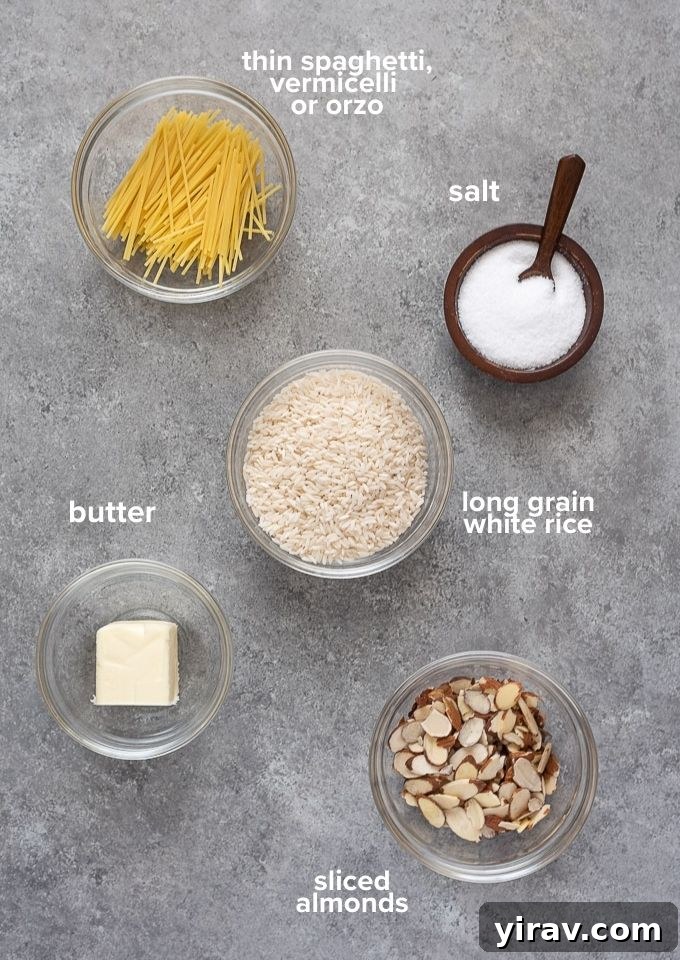
Detailed Ingredient Notes for Success
- Rice: The Foundation of Fluffiness
Long grain white rice is the unequivocally best choice for this recipe, and indeed for most pilaf dishes. Its individual grains cook up separately, preventing stickiness and resulting in that signature fluffy texture. Avoid short grain rice, such as Arborio or sushi rice, as its high starch content will create a dense, sticky, and clumpy pilaf. Similarly, quick-cooking rice and brown rice are not recommended due to their different cooking times, which won’t align with the pasta and could lead to unevenly cooked ingredients. Basmati or Jasmine rice are excellent long-grain options for their fragrant qualities. - Vermicelli or Orzo Pasta: The Golden Crunch
Vermicelli, which is essentially very thin spaghetti, adds a wonderful texture and toasted depth to the pilaf. While authentic vermicelli can sometimes be a challenge to find in all supermarkets, don’t fret! I’ve successfully prepared this rice pilaf using various readily available alternatives, including orzo pasta, angel hair pasta (broken into small pieces), or even regular thin spaghetti, also broken into roughly ½-inch to 1-inch segments. The key is to break the pasta into small, uniform pieces so it integrates well with the rice and toasts evenly. - Butter: The Secret to Brown Butter Bliss
While you can substitute butter with the oil of your choice for dietary reasons, I wholeheartedly recommend using butter unless you are strictly adhering to a dairy-free or vegan diet. The magic happens when the butter browns alongside the almonds and vermicelli. This process creates brown butter, also known as beurre noisette, which imparts an incredibly rich, nutty, and complex flavor that truly elevates this pilaf. This distinctive toasted flavor is what makes this rice extra special and gives it that comforting, homemade quality. - Water or Stock: The Flavor Enhancer
Plain water works perfectly fine for cooking the rice, but if you’re seeking to deepen the overall flavor profile of your pilaf, consider using chicken or vegetable stock instead. This is especially recommended if you opt to substitute the butter with oil, as the stock will add a much-needed layer of savory richness that might otherwise be missing. Ensure your stock is low-sodium or adjust the added salt accordingly. - Sliced Almonds: The Essential Nutty Crunch
Sliced almonds are crucial for both texture and flavor. They toast beautifully alongside the pasta, becoming golden and fragrant, adding a delightful crunch and a sweet, nutty undertone that perfectly complements the rich butter and fluffy rice. For best results, ensure they are fresh and not rancid. - Kosher Salt: For Balanced Seasoning
Salt is vital for bringing out all the flavors. Kosher salt is preferred for its larger crystals and less intense saltiness per volume, making it easier to control seasoning. If using table salt, reduce the amount by half and taste before adding more, as table salt is finer and more concentrated.
Step-by-Step: Crafting Your Perfect Almond Rice Pilaf
Making this almond rice pilaf is a simple process, though it diverges slightly from the typical method of cooking plain rice. The defining characteristic of this recipe, and what imparts its truly special flavor, is the initial toasting of the almonds and vermicelli (or orzo) in butter until they achieve a beautiful golden brown hue. This creates a deeply toasted, nutty aroma and taste that sets this pilaf apart.
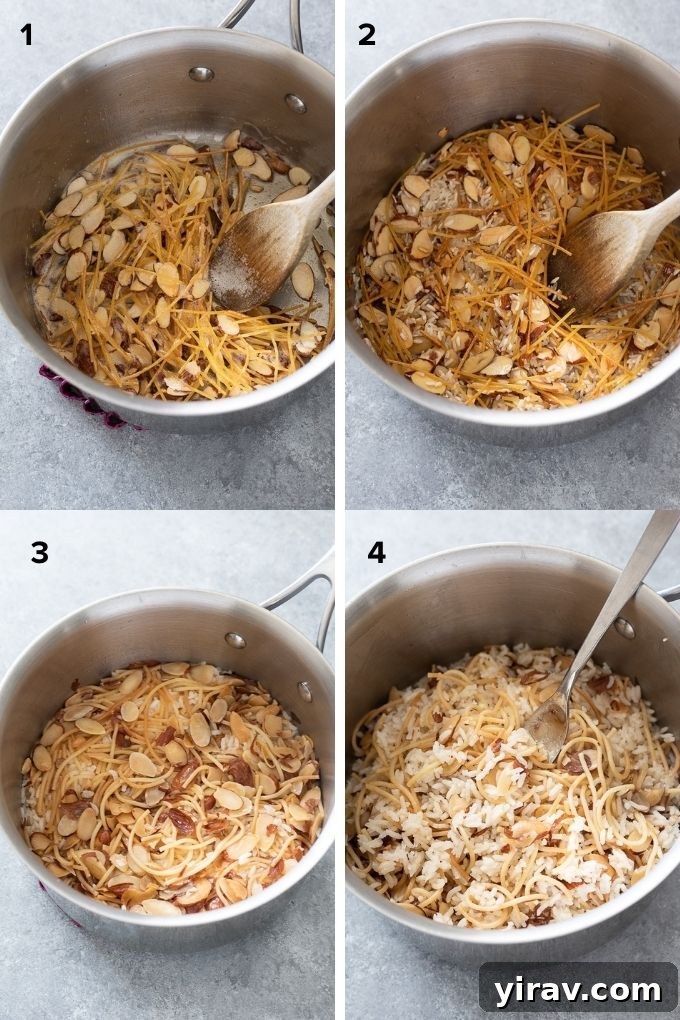
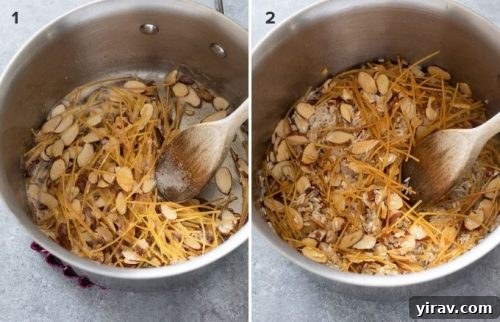
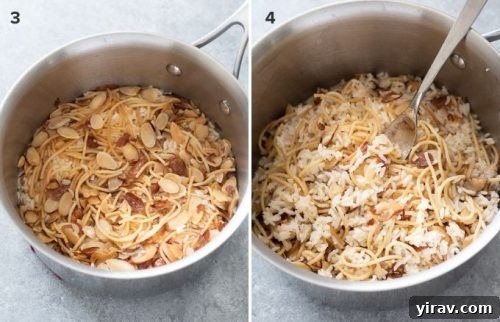
- Toast the Aromatics: Begin by melting the butter in a medium-sized saucepan over medium heat. Once the butter has melted and begins to foam slightly, add the broken vermicelli or orzo pasta and the sliced almonds. Stir continuously to ensure they are fully coated with the butter. Continue to cook, stirring occasionally, for about 2 minutes, or until the pasta and almonds turn a beautiful golden brown and release a fragrant, nutty aroma. Be careful not to burn them; a golden color is what you’re aiming for.
- Introduce the Rice: Next, add the long grain white rice to the saucepan. Stir it into the toasted pasta and almonds, ensuring the rice grains are also coated in the flavorful butter. Continue cooking for just one minute longer, stirring gently. This brief toasting of the raw rice adds another layer of depth to the pilaf.
- Simmer to Perfection: Pour in the water (or stock) and add the kosher salt. Bring the mixture to a rolling boil over medium-high heat. Once boiling, immediately reduce the heat to low, cover the saucepan tightly with a lid, and let it simmer undisturbed for approximately 15 minutes. It is crucial *not* to lift the lid during this cooking period, as escaping steam will affect the rice’s ability to cook evenly. After 15 minutes, remove the saucepan from the heat, keeping the lid firmly in place, and let it stand for an additional 10 minutes. This resting period allows the rice to steam thoroughly, absorb any remaining moisture, and achieve its ultimate fluffy texture.
- Fluff and Serve: Once the resting time is complete, remove the lid. Using a fork, gently fluff the rice to separate the grains and distribute the toasted almonds and pasta evenly. Taste and adjust seasoning with additional salt or a pinch of pepper if desired. Serve your magnificent almond rice pilaf warm as a delightful accompaniment to your chosen main course. Enjoy every savory, nutty, and fluffy bite!
Frequently Asked Questions About Almond Rice Pilaf
Rice pilaf is a distinctive rice dish where the grains are initially sautéed or toasted in oil or butter, often with aromatics like onions or garlic, along with pasta or nuts, before being cooked in a flavorful liquid such as broth or water. This method differs from simply boiling rice, as the sautéing step gives the rice a nutty flavor and helps keep the grains separate and fluffy, preventing stickiness. Pilaf can be quite versatile, incorporating a variety of ingredients like meats, other vegetables, or even fruits.
For the perfect fluffy texture characteristic of rice pilaf, long grain white rice is the ideal choice. Varieties like Basmati or Jasmine rice work exceptionally well due to their low starch content and slender grains that cook up light and separate. Short grain rice, such as Arborio or sushi rice, should be avoided as its higher starch content results in a sticky, clumpy texture that is not desirable for pilaf. Similarly, quick-cooking or brown rice have different cooking times and absorption rates compared to the vermicelli or orzo pasta used in pilaf, making them unsuitable for this recipe.
To make almond rice pilaf, you begin by toasting sliced almonds and broken vermicelli or orzo pasta in melted butter in a saucepan until they turn golden brown and fragrant. Then, stir in long grain white rice and cook for another minute to lightly toast the rice grains. Add water (or chicken/vegetable stock for more flavor) and kosher salt, bringing the mixture to a boil. Reduce the heat to low, cover the pot tightly, and simmer for about 15 minutes until all the liquid is absorbed. Critically, do not lift the lid during this time. Once cooked, remove from heat and let it stand, still covered, for 10 minutes to steam. Finally, fluff gently with a fork and adjust seasoning as needed before serving.
Generally, traditional almond rice pilaf is not considered gluten-free because it contains wheat-based pasta, such as vermicelli, orzo, or thin spaghetti. If you need a gluten-free version, you would need to omit the pasta entirely or find a suitable gluten-free pasta substitute that has a similar cooking time and texture profile to ensure it toasts and cooks correctly with the rice.
Expert Tips for Perfect Pilaf Every Time
- The Right Rice is Key: Always use regular long grain white rice for this recipe. Its unique structure ensures each grain cooks separately, yielding a fluffy and desirable texture. Short grain rice will make your pilaf sticky and clumpy, while quick-cooking or brown rice won’t cook at the same rate as the pasta, leading to an inconsistent result.
- Don’t Skip the Resting Time: The 10 minutes of resting time after the rice finishes cooking, with the lid still on, is absolutely vital. This period allows the steam to fully penetrate and evenly cook the rice grains, creating that perfectly light and fluffy texture that distinguishes a great pilaf. Resist the urge to peek!
- Pasta Flexibility: While vermicelli is traditional, don’t hesitate to experiment with other thin pastas if it’s not available. I’ve successfully tested this almond rice pilaf recipe using broken thin spaghetti, orzo, and even angel hair pasta, and all have yielded excellent results. Just ensure they are broken into small, uniform pieces for even toasting.
- Flavor Boosters: Both butter and oil work in this recipe, but butter undoubtedly imparts a richer, more profound flavor, especially when allowed to brown. If you opt for oil for dietary reasons, I highly recommend substituting the water with chicken or vegetable stock. This simple swap will significantly enhance the savory depth of your pilaf, making up for the nuanced flavor that butter provides.
- Toasting is Everything: The initial step of toasting the almonds and pasta in butter is non-negotiable for flavor. Keep a close eye on them and stir frequently to prevent burning, but ensure they achieve a golden-brown hue and become fragrant. This browning develops complex, nutty flavors that define this pilaf.
- Proper Pot Size: Use a saucepan that is appropriately sized for the amount of rice you are cooking. A pot that is too large can lead to the liquid evaporating too quickly, while one that is too small might cause boil-overs or uneven cooking. A medium saucepan with a tight-fitting lid is generally ideal for this quantity.
More Delicious Side Dish Recipes You’ll Adore:
- Vibrant Greek Orzo Pasta Salad
- Refreshing Summer Vegetable Orzo Pasta Salad
- Flavorful Rosemary Parmesan Roasted Sweet Potatoes
- Authentic Spanish Rice Recipe by Lil’ Luna
- Creamy Easy One-Pot Stove Top Mac and Cheese
- Rich Yukon Gold Garlic Mashed Potatoes
Did you try this amazing recipe? If so, please be sure to leave a review below and tag me @flavorthemoments on Facebook and Instagram. Your feedback makes a difference!
Almond Rice Pilaf
reviews
Leave a Review »
Ingredients
- 4 tablespoons unsalted butter substitute with oil for dairy free, or stock for more flavor if using oil
- 1/3 cup broken vermicelli or orzo pasta thin spaghetti or angel hair also works in a pinch!
- 1/2 cup sliced almonds
- 1 cup long grain white rice essential for fluffy texture; do not use quick cooking or brown rice
- 2 1/4 cups water or chicken/vegetable stock for richer flavor
- 1 teaspoon kosher salt if not using kosher salt, use 1/2 teaspoon and adjust seasoning as necessary when fluffing.
Instructions
-
Heat butter in a medium saucepan over medium heat. Add the vermicelli or orzo and sliced almonds, and stir until coated with the butter. Continue to cook, stirring occasionally, until the pasta and almonds are brown and fragrant, about 2 minutes.
-
Stir in the rice and cook one minute longer.

-
Add the water and salt and bring to a boil. Reduce heat, cover, and simmer until all the liquid is absorbed, about 15 minutes. Do not lift the lid for a least 15 minutes to check for doneness. When done, cover and let stand for 10 minutes to steam.
-
Fluff with a fork and add seasoning as necessary. Serve and enjoy!
Notes
- Pro tip: Be sure to use regular long grain white rice in this recipe as short grain rice is too sticky, and quick cooking rice and brown rice have different cooking times than the pasta.
- It’s essential to give the rice 10 minutes of resting time with the lid on when it’s done cooking. This steams the rice and gives it the perfect fluffy texture.
- I’ve tested this recipe using vermicelli, orzo, thin spaghetti and angel hair pasta, and all have worked fine.
- Either butter or oil works well in this recipe, but butter adds more flavor. If you decide to use oil, adding chicken or vegetable stock instead of water is a great way to add more flavor.
Nutrition
Nutrition is estimated using a food database and is only intended to be used as a guideline for informational purposes.