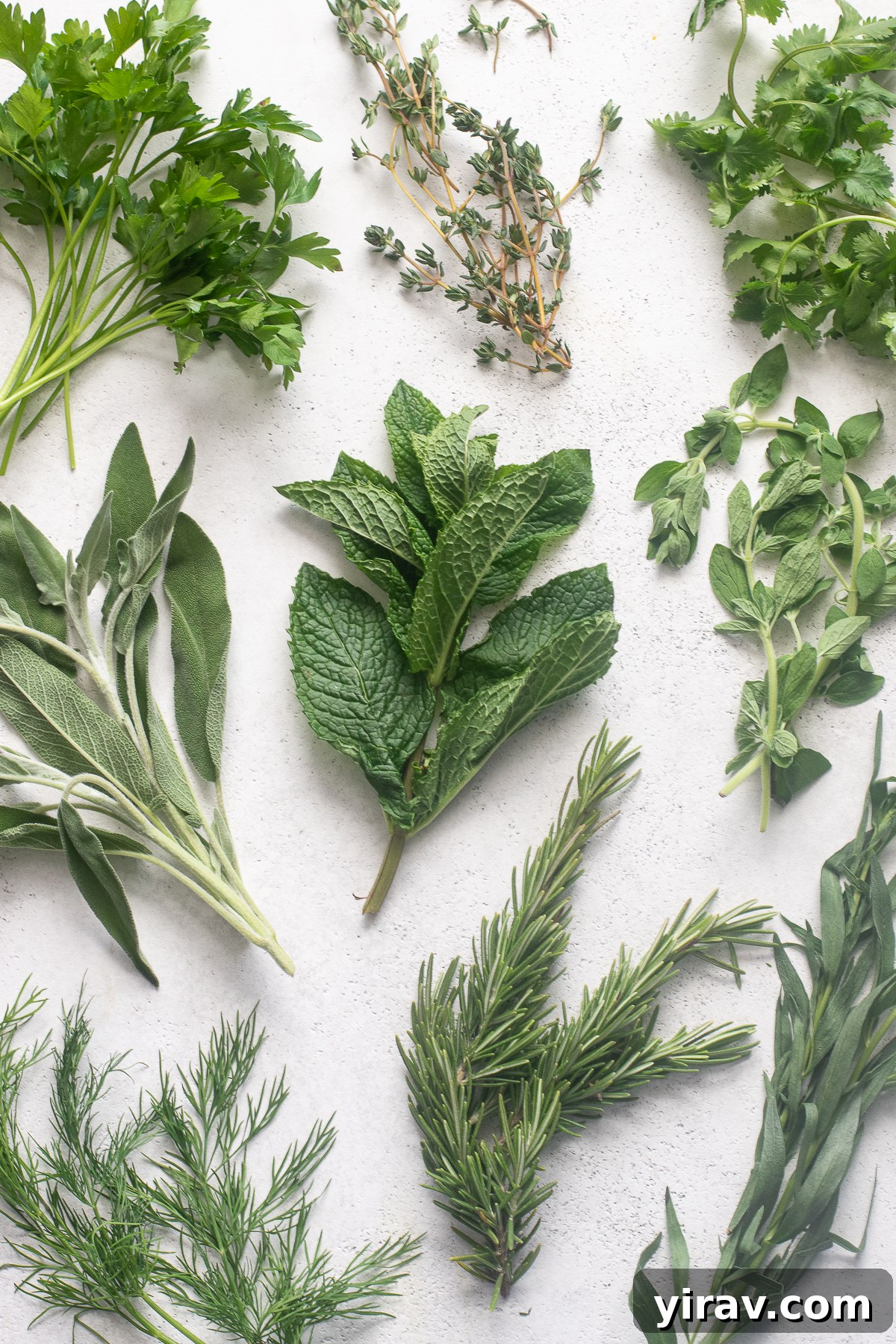
Fresh herbs are culinary game-changers, effortlessly transforming ordinary meals into extraordinary experiences. From infusing a rich sauce with depth to brightening a crisp salad or simply adding an elegant garnish, the power of fresh herbs is undeniable. This comprehensive guide delves into the vibrant world of 12 popular culinary herbs, exploring their unique flavor profiles, optimal uses, and essential techniques for storing and freezing them. Get ready to unlock the full potential of every fragrant sprig and elevate your home cooking to new heights!
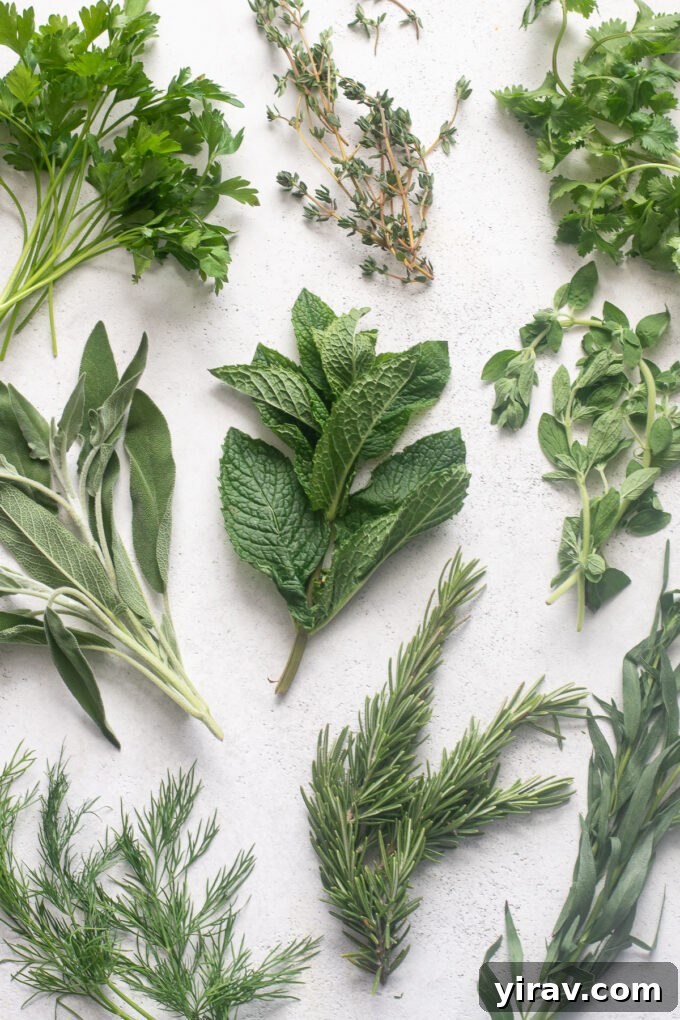
Spring and summer usher in an abundant season for fresh herbs, making it the perfect time to embrace their bounty. I integrate them into my cooking frequently, as they are a surefire way to make an everyday dish truly *extraordinary*.
Why Choose Fresh Herbs Over Dried?
While dried herbs certainly have their place in the pantry, fresh herbs introduce a remarkable vibrancy in flavor, color, texture, and aromatic quality that dried versions simply cannot replicate. Their delicate essential oils are best preserved and enjoyed when used fresh, whether raw in salads, muddled into refreshing cocktails, or artfully arranged as a visually appealing garnish. They bring a burst of life and brightness to any dish, offering a more nuanced and immediate sensory experience compared to the concentrated, earthy notes of their dried counterparts.
That being said, dried herbs are incredibly useful for dishes with longer cooking times, such as hearty soups, slow-cooked stews, and succulent roasts. In these preparations, their flavors have ample time to “bloom” and integrate deeply into the dish, developing a rich, complex taste. They are also indispensable when fresh herbs are out of season or unavailable, offering a convenient and reliable alternative for consistent flavor throughout the year.
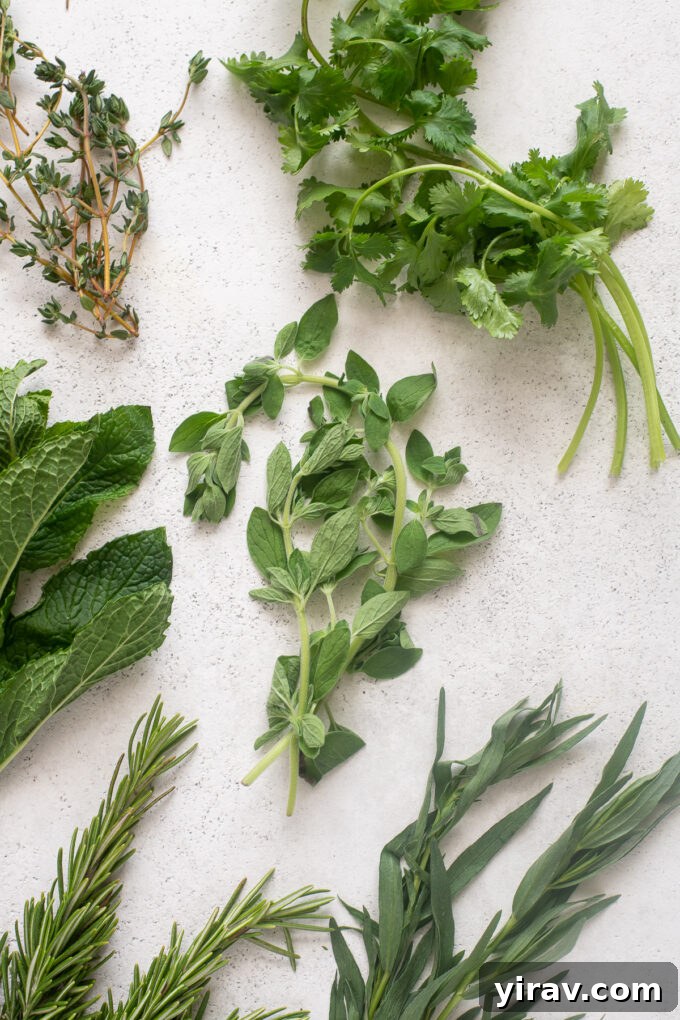
This ultimate guide will shine a spotlight on 12 essential types of fresh herbs that every home cook should know and master. Our selection includes versatile favorites like basil, aromatic bay leaf, vibrant cilantro, delicate chives, refreshing dill, classic Italian flat leaf parsley, cool mint, pungent oregano, fragrant rosemary, earthy sage, subtle tarragon, and robust thyme.
For each herb, you’ll discover its distinct flavor nuances, the best culinary applications to make it shine, effective methods for prolonged storage, and even recipe ideas to inspire your next delicious meal.
Let’s embark on this flavorful journey and get cooking with fresh herbs!
Once you’ve mastered the art of fresh herbs, don’t forget to explore my guide on 10 common spices to keep your kitchen fully stocked for every culinary adventure!
12 Essential Culinary Herbs to Cook With
The vast world of fresh herbs can generally be categorized into two main types: tender herbs and woody herbs. Understanding these distinctions is crucial, as each category behaves differently in cooking and requires specific handling to preserve its delicate or robust flavors and aromas.
For those eager to delve deeper into flavor pairings and culinary creativity, I highly recommend acquiring The Flavor Bible. I’ve cherished this invaluable resource for over a decade, consulting it regularly. It meticulously lists virtually every culinary ingredient and suggests harmonious flavor combinations, making it an excellent tool for mastering the art of using fresh herbs in your dishes and truly understanding how to create balanced and exciting flavors!
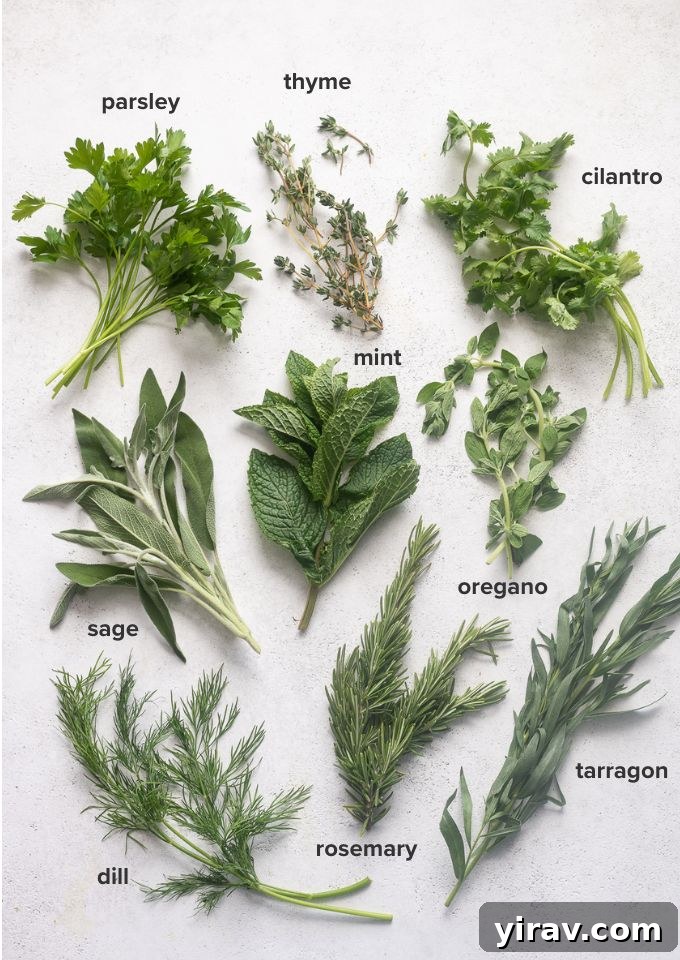
Understanding Tender Herbs: Delicate Flavors, Best Used Fresh
Tender herbs are characterized by their soft, delicate leaves and pliable, non-fibrous stems. These herbs possess a lighter, more vibrant, and often more ephemeral flavor profile that is best preserved when they are used raw, or added towards the very end of the cooking process just before serving. Overcooking tender herbs can quickly diminish their fresh taste, aroma, and vibrant color, turning them dull and lifeless.
Both the leaves and, in many cases, the tender stems of these herbs are edible and contribute to their overall flavor. They are ideally suited for raw preparations such as crisp salads, refreshing dressings, vibrant sauces like pesto and chimichurri, infused drinks and cocktails, and as beautiful, aromatic garnishes.
- Basil: A quintessential summer herb, fresh basil boasts a sweet, aromatic flavor with subtle peppery and slightly anise-like undertones. It’s the heart of Italian cuisine, shining in a classic Caprese salad, a vibrant basil pesto sauce, or simply torn over pasta and pizzas. It pairs exceptionally well with tomatoes, mozzarella, garlic, and balsamic vinegar.
- Chives: Available from spring through autumn, chives offer a delicate, mild onion flavor without the pungency of larger onions. Their slender, vibrant green stalks are perfect for adding a fresh bite and a pop of color to a butter lettuce salad, enriching a creamy green goddess dressing, or providing a beautiful, subtle garnish for dishes like deviled eggs with bacon, baked potatoes, omelets, and creamy soups.
- Cilantro: A staple in many global cuisines, especially Mexican, Indian, and Southeast Asian, cilantro is typically in season during spring and summer. It offers a distinctive bright, citrusy, and slightly peppery flavor. While beloved by many for its refreshing zest, a genetic predisposition causes it to taste like soap or dirt to some individuals. Cilantro is almost always used raw to preserve its delicate flavor, making it essential in dishes such as fresh pico de gallo, aromatic cilantro lime rice, and as a vibrant topping for ground beef tacos, curries, and ceviche.
- Dill: With its feathery fronds and bright, grassy flavor, often described with notes of anise and citrus, dill is a star from spring through autumn. It’s an indispensable herb in Scandinavian and Eastern European cooking, and a perfect complement to fish and dairy. It excels in Greek tzatziki, enhancing garlic butter salmon, and is fantastic in potato salads, creamy sauces, pickles, and with cucumbers.
- Mint: Refreshing and incredibly versatile, mint is in season from spring through autumn, offering a sweet, cooling, and invigorating flavor with variations like peppermint and spearmint. Its distinctive aroma makes it popular in both sweet and savory dishes, as well as beverages. It’s wonderful when used raw in a spring farro salad, muddled into crisp vodka spritzers or classic mojitos, or paired with lamb, peas, cucumbers, and even chocolate desserts.
- Parsley (Italian Flat Leaf): Available year-round, Italian flat leaf parsley is a foundational herb known for its clean, grassy, and slightly peppery flavor. It’s more robust than its curly counterpart and holds up better in cooking. Widely used as a garnish to add a vibrant pop of color to dishes like beef short rib risotto, it also forms the flavor backbone of many recipes, including Greek yogurt ranch dressing and my robust chimichurri sauce, tabouleh, and soups.
- Tarragon: This sophisticated herb, in season during late spring and summer, is celebrated for its distinctive sweet flavor with subtle notes of anise or licorice. It’s a key component of classic French cuisine, particularly in béarnaise sauce, and a timeless pairing for chicken, fish, eggs, and vegetables. Tarragon elevates my tarragon chicken salad and brings a new dimension to an asparagus frittata with goat cheese.
Exploring Woody Herbs: Robust Flavors for Longer Cooking
Woody herbs, as their name suggests, feature tough, fibrous stems and typically have a more potent, earthy, and robust flavor compared to tender herbs. Their essential oils are released slowly and steadily during cooking, making them ideal for dishes that require longer cooking times, where their complex flavors can truly develop and infuse the entire meal. Unlike tender herbs, the woody stems are generally not eaten and should be removed before serving or at the end of the cooking process.
These herbs are best introduced early in the cooking process, allowing their complex flavors to fully permeate and infuse the dish over time. They are perfect for enriching the flavor of hearty soups, slow-simmered stews, comforting braises, roasted meats and vegetables, and long-cooking sauces.
- Bay Leaf: Available year-round, bay leaf offers an herbal, subtly floral, and slightly bitter flavor. Fresh bay leaves are milder and provide a more delicate essence than dried ones, which have a more concentrated intensity. It’s crucial to remember to remove bay leaves before serving, as they are not meant to be eaten. Use them to infuse depth into homemade vegetable stock, a warming spring vegetable soup, stews, braised meats, and pickling liquids.
- Oregano: Primarily in season from late autumn to late spring, oregano is a bold herb with a slightly spicy, earthy, and sometimes peppery flavor. Italian oregano typically has a milder profile, while Greek oregano is more pungent and robust. It’s a cornerstone of Mediterranean and Mexican cuisines, indispensable in the marinade for Greek chicken souvlaki, enhancing Mediterranean bean salad, and essential for pizza, pasta sauces, chili, and grilled meats.
- Rosemary: With its distinctive strong, piney, and slightly lemony flavor, rosemary is available year-round and is a powerhouse herb. Its aromatic needles stand up well to high heat. It pairs beautifully with roasted meats like lamb, chicken, and pork, as well as potatoes, root vegetables, and breads. It shines in mashed sweet potatoes and a hearty winter minestrone soup. Beyond cooking, it’s also fantastic muddled into sophisticated cocktails or used as an aromatic garnish, such as for my festive Christmas tree charcuterie board.
- Sage: Known for its sweet, bitter, and earthy flavor with a hint of pine, sage is in season from late spring through early summer. Its soft, silvery-green, slightly fuzzy leaves are highly aromatic, making it a very pungent herb that is generally not eaten raw in large quantities. Sage is phenomenal when fried until crispy and used as a garnish for rich dishes like my baked butternut squash risotto, and it is a classic, essential ingredient in holiday favorites such as crock pot stuffing, roasted turkey, and brown butter sauces.
- Thyme: This versatile herb, often found at its peak in early summer, imparts an earthy, slightly lemony, and subtly floral flavor. Its tiny leaves can be used whole on the stem, as they detach easily during cooking. Thyme is incredibly adaptable, adding herbaceous depth to slow-cooked meals like crock pot chicken and wild rice, and truly bringing creamy dishes like whipped goat cheese with honey to life. It’s a fundamental herb in French and Mediterranean cooking, excellent with poultry, vegetables, mushrooms, and soups.
How to Store Fresh Herbs for Maximum Freshness
Extending the life of your fresh herbs is crucial for making the most of their vibrant flavors and aromas in your cooking. Over the years, I’ve experimented with various methods, and I’ve narrowed down the most effective strategies for keeping herbs fresh for as long as possible. Proper storage not only reduces waste but also ensures that you always have fresh ingredients on hand. Here are three proven ways, starting with my personal favorite.
The Herb Keeper Method: My Top Recommendation
For a long time, I resisted investing in dedicated herb keepers, thinking they were an unnecessary gadget. However, after repeatedly struggling to keep cilantro and parsley fresh for more than a few days, I finally decided to try a couple of different models – and I’ve never looked back. Herb keepers have revolutionized my herb storage strategy!
Both types of herb keepers I use work beautifully: simply add an inch or so of fresh water to the reservoir, and my herbs now last up to three times longer than traditional methods. Parsley and cilantro, notoriously quick to wilt, have stayed remarkably fresh for over two weeks using this method! The principle is simple yet effective: they keep the herb stems hydrated while simultaneously protecting the delicate leaves from drying out or wilting, creating an ideal micro-environment.
To prepare your herbs for an herb keeper: gently inspect and discard any discolored, bruised, or damaged leaves. Then, trim about a quarter to a half-inch off the very bottom of the stems. Place the trimmed stems into the water reservoir, ensuring the leaves remain entirely above the waterline to prevent rot and mold growth. Cover with the lid, and store the herb keeper in the refrigerator. If you notice any excess moisture accumulating on the inside of the lid, a small piece of paper towel placed loosely on top of the herbs can help absorb it, maintaining optimal humidity levels.
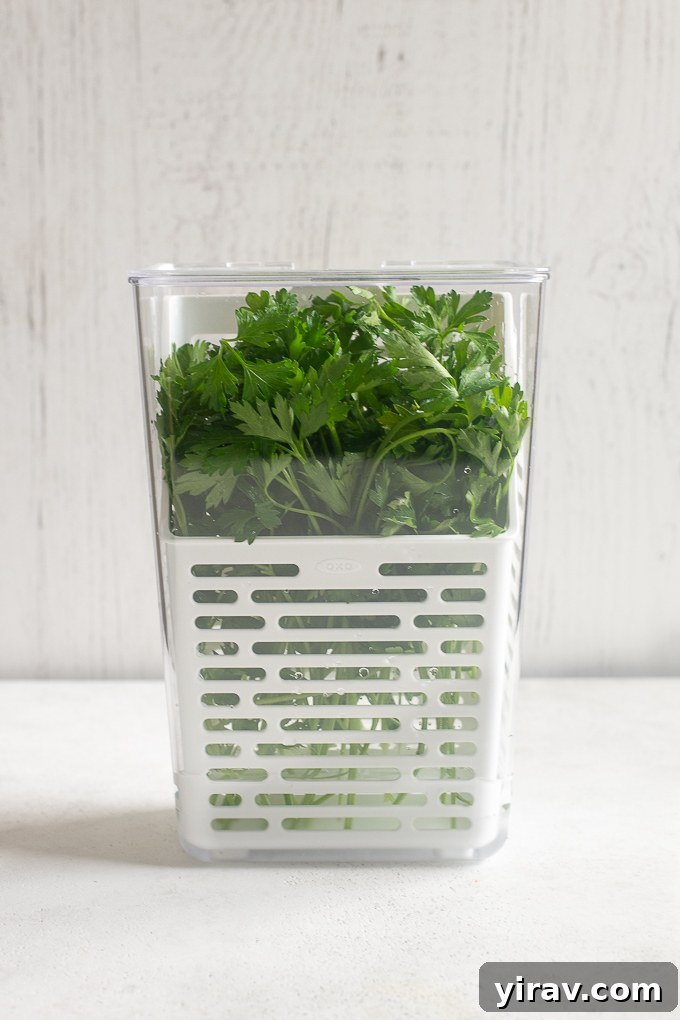
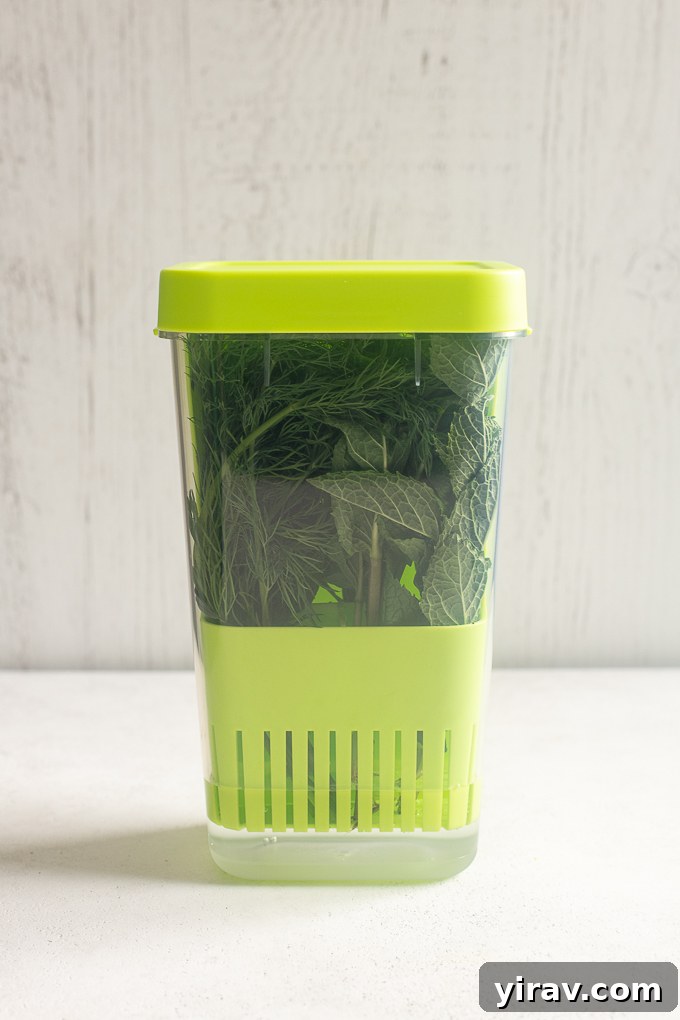
- OXO Good Grips Produce Saver: Its generous, taller size makes it excellent for larger bunches of Italian flat leaf parsley and cilantro, allowing stems to fully hydrate.
- LUVCOSY Herb Keepers: This brand typically offers a convenient set of two, featuring clever compartments to keep different herb varieties separated and fresh, preventing cross-contamination of aromas.
The Damp Paper Towel & Zip-Top Bag Method: A Practical Alternative
If purchasing a specialized herb keeper isn’t on your agenda, or if you simply need a quick and easy solution, this method is a highly effective and budget-friendly alternative that I’ve used with great success. It works wonders for both tender and woody herbs, reliably preventing wilting and keeping them fresh for up to a week or even longer, often rivaling the performance of dedicated keepers.
The key to this method is to create a slightly humid environment around the herbs that mimics their natural growing conditions, but without allowing excessive moisture to accumulate and cause rot or mold. This technique is particularly fantastic for leafy herbs like parsley, cilantro, dill, and mint, as well as more robust, woody ones like rosemary and thyme.
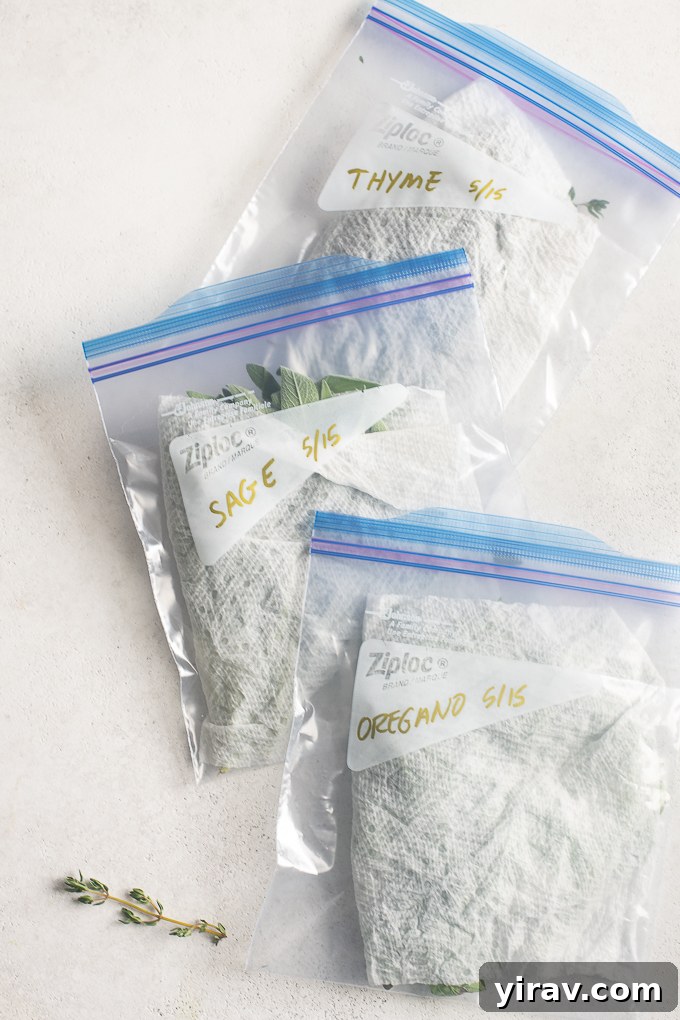
- Prepare the paper towels: Lightly wet a few sheets of paper towel under cold water, then gently squeeze out all excess liquid until they are merely damp, not soaking wet. The goal is to provide humidity without encouraging mold growth or sogginess.
- Wrap and store: Ensure your herbs are clean and thoroughly dry before wrapping. Loosely wrap the herbs in the damp paper towels, forming a gentle bundle. Place the wrapped herbs inside a zip-top bag or an airtight container. Seal tightly and store in the crisper drawer of your refrigerator. The damp paper towel provides consistent moisture, while the sealed bag prevents it from evaporating too quickly, keeping your herbs crisp, green, and flavorful for an extended period.
The Countertop Bouquet Method: Best for Short-Term Basil Storage
This method is exclusively suited for tender herbs, particularly those that are sensitive to cold, and treats them much like a bouquet of fresh flowers. While visually appealing, I’ve found it to be generally less effective at preserving freshness compared to the previous two methods, typically keeping herbs fresh for only 3-7 days.
- Preparation: Begin by gently inspecting your herbs, trimming about an inch off the ends of the stems, and carefully removing any discolored or wilted leaves to prevent spoilage.
- Hydrate: Place the herb stems into a glass or jar containing about one to two inches of fresh, cool water. It’s crucial that the leaves remain entirely above the water line to prevent them from rotting due to prolonged moisture contact.
- Placement: Store the “bouquet” on your countertop, ideally in a cool spot away from direct sunlight or heat sources. For an added layer of protection against drying out and to create a mini-greenhouse effect, you can loosely cover the herbs and glass with a plastic bag. However, note that basil is a special exception; it should *always* be stored on the countertop and *never* in the refrigerator, as cold temperatures will quickly cause its delicate leaves to blacken and lose flavor.
- Maintenance: To maximize freshness and prevent bacterial growth, remember to change the water in the glass every 1-2 days, ensuring consistent hydration for the herbs.
How to Freeze Fresh Herbs for Long-Term Flavor
For those times when you find yourself with an abundance of fresh herbs – perhaps from a thriving backyard garden, a generous farmers market haul, or a great grocery store deal – freezing is an excellent strategy to preserve their intense flavor and prevent costly waste. While freezing will inevitably alter the delicate texture of fresh herbs, causing them to soften upon thawing, their vibrant flavor remains largely intact, making them perfect for cooked dishes where texture is less critical, such as soups, stews, and sauces.
Here are two highly effective methods for freezing fresh herbs, ensuring you have a flavorful supply ready whenever inspiration strikes, no matter the season:
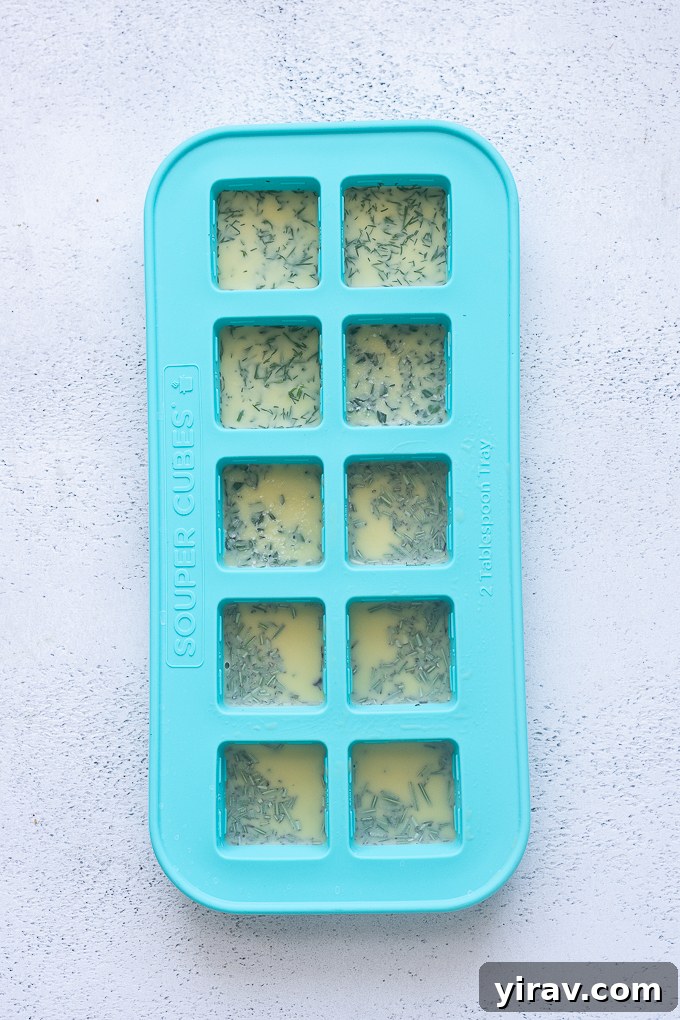
- Freeze in Olive Oil or Water Cubes: This method is fantastic for finely chopped herbs that you’ll later incorporate directly into hot sauces, soups, stews, or sautéed dishes. It’s particularly great for basil, parsley, cilantro, and oregano.
- Preparation: Start by thoroughly washing your chosen herbs, then pat them completely dry with paper towels or use a salad spinner. Once dry, finely chop them by hand, or process them lightly in a food processor for a finer, more uniform texture.
- Packing: Spoon the chopped herbs into ice cube trays, filling each compartment about two-thirds full. Alternatively, you can use small, airtight freezer-safe containers.
- Liquid Cover: For maximum flavor preservation and to prevent freezer burn, cover the herbs with a good quality olive oil. The oil not only creates a protective barrier but also helps to extract and preserve their fat-soluble flavor compounds, extending their freezer life to 3-6 months. As a more budget-friendly option, you can cover them with water for a slightly shorter freezer life of 2-3 months.
- Usage: Once the cubes are completely frozen solid (usually overnight), pop them out of the trays and transfer them to a larger zip-top freezer bag or an airtight container for long-term storage. You can drop these frozen herb cubes directly into hot soups, simmering sauces, or hearty stews without needing to thaw them first.
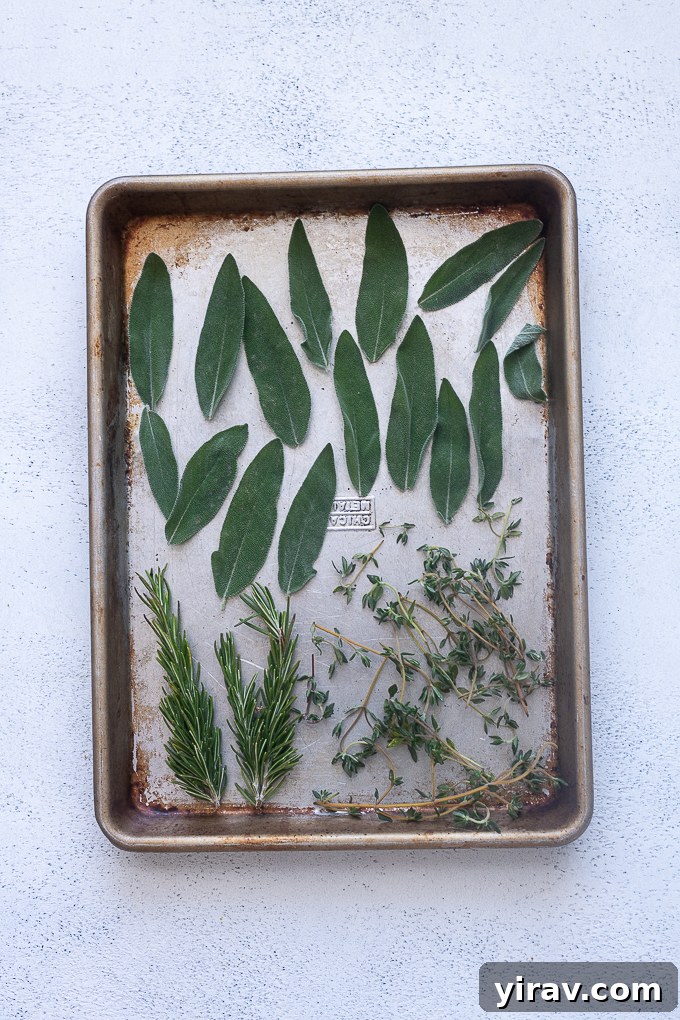
- Freeze Whole Leaves or on the Stem: This technique is particularly well-suited for more robust, woody herbs like rosemary, thyme, and bay leaves, as well as larger-leafed tender herbs like parsley, where retaining the whole form is desirable for specific culinary uses.
- Preparation: Wash your herbs carefully and pat them thoroughly dry. Arrange the individual sprigs or leaves in a single layer on a baking sheet lined with parchment paper, ensuring they don’t touch each other.
- Flash Freezing: Place the entire baking sheet in the freezer until the herbs are completely frozen solid (this usually takes 1-2 hours, depending on the herb). Flash freezing prevents the herbs from clumping together, allowing you to easily grab individual sprigs later.
- Storage: Once frozen, quickly transfer the solid herbs into a zip-top freezer bag or an airtight freezer container, squeezing out as much air as possible to prevent freezer burn. They will maintain their quality and flavor for up to 3 months.
- Usage: You can simply drop these frozen sprigs, stem and all, directly into simmering soups, stocks, sauces, or roasts. The heat will gradually release their flavor beautifully. For tender herbs frozen this way, they’re generally best used in cooked dishes rather than fresh applications due to the inevitable textural changes caused by freezing.
Fresh Herb Frequently Asked Questions
Fresh herbs are characterized by their delicate, bright, and often complex flavor profiles, alongside their vibrant color, appealing texture, and fresh aromatic qualities. Their essential oils are volatile, making them ideal for finishing dishes or raw applications. They are best added at the very end of cooking or used fresh to preserve their nuanced taste.
Dried herbs, conversely, possess a more concentrated, earthy, and intense flavor due to the removal of water, which intensifies their compounds. They are best suited for dishes that require longer cooking times, allowing their flavors to slowly “bloom” and integrate deeply into the meal, contributing warmth and depth.
Absolutely, you can substitute dried herbs for fresh ones, and vice versa. However, it’s crucial to remember that dried herbs are significantly more potent in flavor than fresh herbs. A widely accepted rule of thumb is to use 1 teaspoon of dried herbs for every 1 tablespoon of fresh herbs called for in a recipe. If substituting fresh for dried, you would use 3 tablespoons of fresh for 1 teaspoon of dried, keeping in mind the texture difference.
The chopping method depends on the herb type:
For woody herbs (like rosemary or thyme), you should first strip the leaves from the tough, inedible stems. Then, gather the leaves into a small pile and chop them finely using a rocking motion with your knife. For tender herbs (such as parsley, cilantro, or chives), both the leaves and the tender stems are edible and flavorful, so you can chop them together. However, if you prefer, you can also strip the leaves from the stems before chopping.
A classic technique for basil is called a chiffonade: remove the leaves from the stem, stack them neatly on top of each other, roll them tightly lengthwise into a cigar shape, and then slice them crosswise into thin ribbons. Regardless of the herb, always use a very sharp chef’s knife or specialized herb scissors to ensure clean cuts and avoid bruising the delicate leaves, which can diminish their flavor and appearance.
Whether to wash fresh herbs before storing them is a matter of personal preference, though generally recommended to remove any dirt, pesticides, or residues. If you choose to wash them, do so gently under cold running water. The most critical step afterward is to blot them *completely dry* with paper towels or use a salad spinner. Any excess moisture left on the leaves will significantly accelerate wilting, promote bacterial growth, and cause them to rot quickly, drastically reducing their shelf life. Only store herbs once they are thoroughly dry.
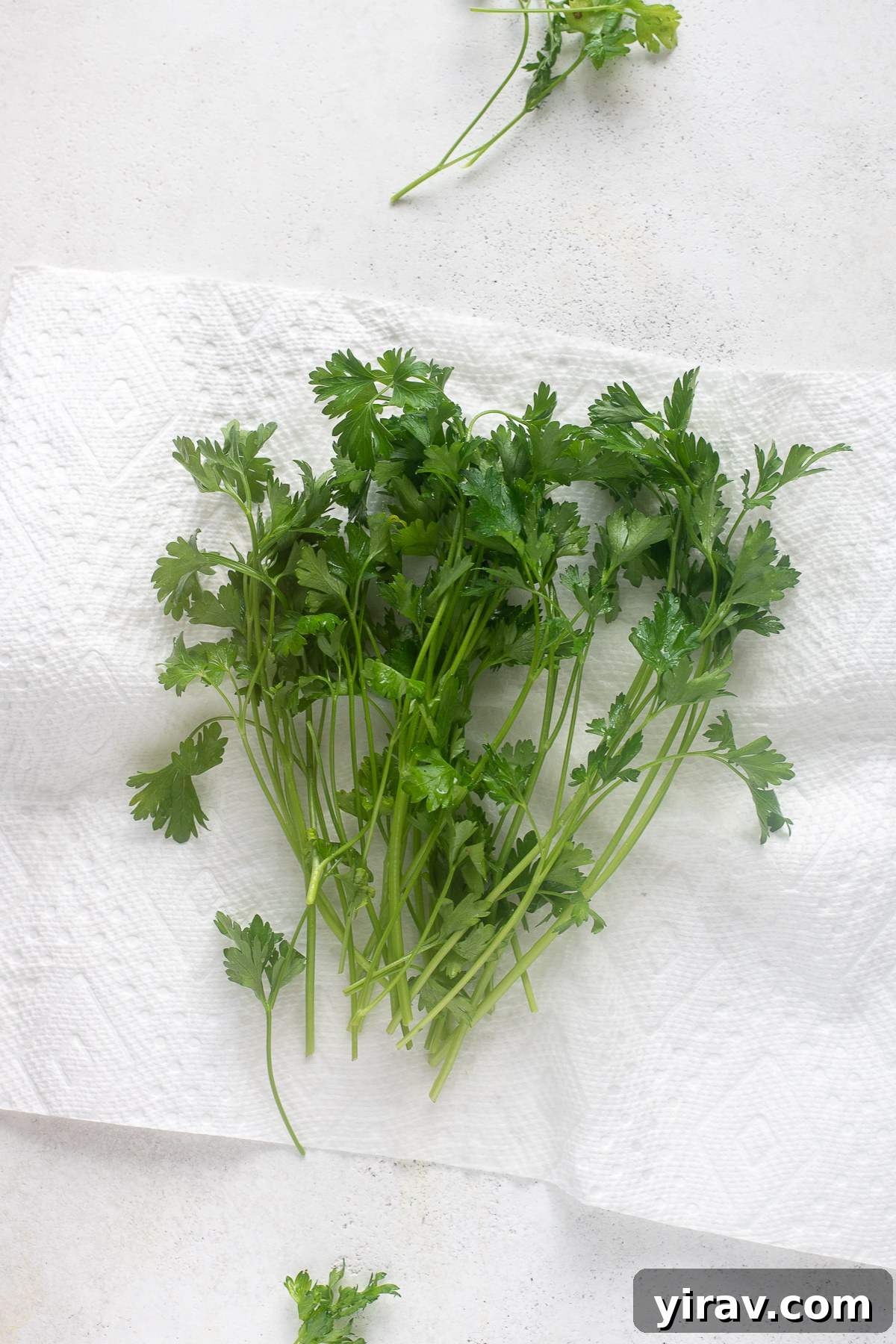
When selecting fresh herbs, always look for vibrant, deeply colored leaves without any signs of yellowing, browning, or wilting. The stems should appear firm and crisp, not limp or slimy. Avoid bunches with any black spots, holes, or excessive moisture, which can indicate spoilage or pest damage. A good bunch of herbs should also have a strong, fresh, and characteristic aroma – this is a key indicator of its vitality and flavor potential. Trust your senses!
Yes, drying your own herbs at home is a rewarding and simple way to preserve your harvest and enjoy their flavors long after the growing season! The simplest method is air-drying: gather bunches of herbs (especially woody ones like rosemary, thyme, or oregano), tie them together with twine, and hang them upside down in a warm, dry, dark, and well-ventilated area away from direct sunlight. They typically take 1-3 weeks to dry completely, becoming brittle to the touch. Alternatively, you can use a food dehydrator set to a low temperature (around 95-125°F or 35-50°C) or even a low oven setting (around 100-120°F or 40-50°C) with the door slightly ajar. Once fully dry and brittle, crumble the leaves and store them in airtight containers away from light and heat to maintain their potency.
More Seasonal Produce Guides You’ll Love:
- August Seasonal Produce Guide
- July Seasonal Produce Guide
- June Seasonal Produce Guide