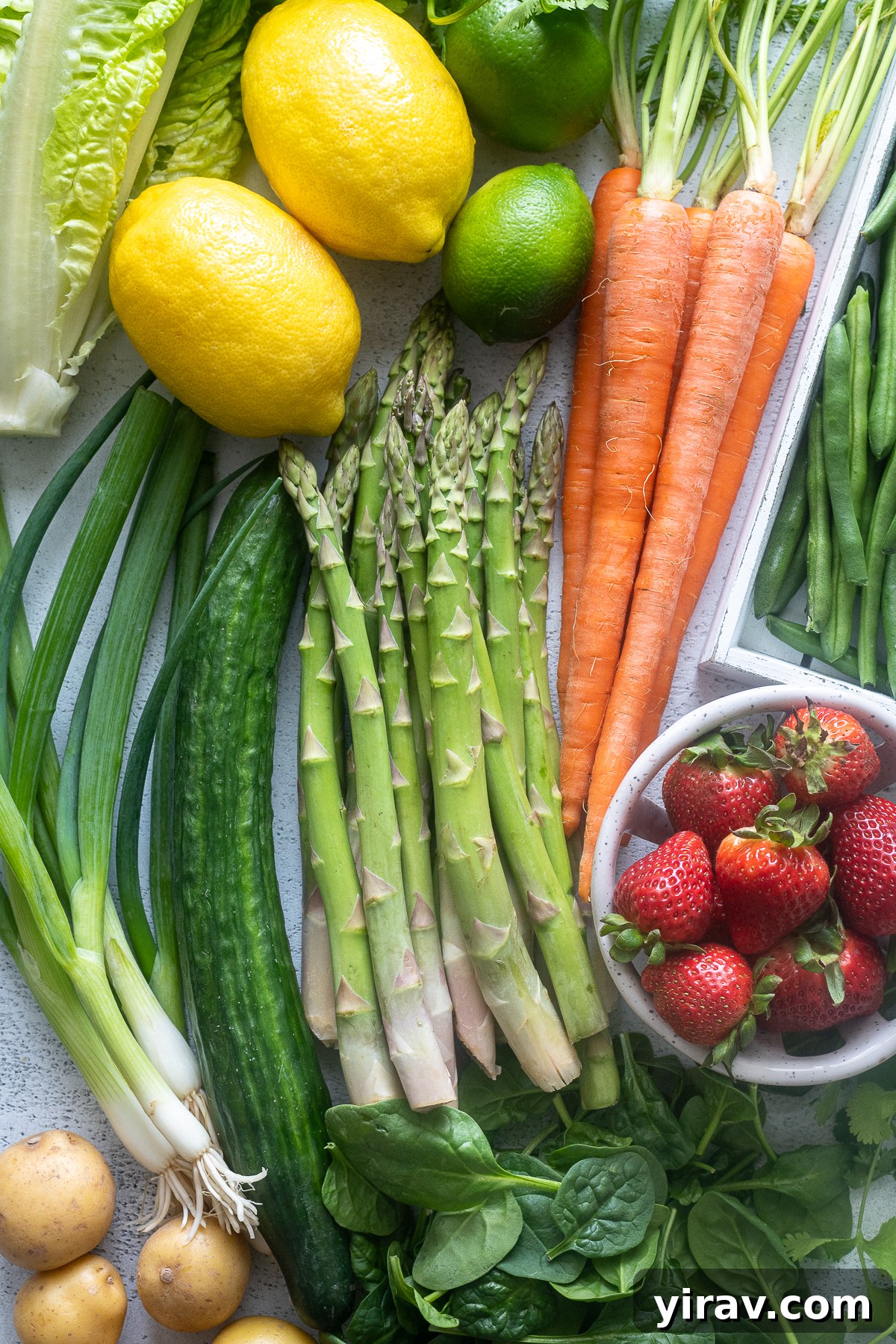
As spring transitions into summer, May ushers in an exciting bounty of fresh, vibrant produce. This isn’t just a calendar observation; it’s an invitation to savor ingredients at their peak flavor, bursting with nutrition, and often more affordable. If you’re eager to discover what nature provides this month, this comprehensive May Seasonal Produce Guide is your ultimate resource. We’ll explore a complete list of seasonal fruits and vegetables that are readily available, alongside abundant recipe inspirations to help you transform these gifts of spring into delicious meals.
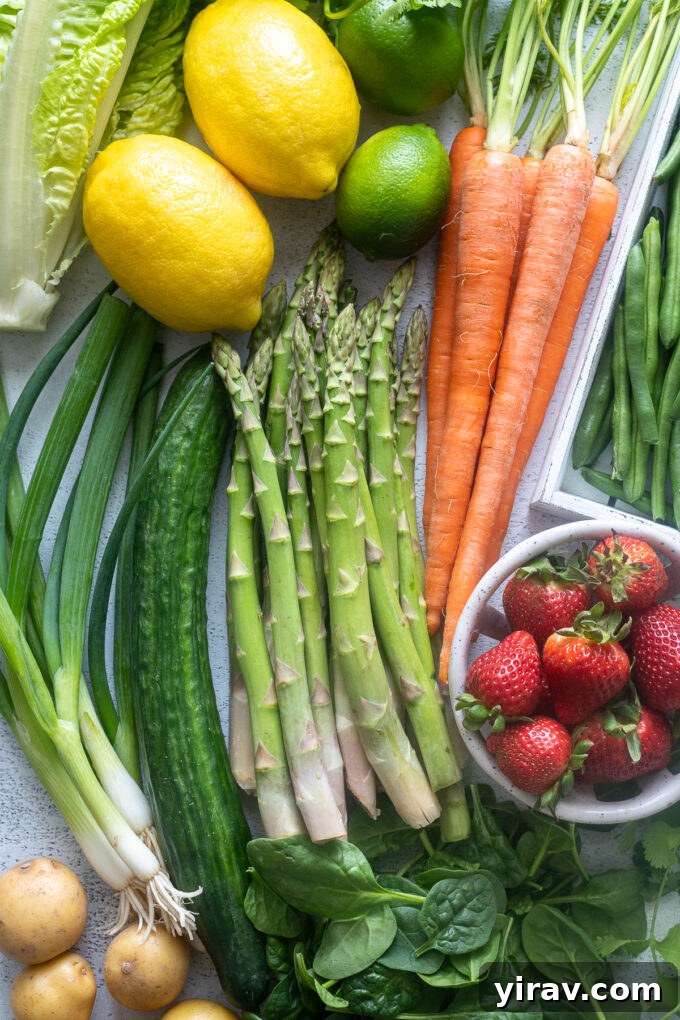
May awakens a craving for lighter, brighter, and fresher meals. The produce shelves and farmers market stalls transform, brimming with colors and aromas that signal the heart of spring. From crisp, tender greens to juicy, sweet berries, this month’s harvest is truly a culinary delight.
Whether you’re a seasoned chef looking for new inspiration, a home cook aiming to elevate your dishes, or simply curious about what’s in season in May, this guide is meticulously crafted to assist you. It provides an extensive overview of fruits and vegetables at their absolute best, offering an unparalleled taste experience. Imagine sinking your teeth into succulent strawberries, crunching on sweet snap peas, or enjoying the earthy notes of freshly harvested asparagus.
Beyond the well-known favorites, you might also be fortunate enough to discover fresh apricots, tart cherries, or even the unique flavor of rhubarb in your local region this month. To help you fully embrace these seasonal treasures, we’ve carefully curated a variety of delicious and easy-to-follow recipes below. These dishes are designed to highlight the natural flavors of each ingredient, ensuring every bite is a celebration of May’s incredible bounty.
Why Embrace Seasonal Eating?
Choosing to eat in-season produce offers a multitude of benefits that extend far beyond just taste:
- Superior Flavor & Nutrition: Produce harvested at its peak ripeness, during its natural growing season, boasts significantly better flavor and a higher nutritional value. It has spent more time developing on the vine or in the soil, accumulating essential vitamins, minerals, and antioxidants. This means a richer, more authentic taste and greater health benefits for you.
- Enhanced Freshness: Seasonal produce requires less time in storage or transit. This minimizes degradation, ensuring that the fruits and vegetables you bring home are as fresh as possible, retaining their crispness, vibrant colors, and succulent textures.
- Greater Affordability: When produce is abundant during its natural season, supply is high. This often translates to lower prices, making healthy, delicious food more accessible and budget-friendly. You get more for your money when you buy what’s in season.
- Sustainability: Eating seasonally typically means sourcing produce that is grown locally. This reduces the carbon footprint associated with long-distance transportation and supports farming practices that are more in tune with the environment.
- Support for Local Farmers: Purchasing seasonal produce, especially from farmers’ markets, directly supports local agricultural communities. This strengthens local economies and helps preserve farmlands, fostering a sustainable food system.
- Variety in Your Diet: Embracing seasonal eating naturally encourages a diverse diet. As different fruits and vegetables come into season throughout the year, you’re introduced to a wider array of flavors, textures, and nutrients, keeping your meals exciting and balanced.
In contrast, out-of-season produce is often imported from distant regions, incurring significant shipping costs that are passed on to the consumer. Furthermore, it often loses much of its fresh taste and nutritional integrity during prolonged storage and transport. By choosing seasonal, you’re making a conscious decision for better taste, better health, and a better planet.
Let’s delve into all the goodness that this vibrant month has to offer!
For produce that might still be available from last month, don’t forget to check out our April Seasonal Produce Guide.
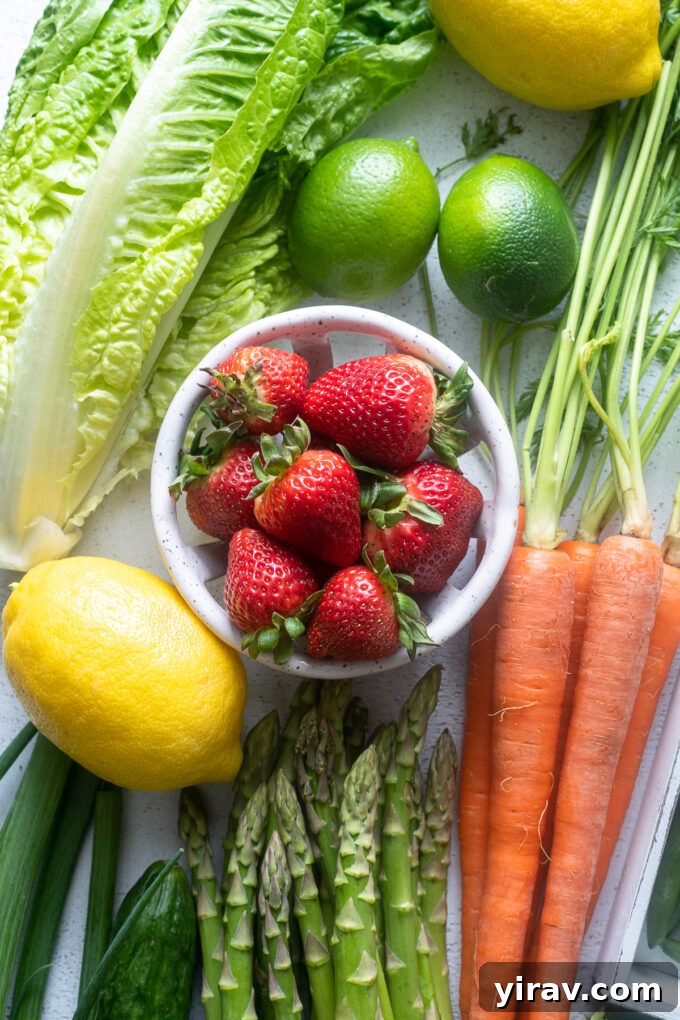
What’s in Season in May
May offers a glorious transition in produce, blending the last of early spring harvests with the first tastes of summer’s bounty. The following list highlights the fruits and vegetables typically in season this month. Keep in mind that specific availability can vary based on your geographical location and local climate conditions.
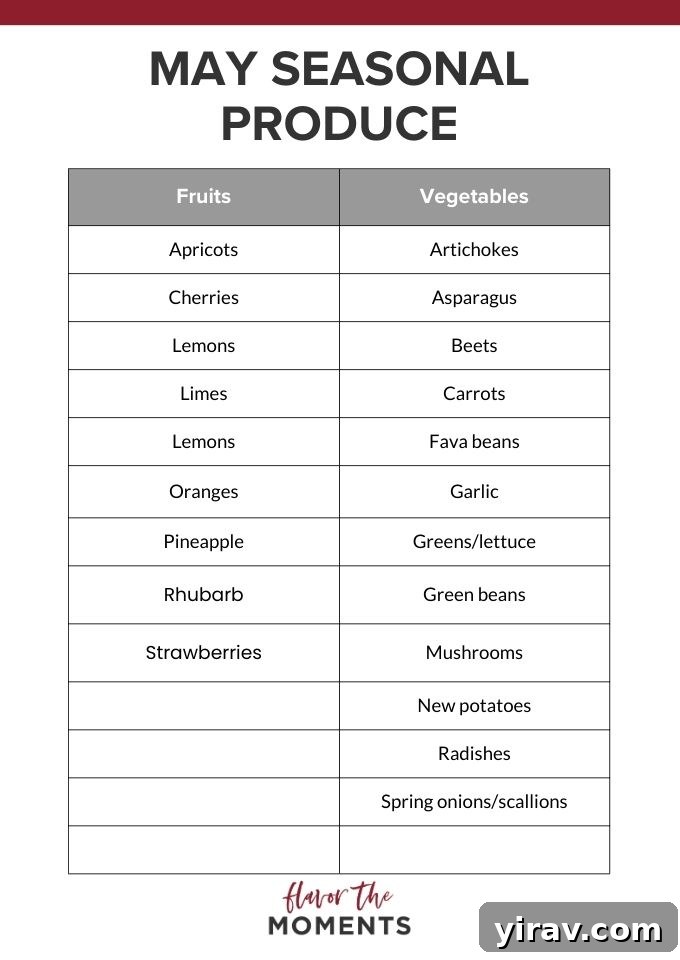
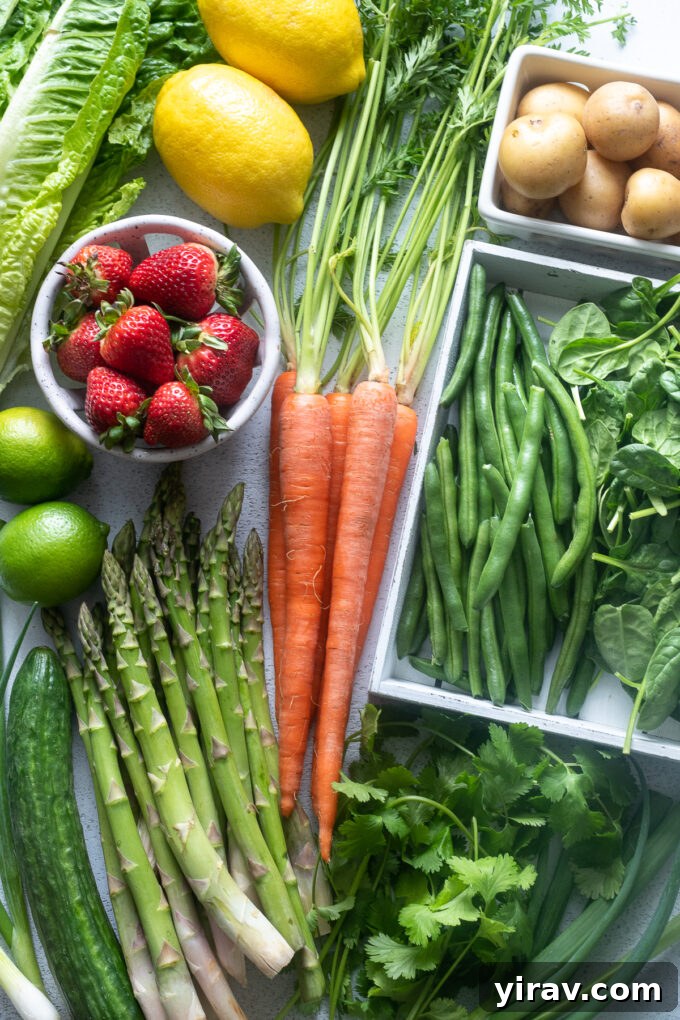
May Seasonal Fruits and Vegetables
Legumes
- Fava Beans: Also known as broad beans, fava beans are a prized spring delicacy with a slightly sweet, nutty, and earthy flavor. They require a bit of effort for preparation – first shelling from their large green pods, and then blanching to remove their inner skins – but the creamy, buttery texture and vibrant green color are well worth it. They’re fantastic in salads, purees, or simply tossed with olive oil and herbs. For detailed instructions on preparation, see my post how to cook fava beans, and explore a collection of delicious fava bean recipes.
- Green Beans: Often called string beans, these versatile vegetables are enjoyed whole, pod and all. They boast a crisp-tender texture, a mild earthy flavor, and a subtle sweetness that makes them incredibly adaptable. Green beans are wonderful steamed or blanched for salads, simmered in comforting soups, sautéed as a quick side dish, or incorporated into flavorful stir-fries.
- Peas: May marks the prime season for various types of peas.
- Snap Peas: Known for their edible pods and crunchy texture, snap peas offer a delightful sweetness, perfect for raw snacking or light stir-fries.
- Snow Peas: With their flat, thin, and slightly translucent pods, snow peas are crisp and subtly sweet, making them excellent in Asian-inspired dishes and salads.
- English Peas (Garden Peas): These require shelling to reveal their sweet, tender pearls. They are exquisite in risottos, pasta dishes, or as a simple steamed side.
All varieties add a burst of freshness to stir-fries, salads, and more!
Root Vegetables
- Beets: Celebrated for their striking, deep vibrant colors – from intense reds and purples to golden yellows and even striped varieties – beets offer an earthy, sweet flavor. They can be enjoyed raw, grated into salads, or cooked through roasting, boiling, or pickling to soften their texture and intensify their sweetness. Remember, don’t discard the beet greens; they are highly nutritious and delicious when sautéed.
- Carrots: A true culinary chameleon, carrots are indispensable in the kitchen. Their natural sweetness and satisfying crispness make them ideal for dipping, raw salads, and essential additions to savory soups and hearty stews. Grated carrots also lend moisture and a delicate flavor to baked goods like cakes and muffins.
- New Potatoes: These are freshly harvested, young potatoes that are picked before they reach full maturity. Characterized by their thin, delicate skin and creamy, waxy texture, new potatoes are lower in starch and higher in moisture than their mature counterparts. They are perfect for roasting until golden, boiling for classic potato salads, or simply steaming with a pat of butter and fresh herbs.
- Radishes: Offering a distinct crispness and peppery bite, radishes are a fantastic addition to spring meals. They are excellent when eaten raw, thinly sliced into salads, or roasted to mellow their pungent flavor into a sweet, earthy note. Discover more about their varieties and diverse culinary uses in my produce guide and collection of radish recipes.
Greens and Alliums
- Garlic: A foundational ingredient in countless cuisines, garlic is a pungent, aromatic bulb renowned for its bold flavor. It adds immense depth to savory dishes, whether used raw for a sharp bite, roasted to achieve a mellow sweetness, or sautéed to infuse its distinct aroma. Raw garlic has a spicy, sharp taste, which beautifully transforms into a sweet and caramelized flavor when cooked.
- Green Onions: Also known as scallions, these offer a fresh, crisp texture and a mild, delicate onion flavor that is less intense than mature onions. They are superb when used raw in salads, slaws, and as a vibrant garnish for dishes like baked potatoes, chili, or tacos. They can also be lightly cooked in stir-fries or omelets.
- Greens: May brings an abundance of nutritious leafy greens.
- Arugula: Known for its peppery, slightly bitter taste, arugula adds a sophisticated punch to salads and sandwiches.
- Kale: A nutritional powerhouse, kale is robust and can be massaged for salads, sautéed, or added to soups and smoothies.
- Spinach: Mild and versatile, spinach wilts quickly and is excellent in salads, quiches, pasta dishes, and smoothies.
- Swiss Chard: With its earthy flavor and colorful stems, Swiss chard is delicious sautéed with garlic or incorporated into stews.
All these greens are packed with nutrients and are fantastic sautéed, used in soups, or as the base for fresh salads.
- Leeks: These elegant alliums boast a mild, sweet, and oniony flavor that can elevate almost any dish. Leeks are incredibly versatile; use them anywhere you would an onion, such as in creamy soups, delicate pasta sauces, or simply roasted for a surprisingly delicious side dish. For more insights into varieties and culinary applications, consult my comprehensive produce guide and collection of leek recipes.
- Shallots: Similar in appearance to small onions but with a distinct, more delicate flavor profile that combines hints of both onion and garlic, shallots are prized for their mild sweetness. Their nuanced taste works beautifully in raw applications, such as fine vinaigrettes and delicate salads, and they add incredible depth and aroma to sauces, sautés, and roasted vegetable dishes.
Other Vegetables
- Artichokes: One of spring’s most iconic and finest vegetables, artichokes are truly special. While they do require a bit of preparation to remove the fibrous outer leaves and “choke,” the reward is a tender, earthy heart that is utterly delicious. They are fantastic steamed and served with a zesty aioli, added to pasta salads for a unique texture, or roasted until caramelized for an exquisite side.
- Asparagus: The quintessential spring vegetable, asparagus is at its peak in May. While green asparagus is the most common, you might also find intriguing white and purple varieties. Its tender spears are excellent when shaved raw into salads, or cooked through roasting, grilling, or sautéing to bring out its delicate, slightly earthy flavor.
- Mushrooms: Though often available year-round, many wild and cultivated mushroom varieties thrive in the spring conditions of May. Extremely versatile, mushrooms add an umami-rich depth to a wide range of dishes. They are superb for sautéing, stuffing, adding to creamy risottos, enhancing pasta dishes, or even serving thinly sliced and raw in salads.
- Rhubarb: Botanically a vegetable, rhubarb is most commonly treated as a fruit in culinary applications, especially in baking and jams due to its tart flavor profile. Its long, fibrous stalks, which range from deep red to pale green, are intensely tart when raw. Cooking rhubarb mellows its sharpness, transforming it into a wonderfully tangy and sweet ingredient, especially when paired with other fruits like strawberries. Explore its potential further with my collection of rhubarb recipes.
Fruits and Citrus
- Apricots: These small, fuzzy stone fruits signal the warmer days of late spring. Apricots typically boast an inviting orange hue and a delightful tart-sweet flavor with subtle floral notes. They are perfect for eating fresh as a snack, transforming into vibrant jams and preserves, or incorporating into various baking projects for a touch of seasonal sweetness and tang.
- Cherries: If you’re fortunate enough to be in a region where cherries ripen early, May can bring the joy of fresh cherries. These succulent stone fruits come in popular varieties such as the deep red, sweet Bing and the yellow with blush-toned Rainier. Cherries are wonderful enjoyed fresh, added to salads for a burst of color and sweetness, blended into refreshing smoothies, cooked into luscious jams, or, of course, baked into classic pies and tarts.
- Citrus: While many citrus varieties are winter crops, grapefruit, lemons, and limes remain fresh and vibrant into May, offering their bright, zesty flavors. Their refreshing juices are indispensable in savory dishes, creating zesty salad dressings, crafting invigorating cocktails, enhancing desserts, and much more. Their aromatic peels also add a delightful fragrance to countless recipes.
- Pineapple: This tropical fruit continues to be abundant in May, offering its signature sweet, tangy, and incredibly refreshing flavor. Pineapple is exceptionally versatile; it’s fantastic grilled for a smoky-sweet treat, a vibrant addition to fruit salads and smoothies, and can even feature in both sweet cocktails and savory dishes, such as stir-fries or marinades.
- Strawberries: As May progresses, especially in warmer regions, strawberries come into their prime. These sweet, juicy berries are a highlight of spring. They are perfect for enjoying fresh on their own, adding a burst of flavor to salads, blending into smoothies, incorporating into baked goods like shortcakes and muffins, or as a delightful topping for yogurt, oatmeal, and pancakes.
Legume Recipes
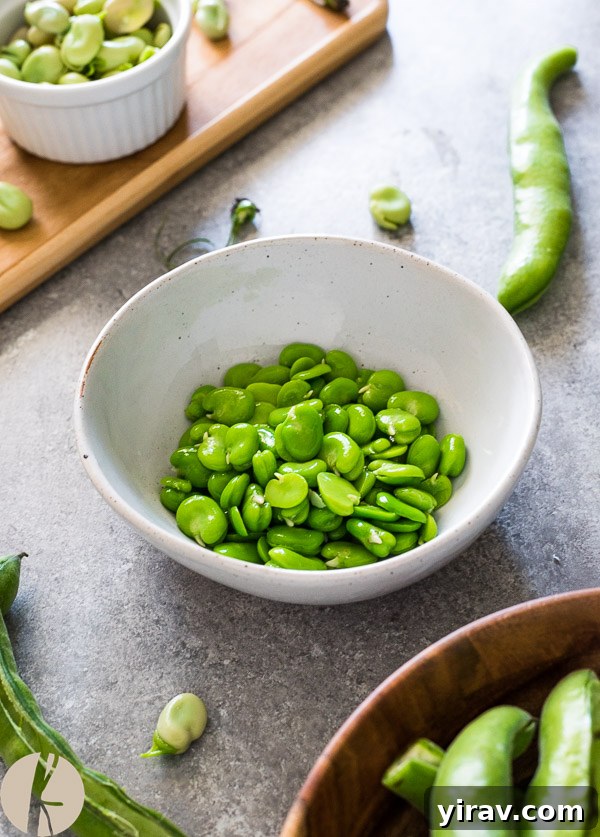
How To Cook Fava Beans
Get the Recipe >>
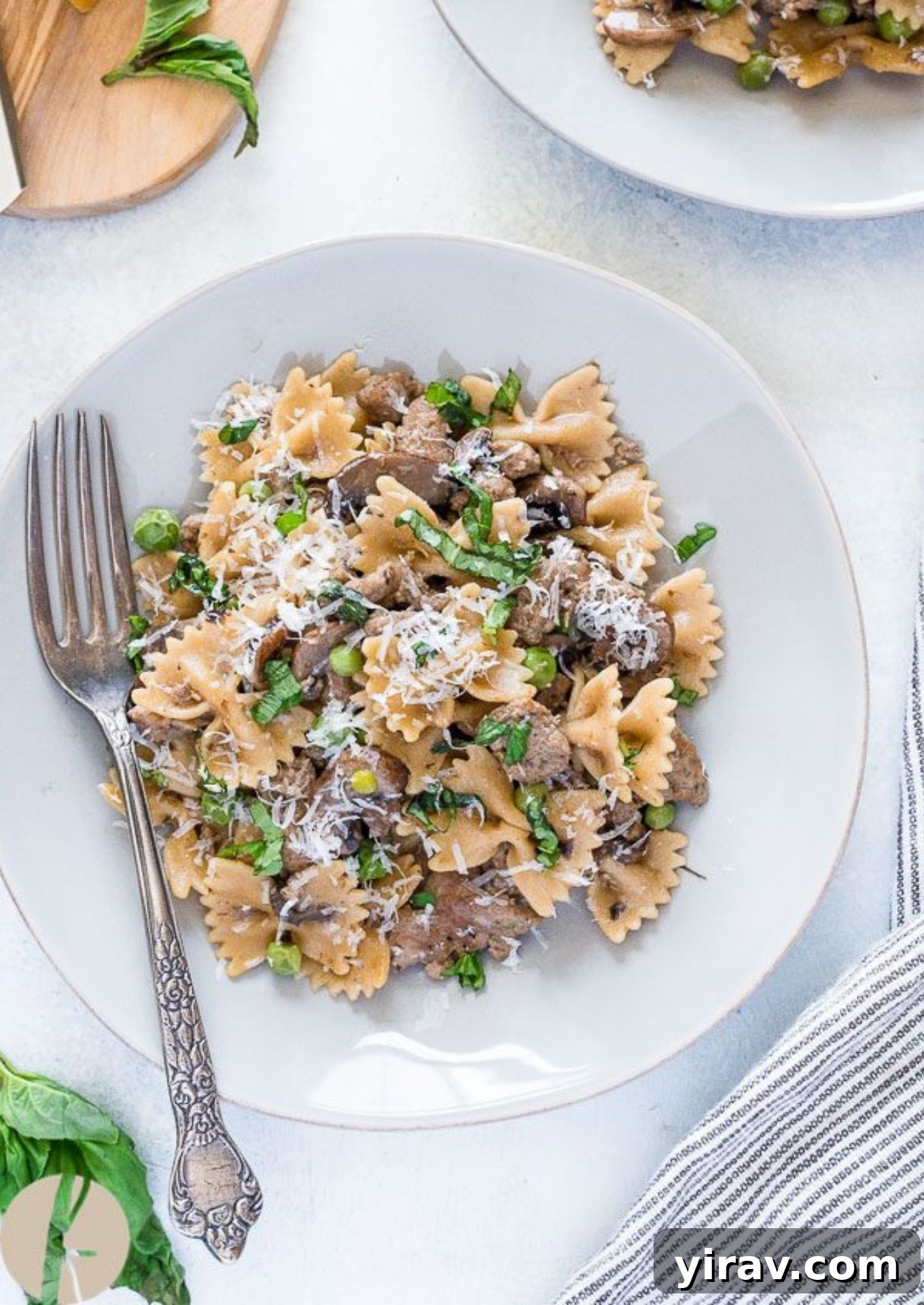
Italian Sausage Bow Tie Pasta Recipe
Get the Recipe >>
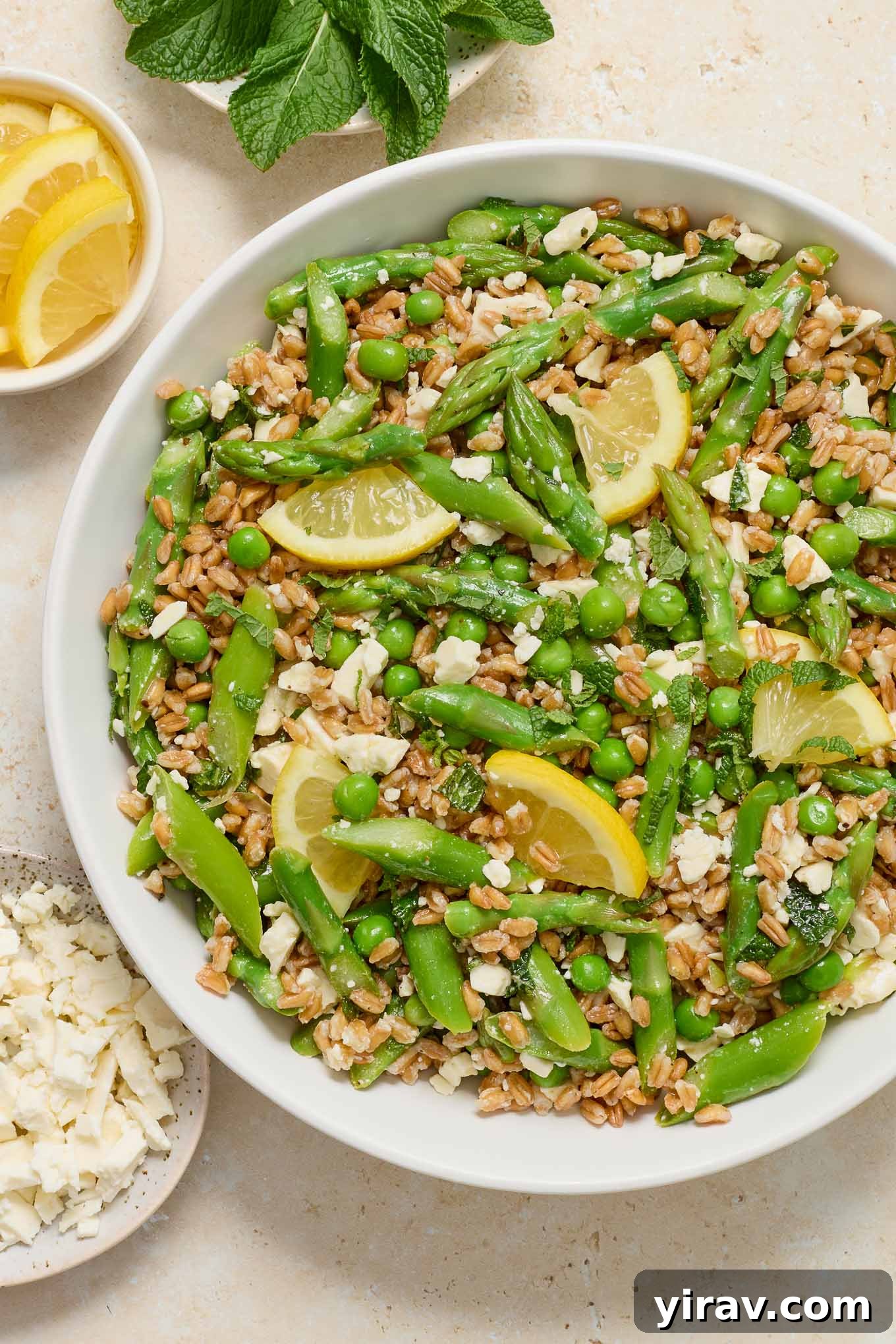
Spring Farro Salad with Feta
Get the Recipe >>
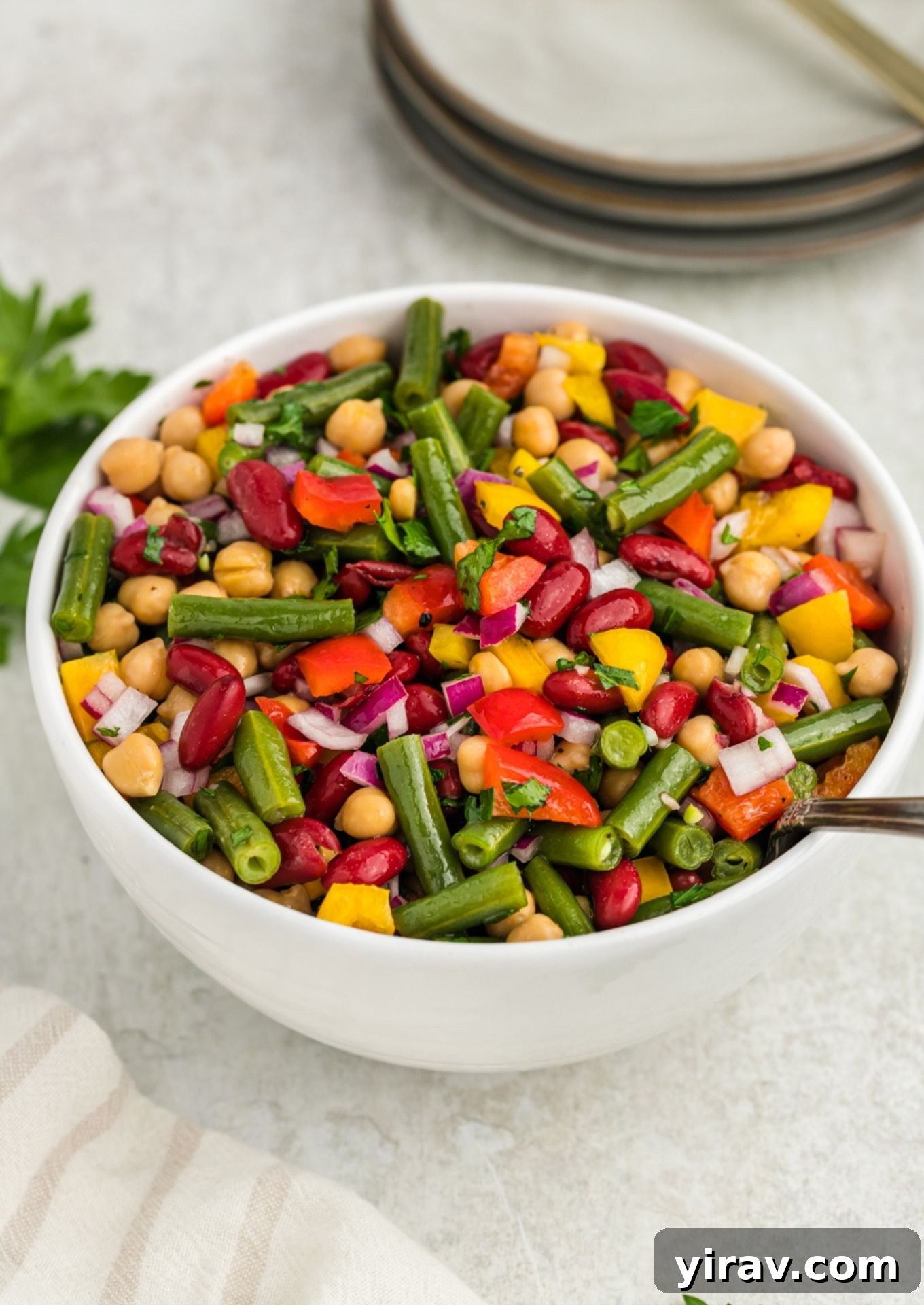
Easy Three Bean Salad
Get the Recipe >>
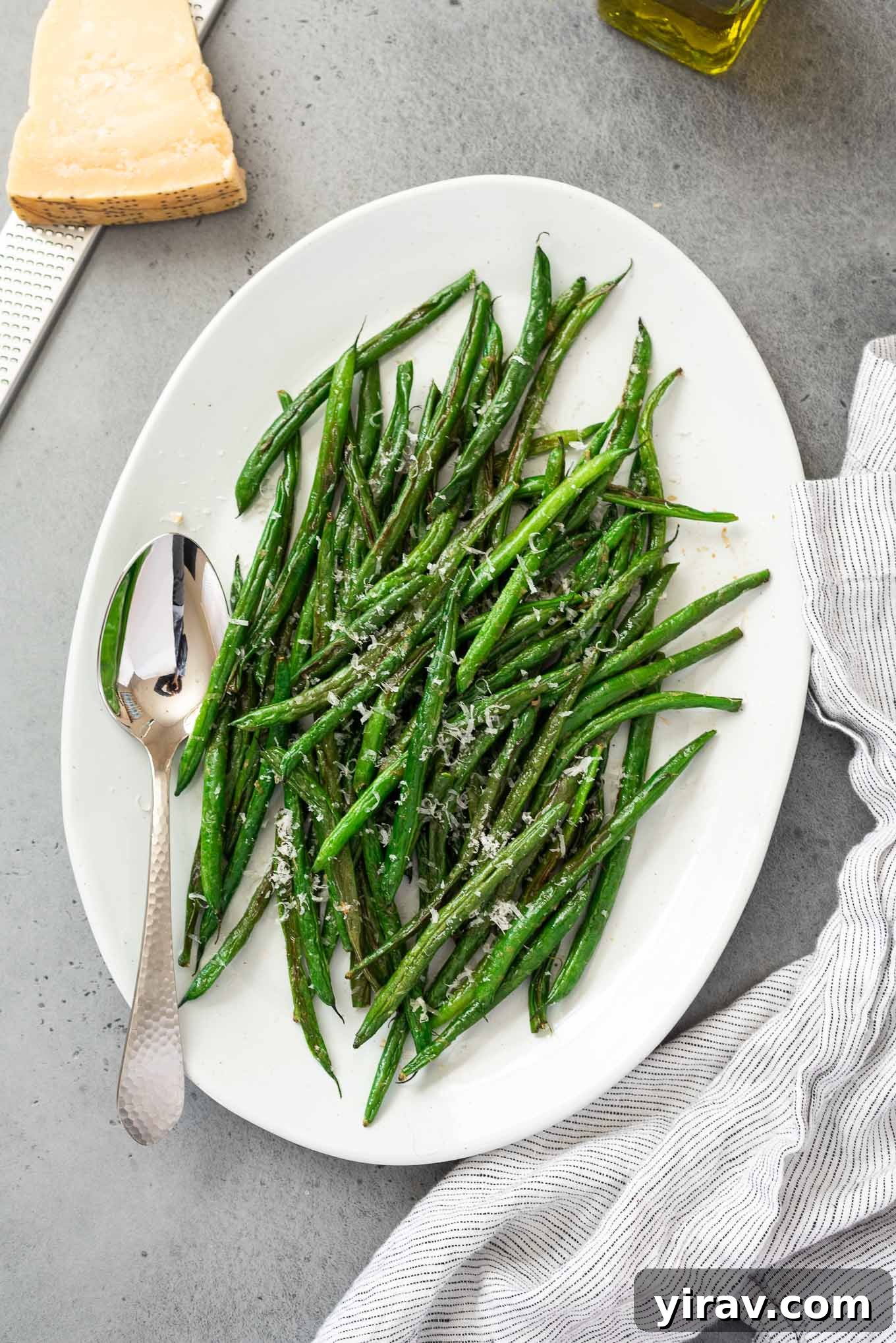
Roasted Green Beans with Parmesan
Root Vegetable Recipes
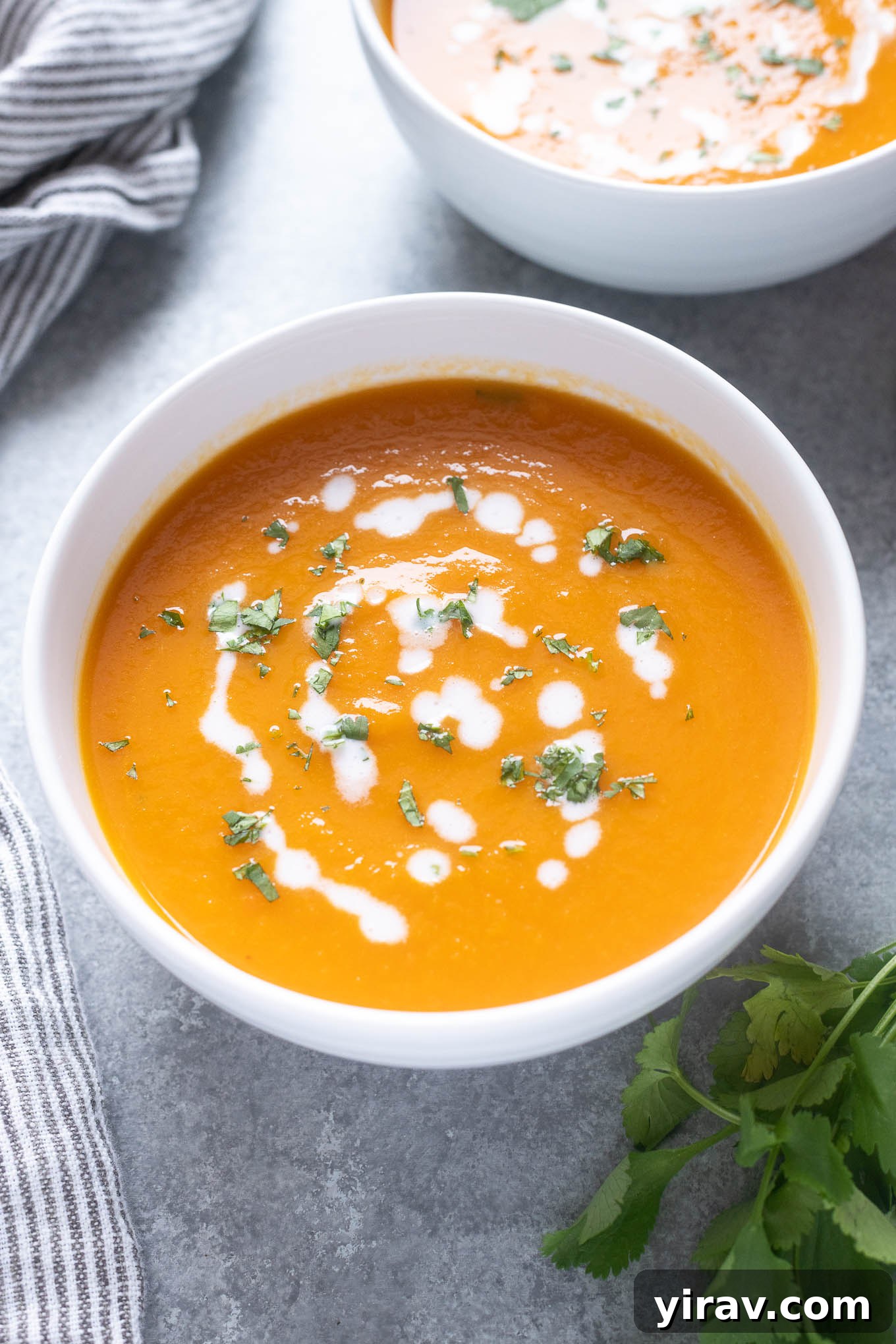
Carrot Ginger Soup
Get the Recipe
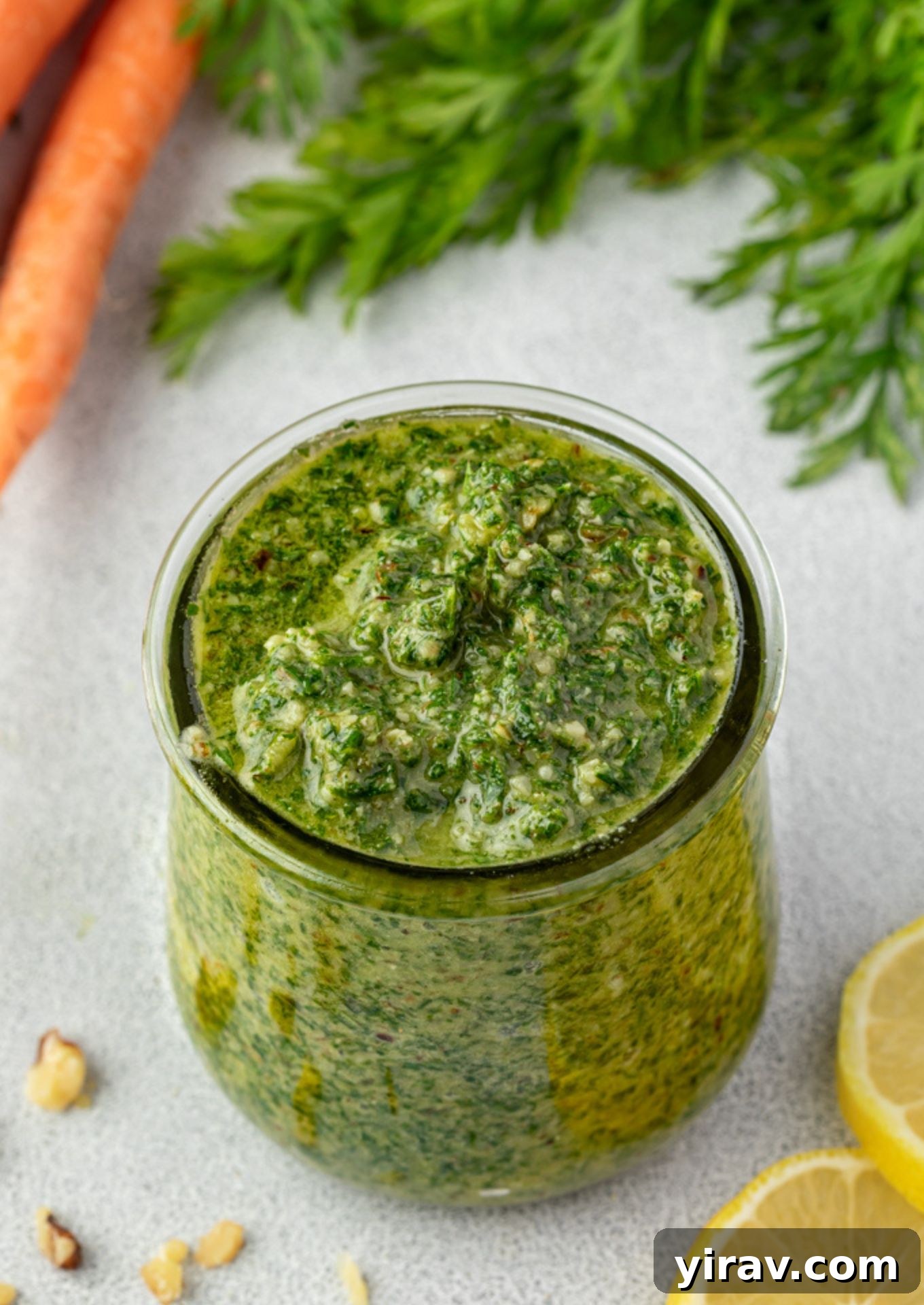
Carrot Top Pesto
Get the Recipe
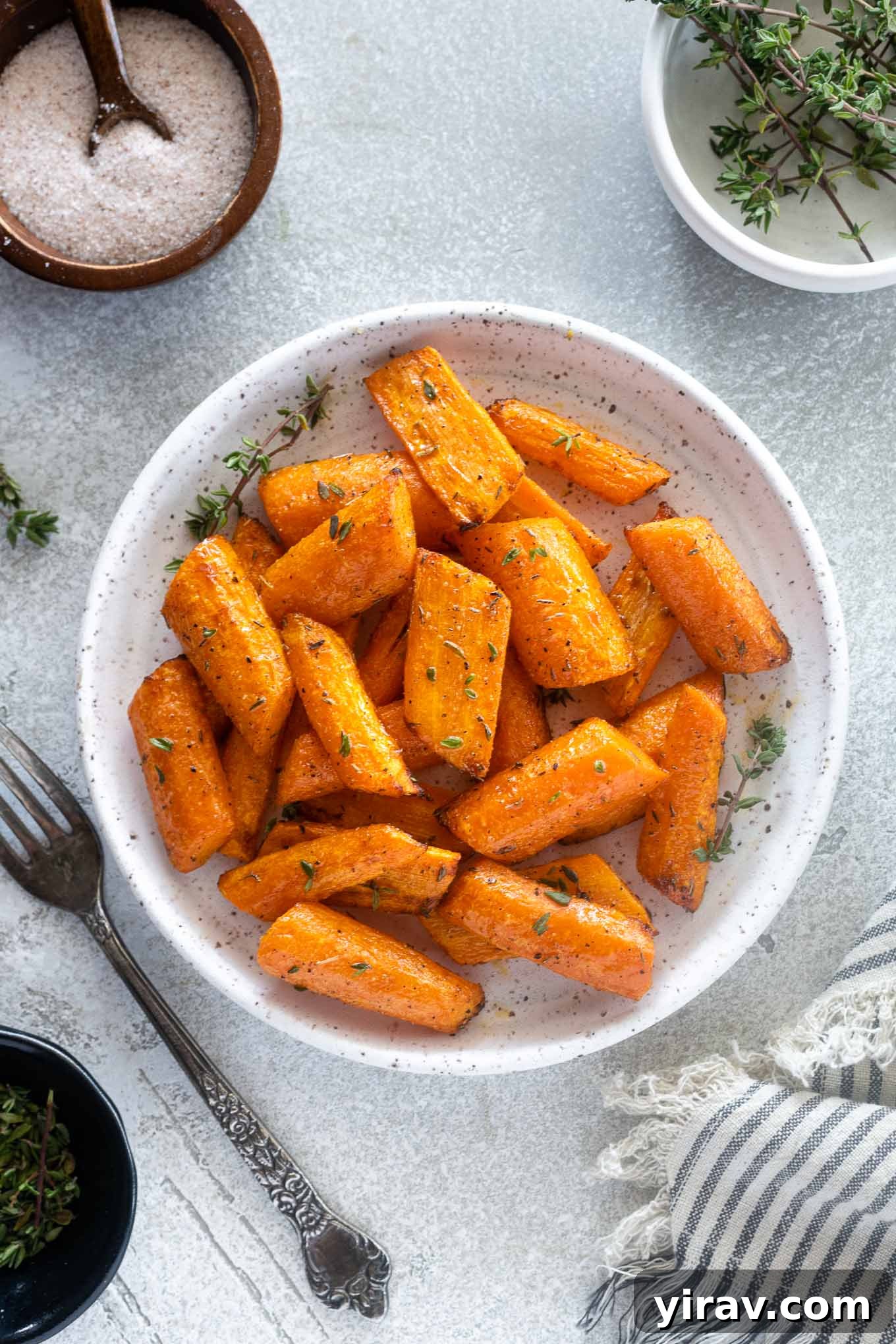
Air Fryer Carrots Recipe
Get the Recipe
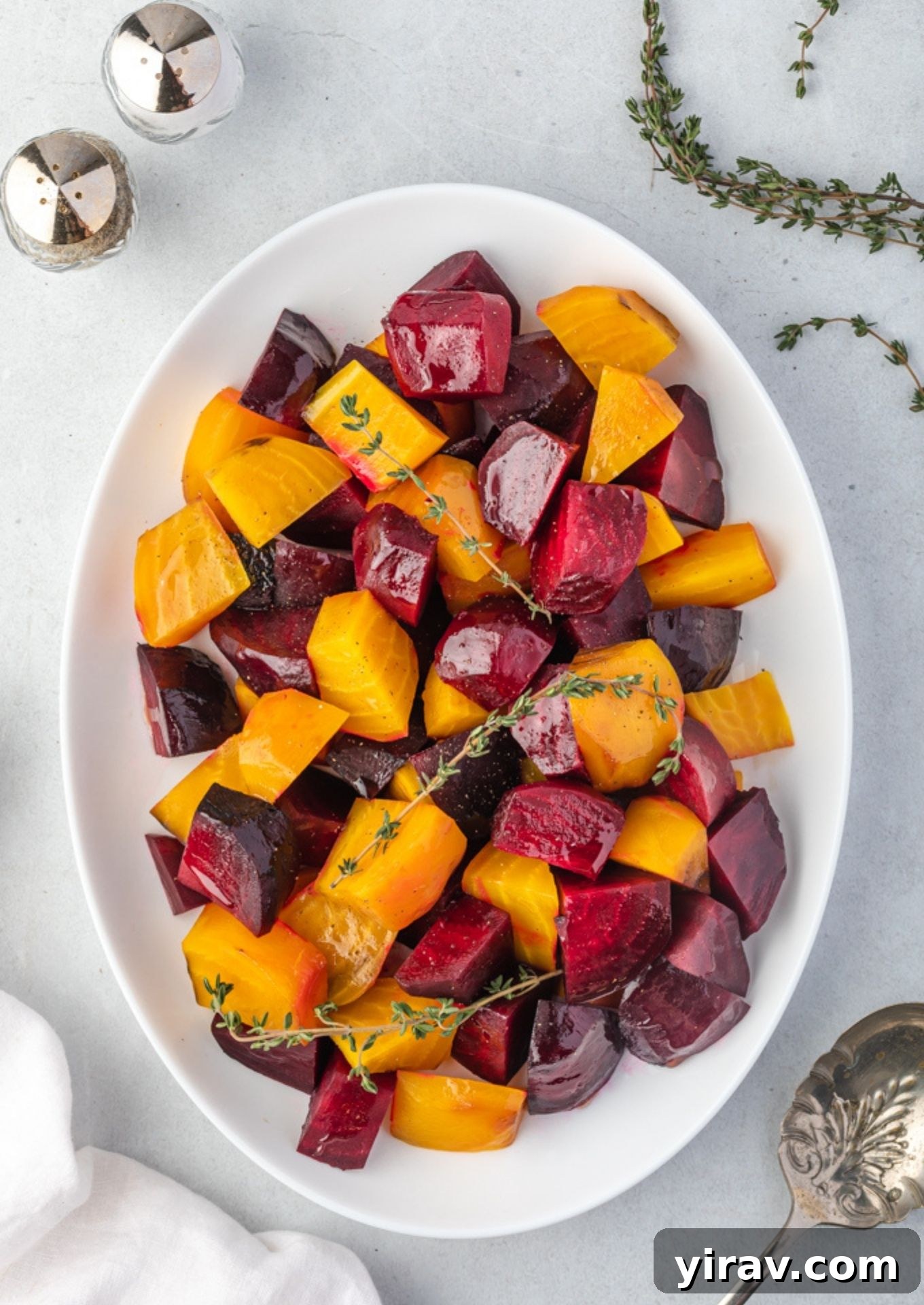
Oven Roasted Beets Recipe
Get the Recipe
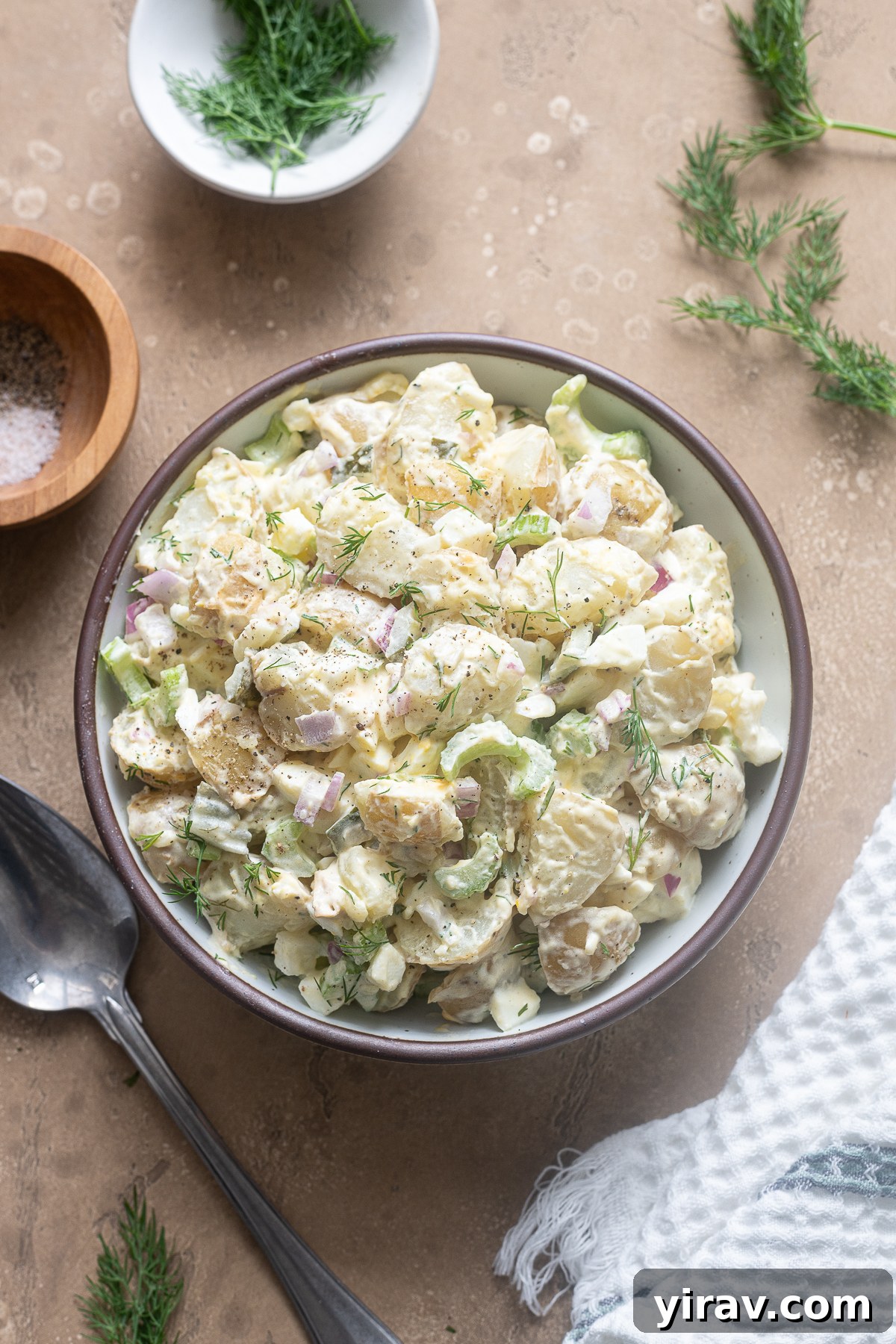
Dill Pickle Potato Salad
Get the Recipe

Crispy Smashed Potatoes
Get the Recipe
Greens and Allium Recipes
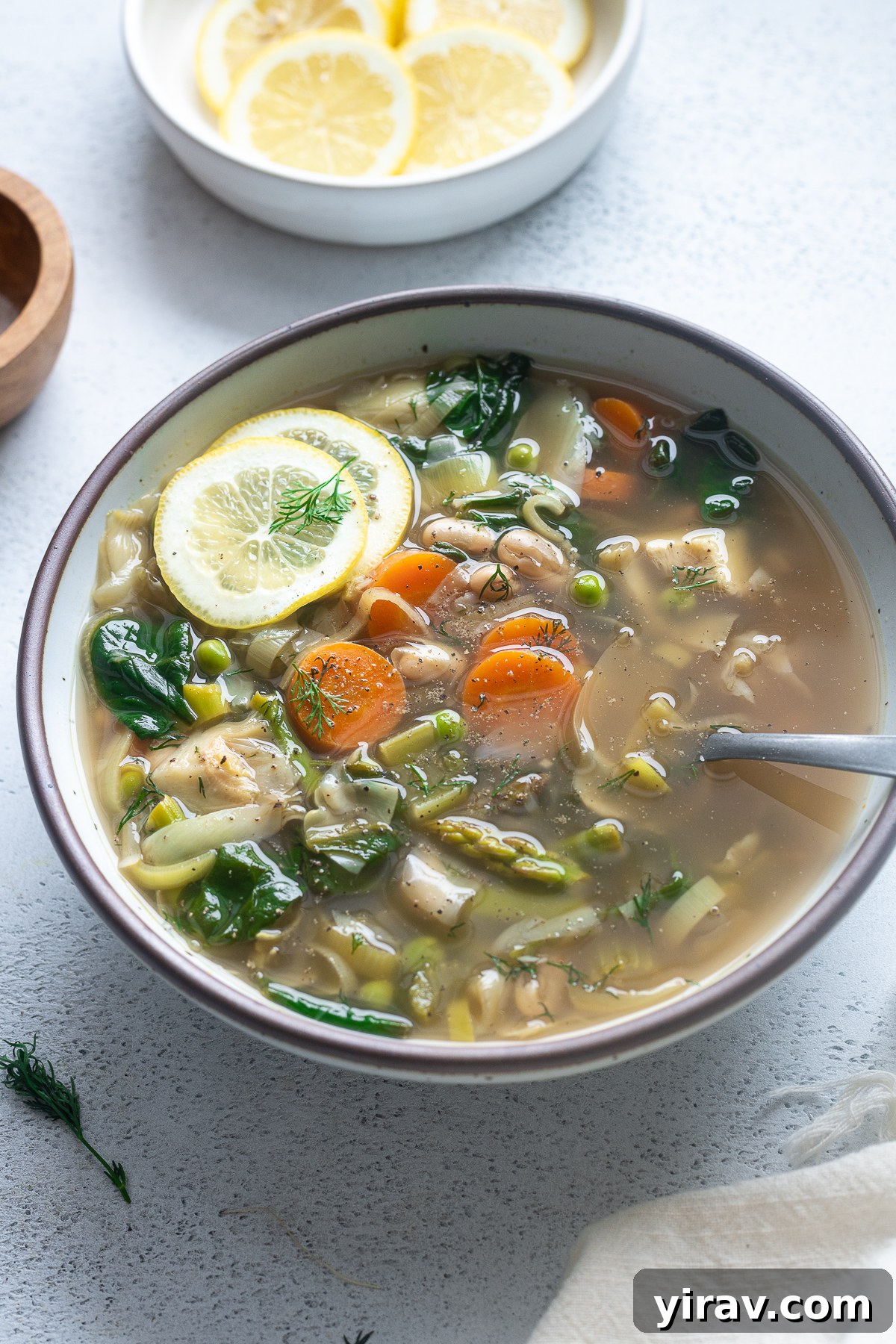
Spring Vegetable Soup Recipe
Get the Recipe
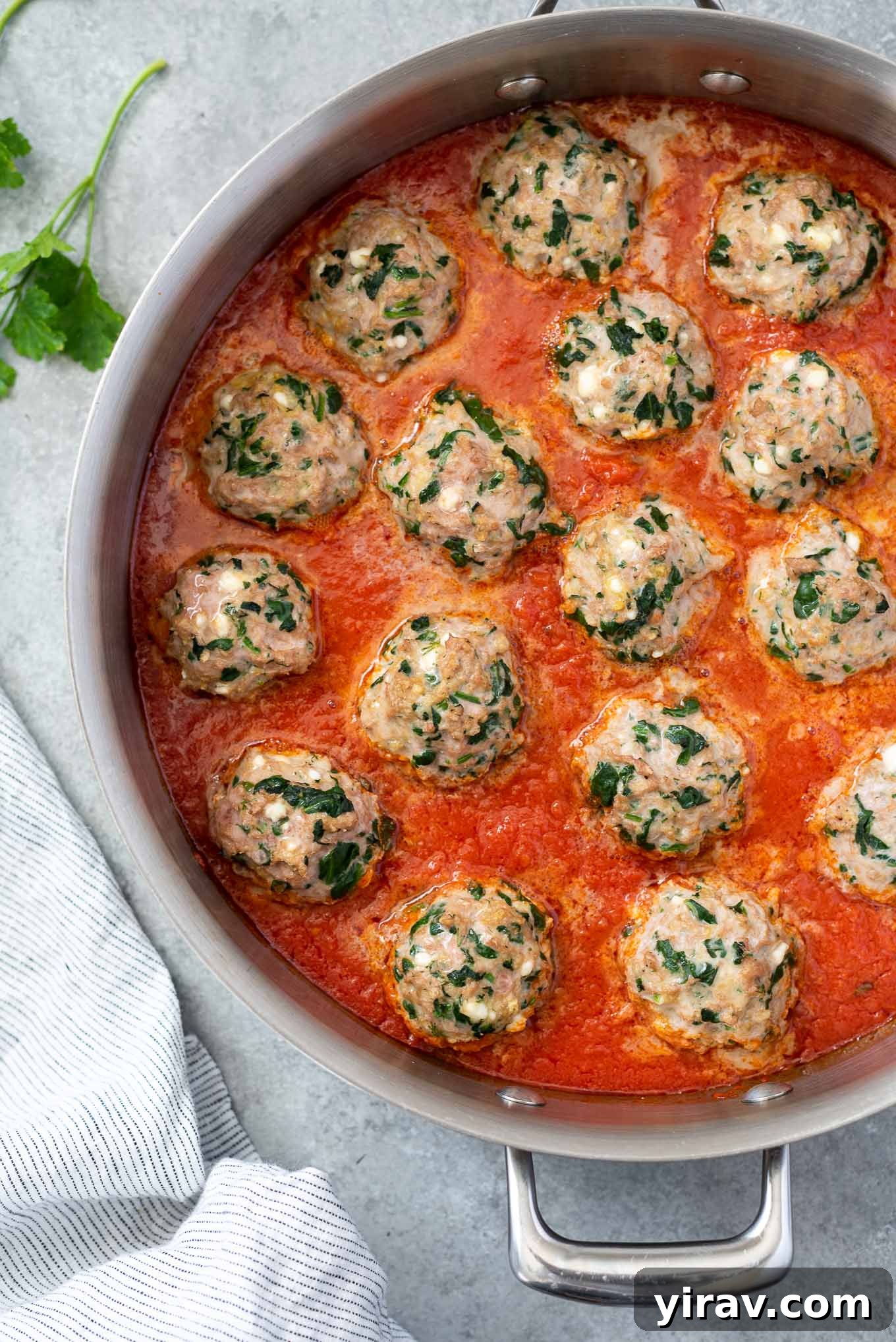
Spinach Feta Baked Turkey Meatballs
Get the Recipe
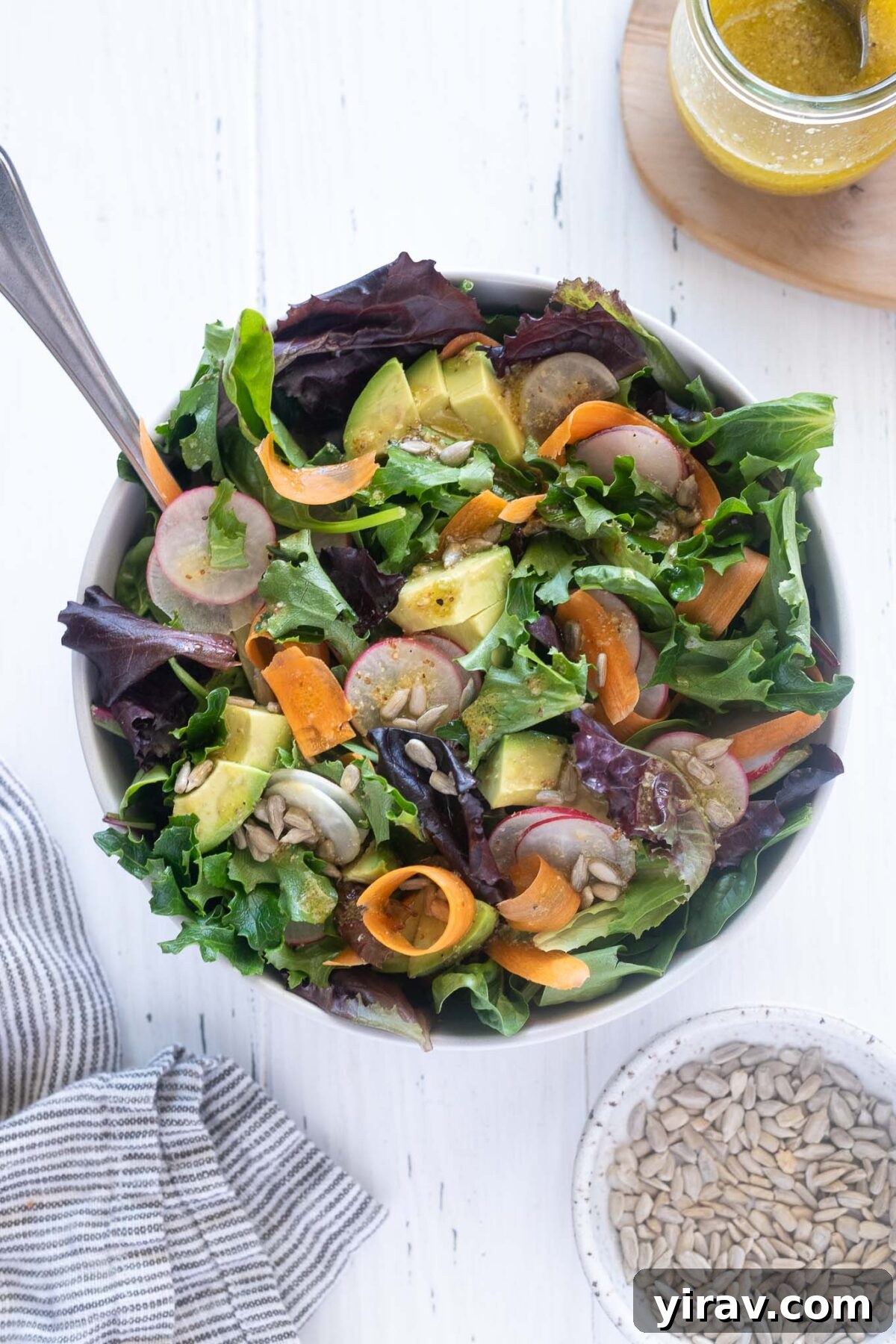
Spring Mix Salad Recipe
Get the Recipe
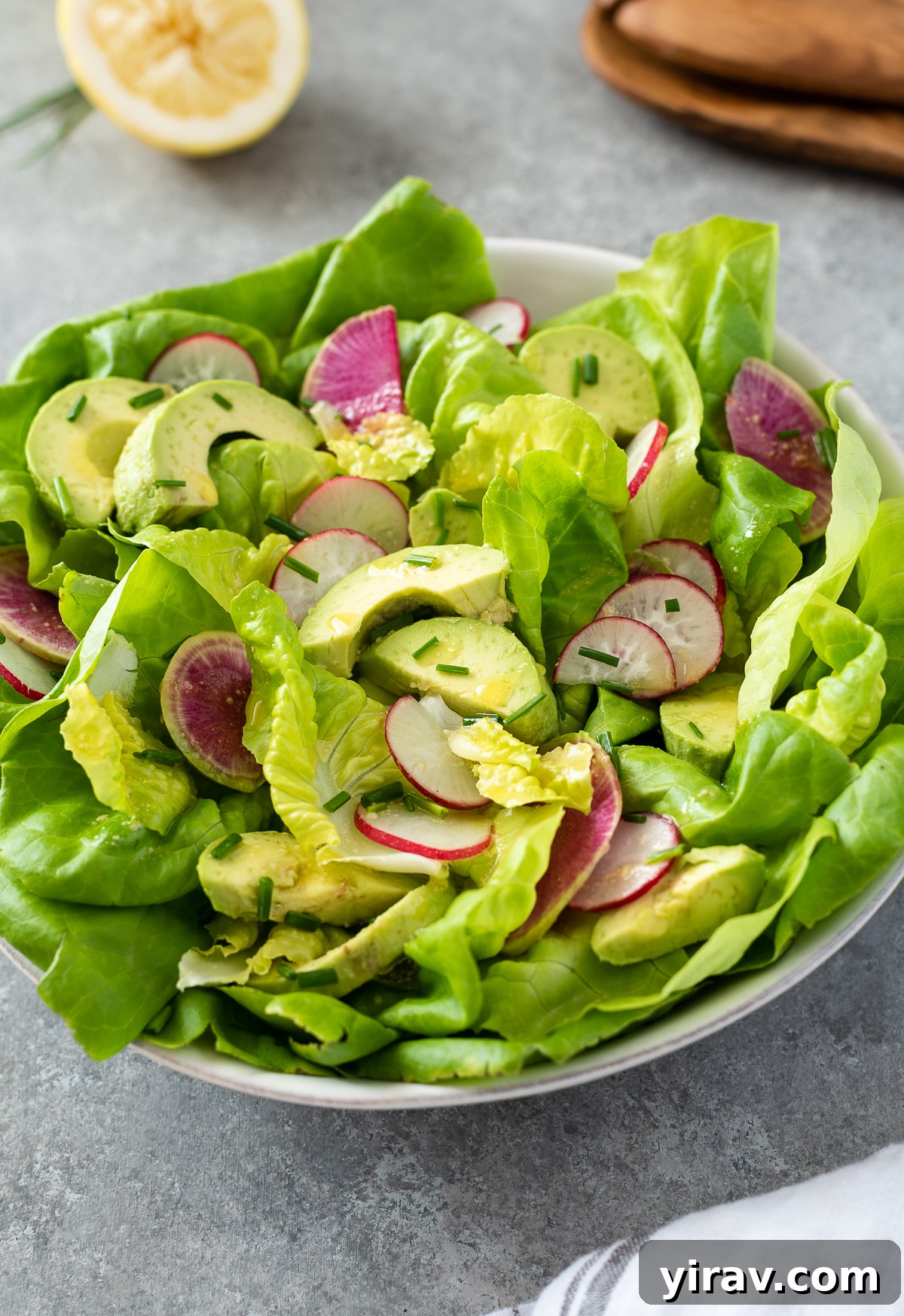
Butter Lettuce Salad with Avocado
Get the Recipe

Spinach Frittata Recipe
Get the Recipe
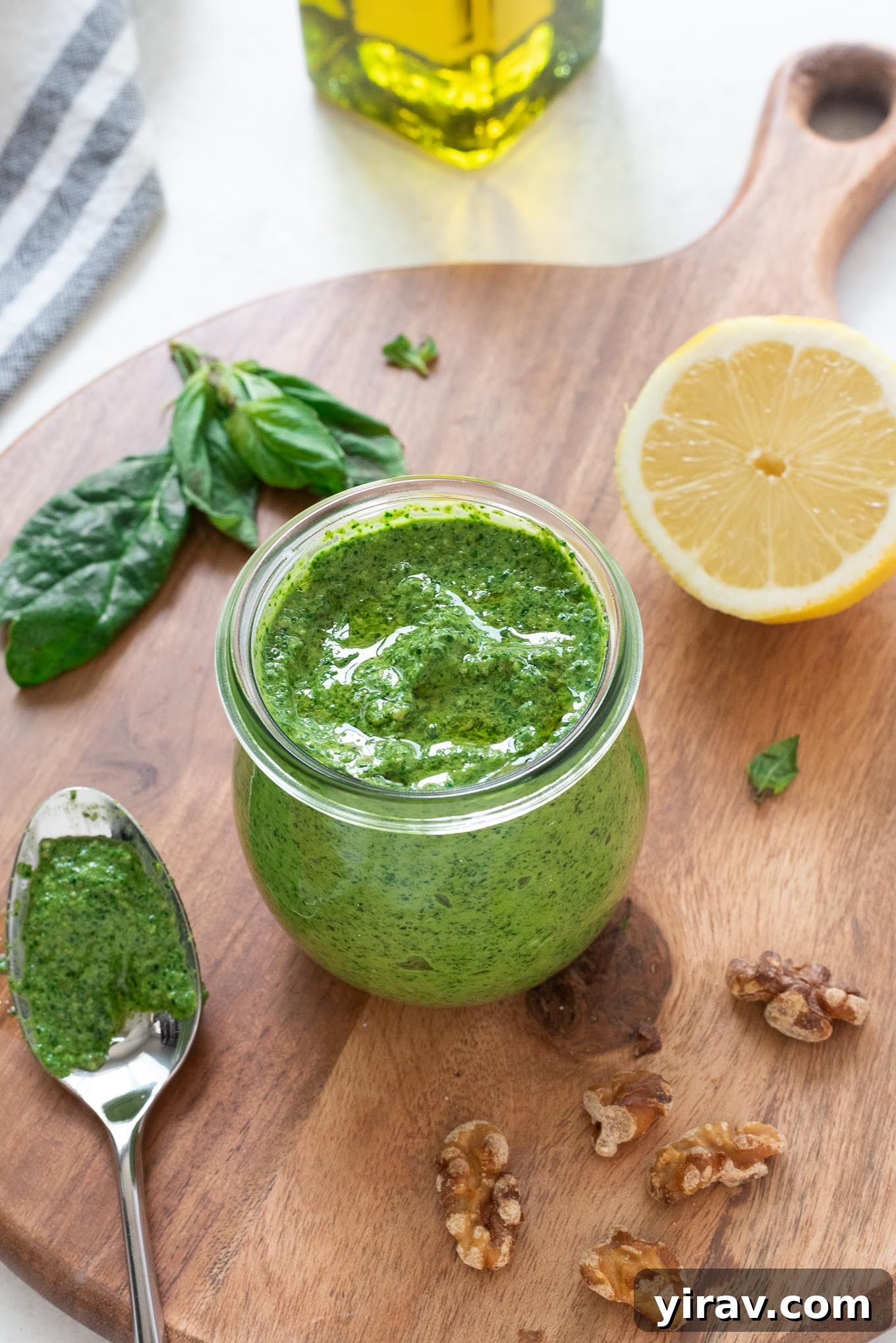
Spinach Pesto Recipe
Get the Recipe
Other Vegetable Recipes
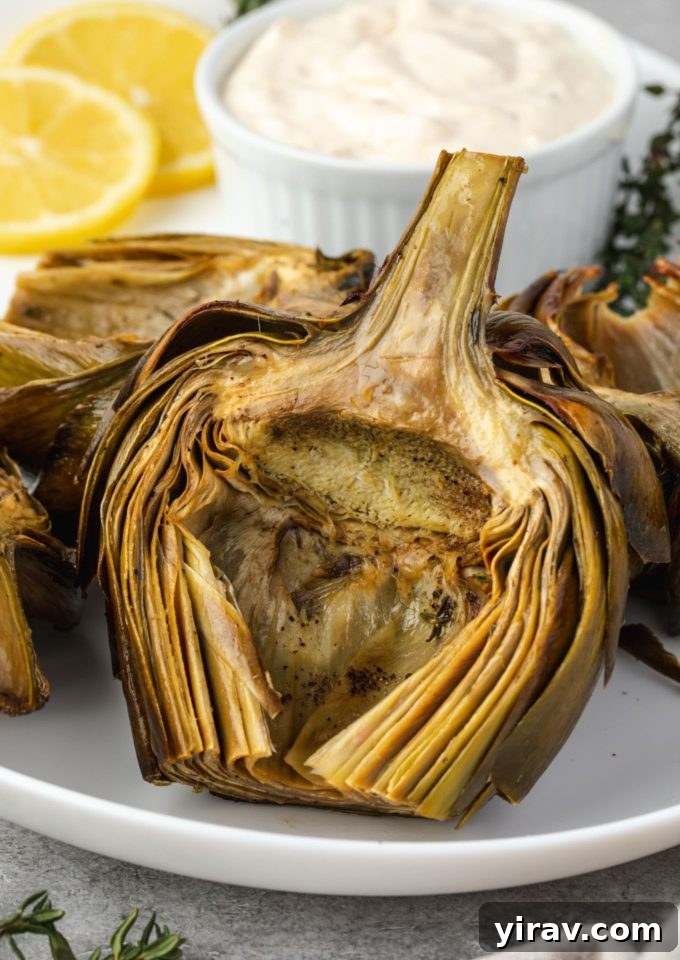
Easy Roasted Artichokes
Get the Recipe

Hot Artichoke Dip Recipe
Get the Recipe
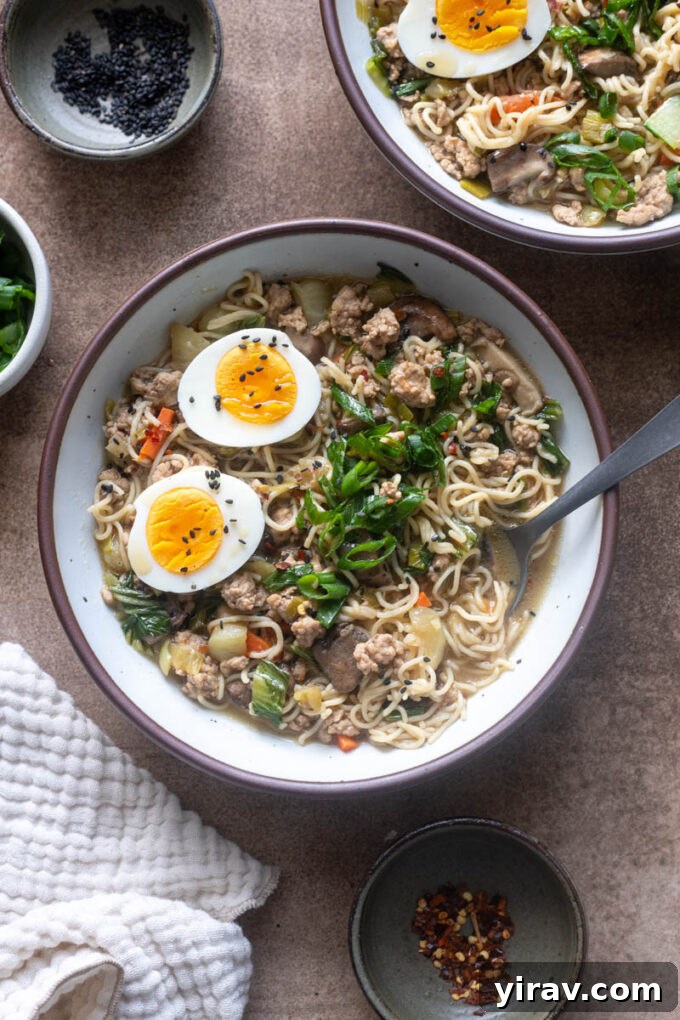
Ground Pork Ramen
Get the Recipe
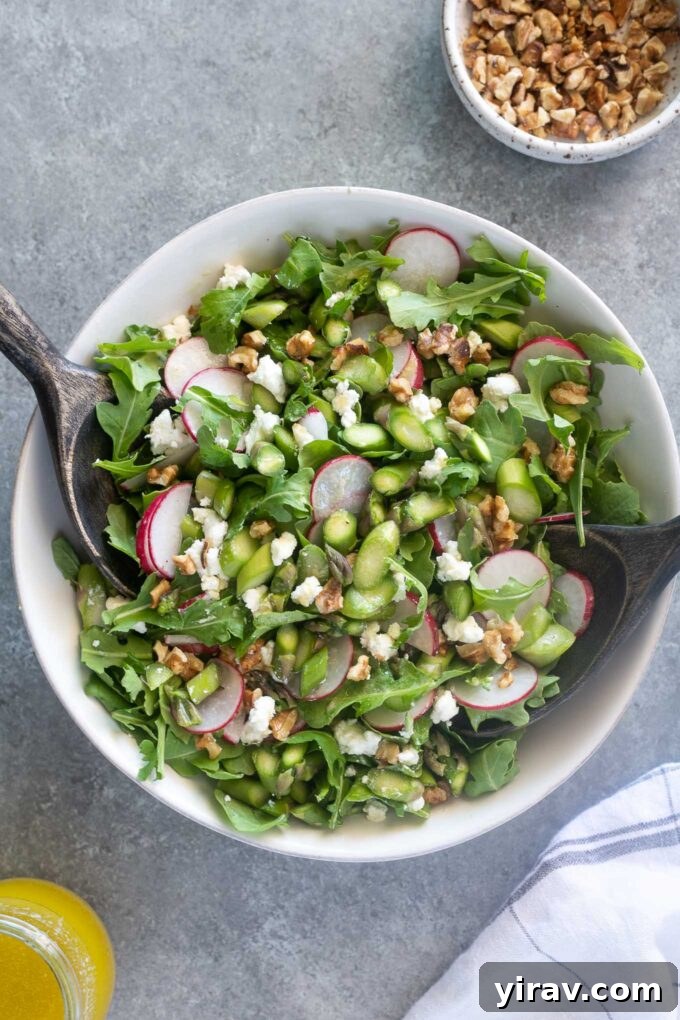
Asparagus Salad Recipe
Get the Recipe
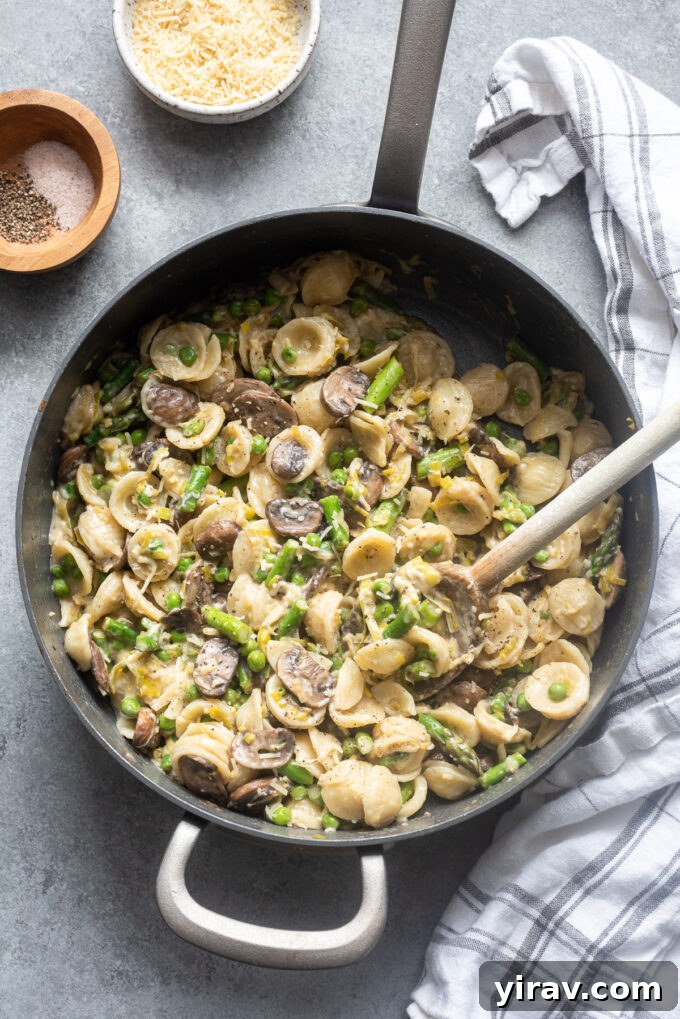
One Pot Spring Pasta Primavera
Get the Recipe
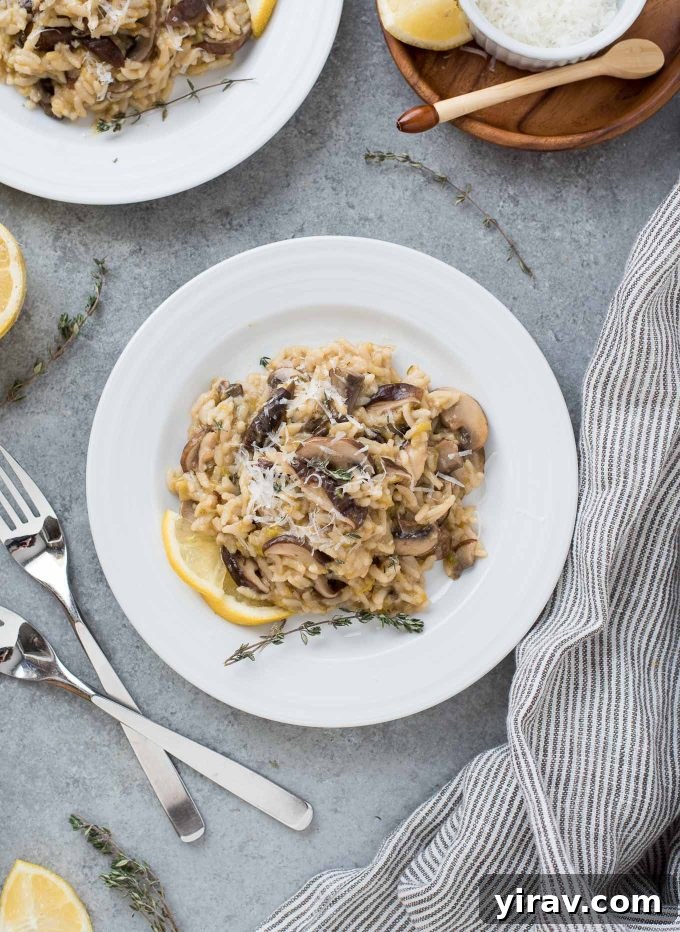
Instant Pot Mushroom Risotto
Get the Recipe
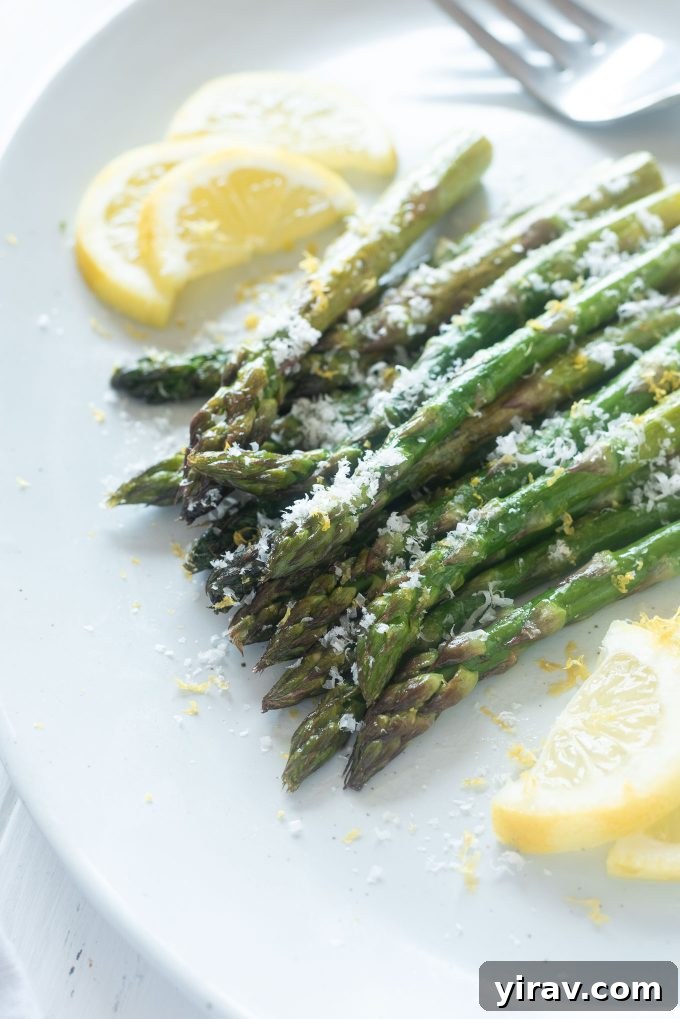
Oven Roasted Asparagus with Lemon and Parmesan
Get the Recipe
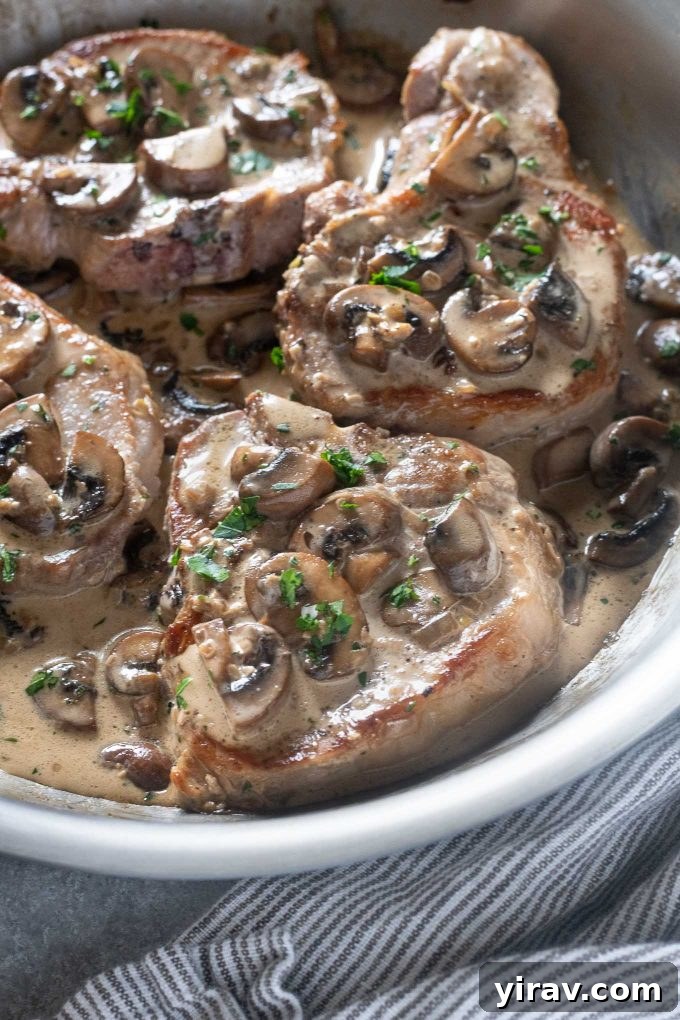
Pork Chops with Creamy Mushroom Sauce
Get the Recipe
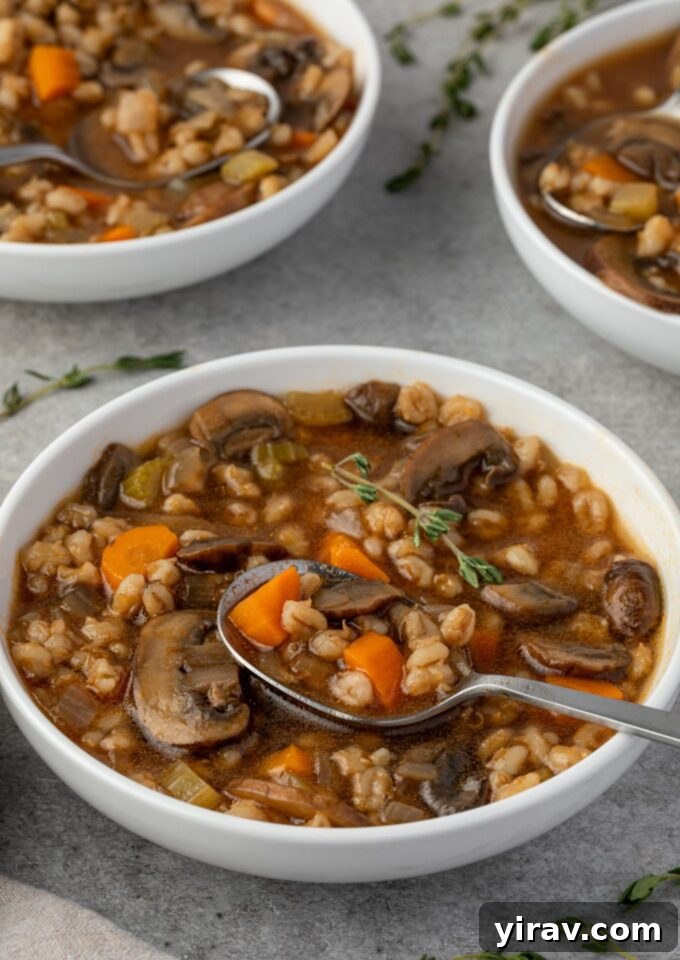
Mushroom Barley Soup
Get the Recipe
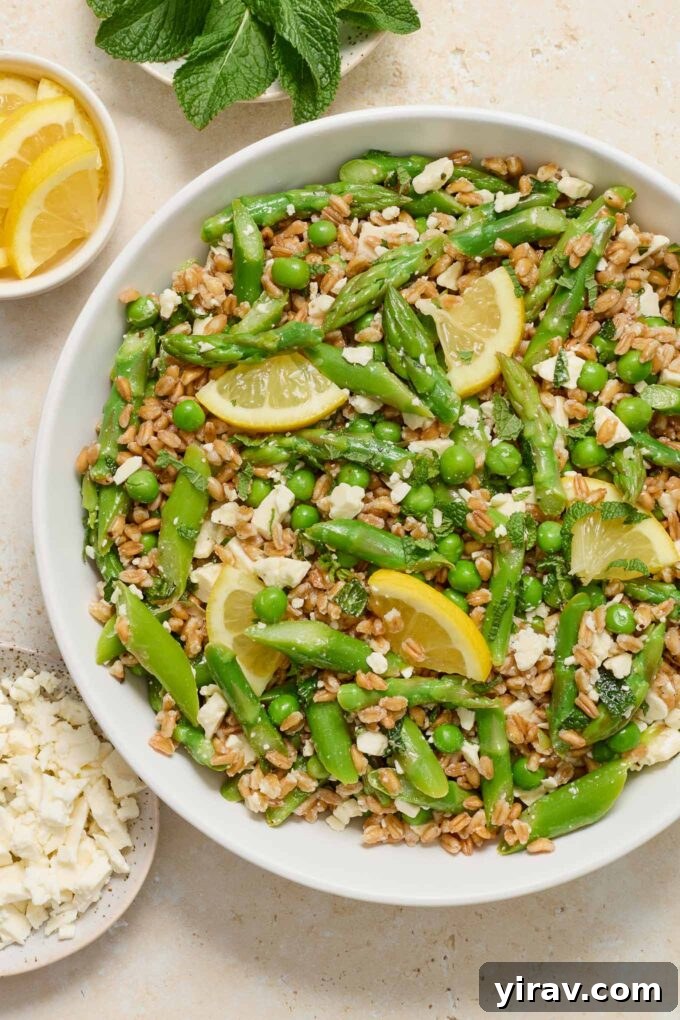
Spring Farro Salad with Feta
Get the Recipe
Fruit and Citrus Recipes

Lemon Pudding Cake
Get the Recipe
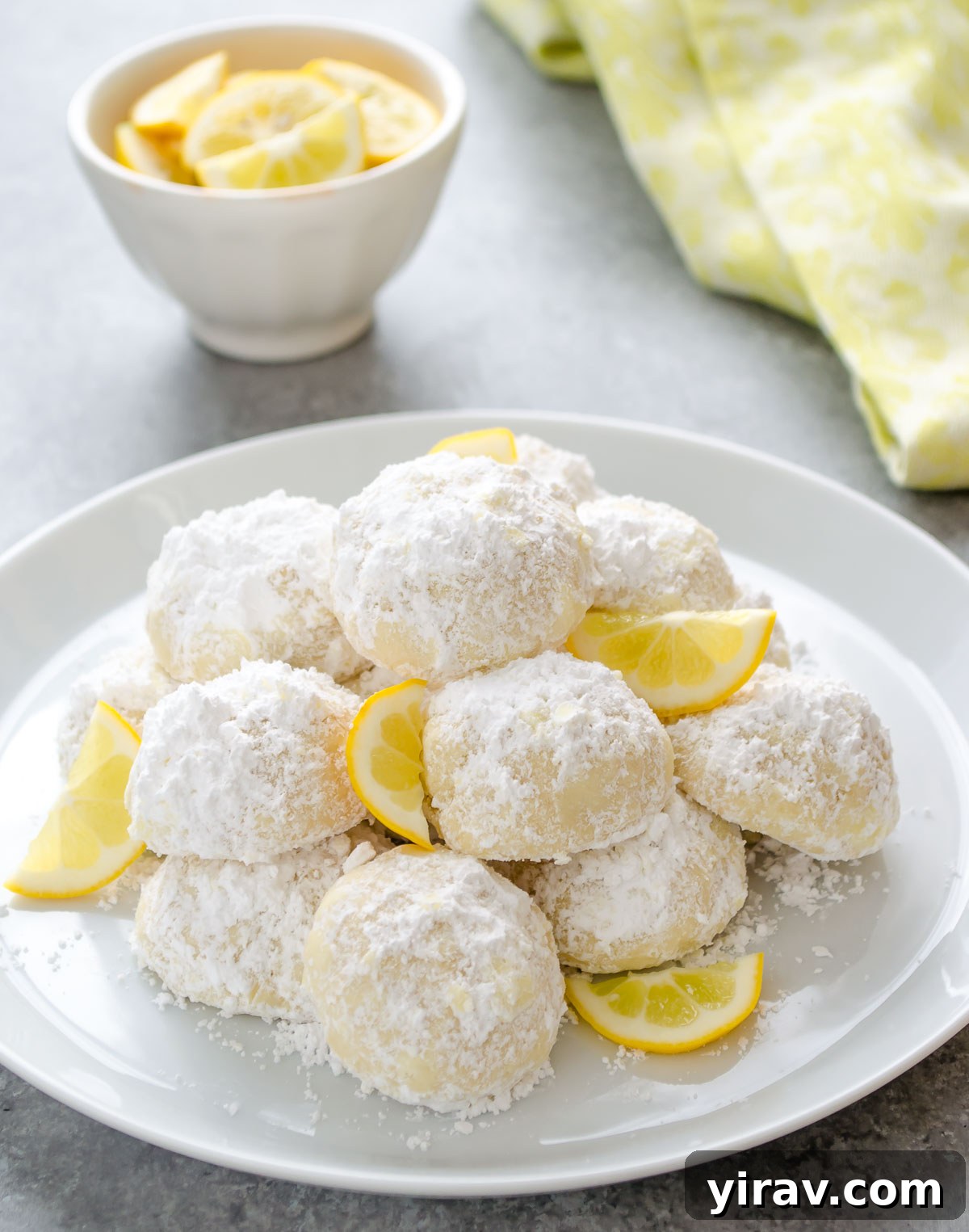
Meyer Lemon Greek Butter Cookies (Kourabiedes)
Get the Recipe
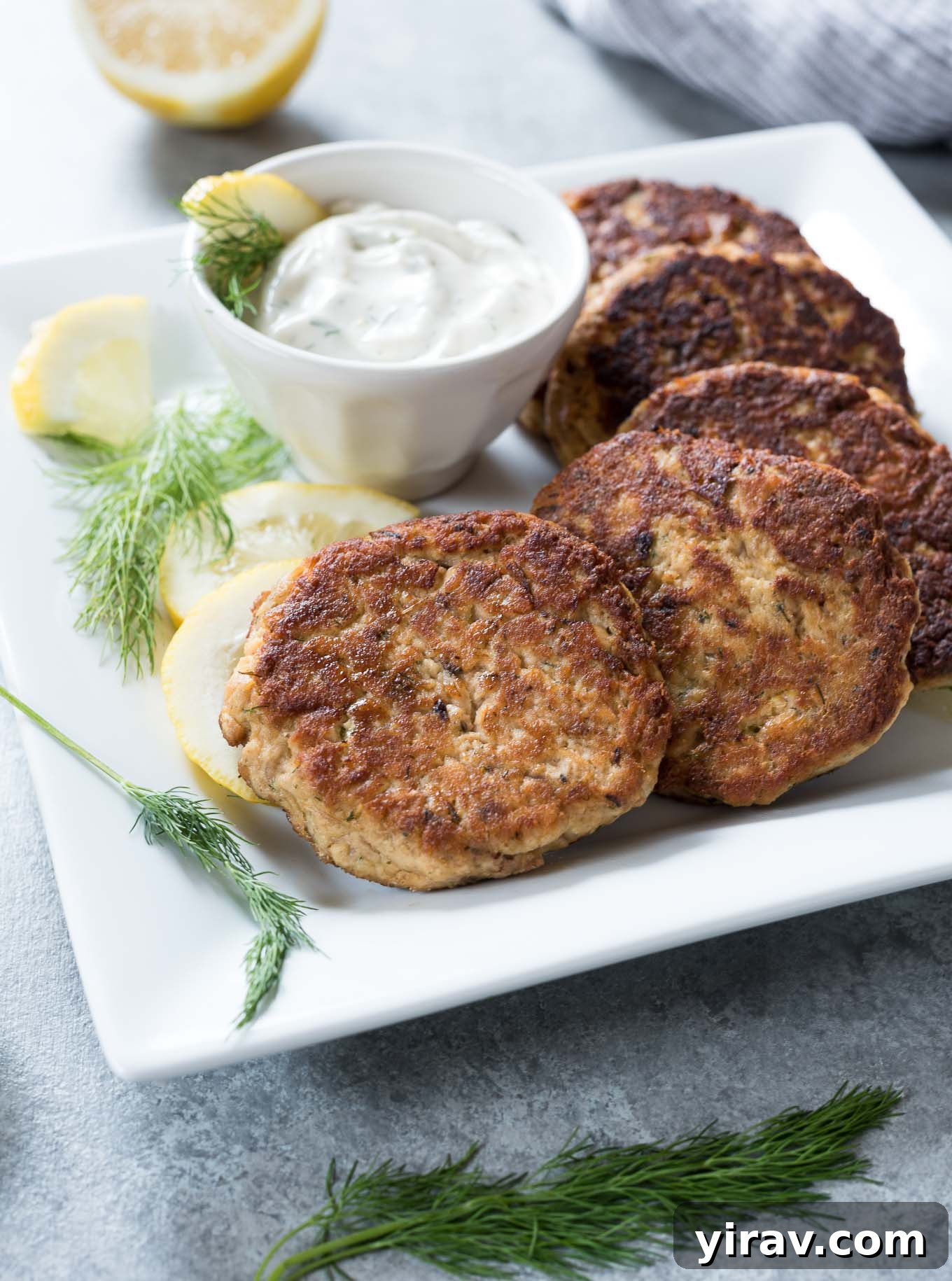
Crispy Salmon Patties with Lemon Dill Sauce
Get the Recipe

Key Lime Cheesecake Bars
Get the Recipe
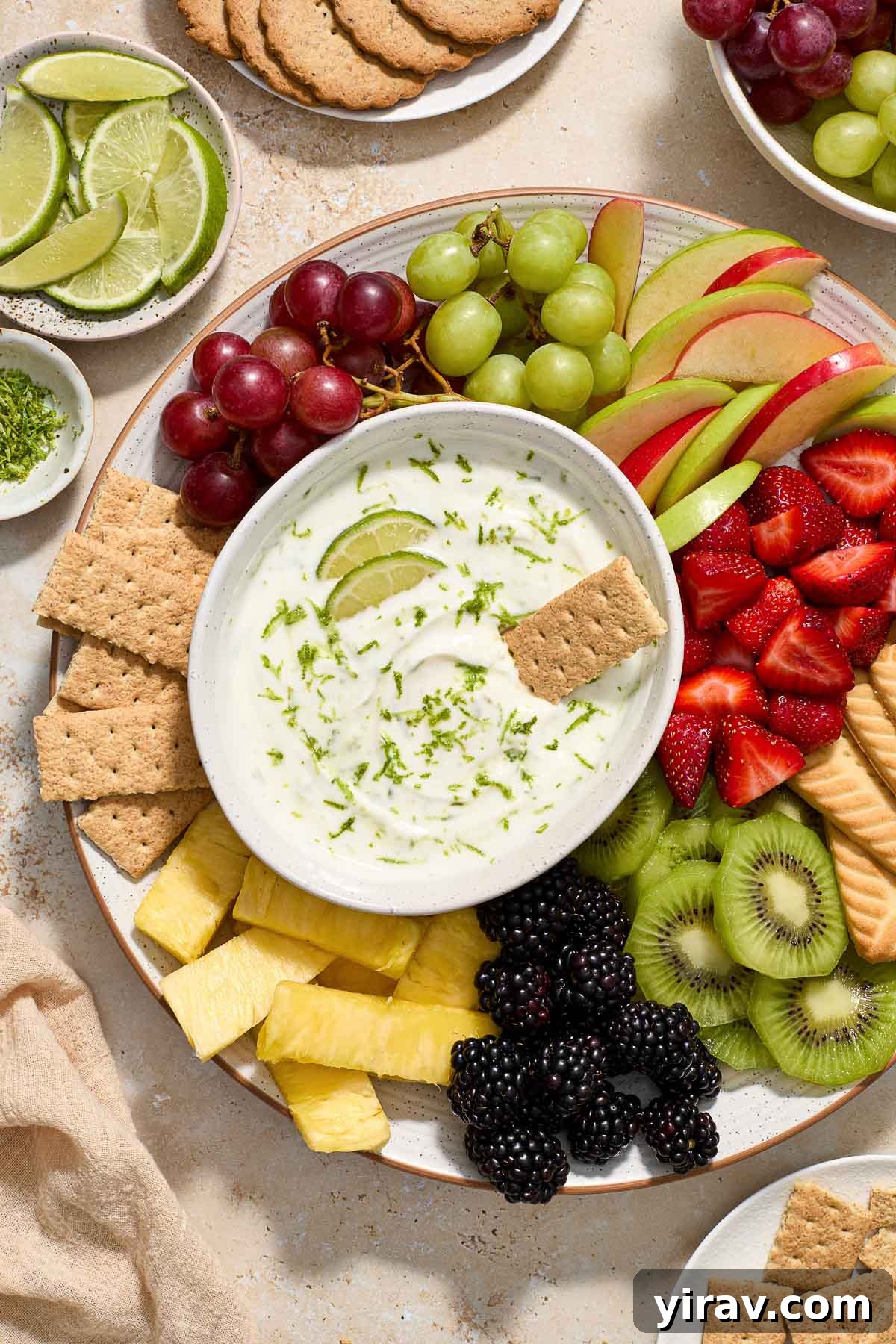
Key Lime Yogurt Fruit Dip
Get the Recipe

Chili Lime Grilled Shrimp Skewers
Get the Recipe
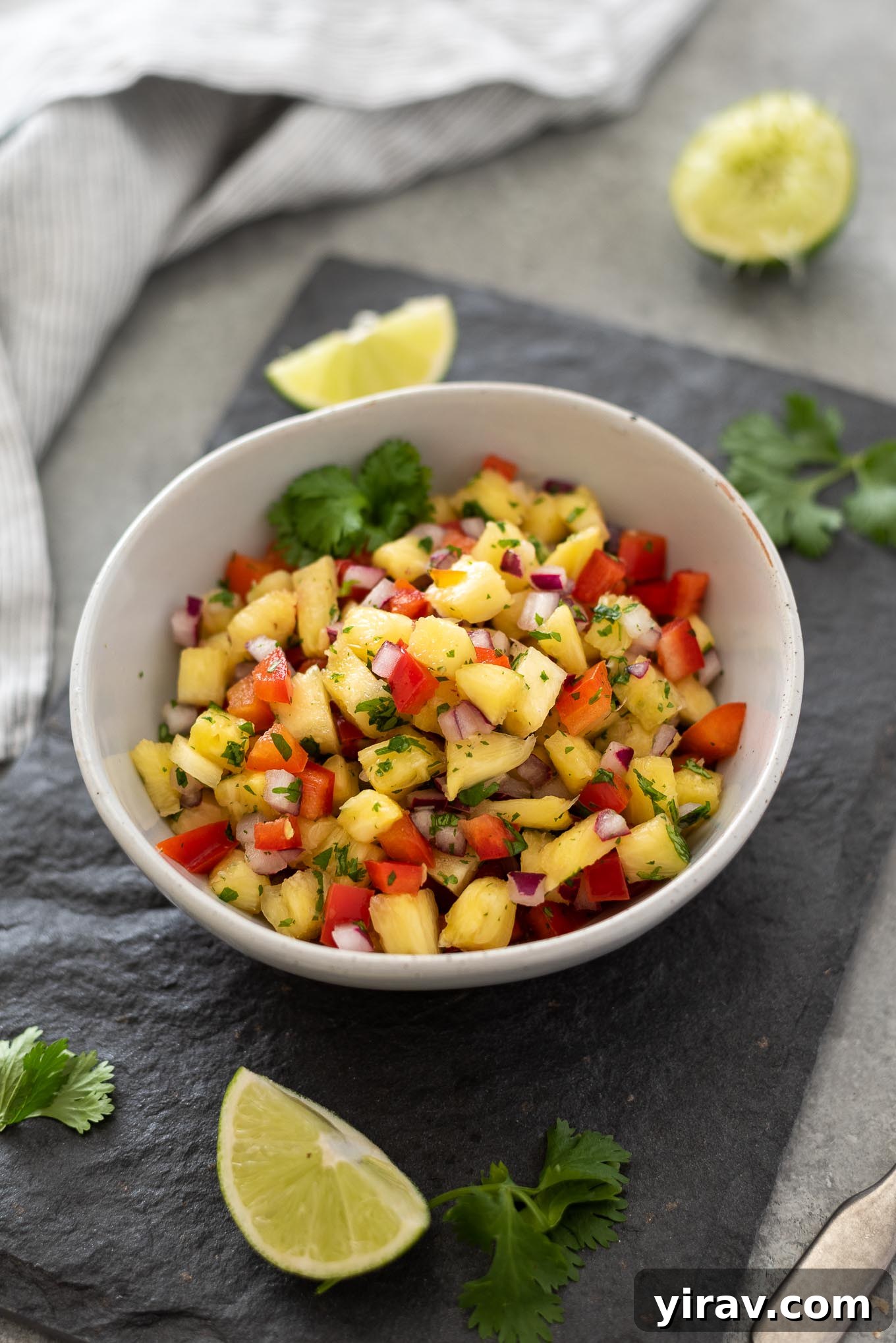
Pineapple Salsa Recipe
Get the Recipe

Tropical Smoothie Recipe
Get the Recipe
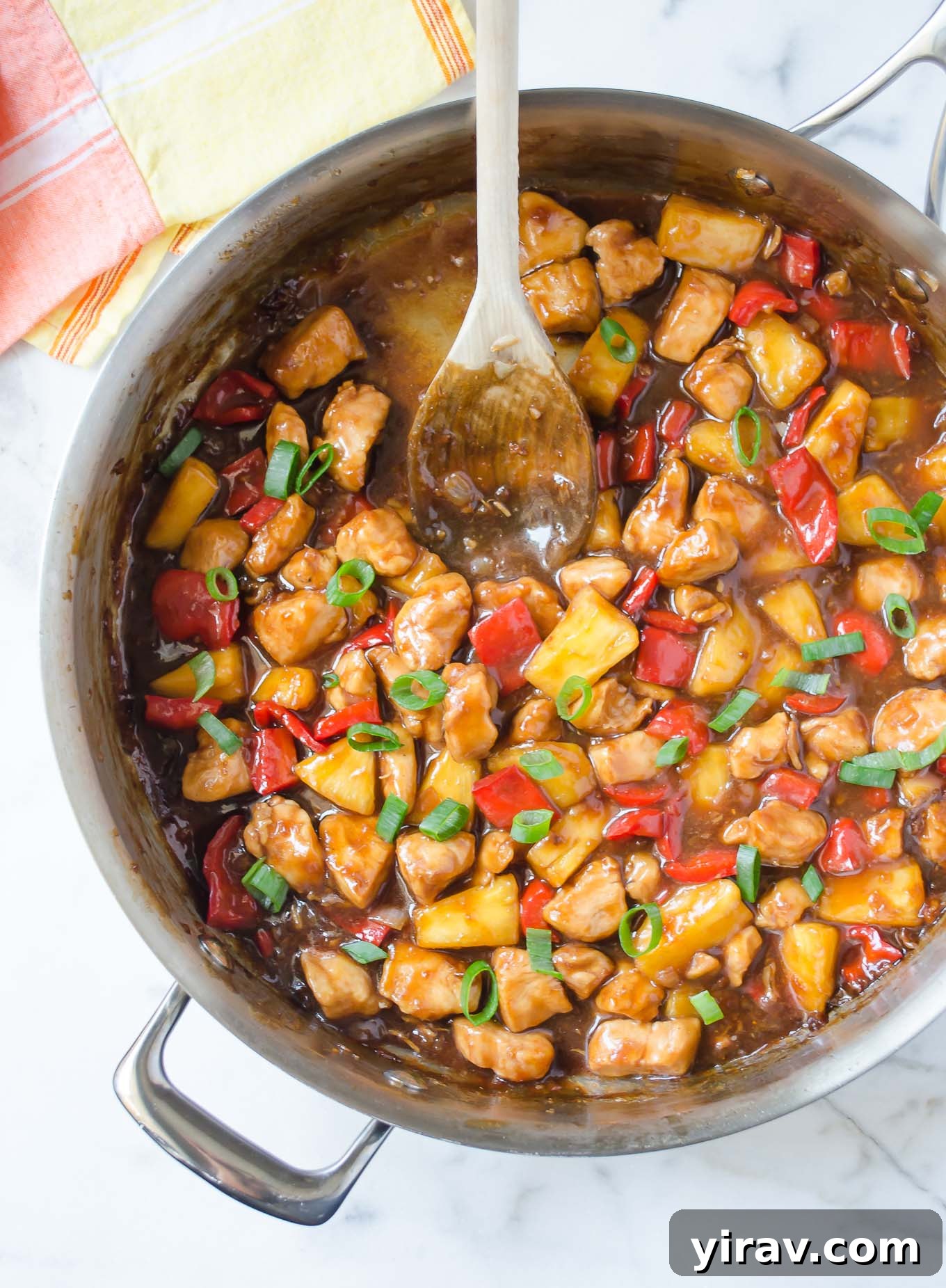
Pineapple Teriyaki Chicken
Get the Recipe

Strawberry Lemon Drop Martini
Get the Recipe
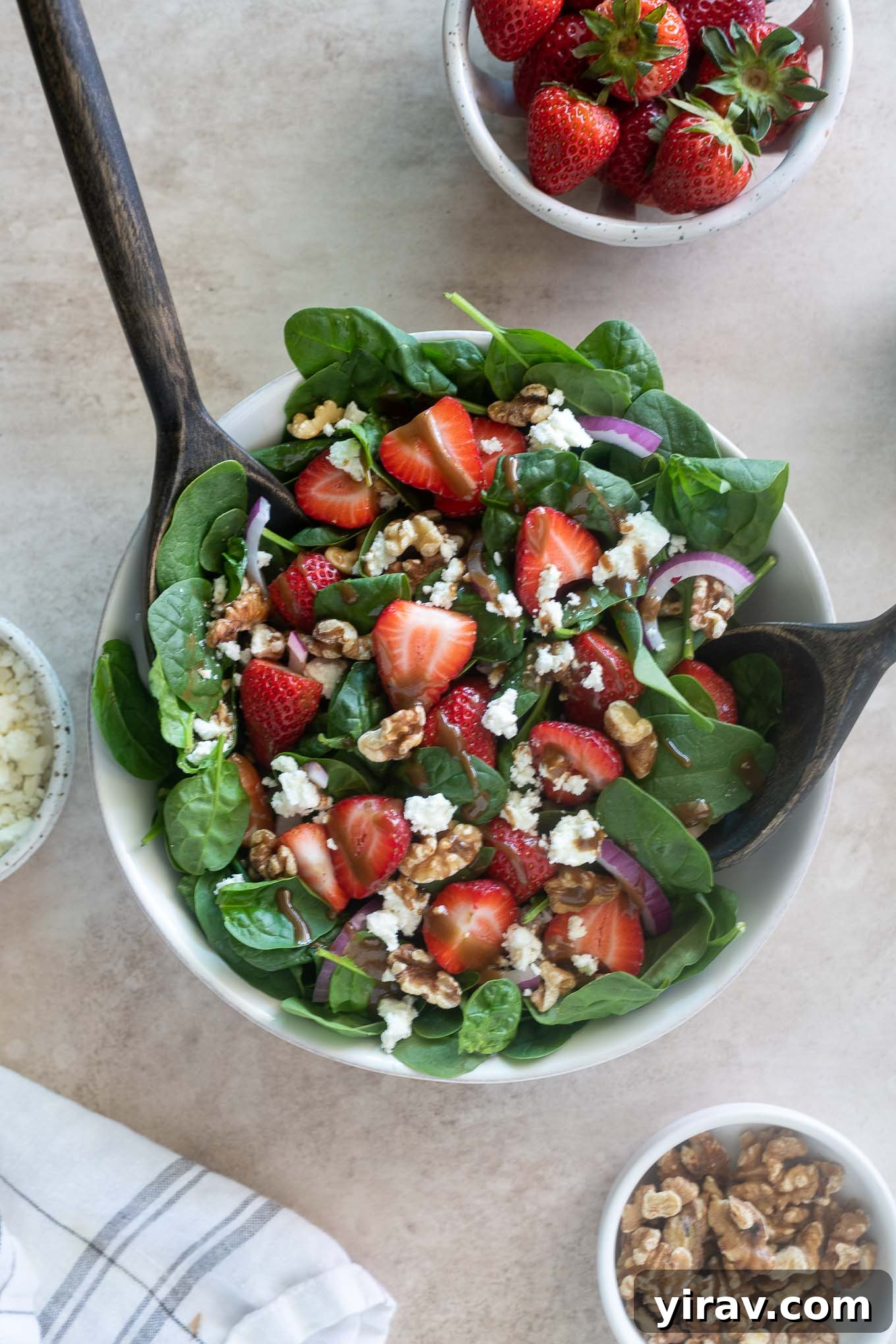
Strawberry Spinach Salad Recipe
Get the Recipe

Strawberry Rhubarb Pie
Get the Recipe

Cherry Clafoutis Recipe
Get the Recipe
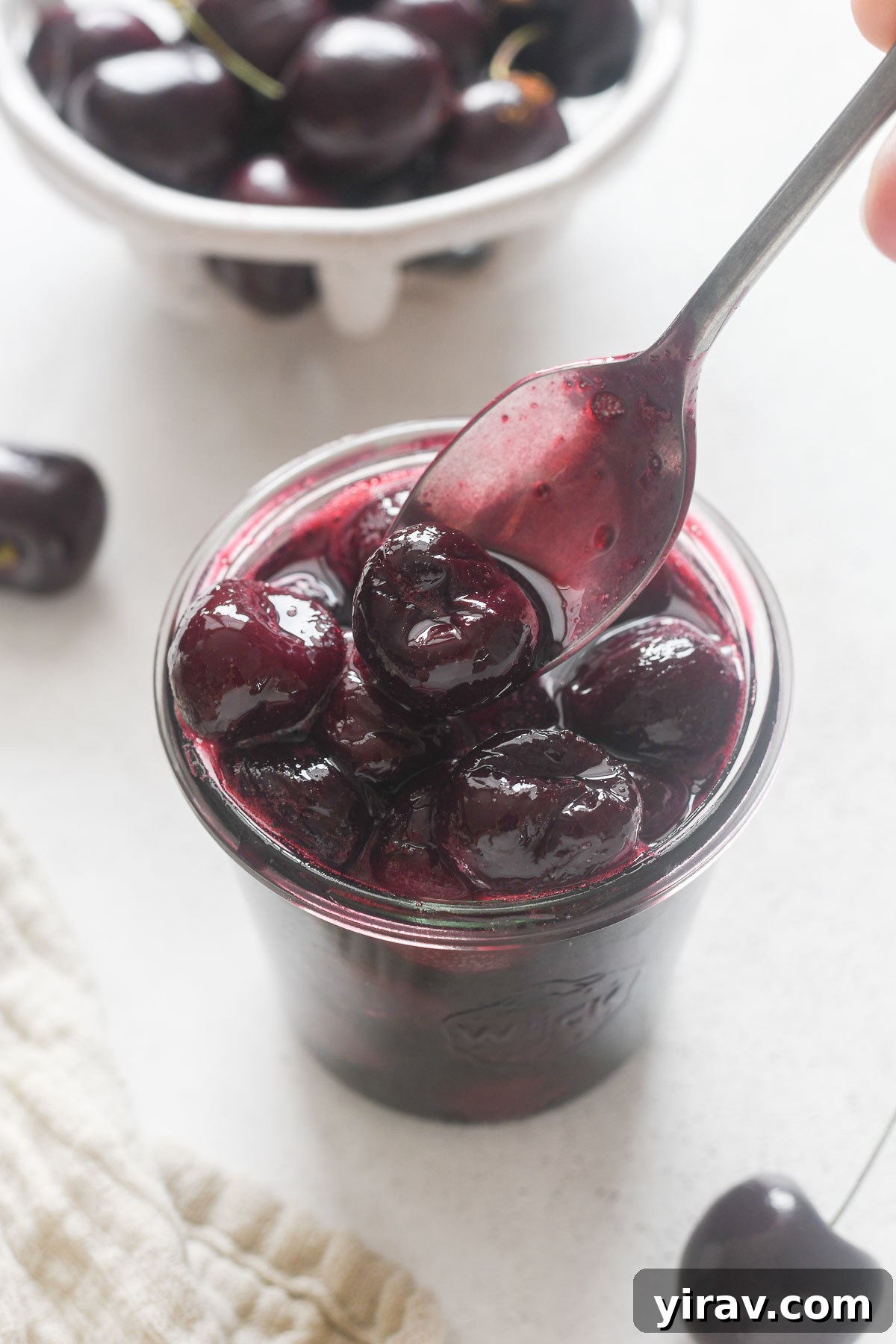
Cherry Compote
Get the Recipe

Cherry Almond Cake
Get the Recipe