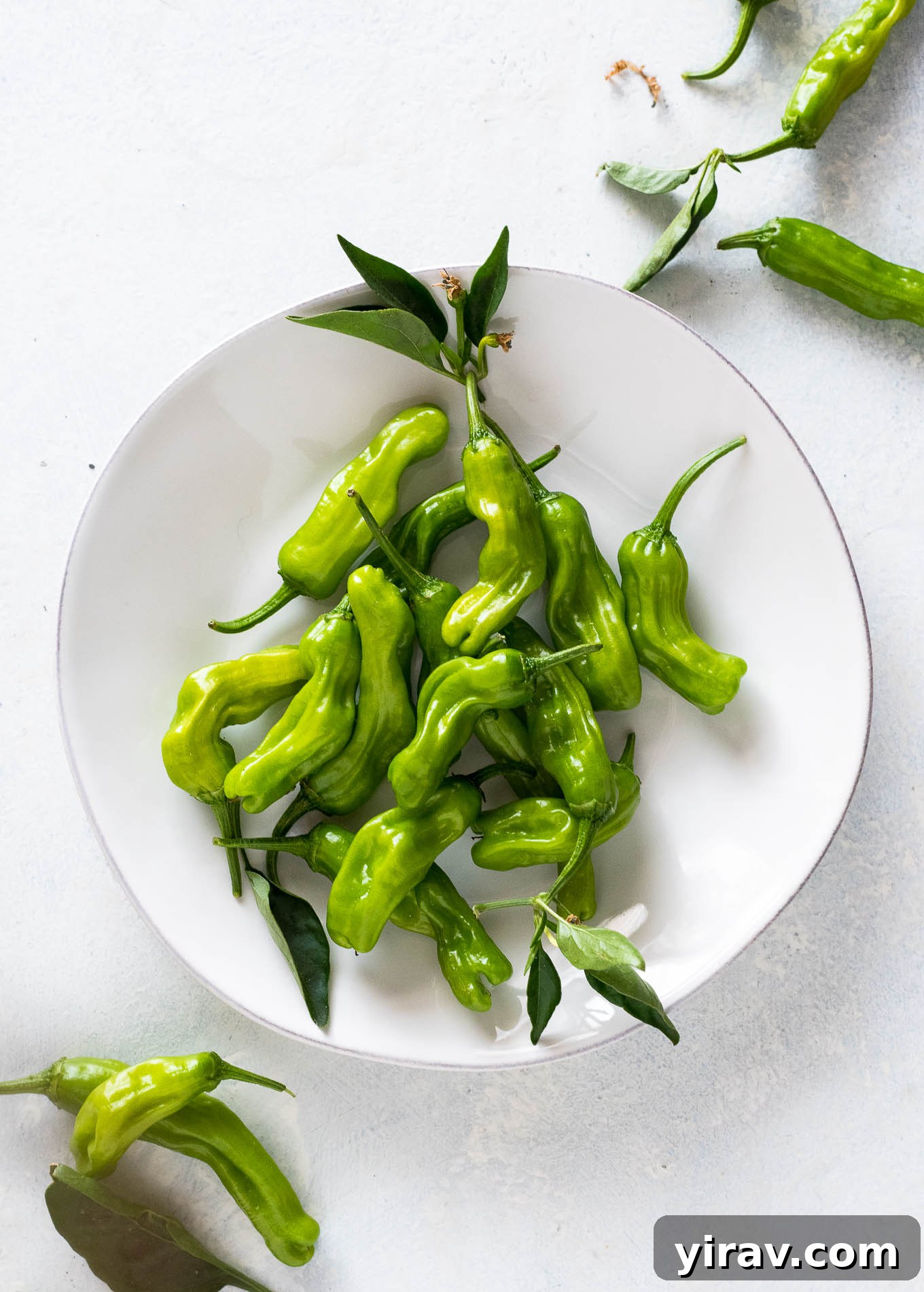
Step into the vibrant world of shishito peppers with this ultimate guide! Often found gracing the menus of trendy restaurants and farmers’ market stalls, these delightful, finger-sized peppers are rapidly gaining popularity for their unique flavor and versatility. If you’re looking to explore new culinary horizons or simply elevate your snacking game, shishitos are an absolute must-try. In this comprehensive resource, we’ll delve into everything you need to know about these Japanese culinary gems – from their intriguing origins and distinct characteristics to their impressive nutritional benefits, tips on how to grow them in your own garden, and essential advice for choosing, storing, and preparing them. Plus, get ready to ignite your kitchen with a collection of 17 of the best shishito pepper recipes!
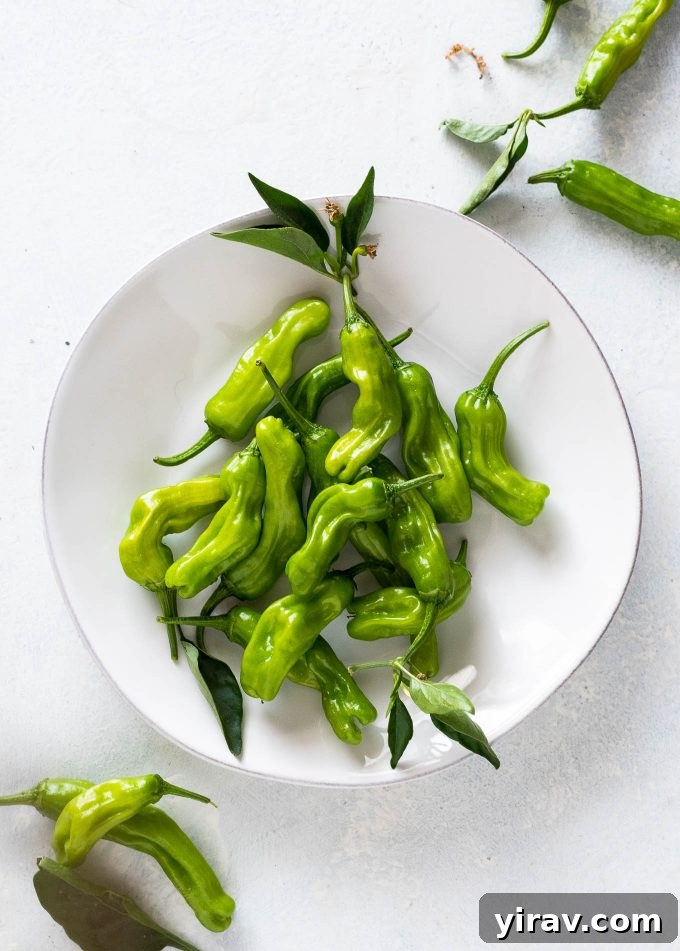
As summer gently transitions into fall, I find myself savoring every last bit of fresh produce from my garden. The plants are still bountiful, though yielding slightly smaller quantities than their peak a few weeks ago. Among all the delightful harvests, shishito peppers are undoubtedly what I will miss the most once the season fully turns. My shishito plant has been incredibly prolific this year, and I simply cannot get enough of these delicious, mildly sweet peppers!
If you’re already a fan, or if you’re about to become one, you’ll be thrilled to find an amazing collection of shishito pepper recipes waiting for you at the end of this post. But first, let’s explore what makes these peppers so special.
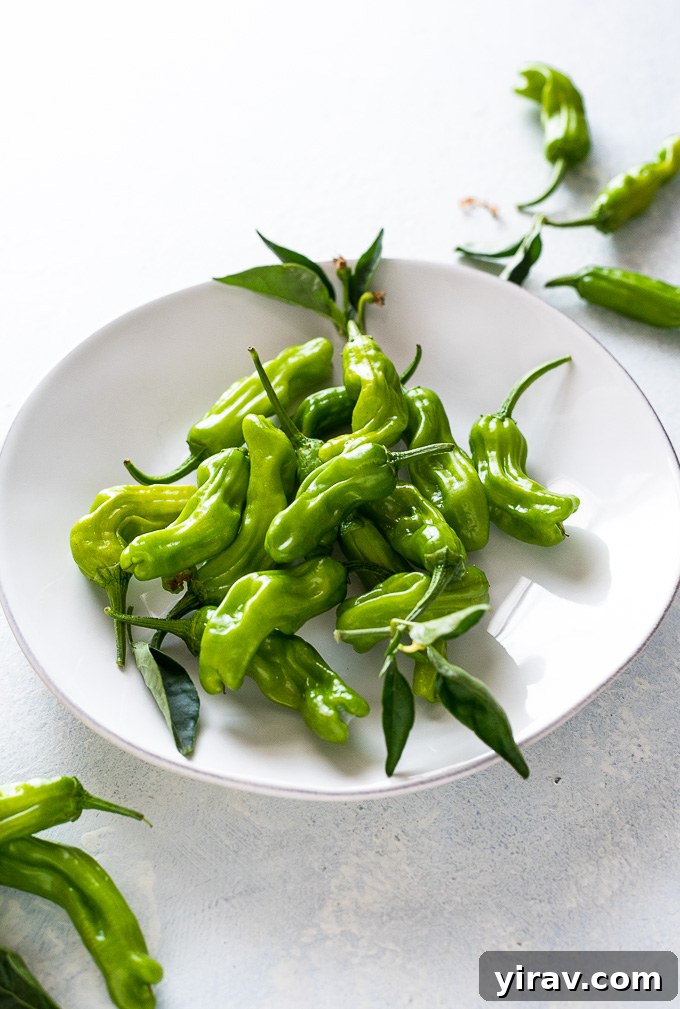
Unveiling the Shishito Pepper: Origins, Flavor & Characteristics
Shishito peppers are a distinctive variety of Japanese chili pepper, known for their slender, wrinkled appearance and relatively mild flavor. The name “shishito” itself offers a fascinating hint at their form; it’s an abbreviation of “shishi,” a Japanese word referring to a lion. The tip of the pepper is thought to resemble the head of a lion, giving this delightful vegetable its unique moniker.
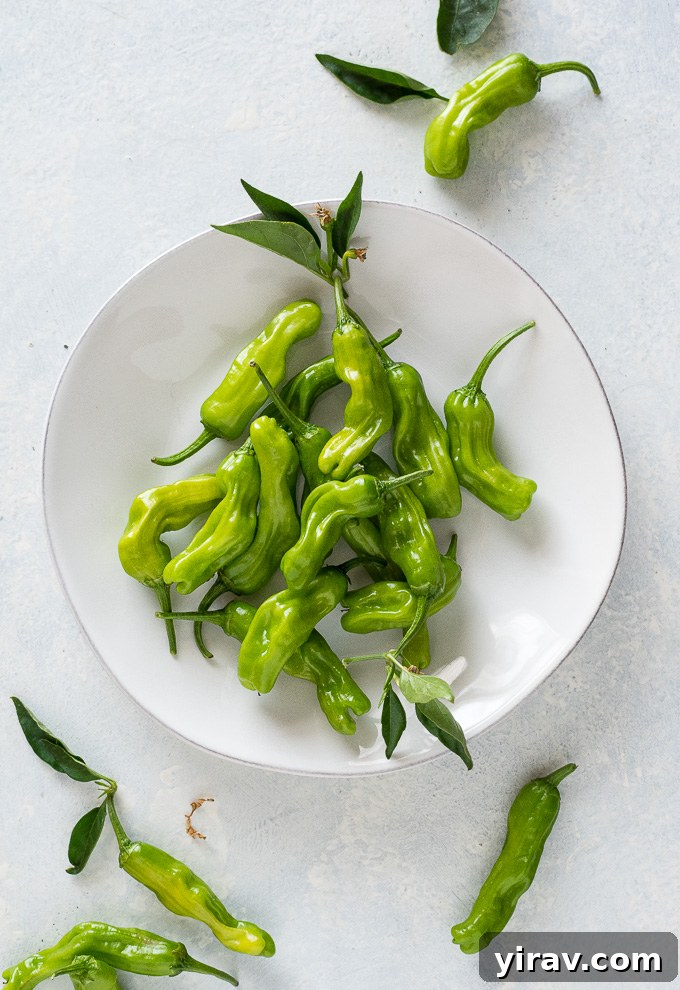
Historically, shishito peppers have been a popular snack in Japanese culture, often enjoyed simply blistered and seasoned. In recent years, their appeal has spread globally, making them a staple in many American restaurants and a common sight at local farmers’ markets. These peppers typically measure about 2-3 inches in length, are slender, and possess thin, delicate walls, contributing to their quick cooking time and tender texture. While most commonly harvested when they are a vibrant, bright green, shishitos will mature into a brilliant red if left on the plant to ripen further, developing a slightly sweeter, richer flavor.
Are Shishito Peppers Spicy? The Exciting “Pepper Roulette”
One of the most intriguing aspects of shishito peppers is their unpredictable heat level, often referred to as “shishito pepper roulette.” While the vast majority (about nine out of ten) offer a wonderfully mild, sweet, and slightly smoky flavor (especially when blistered), you’ll occasionally encounter one that packs a surprising punch of heat. This variability can be attributed to various environmental factors, such as sunlight exposure, water stress, and nutrient levels during their growth.
This “one in ten” spicy surprise is part of the fun for many enthusiasts. However, if you’re particularly sensitive to heat, a small taste test before devouring an entire pepper might be a wise precaution. The heat, though sudden, is typically not overwhelming, falling very low on the Scoville scale compared to other chili peppers, making them enjoyable for most palates.
When Are Shishito Peppers in Season and Where to Find Them?
While shishito peppers can be found year-round in some specialty grocery stores and Asian markets, their peak season is undeniably during the warmer months of summer and early fall. This is when they are most abundant, flavorful, and often more affordable. During peak season, you’ll find them fresh and vibrant at local farmers’ markets, often directly from growers. When out of season, you might still locate them in the produce section of larger supermarkets or international food stores, though their freshness and price may vary.
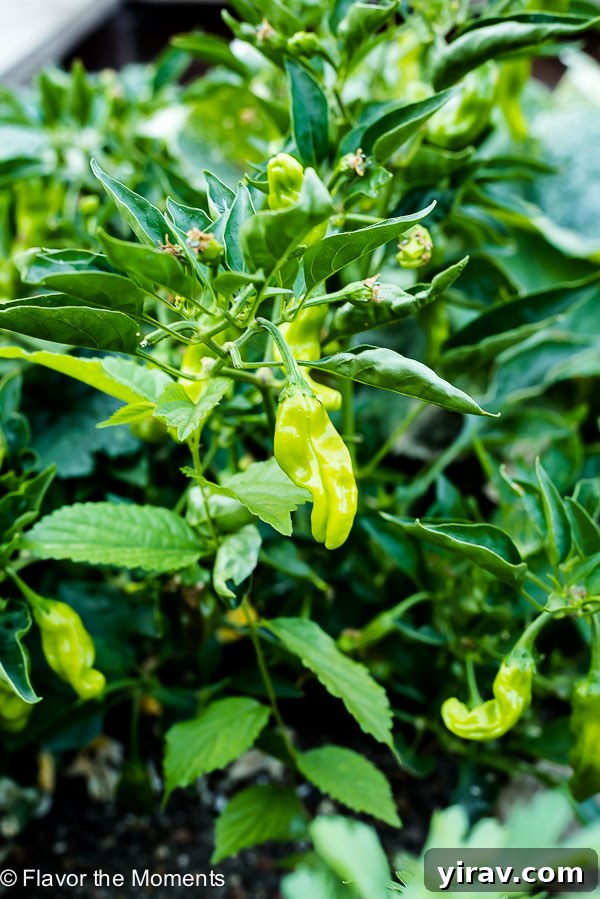
Cultivating Your Own Shishito Peppers: A Gardener’s Guide
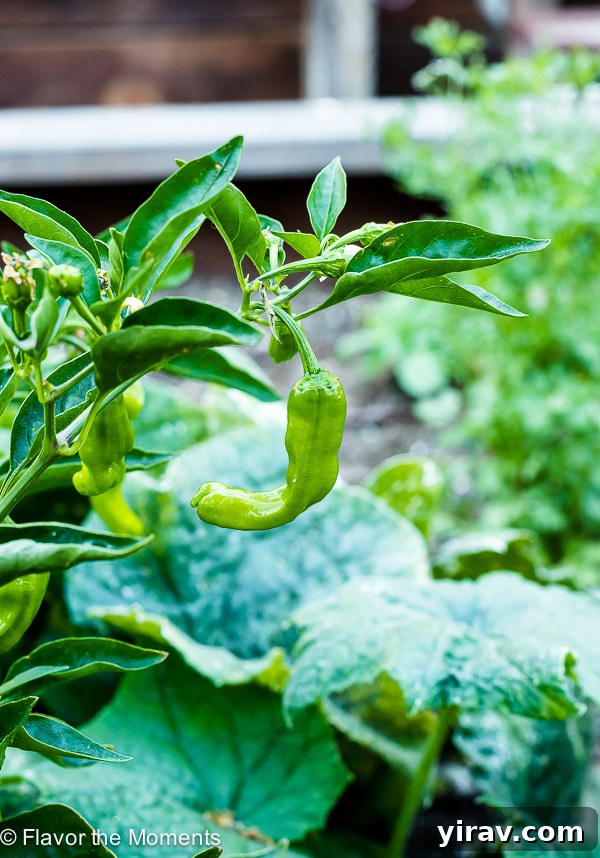
Growing shishito peppers at home is a rewarding experience, even for novice gardeners. My first venture into planting shishito peppers this year in a raised garden bed, bathed in full sunlight, proved incredibly successful. After sowing in May, I was harvesting peppers within a mere 4-6 weeks!
Here’s what I learned and what you need to know for a successful shishito harvest:
- Sunlight: Shishito pepper plants thrive in full sun, requiring at least 6-8 hours of direct sunlight daily.
- Soil: They prefer well-draining, rich soil with a slightly acidic to neutral pH. Incorporating compost or well-rotted manure before planting will provide essential nutrients.
- Watering: Consistent moisture is key. I had a drip system set up to water my garden for 10 minutes every morning, which worked perfectly. Avoid overwatering, which can lead to root rot, but don’t let the soil dry out completely, especially during fruiting.
- Plant Size and Support: My plant grew to approximately 2 feet high and 2 feet wide. Unlike some heavier pepper varieties like jalapeños, shishito peppers are quite light, so the plant rarely becomes top-heavy, usually not requiring staking.
- Pest and Disease: Shishito plants are generally robust. Keep an eye out for common garden pests like aphids, but often, natural predators or a simple neem oil spray can manage them.
- Harvesting: Harvest when the peppers are about 2-4 inches long and bright green. Picking them regularly encourages the plant to produce more. Use pruning shears or a sharp knife to snip the stem just above the pepper to avoid damaging the plant.
My plant was exceptionally productive. I even shared many peppers with friends, as I couldn’t keep up with the abundant harvest, especially with travel plans. Even so, there were plenty left for me! My family isn’t as keen on chili peppers, so I ended up enjoying the bulk of them myself. And I’m certainly not complaining—I can easily devour half a pound in one sitting; they’re truly that addictive!
Shishito Peppers: A Nutritional Powerhouse
Beyond their delightful taste and culinary versatility, shishito peppers also boast an impressive nutritional profile, making them a healthy addition to any diet. They are incredibly low in calories and carbohydrates and contain virtually no fat, making them an excellent choice for light and healthy eating.
Shishitos are particularly rich in essential vitamins, notably Vitamin A and Vitamin C. Vitamin A is crucial for maintaining healthy vision, immune function, and skin health, while Vitamin C is a powerful antioxidant known for boosting immunity, aiding in collagen production, and fighting off free radicals that contribute to cellular damage and aging. Furthermore, these peppers are packed with other beneficial antioxidants and plant compounds that contribute to overall well-being, potentially offering anti-inflammatory benefits and supporting cardiovascular health.
Choosing and Storing Your Shishito Peppers
To ensure you get the best quality shishito peppers, look for those that are firm to the touch, with a vibrant green color and no visible bruises, soft spots, or discoloration. Avoid any that appear shriveled or limp, as these are signs of age and reduced freshness.
Once you’ve brought them home, proper storage will help extend their shelf life. Store shishito peppers in a paper bag or a loosely sealed plastic bag in the refrigerator’s crisper drawer. This method helps maintain optimal humidity and prevents them from drying out too quickly. They will typically keep for up to one week, though their freshness can vary depending on when they were harvested or purchased. I generally aim to use my home-grown peppers within 3-5 days of harvesting. Even if they become slightly soft after a few days, they usually still cook up perfectly, retaining their delicious flavor and texture.
How to Prepare and Cook Shishito Peppers
Shishito peppers are remarkably easy to prepare, making them an ideal last-minute appetizer or a quick side dish. Their thin, delicate skin means they cook very rapidly, often in just a few minutes, making them a perfect choice for busy weeknights or impromptu gatherings.
The most popular and arguably most delicious way to prepare shishito peppers is by blistering or charring them. This involves cooking them over high heat until their skins develop characteristic browned, slightly charred spots and become tender. This method beautifully enhances their natural sweetness and introduces a subtle smoky flavor. Blistering can be achieved effectively on a grill, in a hot oven, or most commonly, in a skillet on the stovetop.
- Blistering/Charring on the Stovetop: Heat a cast-iron skillet or heavy-bottomed pan over medium-high heat. Add a tablespoon of a high smoke point oil (like avocado, grapeseed, or even olive oil) and swirl to coat. Add the shishito peppers in a single layer, ensuring not to overcrowd the pan. Cook for 5-7 minutes, tossing occasionally, until they are blistered and slightly softened.
- Grilling: Toss the peppers with a bit of oil and place them directly on a hot grill. Grill for 3-5 minutes, turning frequently, until charred and tender.
- Roasting in the Oven: Preheat your oven to a high temperature (around 400-425°F or 200-220°C). Toss the peppers with oil, spread them on a baking sheet, and roast for 10-15 minutes, or until softened and slightly browned.
Once cooked, a simple sprinkle of flaky sea salt is often all that’s needed to finish them. However, they are also wonderful when drizzled with a squeeze of fresh lime juice, a dash of soy sauce, or a light vinaigrette. Besides blistering, shishito peppers are also fantastic when sautéed as part of a stir-fry, added to pizzas, or even enjoyed raw in salads for a fresh, crisp texture and mild flavor. Their versatility truly knows no bounds!
If you’re a true produce enthusiast and enjoy discovering new ways to incorporate fresh ingredients into your meals, be sure to explore our other fantastic recipe roundups:
- Butternut Squash Recipes
- Cabbage Recipes
- Chicory Recipes
- Corn Recipes
- Cranberry Recipes
- Delicata Squash Recipes
- Leek Recipes
- Fava Bean Recipes
- Fennel Recipes
- Fig Recipes
- Kabocha Squash Recipes
- Persimmon Recipes
- Poblano Pepper Recipes
- Pomegranate Recipes
- Radish Recipes
- Rhubarb Recipes
- Tomatillo Recipes
- Swiss Chard Recipes
17 Delicious Shishito Pepper Recipes You Must Try
Whether you’re a seasoned shishito lover or just beginning your journey with these fantastic peppers, this collection of recipes will inspire you. From savory soups and delightful dips to unique pizzas and zesty stir-fries, there are countless mouth-watering ways to enjoy shishito peppers. Dive in and discover your new favorite!
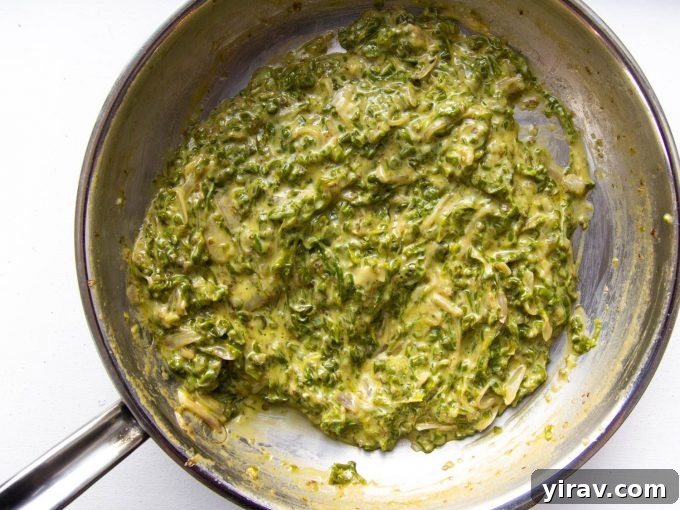
Creamed Shishito Peppers Recipe
Get the Recipe
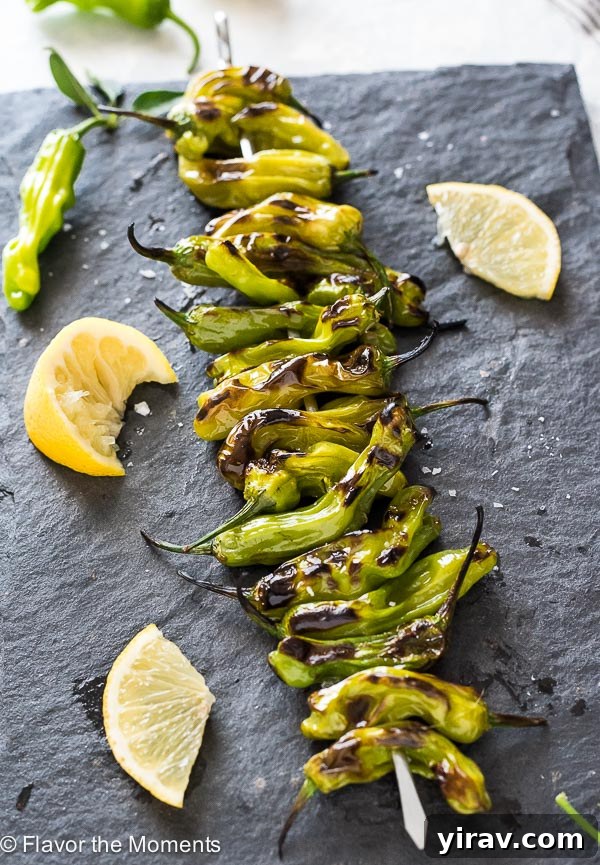
Grilled Shishito Peppers with Lemon and Sea Salt
Get the Recipe
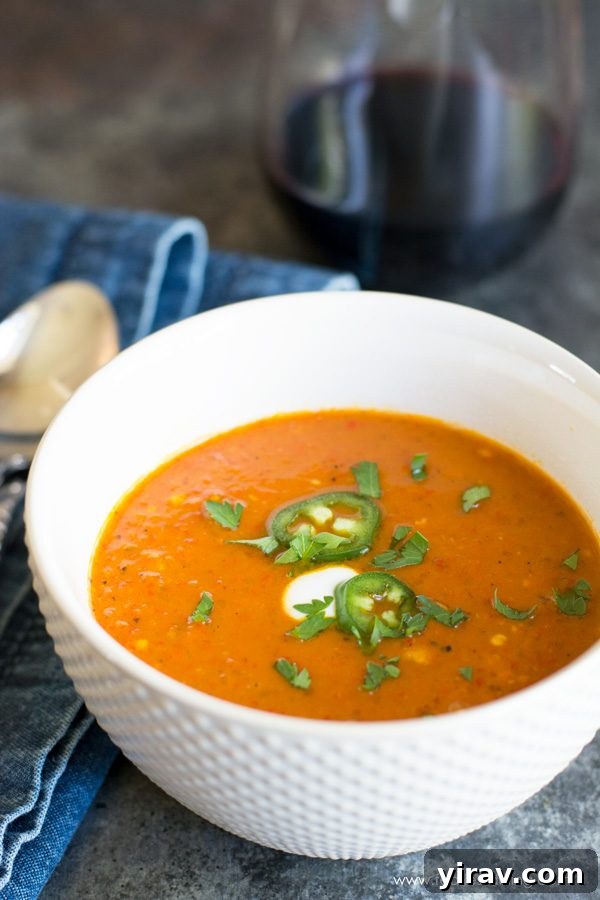
Easy Shishito Sweet Red Pepper Soup
Get the Recipe
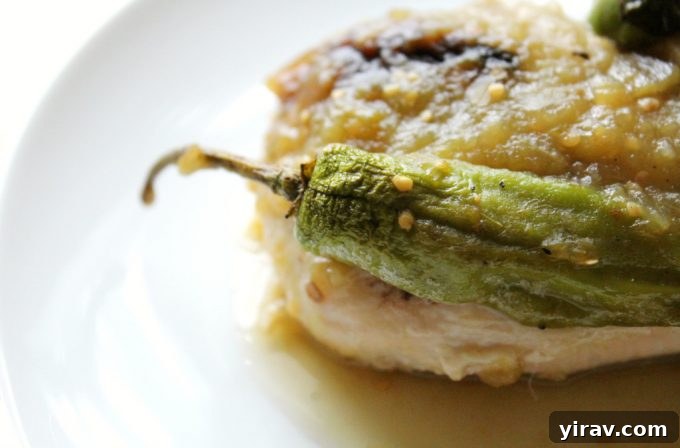
Black Garlic Shishito Verde Chicken
Get the Recipe
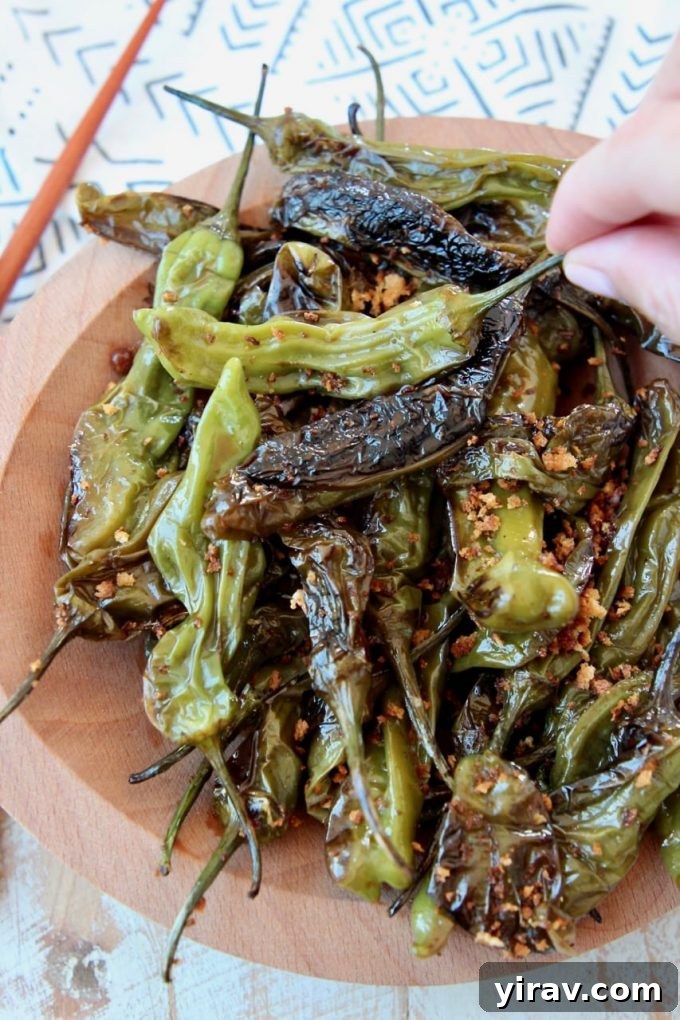
Shishito Peppers with Soy Ginger Sauce
Get the Recipe
Japanese Grilled Chicken Skewers (Yakitori) with Shishito Peppers | The Japantry
Get the Recipe
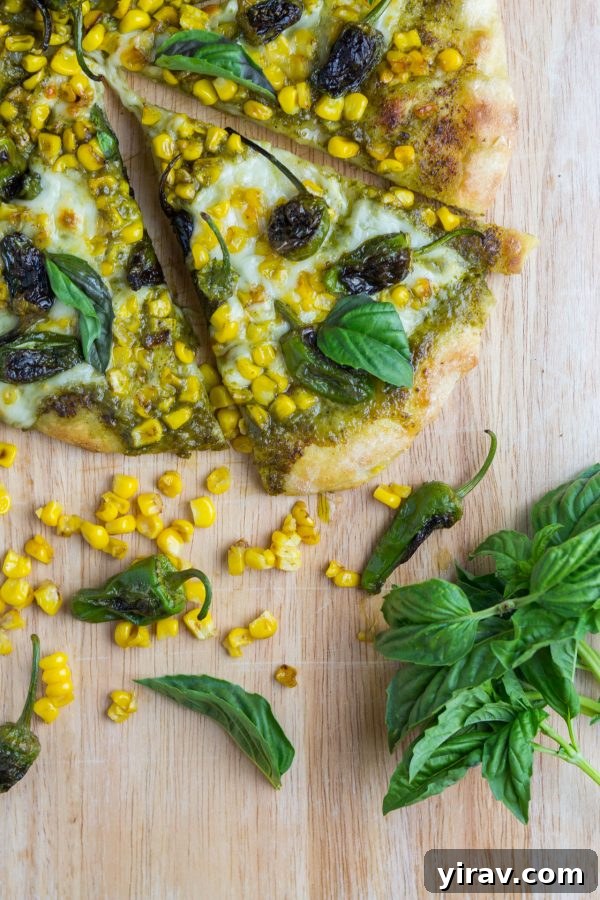
Roasted Corn and Shishito Pepper Pizza
Get the Recipe
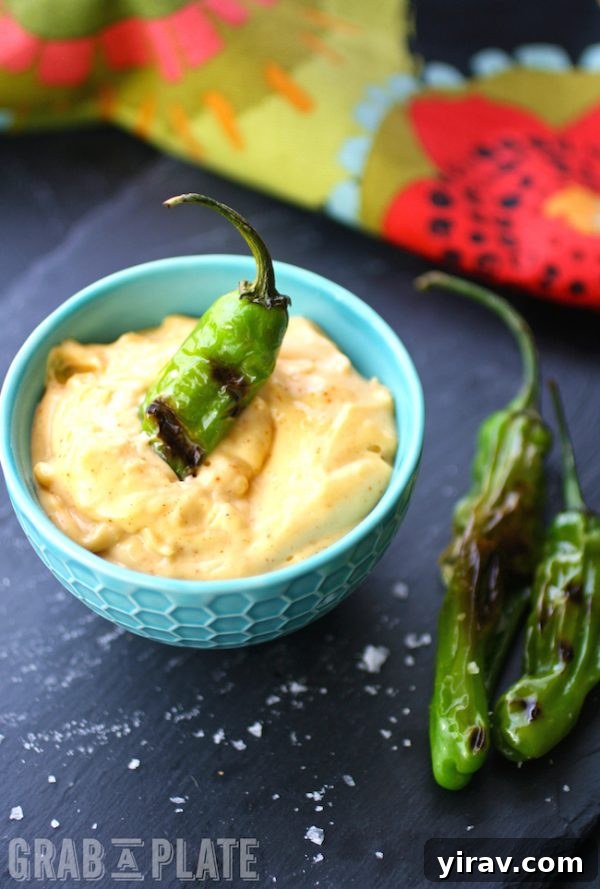
Blistered Shishito Peppers with Smoky Paprika Aioli
Get the Recipe
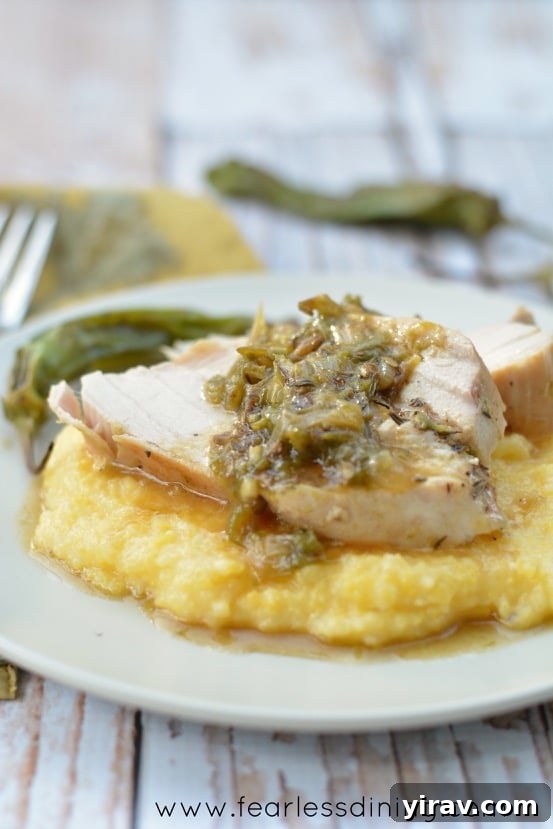
Sautéed Chicken with Shishito Pepper Sauce over Cheesy Polenta
Get the Recipe
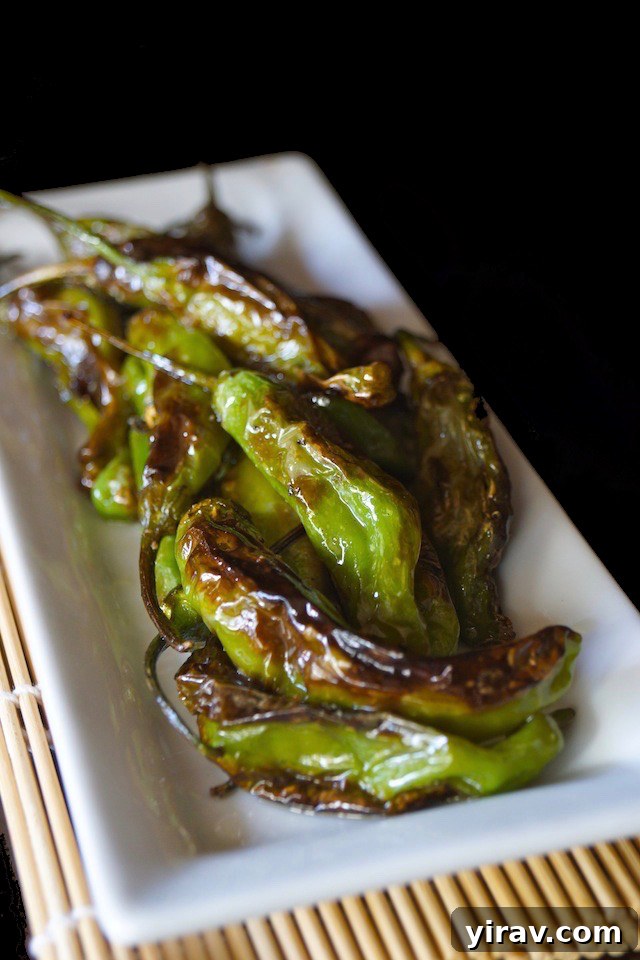
Blistered Shishito Peppers
Get the Recipe
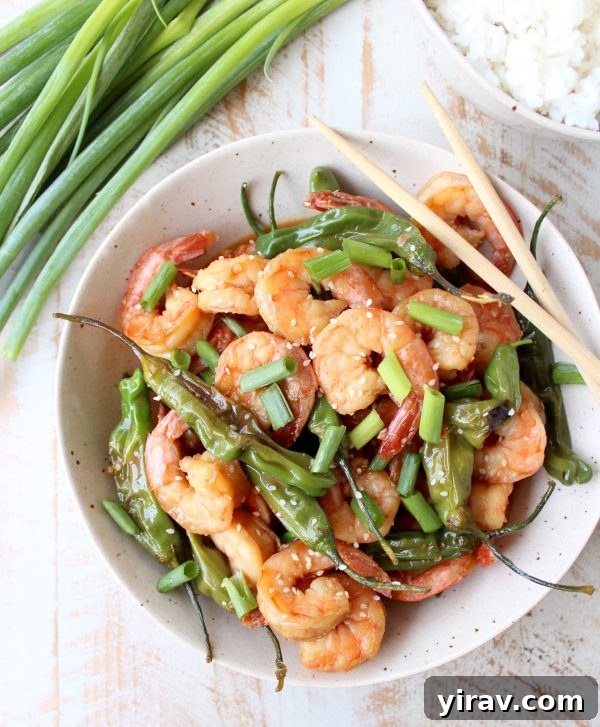
Shishito Shrimp Stir Fry
Get the Recipe
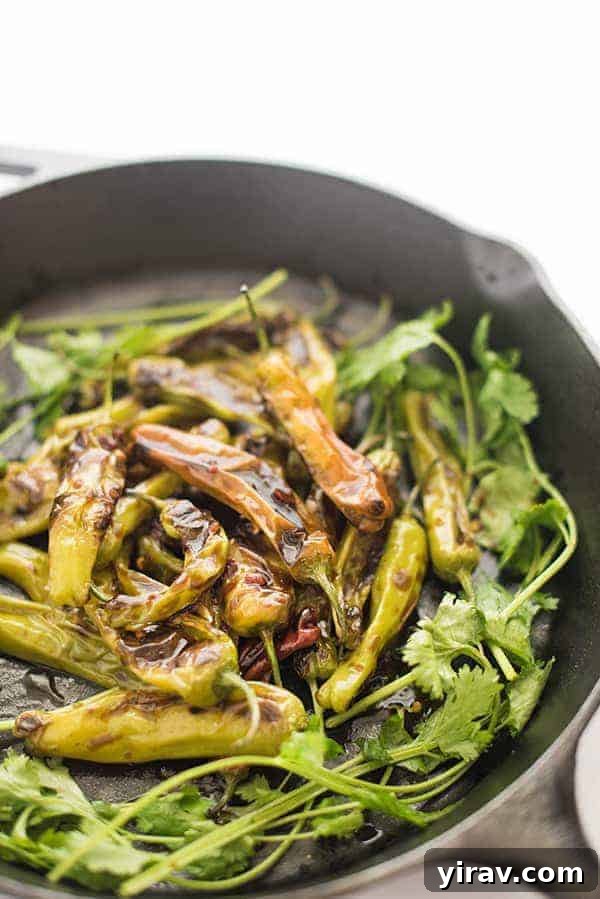
Easy Sautéed Shishito Peppers with Soy Ginger Vinaigrette
Get the Recipe
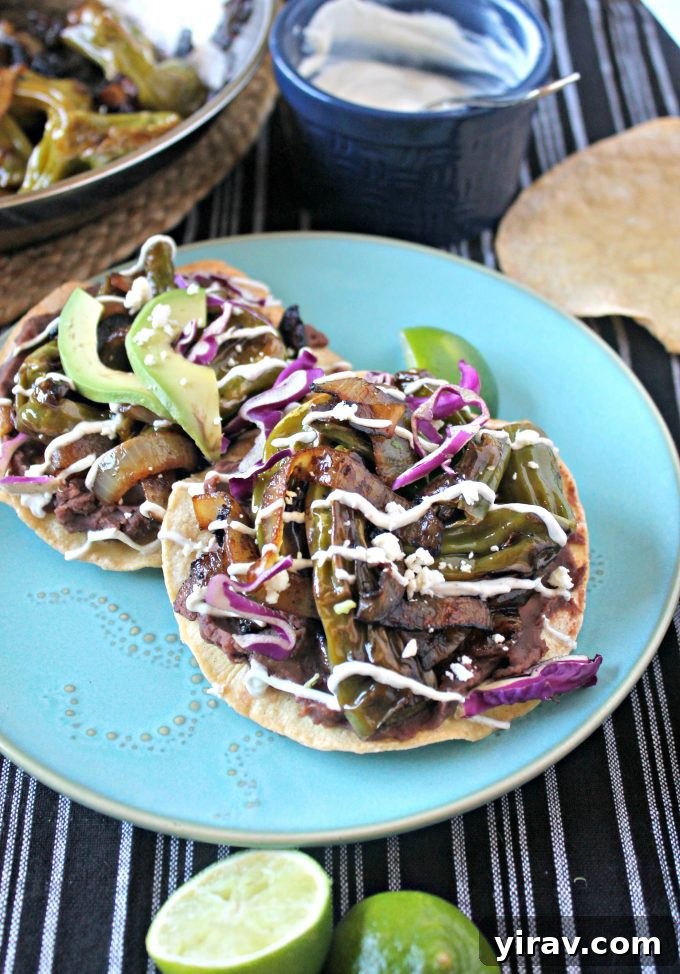
Charred Shishito Pepper Refried Bean Tostadas
Get the Recipe
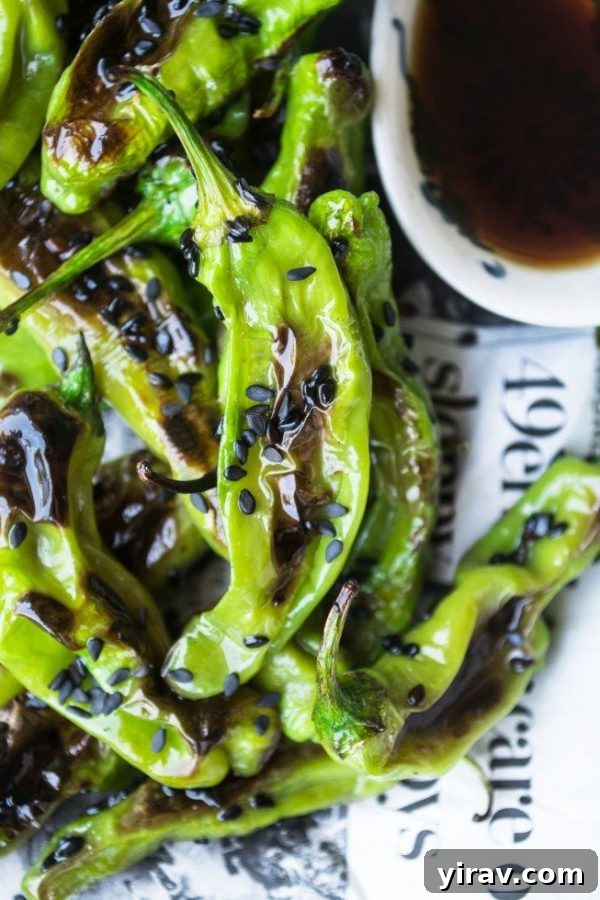
Grilled Shishito Peppers
Get the Recipe
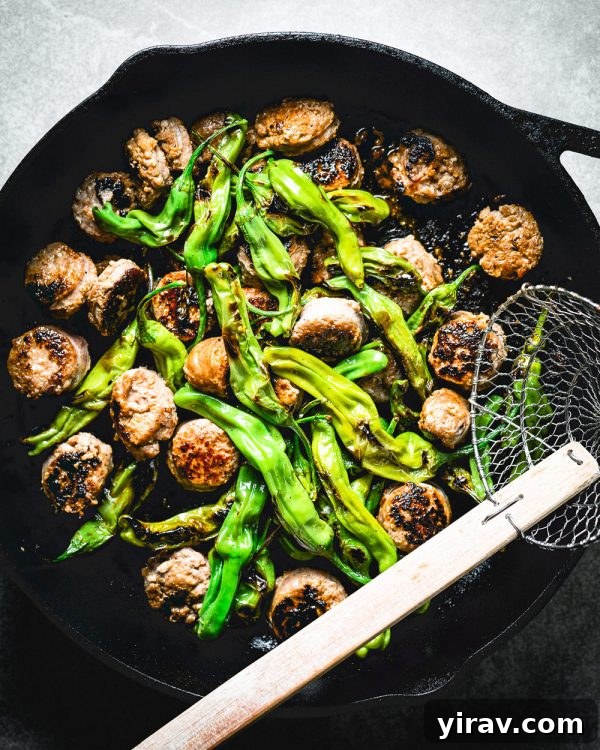
Blistered Shishito Peppers with Sausage and Creamy Sriracha Sauce
Get the Recipe
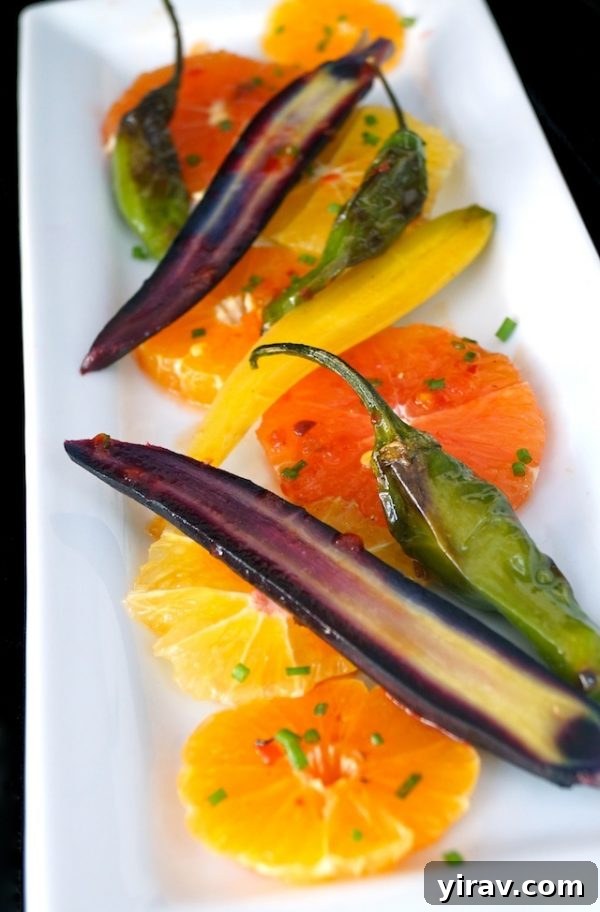
Citrus Carrot Salad
Get the Recipe
Explore More: Resources for Shishito Pepper Enthusiasts
- Los Angeles Times – Shishito Pepper Recipes & Info
- Specialty Produce – Green Shishito Chile Peppers
- Wikipedia – Shishito
Whether you’re growing them at home, finding them at your local market, or savoring them at a restaurant, shishito peppers offer a unique and delightful culinary experience. Their mild flavor, intriguing “roulette” heat, and incredible versatility make them a beloved ingredient for cooks everywhere. We hope this guide inspires you to explore all the wonderful possibilities these charming peppers have to offer!