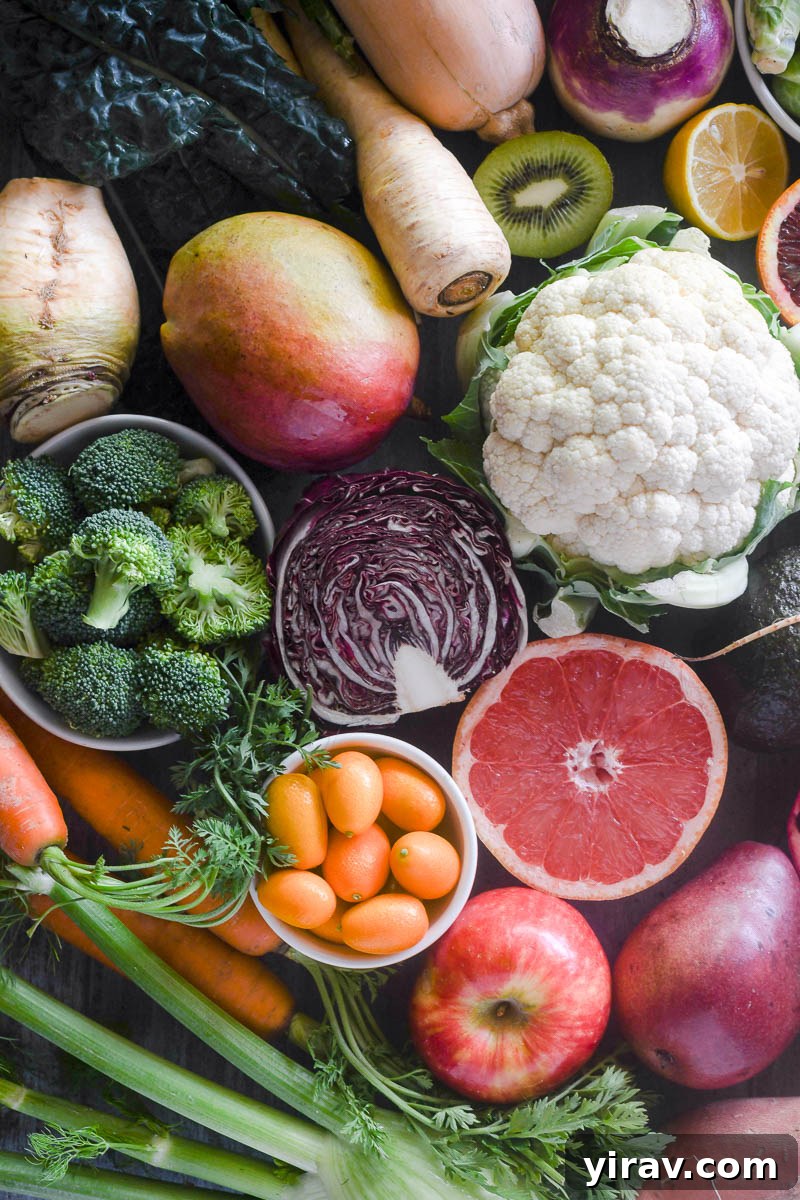
Unlock the secrets to making your fresh fruits and vegetables last longer, taste better, and retain their nutritional value. This comprehensive guide reveals expert tips on how to choose and store fresh produce like a pro, empowering you to reduce food waste, save money, and elevate your home cooking with vibrant, flavorful ingredients. You’ll discover recommended storage tools and even inspiring recipes to help you embrace seasonal eating.
Bringing home fresh produce is the first step towards creating healthier, more flavorful meals. However, the journey from farm to fork often encounters a critical juncture: knowing how to select and store your fruits and vegetables correctly. This knowledge isn’t just about preventing spoilage; it’s about preserving the peak freshness, taste, and vital nutrients that make fresh ingredients so desirable.
Proper storage techniques can dramatically extend the shelf life of your produce, significantly reducing food waste and ensuring that every bite is as delicious as possible. This guide is your essential companion, walking you through the optimal selection and storage methods for the most common types of produce you’ll encounter at your grocery store or local farmers market.
For those passionate about cooking with the seasons, explore my seasonal produce guides. Each guide offers a deep dive into seasonal ingredients, complete with recipe round-ups for endless fresh cooking inspiration!
Why Smart Produce Storage is a Game Changer
Understanding the nuances of produce storage is more than just a kitchen chore; it’s an intelligent approach to food management that yields multiple benefits:
- Extends Freshness: Proper conditions significantly slow down the ripening and decay process, allowing you to enjoy your produce for days or even weeks longer. This means fewer trips to the store and more spontaneous cooking.
- Preserves Optimal Flavor and Texture: Fruits and vegetables stored correctly maintain their peak taste and desirable texture. Imagine crisp lettuce for your salad or juicy berries that burst with flavor – correct storage makes this possible.
- Prevents Premature Spoilage: Incorrect storage environments, such as too much moisture or exposure to ethylene gas, can lead to rapid wilting, mold, or mushiness. Smart storage directly combats these issues.
- Saves Money: By minimizing spoilage, you reduce the amount of food that ends up in the bin, translating directly into savings on your grocery bill. Every wasted item is money thrown away.
- Reduces Food Waste: Beyond personal savings, reducing food waste has a positive environmental impact, lessening the burden on landfills and conserving resources used in food production.
- Enhances Nutritional Value: While produce begins to lose some nutrients shortly after harvest, optimal storage helps slow this degradation, ensuring you get the most out of your healthy ingredients.
These simple practices transform your kitchen into a more efficient and sustainable space, making healthy eating more accessible and enjoyable.
Navigating the Produce Aisle: Tips for Selecting the Best
Before you even think about storage, the quality of your initial selection is paramount. A discerning eye at the grocery store or farmers market can make all the difference in how long your produce lasts and how good it tastes.
- Visual Inspection: Look for vibrant colors, smooth skins (unless naturally textured), and an absence of blemishes, dark spots, mold, or excessive moisture. Avoid anything that looks dull, shriveled, or discolored.
- Touch and Firmness: Gently squeeze or tap produce. It should feel firm and heavy for its size, indicating juiciness and freshness. Soft spots or squishiness are usually signs of overripeness or decay.
- Smell Test: Fresh produce often has a pleasant, earthy, or sweet aroma. Avoid anything with a strong, unpleasant, or sour smell, which can indicate spoilage. For example, ripe tomatoes should smell fragrant at the stem end.
- Buy Seasonally: Seasonal produce is typically harvested at its peak, tastes better, and is often more affordable. It also tends to have traveled shorter distances, resulting in a fresher product.
- Shop Locally: Farmers markets offer produce that is often picked just days, or even hours, before you buy it, guaranteeing exceptional freshness.
- Check Expiration Dates: For packaged produce, always check the “best by” or “use by” dates.
- Avoid Pre-cut or Washed Produce if Possible: While convenient, pre-cut produce often spoils faster due to increased exposure to air and moisture. Opt for whole produce when you can.
Category-Specific Guides to Choosing and Storing Produce
Every fruit and vegetable has its own unique needs when it comes to storage. Grouping produce by type and applying tailored techniques ensures optimal longevity and flavor.
Leafy Greens & Tender Herbs
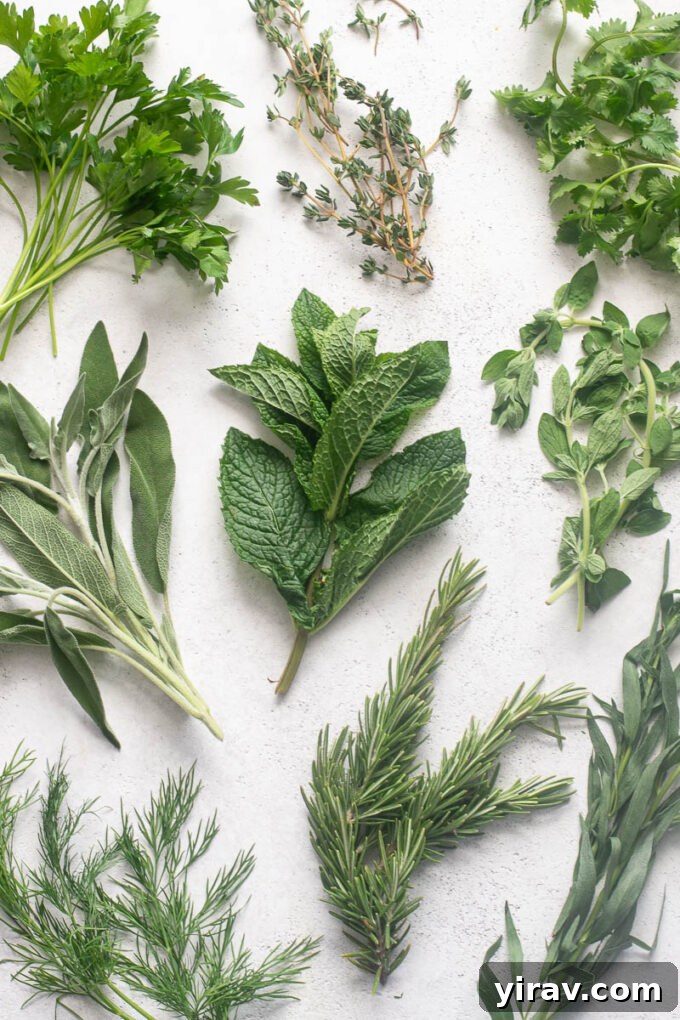
Leafy greens and delicate herbs like lettuce, spinach, kale, arugula, cilantro, and parsley are among the most fragile items in your produce haul. They are highly susceptible to wilting and spoilage if not handled with care due to their high moisture content and delicate cellular structure.
How to Choose
- Look for vibrant, uniform color and crisp leaves. They should not appear bruised, limp, or discolored.
- Avoid any signs of wilting, yellowing, or slimy spots, which indicate spoilage.
- Herbs should smell fresh, aromatic, and free from any off-putting odors.
- For spinach or arugula, ensure leaves are dry and not clustered together from moisture.
How to Store
- Dryness is Key: Wash greens and herbs *only* when you are ready to use them. Excess moisture is their biggest enemy.
- If pre-washed, or if you must wash, ensure they are thoroughly dried using a salad spinner or by patting them dry with paper towels.
- Wrap leafy greens loosely in fresh paper towels to absorb any residual moisture and allow them to breathe.
- Store them in breathable produce bags or airtight containers in the crisper drawer of your refrigerator.
- For tender herbs (cilantro, parsley, basil), trim the bottom of the stems and place them upright in a jar with an inch or two of water, like a bouquet of flowers. Loosely cover the tops with a plastic bag to create a mini-greenhouse effect and refrigerate (except basil, which prefers room temperature if used quickly). For more detailed herb care, refer to my fresh herbs produce guide.
Shelf life: Tender greens such as spinach, arugula, or spring mix typically last 3-5 days when stored correctly. Heartier greens like kale and Swiss chard can last 5-7 days, sometimes up to 10 days for kale, with proper storage.
Pro tip: Always remove any rubber bands or ties from greens before storing to prevent bruising and promote airflow.
Leafy Green and Herb Recipes to Try:
- Hearty Kale and Brussels Sprouts Salad
- Refreshing Frisée Citrus Salad with Fennel and Avocado
- Vibrant Chimichurri Sauce Recipe
Cruciferous Vegetables
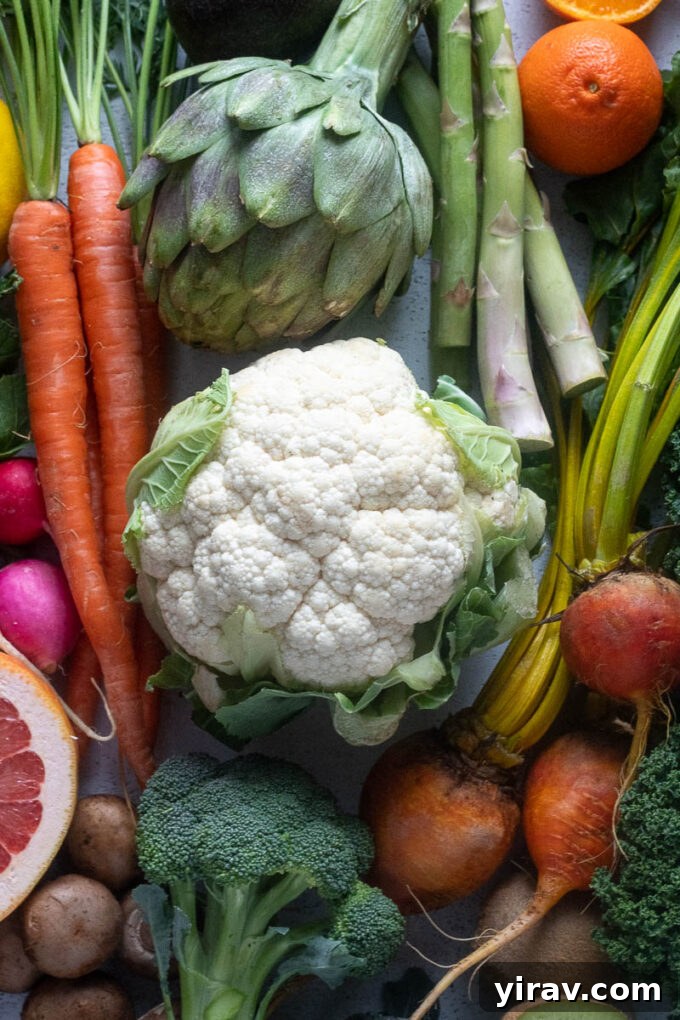
Cruciferous vegetables, including broccoli, Brussels sprouts, cabbage, and cauliflower, are robust, nutrient-dense, and incredibly versatile. They form the backbone of many healthy meals, from simple steamed sides to hearty casseroles. Cabbage, in particular, is renowned for its impressive shelf life and wide culinary applications.
How to Choose
- Look for firm, dense heads that feel heavy for their size.
- Florets or leaves should be tightly packed and vibrant in color.
- Avoid any yellowing, browning, or a strong sulfur smell, which indicates age or spoilage.
- For Brussels sprouts, choose firm, tightly closed sprouts with bright green leaves.
How to Store
- Store unwashed cruciferous vegetables in the crisper drawer of your refrigerator.
- Keep them loosely wrapped in a plastic bag or reusable produce bag to maintain humidity while allowing some airflow.
- Broccoli and cauliflower can be stored unwrapped, but a loose bag helps retain moisture.
- Cabbage can often be stored whole, unwrapped, or loosely in the crisper drawer for longer periods.
- Ideally, use them within 5–7 days for the best flavor and texture.
Shelf life: Generally 1–2 weeks. Whole, unwashed heads of cabbage can last significantly longer, often 3-4 weeks or even more under ideal refrigerated conditions. Learn more about choosing and using cabbage in my dedicated cabbage produce guide.
Cruciferous Vegetable Recipes to Try:
- Crispy Air Fryer Brussels Sprouts
- Hearty Cabbage and Ground Beef Casserole
- Creamy Garlic Mashed Cauliflower
- Delicious Mini Crustless Broccoli Quiche
Root Vegetables
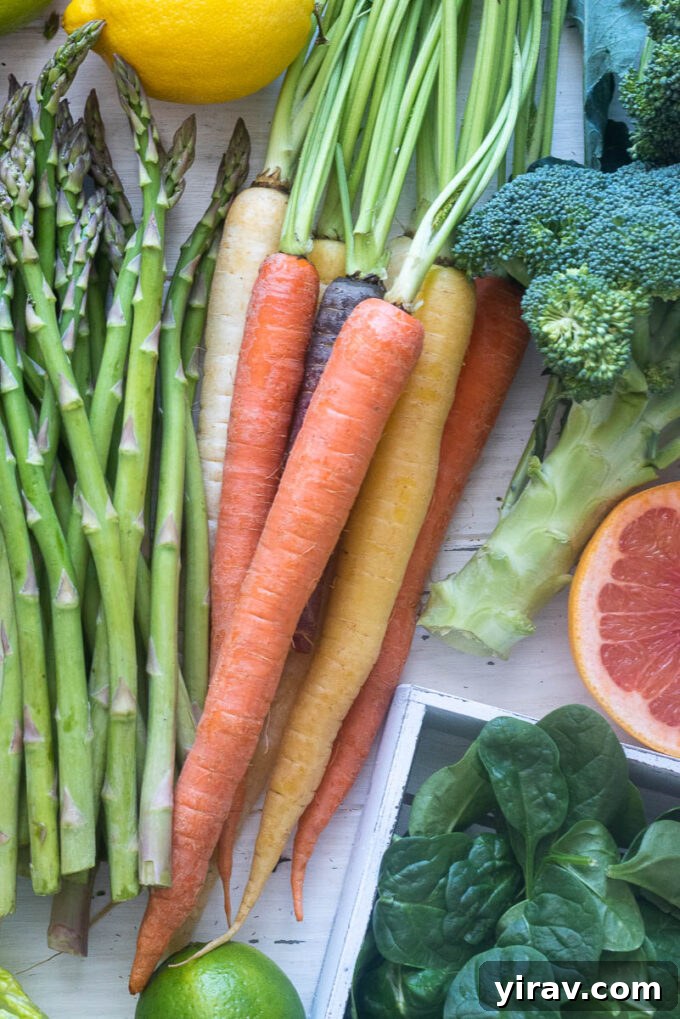
Root vegetables like carrots, beets, parsnips, potatoes, and sweet potatoes are staples in many kitchens, cherished for their long shelf life, hearty texture, and versatility. They are perfect for meal prep and robust seasonal cooking, often improving in flavor over time when stored correctly.
How to Choose
- Choose vegetables that are firm and feel heavy for their size, indicating good moisture content.
- Look for smooth skins without any soft spots, deep cuts, or excessive blemishes.
- For carrots and beets, if they come with greens attached, the greens should look fresh and vibrant, not wilted.
- Avoid potatoes with green spots (solanine) or any signs of sprouting, which can affect flavor and be a sign of older produce.
How to Store
- Beets, Carrots & Parsnips: Remove any green tops (which draw moisture from the root) and store them unwashed in a sealed container or produce bag in the refrigerator crisper drawer.
- Potatoes & Sweet Potatoes: Store these in a cool, dark, and well-ventilated place, such as a pantry or cellar. A breathable basket or paper bag works best.
- Never store potatoes in the fridge: Cold temperatures convert their starches into sugars, which can lead to a gritty texture and an unpleasantly sweet flavor when cooked.
- Keep potatoes and onions separate, as onions release ethylene gas that can accelerate potato sprouting.
Shelf life: Generally 2–4 weeks. Parsnips, in particular, can often last even longer, up to several months, when stored optimally. Find more detailed tips on parsnips in my parsnip produce guide.
Root Vegetable Recipes to Try:
- Silky Creamy Parsnip Purée Recipe
- Irresistibly Crispy Smashed Potatoes
- Sweet and Earthy Oven Roasted Beets Recipe
- Hearty Roasted Root Vegetables Recipe
Alliums: The Flavor Foundation
Alliums, including garlic, leeks, onions, and shallots, are the unsung heroes of countless savory dishes. They lay the aromatic foundation, adding depth and complexity to everything from comforting soups and hearty stews to fresh salads and quick sheet pan dinners. While they belong to the same botanical family, their storage needs vary significantly based on whether they are considered “dry” or “fresh.”
Dry Alliums: Onions, Garlic & Shallots
These robust alliums are known for their impressive shelf life when stored correctly, making them ideal pantry staples.
How to Choose
- Look for firm, unblemished bulbs with dry, papery skins. They should feel heavy for their size.
- Avoid any soft spots, mold, or green sprouts, which indicate age and potential deterioration.
- Garlic cloves should be firm and tightly packed within the head.
- Shallots should have firm, glossy skins.
How to Store
- Store whole, uncut onions, garlic, and shallots in a cool, dark, and dry place with good air circulation, such as a mesh bag in your pantry or a ventilated basket.
- Do not refrigerate whole dry alliums, as the moisture and cold can lead to softening, sprouting, and a loss of flavor.
- Keep them away from potatoes; onions and garlic emit gases that can accelerate potato sprouting, and vice-versa.
- Once cut, wrap any remaining portions tightly in plastic wrap or an airtight container and refrigerate. Use within a few days.
Shelf life: Several weeks to a few months under ideal cool, dry, and dark conditions.
Allium Recipes to Try:
- Luxurious Creamy Asparagus Leek Soup
- Savory Roasted Cauliflower with Parmesan, Garlic, and Shallots
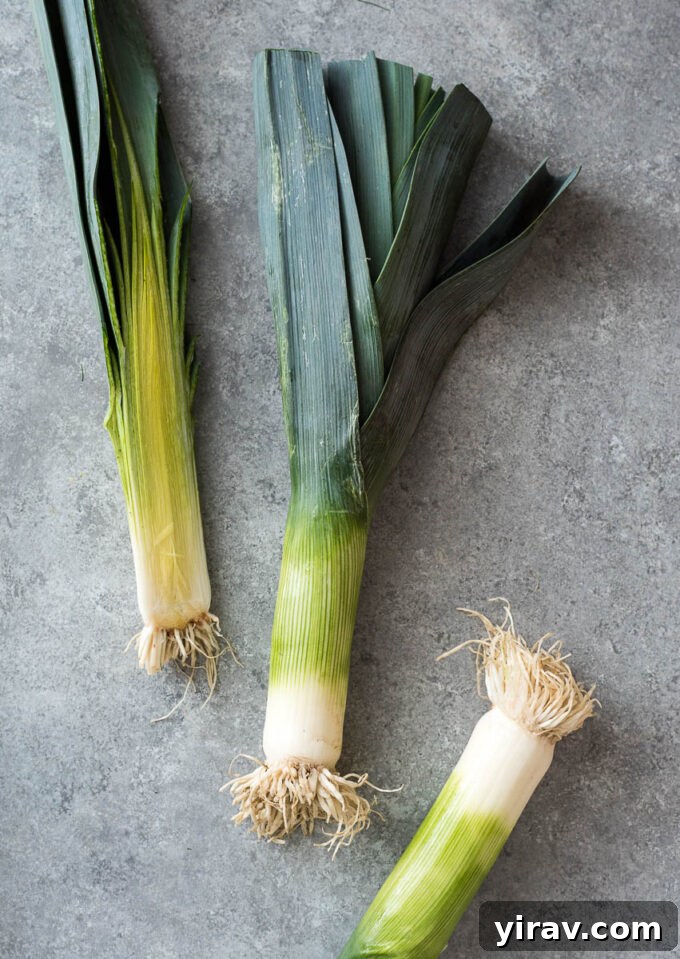
Fresh Alliums: Leeks (A Fresh Allium That Needs Refrigeration)
Unlike their dry counterparts, leeks are harvested fresh and retain a higher moisture content, making their storage requirements distinctly different. They require refrigeration to maintain their crispness and prevent wilting.
How to Choose
- Look for firm, straight stalks with crisp white and pale green sections. The darker green tops should also look fresh, not yellowed or dried out.
- Avoid leeks with slimy layers, excessive yellowing, or signs of wilting.
- Smaller to medium-sized leeks are typically more tender and less fibrous than very large ones.
How to Store
- Store unwashed leeks in the refrigerator crisper drawer.
- Keep them loosely wrapped in a plastic bag or reusable produce bag to prevent them from drying out while still allowing some air exchange.
- If trimmed or cut, wrap the remaining portions tightly in plastic wrap or an airtight container and refrigerate.
- Clean leeks just before using, as dirt and grit are often trapped between their layers. A thorough rinse under running water, fanning out the layers, is usually required.
Shelf life: Approximately 1–2 weeks when stored properly. For more detailed insights into selecting, prepping, and cooking with leeks, consult my comprehensive leek produce guide.
Leek Recipes to Try:
- Comforting Chicken Wild Rice Soup
- Bright Summer Vegetable Soup with Pesto
Citrus Fruits
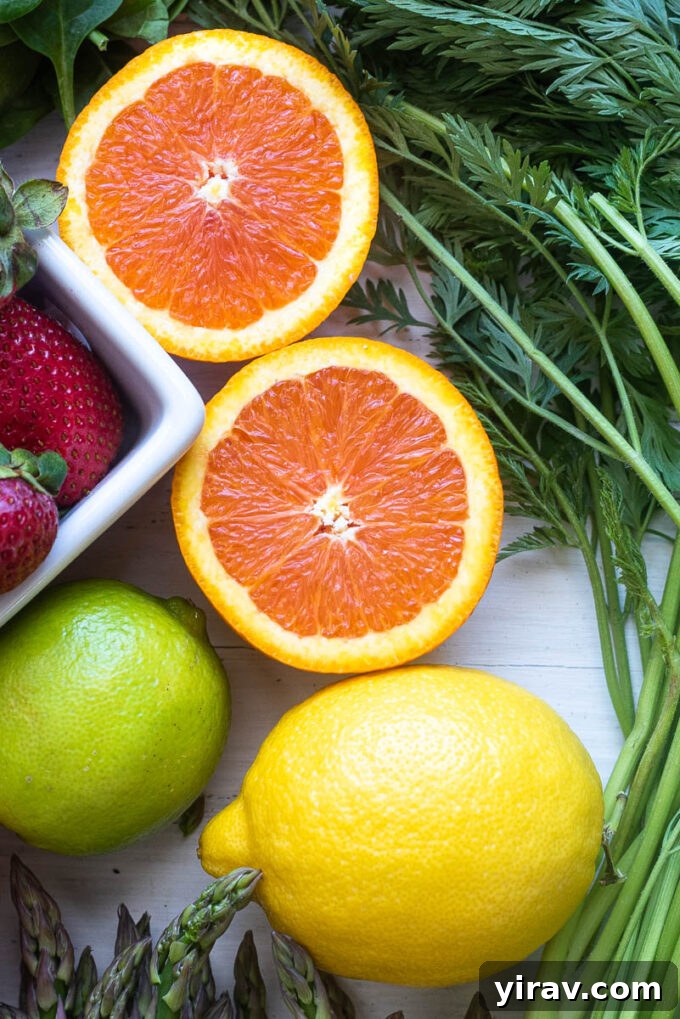
Grapefruit, lemons, limes, and oranges are naturally hardy fruits with one of the longest shelf lives among produce items. Their thick rinds protect their juicy flesh, making them excellent candidates for keeping on hand for cooking, baking, drinks, and garnishes. Proper storage helps maintain their juiciness and vibrant flavor, preventing them from drying out prematurely.
How to Choose
- Select fruits that feel heavy for their size, which indicates they are full of juice.
- Look for smooth, firm skin without any soft spots, mold, or excessive blemishes.
- Avoid shriveled or dull rinds, as these can be signs of dehydration or older fruit.
- A good citrus fruit should also have a noticeable, pleasant aroma.
How to Store
- Countertop for Short-Term Use: If you plan to use citrus within 5–7 days, storing them at room temperature on the countertop in a fruit bowl is perfectly fine. This allows them to stay slightly softer and juicier for immediate use.
- Refrigerator for Longer Storage: For extended freshness (up to 3–4 weeks), store citrus fruits in the crisper drawer of your refrigerator. The cooler temperatures slow down the drying process and prevent mold.
- Keep them loose or in a mesh bag to allow for good air circulation.
Shelf life: 5–7 days at room temperature; 3-4 weeks when refrigerated.
Citrus Recipes to Try:
- Bright and Zesty Citrus Vinaigrette Recipe
- Classic Easy Lemon Bars Recipe
- Refreshing Frisée Citrus Salad
Tomatoes and Peppers: Countertop vs. Fridge Debate
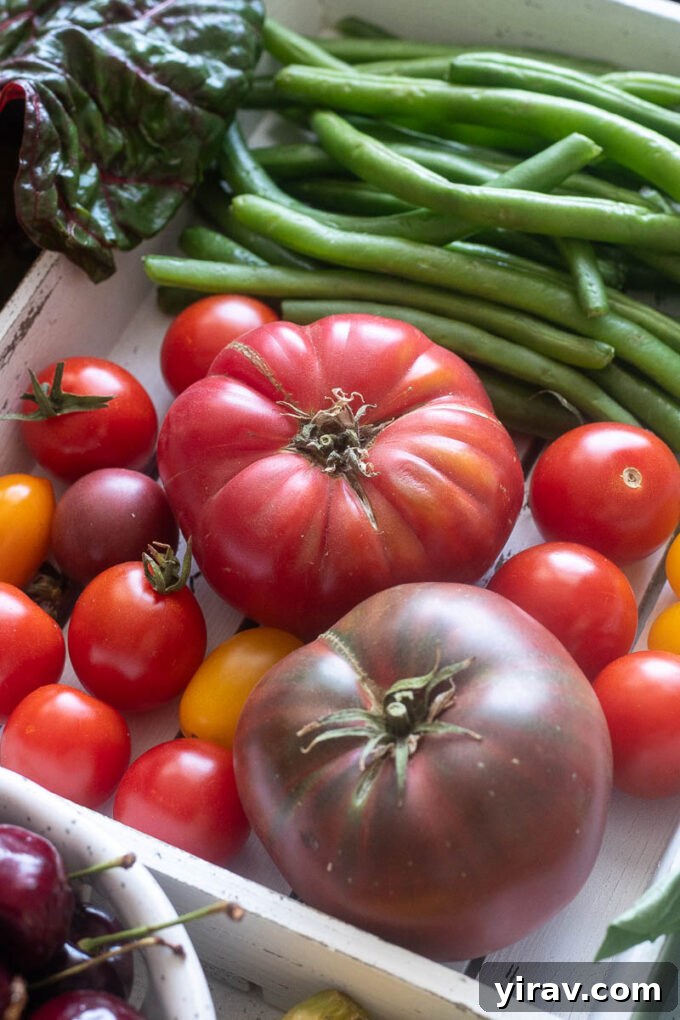
Tomatoes and peppers are best enjoyed when they are perfectly ripe and bursting with flavor. However, their storage requirements differ significantly, and how you store them can dramatically impact their texture, taste, and overall shelf life. Understanding these nuances helps preserve their peak freshness and prevents premature spoilage.
How to Choose
- Tomatoes: Select tomatoes that are fragrant, vibrant in color, and feel slightly soft when gently squeezed but not mushy. They should have smooth, unblemished skin.
- Peppers: Look for glossy skin, firm flesh, and peppers that feel heavy for their size. Avoid any with soft spots, wrinkles, or dull skin.
How to Store
- Tomatoes: Never refrigerate unripe tomatoes. Cold temperatures halt the ripening process and can cause their flavor to become mealy and dull. Store unripe tomatoes at room temperature, stem-side down, on the countertop until they ripen. Once ripe, use them promptly for the best flavor. If you must extend their life by a day or two after ripening, you can refrigerate them, but bring them back to room temperature before serving for optimal taste.
- Peppers: Bell peppers and other varieties thrive in the refrigerator. Store them unwashed in the crisper drawer, preferably in a loosely closed plastic bag to maintain humidity and prevent drying out.
Shelf life (stored properly): Tomatoes: 3–5 days once ripe (at room temperature; refrigerate briefly only if fully ripe to extend life by a day or two). Peppers: 1–2 weeks refrigerated.
Tomato and Bell Pepper Recipes:
- Quick and Easy Air Fryer Chicken Fajitas
- Elegant Heirloom Tomato Flight
- Flavorful Mediterranean Baked Cod
- Homemade Roasted Red Pepper Sauce
Berries & Soft Fruits
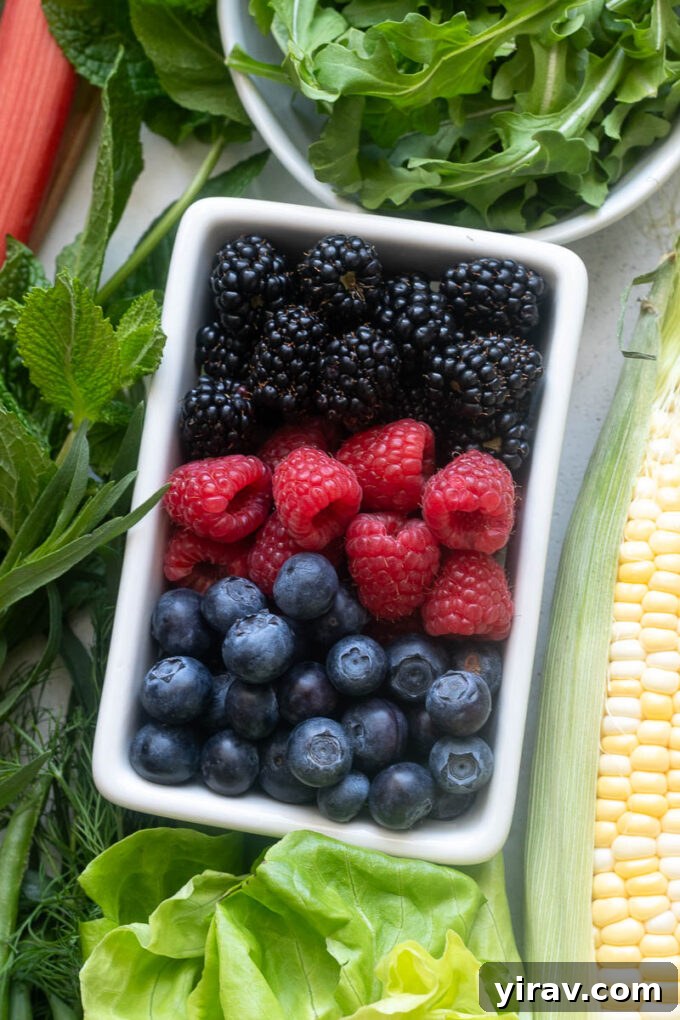
Berries (blueberries, raspberries, strawberries) and other soft fruits (peaches, plums, apricots) are among the most delicate items in the produce aisle. Their fragility makes them prone to quick spoilage if not handled and stored properly. Keeping them dry and refrigerated – and washing them only right before consumption – is crucial to extending their freshness and preserving their delicate texture and sweet flavor.
How to Choose
- Look for fruits with bright, uniform color and a plump, firm texture.
- Inspect the container carefully for any signs of mold, crushed fruits, or leaking juices at the bottom. These are indicators that the batch is already starting to spoil.
- For peaches and plums, they should yield slightly to gentle pressure when ripe and have a fragrant aroma.
How to Store
- Store unwashed in the refrigerator: Moisture is the enemy of berries and soft fruits, as it encourages mold growth. Keep them in their original containers or transfer them to a shallow, breathable container lined with a paper towel.
- Wash only right before using: Rinsing berries and soft fruits too early introduces moisture that speeds up spoilage.
- If using a container, line it with a paper towel to absorb any excess moisture and create a dryer environment.
- Discard any moldy or bruised fruits immediately to prevent spoilage from spreading to the rest of the batch.
Shelf life: Generally 3–7 days, depending on the fruit and conditions. Raspberries and blackberries are typically the most fragile, while blueberries can last a bit longer.
Berry and Soft Fruit Recipes to Try:
- Sweet and Savory Berry Arugula Salad with Goat Cheese
- Comforting Peach Blueberry Crisp
- Homemade Small Batch Apricot Jam
Other Common Vegetables & Fruits
Beyond the main categories, many other popular vegetables and fruits also benefit from specific selection and storage techniques to ensure they remain fresh and delicious.
Asparagus
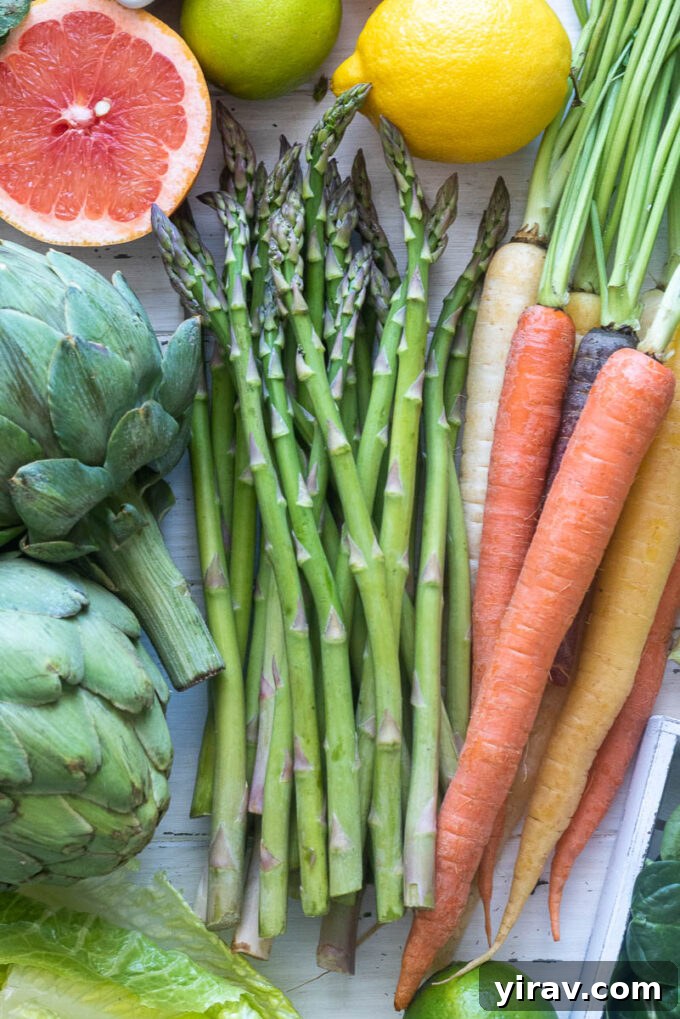
- Choose: Look for firm, straight spears with tightly closed, compact tips. The cut ends should not be dry or woody.
- Store: Trim the woody ends and place the spears upright in a jar with about an inch of water, like flowers. Loosely cover the tops with a plastic bag and refrigerate.
- Shelf life: 3–5 days.
Try it in: Asparagus Frittata with Goat Cheese and a fresh Asparagus Salad.
Artichokes
- Choose: Select artichokes that feel heavy for their size with tightly packed leaves. A slight squeak when squeezed indicates freshness.
- Store: Refrigerate loosely wrapped in a plastic bag to prevent them from drying out. You can also sprinkle them with a little water before wrapping.
- Shelf life: 5–7 days.
Try it in: Easy Lemon Thyme Roasted Artichokes and Slow Cooker Lemon Chicken Artichoke Soup.
Celery
- Choose: Look for crisp, firm stalks with bright green color and fresh, vibrant leaves. Avoid limp or rubbery celery.
- Store: Refrigerate tightly wrapped in aluminum foil or in a sealed container filled with a little water. This prevents moisture loss and keeps it crisp.
- Shelf life: 1–2 weeks.
Try it in: Classic Dill Pickle Tuna Salad.
Cucumbers
- Choose: Select firm cucumbers with smooth, unblemished skin. Avoid any with soft spots, wrinkles, or a yellow tint.
- Store: Refrigerate unwashed cucumbers in the crisper drawer. Keep them loosely wrapped in a paper towel or a reusable produce bag to prevent them from becoming too cold or drying out.
- Shelf life: 7–10 days.
Try it in: This easy Greek Tzatziki Recipe or a refreshing Insalata Mista (Italian Mixed Salad).
Eggplant
- Choose: Select eggplant that feels heavy for its size with smooth, glossy skin and a firm texture. The stem should be green and fresh-looking.
- Store: Refrigerate loosely wrapped in a plastic bag to protect its delicate skin. Use within a few days for the best texture and flavor.
- Shelf life: 5–7 days.
Try it in: My classic Easy Ratatouille Recipe or various Mediterranean-inspired dishes.
Fennel
- Choose: Look for firm, white bulbs with tightly packed layers and fresh, feathery green fronds. Avoid any with soft spots or browning.
- Store: Refrigerate loosely wrapped in a plastic bag to maintain crispness and prevent drying.
- Shelf life: 7–10 days. For more on choosing, storing, and cooking with fennel, see my Fennel Produce Guide.
Try it in: Crisp Fennel and Apple Slaw and a vibrant Winter Radicchio Salad.
Mushrooms
- Choose: Select firm, dry mushrooms with a clean appearance. Avoid any that are slimy, bruised, or have dark spots.
- Store: Refrigerate in their original packaging or a paper bag. The paper absorbs excess moisture and allows them to breathe, preventing sliminess. Avoid airtight plastic containers.
- Shelf life: 5–7 days.
Try them in: Hearty Mushroom Barley Soup and creamy Instant Pot Wild Mushroom Leek Risotto.
Peas (Snap peas, snow peas, shelling peas)
- Choose: Look for bright green pods that feel crisp and plump. Avoid dull, discolored, or shriveled pods.
- Store: Refrigerate unwashed peas in a breathable bag or container to maintain their crispness.
- Shelf life: 3–5 days.
Try them in: Fresh Spring Farro Salad with Feta, Lemon, and Mint and a quick One-Pot Spring Pasta Primavera.
Rhubarb
- Choose: Select firm, crisp stalks with a vibrant red or pink color. Avoid limp or blemished stalks.
- Store: Refrigerate unwashed, loosely wrapped in a plastic bag or damp paper towel to prevent drying.
- Shelf life: 5–7 days.
Try it in: Sweet and tart Rhubarb Cake and a delightful Skillet Strawberry Rhubarb Crisp. Learn more about this unique vegetable in my Rhubarb Produce Guide.
Summer Squash & Zucchini
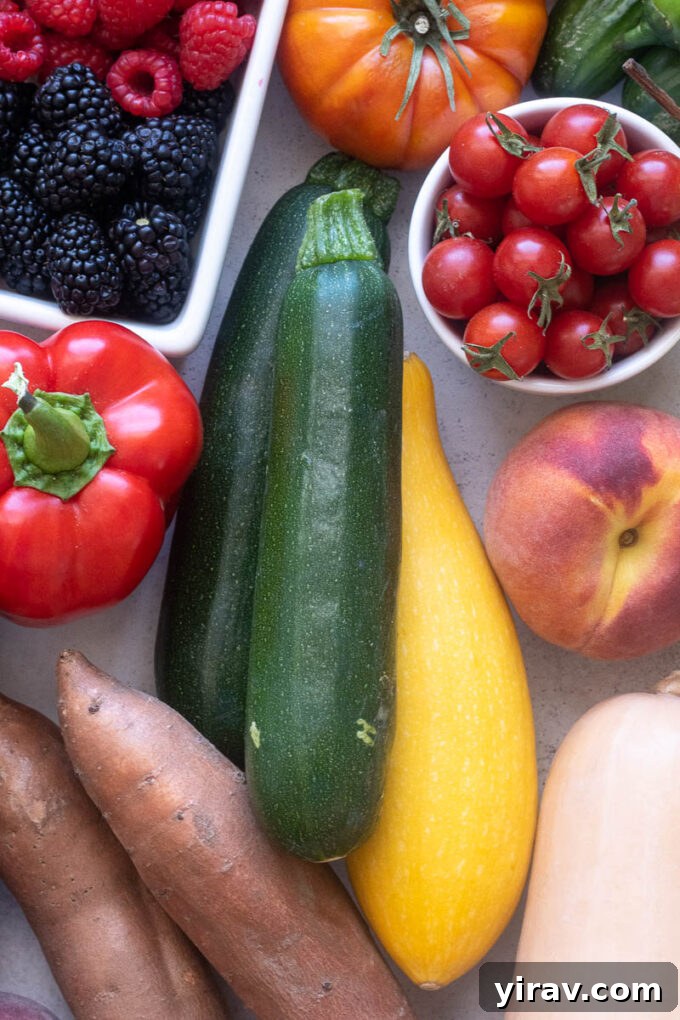
- Choose: Opt for small to medium-sized squash with glossy, unblemished skin. Larger squash can be watery and seedy.
- Store: Refrigerate unwashed in the crisper drawer. Keep them dry; excess moisture can lead to quick spoilage.
- Shelf life: 4–7 days.
Try them in: Creamy Coconut Curry Summer Squash Soup and savory Crispy Baked Zucchini Chips with Greek Yogurt Ranch.
Winter Squash (Butternut, acorn, kabocha, delicata, pumpkin)
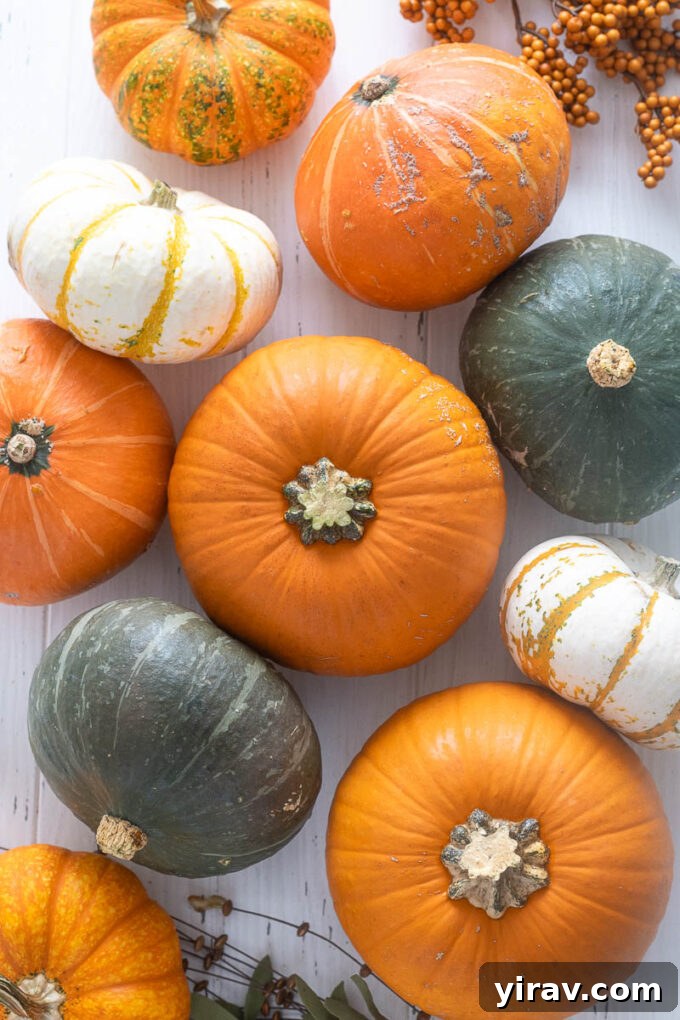
- Choose: Look for hard skins with no soft spots, cracks, or punctures. The squash should feel heavy for its size.
- Store: Store whole winter squash in a cool, dark, and dry place (like a pantry) to maximize their impressive shelf life. Once cut, wrap tightly in plastic wrap and refrigerate.
- Shelf life: 1–3 months whole; 5–7 days once cut and refrigerated.
Try them in: Velvety Creamy Kabocha Squash Mash and comforting Butternut Squash Mac and Cheese.
Frequently Asked Questions (FAQs)
Should you wash produce before storing it?
Generally, no. Washing introduces moisture, which is the primary catalyst for faster spoilage and mold growth, especially for delicate items like berries and leafy greens. It’s always best to wash produce just before you’re ready to use it for cooking or eating.
Why shouldn’t potatoes be refrigerated?
Refrigerating potatoes causes their starch to convert rapidly into sugar. This process can significantly alter their flavor, making them unpleasantly sweet, and also results in a gritty texture when cooked. It’s best to store them in a cool, dark, and well-ventilated pantry.
Can you store all fruits and vegetables together?
No, not all of them. Some fruits, known as “ethylene producers” (like apples, bananas, avocados, and tomatoes), release ethylene gas, a natural ripening agent. This gas can cause sensitive vegetables and other fruits to ripen and spoil much faster. For this reason, it’s crucial to store ethylene-producing fruits separately from ethylene-sensitive produce.
Why do leafy greens get slimy?
Leafy greens become slimy primarily due to excess moisture and insufficient airflow. When moisture gets trapped, it creates a perfect environment for bacteria to thrive, leading to the breakdown of plant cells and that characteristic slimy texture. Drying greens thoroughly and storing them in breathable containers or wrapped in paper towels is key to preventing this.
How can I make herbs last longer?
For tender herbs like cilantro, parsley, and basil, treat them like a bouquet of flowers. Trim the bottoms of the stems and place them in a glass with about an inch of water. Loosely cover the tops with a plastic bag to create a humid environment, then refrigerate (except for basil, which prefers room temperature). Change the water every couple of days. For rosemary or thyme, wrap them in a damp paper towel and place them in a sealed bag in the fridge.
What is ethylene gas, and which produce emits/is sensitive to it?
Ethylene gas is a natural plant hormone that triggers the ripening process in fruits. High-ethylene producers include apples, avocados, bananas, cantaloupe, kiwi, peaches, pears, plums, and tomatoes. Ethylene-sensitive produce that should be stored away from these includes broccoli, cabbage, carrots, cauliflower, leafy greens, lettuce, cucumbers, and peppers. Storing them separately prevents premature spoilage.
How can I revive wilted leafy greens or celery?
For slightly wilted greens or celery, a cold water bath can often work wonders. Submerge the produce in a bowl of ice water for 15-30 minutes. The cold water helps the plant cells rehydrate, restoring crispness. This trick is particularly effective for items that have lost moisture but haven’t started to decay.
Essential Tools for Optimal Produce Storage
While many effective storage methods rely on simple techniques, a few specialized tools can significantly enhance your produce’s longevity and streamline your kitchen organization:
- Produce Storage Containers with Airflow Vents: These specialized containers are designed to maintain optimal humidity and airflow, creating the perfect microclimate for various fruits and vegetables, keeping them crisper and fresher for longer.
- Fresh Lock Containers: Ideal for cut produce like avocados, onions, citrus, and even halves of larger vegetables, these containers minimize air exposure, preventing browning and dehydration.
- Reusable Storage Bags: Eco-friendly and versatile, these bags are excellent for refrigeration and even freezing. Look for options made from silicone or breathable mesh for different produce types.
- Herb Keepers: Specifically designed to keep delicate herbs fresh, these clever gadgets allow you to store herbs upright in water while protecting their leaves, mimicking their natural growing environment.
- Glass Containers: Perfect for prepped, washed, and chopped produce, glass containers offer an airtight seal and allow for easy visibility, making meal prep more efficient.
Investing in these tools can make your weekly prep easier, significantly extend the freshness of your ingredients, and ultimately help you reduce food waste at home, especially if you cook frequently.
Cultivating a Mindful Approach to Produce: Beyond Storage
Mastering produce selection and storage is a valuable skill, but it’s part of a larger mindful approach to food. By integrating these final tips into your routine, you can further enhance your culinary experience and impact:
- Embrace Seasonal Shopping: Aligning your purchases with local growing seasons means your produce is fresher, tastes better, and often supports local farmers. It’s also typically more nutrient-dense and environmentally friendly.
- Resist Pre-Washing: As a golden rule, do not wash produce until you are ready to consume or cook with it. Excess moisture is the fastest route to spoilage for most items.
- Mind the Ethylene Gap: Always store ethylene-producing fruits (like apples, bananas, and ripe tomatoes) separately from ethylene-sensitive vegetables (such as broccoli, lettuce, and carrots) to prevent accelerated ripening and spoilage.
- Trust Your Senses: Beyond dates and guides, your eyes, nose, and hands are your best tools. If produce looks off, smells unusual, or feels excessively soft, it’s likely past its prime.
- Plan Your Meals: A little meal planning goes a long way. Knowing how you’ll use your produce helps you buy only what you need, use it before it spoils, and reduces the likelihood of waste.
- Repurpose and Preserve: If produce is nearing its end but not yet spoiled, consider repurposing it into soups, smoothies, sauces, or even freezing it for later use. Overripe fruit can become jam, and slightly soft vegetables can be roasted or pureed.
By adopting these practices, you’ll not only enjoy fresher, more flavorful meals but also contribute to a more sustainable and economical kitchen.