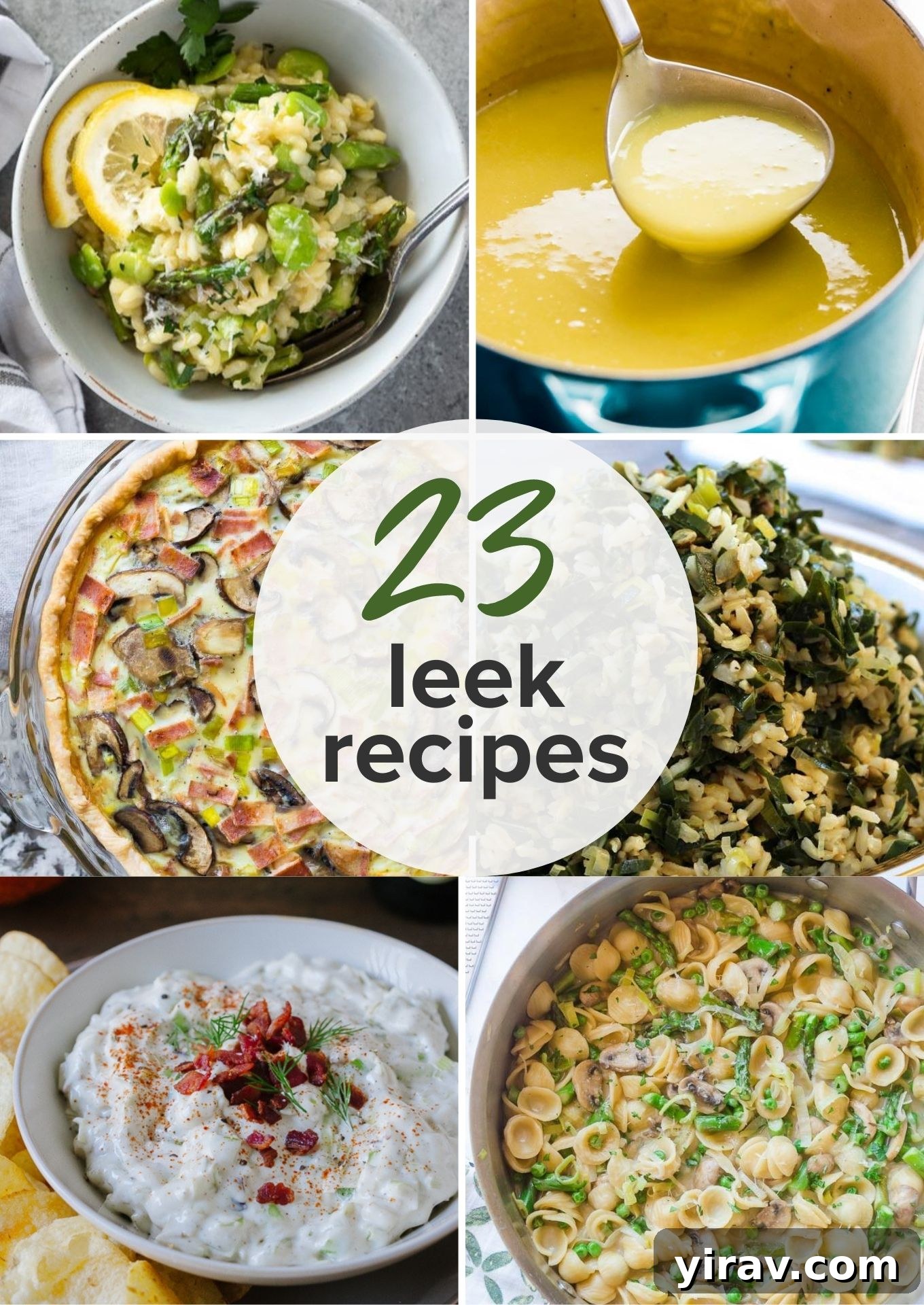
Welcome to the ultimate guide for celebrating the delightful leek season! This comprehensive collection features 23 incredible leek recipes that promise to elevate your culinary experience. From comforting potato leek soup and sophisticated mushroom risotto to versatile pasta dishes, you’ll discover countless ways to incorporate this understated vegetable into your meals. Beyond the recipes, we’ve included essential information on leeks, covering their nutritional benefits, best practices for choosing and storing them, and a step-by-step guide on how to properly cut and prepare them for your kitchen.
Leeks hold a special place in the heart of many chefs and home cooks alike, and for good reason. Their delicate, sweet onion flavor is distinctly milder than traditional onions, making them an incredibly versatile ingredient that can enhance almost any dish without overpowering it. This subtle elegance allows leeks to shine in everything from hearty stews to light, fresh salads, adding a layer of sophisticated flavor that truly makes a difference.
Many people might only be familiar with leeks through classic dishes like potato leek soup, which, while delicious, barely scratches the surface of what this amazing vegetable can offer. Leeks are capable of so much more, transforming when sautéed, roasted, or braised into tender, sweet components that beautifully complement a wide range of ingredients.
They have been a steadfast ingredient in my kitchen for years, bringing a unique depth to countless meals. I sincerely hope that the detailed information and diverse leek recipes presented here will inspire you to explore the full potential of leeks and make them a more frequent star in your cooking repertoire. Get ready to discover new favorites and enjoy the understated charm of leeks!
If you’re a passionate enthusiast of fresh produce, be sure to explore these other fantastic seasonal round-ups:
- April Seasonal Produce Guide
- Butternut Squash Recipes
- Cabbage Recipes
- Chicory Recipes
- Delicata Squash Recipes
- Fennel Recipes
- March Seasonal Produce Guide
- May Seasonal Produce Guide
- Radish Recipes
- Swiss Chard Recipes
Introduction to Leeks
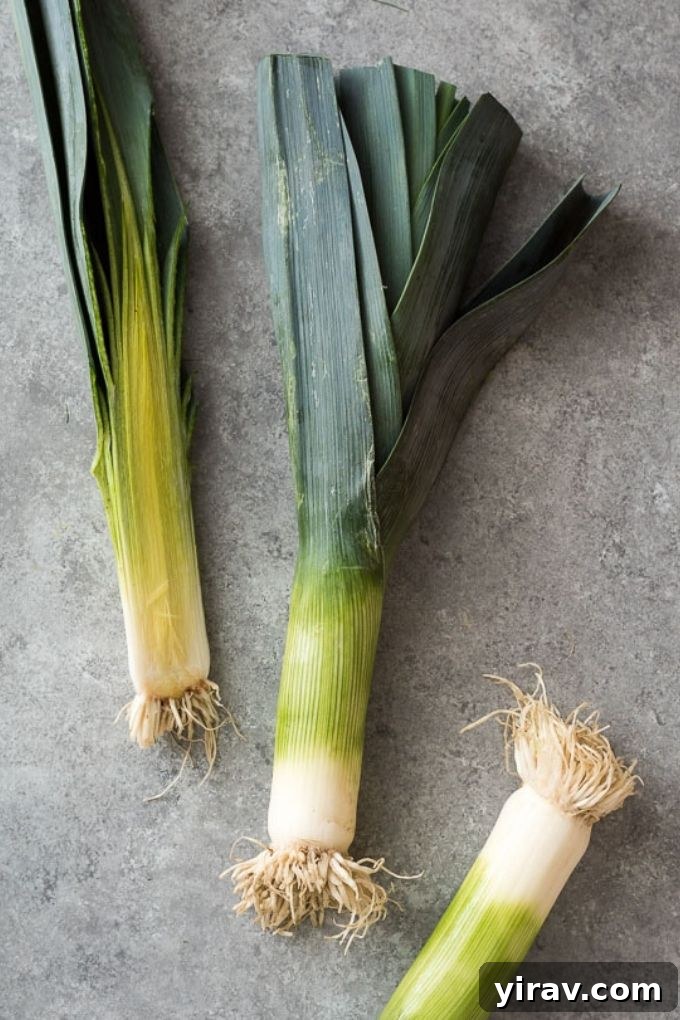
Leeks are fascinating vegetables belonging to the allium family, a diverse group that also includes common kitchen staples like onions, garlic, shallots, and chives. Unlike their bulb-forming cousins, leeks grow in elongated, cylindrical shapes, characterized by tightly bundled leaf sheaths or layers. They boast a distinct appearance, resembling much larger versions of green onions, typically measuring 1 to 2 inches in diameter and growing up to a foot long. Their unique structure and mild flavor set them apart, making them a prized ingredient in cuisines around the world, from French classics to Asian stir-fries. They are particularly cherished for their ability to add a subtle, sweet oniony depth without the pungent sharpness of many other alliums.
Leek FAQs: All Your Questions Answered
When it comes to leeks, the most commonly used and prized parts are the white and light green sections. These portions are tender and offer the delicate, sweet flavor that leeks are known for, making them perfect for both raw and cooked applications. While the dark green leaves are technically edible, they tend to be much tougher and fibrous, with a more intense, sometimes bitter flavor. Most recipes advise trimming and discarding these tougher dark green tops. However, don’t throw them away! These robust green parts are excellent for adding flavor to homemade vegetable stocks, broths, or even infusing oils, making them a valuable, zero-waste ingredient in their own right.
Leeks possess a unique and highly appealing flavor profile that distinguishes them from other members of the allium family. They offer a very mild, subtly sweet onion aroma and taste, which is significantly more delicate and less pungent than a typical onion. When cooked, leeks soften beautifully and their sweetness intensifies, becoming almost buttery and incredibly tender. This delicate flavor ensures that leeks enhance a dish without ever dominating it, providing a nuanced background note that complements other ingredients perfectly. An added bonus for many home cooks is that, unlike onions, slicing leeks rarely causes watery eyes, making their preparation a much more pleasant experience.
How to Select, Store, and Prepare Leeks
To ensure you’re getting the freshest and most flavorful leeks, look for stalks that are firm, straight, and show no signs of wilting, discoloration, or cracking. The white and light green portions should be unblemished, and the dark green tops should appear fresh and vibrant. Opting for untrimmed leeks with their dark green leaves still attached is often a good strategy, as these leaves help to prolong the vegetable’s freshness and shelf life. When selecting, consider the size: younger, smaller leeks (around 1/2 to 1 1/2 inches in diameter) tend to have a more delicate flavor, while larger ones can be slightly more robust. Aim for leeks that offer at least 2-3 inches of usable white and light green sections, as these are the parts you’ll typically be incorporating into your recipes.
Proper storage is key to maximizing the life of your produce. Store untrimmed and unwashed leeks in the crisper drawer of your refrigerator. Placed in a loose plastic bag or wrapped lightly, they can maintain their freshness for anywhere from 5 days to up to 2 weeks, depending on how fresh they were at purchase. It is generally not recommended to freeze raw leeks, as their delicate flavor can turn bitter, and their texture may become mushy upon thawing, diminishing their appeal in most dishes. Understanding these simple storage principles, as detailed in my comprehensive produce storage guide, can significantly impact the longevity and quality of your fresh ingredients.
The Nutritional Powerhouse of Leeks
Leeks are not just delicious; they’re also packed with a remarkable array of nutrients and offer significant health benefits, mirroring many of those found in their allium relatives like garlic and onions. They are an excellent source of essential vitamins, particularly Vitamin A, crucial for vision and immune function; Vitamin C, a powerful antioxidant; and Vitamin K, vital for blood clotting and bone health. Beyond vitamins, leeks provide a good supply of important minerals, including iron for oxygen transport, calcium for strong bones, and magnesium for muscle and nerve function. They also contain folic acid, riboflavin, niacin, and thiamin, which play key roles in energy metabolism and overall cellular health.
Furthermore, the allium family, which proudly includes leeks, is widely recognized for its potent cancer and disease-fighting compounds. These compounds contribute to leeks’ natural diuretic properties, aiding in fluid balance; laxative effects, supporting digestive regularity; and antiseptic qualities, which can help combat various pathogens. Incorporating leeks into your diet regularly is a delicious and easy way to boost your nutrient intake and support overall well-being.
Properly cutting and cleaning leeks is crucial, as they often harbor dirt and grit between their layers. Here’s a simple, effective method:
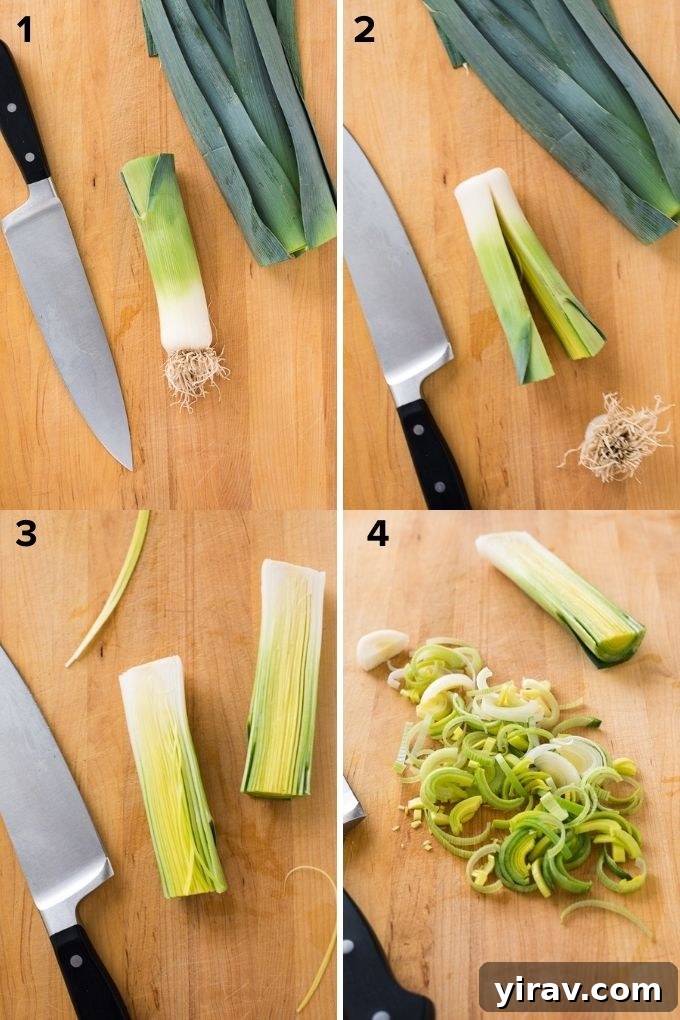
- Remove the Dark Green Tops: Begin by cutting off and discarding the tough, dark green leaf sections. These are generally too fibrous for most cooking applications, though they can be saved for making stock.
- Trim the Root End: Carefully trim the very bottom, “hairy” root end of the leek. Be sure to leave a small portion of the base intact to hold the layers together during cleaning.
- Slice Lengthwise: Place the leek on your cutting board and slice it in half lengthwise, from just above the root end all the way up to the trimmed top. Keep the base connected to maintain its structure.
- Clean Thoroughly: This is a critical step. Gently spread the layers of the halved leek apart, holding it upright under cold running water. Fan out each layer thoroughly to allow the water to rinse away any trapped dirt, sand, or grit. You can also fill a bowl with cold water, submerge the halved leeks, and swish them around to release debris, then drain and rinse.
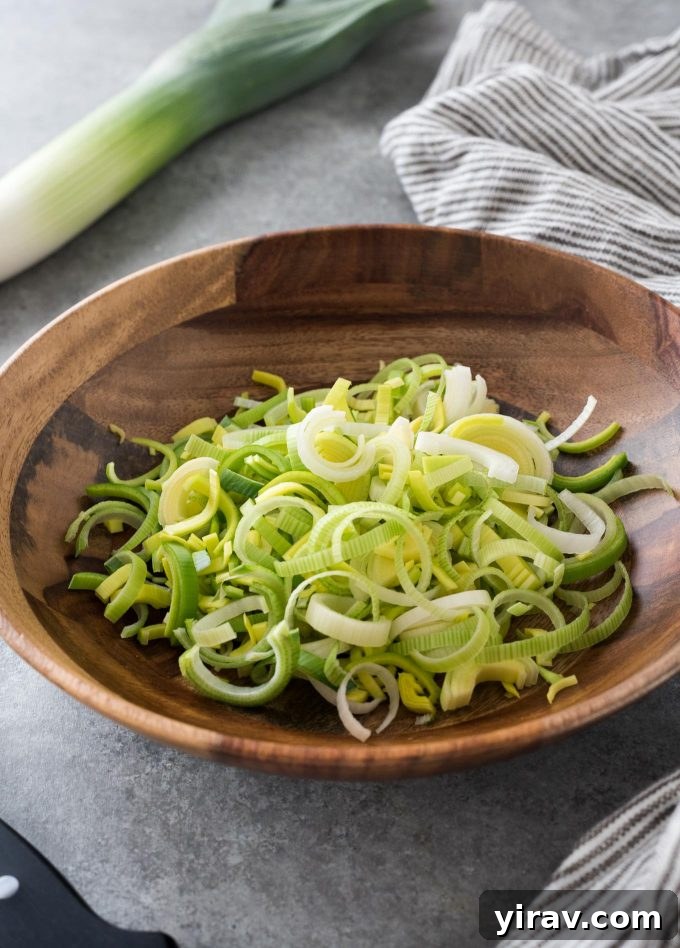
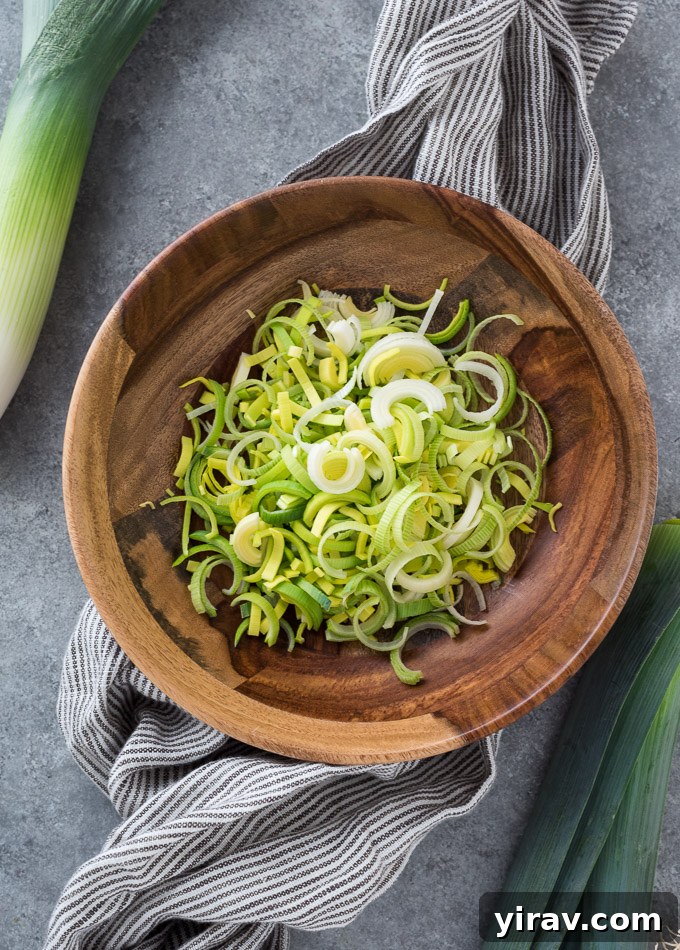
- Blot Dry and Slice: Once clean, gently blot the leek halves dry with a clean kitchen towel or paper towels. Place the cut-side down on your cutting board and slice into thinly sliced half-moons, julienne strips, or whatever shape your recipe calls for.
Once prepped, leeks are best used within 1-2 days to enjoy their freshest flavor and texture.
23 Essential Leek Recipes to Try Now
Now that you’re a leek expert, it’s time to put your knowledge to delicious use! This curated list of 23 leek recipes showcases the incredible versatility of this mild and flavorful vegetable. Whether you’re craving a comforting soup, a hearty pasta, a delicate side dish, or an impressive brunch item, you’ll find a recipe here to inspire your next meal. Each dish highlights leeks in their best form, promising delightful flavors and satisfying textures.
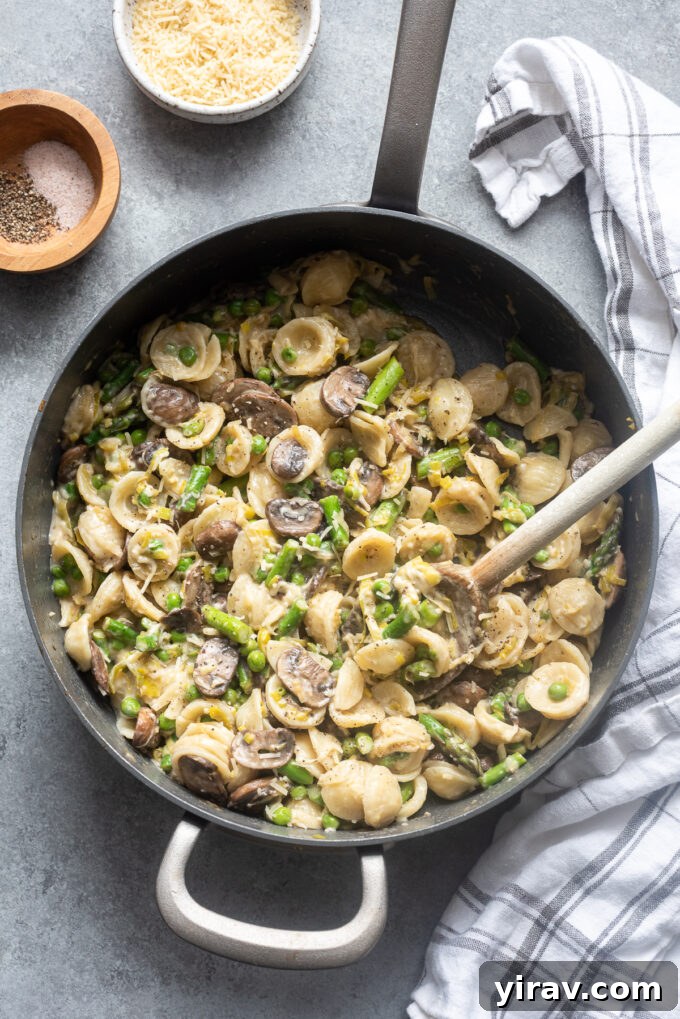
One Pot Spring Pasta Primavera
Get the Recipe
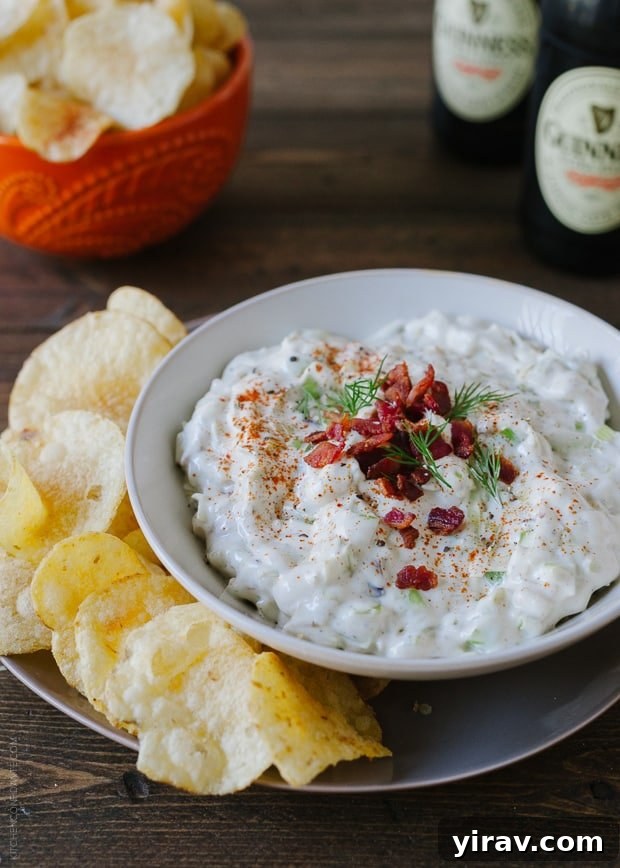
Bacon Leek Dip
Get the Recipe
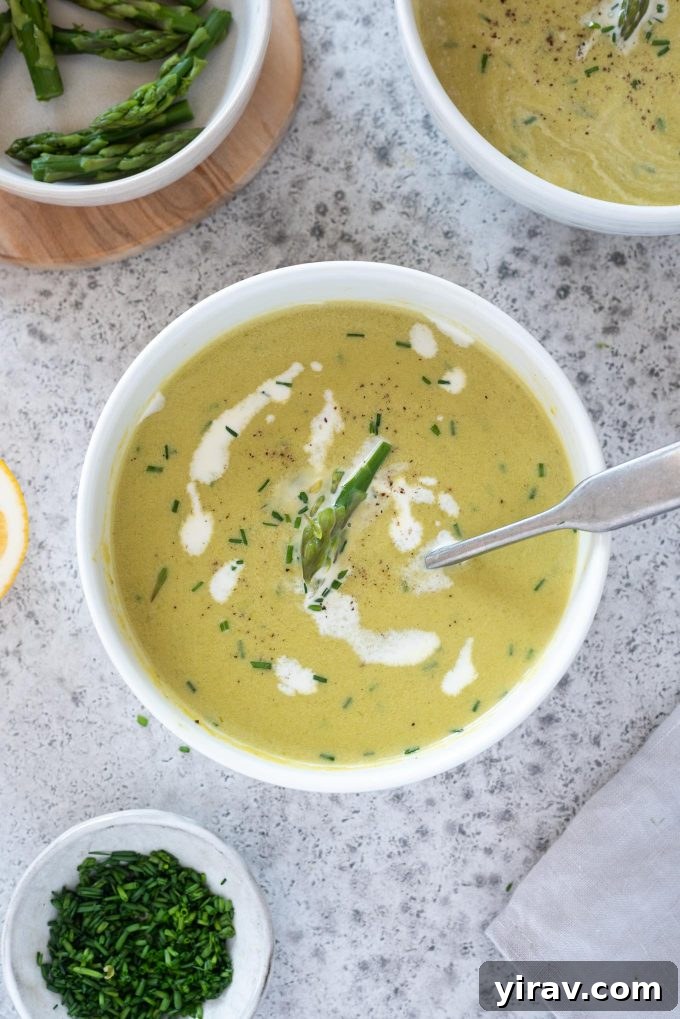
Creamy Asparagus Leek Soup Recipe
Get the Recipe

Bacon Mushroom Make Ahead Quiche (Dairy-Free)
Get the Recipe
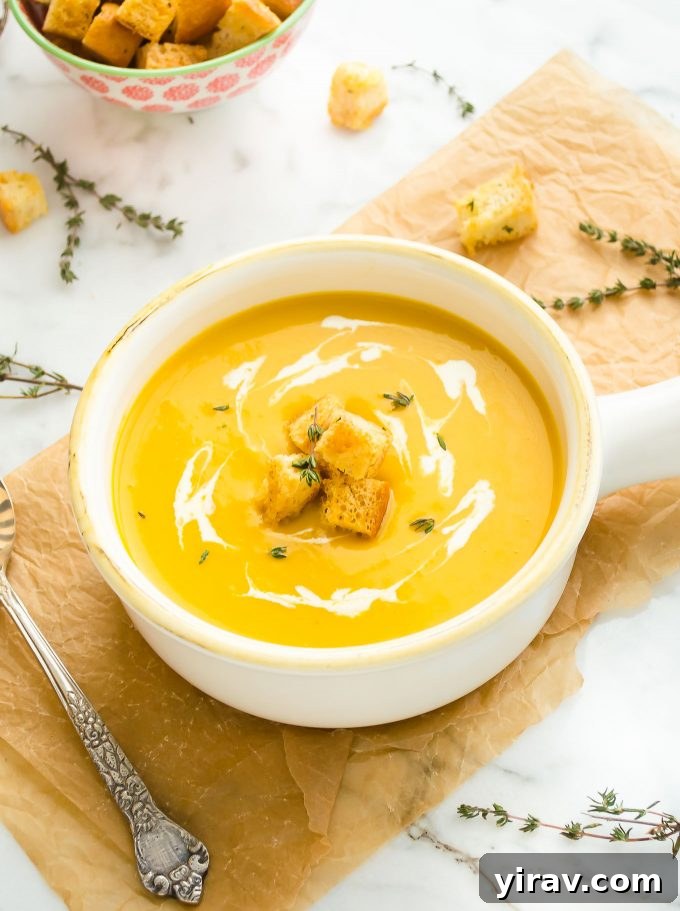
Creamy Butternut Squash Potato Leek Soup
Get the Recipe
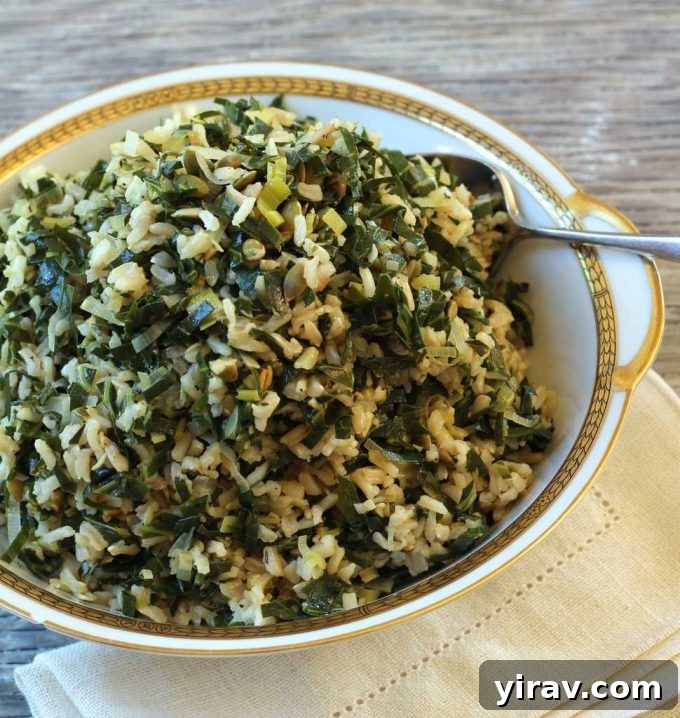
Dirty Rice with Collards and Leeks (Vegan and Gluten-Free)
Get the Recipe
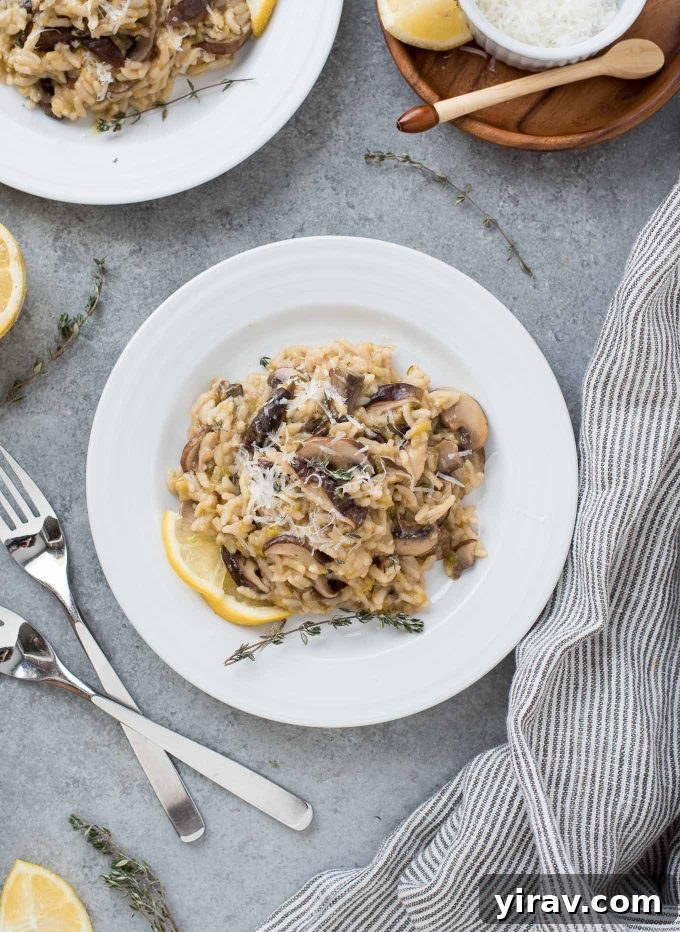
Instant Pot Mushroom Risotto
Get the Recipe

Autumn Vegetable Soup
Get the Recipe
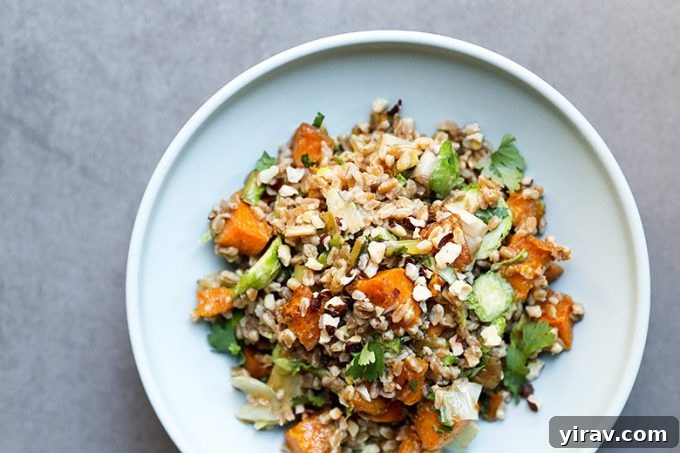
Farro Salad with Butternut Squash, Brussels Sprouts and Leeks – Floating Kitchen
Get the Recipe
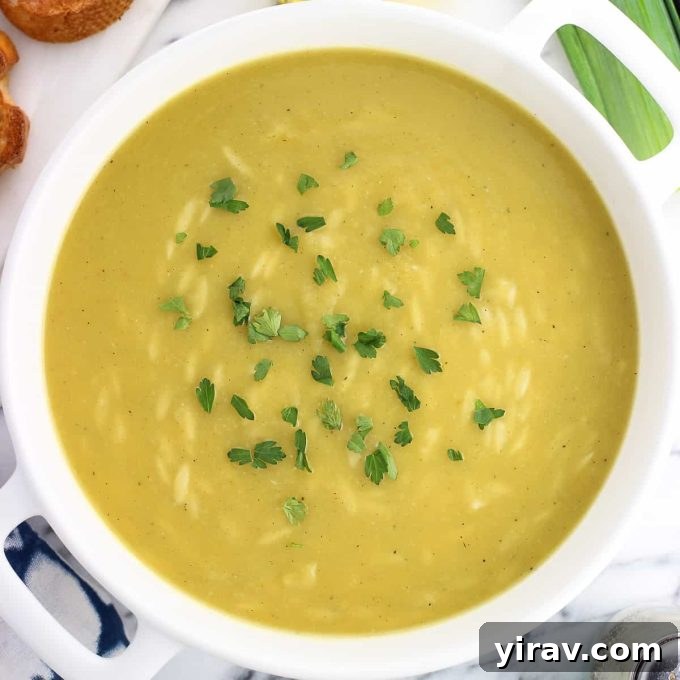
Healthy Potato Leek Soup with Orzo
Get the Recipe
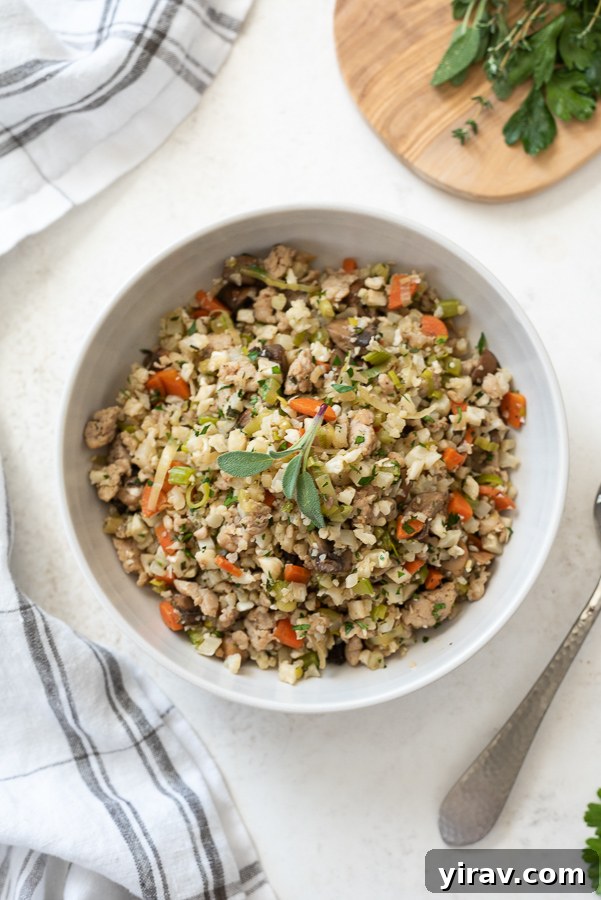
Low Carb Riced Cauliflower Stuffing
Get the Recipe
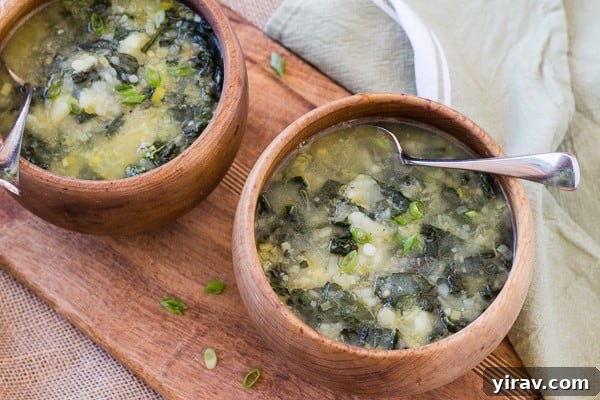
Instant Pot Irish Potato Kale Soup
Get the Recipe
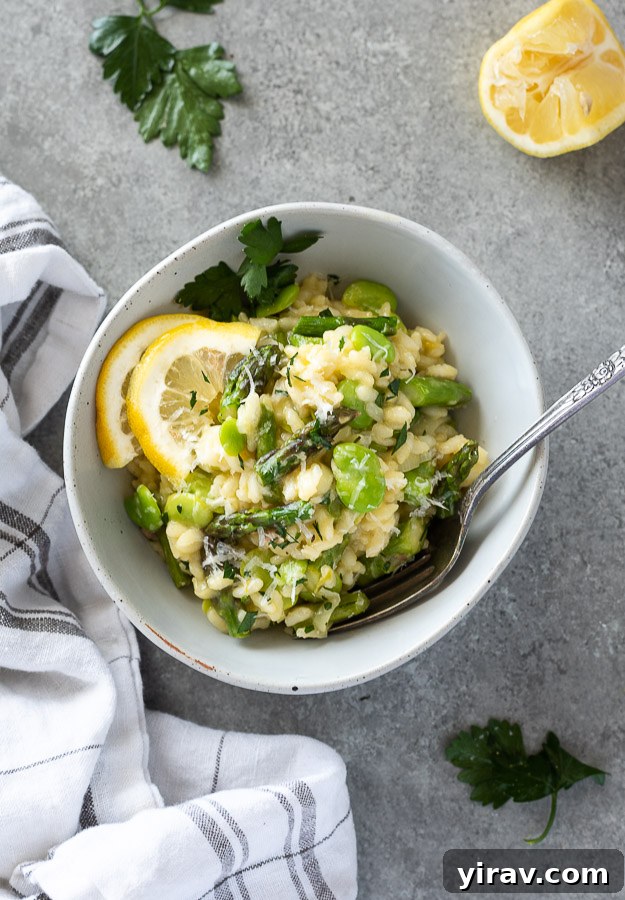
Spring Vegetable Risotto
Get the Recipe

Leek and Parmesan Muffins
Get the Recipe
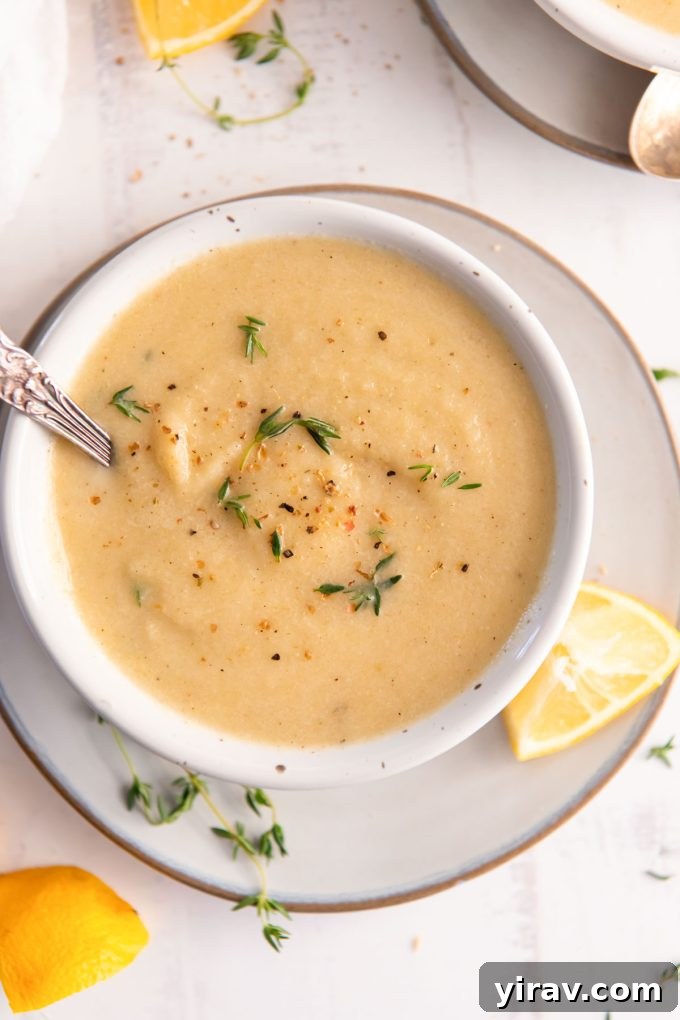
Cauliflower Soup Recipe – Kristine’s Kitchen
Get the Recipe
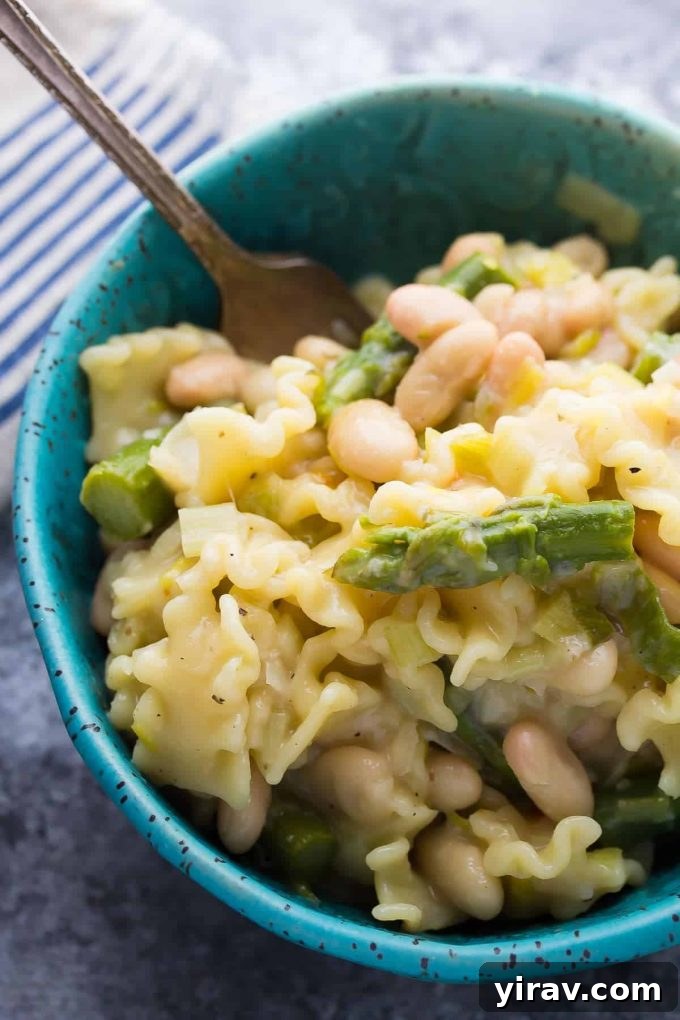
One Pot White Bean Pasta with Leeks – Sweet Peas and Saffron
Get the Recipe
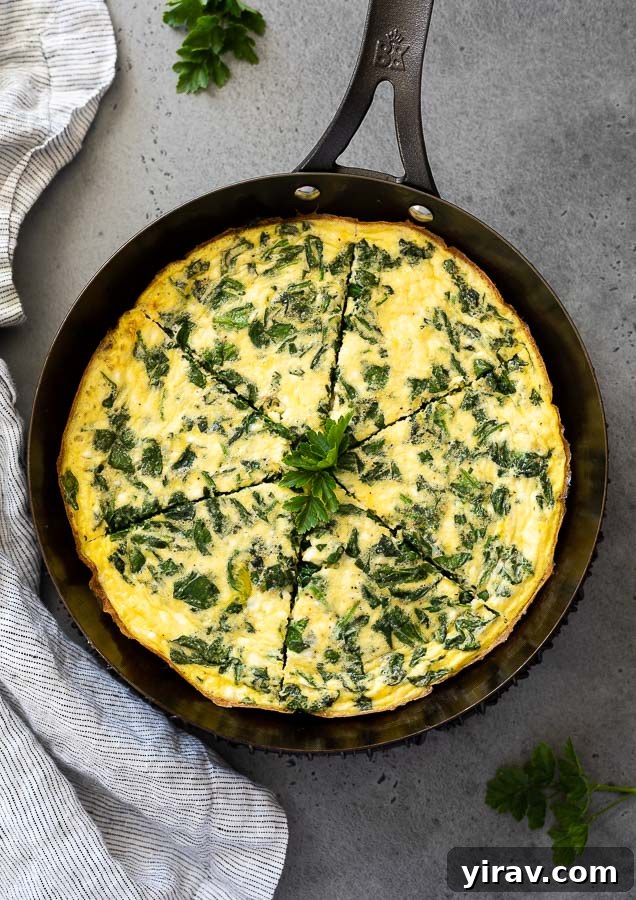
Spinach Frittata Recipe
Get the Recipe
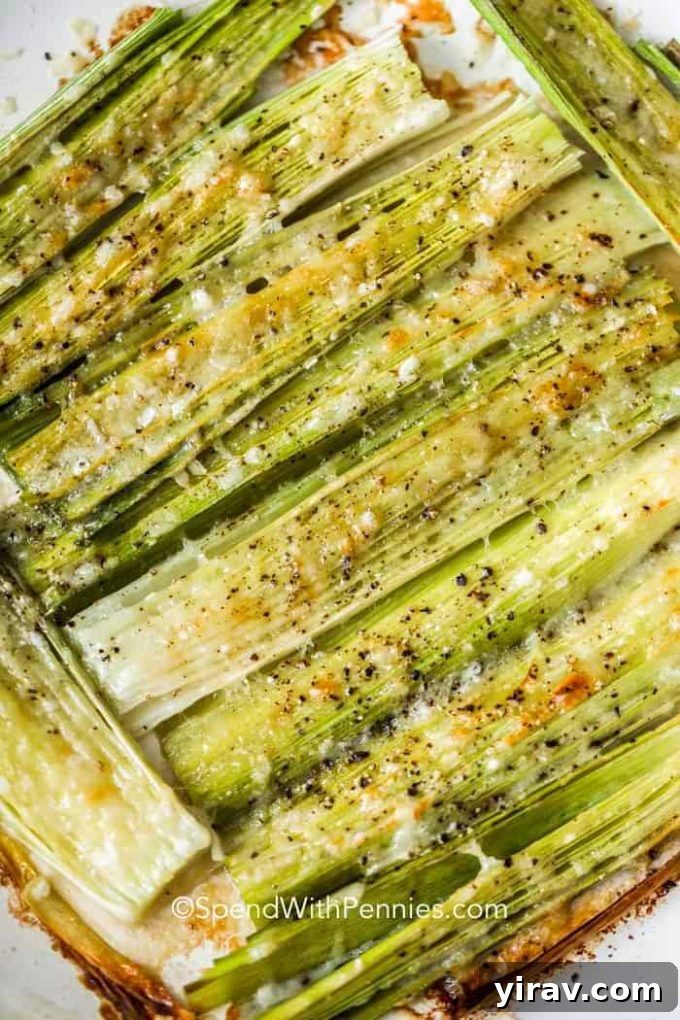
Parmesan Roasted Leeks – Spend With Pennies
Get the Recipe
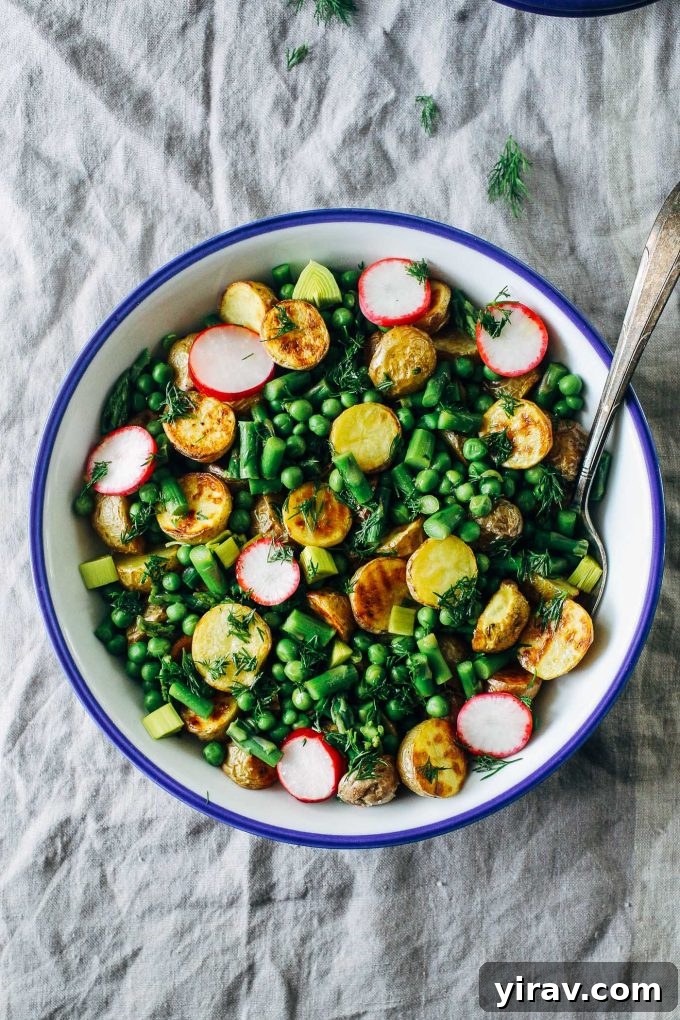
Spring Potato Salad – Making Thyme for Health
Get the Recipe

Instant Pot Vegetable Soup
Get the Recipe

Sweet Potato and Leek Hash with Andouille Sausage
Get the Recipe
References:
- Food Facts
- Natural News
- Wikipedia