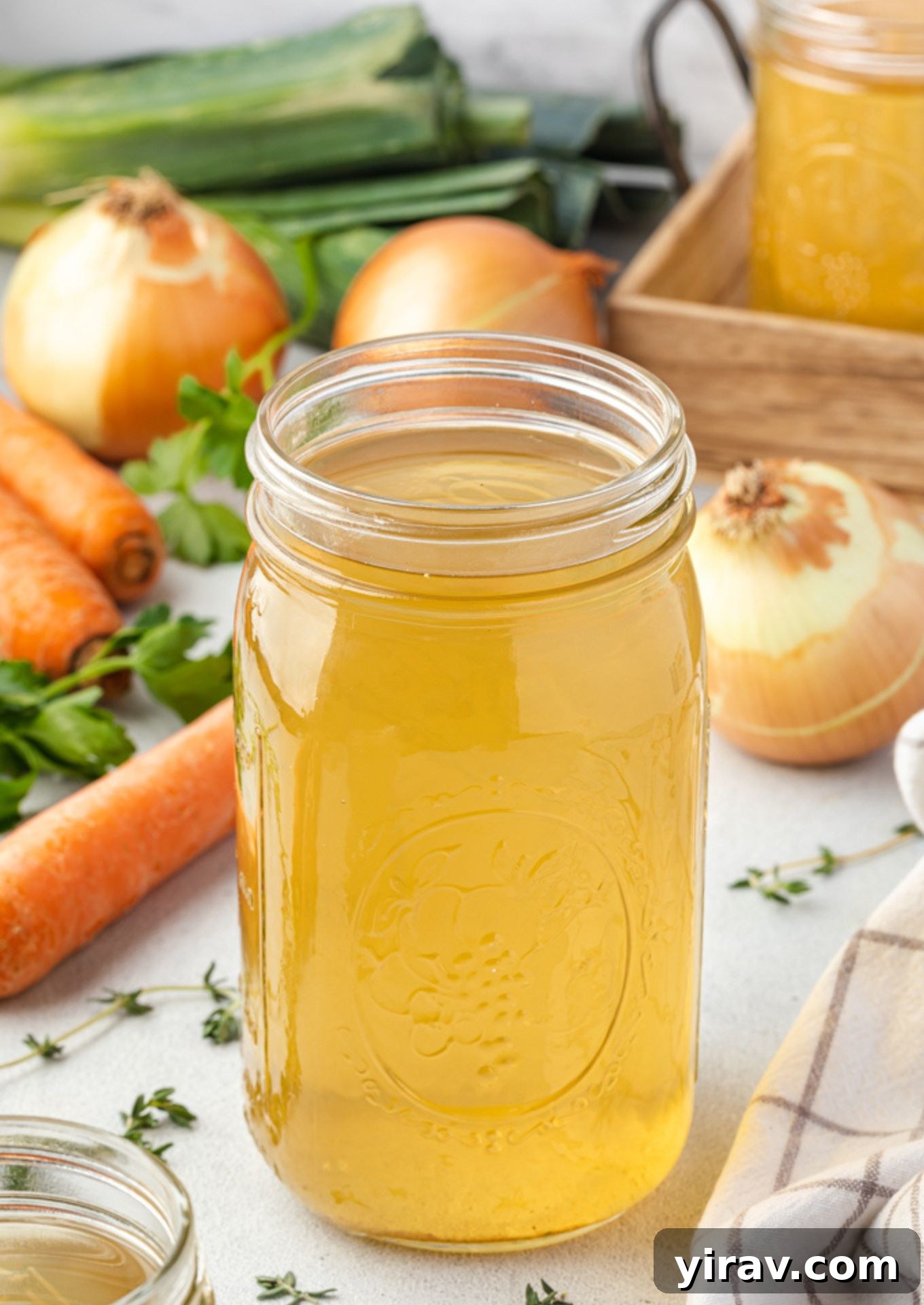
Homemade Vegetable Stock: Elevate Your Cooking with Fresh, Flavorful Broth
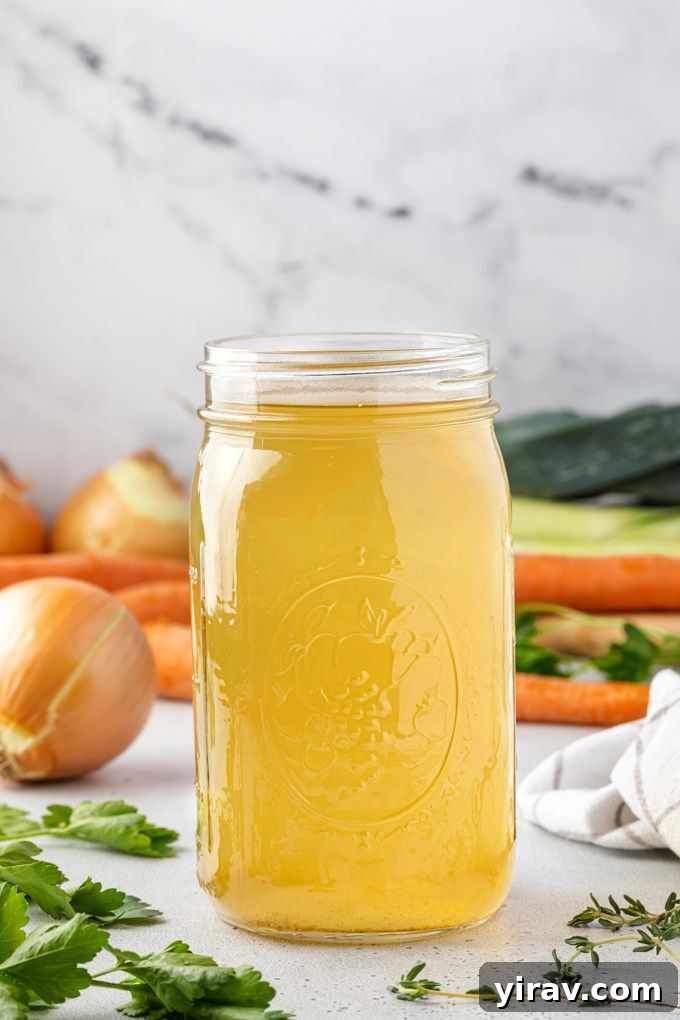
Discover the secret to truly sensational meals with this incredible Homemade Vegetable Stock recipe. So fresh-tasting and incredibly easy to prepare, you’ll wonder why you ever bought it from the store! Making your own allows you complete control over the flavor profile and sodium levels, ensuring your dishes are perfectly seasoned. It’s also a brilliant way to reduce food waste by utilizing those leftover veggie scraps. This versatile recipe is freezer-friendly and includes detailed cooking methods for your stove top, slow cooker, and Instant Pot, making it accessible for every home chef.
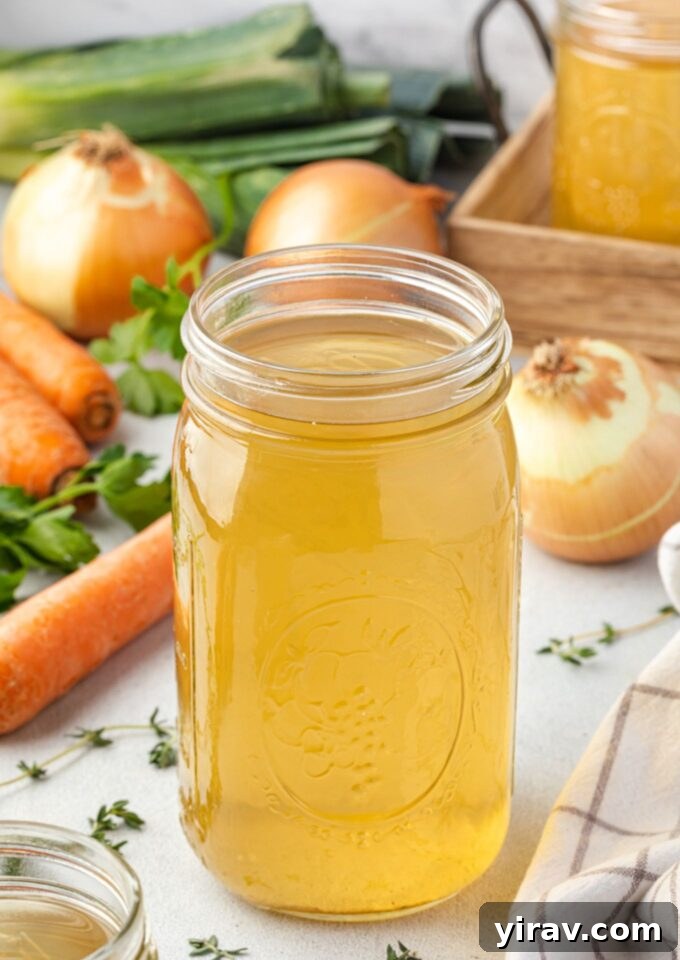
My culinary journey in cooking school quickly revealed a fundamental truth: homemade stock is the ultimate foundation for elevating any dish. The profound depth of flavor it brings is unparalleled by any store-bought alternative. That’s why I always keep a generous stash of homemade chicken stock, turkey stock, and this vibrant Homemade Vegetable Stock on hand. They are essential ingredients that infuse an amazing richness into all my favorite recipes.
Table of Contents
- Why Homemade Vegetable Stock is Best
- Essential Ingredients for a Perfect Vegetable Stock
- Step-by-Step: How to Make Vegetable Broth
- Stovetop Method
- Slow Cooker Method
- Instant Pot Method
- Frequently Asked Questions About Vegetable Stock
- Expert Tips and Recipe Notes
- Creative Ways to Use Your Veggie Stock
Why Homemade Vegetable Stock is Best
If you regularly incorporate vegetable stock into your cooking, you’re well aware that not all store-bought brands are created equal. The difference between a high-quality stock and a mediocre one can dramatically impact the outcome of your culinary creations. Here’s why making your own vegetable stock is a game-changer:
- Unrivaled Flavor and Quality: Many commercial stocks often have an overpowering, sometimes artificial, flavor and an unnaturally deep color that can alter the taste and appearance of your intended dish. Homemade stock, however, offers a clean, pure, and vibrant flavor that enhances, rather than dominates, your recipes.
- Sodium Control: Store-bought stocks are notorious for their high sodium content, which can be detrimental to your health and throw off your dish’s seasoning. By making it yourself, you dictate exactly what goes into your stock, allowing you to keep it completely salt-free. This flexibility is invaluable, as you can then season your final dish to perfection without worrying about excessive salt.
- Cost-Effective: Regularly purchasing high-quality stock can become expensive. Homemade vegetable stock is incredibly economical, especially when you factor in the use of vegetable scraps that might otherwise go to waste. You’re transforming kitchen discards into a valuable culinary asset, saving money in the long run.
- Reduced Food Waste: This is one of the most compelling reasons to make your own. Carrot tops, celery ends, onion skins, mushroom stems, leek greens—these are all treasures that typically get discarded but are perfect for building a delicious stock. It’s a sustainable practice that makes the most of your produce.
- Healthier Option: Beyond sodium control, making your own stock means avoiding artificial flavors, preservatives, and other additives often found in store-bought versions. You’re creating a wholesome, natural base for your cooking.
- Master a Core Culinary Skill: Learning to make stock from scratch is a fundamental skill that empowers you in the kitchen. It gives you a deeper understanding of flavor development and boosts your confidence in tackling more complex recipes.
You’ll be truly amazed at how simple it is to prepare and the profound difference it makes in your soups, stews, risottos, and countless other dishes!
Essential Ingredients for a Perfect Vegetable Stock
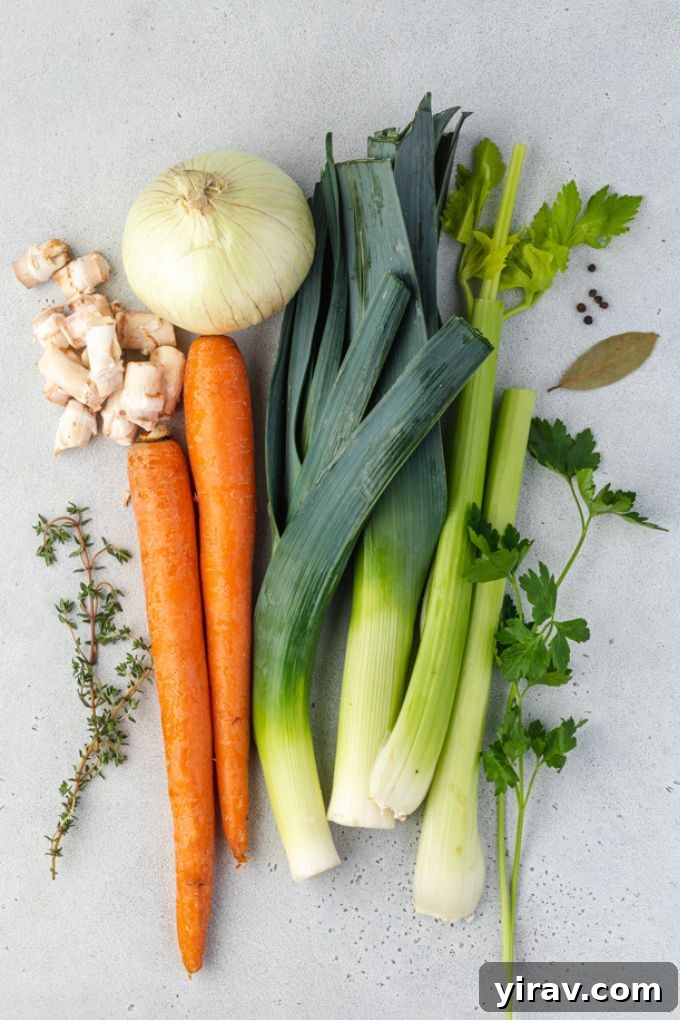
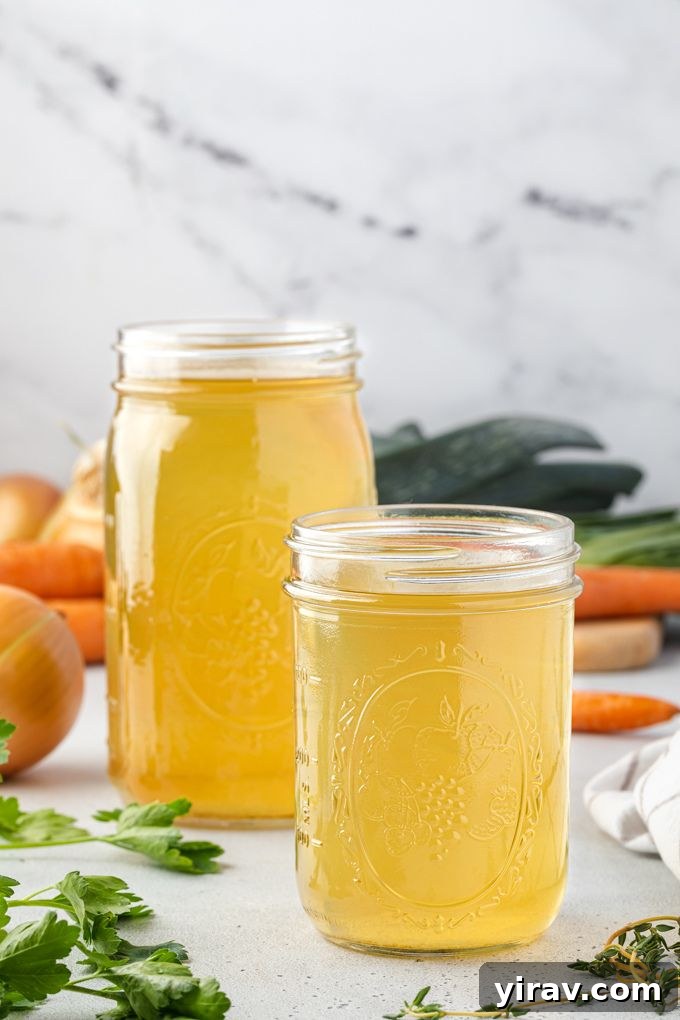
Consider vegetable stock a blank canvas, ready to lend its subtle yet complex flavors to a wide array of dishes. The key is selecting the right vegetables and aromatics to create a clean, versatile base. Here’s a breakdown of the best ingredients:
- Foundation Vegetables (Mirepoix):
- Onions: Quartered yellow or white onions provide a sweet and savory base. Don’t discard the papery skins; they contribute to a rich color and added depth.
- Carrots: Large chunks of carrots add natural sweetness and a beautiful golden hue. Carrot ends and peels are also perfect.
- Celery: Stalks of celery, cut into large chunks, are crucial for that classic savory backbone. Don’t forget to include the leafy tops for extra flavor.
These three form the classic “mirepoix,” the aromatic base for countless recipes, and are essential for a balanced stock.
- Flavor Enhancers:
- Leeks: The green tops of leeks, often discarded, add a delicate, onion-like sweetness without being overpowering. They contribute a clean flavor that complements the other vegetables beautifully.
- Mushroom Stems/Tops: A cup of mushroom stems or even whole mushroom caps provides an umami richness that deepens the stock’s flavor. They are highly recommended for a more robust stock.
- Aromatic Herbs: Fresh herbs are non-negotiable for a truly flavorful stock.
- Bay Leaf: Essential for a subtle, earthy, and slightly floral note.
- Fresh Thyme Sprigs: Adds a woody, aromatic element that pairs wonderfully with vegetables.
- Fresh Parsley Sprigs: Contributes a fresh, green, and slightly peppery flavor. Avoid using too much parsley stem, as it can sometimes lead to bitterness.
- Whole Peppercorns: A few whole black peppercorns add a mild, aromatic warmth and subtle spice. It’s important to use whole peppercorns rather than ground pepper, which can make the stock cloudy. Salt is intentionally omitted from stock, as it is meant to be a foundational ingredient that you season later in your final dish.
- Water: The unsung hero! Use good quality, filtered water if possible, as it makes up the bulk of your stock.
Remember, this recipe is a guideline. Feel free to experiment with other additions or quantities based on what you have and what flavor profile you desire, keeping in mind the recommendations in our FAQ section regarding vegetables to avoid.
Step-by-Step: How to Make Vegetable Broth
Making homemade vegetable broth is surprisingly straightforward, and the result is infinitely more flavorful than anything you can buy. While the stove top method is detailed here, alternative cooking methods for the slow cooker and Instant Pot are also provided below for your convenience.
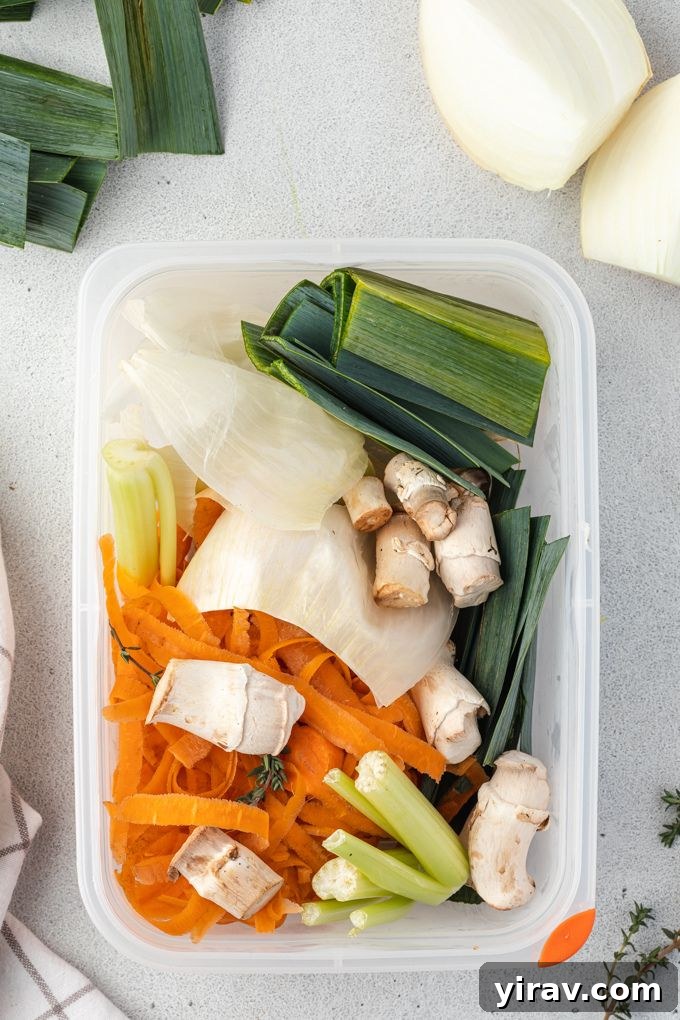
Pro Tip for Zero Waste: Vegetable scraps are culinary gold for stock! Instead of discarding them, save the ends and peels from carrots, celery, leek tops, mushroom stems, and onion skins. Store them in a large airtight container or a zip-top bag in your refrigerator for up to a week, or freeze them for longer-term storage until you’ve collected enough to make a batch of stock. This not only reduces waste but also infuses your stock with incredible, nuanced flavors.
Stovetop Method
This classic method provides robust flavor and is simple to execute:
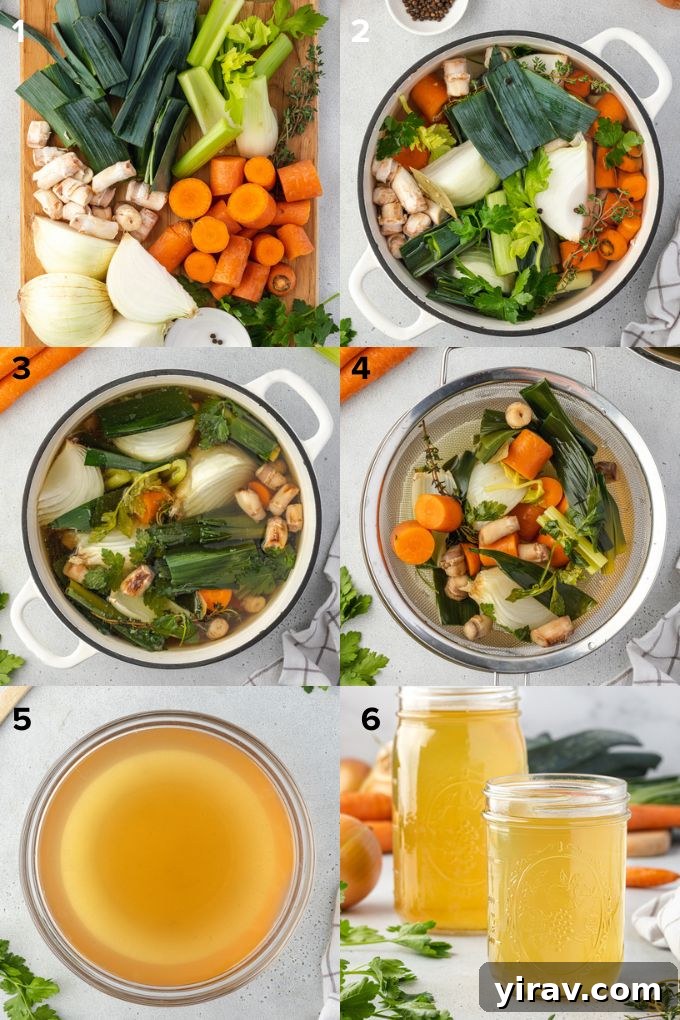
- Prepare Your Vegetables: Thoroughly wash all your vegetables and give them a rough chop. There’s no need for precision, as they will be strained out later.
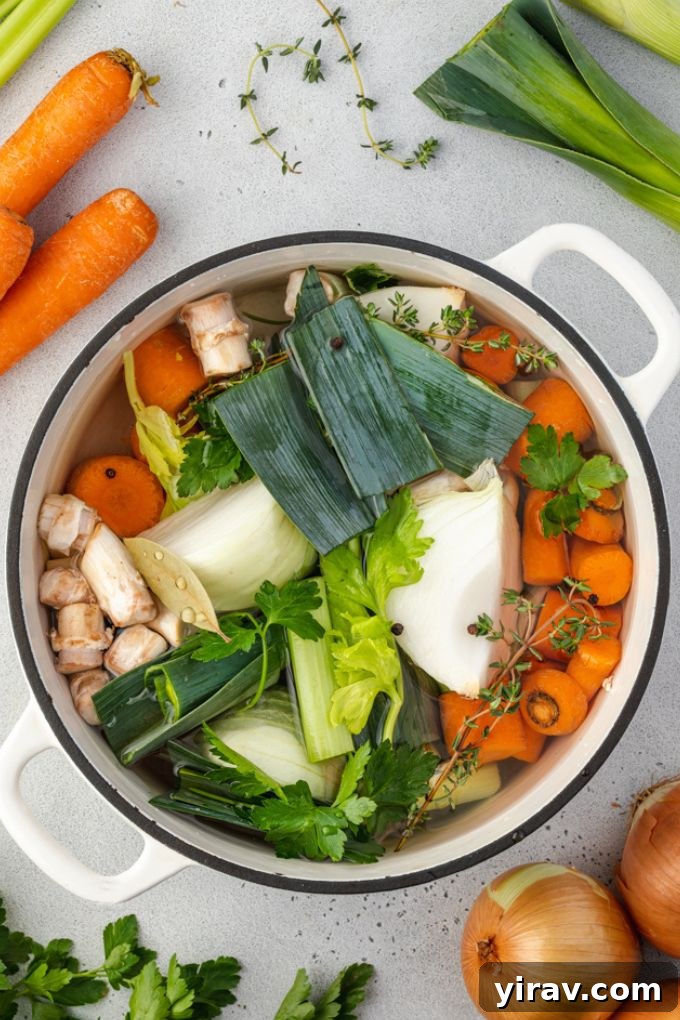
- Combine Ingredients: Place all the prepared vegetables (onions, carrots, celery, leeks, mushroom stems), herbs (bay leaf, parsley, thyme), and peppercorns into a large Dutch oven or a sturdy stockpot. Add the recommended amount of water, ensuring all ingredients are submerged.
- Simmer to Perfection: Bring the pot to a rolling boil over high heat. Once boiling furiously, immediately reduce the heat to a gentle simmer. Cover partially and let it cook for at least one hour, or up to two hours for a richer flavor. Avoid stirring excessively, as this can make the stock cloudy.
- Strain the Broth: Carefully set a fine-mesh strainer over a large heat-proof bowl. If you prefer an exceptionally clear stock, line the strainer with cheesecloth. Slowly pour the entire contents of the pot into the strainer. Discard all the cooked solids.
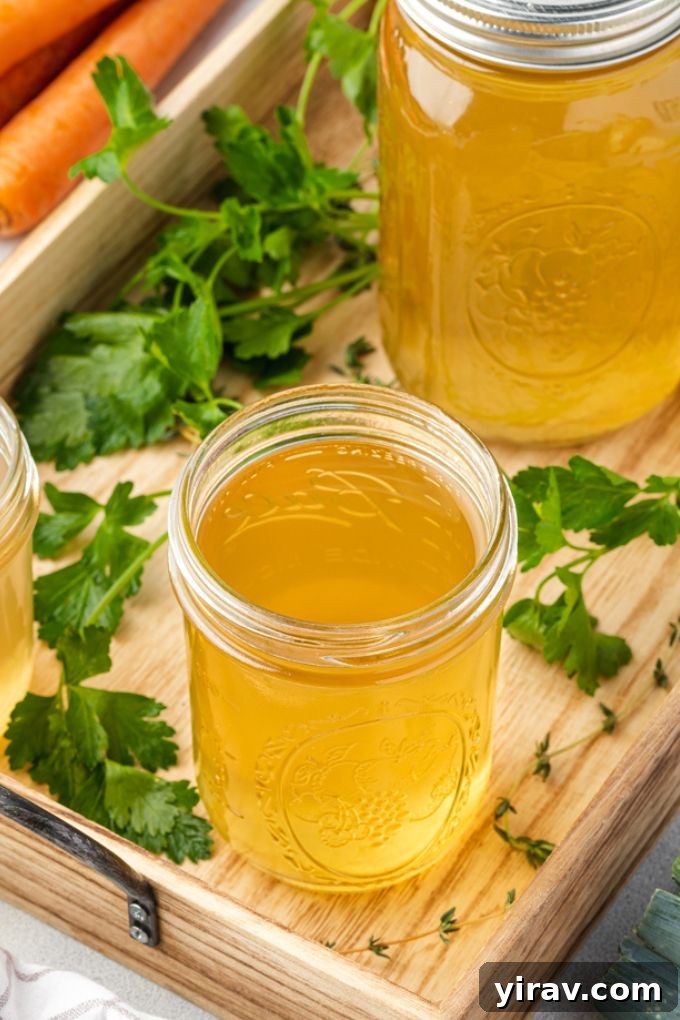
- Cool and Store: Allow the freshly made vegetable stock to cool completely to room temperature before transferring it to jars or airtight containers.
- Refrigerate or Freeze: Store your stock in the refrigerator for up to one week, or freeze it for 3-6 months for longer preservation.
Instant Pot Method
For a quicker, hands-off approach, the Instant Pot is fantastic:
- Place all your vegetables, herbs, peppercorns, and water into the Instant Pot.
- Secure the lid and ensure the vent is sealed.
- Select the “Pressure Cook” or “Manual” setting and set it to High pressure for 15 minutes.
- Once cooking is complete, allow the Instant Pot to naturally release pressure for at least 15-20 minutes, then carefully quick-release any remaining pressure.
- Unlock and remove the lid, then proceed to strain, cool, and store as described in steps 4-6 of the Stovetop Method.
Slow Cooker Method
If you prefer a long, slow simmer that develops deep flavors with minimal effort, the slow cooker is your friend:
- Add all your vegetables, herbs, peppercorns, and water to the slow cooker.
- Cover with the lid and cook on the LOW setting for 6-8 hours, or on the HIGH setting for 3-4 hours.
- Once cooking time is up, proceed to strain, cool, and store as described in steps 4-6 of the Stovetop Method.
Frequently Asked Questions About Vegetable Stock
What’s the difference between vegetable stock vs. broth?
While often used interchangeably, there is a subtle but important distinction between vegetable stock and broth in culinary terms.
- Vegetable Stock: This is primarily designed to be a foundational ingredient in recipes. It’s prepared with clean, neutral flavors and is intentionally unsalted. Typically made with a basic mirepoix (onion, carrots, celery), bay leaf, parsley, thyme, and peppercorns, its purpose is to enhance the flavors of the dishes it’s added to without overpowering them or contributing excessive sodium. Stock is the backbone.
- Vegetable Broth: In contrast, vegetable broth is often seasoned and can feature a wider variety of vegetables for a more pronounced flavor profile. It’s meant to be enjoyed on its own as a comforting beverage or light soup, so it’s ready-to-serve. While it can also be used in cooking, its stronger, pre-seasoned nature might require adjustments to your recipe’s overall seasoning. For most cooking applications where you want full control over the final taste, stock is the preferred choice.
What are the best vegetables for stock?
The best vegetables for a clean and versatile veggie stock are those that contribute savory, sweet, and aromatic notes without being too dominant or bitter. The classics include:
- Onions, Carrots, and Celery: This trio, known as mirepoix, is the golden standard for stock. They provide a balanced, clean flavor that forms the perfect base.
- Mushrooms: Stems and trimmings add a wonderful umami depth.
- Leeks: Especially the green tops, offer a delicate, sweet onion flavor.
- Parsnips and Fennel: Can add a subtle sweetness and anise-like notes respectively, but use sparingly if you want a truly neutral stock.
- Garlic: A few cloves can add aromatic complexity, but avoid using too much, as it can become pungent.
Experimentation is encouraged! Start with the core ingredients and then try adding small amounts of your favorite aromatics to discover new flavor profiles.
What should you not put in vegetable stock?
To avoid a bitter, muddy, or unappetizing stock, it’s crucial to steer clear of certain vegetables:
- Cruciferous Vegetables: Broccoli, cauliflower, Brussels sprouts, and cabbage can impart a strong, sulfuric, and often bitter flavor to your stock.
- Strong Root Vegetables: Rutabagas and turnips can also contribute bitterness.
- Artichokes: These can also lead to an undesirable bitter note.
- Overly Starchy Vegetables: While potatoes can be used in small quantities, too many can make the stock cloudy and starchy.
- Beets: Will turn your stock a deep red color, which might not be desirable for all recipes.
Stick to the recommended vegetables for a clear, clean, and delicious stock.
Can I use vegetable scraps in my vegetable stock?
Absolutely! Using vegetable scraps is one of the most brilliant and sustainable ways to make a flavorful homemade veggie stock. It minimizes waste and extracts every bit of goodness from your produce. Here’s how to do it effectively:
- Collect Your Scraps: Keep a large container or a sturdy Stasher bag (or any freezer-safe zip-top bag) in your refrigerator or freezer. Throughout the week, add scraps like onion peels and ends, carrot peels and tips, mushroom stems, leek tops, and celery leaves and bottoms.
- What to Avoid: Just as with whole vegetables, avoid adding scraps from cruciferous veggies (broccoli stems, cauliflower cores), kale, or arugula, as they will impart a bitter flavor to your stock.
- Making Stock from Scraps: Once your bag is full, transfer the accumulated scraps to a large pot. Add essential aromatics like fresh parsley, thyme, a bay leaf, and about 6 whole peppercorns. Cover the scraps with water by at least 1 inch (approximately 8-10 cups depending on scrap volume) and simmer for one hour as per the stovetop instructions.
How long does homemade vegetable stock last?
Proper storage is key to enjoying your homemade stock:
- Refrigerator: Freshly made vegetable stock will last for up to one week when stored in an airtight container in the refrigerator.
- Freezer: For longer preservation, freeze your stock for 3 to 6 months. I highly recommend using Souper Cubes, which allow you to freeze stock in convenient 1-cup and 2-cup portions. This makes it incredibly easy to grab just the right amount for your recipes without having to defrost a large batch. You can also freeze stock in ice cube trays and then transfer the frozen cubes to a freezer bag.
Expert Tips and Recipe Notes
- Don’t Salt Your Stock: As mentioned, homemade vegetable stock should be left unsalted. This allows you to control the seasoning of your final dish precisely. Add salt to your recipe, not to the stock itself.
- Flexibility is Key: This recipe serves as a fantastic guideline, but it’s incredibly forgiving. Feel free to adjust the quantities of vegetables based on what you have on hand or what you need to use up. Embrace experimentation with different vegetables, always keeping in mind which ones to avoid to prevent bitterness.
- Avoid Bitterness: To reiterate, steer clear of strongly flavored vegetables like cabbage, Brussels sprouts, broccoli, cauliflower, turnips, or rutabagas. These will impart an unpleasant bitter taste to your delicate stock.
- The Power of Roasting: For an even deeper, more complex flavor profile, consider roasting your vegetables (onions, carrots, celery, leeks, mushrooms) before adding them to the pot. This caramelizes their natural sugars, adding a wonderful richness to the finished stock.
- Don’t Overcrowd the Pot: Ensure you have enough water to cover your vegetables. If your pot is too full of veggies and not enough water, you’ll end up with a less flavorful, more concentrated stock, or some vegetables may not fully extract their flavors.
- Gentle Simmer: A slow, steady simmer is ideal. A rapid boil can emulsify the starches and make your stock cloudy. Patience is a virtue here.
Creative Ways to Use Your Veggie Stock
Once you have a batch of this golden liquid gold, the culinary possibilities are endless! Here are some fantastic ideas to put your homemade vegetable stock to good use:
- Grain Cooking: Swap water for vegetable stock when cooking grains like polenta, rice pilaf, quinoa, or couscous. It instantly infuses them with a richer, more complex flavor.
- Soups and Stews: This is where stock truly shines! Use it as a flavorful base for heartwarming soups such as a hearty minestrone soup with spinach, a vibrant carrot ginger soup, or any other favorite stew.
- Risottos and Braises: Achieve restaurant-quality depth in dishes like creamy wild mushroom and leek risotto. It’s also perfect for braising vegetables or legumes.
- Sauces and Gravies: Use it as a liquid component in your pan sauces or gravies to add incredible savoriness without extra fat.
- Flavorful One-Pot Meals: Elevate one-pot wonders like Mexican quinoa or use it to bring out the best in pasta dishes such as skillet pasta primavera and one-pot Thai peanut veggie pasta.
- Steaming Vegetables: Use a splash of stock instead of water when steaming vegetables for an added layer of flavor.
Did you try this recipe? If so, be sure to leave a review below and tag me @flavorthemoments on Facebook and Instagram!
Homemade Vegetable Stock
Pin Recipe
Average Rating: 5 stars (1 review)
Leave a Review »
Equipment
- 6 Quart Instant Pot
- Le Creuset 5 1/2 Quart Dutch Oven
- 6 Quart Crock Pot
Ingredients
- 1 yellow onion, quartered
- 2 leek tops (sub with another onion or 2 fennel tops)
- 2 stalks celery, cut into large chunks (include leafy tops if you have them)
- 2 large carrots, cut into large chunks
- 1 cup mushroom stems (optional)
- 1 bay leaf
- 2 large sprigs flat leaf parsley
- 2 large sprigs thyme
- 6 peppercorns
- 8 cups water (or up to 10 cups)
Instructions
- Place all ingredients in a large soup pot and bring to a boil over high heat. Once boiling, reduce the heat to low and simmer for one hour.
- Set a strainer over a large bowl and line with cheesecloth if necessary. Pour the stock into the strainer and discard the solids.
- Cool completely, then store the stock in an airtight container in the fridge for up to 1 week or freeze for up to 6 months.
Notes
- Pro tip: Vegetable scraps are great for stock! Save the ends from carrots, celery, leek tops, mushroom stems, onions and store in an airtight container in the fridge until you’re ready to make your stock or freeze for later use.
- This recipe is a rule of thumb. You can change the quantities of the vegetables depending on what you have. Feel free to experiment with other vegetables as outlined in the FAQs section above.
- Avoid using vegetables with strong flavor such as cabbage, brussels sprouts, broccoli, cauliflower, turnips or rutabagas as they will add a bitter flavor.
- I don’t add salt to my veggie stock as I like to wait until I add it to my dishes.
- Instant Pot Vegetable Stock: Place all ingredients in the Instant Pot and lock the lid in place. Select the Pressure Cook button and set it to High pressure for 15 minutes. Allow the Instant Pot to naturally release pressure, then unlock and remove the lid. Strain, cool, and store as described above.
- Slow Cooker Vegetable Stock: Place all ingredients in the slow cooker. Cover and cook on low for 6-8 hours or high for about 3-4 hours. Strain, cool, and store as described above.
Nutrition
Serving: 1 cup, Calories: 18kcal, Carbohydrates: 4g, Protein: 1g, Sodium: 26mg, Fiber: 1g, Sugar: 2g
Nutrition is estimated using a food database and is only intended to be used as a guideline for informational purposes.
Did you try this recipe?
Be sure to tag @flavorthemoments with the hashtag #flavorthemoments on Instagram so I can see what you made!
**This recipe was originally published in January 2018. The photos have been updated to include step-by-step visuals, and the text has been comprehensively modified to provide more recipe information, enhanced readability, and improved SEO.