
There’s nothing quite like the comforting aroma of freshly baked Gingerbread Cookies to herald the festive season. This beloved classic isn’t just a treat; it’s a cherished holiday tradition, filling homes with warm, spicy fragrances and creating lasting memories. Our tried-and-true recipe promises perfectly soft, delightfully chewy gingerbread cookies, bursting with a harmonious blend of ginger, cinnamon, and cloves, all beautifully adorned with a simple yet elegant vanilla icing. Whether nestled in a Christmas cookie box, arranged on a holiday platter, or simply enjoyed with a mug of hot cocoa, these gingerbread delights are an absolute must for your festive celebrations.

For many, including myself, the holiday season simply isn’t complete without the magic of soft gingerbread cookies. It’s a tradition I wholeheartedly embraced years ago, and now these spiced wonders are always a highlight in the assortments of cookies I lovingly prepare as gifts for friends and family.
There’s an undeniable charm in those cute little gingerbread figures, often shaped as gingerbread men or women, with their whimsical vanilla icing swirling gracefully around their hands and feet, often adorned with playful candy eyes and buttons. They instantly transport me back to childhood, sparking a sense of joy and anticipation that I eagerly look forward to recreating every single year. Beyond their delightful taste, gingerbread cookies embody the spirit of the holidays, offering warmth, nostalgia, and a touch of homemade love.
Table of Contents
- Why You’ll Love This Recipe
- The Timeless Appeal of Gingerbread
- Recipe Ingredients
- How to Make the Perfect Gingerbread Cookies
- Preparing the Cookie Dough
- Baking and Decorating Your Gingerbread Masterpieces
- Recipe FAQs
- Pro Tips for Gingerbread Success
- More Christmas Cookies You’ll Love
Why You’ll Love This Recipe
This gingerbread cookie recipe stands out as an exceptional choice for your holiday baking for several compelling reasons:
- Perfect Texture: Unlike some overly crisp gingerbread cookies, these are intentionally crafted to be wonderfully soft and tender with just the right amount of chewiness. Each bite melts in your mouth, delivering a comforting and satisfying experience that will leave you wanting more.
- Rich, Balanced Flavor: Our recipe ensures a generous infusion of warm, classic gingerbread spices – vibrant ginger, fragrant cinnamon, and aromatic cloves. The flavor profile is perfectly balanced, offering a festive warmth without being overpowering.
- Effortless Icing: To complement the spicy cookies, we’ve included an incredibly easy-to-make vanilla icing. It’s simple to prepare and provides the ideal sweet counterpoint, enhancing the overall taste and making decoration a joy, not a chore.
- Make-Ahead Convenience: Holiday baking can be hectic, which is why this recipe is designed for flexibility. The cookie dough can be prepared several days in advance and stored in the refrigerator, allowing you to roll it out and bake fresh cookies whenever you’re ready, spreading out your baking tasks.
- Festive and Gift-Worthy: These gingerbread cookies are the epitome of holiday cheer. Their delightful appearance and irresistible flavor make them perfect for adorning your Christmas cookie tray, sharing as thoughtful homemade gifts with friends and family, or simply enjoying as a delightful treat throughout the season. They truly capture the essence of Christmas in every bite.

The Timeless Appeal of Gingerbread
Gingerbread has a rich history, tracing its origins back to ancient times and evolving into the beloved holiday treat we know today. Originally a spiced bread, it was brought to Europe in the 11th century and gained popularity during the Middle Ages. The distinct gingerbread “man” shape is often attributed to Queen Elizabeth I, who reportedly had gingerbread figures made in the likeness of her guests. Over centuries, gingerbread transformed from a medicinal spice bread into a confectionery delight, becoming synonymous with celebrations, especially Christmas. Its warm spices – ginger, cinnamon, cloves, and sometimes nutmeg – are not just delicious but also evoke a sense of coziness, tradition, and home. This recipe honors that rich heritage, delivering a gingerbread cookie that is both authentic in flavor and wonderfully comforting.
Recipe Ingredients
Crafting these delectable gingerbread cookies requires a selection of common pantry staples and essential spices. Here’s a detailed look at the ingredients you’ll need, along with a few helpful notes:
- All-Purpose Flour: The foundation of our cookies, providing structure and texture.
- Baking Soda: A leavening agent that helps the cookies rise slightly and contributes to their soft chewiness.
- Salt: A pinch of salt is crucial for balancing the sweetness and enhancing the overall depth of flavor from the spices.
- Ground Ginger: The star spice, delivering that signature warm, slightly pungent, and peppery gingerbread kick. Don’t skimp on fresh, quality ginger for the best results.
- Ground Cinnamon: Adds a sweet, woody warmth that complements the ginger beautifully, creating a classic holiday spice blend.
- Ground Cloves: Provides a rich, intense, and slightly sweet aroma that deepens the overall spice profile, making these cookies truly aromatic.
- Unsalted Butter: Softened to room temperature, butter is essential for achieving a tender crumb and rich flavor. If using salted butter, simply omit the additional 1/4 teaspoon of salt from the recipe to maintain balance.
- Dark Brown Sugar: We prefer dark brown sugar for its rich, deep molasses notes and moist texture, which significantly contributes to the chewiness and complex flavor of the cookies. Light brown sugar can be substituted, but it will result in a slightly milder flavor.
- Egg: A large egg, at room temperature, acts as a binder, adding moisture and richness to the dough.
- Molasses: This is a non-negotiable ingredient for authentic gingerbread flavor and color. Use unsulphured, robust molasses (like Grandma’s brand) for the best results. Avoid blackstrap molasses, which can be too bitter.
- Powdered Sugar: The base for our easy vanilla icing, ensuring a smooth, lump-free glaze. Sifting it before use is highly recommended.
- Corn Syrup: While optional, a touch of corn syrup in the icing provides a beautiful sheen and a slight elasticity, making the icing easier to work with and preventing it from cracking. If you don’t have it, your icing will still be delicious!
- Vanilla Extract: A splash of pure vanilla extract enhances the sweetness and aroma of the icing, creating a perfect balance with the warm cookie spices.
How to Make the Perfect Gingerbread Cookies
While the process of baking and decorating these delightful gingerbread cookies does require some time, the steps themselves are quite straightforward and rewarding. Remember, patience is key, especially with chilling the dough for optimal results. To make this recipe even more manageable during the busy holiday season, consider breaking it up into 2 or 3 distinct stages.
Pro Tip: I often prepare the dough and let it chill thoroughly overnight. The next day, I bake the cookies, and then I either decorate them on the same day or save the decorating for the following day. This approach transforms a larger baking project into a series of enjoyable, less hurried steps.
Preparing the Cookie Dough
The foundation of fantastic gingerbread cookies lies in a well-prepared dough. Follow these steps carefully to ensure a soft, flavorful, and easy-to-handle dough:
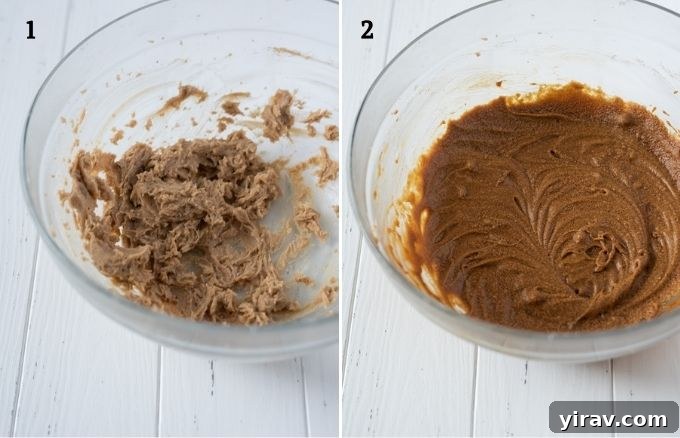
- Combine Dry Ingredients: In a medium bowl, whisk together the all-purpose flour, baking soda, salt, ground ginger, ground cinnamon, and ground cloves until well combined. Set this mixture aside. This ensures all the spices are evenly distributed.
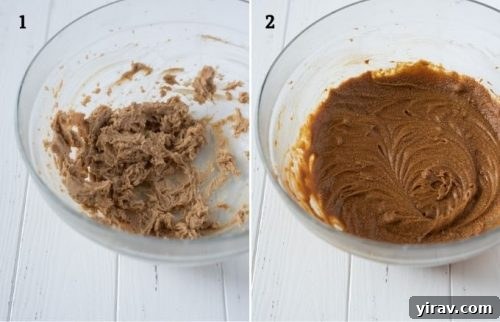
- Cream Butter and Sugar: In a large mixing bowl, using an electric mixer, cream together the softened unsalted butter and dark brown sugar. Beat on medium speed until the mixture is light, fluffy, and pale in color, typically 2-3 minutes. This incorporates air, contributing to a tender cookie.
- Add Wet Ingredients: Beat in the room temperature egg and molasses. Continue to beat on medium speed until these wet ingredients are thoroughly combined with the butter mixture. Don’t be alarmed if the mixture appears slightly curdled at first; it will smooth out.
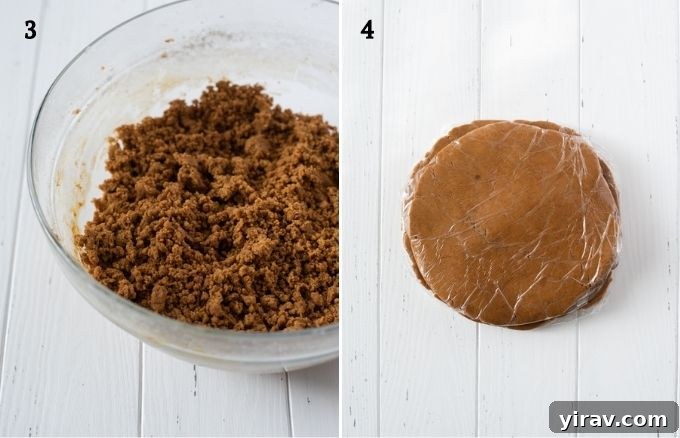
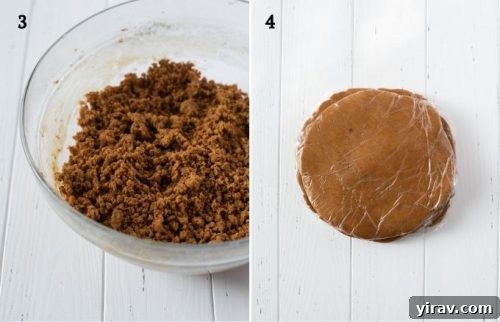
- Incorporate Dry into Wet: Gradually add the dry ingredient mixture to the wet ingredients. Mix on low speed, just until the flour is incorporated and no dry streaks remain. Be careful not to overmix, as this can lead to tough cookies. At this stage, the dough will likely be quite crumbly.
- Form and Chill Dough: Using your hands, gently gather the crumbly dough and divide it into two equal disks. Wrap each disk tightly in plastic wrap to prevent it from drying out. Place both wrapped dough disks in the refrigerator and chill for a minimum of 2 hours, or ideally, overnight. Chilling is crucial as it firms up the dough, making it much easier to roll and cut, and enhances the flavor.
- Prepare for Baking: When you’re ready to bake, preheat your oven to 375°F (190°C). Line two large baking sheets with parchment paper. Lightly flour your rolling surface and your rolling pin to prevent sticking.
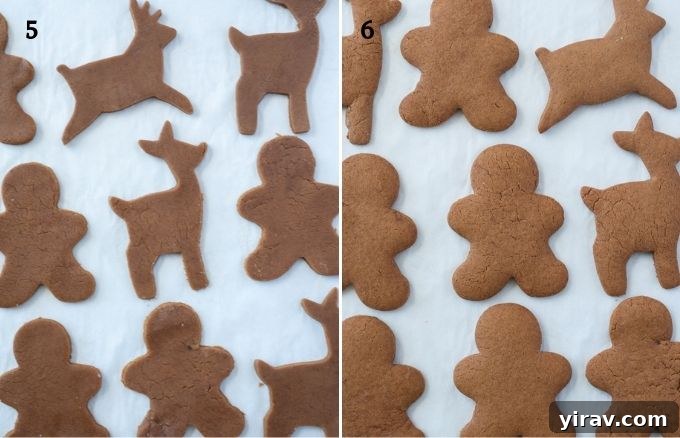
- Roll and Cut: Take one disk of chilled dough (leaving the other in the fridge). Roll the dough evenly to about 1/4-inch thick for nice, soft, and slightly chewy cookies. If you prefer thinner, crispier gingerbread, roll it to 1/8-inch thick. Use your favorite cookie cutters to cut out shapes and carefully transfer them to the prepared baking sheets, spacing them about 1 inch apart. If the dough becomes too warm and sticky, return it to the refrigerator for a short period. Gather dough scraps, gently re-roll, and cut more cookies, being mindful not to add too much extra flour.
- Bake: Bake the cookies for 6-8 minutes. The exact time will depend on your oven and cookie thickness. You’ll know they’re done when the edges are lightly golden brown and the tops feel dry to the touch. Avoid overbaking if you want to maintain their soft texture.
- Cool: Once baked, remove the cookies from the oven and let them cool on the baking sheets for a few minutes before carefully transferring them to wire racks to cool completely. They must be completely cool before icing.
Baking and Decorating Your Gingerbread Masterpieces
Decorating gingerbread cookies is where the real fun begins and you can let your creativity shine! Ensure your cookies are entirely cool before starting.
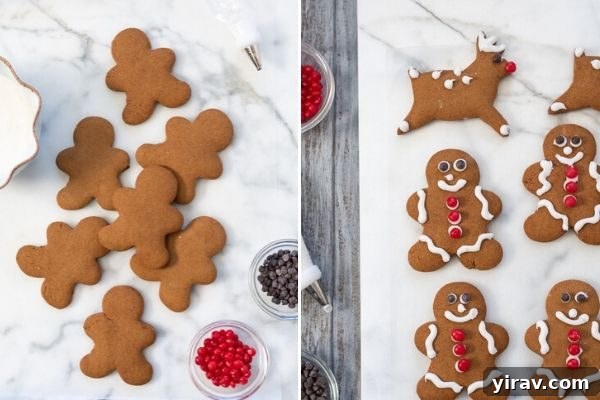
- Prepare Your Workspace: Place the completely cooled cookies on sheets of waxed paper or parchment paper. This makes cleanup easier and prevents icing from sticking to your countertop.
- Prepare the Icing: In a medium bowl, combine the sifted powdered sugar, 2 tablespoons of hot water, corn syrup (if using), and vanilla extract. Stir vigorously with a spoon or whisk until the mixture is completely smooth and free of lumps. The consistency should be thick enough to hold its shape for piping but still spreadable. If it’s too thick, add more hot water, half a teaspoon at a time, stirring well after each addition until the desired consistency is reached. If it becomes too thin, add a little more powdered sugar.
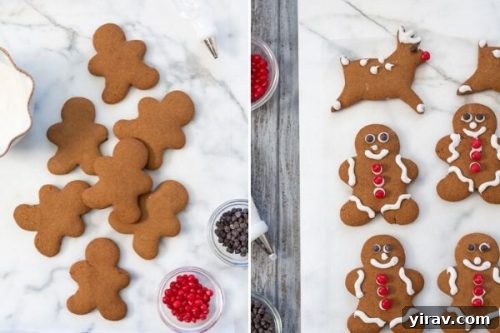
- Decorate the Cookies: Transfer the icing to a piping bag fitted with a fine tip for detailed work, or simply use a small spoon or a clean, thin brush for spreading. Pipe or spread the icing onto your cookies, creating faces, buttons, outlines, or any festive designs you desire.
- Add Embellishments: Work quickly! The vanilla icing dries relatively fast, so if you plan to add candies, sprinkles, mini chocolate chips, or M&M’s, do so immediately after applying the icing to each cookie. This ensures they adhere properly.
- Set the Icing: Once decorated, allow the cookies to sit undisturbed at room temperature for several hours (or overnight) until the icing is completely set and hardened. This prevents smudging when storing or stacking.
Recipe FAQs
Yes, chilling gingerbread dough is absolutely essential for optimal results. The dough, when freshly mixed, is often too soft and sticky to handle effectively. Chilling serves multiple purposes: it firms up the butter in the dough, making it much easier to roll out evenly without sticking to your surface or rolling pin. This firmness also allows you to cut out crisp, well-defined shapes without the dough spreading or cracking. Furthermore, chilling allows the flavors of the spices to meld and deepen, resulting in a more aromatic and delicious cookie. A minimum of 2 hours is recommended, but overnight chilling often yields the best texture and flavor.
Determining when gingerbread cookies are perfectly baked can be a bit trickier than lighter-colored cookies because their natural dark color from molasses makes it harder to see golden-brown edges. The best indicator is the texture of the cookie top. Gently touch the center of a cookie; if it feels firm and dry to the touch, they are done. The edges should also show a very slight, subtle browning, but avoid dark brown edges if you’re aiming for soft cookies. Remember, cookies continue to cook slightly from residual heat after being removed from the oven, so it’s better to slightly underbake than overbake for a soft texture.
The ideal texture for gingerbread cookies is a matter of personal preference, and this recipe is designed for a soft and chewy outcome. To achieve soft gingerbread cookies, it’s recommended to roll the dough out to about 1/4-inch thick and bake them only until the tops are dry and the edges are just barely golden, typically around 8 minutes. If you prefer a crispier gingerbread cookie, roll your dough thinner, to approximately 1/8-inch thick, and bake for the same 6-8 minutes. The thinner dough will result in a crispier texture upon cooling.
Properly stored, these soft gingerbread cookies maintain their freshness and delicious flavor for up to one week. Once decorated and the icing has fully set, arrange them in an airtight container between sheets of waxed paper to prevent sticking and preserve their delicate decorations. Store the container at room temperature. If you wish to extend their shelf life, undecorated gingerbread cookies freeze exceptionally well. Wrap them tightly in plastic wrap and then in foil, and they can be stored in the freezer for up to three months. Thaw frozen cookies at room temperature before decorating and serving.
Pro Tips for Gingerbread Success
Achieving bakery-quality gingerbread cookies is easier than you think with these expert tips:
- Strategic Time Management: As mentioned, breaking this recipe into 2 or 3 stages can significantly ease your workload, especially during the busy holiday season. Prepare the dough one day, bake the next, and decorate on the third. This ensures a relaxed, enjoyable baking experience.
- Softening Butter and Eggs Quickly: If you forget to take your butter and egg out in advance, don’t fret! Cut your cold butter into small cubes; it will soften much faster at room temperature. For the egg, simply place it in a bowl of warm (not hot) water for 5-10 minutes to bring it to room temperature.
- Advanced Dough Preparation: The gingerbread dough is incredibly forgiving and can be made a few days in advance. Just ensure it’s wrapped tightly in plastic wrap and stored in the refrigerator. Before rolling, let it sit at room temperature for 15-30 minutes until it’s pliable enough to work with without cracking.
- Freezing Dough for Later: For even longer storage, the dough freezes beautifully. After wrapping it in plastic wrap, add an additional layer of aluminum foil to prevent freezer burn. It can be stored in the freezer for up to one month. When ready to use, thaw the dough overnight in the refrigerator, then let it sit at room temperature until soft enough to roll out.
- Storing Decorated Cookies: Once your masterpiece cookies are decorated and the icing is completely set, store them in an airtight container. To protect the decorations and prevent them from sticking, place sheets of waxed paper between layers of cookies. They will remain fresh and delightful at room temperature for up to a week.

More Christmas Cookies You’ll Love
If you’re expanding your holiday cookie repertoire, here are some other fantastic recipes that are sure to delight:
- Chocolate Crinkle Cookies by Gimme Some Oven: Rich, fudgy, and coated in powdered sugar, these are a visual and flavorful delight.
- Chocolate Dipped Almond Horn Cookies: Elegant and nutty, these cookies offer a sophisticated twist to your holiday tray.
- Classic Christmas Sugar Cookies: The quintessential holiday cookie, perfect for cutting into festive shapes and decorating endlessly.
- Greek Butter Cookies (Kourabiedes): Buttery, crumbly, and dusted with powdered sugar, offering a unique texture and flavor.
Did you try this recipe? If so, be sure to leave a review below and tag me @flavorthemoments on Facebook and Instagram. I love seeing your creations!

Gingerbread Cookies
Soft, festive gingerbread cookies are a must for the Christmas cookie tray! They’re soft and slightly chewy, with warm, spicy gingerbread flavor and an easy vanilla icing!
Servings: 36 cookies
Prep Time: 40 mins
Cook Time: 20 mins
Additional Time (Chilling): 2 hrs
Total Time: 3 hrs
Equipment
- Rimmed Baking Sheets 16 3/4″ x 12″
- Rolling Pin
- Parchment Paper
- Gingerbread Man Cookie Cutter
- Fawn Cookie Cutter
Ingredients
For the Cookies:
- 3 cups all-purpose flour
- 1 teaspoon baking soda
- 1/4 teaspoon salt
- 1 tablespoon ground ginger
- 2 teaspoons ground cinnamon
- 1 teaspoon ground cloves
- 1/2 cup unsalted butter, softened
- 1/2 cup dark brown sugar, packed (may be substituted with light brown sugar)
- 1 large egg, room temperature
- 1/2 cup molasses
Vanilla Icing:
- 2 cups powdered sugar, sifted
- 2-4 tablespoons hot water
- 1 teaspoon corn syrup (adds sheen and elasticity to the frosting, but may be omitted)
- 1 teaspoon vanilla extract
- Optional decorations: hard cinnamon candies, mini chocolate chips or M&M’s, or your favorite candies or sprinkles
Instructions
For the Cookies:
-
In a medium bowl, whisk together the flour, baking soda, salt, ginger, cinnamon, and cloves. Set aside. In a large bowl, cream the butter and sugar with an electric mixer until light and fluffy.
-
Add the egg and molasses, and beat until smooth.

-
Add the flour mixture to the sugar mixture and beat on low speed just until combined. Do not overmix.
-
Scrape half of the dough onto a sheet of plastic wrap, flatten into a disk. Wrap it tightly and store in the refrigerator. Repeat with the other half of the dough. Chill for a minimum of 2 hours or preferably overnight.
-
Preheat the oven to 375°F (190°C). Line baking sheets with parchment paper. On a lightly floured surface, roll the dough out to 1/4″ thickness for softer, chewier cookies, or 1/8″ thickness for thinner, crispier cookies. Cut out shapes with cookie cutters and place 1″ apart on the prepared baking sheets.
-
Bake for 6-8 minutes, or until the edges are lightly golden brown and the cookie tops feel dry. Cool completely on wire racks before decorating.

Prepare the Icing:
-
Place the sifted powdered sugar in a medium bowl. Add 2 tablespoons of hot water, corn syrup (if using), and vanilla extract. Stir well until smooth. Add more hot water, half a teaspoon at a time, until the icing reaches your desired consistency for piping or spreading.
-
Spread or pipe the icing onto the cooled cookies using a piping bag with a fine tip or a small spoon/knife. Immediately top with the candies or sprinkles of your choice, as the icing dries quickly. Allow the decorated cookies to stand at room temperature until the icing is completely set, which may take several hours.
Notes
- Pro tip for softening ingredients: For butter, cut it into small cubes to soften at room temperature faster. To quickly bring an egg to room temperature, place it in a bowl of warm water for 5-10 minutes.
- Nutrition information provided is an estimate and does not include optional candies or sprinkles for decoration.
- The cookie dough can be prepared a few days in advance. Wrap it tightly in plastic wrap and store it in the refrigerator. Before rolling, let it sit at room temperature for 15-30 minutes until soft enough to handle.
- Consider breaking this recipe into 2-3 stages for better time management. For example, prepare and chill the dough overnight, bake the cookies the next day, and then decorate them on the same day or the following day.
- To freeze the dough, wrap the plastic-wrapped disks tightly in an additional layer of aluminum foil. It can be stored in the freezer for up to one month. Thaw the dough overnight in the refrigerator, then let it sit at room temperature until pliable before rolling.
- Store decorated gingerbread cookies in an airtight container at room temperature for up to 1 week. Place sheets of waxed paper between layers to prevent the icing from sticking.
Nutrition
Serving: 1 cookie, Calories: 116kcal, Carbohydrates: 22g, Protein: 1g, Fat: 3g, Saturated Fat: 2g, Cholesterol: 12mg, Sodium: 52mg, Potassium: 87mg, Fiber: 1g, Sugar: 13g, Vitamin A: 86IU, Calcium: 17mg, Iron: 1mg
Nutrition is estimated using a food database and is only intended to be used as a guideline for informational purposes. Actual values may vary.
Course: Cookies
Cuisine: American
Author: Marcie
Did you try this recipe?
Be sure to tag @flavorthemoments with the hashtag #flavorthemoments on Instagram so I can see what you made!
**This post was originally published in December 2012. I’ve updated the photos and text to include more useful information and baking tips.