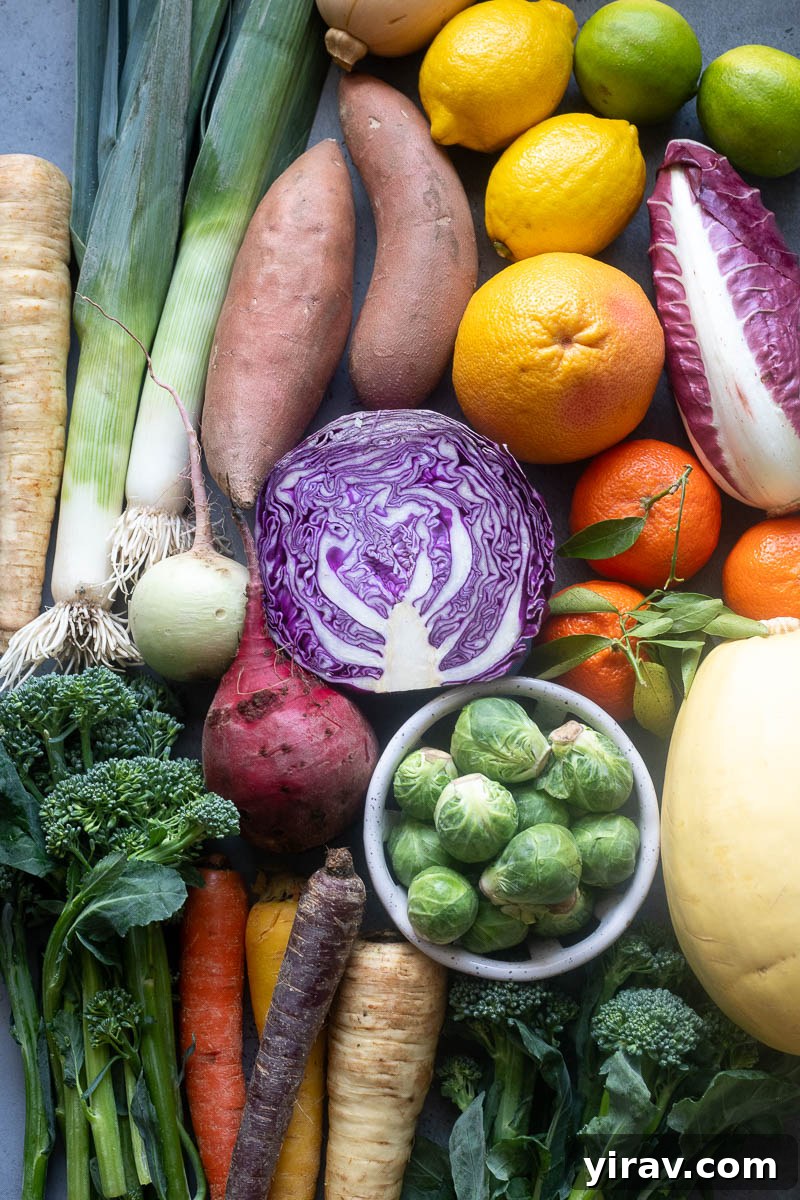
As the chill of winter deepens, February brings with it a vibrant bounty of produce perfectly suited for hearty, nourishing meals and refreshing culinary delights. This comprehensive February Seasonal Produce Guide is your essential companion for discovering the best fruits and vegetables in season this month. From crisp greens to sweet citrus and earthy root vegetables, we’ll help you navigate the aisles, plan delicious meals, and cook confidently with ingredients at their peak flavor and nutritional value.
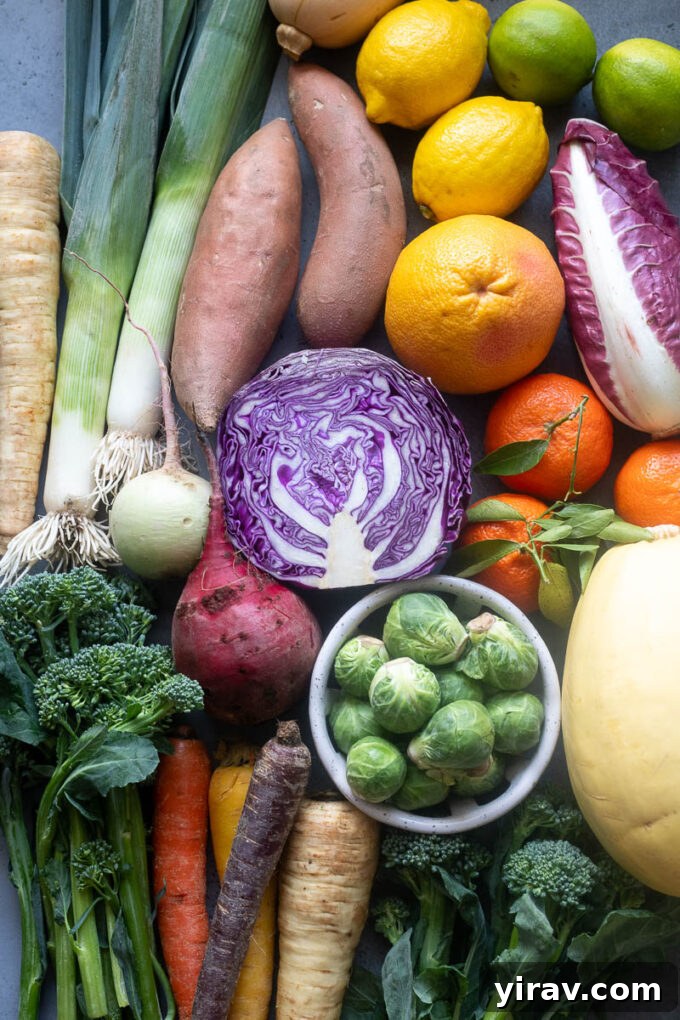
February truly marks the heart of winter, offering an incredible selection of robust vegetables, intensely flavorful citrus, and long-lasting storage crops. These ingredients are not only fresh and delicious but also packed with essential nutrients to keep you thriving through the colder months.
This guide meticulously breaks down February produce by category, highlighting specific varieties, offering practical cooking tips, and inspiring recipe ideas. Our goal is to empower you to easily integrate seasonal ingredients into your daily cooking routine, making every meal a celebration of flavor.
Whether you’re crafting a weekly meal plan, compiling your grocery list, or simply seeking culinary inspiration, this February produce guide is thoughtfully designed to help you shop smarter, cook with greater ease, and enjoy the unparalleled taste of seasonal eating all month long.
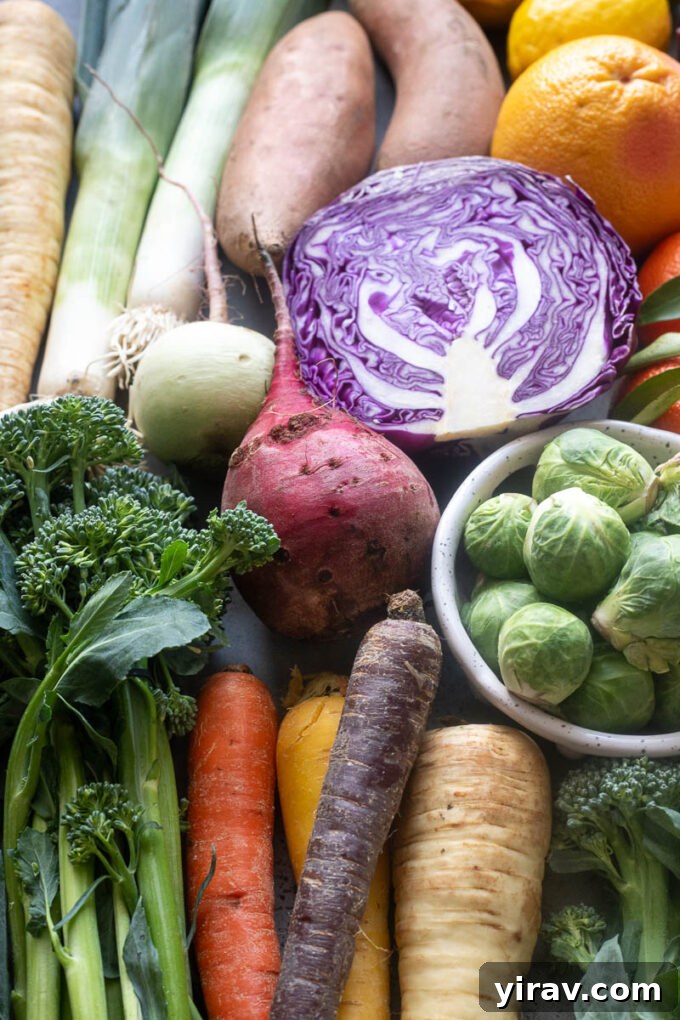
How to Use This February Seasonal Produce Guide
This February seasonal produce guide is crafted as a straightforward and practical resource, designed to simplify your shopping and elevate your cooking throughout the month. Leverage it to make informed choices and unlock the full potential of winter’s bounty.
- Streamline Meal Planning: Effortlessly select recipes that showcase February’s best produce, ensuring your meals are vibrant, fresh, and exceptionally flavorful.
- Maximize Savings & Minimize Waste: Prioritize fruits and vegetables that are naturally abundant and more affordable this season. Their extended shelf life also helps reduce food waste, contributing to a more sustainable kitchen.
- Create Versatile Dishes: Experiment with mixing and matching ingredients from different categories to construct delicious soups, hearty salads, efficient sheet-pan dinners, and flavorful simple sides.
- Discover New Recipes: Click through the provided recipe ideas for each ingredient, offering easy-to-follow, real-food approaches to incorporate seasonal flavors into your repertoire.
This guide offers flexibility, adapting to your needs whether you’re meticulously planning an entire week’s menu or simply seeking inspiration for tonight’s dinner. Embrace the season and enjoy the journey of delicious, healthy eating.
Why Seasonal Produce Matters in February
Choosing seasonal produce in February offers a multitude of benefits that extend beyond mere convenience, profoundly impacting flavor, health, and even your wallet. Here’s why embracing winter’s harvest is a smart choice:
- Superior Flavor and Texture: Produce harvested in its natural season, like February’s citrus and hearty greens, reaches its peak ripeness and flavor profile. It hasn’t traveled long distances or been picked prematurely, resulting in a richer, more vibrant taste and ideal texture.
- Greater Affordability: When fruits and vegetables are in season, they are abundant. This increased supply typically leads to lower prices at grocery stores and farmers’ markets, allowing you to enjoy high-quality produce without breaking the bank.
- Enhanced Shelf Life: Winter produce, such as root vegetables and sturdy greens, is naturally more resilient and designed to last longer. This characteristic makes it easier to store, reduces spoilage, and helps you minimize food waste in your kitchen.
- Support for Local & Regional Farmers: Opting for seasonal produce often means sourcing from local and regional farms. This practice supports your community, strengthens local economies, and helps maintain agricultural diversity. It also reduces the environmental impact associated with long-distance transportation.
- Optimal Nutritional Value: Produce picked at its peak ripeness, when in season, generally contains higher concentrations of vitamins, minerals, and antioxidants. These are crucial for maintaining good health, especially during the colder months when immunity can be a concern.
February’s produce truly shines in comforting and satisfying dishes—think warming soups, vibrant salads, robust roasts, soothing casseroles, and simple, nourishing sides. These are precisely the types of real-food meals that perfectly complement the crisp, cool air of mid-winter.
Unsure about how to select the freshest produce or store it properly once you bring it home? For invaluable guidance on maximizing freshness and minimizing waste, consult our comprehensive guide on how to choose and store produce. It provides simple, actionable tips to keep your fruits and vegetables at their best for longer.
Fruits and Vegetables in Season in February
Below is a curated list of the fruits and vegetables that are flourishing and at their prime during the month of February. While this guide provides a general overview, please remember that local availability may vary based on your specific region and climate.
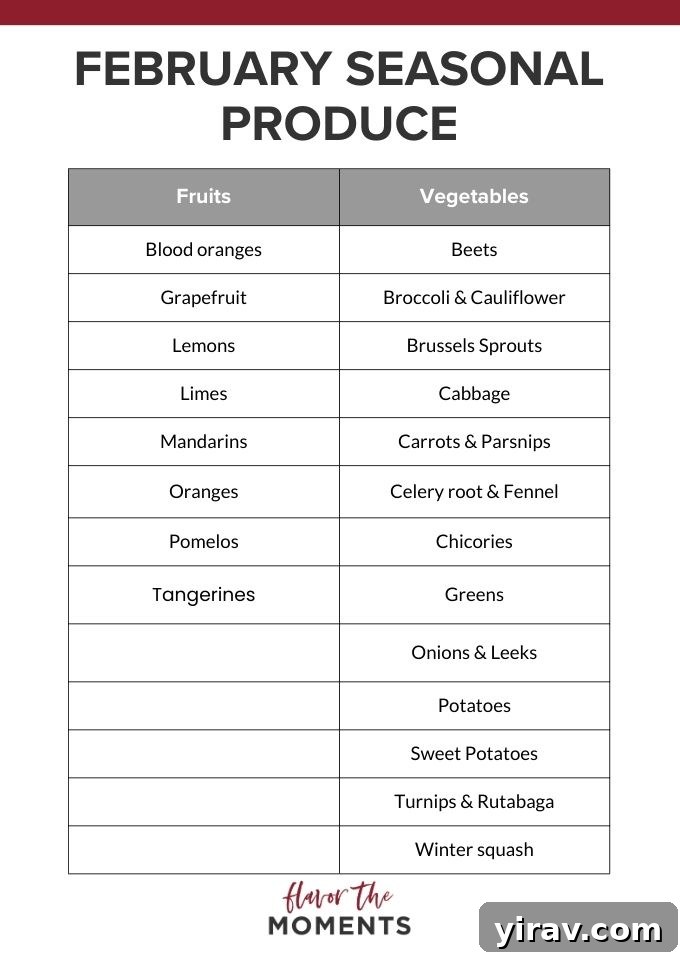
Citrus Fruits (Peak Season)
February marks the absolute peak season for citrus fruits, making them incredibly juicy, sweet, and bursting with vibrant flavor. These sunny gems are a welcome burst of brightness during the colder winter months, offering a diverse range of culinary possibilities.
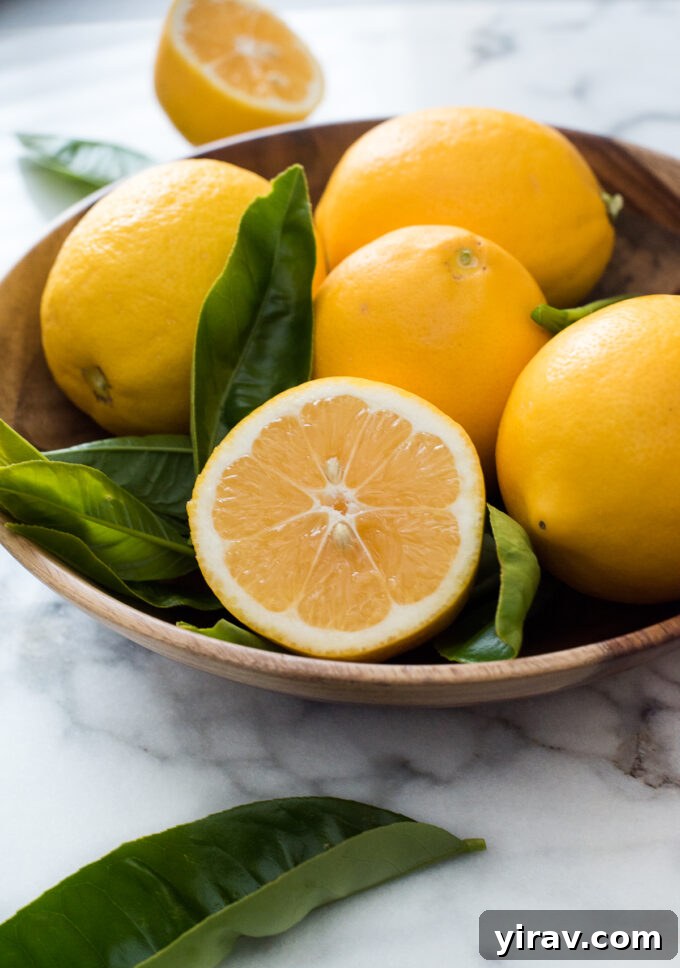
Common February Citrus Varieties:
- Oranges: Explore varieties like the brilliantly colored Blood Oranges, often with raspberry notes; the sweet and seedless Cara Cara oranges; classic Navel oranges; and the juicy Valencias, perfect for juicing.
- Grapefruit: Enjoy the refreshing tartness of Pink and Ruby Red grapefruit, known for their vibrant color and sweet-tart balance.
- Lemons: From the bright, zesty Eureka lemons to the sweeter, more aromatic Meyer lemons, these are indispensable for adding acidity and fragrance.
- Limes: Key limes and Persian limes offer distinct tartness, essential for many savory and sweet dishes.
- Tangerines & Mandarins: These smaller, easy-to-peel citrus fruits like Clementines and Honey Mandarins are wonderfully sweet and convenient for snacking.
- Pomelos: The largest of the citrus family, pomelos offer a subtly sweet, less bitter alternative to grapefruit, with a thick pith.
Why Citrus Shines in February:
The colder weather intensifies the natural sugars and develops the complex flavors in citrus fruits. They are at their most succulent and flavorful now, providing a much-needed dose of sunshine and Vitamin C when other fruits are scarce. Their natural acidity also acts as a fantastic counterpoint to richer winter dishes.
To delve deeper into the fascinating world of citrus, including detailed flavor profiles, optimal peak season timing, and versatile cooking tips, be sure to explore my complete Citrus Guide.
Culinary Uses for February Citrus:
- Brighten Salads: Segment citrus supremes to add a burst of juicy sweetness and tang to green salads, grain bowls, or even roasted vegetable medleys.
- Flavorful Zest: Don’t discard the zest! It contains aromatic oils that can infuse dressings, baked goods, marinades, and even roasted vegetables with intense citrus flavor without adding extra acidity.
- Fresh Juice Applications: Squeeze fresh juice into salad dressings, marinades for meats and fish, or to brighten rich winter soups and stews for an invigorating pop of flavor.
- Dessert & Drinks: Incorporate citrus juice and zest into cakes, tarts, custards, cocktails, and refreshing beverages.
Recipe Ideas Featuring Seasonal Citrus:
- Frisée Citrus Salad: A refreshing salad combining bitter greens with sweet citrus segments, often paired with creamy avocado and a light vinaigrette.
- Slow Cooker Greek Lemon Chicken Soup (Avgolemono): A comforting and creamy soup with a distinct tangy lemon flavor, perfect for chilly evenings.
- Lemon Pudding Cake: A delightful dessert featuring a light, spongy cake topping a rich, tangy lemon pudding base, all baked in one dish.
Leafy Greens & Chicories
February is a fantastic time for robust leafy greens and the distinctive family of chicories. These cool-weather champions thrive in chillier temperatures, developing sweeter, less bitter flavors and wonderfully crisp textures that are perfect for adding freshness and depth to winter meals.
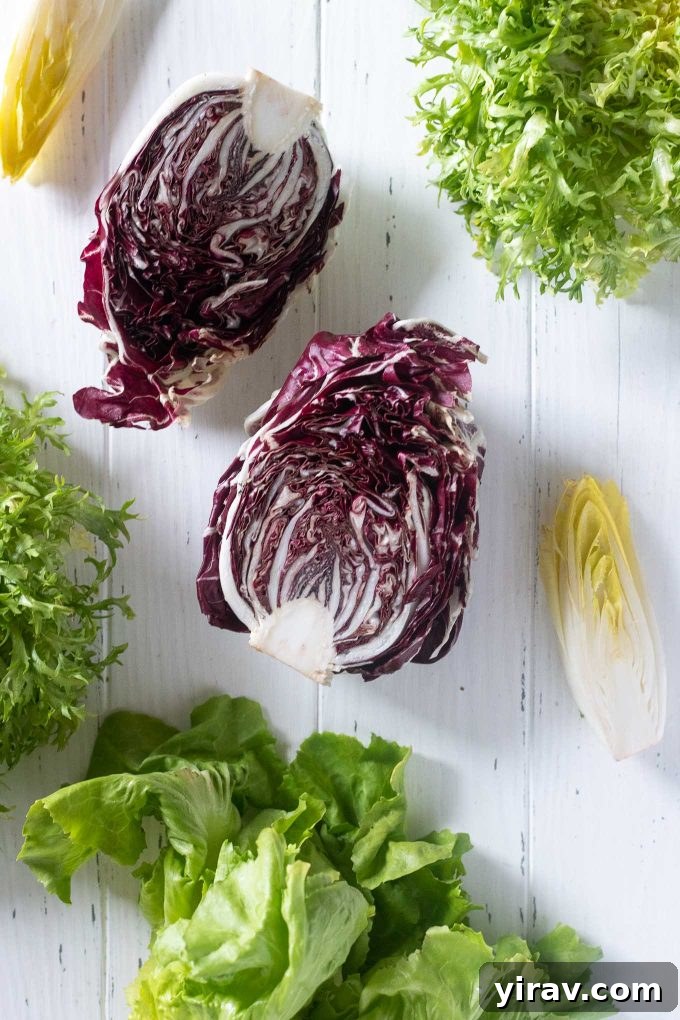
Greens in Season This February:
- Chicories: This fascinating group includes the slightly bitter and crunchy Endive, the broad-leafed Escarole, the delicate and curly Frisée, and the striking red-veined Radicchio. Each offers a unique flavor and texture profile.
- Kale: Hearty varieties like Curly Kale and the darker, more tender Lacinato (Dinosaur) Kale are abundant and flavorful.
- Spinach: Both baby spinach and mature spinach leaves are excellent in February, offering versatility in cooking.
- Arugula: This peppery green maintains its vibrant flavor and crispness in cooler conditions.
- Swiss Chard: With its colorful stems and earthy leaves, Swiss chard is both beautiful and nutritious.
Why Greens Shine in February:
The cold weather is a boon for leafy greens, particularly chicories. It helps to mellow their inherent bitterness, enhancing their natural sweetness and ensuring a crisper, more pleasant texture. Chicories, in particular, are celebrated during winter for their bold flavors and satisfying crunch, making February an ideal time to experiment with them in both raw and lightly cooked preparations.
Health Benefits:
These greens are nutritional powerhouses, rich in vitamins A, C, and K, as well as essential minerals like iron and calcium. Their high fiber content supports digestive health, and antioxidants help boost immunity, which is especially beneficial during winter.
Selection & Storage Tips:
Look for vibrant, crisp leaves without yellowing or wilting. Store most greens in a loosely sealed bag in the crisper drawer of your refrigerator, often wrapped in a damp paper towel, to maintain freshness for several days.
Culinary Uses for Leafy Greens & Chicories:
- Salads: Massaging kale with a dressing can tenderize it perfectly for salads. Chicories add a gourmet touch and delightful crunch to winter salads.
- Wilted Dishes: Wilt spinach or chard into soups, stews, pasta dishes, or grain bowls for added nutrients and a softened texture.
- Roasted & Sautéed: Hearty greens like kale and chard stand up well to roasting or sautéing, developing deeper, sometimes slightly crispy, flavors.
- Crisp Contrast: Use raw chicories for their unique crunch and pleasant bitterness, which can cut through rich flavors in a dish.
Recipe Ideas Featuring Seasonal Greens:
- Winter Roasted Vegetable Kale Salad: A hearty and nourishing salad featuring roasted root vegetables and tenderized kale, perfect for a cold day.
- Spinach Feta Baked Turkey Meatballs: Flavorful turkey meatballs infused with fresh spinach and tangy feta, baked until tender and juicy.
- Bacon and Egg Breakfast Casserole: A comforting breakfast or brunch dish featuring eggs, crispy bacon, and often, wilted greens like spinach or chard.
Cruciferous Vegetables
February is a prime time for cruciferous vegetables, a family renowned for their robust flavors, satisfying textures, and incredible nutritional benefits. These cool-weather crops are at their best in winter, making them perfect for roasting, steaming, and incorporating into comforting dishes.
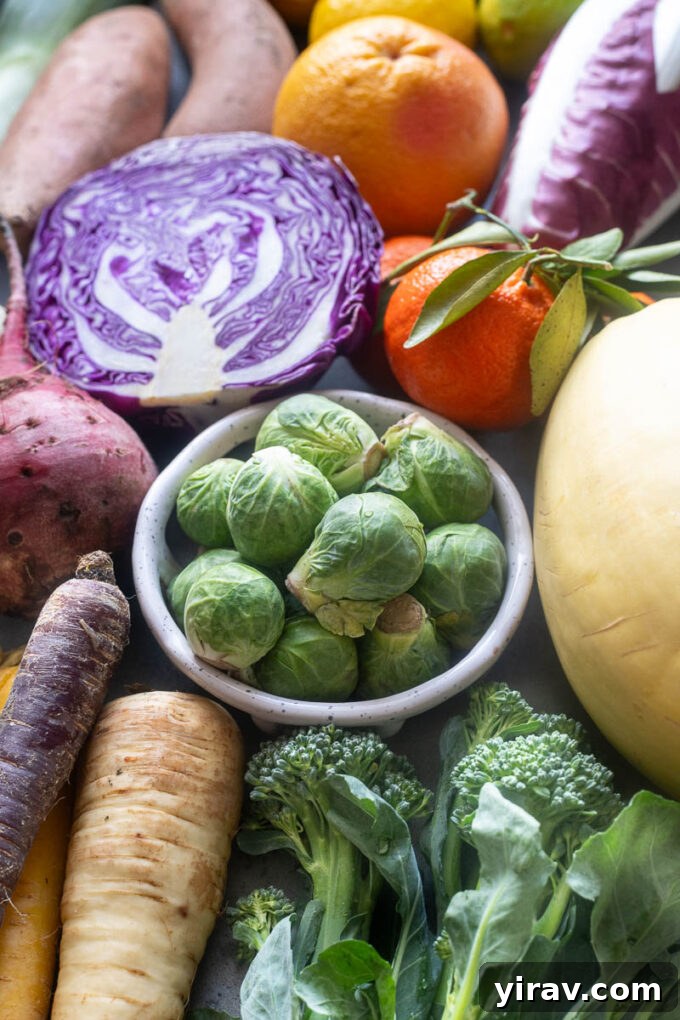
February Crucifers:
- Brussels Sprouts: These mini cabbages are sweet and nutty when properly prepared, especially when roasted.
- Cauliflower: Versatile and mild, cauliflower can be roasted, mashed, or even riced.
- Broccoli: A classic favorite, broccoli is tender-crisp and rich in nutrients.
- Cabbage: Explore varieties like crisp Green Cabbage, vibrant Red Cabbage, and the crinkly Savoy Cabbage, each offering unique textures for slaws, stir-fries, and stews.
Why They’re Ideal Now:
The cold weather significantly enhances the sweetness of cruciferous vegetables and improves their texture, making them particularly excellent for roasting. Roasting caramelizes their natural sugars, bringing out deep, rich flavors that are incredibly satisfying in winter.
Health Benefits:
Cruciferous vegetables are superstars in nutrition, known for their high levels of Vitamin C, K, and folate, as well as powerful antioxidants and compounds that support detoxification. They are also rich in fiber, promoting digestive health and satiety.
Selection & Storage Tips:
Choose firm, compact heads of broccoli and cauliflower, and tightly packed Brussels sprouts. Cabbage should feel heavy for its size. Store most cruciferous vegetables unwashed in the crisper drawer of your refrigerator; they can last for a week or more.
Culinary Uses for Cruciferous Vegetables:
- Roasting: Roasting until caramelized brings out their best flavor. Toss with olive oil, salt, pepper, and your favorite herbs.
- Raw Preparations: Shave thinly for vibrant slaws, add to salads for crunch, or use finely chopped broccoli or cauliflower as a raw addition to grain bowls.
- Soups & Casseroles: Their hearty nature makes them excellent additions to warming soups, stews, and comforting casseroles, where they absorb flavors beautifully.
- Steaming & Sautéing: Simple steaming or quick sautéing preserves their crisp texture and bright flavor, making them ideal side dishes.
Recipe Ideas Featuring Seasonal Crucifers:
- Smashed Brussels Sprouts: Crispy on the outside and tender on the inside, these offer a delightful texture and rich flavor.
- One Pan Chickpea Broccoli Rice Casserole: A wholesome and satisfying vegetarian meal, cooked in a single pan for easy cleanup.
- Cabbage and Ground Beef Casserole: A hearty and flavorful dish, combining tender cabbage with savory ground beef in a comforting bake.
Root Vegetables
Root vegetables are the unsung heroes of winter produce, offering deep, earthy flavors and incredible versatility. February is an excellent month to enjoy these nutrient-dense staples, as they store exceptionally well and often develop richer tastes after being harvested.
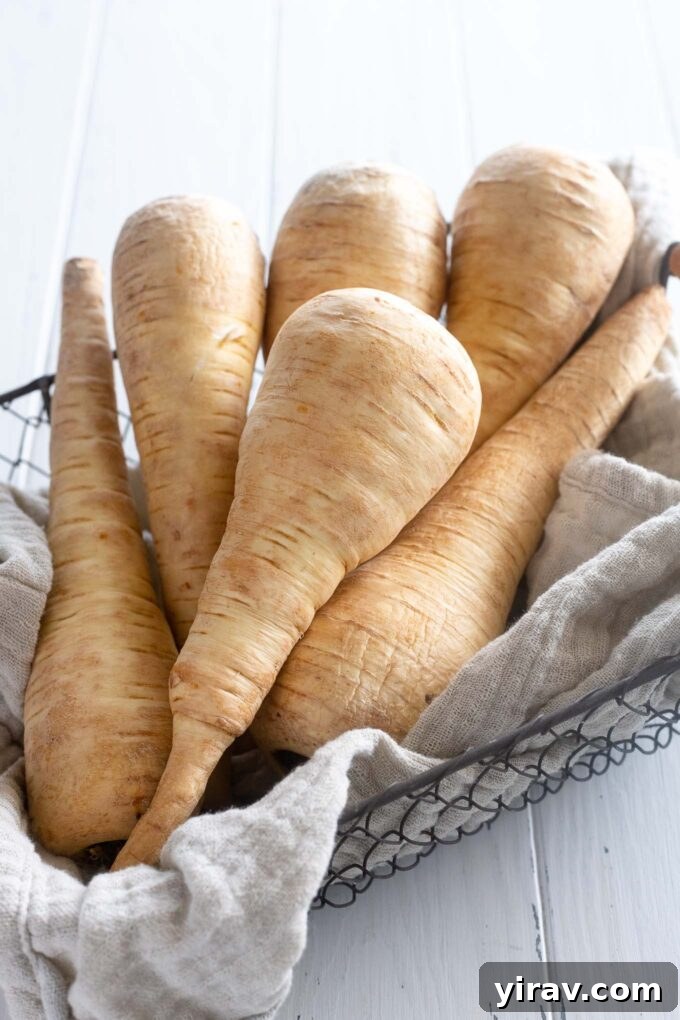
Root Veggies in Season This February:
- Carrots: Sweet and crunchy, carrots are a staple for everything from snacking to roasting.
- Beets: Earthy and vibrant, beets come in red, golden, and striped varieties, offering distinct flavors and stunning colors.
- Parsnips: These ivory-colored roots offer a sweet, nutty, and slightly spicy flavor, similar to a sweet carrot.
- Turnips: With a mild peppery flavor that sweetens when cooked, turnips are excellent roasted or mashed.
- Rutabaga: A cross between a cabbage and a turnip, rutabagas are slightly sweeter and denser than turnips.
- Sweet Potatoes: Creamy and naturally sweet, sweet potatoes are a beloved comfort food, perfect for baking, roasting, or mashing.
Why They Last Through Winter:
Root vegetables are naturally designed for storage, making them a reliable and flavorful food source throughout the winter months. They can be stored in cool, dark conditions for extended periods without losing quality, and some even develop deeper, more concentrated flavors over time, becoming sweeter and more complex.
Health Benefits:
These underground treasures are packed with fiber, complex carbohydrates for sustained energy, and a wealth of vitamins and minerals. Carrots are rich in Vitamin A, beets offer folate and manganese, and sweet potatoes are an excellent source of Vitamin C and beta-carotene.
Selection & Storage Tips:
Look for firm, unblemished roots that feel heavy for their size. Avoid any soft spots or sprouting. Store most root vegetables in a cool, dark, and well-ventilated place, like a pantry or basement, or in the crisper drawer of your refrigerator, where they can last for weeks or even months.
Culinary Uses for Root Vegetables:
- Roasting: Roasting brings out their natural sweetness and creates delightful caramelization. Toss with olive oil, rosemary, thyme, or your favorite herbs and spices.
- Mashing & Puréeing: Mash cooked root vegetables like parsnips, turnips, or sweet potatoes for a creamy, comforting side dish. Purée into smooth, velvety soups.
- Soups & Stews: Their sturdy texture makes them perfect for long-simmering soups, stews, and slow cooker pot roasts, where they absorb rich flavors and add substance.
- Sheet-Pan Meals: Combine with other seasonal vegetables and a protein for an easy, flavorful, and complete sheet-pan dinner.
Recipe Ideas Featuring Seasonal Root Vegetables:
- Roasted Carrots and Parsnips: A simple yet elegant side dish where the natural sweetness of both vegetables is enhanced by roasting.
- Slow Cooker Pot Roast Recipe: A comforting classic, featuring tender meat and a medley of root vegetables slow-cooked to perfection.
- Winter Minestrone Soup: A hearty Italian soup brimming with seasonal vegetables, beans, and often small pasta, perfect for a cold day.
Alliums (Onions, Garlic, Leeks)
Alliums are the foundational flavor builders of countless cuisines around the world, and in February, these versatile ingredients are readily available and of excellent quality. From the pungent depth of onions and garlic to the milder sweetness of leeks, they are indispensable for adding aromatic complexity to virtually any dish.
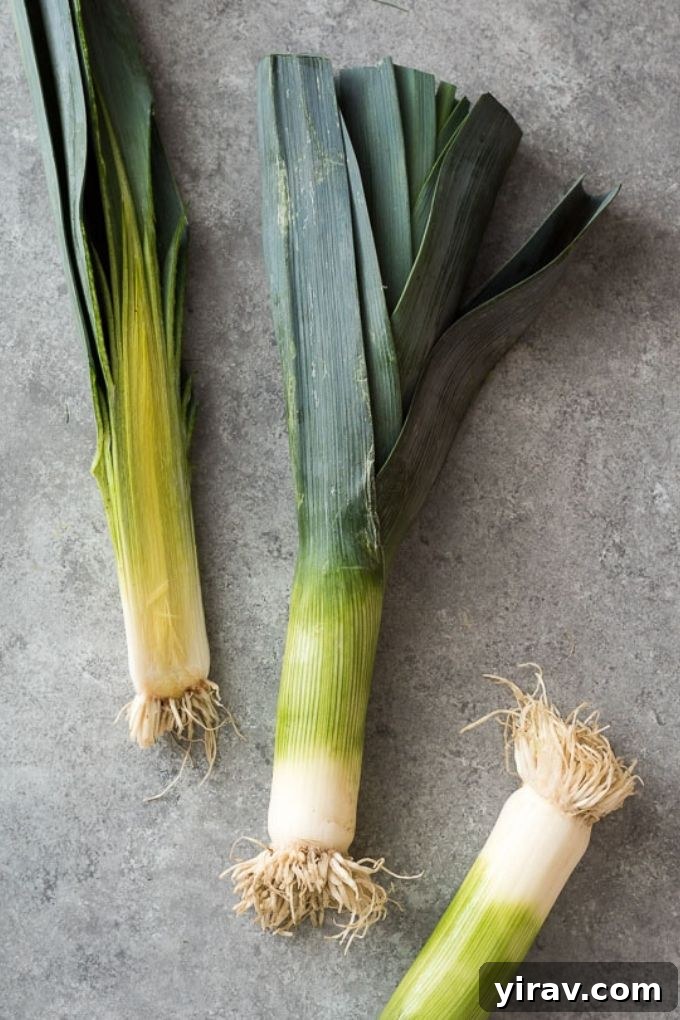
Alliums in Season Now:
- Yellow, White, and Red Onions: Each offers a distinct flavor profile, from the sharp pungency of yellow onions to the milder sweetness of red onions, perfect for raw applications.
- Garlic: An essential aromatic, garlic provides a pungent, savory base for nearly any savory dish.
- Shallots: Delicately flavored with hints of garlic and onion, shallots are ideal for vinaigrettes and sauces.
- Leeks: With their subtle, sweet onion flavor and tender texture, leeks are perfect for soups, braises, and gratins.
Why Alliums Matter:
Alliums are available year-round, but their quality remains consistently excellent throughout winter. They are the backbone of flavor in so many dishes, providing an aromatic depth that is irreplaceable. Their ability to transform from sharp and pungent when raw to sweet and mellow when cooked makes them incredibly versatile.
Health Benefits:
Alliums are known for their health-promoting properties, including compounds like allicin (in garlic) which have antioxidant and anti-inflammatory effects. They also contain prebiotics that support gut health and are a good source of Vitamin C and B vitamins.
Selection & Storage Tips:
Choose firm, dry alliums without soft spots or sprouts. Store onions and garlic in a cool, dry, dark, and well-ventilated place, away from potatoes. Leeks should be stored in the refrigerator, loosely wrapped, for up to a week.
Culinary Uses for Alliums:
- Flavor Base: Sauté chopped onions and garlic as the aromatic foundation for virtually any soup, sauce, stew, or casserole.
- Roasting: Roast whole heads of garlic for a sweet, spreadable treat, or caramelize sliced onions slowly to bring out their incredible sweetness.
- Mild Onion Flavor: Use leeks when you desire a milder, more delicate onion flavor, especially in creamy soups, quiches, or braised dishes.
- Raw Applications: Thinly sliced red onions or shallots add a sharp, fresh bite to salads, sandwiches, and relishes.
Recipe Ideas Featuring Seasonal Alliums:
- Beef Short Rib Risotto: A rich and comforting dish where caramelized onions and garlic deepen the flavor of savory beef short ribs and creamy risotto.
- Butternut Squash Potato Leek Soup: A velvety smooth and warming soup, where sweet leeks provide a delicate onion base for the creamy squash and potatoes.
- Garlic Butter Salmon: A quick and flavorful meal where abundant garlic and rich butter beautifully complement flaky salmon fillets.
Winter Squash & Cool Weather Vegetables
This category encompasses the long-storing, incredibly versatile winter squashes and several other cool-weather vegetables that reach their peak flavor and texture during the late winter months. These ingredients are culinary mainstays, offering both sweetness and substance to your February cooking.

Varieties to Enjoy in February:
- Butternut Squash: Sweet, nutty, and vibrant orange, perfect for soups, roasting, and purees.
- Acorn Squash: Known for its distinctive ribbed shape and mild, slightly nutty flavor, great for stuffing and baking.
- Kabocha Squash: Often called Japanese pumpkin, it has a rich, sweet flavor and a dense, fluffy texture.
- Spaghetti Squash: Unique for its noodle-like strands when cooked, offering a low-carb alternative to pasta.
- Fennel: With its delicate anise flavor and crisp texture, fennel adds a refreshing note to winter dishes.
- Celery Root (Celeriac): An earthy, nutty root vegetable with a texture similar to a potato, excellent mashed or roasted.
- Jerusalem Artichokes (Sunchokes): These knobby roots have a delicate, slightly sweet, and nutty flavor, reminiscent of artichoke hearts.
Why They’re Still in Season:
Winter squash varieties are celebrated for their exceptional storage capabilities. Harvested in the fall, they cure beautifully and maintain their sweetness, firm texture, and nutritional value well into the late winter months, making them a reliable and delicious choice for February meals. Other cool-weather vegetables like fennel and celery root also thrive and hold their quality in the cooler climate.
Health Benefits:
Winter squashes are powerhouses of beta-carotene (Vitamin A), Vitamin C, and fiber. They provide sustained energy and support vision and immune health. Fennel is a good source of fiber, Vitamin C, and potassium, while celery root offers Vitamin K and antioxidants.
Selection & Storage Tips:
Choose winter squashes that are heavy for their size, with no soft spots or blemishes. They should have a hard, dull rind. Store them in a cool, dark, and dry place (like a pantry) for several weeks to months. Fennel and celery root should be firm and can be stored in the refrigerator crisper drawer for about a week.
Culinary Uses for Winter Squash & Cool Weather Vegetables:
- Roasting & Stuffing: Halve and roast acorn squash or butternut squash, then stuff with savory fillings like grains, nuts, and other vegetables. Roasting brings out their inherent sweetness.
- Puréeing into Soups: Their creamy texture makes winter squashes perfect for puréeing into smooth, comforting, and nutrient-rich soups.
- Pasta Alternative: Cooked spaghetti squash can be scraped into “noodles” and used as a healthy, low-carb alternative to traditional pasta.
- Crisp Additions: Shave raw fennel for salads, or roast celery root and Jerusalem artichokes alongside other root vegetables for unique textures and flavors.
Recipe Ideas Featuring Seasonal Winter Squash & Cool Weather Vegetables:
- Butternut Squash Mac and Cheese: A creamy and comforting take on a classic, with puréed butternut squash adding natural sweetness and vibrant color.
- Spaghetti Squash Casserole: A hearty and delicious casserole that uses spaghetti squash strands as a base, often combined with cheese, sauces, and other vegetables.
- Kabocha Squash Mash: A wonderfully creamy and subtly sweet mashed side dish, offering a nutritious alternative to traditional mashed potatoes.
Apples & Pears (Storage Fruit)
While their peak harvest is in the fall, apples and pears are considered seasonal through February due to their excellent storage qualities. Thanks to careful harvesting and preservation techniques, these beloved fruits remain crisp, juicy, and delicious, providing natural sweetness and versatility throughout the winter months.
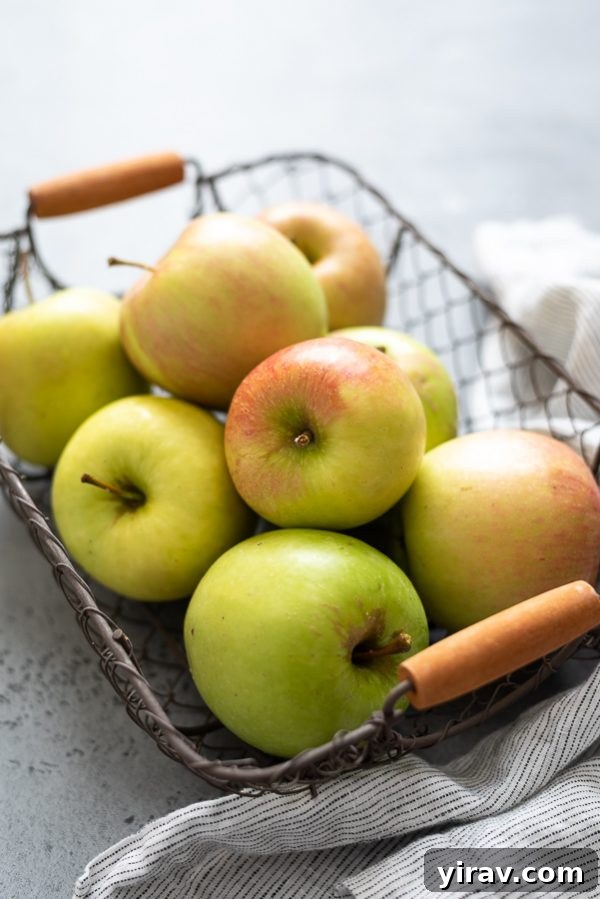
Available Fruits in February:
- Apples: Many varieties of apples, such as Fuji, Gala, Honeycrisp, Granny Smith, and Braeburn, remain widely available and excellent for eating fresh or cooking.
- Pears: Popular varieties like Bartlett, Bosc, and Anjou pears are still found in stores, offering their distinct textures and sweet flavors.
Why They Still Count as Seasonal:
Apples and pears are expertly stored from their autumn harvests, often in controlled environments that maintain their freshness, crispness, and flavor. This means you can enjoy high-quality, delicious apples and pears throughout the winter, making them a perfectly “seasonal” choice for February.
Health Benefits:
Apples and pears are excellent sources of dietary fiber, which aids digestion and promotes satiety. They also contain essential vitamins and antioxidants. Apples are known for their quercetin, and pears provide Vitamin C and potassium.
Selection & Storage Tips:
Choose apples and pears that are firm to the touch, without any soft spots or bruising. Store them in the crisper drawer of your refrigerator to extend their freshness and crispness for several weeks. Keeping them separate from other produce can also help, as they release ethylene gas.
Culinary Uses for Apples & Pears:
- Fresh Snacking & Salads: Slice them into salads for a refreshing crunch and natural sweetness, or enjoy them simply as a healthy snack.
- Baking & Roasting: Their natural sugars caramelize beautifully when baked into crisps, crumbles, pies, or roasted alongside savory meats for a sweet-savory contrast.
- Savory Dishes: Add sliced apples or pears to savory dishes like pork roasts, stuffings, or even cheese boards for a touch of unexpected sweetness and acidity.
- Slaws & Chutneys: Grate or finely chop apples and pears into vibrant slaws or cook them down into flavorful chutneys to accompany various meals.
Recipe Ideas Featuring Seasonal Apples & Pears:
- Arugula Pear Salad with Blue Cheese: A sophisticated salad combining peppery arugula, sweet pears, and pungent blue cheese, often with nuts and a light vinaigrette.
- Easy Apple Crisp: A classic comforting dessert featuring tender baked apples topped with a sweet, buttery, and crisp oat topping.
- Fennel and Apple Slaw: A bright and crunchy slaw that marries the refreshing anise flavor of fennel with the crisp sweetness of apples.
Embracing seasonal eating in February means celebrating a diverse array of robust flavors and nourishing ingredients. From the zesty brightness of citrus to the comforting earthiness of root vegetables and the hearty crunch of greens, winter’s bounty offers endless culinary inspiration. We encourage you to use this guide as your trusted resource to explore new ingredients, revisit old favorites, and infuse your kitchen with the fresh, vibrant tastes of the season. Enjoy the journey of cooking and eating with what’s best in February!
Explore Seasonal Produce All Year Long
Don’t stop your seasonal journey in February! Discover what’s fresh and vibrant throughout the year with our comprehensive guides:
- December Seasonal Produce Guide
- January Seasonal Produce Guide
- March Seasonal Produce Guide
- Winter Fruits and Vegetables