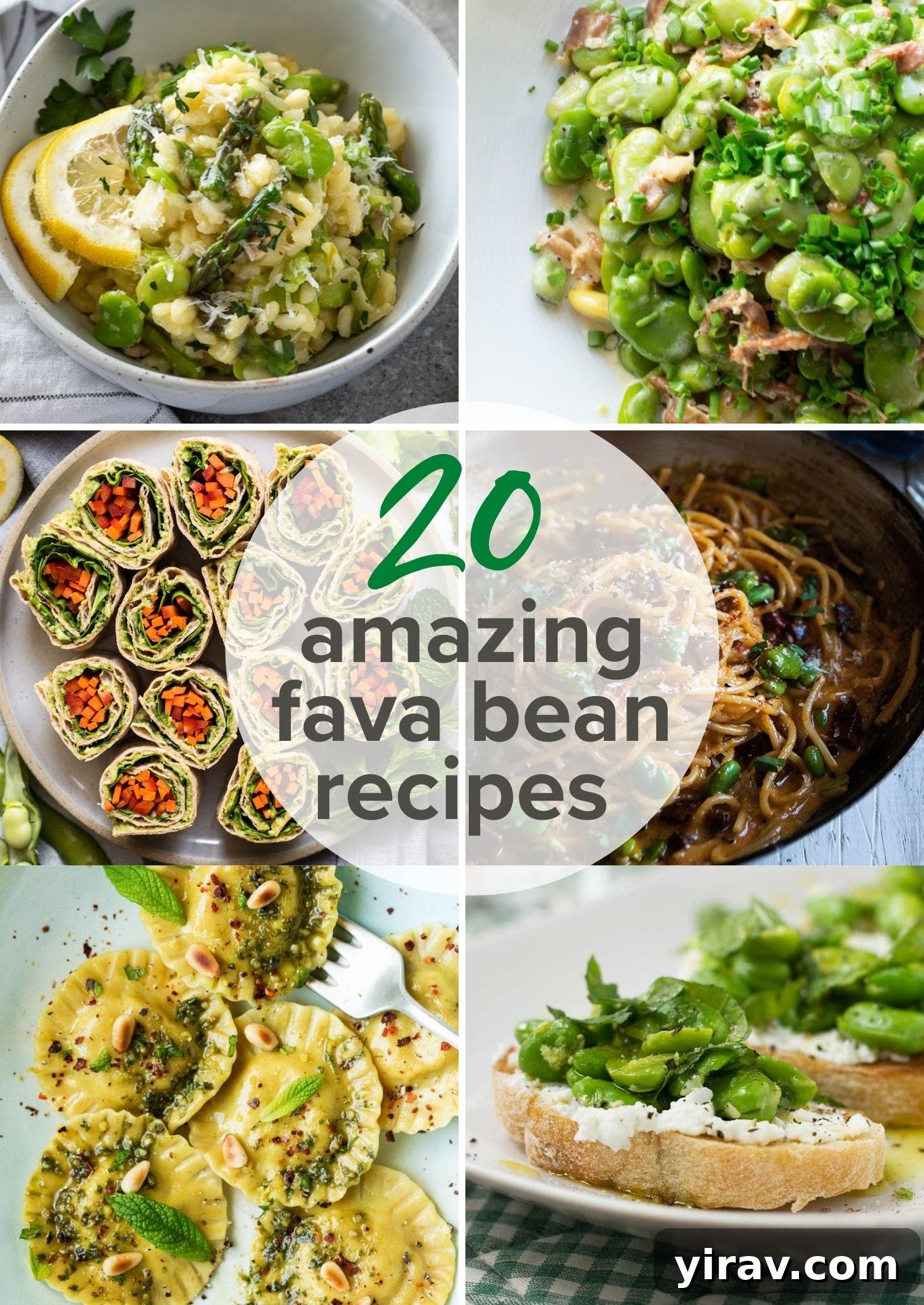
If you’re looking to elevate your spring cooking, look no further than the humble yet extraordinary fava bean. Often overlooked, these vibrant green legumes are a culinary delight, offering a delicate flavor and creamy texture that can transform countless dishes. This comprehensive guide will not only introduce you to the world of fava beans but also inspire you with over 15 irresistible fava bean recipes, ranging from refreshing salads and flavorful dips to hearty pastas and more. We’ll also dive deep into everything you need to know about fava beans, from how to successfully grow them in your garden to selecting the freshest pods, proper storage, and their impressive nutritional benefits.
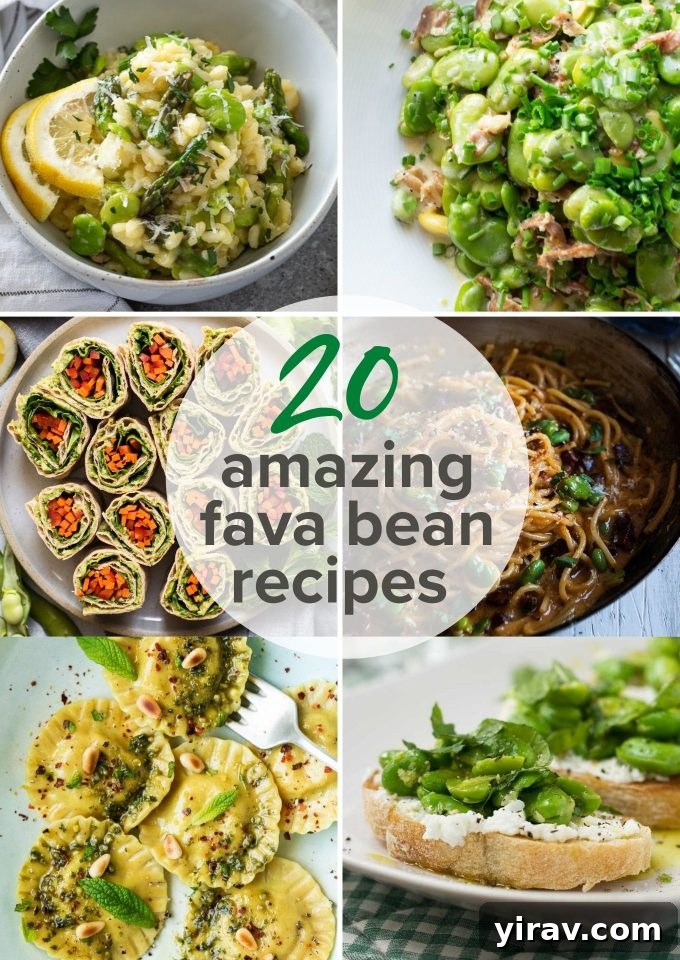
As summer approaches, many of us cling to the last whispers of spring produce, savoring the fleeting flavors of the season. Among my personal favorites—asparagus, a delightful array of peas, pungent leeks, tart rhubarb, and crisp radishes—fava beans hold a truly special place. Years ago, before my culinary school days, I confess I had never even considered trying them. I’d spot them at grocery stores and bustling farmer’s markets, but the thought of prepping them felt daunting, and I simply had no idea how to incorporate them into a meal.
My first taste was a revelation. I was utterly captivated by their unique texture and nuanced flavor. While they bear a resemblance to peas, fava beans are distinctly more delicate, offering a subtly nutty, slightly sweet profile that is entirely their own. Beyond their exquisite taste, they are also remarkably nutritious, making them a fantastic addition to any healthy diet. Since I started my garden over five years ago, fava beans have been a consistent staple. Each spring, they emerge as a star ingredient in my kitchen, finding their way into vibrant salads, creamy risottos, comforting pasta dishes, and even savory dips. They are, without a doubt, the very essence of spring on a plate, a truly special ingredient that signals the season’s peak.
Fava Bean Essentials: Your Questions Answered
What Are Fava Beans?
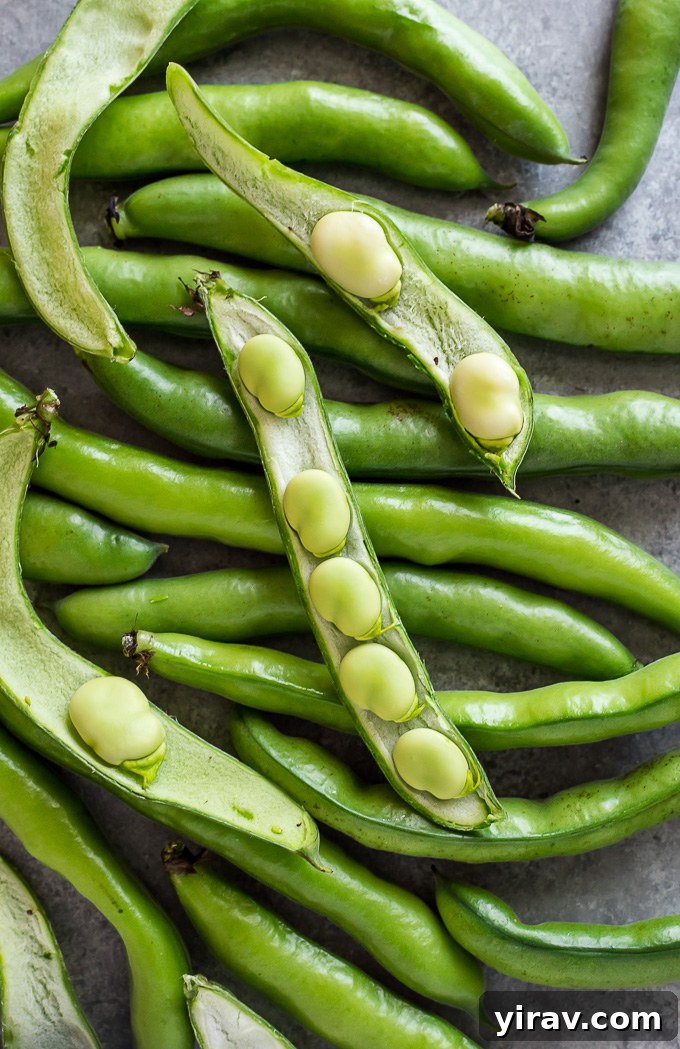
Fava beans, scientifically known as Vicia faba, are a fascinating species of flowering plant belonging to the pea and bean family (Fabaceae). These annual legumes produce distinctive, large pods, each typically containing anywhere from 3 to 8 plump, emerald-green beans. Fava beans boast a rich history, having been widely cultivated since ancient times across various civilizations. They held immense importance as a dietary staple, particularly in Mediterranean regions, where they were cherished by the Greeks and Romans for their versatility and nutritional value. The plants themselves are incredibly resilient, thriving even in challenging climates, and are often utilized as a cover crop. This practice helps prevent soil erosion and naturally enriches the earth by fixing nitrogen, making them an excellent choice for improving garden health. Culinary speaking, fava beans are renowned for their tender and delicate texture, closely resembling that of fresh peas. However, their flavor profile is uniquely earthy, slightly nutty, and subtly sweet, making them an ideal ingredient for a wide array of dishes including vibrant salads, creamy spreads, hearty pastas, and much more!
Do Fava Beans Have Another Name?
Yes, fava beans are commonly known by another popular name: broad beans. This alternative name is particularly prevalent in the United Kingdom and other English-speaking countries. In fact, the Italian word for “fava” directly translates to “broad bean,” highlighting the close relationship between the two terms and the global recognition of this versatile legume.
How to Grow Fava Beans
Growing fava beans is surprisingly simple and incredibly rewarding, even for novice gardeners. I’ve personally cultivated them in my garden for years with consistent success. The process typically begins in late September or October in regions with mild winters, allowing the plants to establish before the colder months. In colder climates, they can be planted in early spring as soon as the soil can be worked. I harvest my beans anywhere from early March through mid-summer, depending on the planting time and variety.
For optimal growth, fava bean seeds should be planted in a location that receives full sun and has rich, well-draining soil. Before planting, consider amending your soil with some compost or a balanced organic plant food to provide a nutrient boost. I typically plant my seeds about 1-2 inches deep and space them approximately 6 inches apart in rows. Once planted, cover the seeds completely with soil and water thoroughly. Fava bean plants can grow quite tall, generally reaching heights of 2 to 5 feet, which means they will require support. A trellis, garden stakes, or even a sturdy fence running behind the plants works perfectly. As the plants grow, I gently tie them to the support structure or use garden clips to keep them upright and prevent them from toppling over in wind or rain. If you’re growing in raised beds, ensure a sturdy trellis is in place from the start.
When it comes to watering, fava beans prefer consistent moisture. I typically water my plants every other day for about 10 minutes using a drip system, which helps conserve water and delivers it directly to the roots. However, adjust your watering schedule based on your climate and soil type; the goal is moist, not waterlogged, soil. Overall, fava bean plants are wonderfully low-maintenance, making them a joy to grow. You’ll know they’re ready for harvest when the pods reach about 6-8 inches in length or approximately 1 inch in width, feeling plump and firm to the touch.
Fava Bean Nutrition & Health Benefits
Fava beans are true nutrient-dense powerhouses, packed with essential vitamins and minerals that contribute to overall health and well-being! These impressive legumes are an excellent source of magnesium, which is crucial for muscle and nerve function, blood sugar control, and blood pressure regulation. They also provide significant amounts of iron, vital for oxygen transport in the blood and preventing fatigue, along with potassium, important for heart health and fluid balance. Copper and phosphorous, both key for bone health and energy production, are also present in abundance, as is vitamin B1 (thiamine), which plays a critical role in metabolism. Beyond their rich micronutrient profile, fava beans are an outstanding source of lean protein, making them an ideal component of vegetarian and vegan diets, and for anyone looking to increase their protein intake without adding saturated fat or cholesterol. Furthermore, they are brimming with folate, essential for cell growth and DNA formation, and are a fantastic source of dietary fiber, which aids digestion, promotes gut health, helps regulate blood sugar, and contributes to a feeling of fullness, supporting healthy weight management. Incorporating fava beans into your diet is a delicious way to boost your intake of these vital nutrients.
Choosing and Storing Fava Beans
Selecting the freshest fava beans is key to enjoying their delicate flavor and tender texture. When you’re at the market or in your garden, look for pods that are noticeably heavy for their size, a vibrant green color, and completely free of any blemishes or bruising. The pods should feel firm and plump, but avoid those that appear overly bulging, as this can sometimes indicate older, tougher beans. Once you’ve chosen your perfect pods, store them un-shelled in a plastic bag within the crisper drawer of your refrigerator. This method will keep them fresh for 5 to 7 days, preserving their crispness and flavor.
After shelling your fava beans, it’s best to enjoy them raw or cook them within 3 days to experience them at their peak. For longer storage, fava beans freeze exceptionally well. I’ve successfully shelled and frozen fresh fava beans with their protective outer skin still intact for several months, and they maintain their amazing taste and texture. While they may not retain their super bright green color once thawed, their deliciousness remains unaffected. Another option is to cook the beans, remove them from their protective skin, and then freeze them. Both methods allow you to enjoy the taste of spring favas long after their season has passed. Simply thaw them when ready to use and incorporate them into your favorite dishes!
How Do You Prepare Fava Beans?
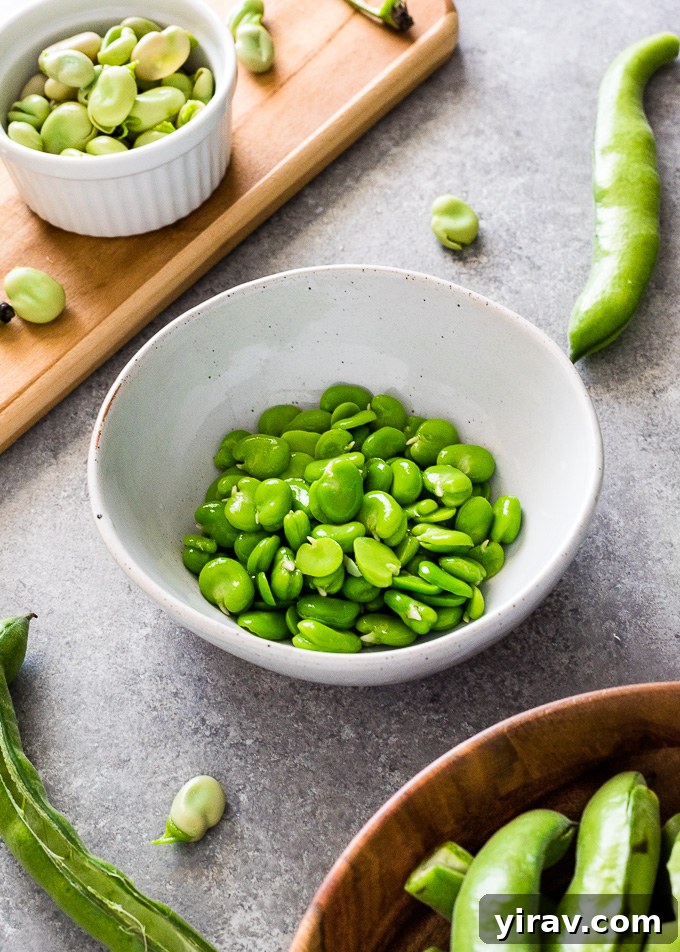
Preparing fava beans is often described as a labor of love, and while it can be a bit time-consuming, the exquisite flavor and texture are undeniably worth the effort. The process typically involves three main steps: shelling the beans from their large pods, blanching them briefly in boiling water, and then peeling away their tough outer skin to reveal the tender, vibrant green inner bean. This meticulous preparation ensures the most delicate and enjoyable eating experience. The good news is that once prepped, fava beans cook up very quickly, and the preparation itself can be done in advance, making mealtime much easier. For a detailed, step-by-step guide complete with helpful visuals and a handy video, I highly recommend referring to my dedicated post on How To Cook Fava Beans. It will make the process even smoother!
Is There a Fava Bean Substitute?
While fava beans offer a unique flavor and texture, there are certainly good substitutes if you find yourself unable to locate them in your local market or if they are out of season. Fresh lima beans are an excellent stand-in, as they share a similar creamy texture and mild, slightly starchy flavor profile that works well in many fava bean recipes. Green peas, particularly fresh or frozen petite peas, can also be a wonderful alternative, bringing a similar sweetness and bright green color to dishes, though their texture is a bit softer. Edamame, either shelled or in the pod, is another great option. Its slightly firmer texture and nutty flavor can mimic some aspects of fava beans, especially in salads or stir-fries. When substituting, consider the primary role the fava beans play in your recipe – whether it’s for texture, color, or a subtle flavor – and choose the substitute that best matches those characteristics.
The Best Fava Bean Recipes for Every Occasion
Now that you’re a fava bean expert, you might be wondering how best to utilize these exquisite spring treasures in your kitchen. The truth is, their versatility is astounding, offering countless delicious ways to prepare and enjoy them. Whether you’re in the mood for a light and fresh appetizer, a satisfying main course, or a vibrant side dish, this curated list of my favorite fava bean recipes covers all the bases. Each recipe celebrates the unique flavor and delicate texture of fava beans, ensuring a memorable culinary experience.
Get ready to be inspired and transform your spring meals with these incredible fava bean creations!
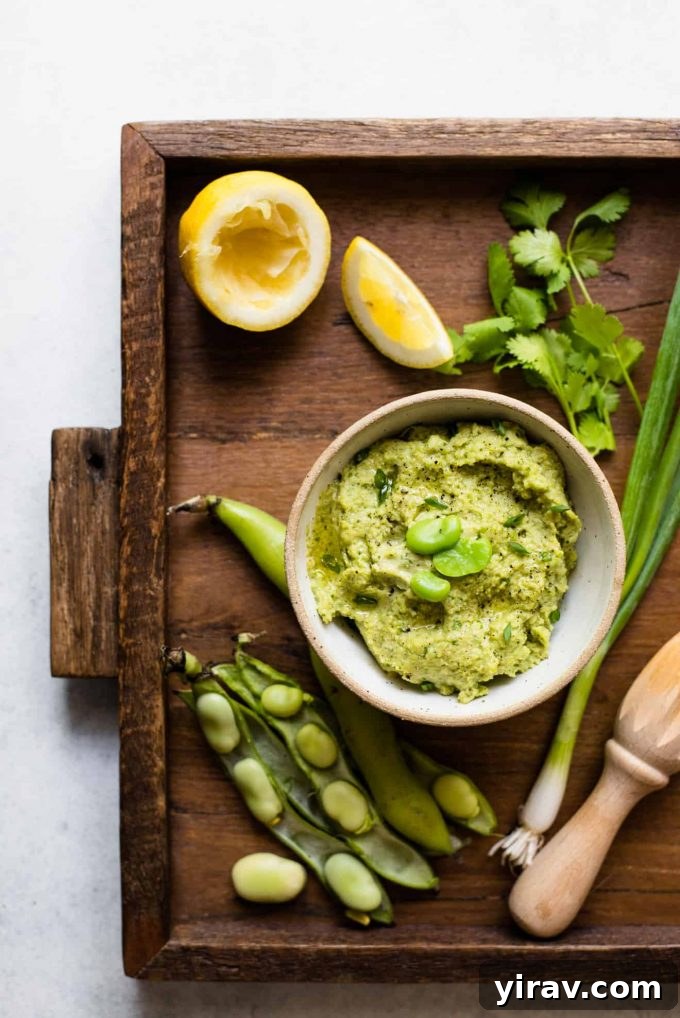
Fava Bean Dip
Get the Recipe
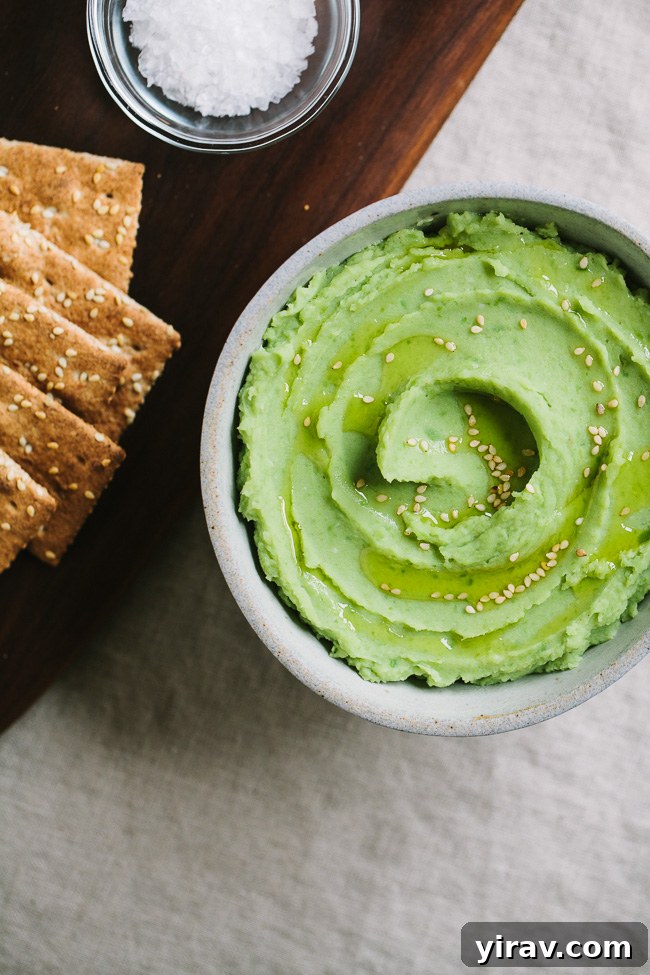
Fava Bean Puree
Get the Recipe
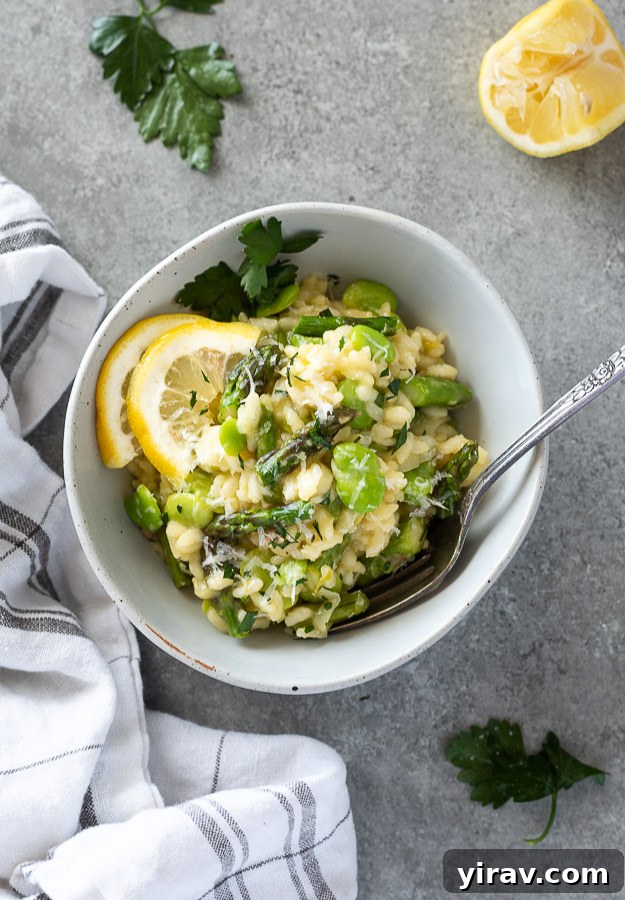
Spring Vegetable Risotto
Get the Recipe
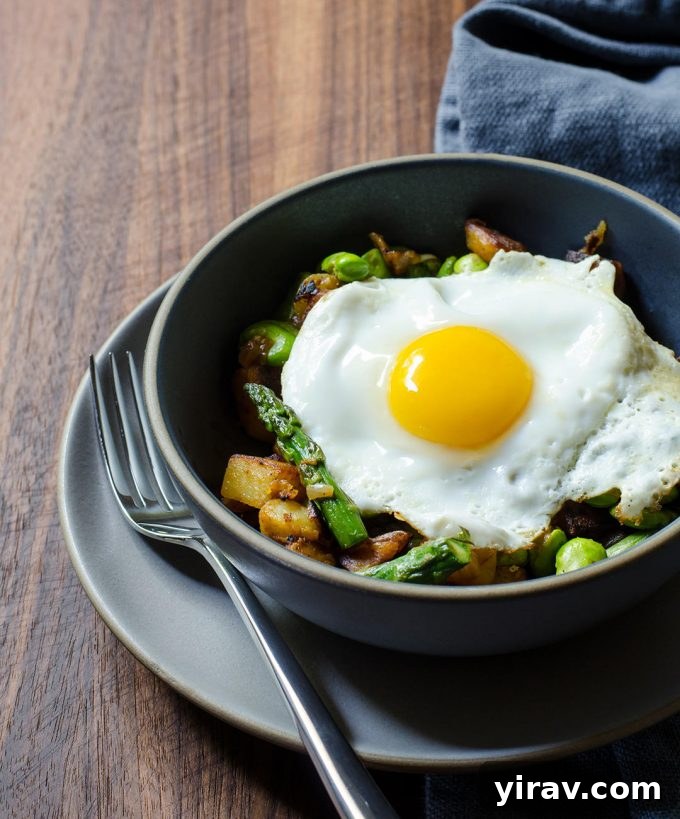
Potato Hash with Asparagus, Fava Beans and Green Garlic
Get the Recipe
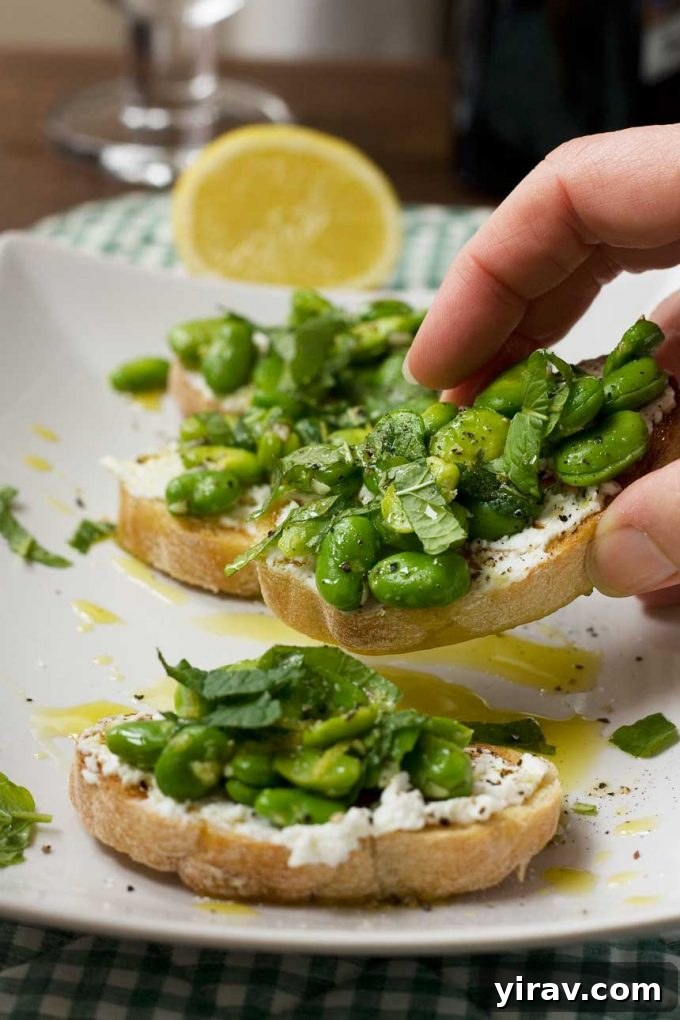
Ricotta on Toast with Fava Beans and Mint
Get the Recipe
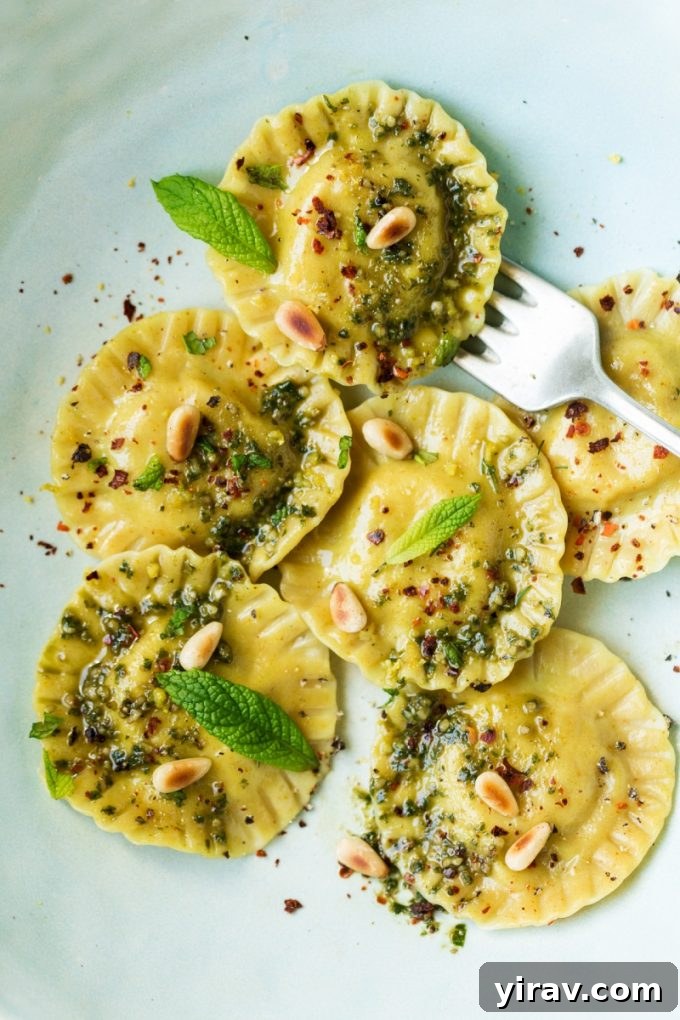
Vegan Ravioli with Fava Beans
Get the Recipe
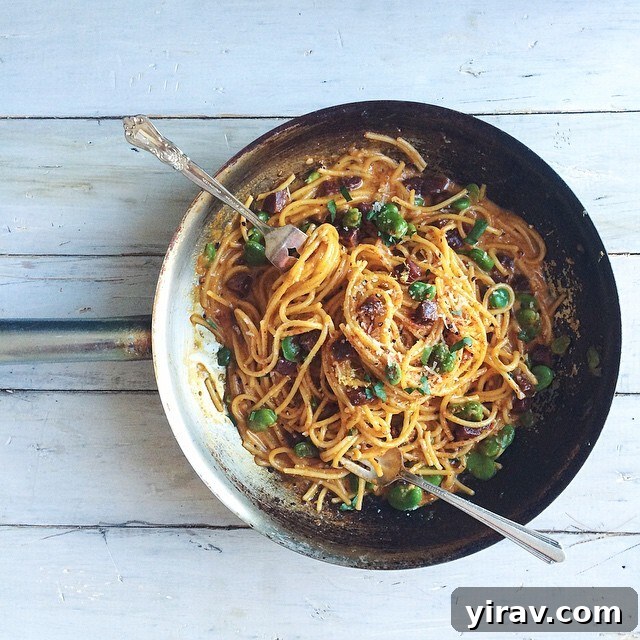
Chorizo Carbonara
Get the Recipe
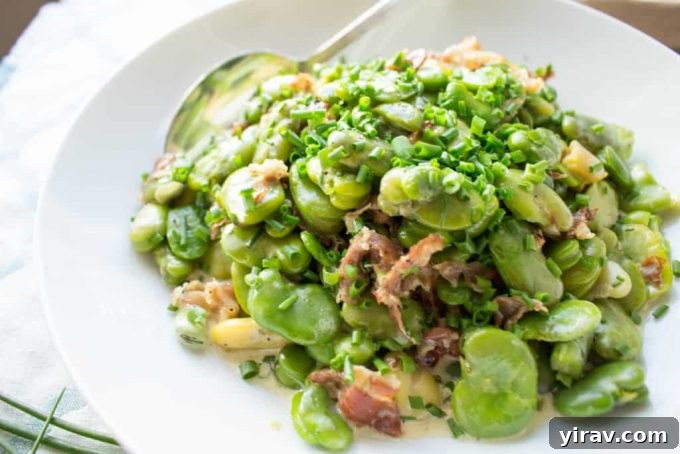
Fava Beans with Prosciutto and Cream
Get the Recipe
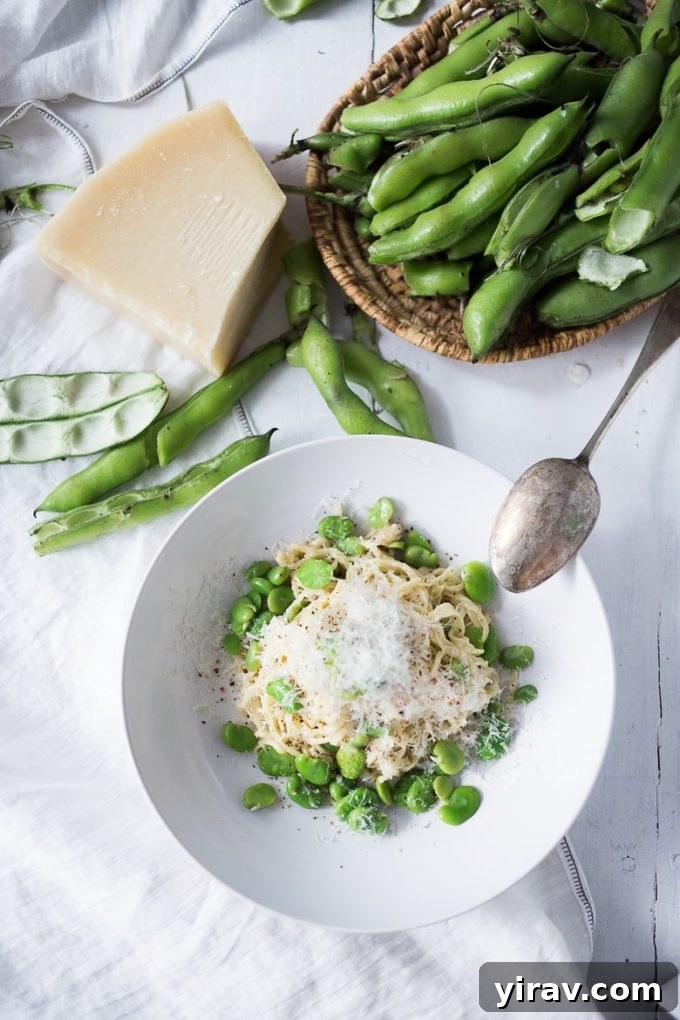
Cacio e Pepe with Fava Beans
Get the Recipe
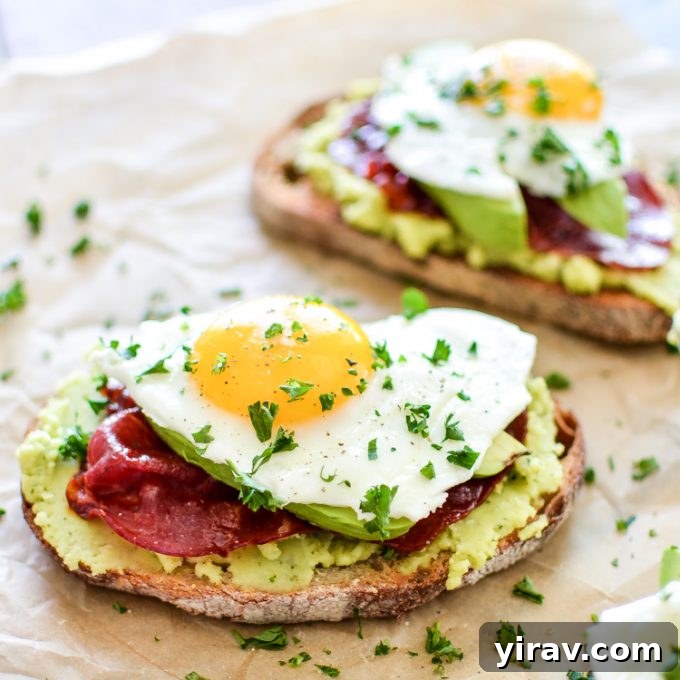
Breakfast Toast with Fava Bean Spread and Crispy Capicola
Get the Recipe
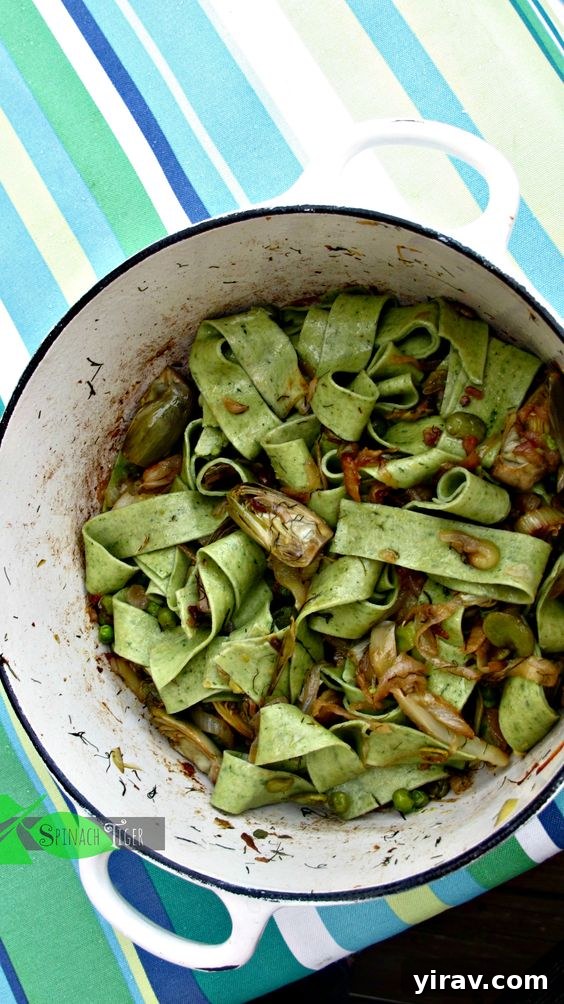
La Fritteda: Pasta with Fava Beans, Fennel, and Onions
Get the Recipe
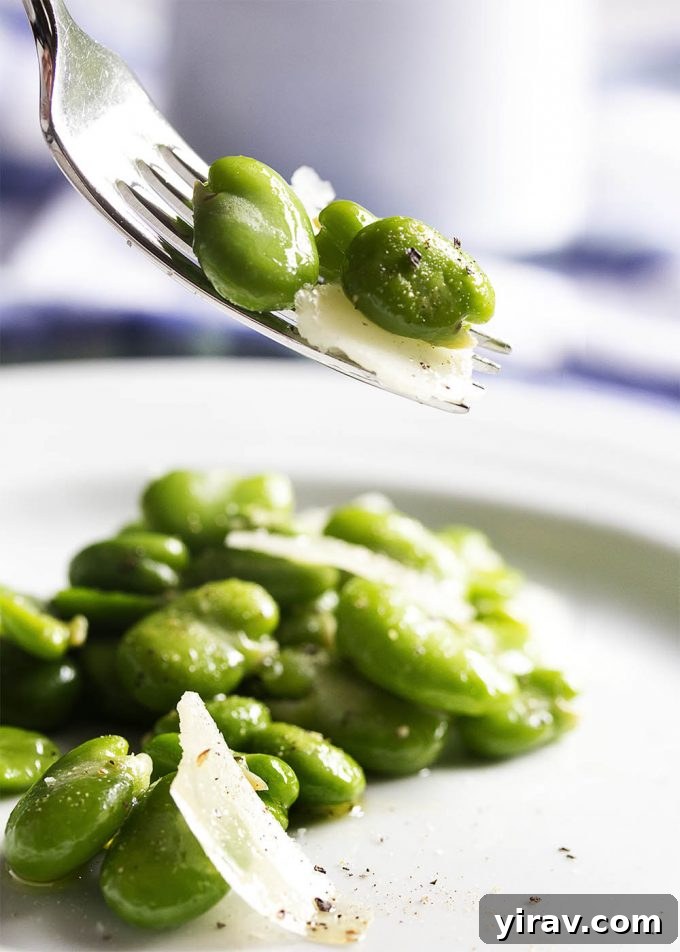
Fresh Fava Bean and Parmesan Salad
Get the Recipe
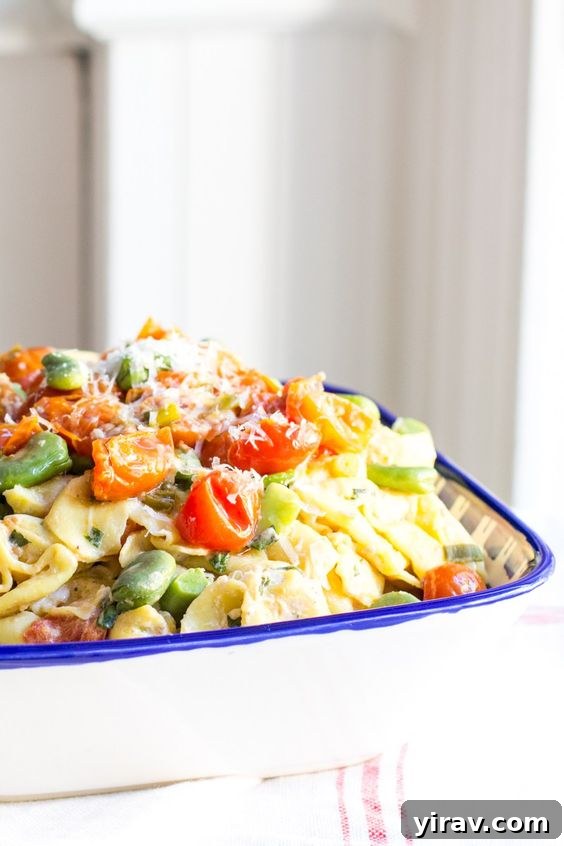
Cheese Tortellini with Herbed Ricotta and Fava Beans
Get the Recipe
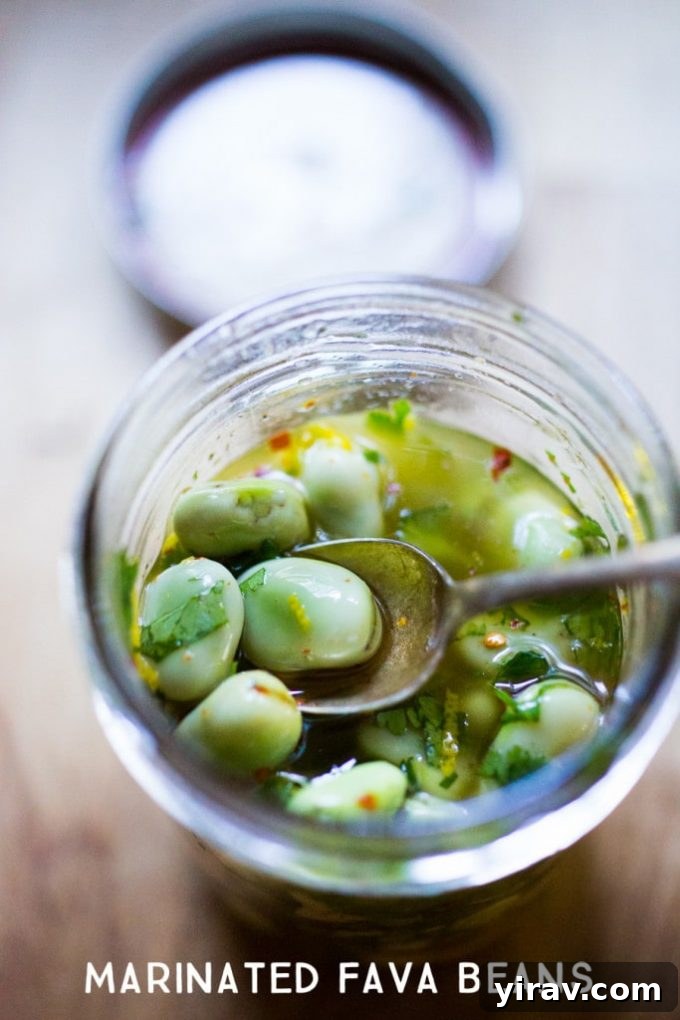
Marinated Fava Beans
Get the Recipe
More Seasonal Produce Recipe Collections You’ll Love
Embrace the bounty of each season with these additional recipe collections, spotlighting other fantastic seasonal ingredients. Expand your culinary repertoire and discover new ways to enjoy fresh, vibrant produce all year round!
- April Seasonal Produce Guide
- Delicious Leek Recipes
- Inspired Fennel Recipes
- Sweet & Savory Fig Recipes
- Versatile Poblano Pepper Recipes
- March Seasonal Produce Guide
- May Seasonal Produce Guide
- Crunchy Radish Recipes
- Tangy Rhubarb Recipes
- Zesty Tomatillo Recipes
- Fun Shishito Pepper Recipes
- Hearty Swiss Chard Recipes