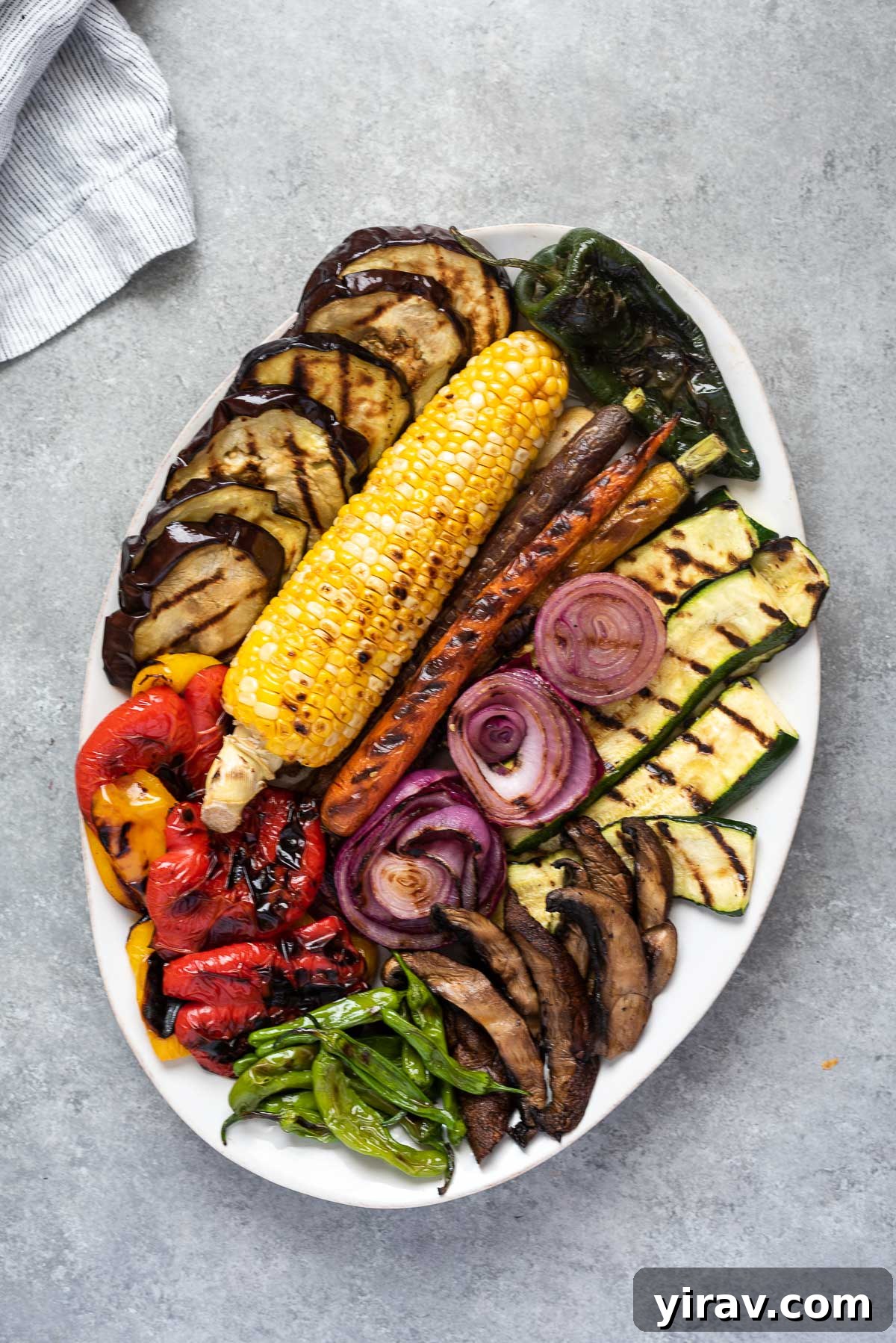
Mastering Grilled Vegetables: Your Ultimate Guide to Smoky Perfection
There’s nothing quite like the irresistible taste of perfectly grilled vegetables – tender on the inside, beautifully charred on the outside, and infused with an incredible smoky flavor. While winter calls for cozy roasted veggies, summer is undeniably prime time for the grill. Grilling offers a fantastic way to keep your kitchen cool, enjoy the outdoors, and impart a unique depth of flavor that baking simply can’t match.
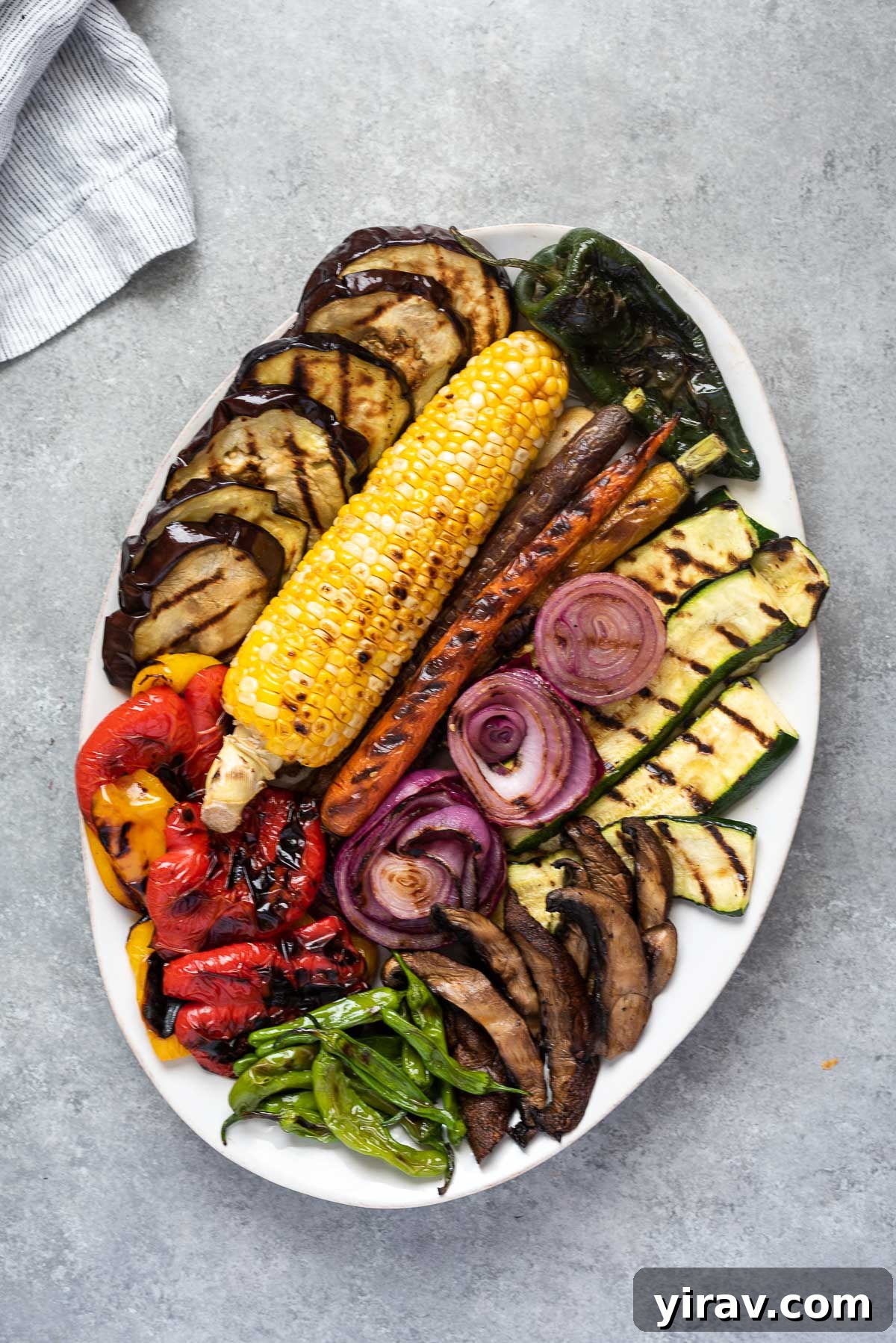
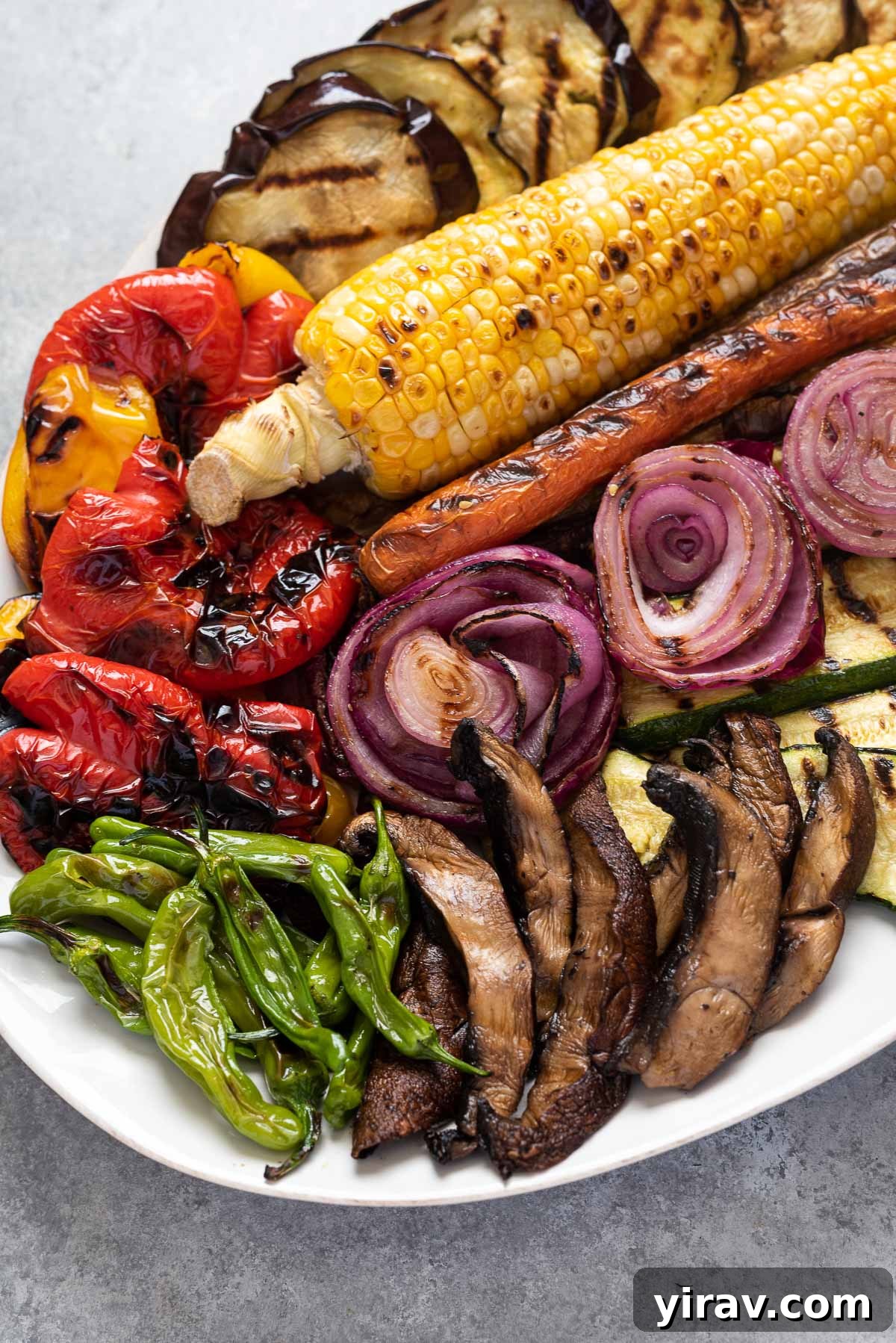
The magic of grilling lies in the direct heat, which caramelizes the natural sugars in vegetables, creating a delightful sweetness and a satisfying textural contrast. And let’s not forget those gorgeous grill marks – a visual cue that promises deliciousness!
Why You’ll Love This Recipe
- Effortlessly Healthy & Delicious: Grilling vegetables is an incredibly easy and healthy way to boost your daily nutrient intake. The process enhances their natural flavors, making them tender, perfectly charred, and infused with a crave-worthy smoky aroma.
- Comprehensive Grilling Guide: This guide provides everything you need to know, from selecting the best vegetables for grilling to preparing them with ease, and precise cooking times for a variety of popular options. Say goodbye to guesswork and hello to consistently perfect results!
- Incredibly Versatile: Grilled vegetables are far more than just a simple side dish. They can be transformed into the star of salads, added to hearty sandwiches, stirred into pasta dishes, folded into fajitas, blended into flavorful dips, and much more. The culinary possibilities are endless!
- Diet-Friendly & Inclusive: This recipe is naturally gluten-free, vegan, and dairy-free, making it suitable for a wide range of dietary needs. For those following specific eating plans like low carb, low FODMAP, or paleo, simply choose compatible vegetables to enjoy this delicious method.
Essential Ingredients for Grilled Veggies
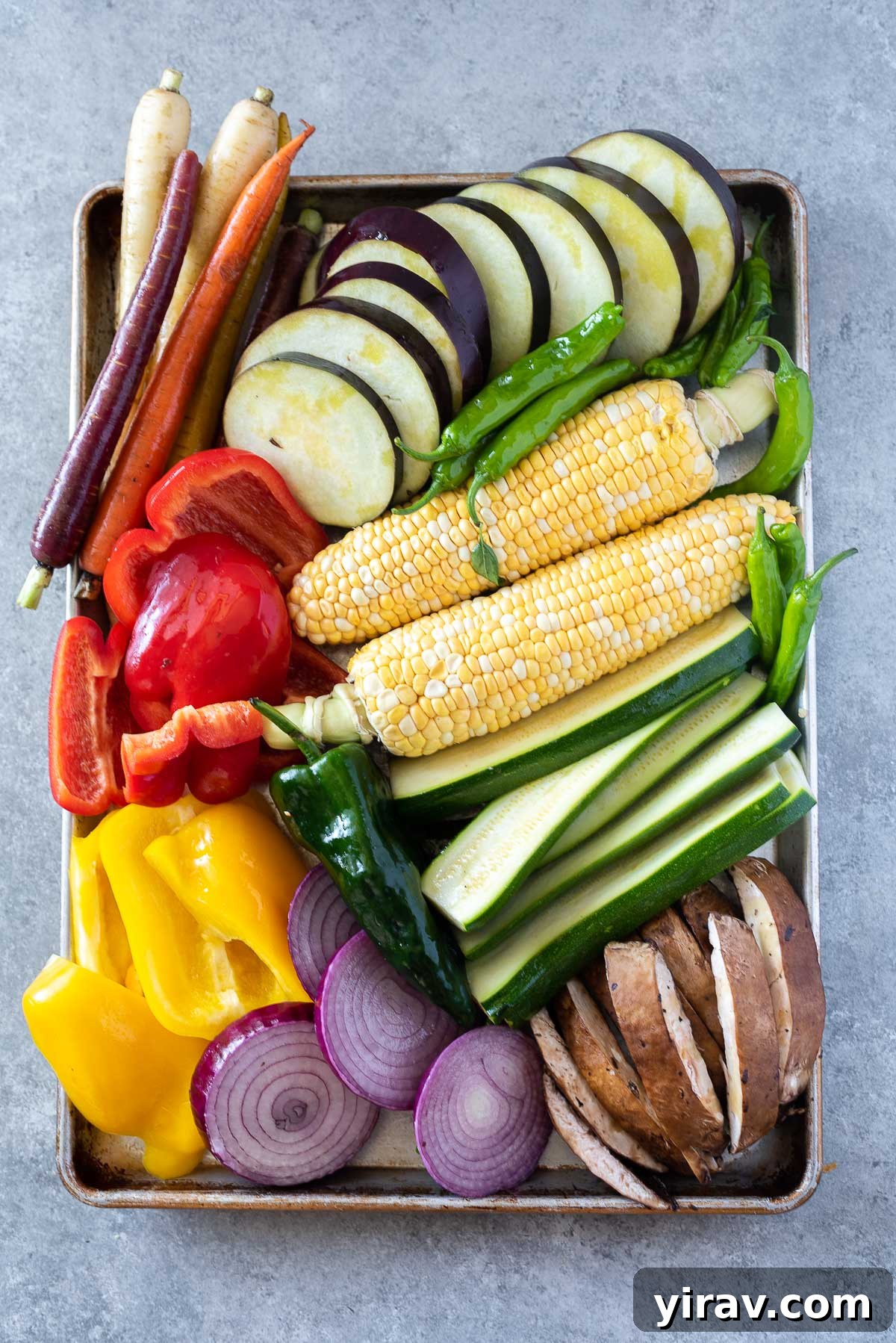
Ingredient Notes
While the focus is on the star vegetables, a few essential items will elevate your grilling experience:
- Olive Oil: Essential for preventing sticking, promoting even cooking, and helping seasonings adhere. While not pictured with the raw veggies, I always recommend tossing or brushing your vegetables with a good quality olive oil (or avocado oil for a higher smoke point) before they hit the grill. This helps achieve that beautiful char and keeps them from drying out.
- Salt and Pepper: The foundational seasonings that enhance the natural flavors of the vegetables. Don’t be shy!
- Optional Seasonings: Feel free to get creative! Garlic powder, onion powder, smoked paprika, dried oregano, Italian seasoning, or a squeeze of fresh lemon juice after grilling can all add fantastic dimensions.
The Best Vegetables to Grill
Almost any vegetable can be grilled, but some varieties truly shine on the open flame, developing incredible flavors and textures. Here are some of my absolute favorites, along with tips for preparation and why they’re perfect for your barbecue.
- Asparagus: Though not pictured, asparagus is a grilling superstar! Its slender stalks become tender-crisp with a slightly sweet, smoky edge. Simply snap off the woody ends, toss with olive oil, salt, and pepper, and grill until vibrant green and slightly charred. They make an elegant side dish or a delicious addition to spring salads.
- Bell Peppers: Sweet bell peppers transform beautifully on the grill, becoming smoky, soft, and even sweeter. You can grill them whole until the skin blisters and blackens, then peel and slice, or, as I prefer, core and slice them into broad strips. This method allows for more uniform charring and quicker cooking, making each piece perfectly tender.
- Carrots: Grilling carrots unlocks a depth of sweetness that rivals roasting, but with an added layer of smoky goodness. I recommend grilling them whole and unpeeled (after a good scrub, of course) to retain nutrients and prevent them from falling through the grates. Alternatively, slice them into thick rounds for a grill basket or foil packet, turning once for about 7-10 minutes.
- Corn on the Cob: A summertime classic! Grilled corn is a weekly staple for me, whether served simply on the cob with butter and salt, or as the star of dishes like my Mexican Street Corn Salad. You can grill it with the husk on for a steaming effect, husk removed for direct charring, or wrapped in foil. Check out my detailed Grilled Corn on the Cob recipe for all the methods.
- Eggplant: Grilled eggplant offers a wonderfully meaty texture and a rich, smoky flavor. While I typically use a medium globe eggplant, smaller Japanese eggplant varieties are also fantastic and cook even faster when halved (6-7 minutes). Ensure slices are uniform for even cooking, and don’t be shy with the olive oil – eggplant loves to soak it up!
- Onion: Grilling onions caramelizes their natural sugars, transforming them from pungent to incredibly sweet and tender. Red onions are my top choice for their vibrant color and mild sweetness, but yellow or even green onions (which cook very quickly) are also excellent. Slice them into thick rounds or wedges to prevent them from falling apart on the grates.
- Poblano Peppers: These mild chili peppers are perfect for grilling. Grilling whole poblanos until the skin is blistered and slightly blackened enhances their earthy flavor and makes them easy to peel. They’re fantastic for adding a subtle smokiness to salsas, tacos, or chili.
- Portobello Mushrooms: Often called “vegetarian steaks,” portobello mushrooms take beautifully to the grill. You can grill them whole for a satisfying Grilled Portobello Mushroom Burger, or slice them into thick strips as I’ve done here. Remember to remove the stem and gills before grilling to avoid a slimy texture.
- Potatoes: Yes, potatoes! While not shown here, potatoes can be wonderfully grilled. Halved fingerling potatoes, baby potatoes, or thick wedges are ideal. They become incredibly tender with a crispy, smoky exterior. For inspiration, explore recipes like Grilled Sweet Potato Fries or a flavorful Grilled Potato Salad. Par-boiling thicker potatoes first can ensure even cooking and tenderness.
- Shishito Peppers: If you’re looking for a quick and easy grilled snack or appetizer, shishito peppers are your answer! I often grill these directly from my garden. They cook up in mere minutes, offering a fun, mild flavor with an occasional spicy surprise.
- Zucchini and Summer Squash: These summer staples are fantastic on the grill. Sliced lengthwise into 1/2-inch thick pieces, they develop beautiful grill marks and a tender, slightly sweet flavor. They are incredibly versatile and perfect in salads, such as my favorite Zucchini and Corn Salad.
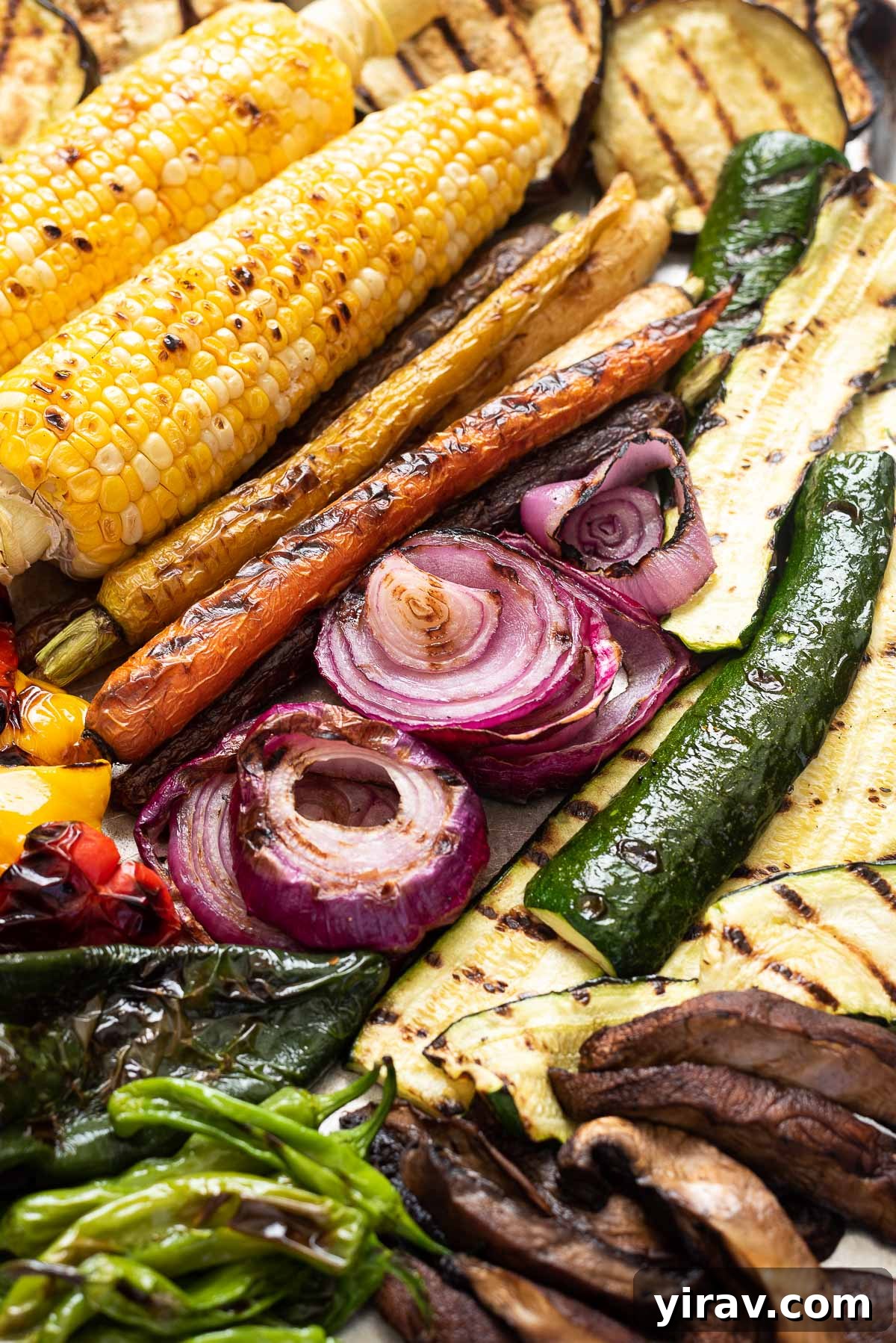
Optimal Cooking Times for Grilled Veggies
Achieving perfectly cooked grilled vegetables hinges on consistent heat and knowing the right timing for each type. The cooking times provided below are for vegetables sliced roughly 1/2-inch thick on a grill preheated to medium-high heat (around 400°F or 200°C).
Pro Tip: For the best results and even cooking, ensure your vegetables are cut into pieces of roughly the same size and thickness. This prevents some pieces from burning while others remain undercooked.
Cook each side of the vegetable until distinct grill marks appear and the vegetable softens. Remember to turn them only once they’ve developed a good char on one side. Lifting the grill lid frequently will cause heat loss and extend cooking times, so try to keep it closed as much as possible!
- Asparagus: 6-8 minutes
- Bell Peppers (sliced): 6-8 minutes
- Carrots (whole, medium): 15-20 minutes
- Corn (husked): 10-15 minutes, turning until charred on all sides
- Eggplant (1/2″ slices): 6-8 minutes
- Onion (1/2″ thick rounds): 6-8 minutes
- Poblano Peppers (whole): 6-8 minutes
- Portobello Mushrooms (sliced or whole): 6-8 minutes
- Potatoes (halved fingerling, baby potatoes or wedges): 12-15 minutes (consider par-boiling thicker cuts first)
- Shishito Peppers: 2-3 minutes
- Zucchini/Summer Squash (1/2″ slices): 6-8 minutes
How to Perfectly Grill Your Favorite Vegetables
Preparing your vegetables for grilling is simple. Always start by washing and drying your chosen vegetables thoroughly. Unless otherwise specified, toss them with a little olive oil (about 1 tablespoon per pound of vegetables) and season generously with salt and pepper. Preheat your grill to medium-high (approximately 400°F / 200°C) before adding any vegetables.
Bell Peppers
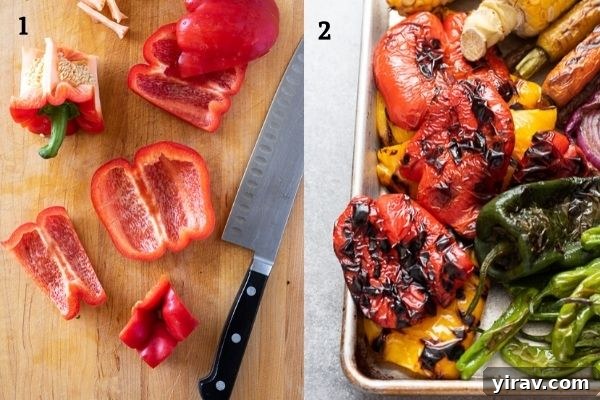
- To prep, slice around the top and bottom of the bell pepper to remove the core, then cut into large, flat segments, removing any white membranes. This allows for even charring. Alternatively, you can grill the pepper whole, turning frequently to char each side individually, then peel. Bell peppers typically don’t need additional oil as they contain enough moisture.
- Place the pepper segments directly on the grill grates, skin-side down first, until the skin blackens and blisters well, about 6-8 minutes. Flip once and continue grilling until tender.
Carrots
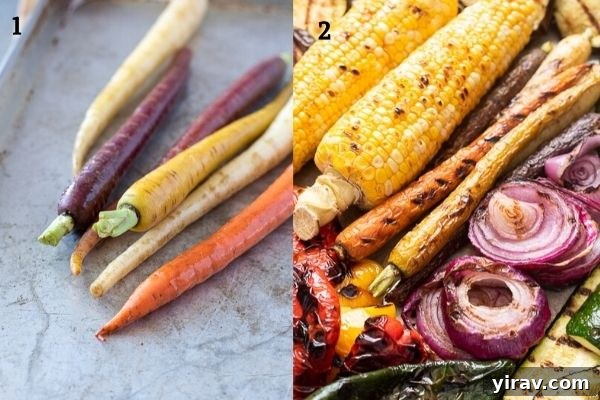
- Simply wash your carrots and pat them dry. There’s no need to peel them; the skin holds many valuable nutrients and adds to their rustic charm. Toss them lightly in olive oil and season with salt and pepper.
- Grill the carrots until tender-crisp, typically for 15-20 minutes, turning them once after deep grill marks have formed on the first side (approximately 6-7 minutes per side).
Corn
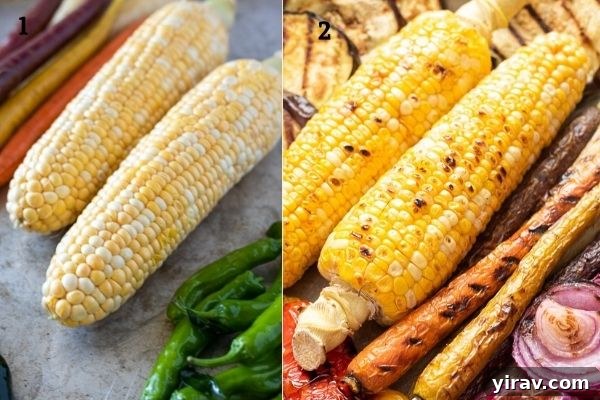
- For maximum char and flavor, remove the husk and silk completely from the corn. Brush each ear generously with olive oil and season with salt and pepper.
- Place the corn directly on the grill grates, turning frequently (every 2-3 minutes) to ensure even charring on all sides. Grill for a total of 10-15 minutes, or until the kernels are tender and slightly browned.
Eggplant
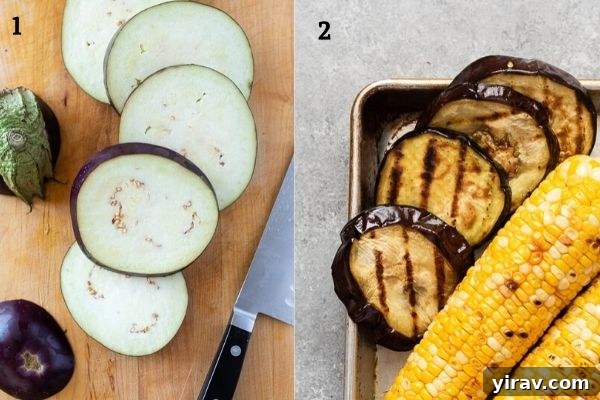
- Slice the eggplant into 1/2-inch thick rounds or planks. Given eggplant’s porous nature, toss it generously with olive oil and season well with salt and pepper. Some prefer to salt eggplant and let it sit to draw out moisture, but for grilling, a quick oil and season is usually sufficient.
- Grill the eggplant slices for about 6-8 minutes total, flipping once halfway through, until they are tender and have beautiful grill marks on both sides.
Onion
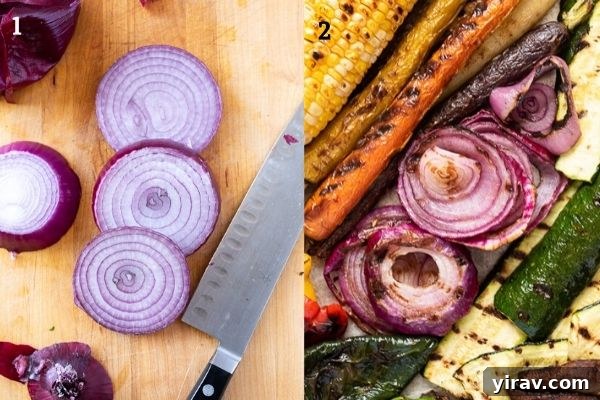
- Trim both ends of the onion and remove the outer papery skin. Cut the onion into thick, sturdy rounds (at least 1/2 inch) to ensure they hold together on the grill. Lightly brush with olive oil to keep the layers intact and prevent sticking.
- Grill the onion rounds for 6-8 minutes, turning once, until they are softened and caramelized with distinct grill marks.
Poblano Peppers
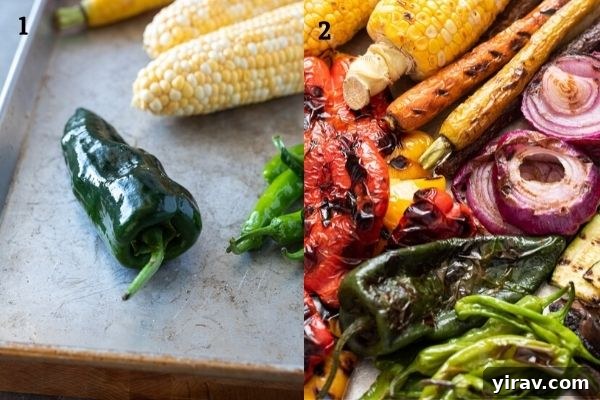
- For poblano peppers, oil is optional. You can simply place them whole directly onto the grill.
- Grill for about 6-8 minutes, turning them once or twice, until the skin is thoroughly charred and blistered. If you plan to peel them, place them in a bowl and cover immediately after grilling to steam for 10-15 minutes, then the skin will easily rub off.
Portobello Mushrooms
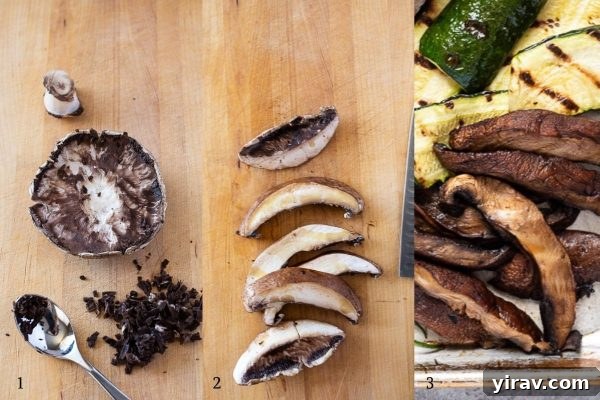
- To prepare, gently remove the stem from the portobello mushrooms. Use the tip of a spoon to scrape out the dark gills from underneath the cap; these can become slimy when cooked and affect the texture.
- You can grill the mushrooms whole or slice them into thick strips. Toss or brush them with olive oil and season well with salt and pepper.
- Grill for 6-8 minutes, flipping once, until they are tender and slightly shrunken.
Shishito Peppers
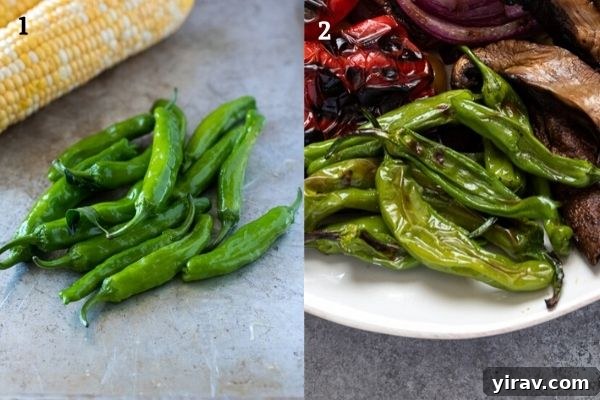
- These tiny peppers cook incredibly fast! Toss them in a bowl with a light coating of olive oil, salt, and pepper.
- Grill for a mere 2-3 minutes, turning them once, until they are blistered and slightly softened. They’re best served immediately as a healthy appetizer or snack.
Zucchini
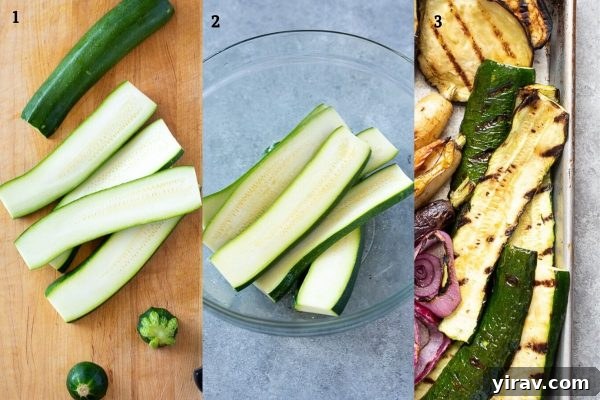
- Trim off the ends of the zucchini (or any summer squash). For best results on the grill, slice them lengthwise into 1/2-inch thick planks. This cut provides a good surface area for grill marks and prevents them from falling through the grates.
- Toss the zucchini planks in olive oil and season generously with salt and pepper.
- Grill for 6-8 minutes, turning once, until they are tender with attractive char marks.
Creative Ways to Serve Grilled Veggies
The beauty of grilled vegetables lies in their incredible versatility. Once cooked, they can elevate a myriad of dishes beyond a simple side. Here are some inspiring ideas:
- Standalone Side or Appetizer: Enjoy them straight off the grill! Drizzle with a vibrant balsamic vinaigrette dressing, a zesty chimichurri sauce, or a fresh pesto sauce. They’re also delicious tossed with fresh herbs like basil or parsley.
- Grain Bowls & Salads: Add a smoky depth to your favorite grain bowls (quinoa, farro, couscous, or brown rice) or mixed green salads. They pair wonderfully with feta cheese, toasted nuts, and a light citrus dressing.
- Tacos, Burritos & Fajitas: Grilled bell peppers, onions, and corn are phenomenal in tacos, burritos, or as a flavorful base for a vegetarian fajita bowl. Their smoky essence complements spicy fillings beautifully.
- Sandwiches & Paninis: Layer grilled eggplant, zucchini, or portobello mushrooms into sandwiches, wraps, or paninis for a gourmet touch. They add substance and incredible flavor.
- Pasta Dishes: Chop grilled vegetables and toss them into hot or cold pasta salads, or mix them into a warm pasta dish with a light sauce for a healthy and flavorful meal.
- Dips & Spreads: Purée grilled vegetables like bell peppers or eggplant with garlic and herbs to create smoky dips, perfect for pita bread or crudités.
- Pizza Topping: Use thinly sliced grilled vegetables as a topping for homemade pizzas for a unique twist.
Frequently Asked Questions About Grilling Vegetables
Are grilled vegetables healthy?
Absolutely! Grilled vegetables are an exceptionally healthy addition to any diet. They are naturally packed with essential vitamins, minerals, and fiber, and are typically low in calories and fat (especially when using healthy oils like olive or avocado). Furthermore, unlike grilling meats where fats can drip and cause flare-ups that produce potentially carcinogenic compounds (PAHs and HCAs), vegetables do not contain animal fat, so these concerns are minimized. As WebMD explains, vegetables are generally considered one of the safest and healthiest foods to grill.
What’s the best way to season vegetables for grilling?
Keep it simple and let the natural flavors shine! A generous sprinkle of salt and freshly ground black pepper is often all you need. Beyond that, a drizzle of olive oil, perhaps a squeeze of lemon juice, or a dash of your favorite dried herbs (like oregano, thyme, or a general Italian seasoning) works wonders. For a bolder flavor, consider a dry rub designed for vegetables or a light marinade with garlic, herbs, and a touch of vinegar or soy sauce.
What kind of grill should I use?
The beauty of grilling vegetables is that they’re adaptable to various setups. A gas grill offers precise temperature control and quick heating. A charcoal grill provides a deeper, more authentic smoky flavor. Even an indoor grill pan can produce delicious results and those coveted grill marks, perfect for when outdoor grilling isn’t an option. Choose the grill that works best for your space and preference!
How can I prevent vegetables from sticking to the grill?
Several factors contribute to sticking. First, ensure your grill grates are clean. Any leftover food debris can act like glue. Second, preheat your grill thoroughly to the recommended temperature before adding vegetables. Third, generously oil your vegetables – the oil creates a barrier between the vegetable and the hot grates. Lastly, you can lightly oil the hot grates themselves with a paper towel dipped in oil, using tongs, just before placing the vegetables down.
Can I grill frozen vegetables?
While fresh is always ideal for grilling, some frozen vegetables can be grilled, particularly heartier ones like corn on the cob (thawed) or thick-cut bell peppers and onions. However, softer frozen vegetables (like broccoli florets or sliced zucchini) tend to release a lot of water and become soggy rather than developing a good char. If grilling frozen, thaw them first and pat them very dry to remove excess moisture.
How long do grilled vegetables last?
Properly stored, grilled vegetables will last for 3-5 days in an airtight container in the refrigerator. They make excellent meal prep components for salads and bowls throughout the week. For longer storage, they can be frozen for up to 2-3 months, though their texture may soften slightly upon thawing.
Pro Tips for Grilling Success
- Uniformity is Key: Always aim to cut your vegetables into pieces of similar size and thickness. This ensures they cook evenly and you don’t end up with some charred and some raw.
- Don’t Skimp on the Oil: Olive oil is crucial for preventing sticking, helping seasonings adhere, and promoting that beautiful caramelization and char. A good rule of thumb is about 1 tablespoon of olive oil for every pound of vegetables. Bell peppers can sometimes be an exception as they have high moisture content.
- High Heat, Then Medium-High: Start with a hot grill to get those initial grill marks, then reduce to medium-high for even cooking through. Avoid lifting the lid too often, as this causes heat loss and slows down the cooking process.
- Let Them Rest: Once grilled, transfer your vegetables to a platter and loosely tent with foil for a few minutes. This allows them to finish cooking gently and become easier to handle.
- Season Generously: Don’t underestimate the power of salt and pepper. They bring out the natural sweetness and savory notes of the vegetables. Taste and adjust after grilling if needed.
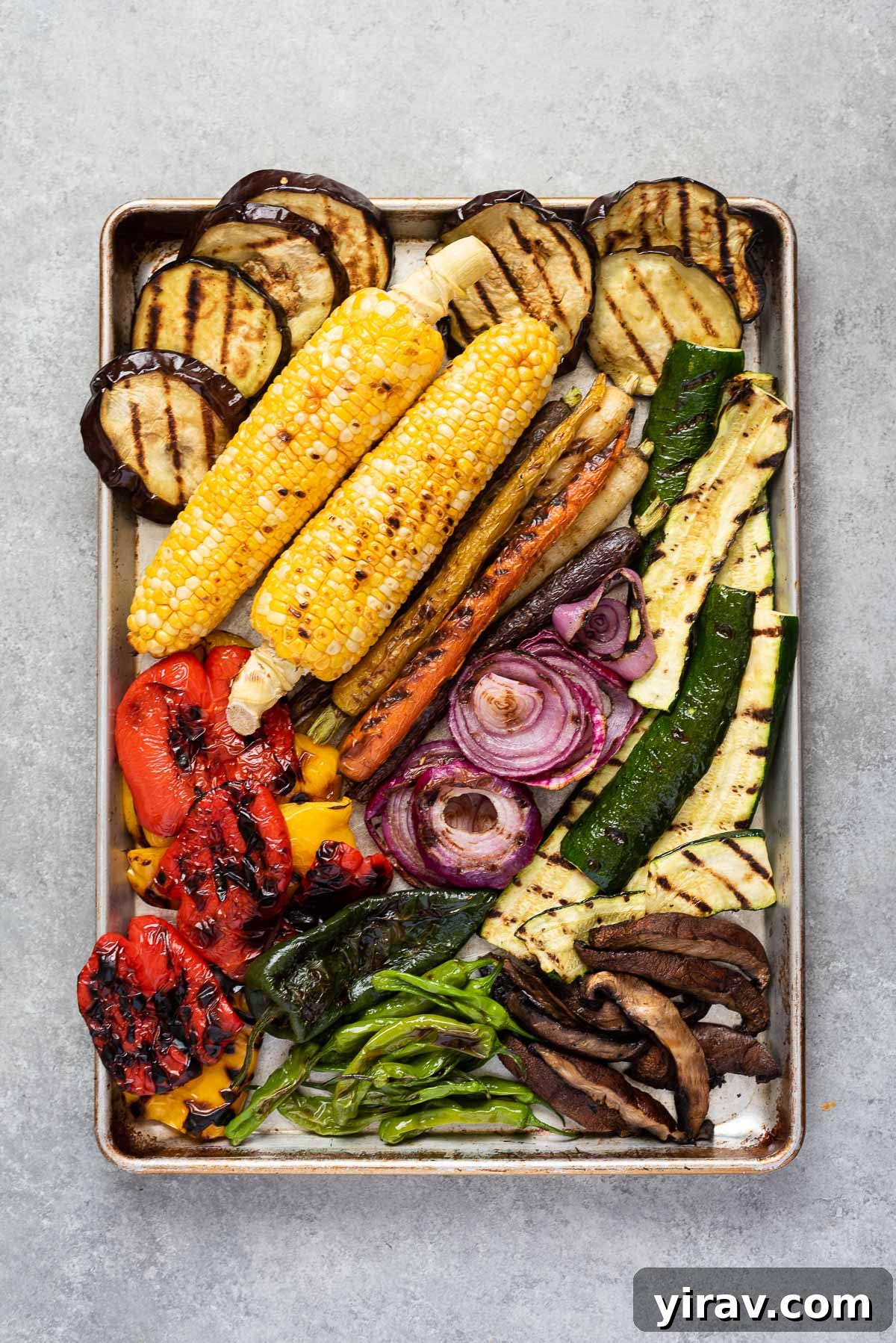
More Grilling Recipes You’ll Love!
- Grilled BBQ Chicken
- Grilled Burgers
- Grilled Vegetable Salad
- Santa Fe Chicken Salad
Did you try this recipe? If so, be sure to leave a review below and tag me @flavorthemoments on Facebook and Instagram!
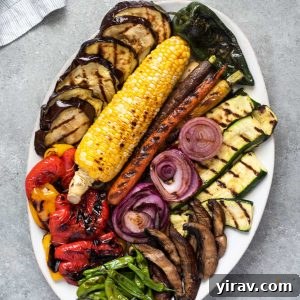
Easy Grilled Vegetables
Pin Recipe
★
★
★
★
reviews
Leave a Review »
Ingredients
- 1 eggplant
- 2 ears corn, husked
- 1 lb shishito peppers
- 1 poblano pepper
- 2 bell peppers, cored
- 5 carrots
- 1 red onion
- 2 zucchini
- 2 portobello mushrooms, whole or sliced, stem and gills removed
- 6 tbsp olive oil
Instructions
- Preheat the grill to high heat.
- Toss the vegetables in olive oil (plan on about 1 tablespoon per pound of vegetables), and season with salt and pepper, to taste. Brush the oil over the red onion in order to keep the slices in tact.
- Reduce the grill heat to medium high. Add the vegetables and grill the shishito peppers 2-3 minutes turning once, 6-8 minutes for the bell peppers, eggplant, poblano pepper and zucchini, turning once, 12-15 minutes for the carrots and corn, turning on each side till charred. Remove from heat and let stand covered loosely with foil for a few minutes until cool enough to handle.
- Chop or slice as needed to serve as a side dish with dressing or use in recipes such as salads, pasta, sandwiches, dips and more!
Notes
- Pro tip: Use vegetables that are roughly the same size and be sure to slice them to uniform thickness.
- Nutrition information is based on the vegetables outlined in this post, and will vary based on the type(s) and amount that you use.
- Plan on 1 tablespoon of olive oil for every pound of vegetables used. Bell peppers typically don’t require brushing with oil as they have plenty of moisture.
- Cooking times vary depending on the types of vegetables you’re preparing. See the list of cooking times outlined in the post above for specific guidance.
- Toss grilled vegetables in dressing and serve as an appetizer or side dish, or add to salads, sandwiches, pasta, fajitas, and more for endless culinary possibilities!
Nutrition
Nutrition is estimated using a food database and is only intended to be used as a guideline for informational purposes.