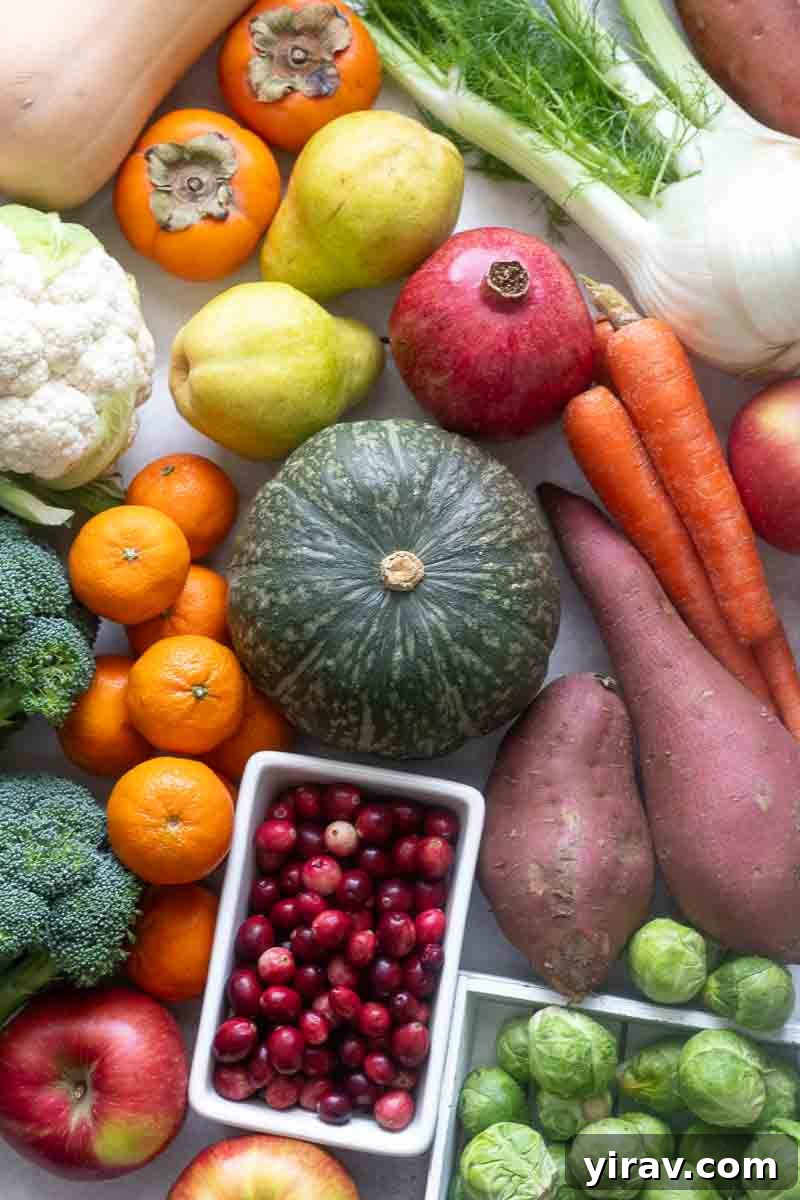
Welcome to your ultimate December Seasonal Produce Guide! As the crisp air of late fall gives way to the cozy chill of early winter, our markets and grocery aisles transform, offering a delightful array of fruits and vegetables at their peak. This comprehensive guide is designed to help you navigate what’s truly in season this month, ensuring your meals are packed with optimal flavor, nutrition, and culinary inspiration.
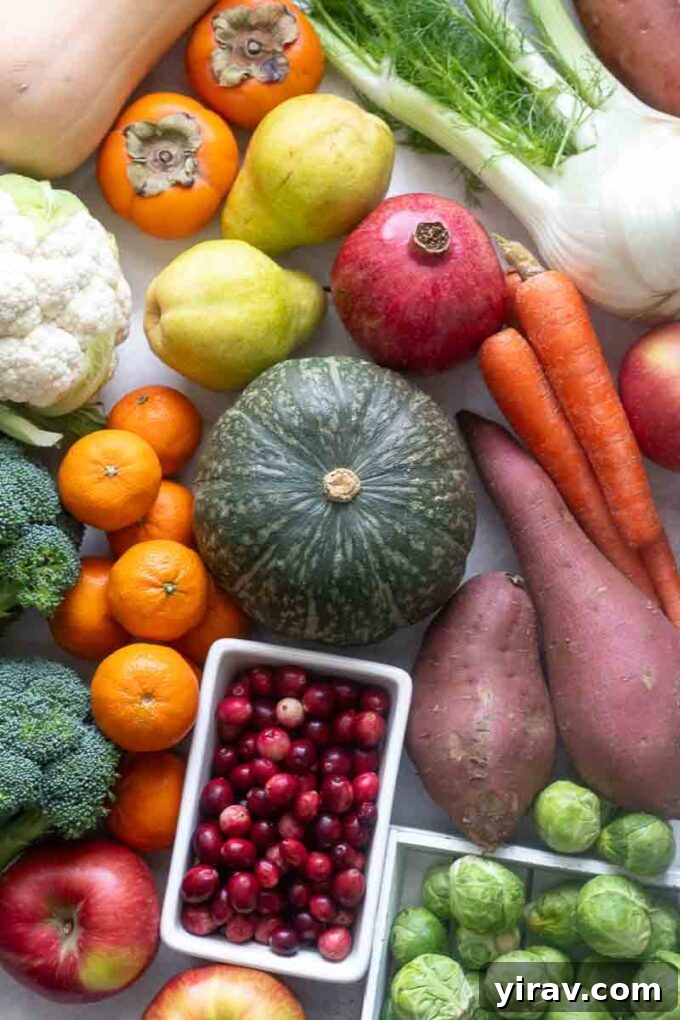
December truly marks a delicious shift in the harvest calendar. While lingering autumnal favorites like hearty winter squash, vibrant sweet potatoes, crisp pears, juicy pomegranates, and tart cranberries still grace our tables, new winter wonders begin to emerge. This month offers a fantastic opportunity to create both comforting everyday meals and spectacular festive holiday dishes, leveraging the best of the season’s bounty.
This December Seasonal Produce Guide serves as your essential resource, listing the fruits and vegetables that are at their absolute prime. Beyond just a simple list, you’ll discover a wealth of inspiring recipes to transform these fresh ingredients into unforgettable culinary experiences. Eating seasonally isn’t just a trend; it’s a way to savor produce at its peak flavor and nutritional value. By understanding what to look for, you can cook and eat with the freshest, most delicious ingredients available.
For produce that might still be available in your region, be sure to check out last month’s November seasonal produce guide.
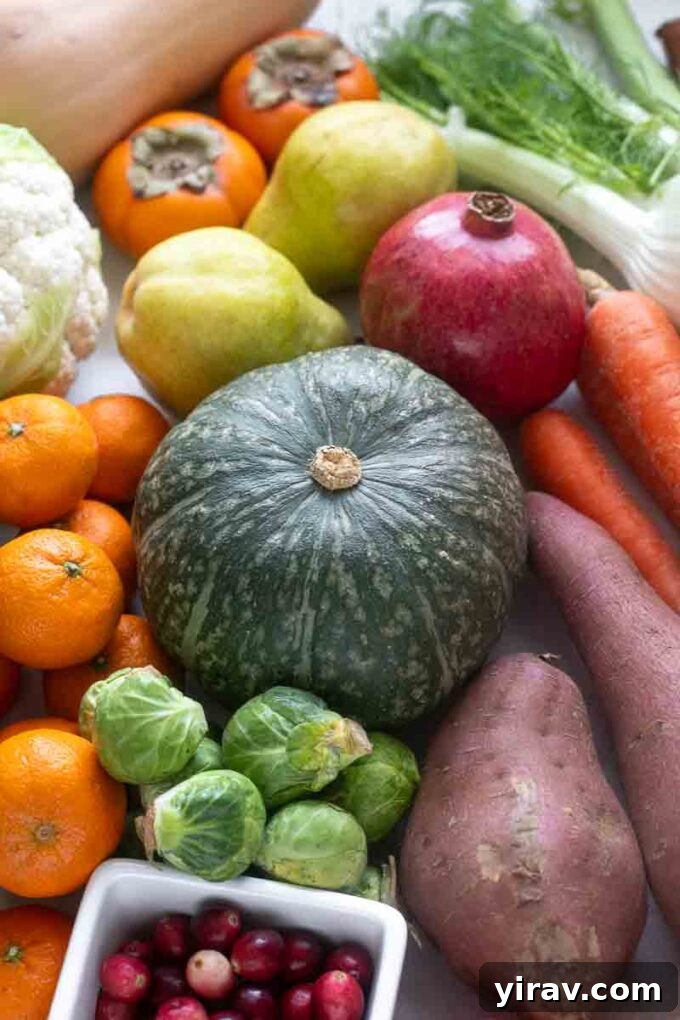
What’s in Season in December: A Culinary Deep Dive
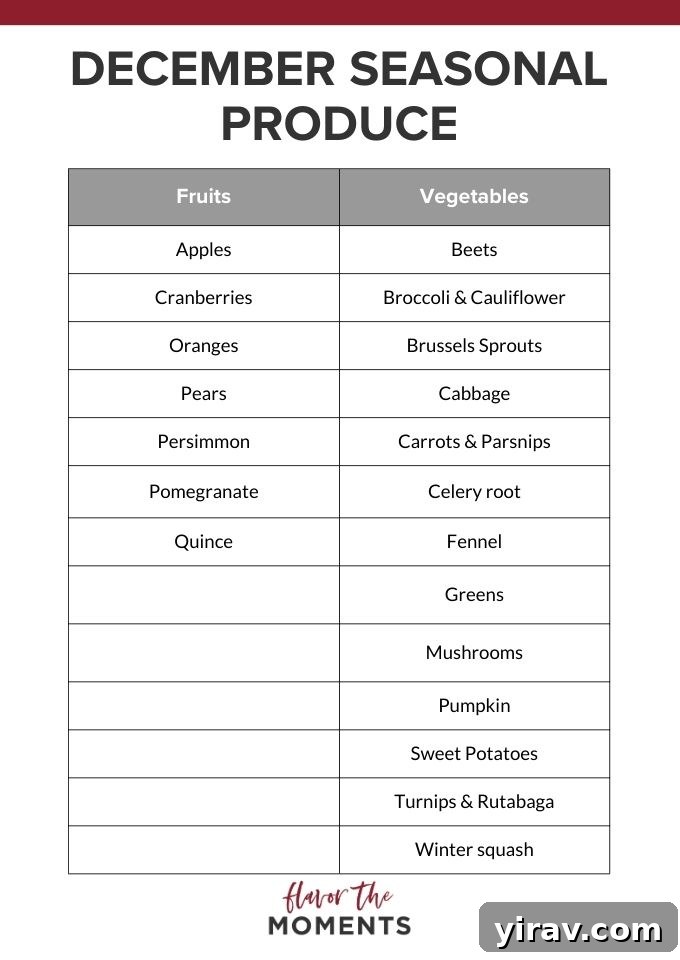
December ushers in a distinctive blend of late autumn and nascent winter produce, offering a rich palette of flavors and textures for your kitchen. This month’s bounty is perfect for crafting hearty, warming dishes that nourish and delight, as well as refreshing preparations that brighten up holiday menus. While the exact availability can vary based on your local climate and regional harvesting schedules, the following list captures the most commonly found fruits and vegetables at their peak ripeness and flavor during December.
Why Prioritize December Seasonal Produce?
Embracing seasonal eating in December offers numerous advantages that elevate your culinary experience and support a healthier lifestyle. Produce harvested in season is inherently more flavorful because it’s picked at its peak, rather than being ripened artificially during long transit times. This natural maturity also means higher nutritional content, with more vitamins, minerals, and antioxidants compared to off-season alternatives. Furthermore, buying seasonal produce often means supporting local farmers and reducing your environmental footprint by minimizing transportation needs. It’s also typically more cost-effective due to higher availability and lower demand for imports. Cooking with December’s seasonal produce encourages creativity, allowing you to experiment with warming stews, vibrant salads, and festive side dishes that truly capture the spirit of the season.
December Seasonal Fruits and Vegetables: The Full List
Root Vegetables: Earthy & Versatile
- Carrots. These sweet and crisp root vegetables are incredibly versatile, offering a refreshing crunch when eaten raw, perfect for dipping or adding to vibrant salads. When cooked, their natural sweetness intensifies, making them fabulous additions to comforting soups and hearty stews. Grated carrots also lend moisture and a subtle earthy sweetness to baked goods like cakes and muffins. Rich in beta-carotene, fiber, and vitamin K, carrots are a nutritional powerhouse that can be stored in a cool, dark place for several weeks.
- Parsnips. A close relative to the carrot, parsnips boast a unique sweet and earthy flavor with a distinct nutty undertone. Their creamy texture when cooked makes them a winter favorite, ideal for roasting to bring out their caramelization, mashing into a velvety side dish, or incorporating into soups and stews for an added layer of rich depth. Parsnips are a good source of fiber, vitamin C, and folate, making them both delicious and nutritious. Discover more ways to use this underrated root in my collection of parsnip recipes.
- Sweet Potatoes. These nutrient-dense tubers are a staple of cold-weather cooking. Naturally sweet with an underlying earthy flavor and a smooth, starchy flesh, sweet potatoes come in a spectrum of colors including vibrant orange, creamy white, and deep purple. They are loaded with fiber, vitamins A and C, and powerful antioxidants, supporting overall health. Their versatility shines through as they can be roasted, mashed, baked whole, or incorporated into soups, salads, and casseroles for a touch of sweetness and substance.
- Turnips and Rutabagas. Often grouped together for their similar hardy nature, turnips and rutabagas offer earthy, slightly peppery notes that stand up well to robust cooking methods. They are wonderful roasted until tender, stewed in savory broths, or mashed for a comforting side. For those seeking a lower-carb alternative, they can be used in place of potatoes in many stew recipes, providing a similar texture with a distinct flavor. Both are excellent sources of vitamin C and fiber.
Leafy Greens & Cruciferous Vegetables: Winter’s Garden Powerhouses
- Broccoli. A versatile member of the cruciferous family, fresh broccoli offers a mild, slightly bitter flavor and a crisp, crunchy texture when raw, making it excellent for crudités or adding to cold salads. When roasted or sautéed, it transforms into a sweeter, nuttier vegetable, perfect as a side dish or integrated into pasta and stir-fries. Broccoli is famously rich in vitamins C and K, as well as fiber, providing significant health benefits.
- Brussels Sprouts. These miniature cabbages deliver a distinctive nutty and earthy flavor with a mild, delightful cabbage essence. They are fantastic when pan-fried until slightly crispy, roasted to achieve a beautiful caramelization, or even shaved raw into fresh, vibrant salads. Brussels sprouts are packed with vitamin C, vitamin K, and fiber, making them a nutritious and delicious addition to any meal.
- Cabbage. Known for its crisp, crunchy texture and a subtly bitter flavor when raw, cabbage is an ideal ingredient for slaws and fresh salads. Once cooked, its flavor mellows and sweetens, becoming tender and slightly nutty. Cabbage is a good source of vitamin C, vitamin K, and dietary fiber, contributing to digestive health. Explore my produce guide and extensive collection of cabbage recipes for more details on varieties and culinary uses.
- Cauliflower. Truly one of the most versatile winter vegetables, cauliflower shares many attributes with broccoli. It’s excellent for dipping and raw in salads, much like its green cousin. Its mild flavor makes it incredibly adaptable, shining when roasted, mashed as a low-carb alternative to potatoes, or puréed into creamy soups. Cauliflower is rich in vitamin C, vitamin K, and folate, making it a fantastic addition to a healthy diet.
- Dark Leafy Greens. December is prime time for robust dark leafy greens such as kale, Swiss chard, mustard greens, dandelion greens, and collard greens. These nutrient-dense vegetables are known for their bold flavors and impressive health benefits. Their sturdy texture holds up beautifully to cooking methods like sautéing, braising, and simmering in soups and stews, while their slightly bitter, peppery, or earthy notes add complex depth to a wide array of savory dishes. They are powerhouses of vitamins A, C, and K, along with essential minerals.
Other Late Fall and Early Winter Vegetables: Unique Flavors
- Celery Root. Also known as celeriac, this knobby root vegetable offers a mild, slightly earthy celery flavor and a wonderfully creamy texture when cooked. It’s an excellent choice for purées, thickening soups, creating gratins, or adding a crisp, fresh dimension when thinly shaved or grated into salads. Celery root is a good source of fiber and vitamin K.
- Fennel. With its distinctive bulb and feathery fronds, fennel presents a subtly sweet flavor with a delicate hint of anise. It pairs exceptionally well with bright citrus and hearty greens, making it a versatile ingredient for both raw and cooked applications. Fennel can be roasted, grilled, or thinly sliced into salads for a refreshing crunch. It’s rich in vitamin C, fiber, and potassium. Explore my collection of fennel recipes for more culinary ideas.
Winter Squash: Comforting & Wholesome
- Butternut Squash. A quintessential winter squash, butternut boasts a delightful sweet and nutty flavor profile, complemented by its smooth, vibrant orange flesh and creamy texture when cooked. Its inherent sweetness and rich taste make it incredibly versatile—it’s superb for roasting, mashing into a velvety purée, blending into luxurious soups, or adding hearty substance to salads, pastas, and grain bowls. Butternut squash is an excellent source of fiber, vitamins A and C, and potassium. Explore a wide range of inspiring butternut squash recipes to maximize its potential.
- Delicata Squash. This charming, small, cream-colored winter squash with distinct green stripes is a favorite for its thin, entirely edible skin. Its sweet, nutty flavor and tender texture make it perfect for roasting, stuffing with savory fillings, or adding to vibrant salads. The convenience of not needing to peel delicata squash makes it a fantastic choice for quick and easy weeknight meals. It’s a good source of fiber and vitamin A. For more ideas and tips, consult my produce guide and collection of delicata squash recipes.
- Kabocha Squash. Often likened to a sweeter, earthier pumpkin or sweet potato, Kabocha squash offers a dense, velvety flesh and a rich, creamy flavor. Its unique profile makes it exceptional for roasting, puréeing into smooth soups, or mashing into a comforting side dish. The skin of Kabocha squash becomes tender enough to eat when cooked, adding to its ease of preparation and nutritional value. It’s rich in beta-carotene, iron, and vitamin C.
- Pumpkin. This iconic winter squash requires no introduction! Mildly sweet with dense orange flesh, pumpkin is perfect for both savory and sweet culinary creations. It’s ideal for roasting, transforming into smooth purées, or baking into seasonal favorites like pies, muffins, and breads. Beyond its delicious taste, pumpkin is packed with fiber, vitamin A, and antioxidants, making it a wholesome addition to your winter diet. Dive into my complete list of pumpkin recipes for endless inspiration.
- Spaghetti Squash. A truly unique and fun winter squash, spaghetti squash is celebrated for its mild, slightly sweet taste and its distinctive stringy texture that, once cooked, separates into pasta-like strands. It serves as a wholesome, low-carb alternative to traditional noodles, pairing wonderfully with your favorite sauces, roasted vegetables, or a simple drizzle of olive oil and a sprinkle of Parmesan cheese. It’s a good source of fiber and vitamins A and C.
Late Fall and Early Winter Fruits: Sweet & Tart Delights
- Apples. These iconic crisp and juicy fruits are bursting with a delightful sweet-tart flavor, making them one of the most versatile offerings of the season. Whether enjoyed as a snack, baked into comforting desserts, or tossed into savory salads, apples add a refreshing crunch and natural sweetness to any dish. They are an excellent source of fiber and vitamin C, making them as nourishing as they are delicious. Explore my extensive collection of apple recipes for fresh ideas.
- Cranberries. These tart, ruby-red berries are a hallmark of the holiday season, adding a burst of vibrant color and tangy flavor to both sweet and savory recipes. They can be simmered into classic cranberry sauce, folded into baked goods like muffins and crisps, or tossed fresh into salads for a refreshing pop of brightness. Cranberries are renowned for their high antioxidant content and are a good source of vitamin C. Find more inspiration in my collection of fresh cranberry recipes.
- Pears. Depending on the variety, pears can range from perfectly crisp to delightfully tender, always delivering a sweet and juicy experience. Popular varieties include Anjou, Bartlett, Bosc, Comice, Seckel, and more, each offering subtle differences in flavor and texture. Pears are a fall and early winter favorite for snacking, baking into tarts and crumbles, or adding a sophisticated touch to salads and cheese boards. They provide dietary fiber and vitamin C.
- Persimmons. These unique fruits offer a wonderfully sweet and honey-like flavor, with a smooth, delicate texture when ripe. They are delicious eaten fresh on their own, added to autumnal salads for a touch of sweetness, or baked into various desserts. Persimmons are a good source of vitamins A and C, and fiber. For more culinary uses, consult my produce guide and collection of persimmon recipes.
- Pomegranate. These vibrant ruby-red fruits are filled with jewel-like arils that burst with a delightful sweet-tart flavor and a refreshing crunch. Pomegranate arils add a beautiful pop of color and texture to salads, yogurt bowls, and festive holiday drinks, making them a stunning addition to any winter table. They are rich in antioxidants, vitamin C, and vitamin K. Discover innovative ways to use this stunning fruit in my produce guide and collection of pomegranate recipes.
- Quince. A less common but incredibly rewarding fruit, quince is fragrant and firm, with a slightly tart and floral flavor. It is best enjoyed when cooked, as its flesh softens and turns a beautiful pink hue. Quince is wonderful when poached, stewed, or transformed into flavorful jams, jellies, and preserves, offering a unique aromatic dimension to your winter pantry. It’s a good source of vitamin C and fiber.
Root Vegetable Recipes for December
Root vegetables are the backbone of winter cooking, offering grounding flavors and essential nutrients. From sweet carrots to earthy parsnips, these recipes highlight their versatility and deliciousness, transforming simple ingredients into comforting and vibrant dishes.
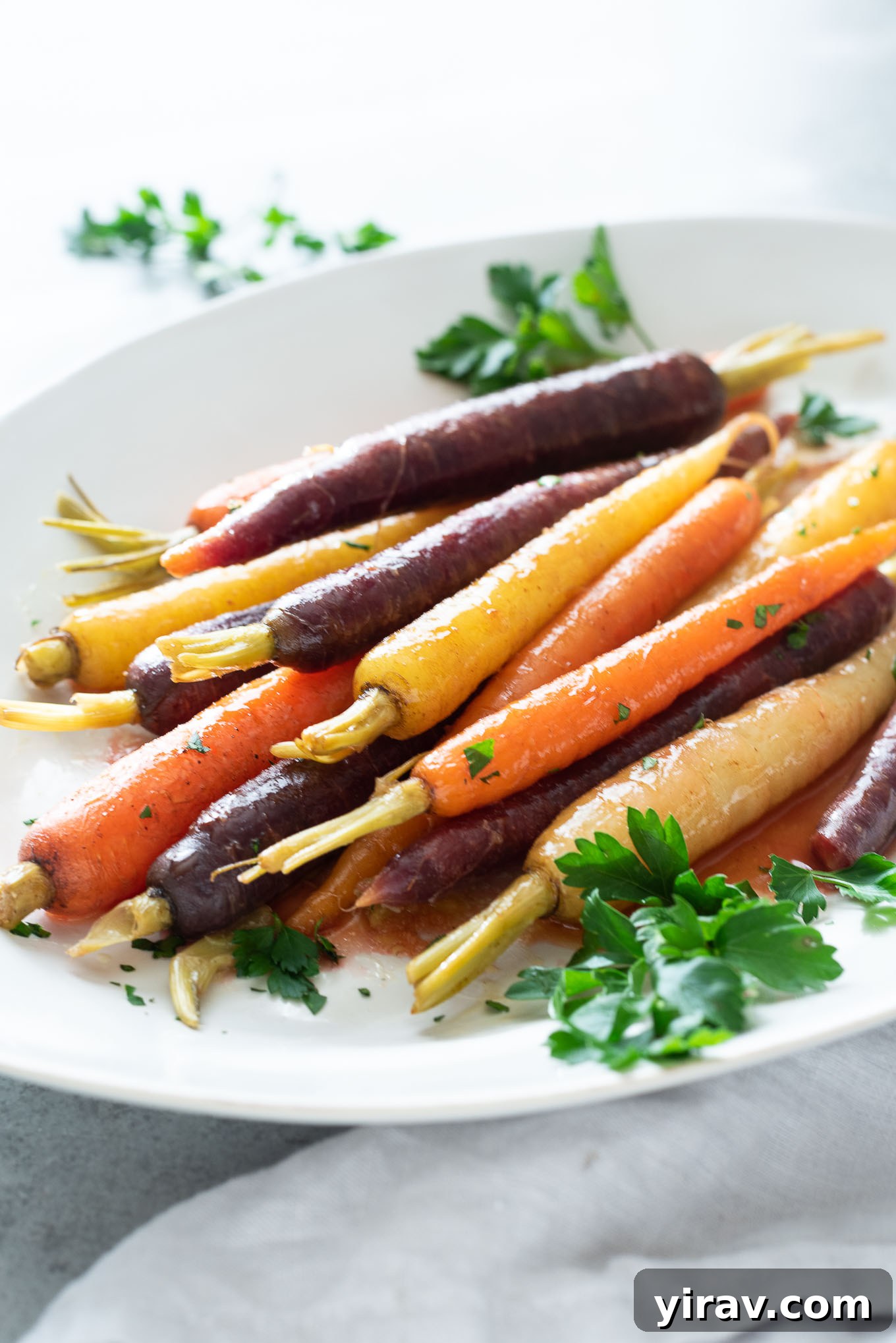
Maple Glazed Carrots
Get the Recipe
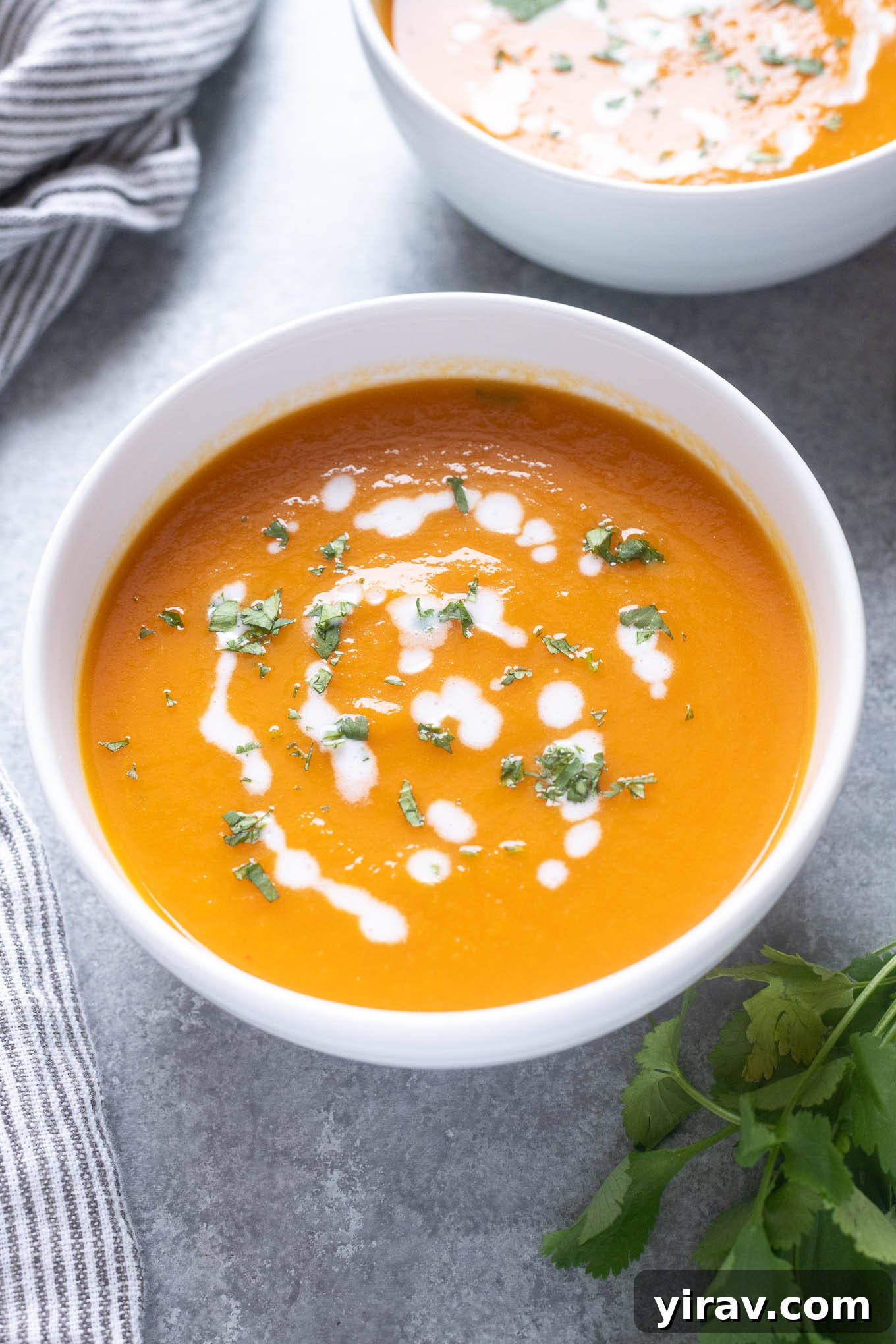
Carrot Ginger Soup
Get the Recipe

Carrot Cake Baked Oatmeal
Get the Recipe
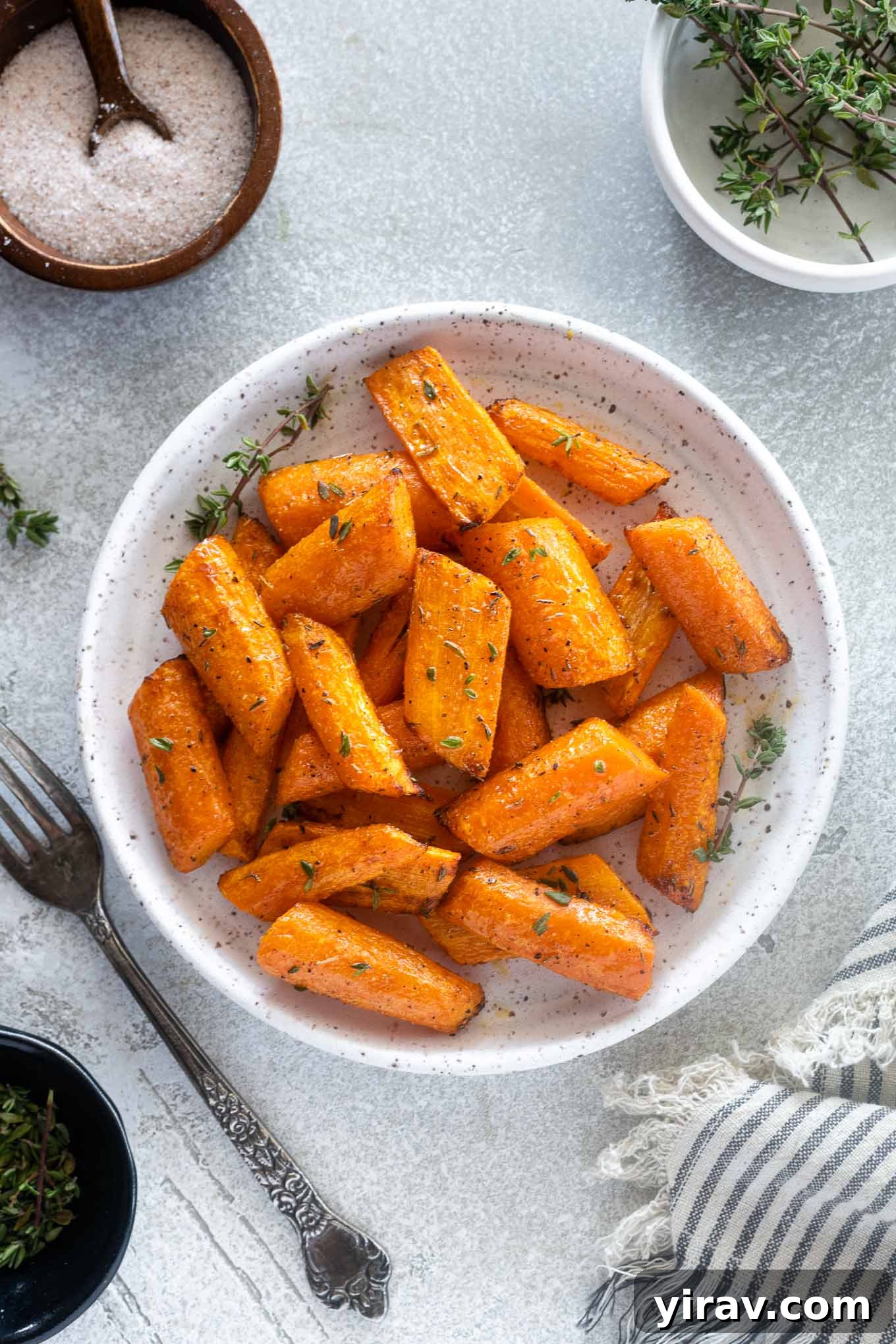
Air Fryer Carrots Recipe
Get the Recipe

Gluten-Free Carrot Oat Muffins
Get the Recipe
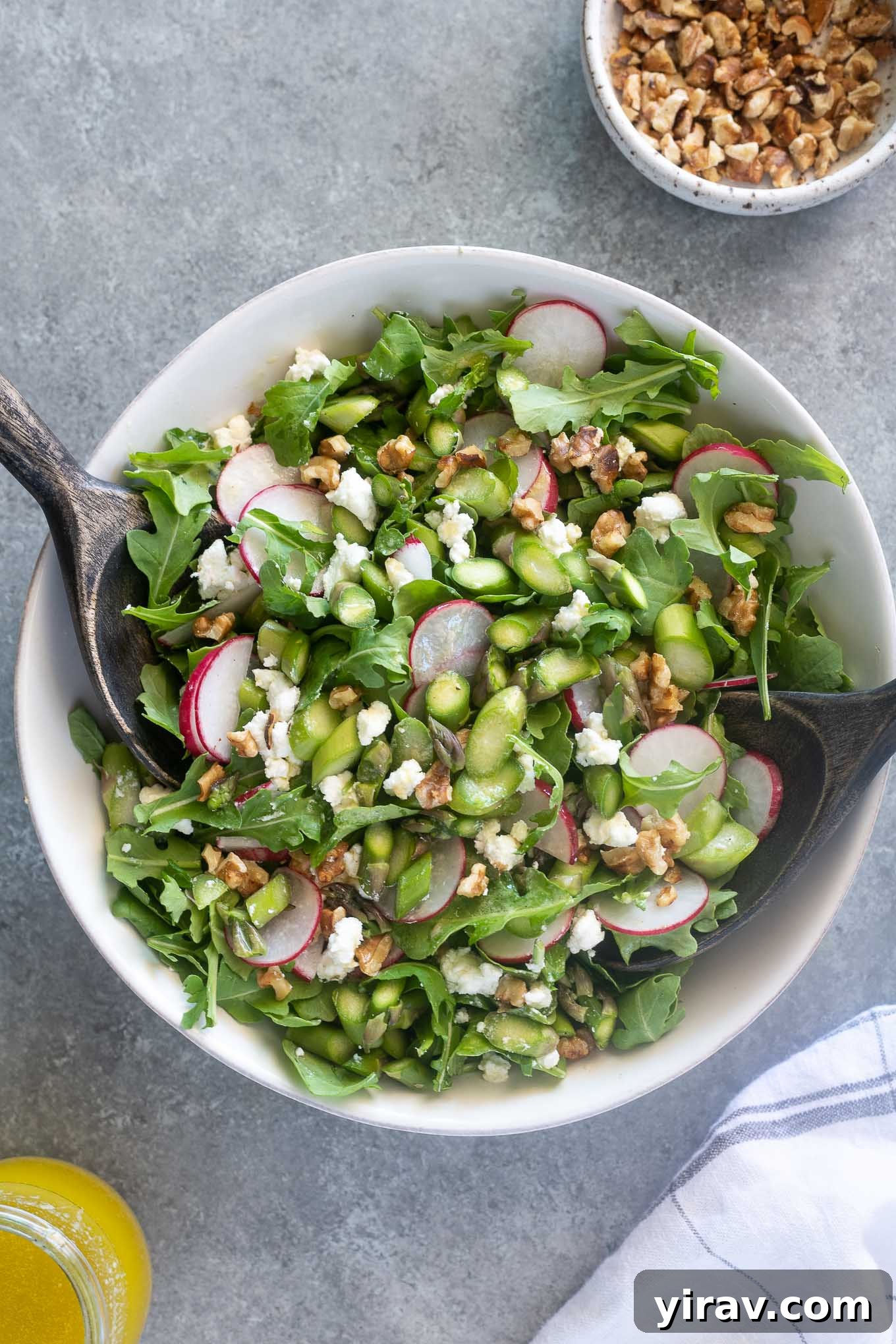
Asparagus and Radish Salad
Get the Recipe
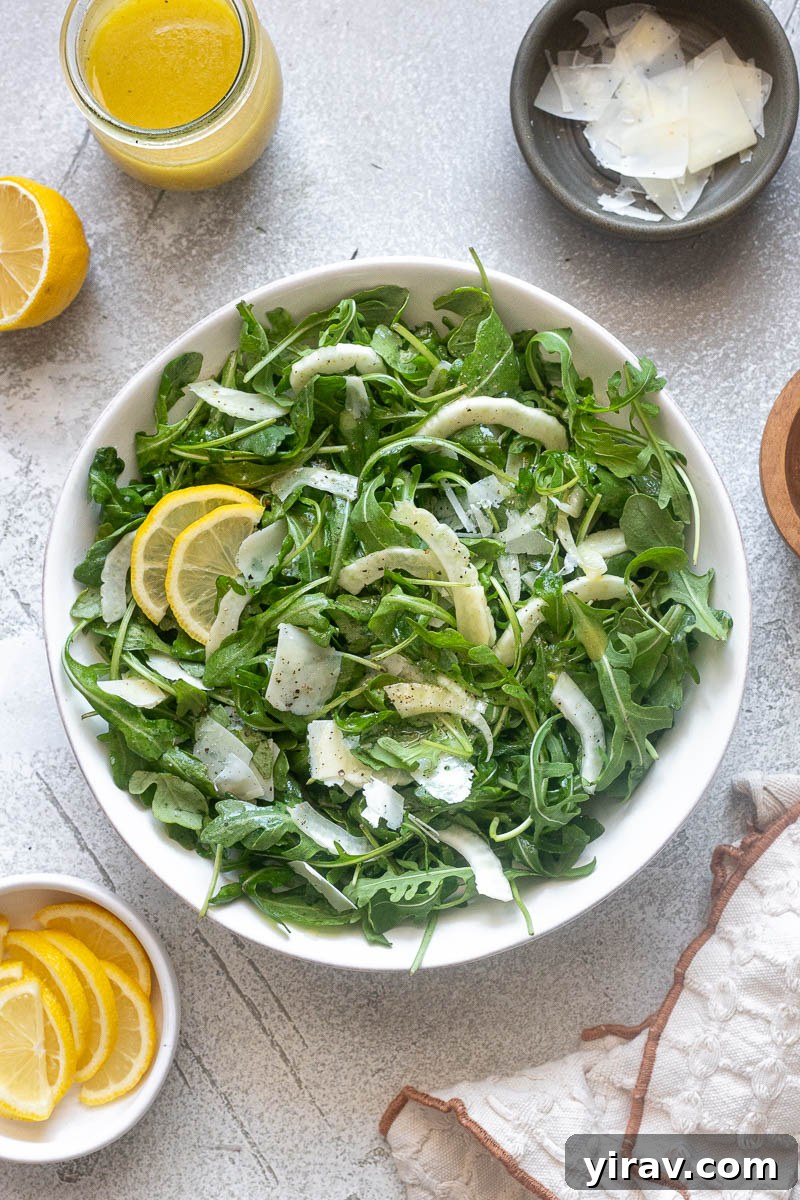
Arugula and Fennel Salad
Get the Recipe
Leafy Greens and Cruciferous Veggies Recipes for Winter
December brings an abundance of hearty leafy greens and robust cruciferous vegetables, perfect for adding essential nutrients and vibrant flavors to your winter meals. These recipes showcase how to transform these cold-weather champions into delicious and satisfying dishes.
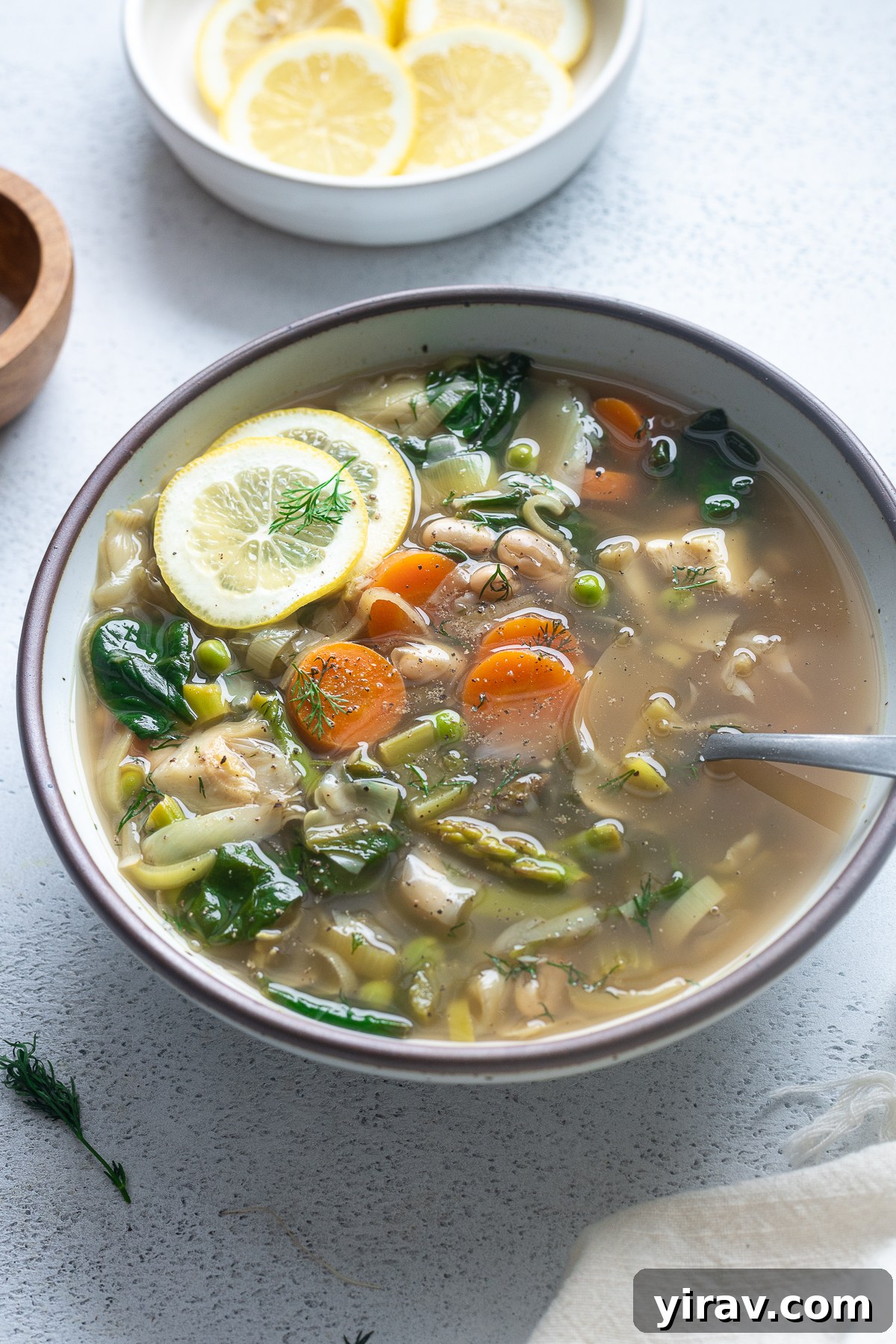
Spring Vegetable Soup Recipe
Get the Recipe

Mini Crustless Broccoli Quiche
Get the Recipe
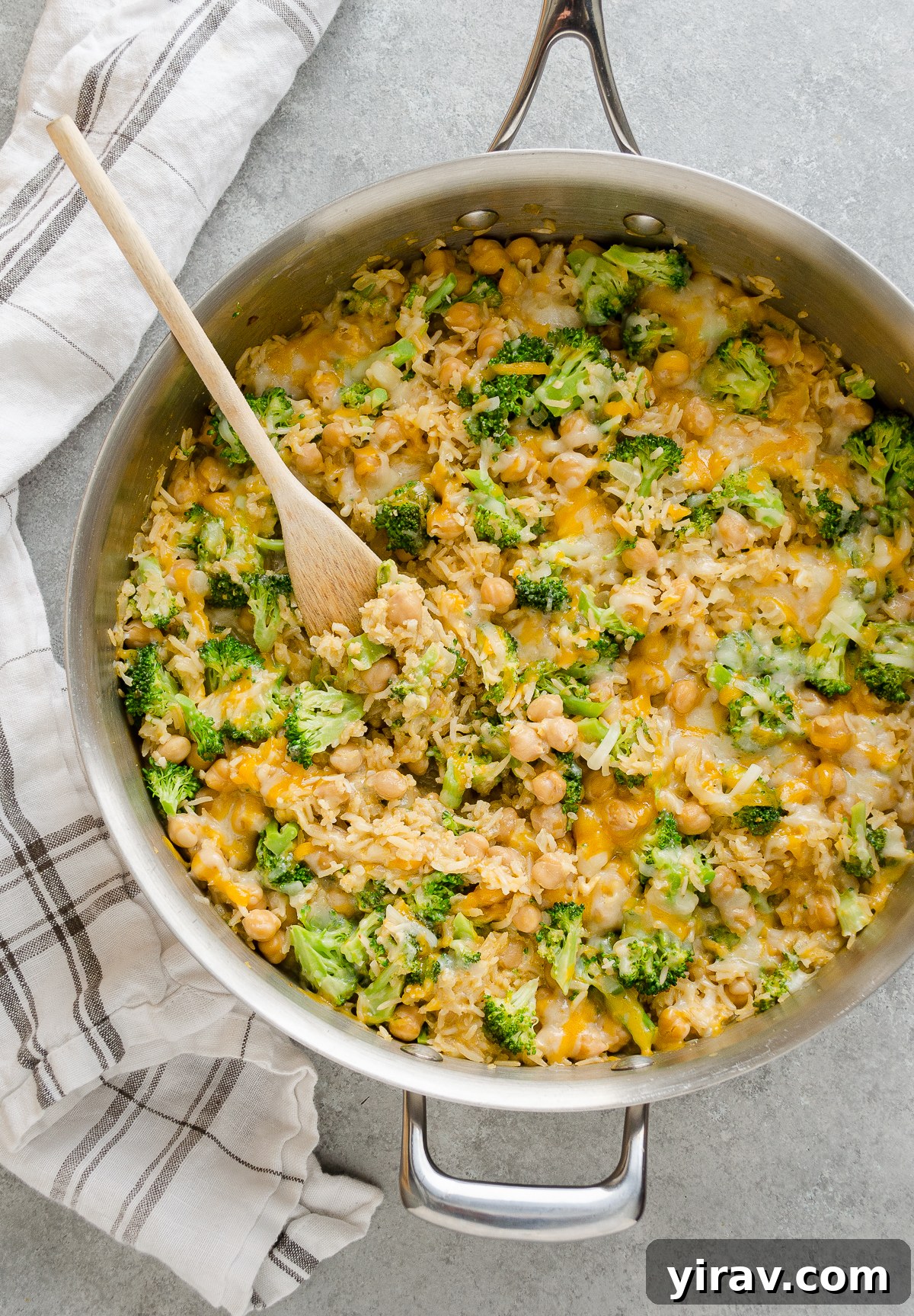
One Pan Chickpea Broccoli Rice Casserole
Get the Recipe
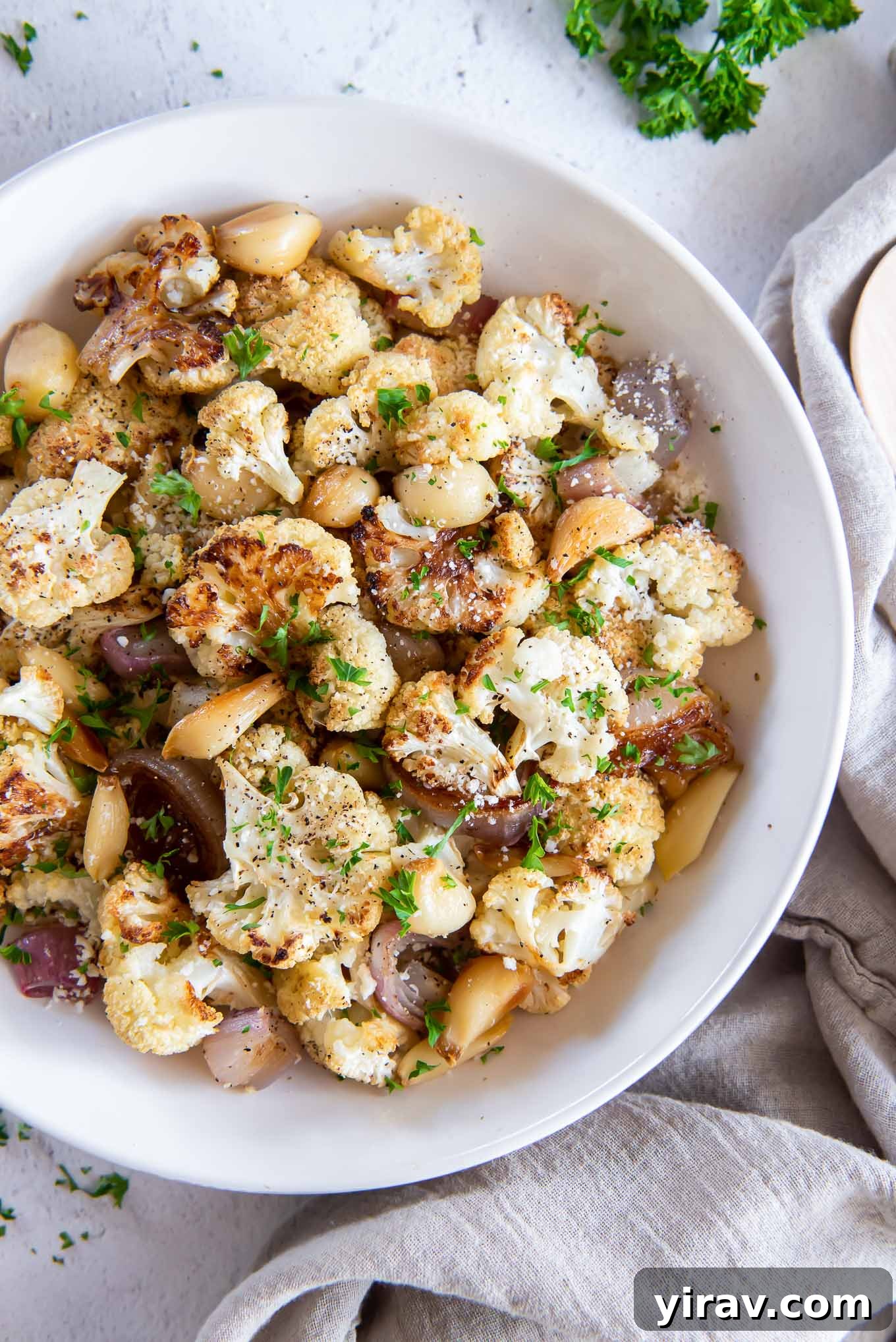
Roasted Cauliflower with Garlic, Shallots and Parmesan
Get the Recipe
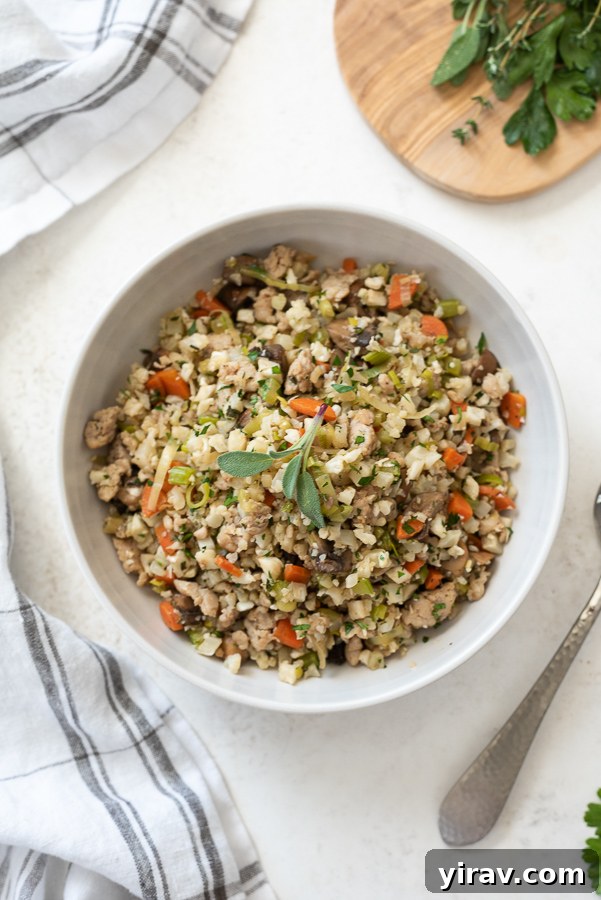
Low Carb Riced Cauliflower Stuffing
Get the Recipe
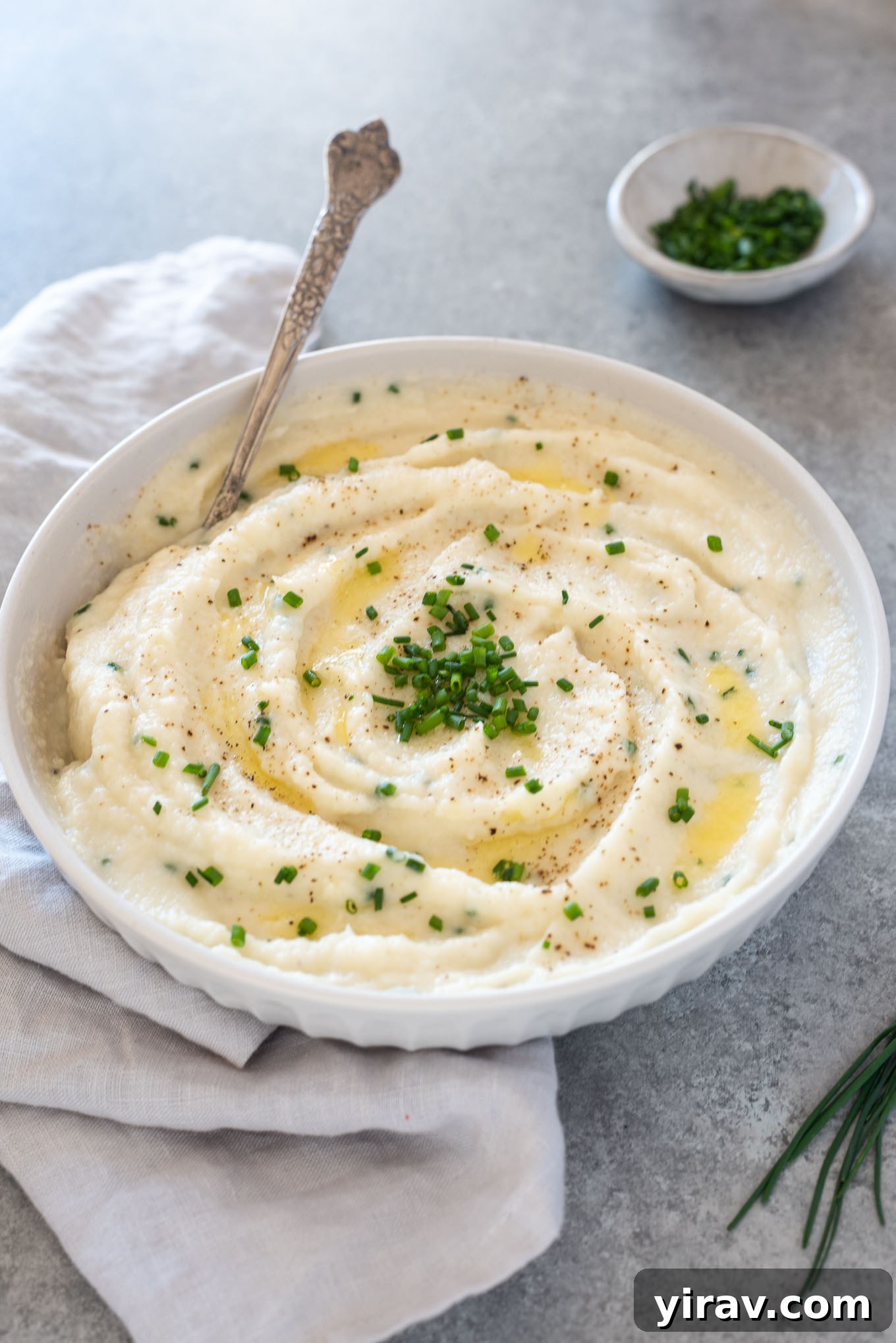
Garlic Mashed Cauliflower Recipe
Get the Recipe
Other Late Fall and Early Winter Vegetable Recipes
Beyond the common roots and greens, December still offers a wealth of unique late fall and early winter vegetables that can add unexpected depth and flavor to your cooking. These recipes introduce you to exciting ways to incorporate these less common, yet equally delicious, seasonal gems.
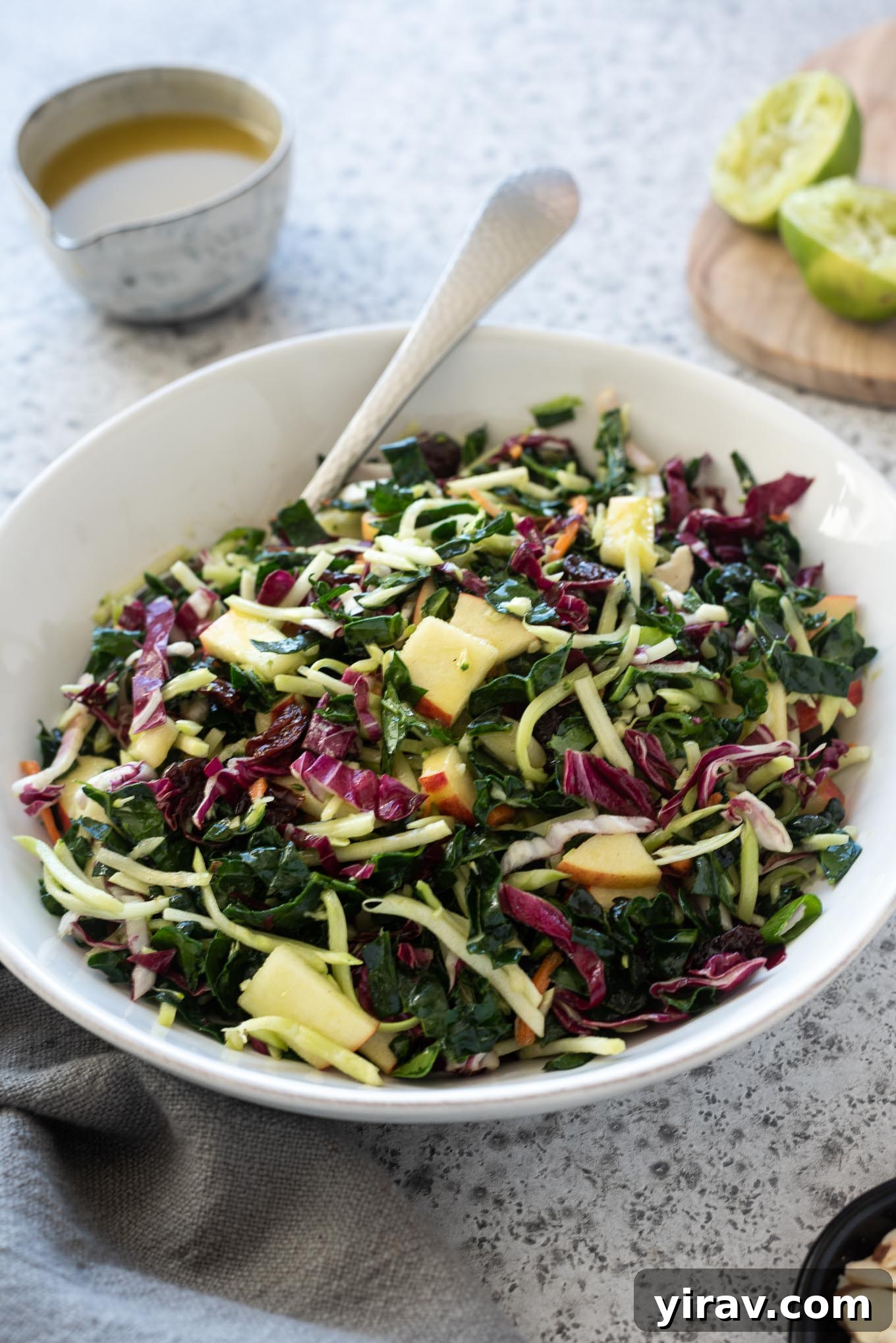
Kale Slaw with Honey Lime Dressing
Get the Recipe
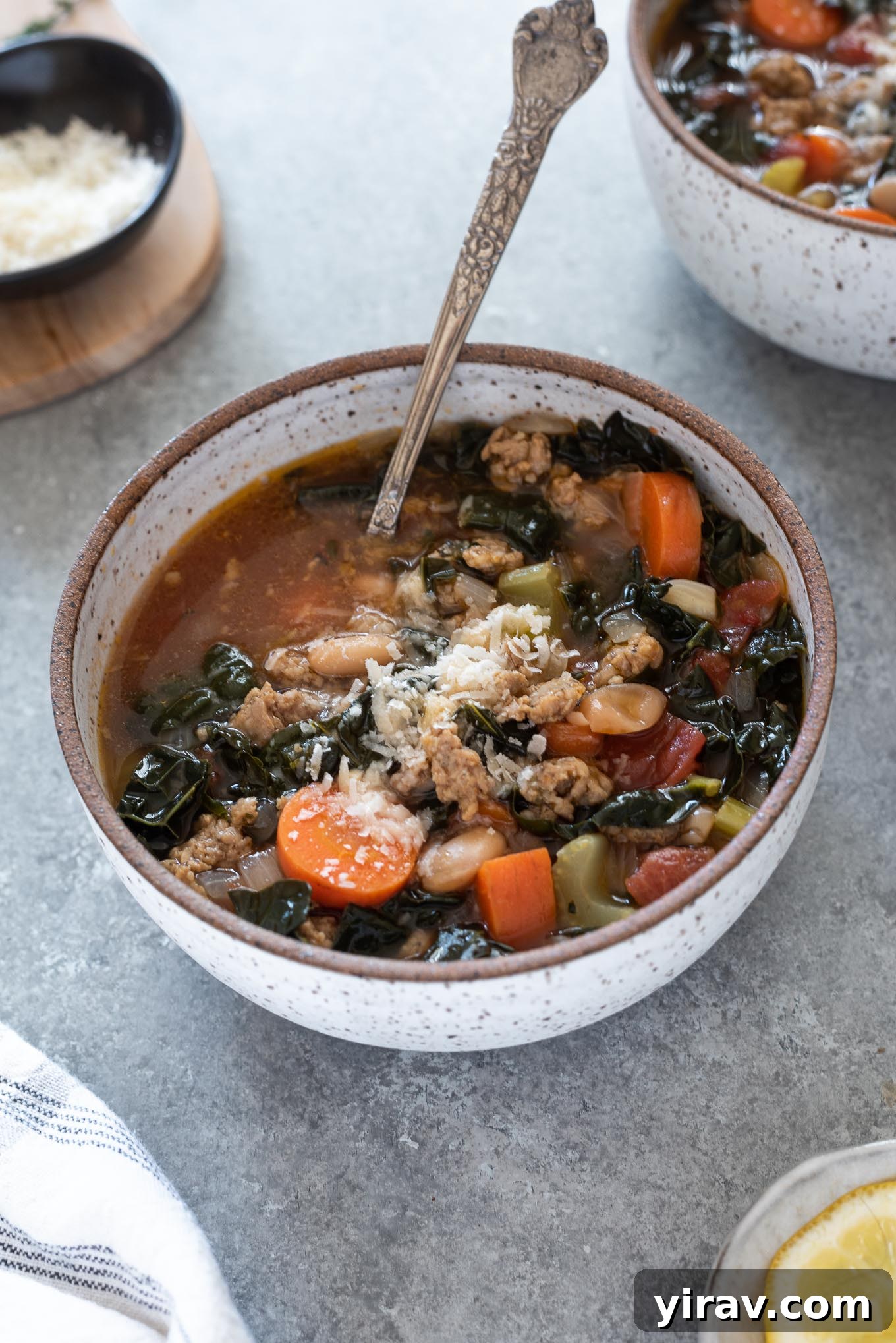
Italian Sausage Kale Soup
Get the Recipe
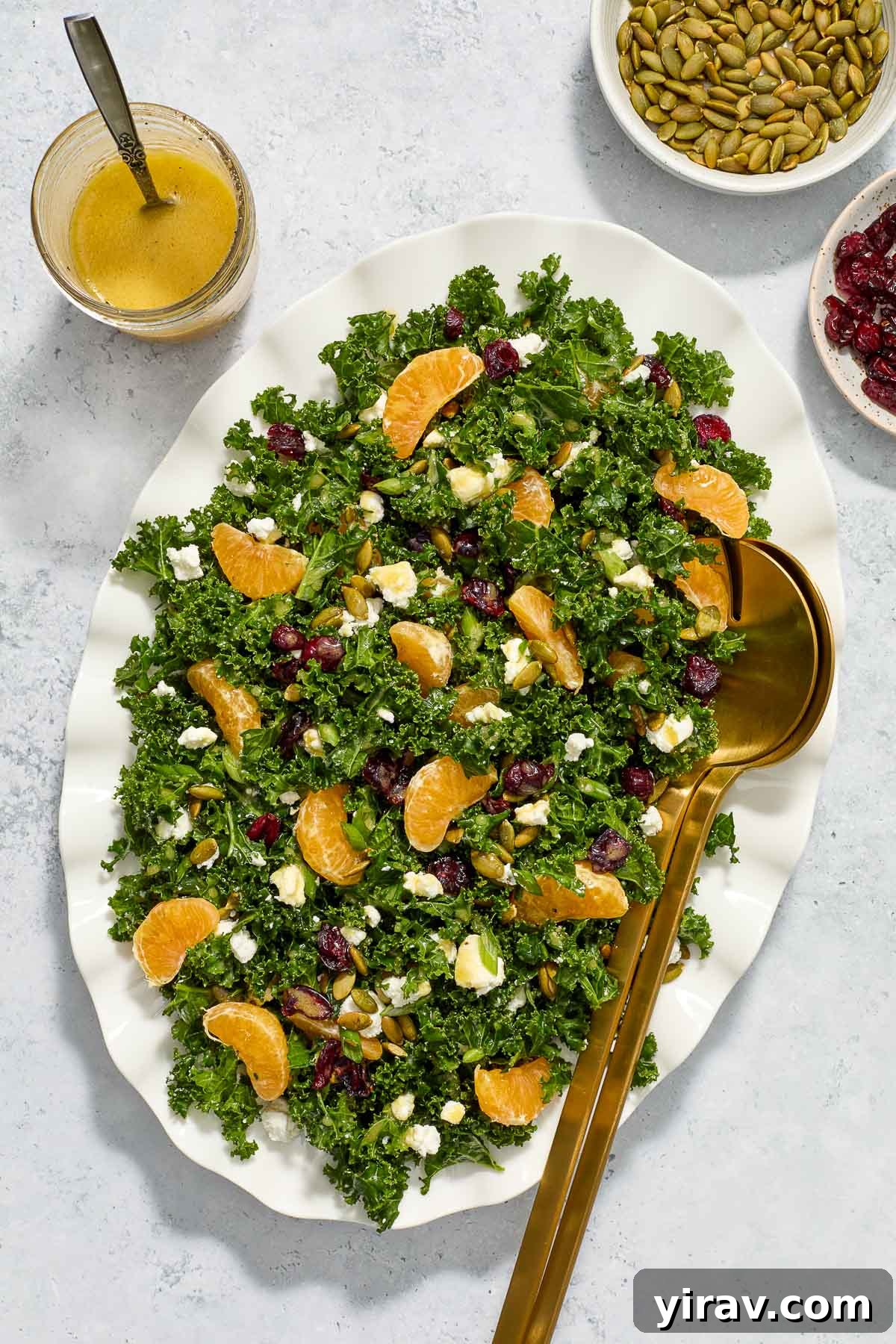
Kale Orange Salad with Goat Cheese
Get the Recipe
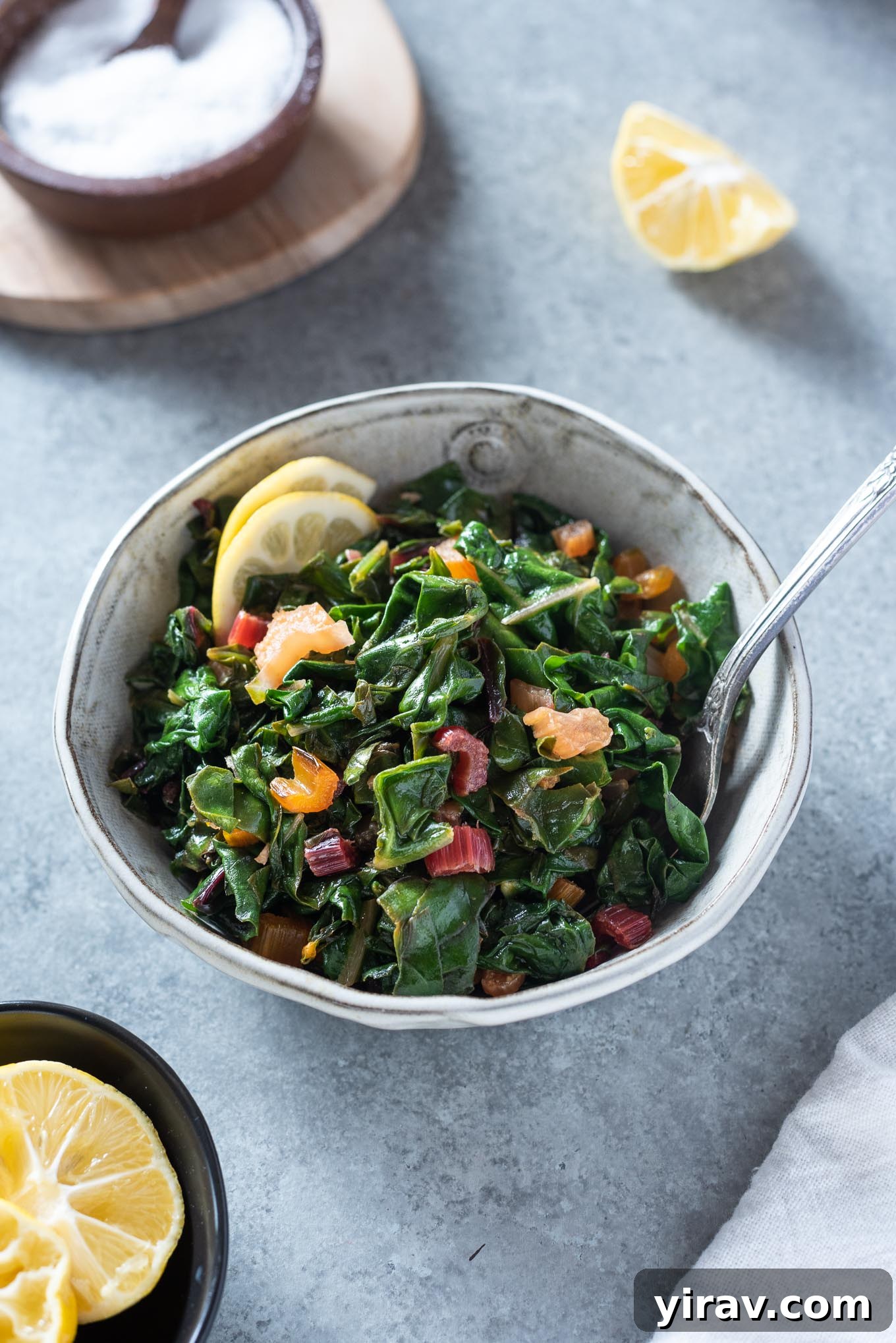
Sautéed Swiss Chard
Get the Recipe
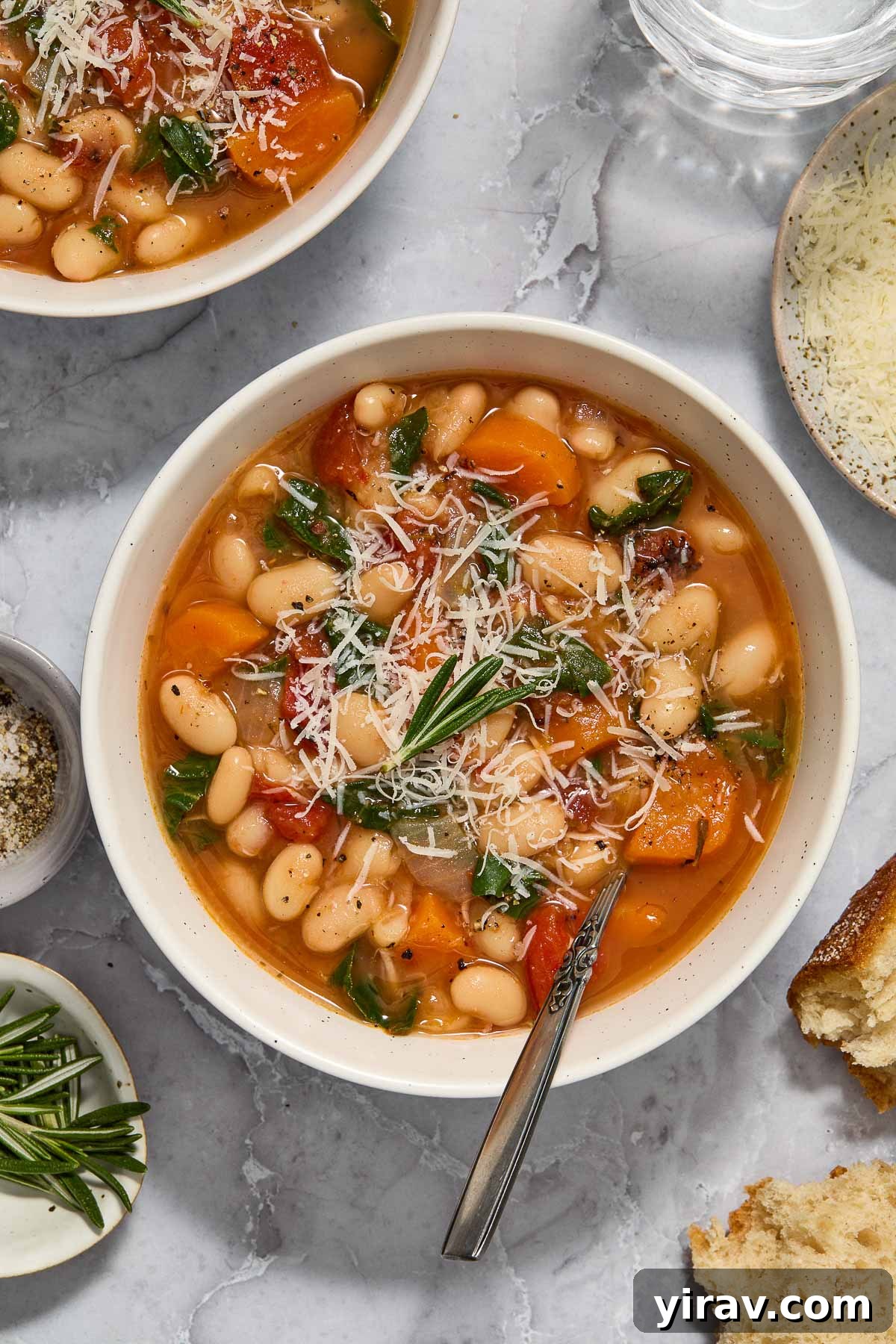
Instant Pot White Bean Stew
Get the Recipe

Spinach and Ricotta Stuffed Shells
Get the Recipe
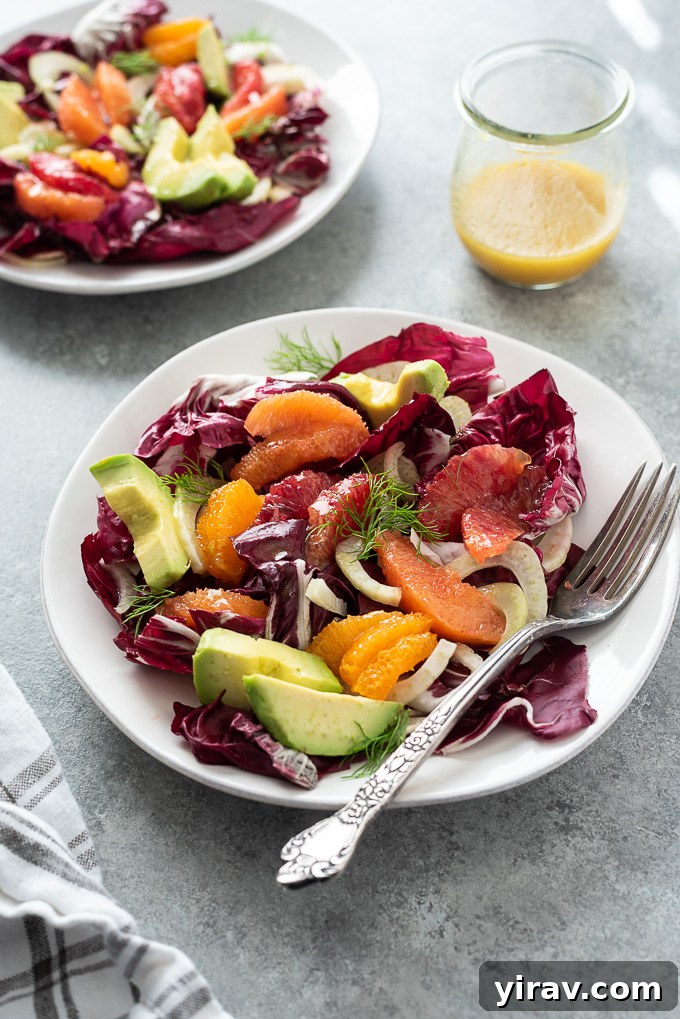
Radicchio Salad with Citrus Vinaigrette
Get the Recipe
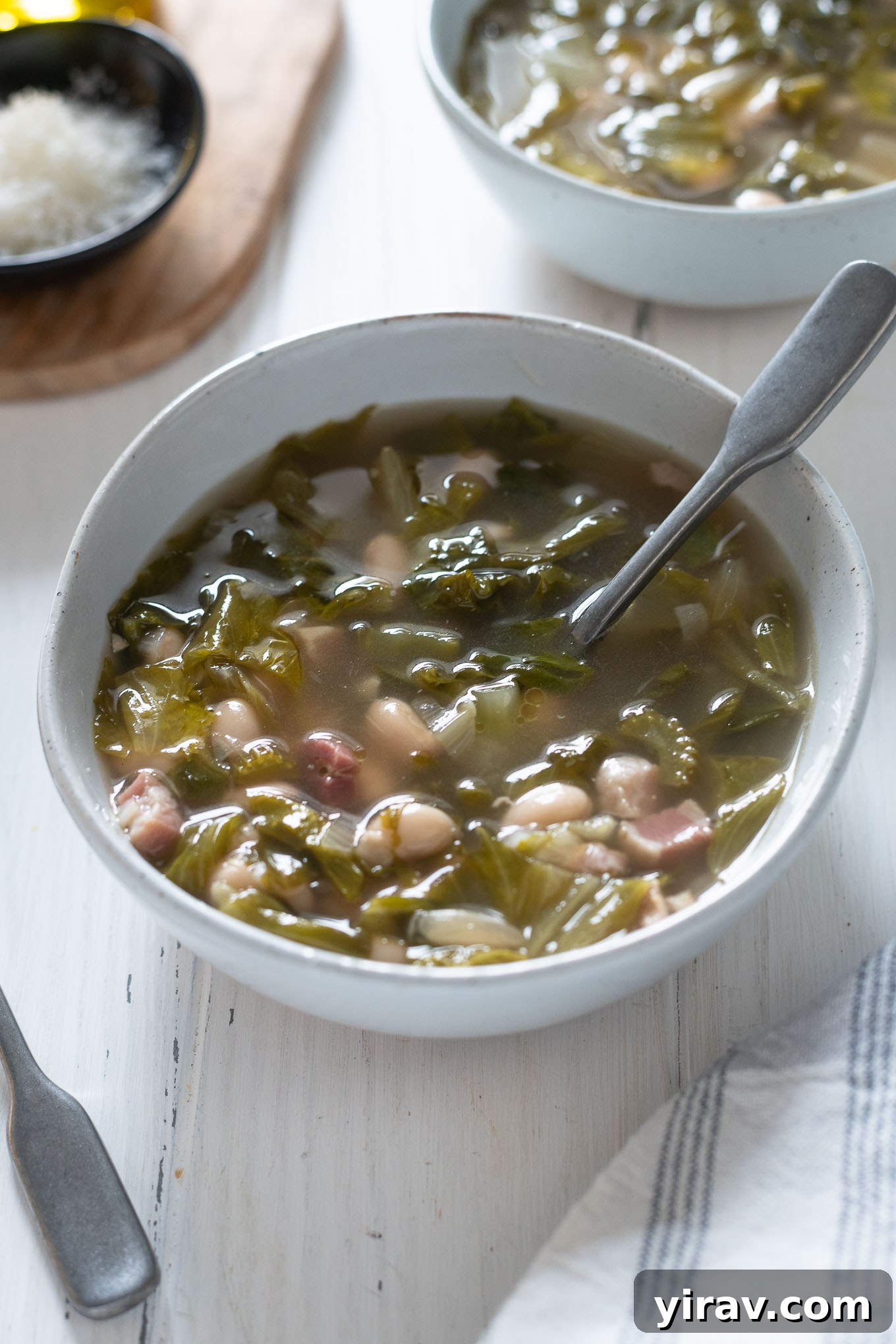
Escarole and Bean Soup
Get the Recipe
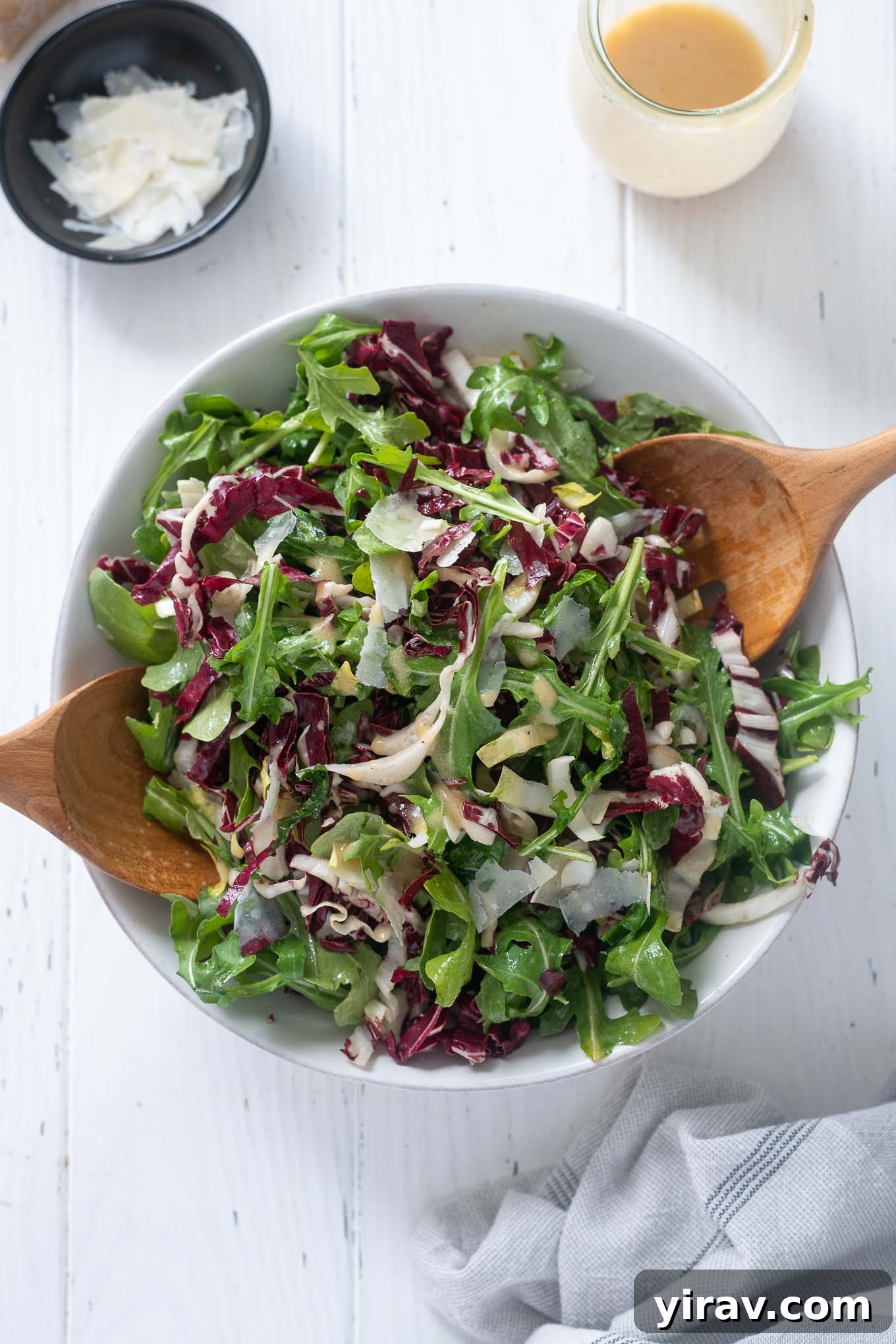
Italian Tricolore Salad
Get the Recipe
Hearty Winter Squash Recipes
Winter squash varieties are not only beautiful but also incredibly versatile, offering sweet, earthy flavors perfect for warming meals. From creamy butternut to delicate delicata, these recipes provide comforting and satisfying ways to enjoy this seasonal favorite in December.

Moroccan Chicken Soup with Chickpeas
Get the Recipe

Roasted Whole Butternut Squash
Get the Recipe

Butternut Squash Mac and Cheese
Get the Recipe

Creamy Kabocha Squash Mash
Get the Recipe
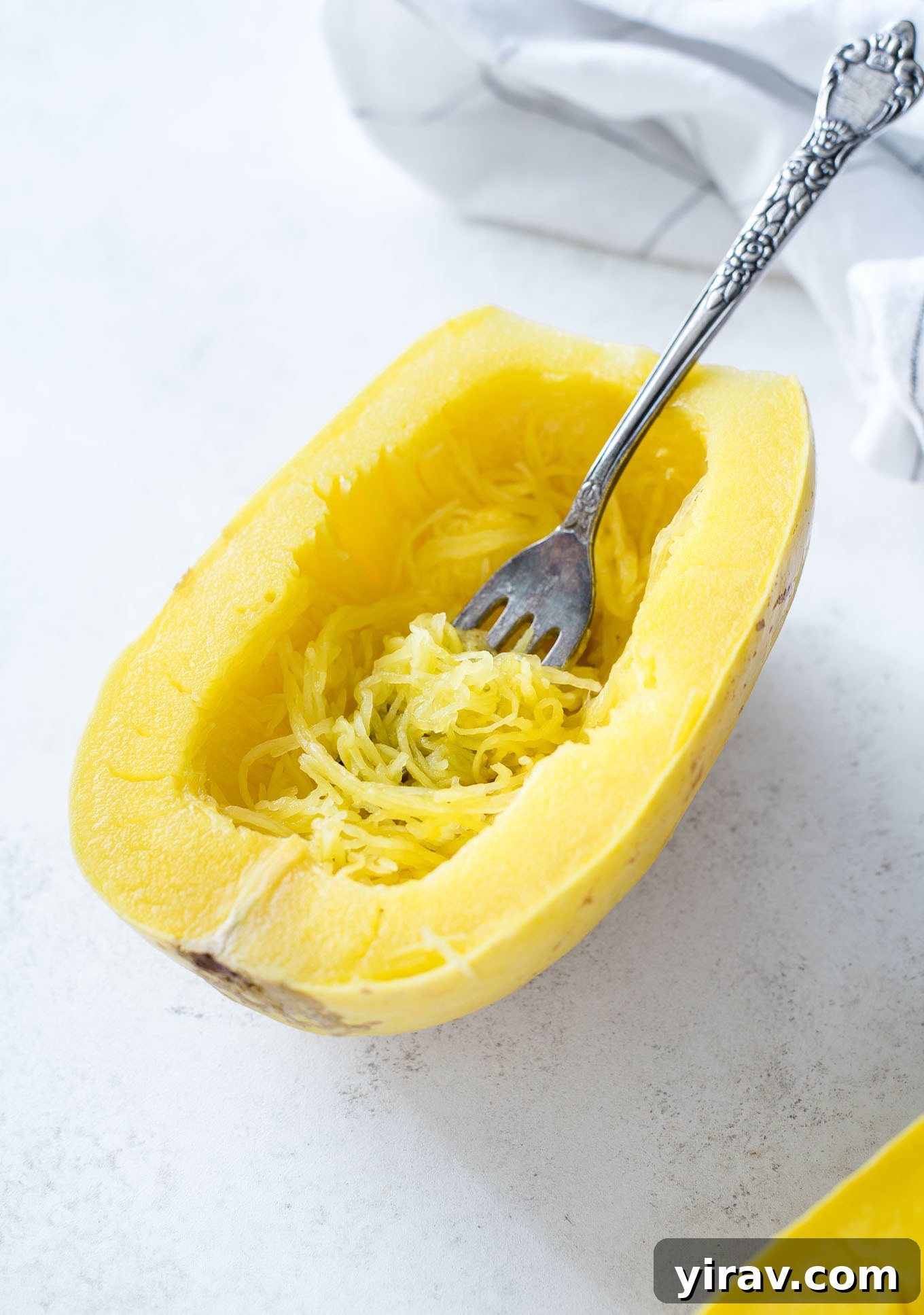
How to Cook Spaghetti Squash (Instant Pot, Oven & Microwave)
Get the Recipe

Spaghetti Squash Lasagna
Get the Recipe
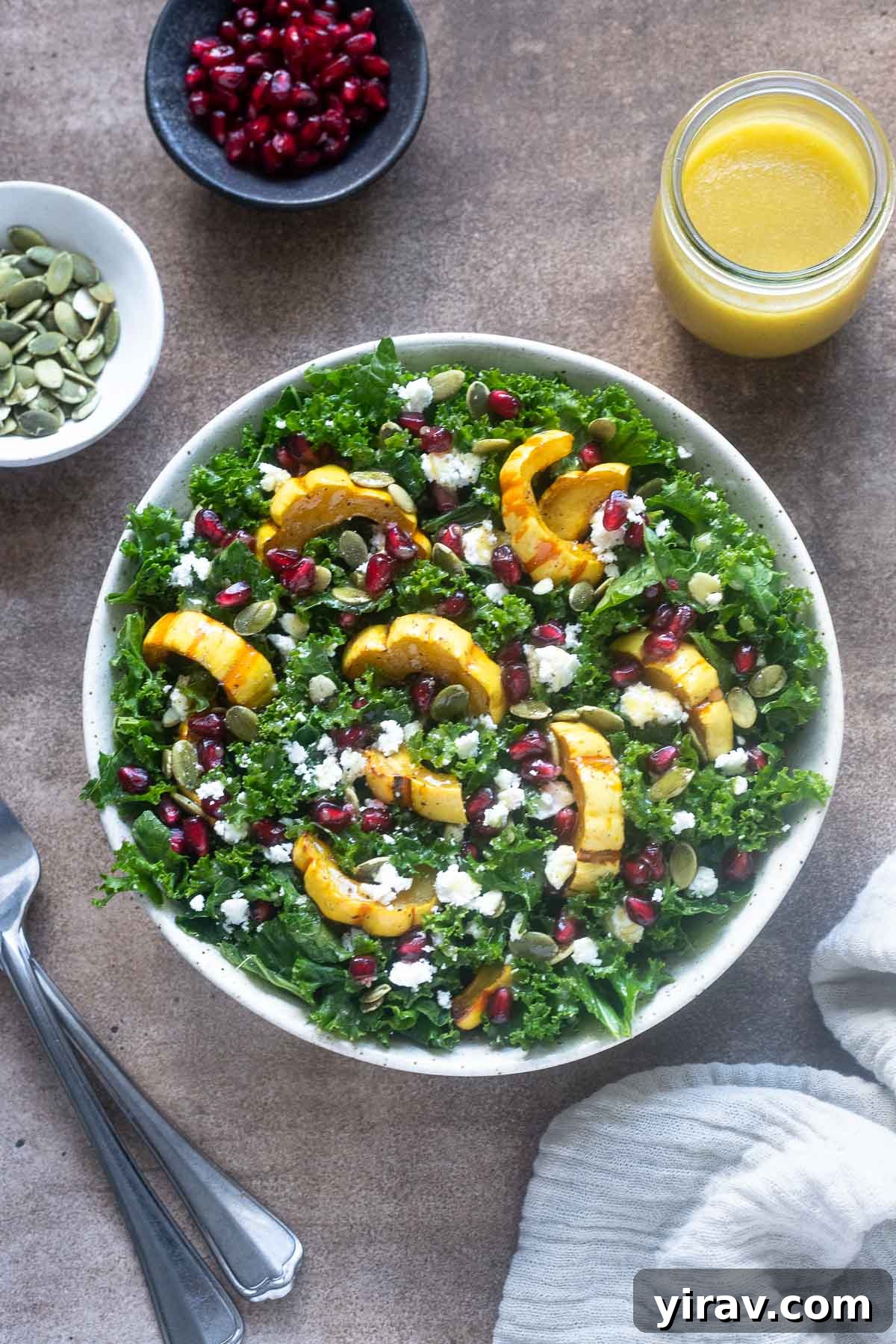
Roasted Delicata Squash Salad
Get the Recipe
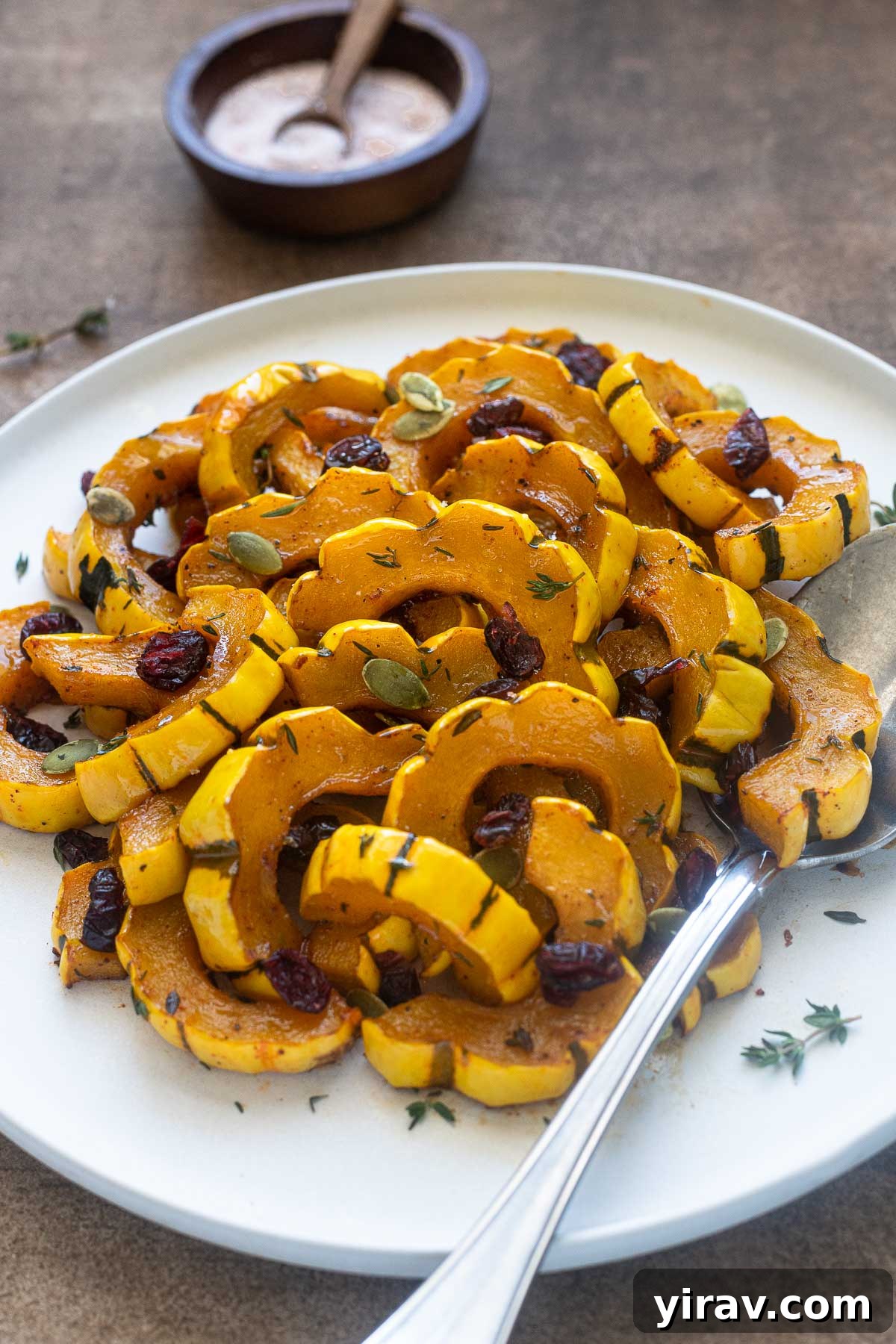
Maple Roasted Delicata Squash
Get the Recipe
Fall and Early Winter Fruit Recipes
December’s fruit selection offers a delightful mix of lingering fall sweetness and emerging winter tang. These recipes showcase how to best utilize apples, cranberries, pomegranates, and more, crafting dishes that are both comforting and refreshingly vibrant.

Easy Lemon Bars Recipe
Get the Recipe
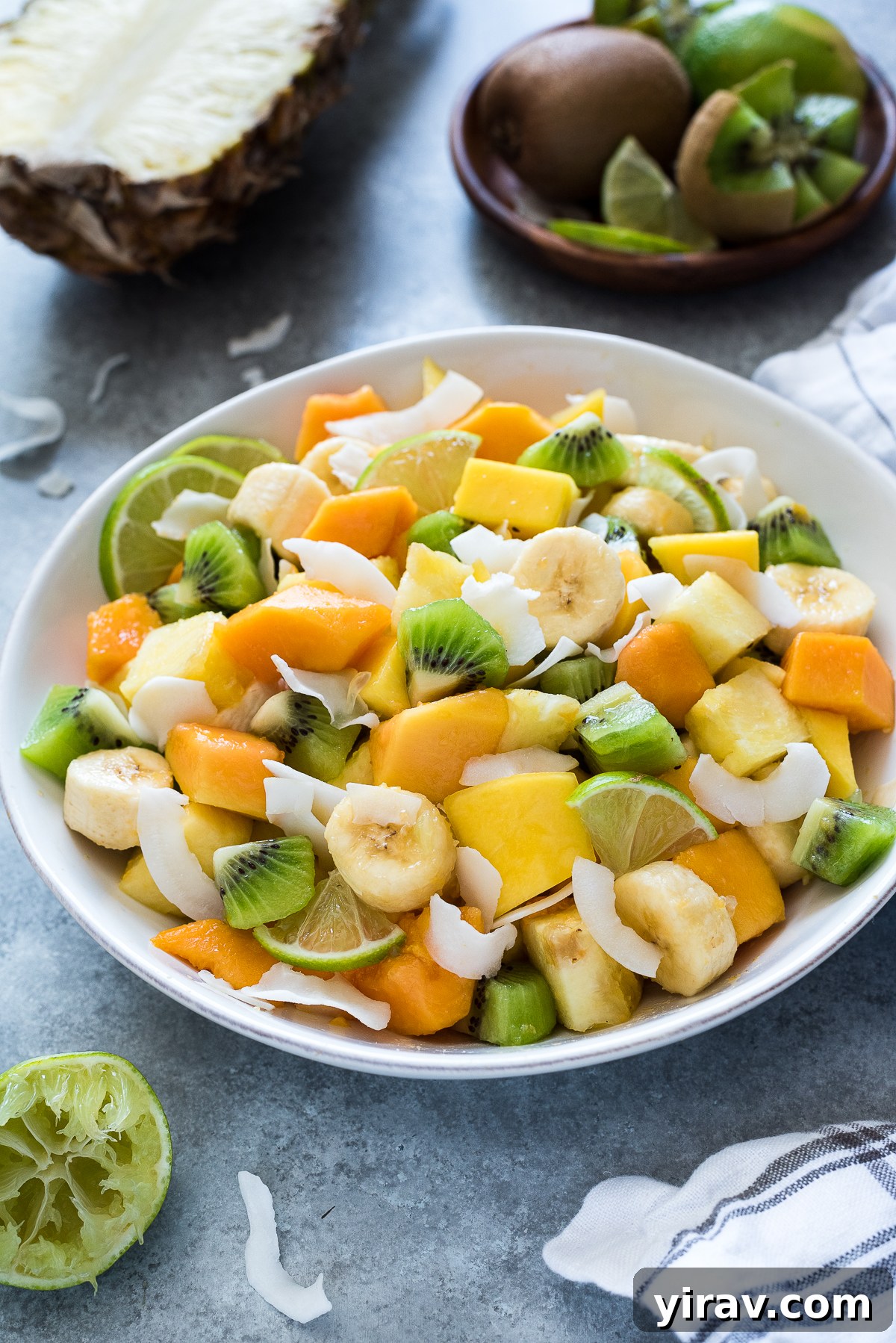
Tropical Fruit Salad with Coconut
Get the Recipe

Almond Flour Lemon Loaf Cake
Get the Recipe
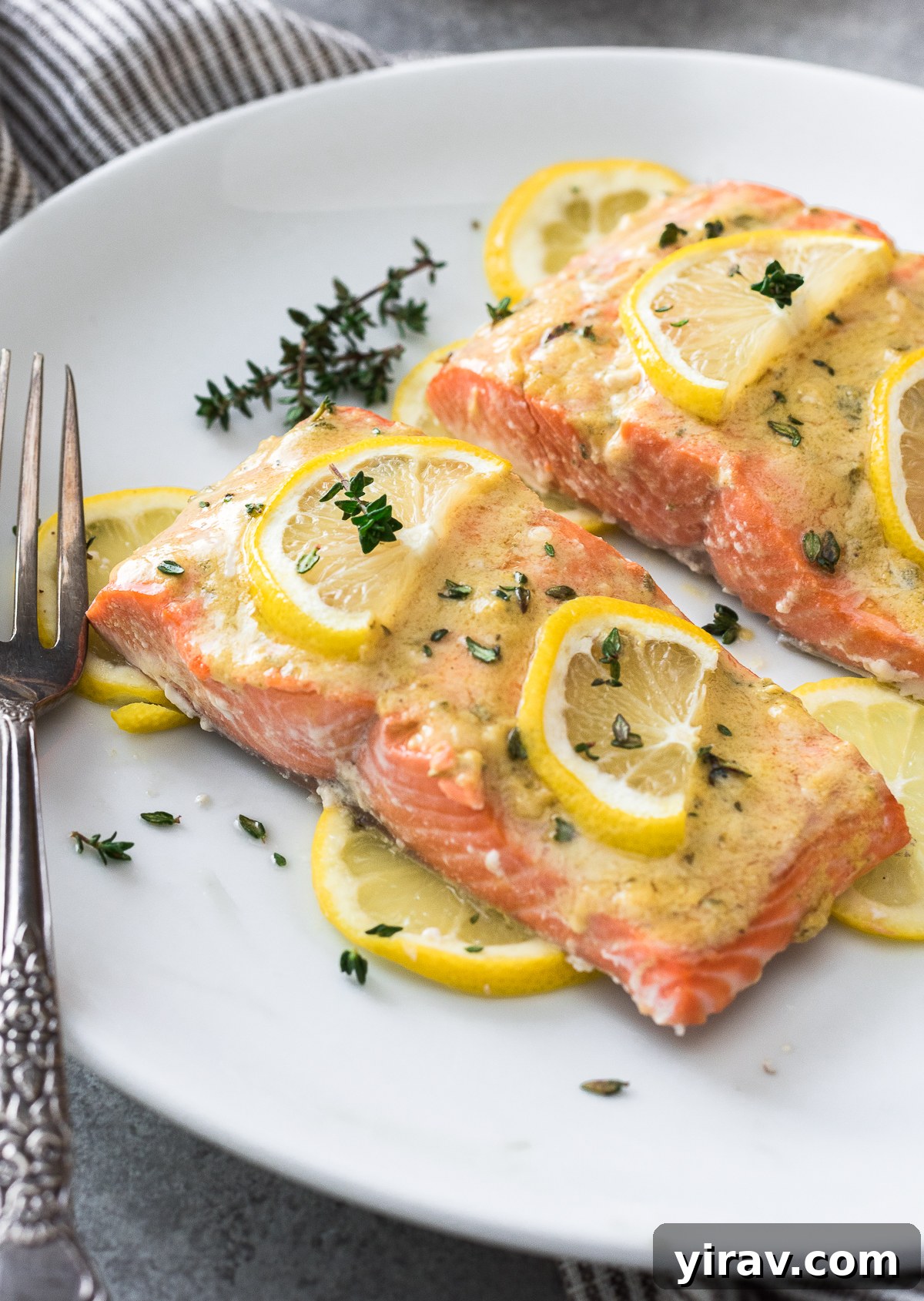
Baked Lemon Dijon Salmon
Get the Recipe

Lime Curd
Get the Recipe

Frisee Citrus Salad
Get the Recipe
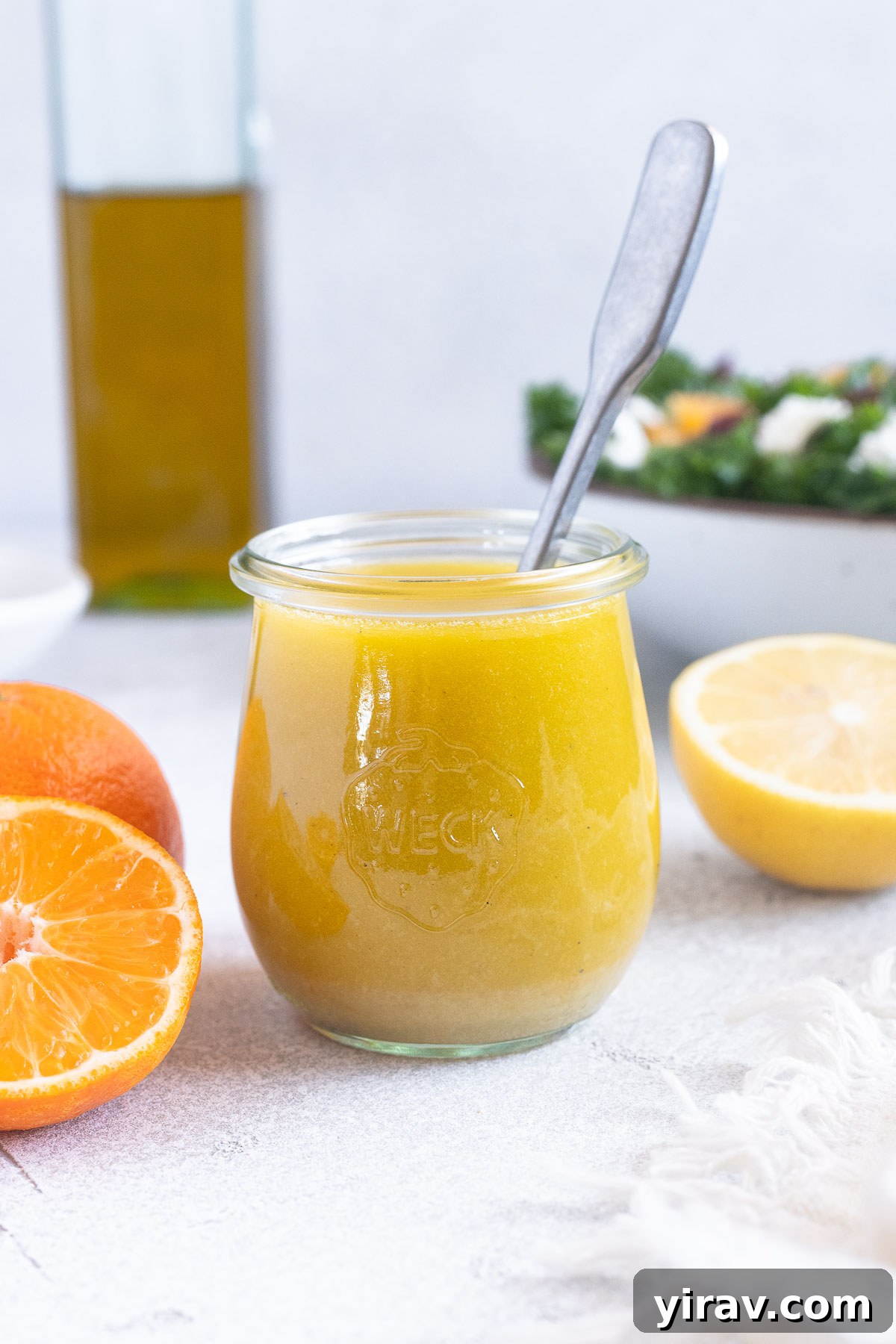
Citrus Vinaigrette Recipe
Get the Recipe

Banana Cream Pie
Get the Recipe
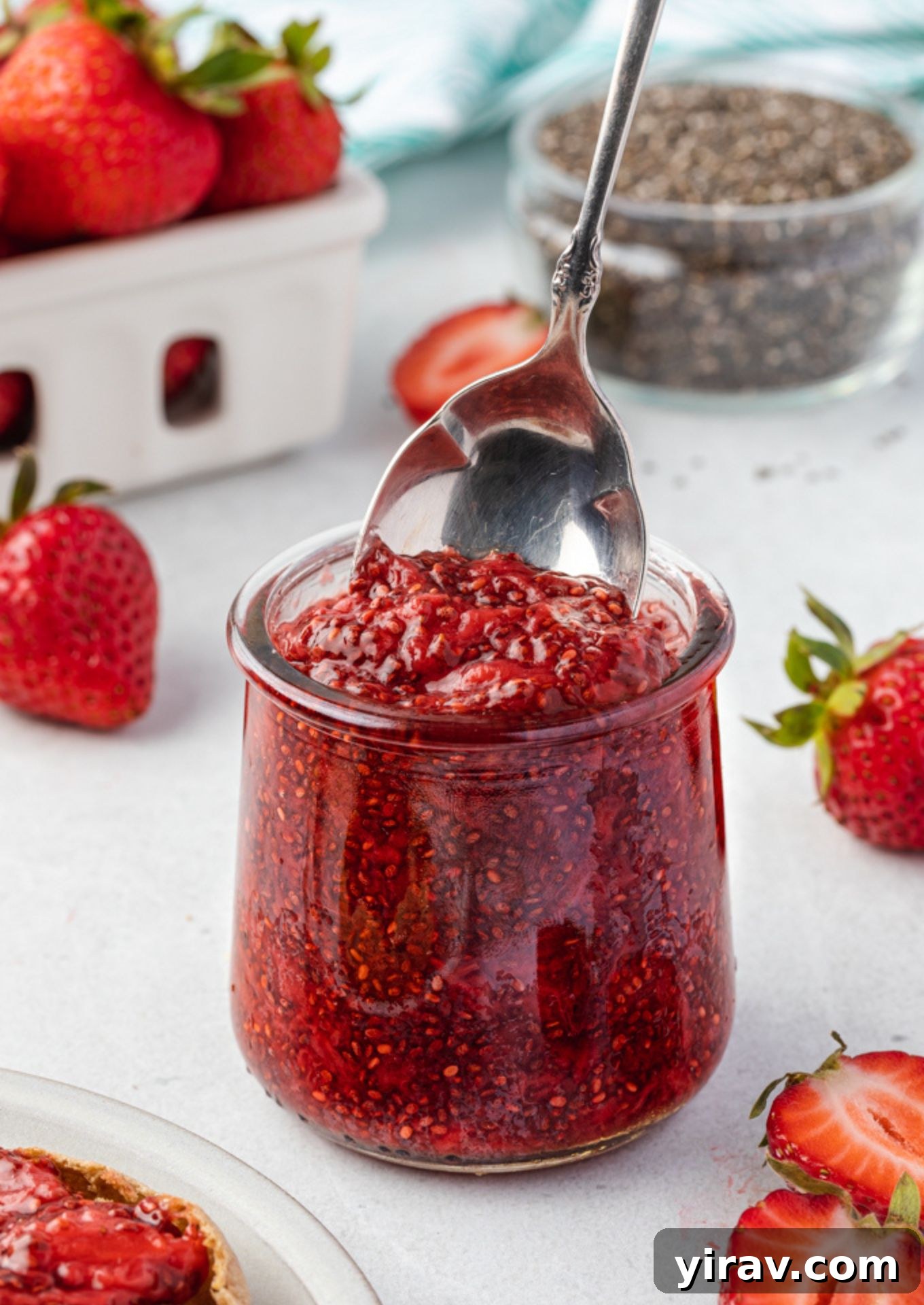
Easy Chia Jam
Get the Recipe

Strawberry Fields Salad
Get the Recipe

Strawberry Lemon Drop Martini
Get the Recipe
Explore Seasonal Produce All Year Long
The journey of seasonal eating extends far beyond December. Each month offers its unique selection of peak-freshness produce, inviting you to cook creatively and enjoy nature’s bounty throughout the year. Continue your culinary exploration with our guides for other months, discovering new flavors and embracing fresh ingredients year-round.
- January seasonal produce guide
- February seasonal produce guide
- October seasonal produce guide
- September seasonal produce guide