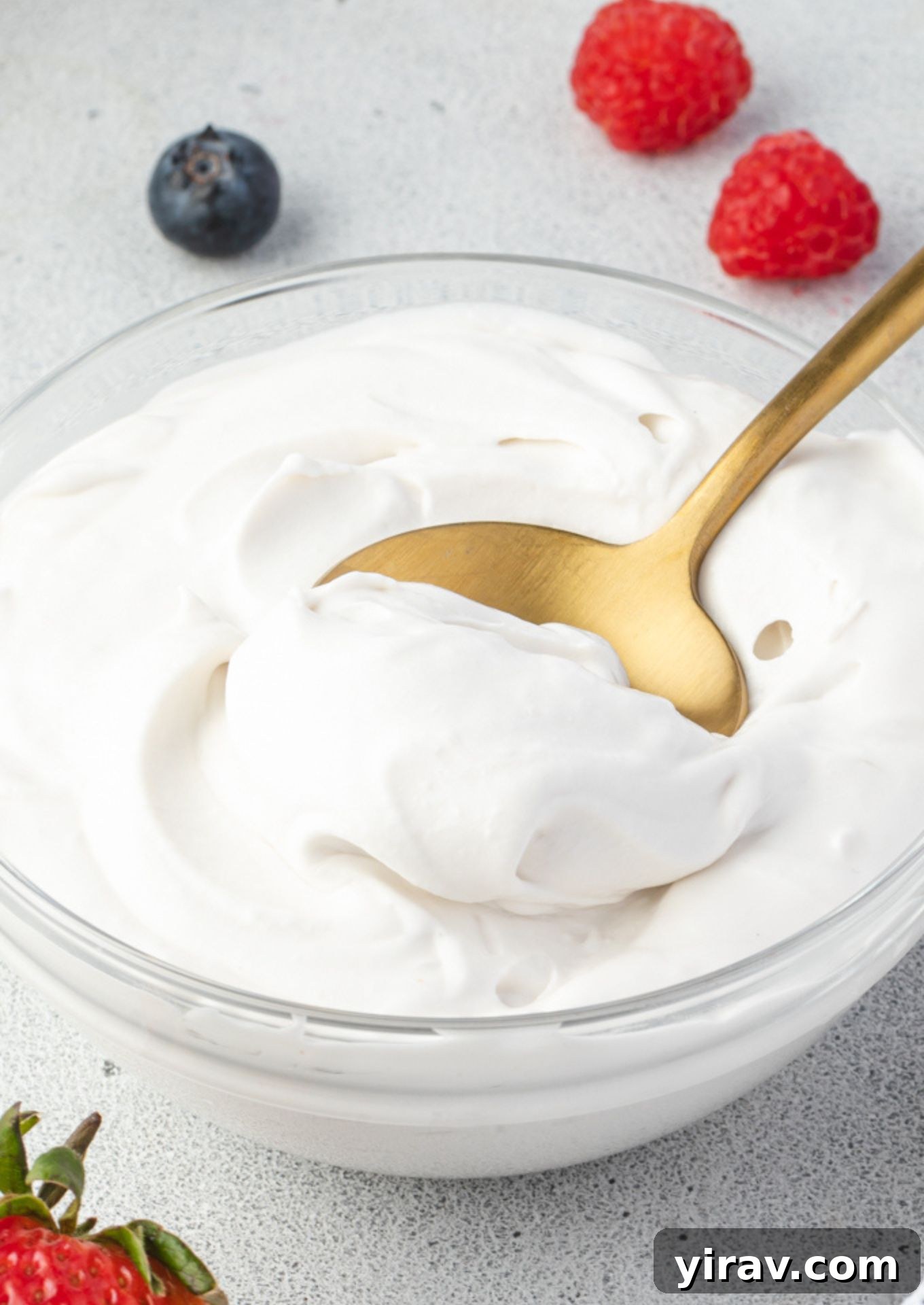
Rich & Creamy Coconut Whipped Cream: Your Ultimate Dairy-Free Dessert Topping
Discover the secret to a luscious, dairy-free dessert topping with this incredibly easy Coconut Whipped Cream recipe. Perfect for vegans, those with dairy sensitivities, or anyone looking to explore new culinary delights, this whipped cream alternative is made with just three simple ingredients and comes together in about 10 minutes of active prep time. Its rich, velvety texture and subtle coconut flavor elevate any dessert, offering a guilt-free indulgence that’s both delicious and versatile.
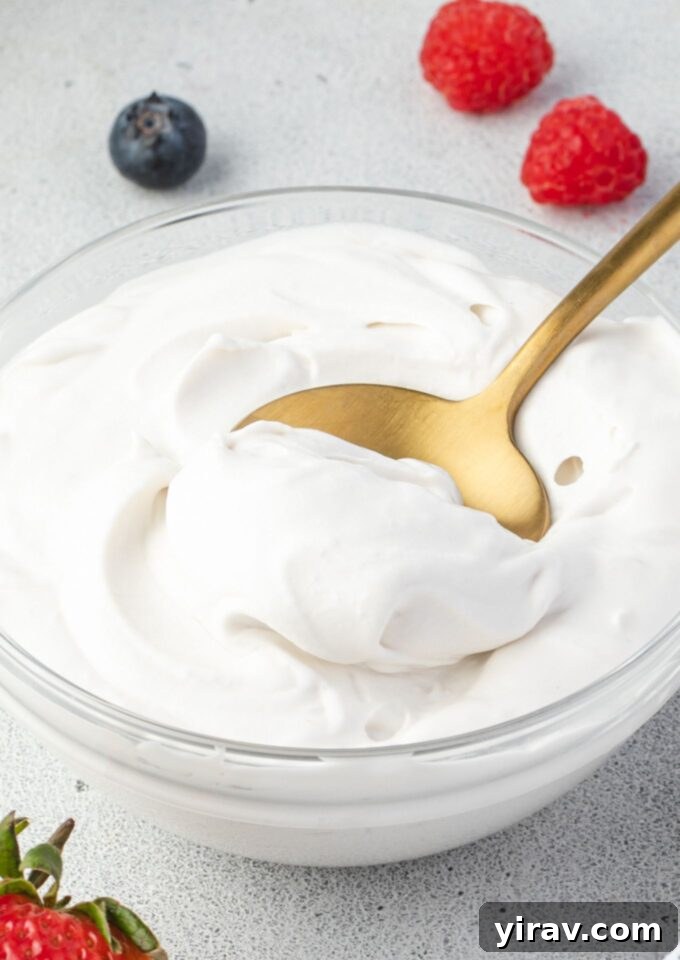
There’s an undeniable magic in a beautifully whipped topping – it transforms an ordinary dessert into an extraordinary experience. While traditional whipped cream holds a special place, my homemade whipped cream and stabilized whipped cream recipes are timeless favorites, this Coconut Whipped Cream offers a refreshing, plant-based twist that’s equally delightful. It’s a fantastic way to cater to diverse dietary needs without compromising on taste or texture.
I frequently incorporate coconut milk and coconut cream into a wide array of recipes, from sweet treats to savory dishes. Its natural richness and faint, tropical essence impart a unique depth of flavor. You’ll find it enhancing everything from creamy coconut overnight oats to a hearty spicy pumpkin curry, and even elevating the simplicity of my signature coconut rice recipe. Having a few cans of quality coconut milk or cream always at hand in my pantry, alongside various sweeteners and extracts, means I can whip up this luxurious dessert topping on a whim.
This recipe isn’t just a dairy-free substitute; it’s a culinary gem in its own right. Its inherent richness and luxurious mouthfeel make it incredibly appealing, and the ease with which it can be flavored opens up a world of possibilities, adapting perfectly to any dessert or occasion. Whether you’re topping fresh berries or a decadent cake, this coconut whipped cream promises to be a showstopper.
Stay Connected for More Delicious Recipes!
Join our community to receive delicious recipes, cooking tips, and exclusive content directly in your inbox. Never miss a new favorite!
Want to save this recipe for later? Feel free to bookmark this page or share it with friends! Don’t forget to connect with us on social media for daily inspiration.
Why This Coconut Whipped Cream Will Be Your New Favorite
This dairy-free whipped cream isn’t just a substitute; it’s a delightful experience in itself. Here’s why you’ll want to make it again and again:
- Luxurious Texture & Flavor: Experience a cloud-like, rich, and fluffy texture combined with the subtle, exotic taste of coconut and a hint of vanilla. It’s a gourmet touch without the fuss.
- Effortless Preparation: With only 3 main ingredients, this recipe is incredibly straightforward. It comes together in about 10 minutes of active preparation, making it perfect for last-minute dessert enhancements or busy weeknights.
- Dietary Inclusivity: It’s a fantastic dairy-free and vegan alternative to traditional whipped cream, making it suitable for a wide range of dietary preferences and restrictions. It’s also naturally paleo-friendly, aligning with various healthy eating lifestyles.
- Unmatched Versatility: This whipped coconut cream is a true chameleon in the kitchen. It serves as an indulgent topping for fresh fruit, transforms simple cakes and pies, enriches hot chocolate, and can be customized with various flavorings to match any craving.
- Simple, Wholesome Ingredients: Made with minimal, easy-to-find ingredients, you can feel good about what you’re serving, ensuring a naturally delicious and wholesome treat.
Essential Ingredients for Perfect Coconut Whipped Cream
Crafting this delightful dairy-free whipped cream requires just a few key components. The quality and type of these ingredients play a significant role in achieving that perfect fluffy texture and subtle flavor.
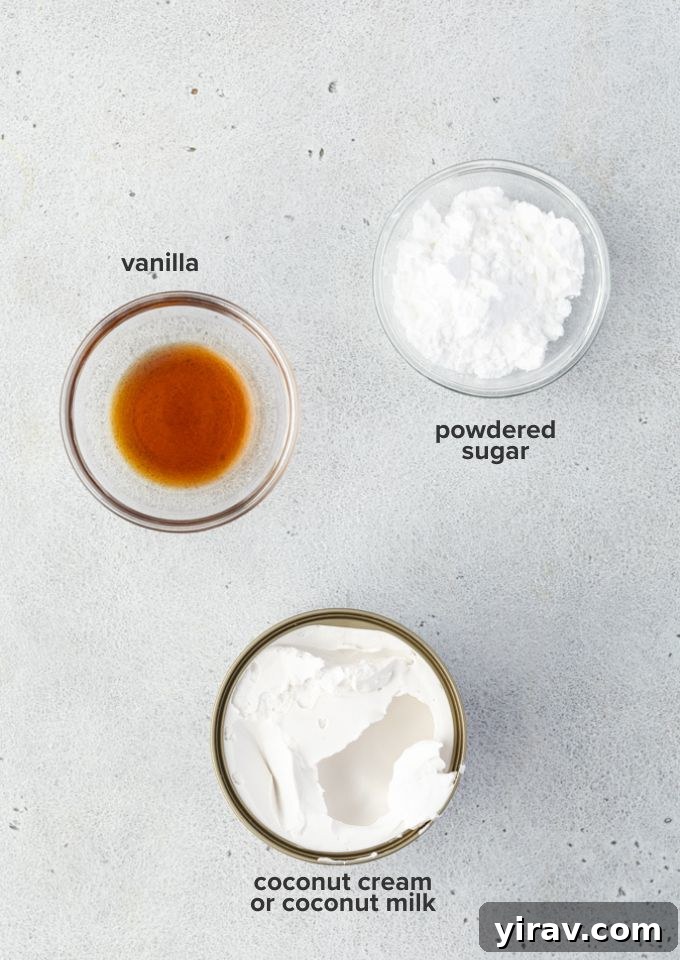
- Coconut Cream: This is the star of our show. Coconut cream is highly recommended over coconut milk due to its significantly higher fat content and thicker consistency. This richness is what allows it to whip up into a truly voluminous and stable cream. When selecting a can, look for full-fat coconut cream or full-fat canned coconut milk that lists only coconut and water as ingredients. Avoid light versions, as they lack the necessary fat content to whip properly. Also, be wary of brands that include thickeners, gums, or emulsifiers, as these additives can sometimes prevent the cream from separating effectively from the water, hindering the whipping process. For optimal results, ensure your coconut cream (or full-fat coconut milk) is chilled in the refrigerator for at least 24-48 hours. This crucial step allows the thick, solid coconut cream to separate and rise to the top, leaving the watery liquid at the bottom.
- Powdered Sugar: Also known as confectioners’ sugar, powdered sugar is ideal for whipped cream because its fine texture dissolves easily, ensuring a smooth, grit-free result. You can easily adjust the amount to suit your sweetness preference. For those following a paleo diet or seeking alternative sweeteners, options like honey, maple syrup, coconut sugar, or maple sugar work beautifully. If using liquid sweeteners, start with smaller amounts and add more gradually to avoid thinning the cream too much. Granulated sugar might not dissolve as well, leading to a slightly grainy texture.
- Vanilla Extract: A touch of pure vanilla extract adds a classic, aromatic depth that complements the coconut flavor beautifully. It enhances the overall sweetness and provides a familiar warmth. Feel free to experiment with other extracts to introduce different flavor profiles, such as almond, peppermint, or even a hint of rum extract for a tropical twist. Freshly grated citrus zest, like lime or orange, also makes a vibrant and refreshing alternative, especially when pairing with fruit desserts.
Refer to the detailed recipe card below for precise ingredient quantities and nutritional information.
Step-by-Step Guide: Crafting Your Perfect Coconut Whipped Cream
Achieving light, fluffy, and stable coconut whipped cream is simpler than you might think. With a pre-chilled can of coconut cream (or full-fat coconut milk) and a few minutes of effort, you can create a truly magnificent dairy-free topping. Follow these instructions carefully for the best results.
Essential Tip for Success: The key to successful coconut whipped cream lies in the fat content and temperature. Coconut cream is always the superior choice due to its higher fat content, which yields a more voluminous and stable whipped cream. If you must use coconut milk, ensure it is full-fat, contains only coconut and water, and is thoroughly chilled for at least 1-2 full days in the refrigerator. This extended chilling period is vital for the cream to separate completely from the water, allowing you to scoop out only the thick, solid cream. Warm or insufficiently separated cream will simply not whip properly.
For detailed measurements and further notes, please consult the complete recipe card provided below.
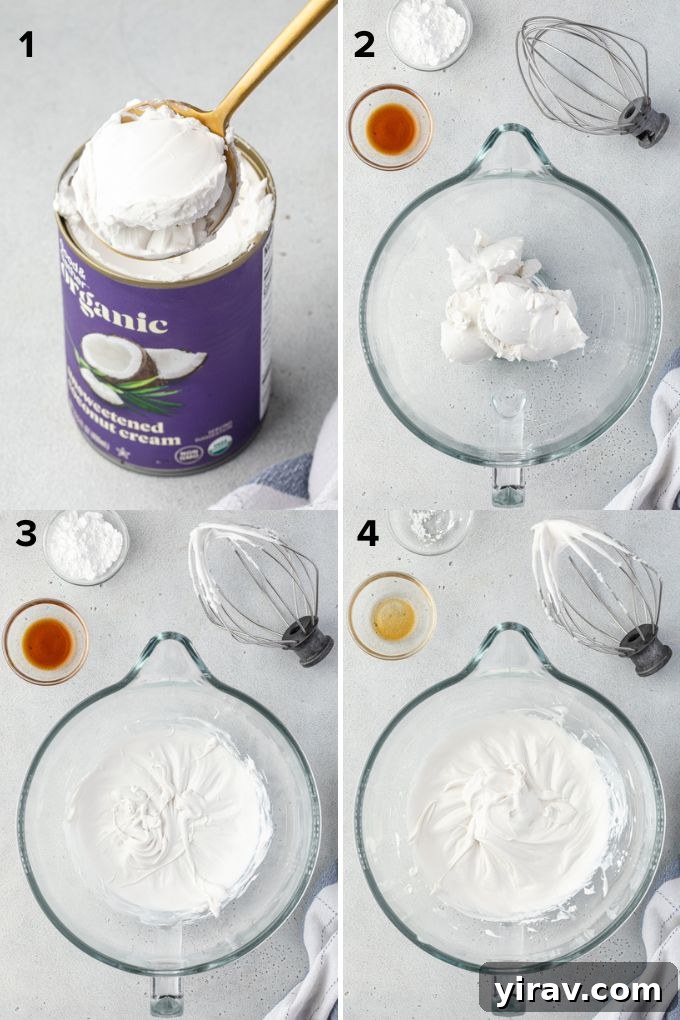
- Chill Your Coconut Cream: This is the most crucial step. Place your cans of coconut cream or full-fat coconut milk in the refrigerator, undisturbed, for a minimum of 24 hours, and ideally 48 hours. This allows the thick, fatty cream to solidify and separate from the thinner coconut water. Do not shake the cans once chilled.
- Prepare for Whipping: Gently open the chilled can and carefully scoop out the thick, solid coconut cream from the top. Transfer it to the bowl of a stand mixer fitted with a whisk attachment. If using coconut milk, you’ll find a thick layer of cream at the top; carefully scoop this out. Reserve the clear coconut water remaining in the can for other uses, such as smoothies, soups, or curries – it’s full of flavor and shouldn’t be wasted.
- Begin Whipping: Start beating the cold coconut cream on medium speed. After about 1 minute, you’ll notice it beginning to fluff up and aerate. At this point, gradually add your powdered sugar and vanilla extract.
- Achieve Desired Consistency: Continue beating for another 1-2 minutes. Watch closely as the cream transforms into a light, airy, and fluffy whipped topping. Beat until your desired consistency is reached – whether you prefer soft peaks or firmer, more defined peaks. Be careful not to over-whip, as it can sometimes become grainy, though this is less common with coconut cream than with dairy cream.
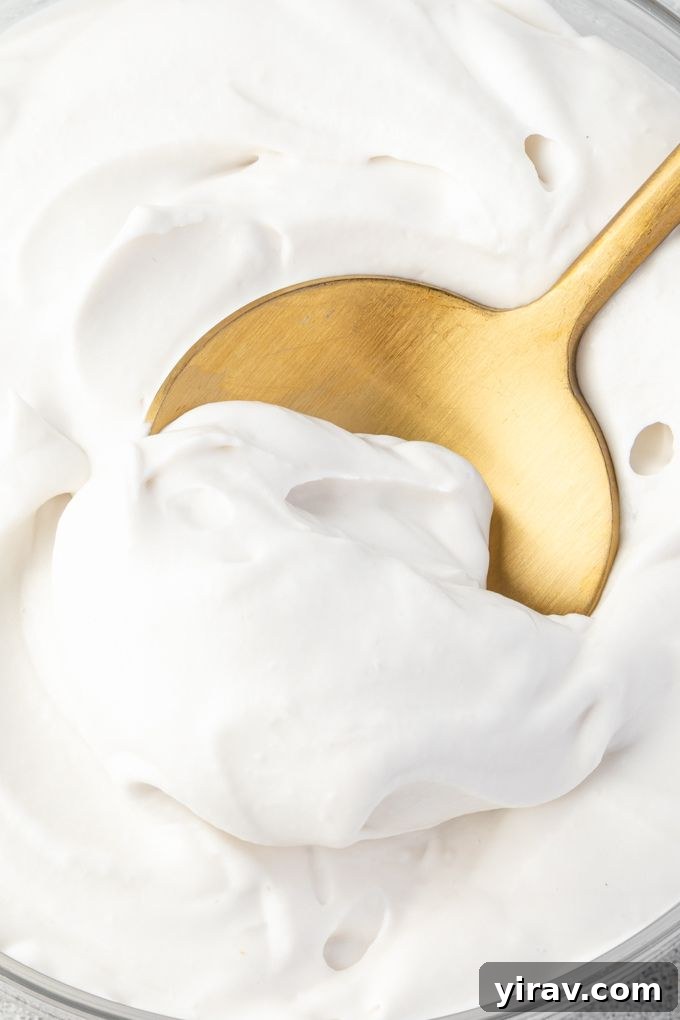
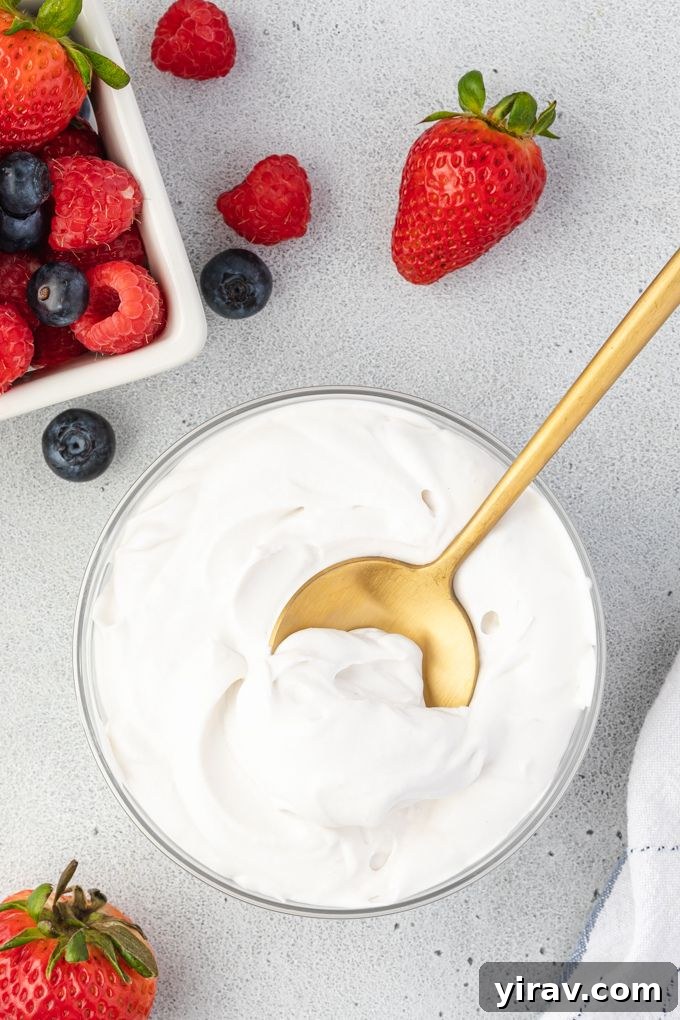
Your homemade coconut whipped cream is now ready to enjoy! Its delicate flavor and cloud-like texture are perfect for a wide range of desserts and beverages.
Frequently Asked Questions About Coconut Whipped Cream
Yes, absolutely! In fact, coconut cream is the optimal choice for this recipe. It boasts a significantly higher fat content and a naturally thicker consistency compared to regular coconut milk. This superior fat content is what allows it to whip up into a much richer, fluffier, and more voluminous cream, providing a texture that closely mimics traditional dairy whipped cream. While a can of full-fat coconut milk might yield 1 to 1.5 cups of usable cream, a dedicated can of coconut cream will consistently give you a higher yield, typically around 1.5 cups, ensuring a more decadent result.
For the absolute best results, always opt for full-fat canned coconut milk. The higher the fat content, the creamier and richer your whipped cream will be. It’s crucial to select a brand that lists only coconut and water as ingredients. Avoid any brands that contain thickeners, gums (like guar gum), or emulsifiers, as these additives can interfere with the natural separation of the coconut cream from the water, preventing it from whipping up properly. Before use, the coconut milk must be thoroughly chilled in the refrigerator for a minimum of 1-2 days. This chilling period is essential for the solid coconut cream to rise to the top and separate from the excess liquid. Any remaining liquid will prevent the cream from achieving its proper fluffy consistency.
There are a few common culprits if your coconut whipped cream isn’t achieving that desired fluffy texture. The most frequent reason is insufficient chilling: if the coconut cream is not very cold and thick (meaning it hasn’t properly separated from the coconut water), it won’t whip. Ensure your can has been in the refrigerator, undisturbed, for at least 24-48 hours. Another factor is the fat content; some brands of coconut milk or cream simply don’t have enough fat to whip effectively. Always choose full-fat products without added thickeners or emulsifiers. If you’ve tried all these steps and it’s still not whipping, it’s likely an issue with the specific brand of coconut product you’re using. Try a different, reputable brand known for its high fat content.
Yes, coconut cream whipped cream does have a subtle, delicate flavor of coconut. It’s generally not overpowering but provides a lovely tropical hint that complements many desserts. If you prefer to temper or balance the coconut flavor, you can easily do so by adding extra flavorings. Incorporating citrus zest (lemon, lime, or orange), a different extract like almond or peppermint, or even a touch of cocoa powder can create a delightful contrast or complement, allowing you to customize the taste to your preference.
For the absolute best taste and texture, coconut whipped cream is most enjoyable immediately after it’s made. However, you can store any leftovers in an airtight container in the refrigerator for 2-3 days. Please note that it will firm up considerably when chilled, becoming denser. To restore its fluffy texture, simply re-whip it briefly with an electric mixer or whisk before serving. This quick re-whipping will bring back its light and airy consistency, making it almost as good as fresh.
Creative Ways to Enjoy Your Coconut Whipped Cream
This versatile coconut whipped cream recipe isn’t just for topping desserts; it can enhance a wide variety of sweet treats and even some unexpected delights. Its creamy texture and subtle coconut notes make it a fantastic addition to countless dishes.
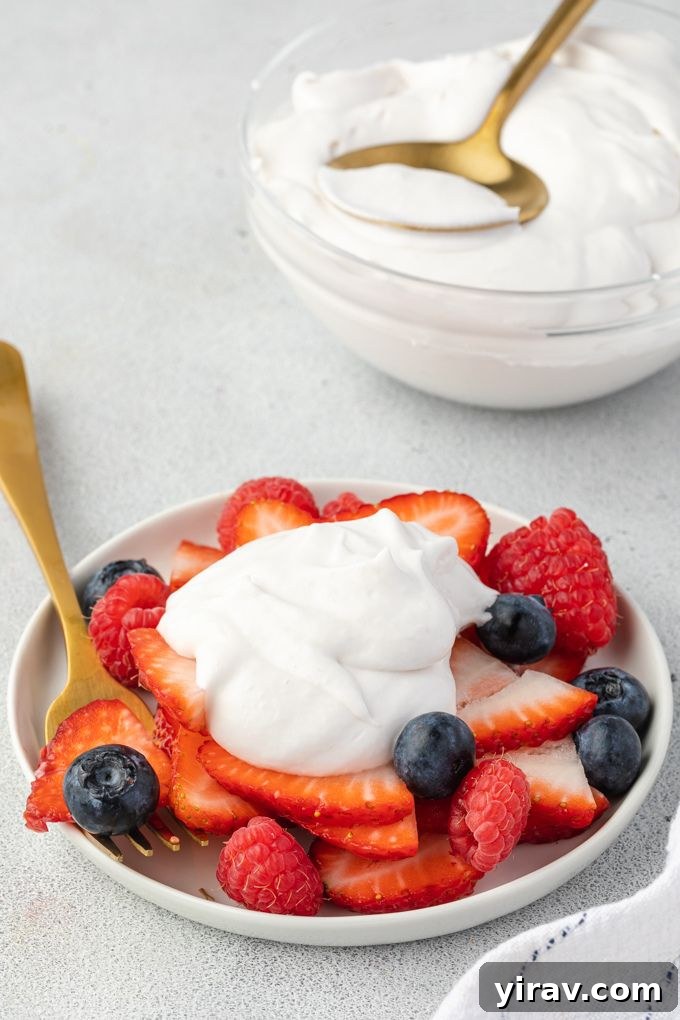
- Fresh Fruit Extravaganza: Elevate a simple bowl of fresh berries, sliced mango, or pineapple with a dollop of this cream. It’s especially delightful with vibrant mixes like tropical fruit salad with coconut lime dressing or a hearty winter fruit salad.
- Pudding Perfection: Transform healthy puddings into indulgent desserts. A generous scoop over creamy chia seed pudding or rich chocolate chia pudding adds a layer of luxurious texture and flavor.
- Classic Dessert Companion: It’s the perfect dairy-free accompaniment to your favorite baked goods. Imagine it crowning a slice of homemade pumpkin pie, a delicate almond flour cake, or a vibrant cherry almond cake.
- Warm Fruit Crumbles & Crisps: For the ultimate comfort dessert, serve warm peach blueberry crisp or a bubbling strawberry rhubarb crisp with a melting dollop of coconut whipped cream. The contrast of warm fruit and cold cream is simply divine.
- Breakfast & Brunch Brilliance: Don’t limit it to dessert! Use it as a special topping for breakfast fruit tarts or fluffy blueberry oat flour waffles for an elevated morning meal.
- Hot Beverages: Swirl it into a mug of hot cocoa, coffee, or even a chai latte for a creamy, dairy-free treat.
- Fruit Pizza or Tarts: Spread it as a base on a cookie crust, then top with an array of fresh fruits for a vibrant and impressive fruit pizza or individual tarts.
Important Tips for the Best Coconut Whipped Cream
To ensure your coconut whipped cream turns out perfectly light, fluffy, and delicious every time, keep these key notes and recommendations in mind:
- Coconut Cream vs. Coconut Milk: As reiterated, coconut cream is the ideal choice for this recipe. Its higher fat content results in a thicker, more stable, and significantly more voluminous whipped cream. If you have the option, always go for a product specifically labeled “coconut cream” rather than just “coconut milk” for superior results.
- Choosing the Right Coconut Milk (if applicable): If you opt for full-fat canned coconut milk, scrutinize the ingredient list. It should contain only coconut and water. Avoid brands that list thickeners, gums (like guar gum or xanthan gum), or emulsifiers. These additives can prevent the cream from separating properly, hindering the whipping process. Brands vary significantly, so don’t be discouraged if one brand doesn’t work; try another. For instance, some users have reported that Thai Kitchen brand may not work as effectively for whipping. Remember, chilling for 1-2 days is non-negotiable for coconut milk to allow proper cream separation.
- Yield Variation: The total yield of whipped coconut cream can range from 1 to 1.5 cups, largely depending on the thickness of the coconut cream you use and how much liquid it contains. Cans specifically labeled as “coconut cream” typically yield a more voluminous product, closer to 1.5 cups, due to their higher fat concentration.
- Flavor Customization: While vanilla extract adds a lovely classic touch, feel free to get creative! Substitute vanilla with other extracts like almond, peppermint, or even a hint of rum extract for a different dimension. For a bright, zesty flavor, incorporate 1-2 teaspoons of freshly grated citrus zest (lemon, lime, or orange).
- Serving Freshness: For optimal texture and enjoyment, it is highly recommended to serve coconut whipped cream on the day it is made. While it can be stored and re-whipped, its freshest, fluffiest state is always right after preparation. If storing, it will firm up in the refrigerator, but a quick re-whip will bring back its desired consistency.
- Chilling Your Equipment: For an extra boost, consider chilling your mixing bowl and whisk attachment in the freezer for 10-15 minutes before whipping. Cold equipment helps keep the coconut cream firm, aiding in the whipping process, especially in warmer environments.
Beyond Whipped Cream: More Delicious Uses for Coconut Milk
Coconut milk is an incredibly versatile ingredient that can be used in countless sweet and savory dishes, extending far beyond this delicious whipped cream. Here are some of my favorite ways to incorporate it into your cooking:
- Creamy Banana Coconut Chia Pudding Parfaits: A healthy and satisfying breakfast or snack.
- Nourishing Instant Pot Carrot Ginger Soup: Adds a silky texture and subtle sweetness to this vibrant soup.
- Refreshing Fresh Pineapple Piña Colada: The essential ingredient for a perfectly tropical drink.
- Tropical Piña Colada Chia Overnight Oats: A breakfast that transports you to a sunny beach.
- Heartwarming Roasted Pumpkin Apple Soup: Balances the flavors and adds a luxurious consistency.
- Vibrant Tropical Mango Pineapple Smoothie: Creates a smooth, creamy base for this fruity blend.
Loved this recipe? If so, please share your thoughts and experiences by leaving a review below! Don’t forget to tag me @flavorthemoments on Facebook and Instagram with your culinary creations!
Coconut Whipped Cream
Servings:
6
servings
10 mins
0 mins
1 day (chill time)
1 day 10 mins
Pin Recipe
0 reviews
Leave a Review »
Equipment
-
Stand Mixer (or hand mixer with whisk attachment)
-
Large mixing bowl
Ingredients
- 13.5 ounces coconut cream (or full-fat canned coconut milk; see note 2 for details)
- 2 tablespoons powdered sugar (adjust to taste, or substitute with preferred sweetener like maple syrup for paleo)
- 1 teaspoon vanilla extract (or other extracts like almond, or citrus zest; see note 4)
Instructions
-
Ensure your coconut cream or full-fat coconut milk has been chilled in the refrigerator for at least 24-48 hours. Gently open the can and carefully scoop the thick, solidified coconut cream from the top. Place it into the cold bowl of a stand mixer (or a large bowl if using a hand mixer) fitted with the whisk attachment. Reserve any clear coconut water for other culinary uses.13.5 ounces coconut cream
-
Beat the coconut cream on medium speed for about 1 minute until it begins to fluff. Then, gradually add the powdered sugar and vanilla extract. Continue beating for another 1-2 minutes until the mixture is light, airy, and reaches your desired fluffy consistency (soft or firm peaks). Avoid over-whipping.2 tablespoons powdered sugar,
1 teaspoon vanilla extract
Notes
- Pro Tip: Coconut cream is always the best choice over coconut milk for making whipped cream. Its higher fat content and thicker consistency guarantee a more voluminous, stable, and luxurious whipped topping.
- If you’re using full-fat canned coconut milk, ensure the ingredients list only coconut and water. Thickeners or emulsifiers can prevent the cream from separating and whipping correctly. It’s crucial to chill the can in the refrigerator for 1-2 full days, undisturbed, to allow the cream to separate from the water. Note that some brands, like Thai Kitchen, have been reported to not perform well for whipping.
- The recipe typically yields between 1 to 1.5 cups of coconut whipped cream. This variation depends heavily on the initial thickness and liquid content of your coconut product. Coconut cream will generally yield closer to 1.5 cups, being more concentrated.
- Feel free to customize the flavor by substituting vanilla extract with other extracts (e.g., almond, peppermint) or by adding 1-2 teaspoons of fresh citrus zest (lemon, lime, or orange) for a bright, refreshing twist.
- For the best possible texture and taste, it is recommended to serve this coconut milk whipped cream on the same day it is made. While leftovers can be stored (and will firm up in the fridge), a quick re-whip will restore its fluffy consistency for subsequent servings.
Nutrition Information (Estimated)
Serving Size: 0.25 cup
Calories: 138 kcal
Carbohydrates: 5 g
Protein: 1 g
Fat: 14 g
Saturated Fat: 12 g
Polyunsaturated Fat: 0.1 g
Monounsaturated Fat: 1 g
Sodium: 8 mg
Potassium: 141 mg
Sugar: 3 g
Vitamin C: 1 mg
Calcium: 12 mg
Iron: 2 mg
Nutrition is estimated using a food database and is only intended to be used as a guideline for informational purposes. Individual results may vary based on specific ingredients and preparation methods.
Dessert, Sweets
American, Vegan, Dairy-Free
Marcie
Did you try this recipe?
We’d love to see your creations! Be sure to tag @flavorthemoments with the hashtag #flavorthemoments on Instagram so we can share what you made!