Cabbage, a staple in many cuisines yet often underestimated, is a remarkably versatile and nutrient-dense vegetable waiting to be rediscovered. If you’re seeking innovative and delicious ways to incorporate this humble leafy green into your diet, this comprehensive guide is your ultimate resource. We’ve curated a collection of 25+ Best Cabbage Recipes, featuring everything from comforting soups and vibrant salads to hearty casseroles and dynamic stir-fries. Beyond the inspiring recipes, we’ll delve into all aspects of cabbage, including its diverse varieties, impressive health benefits, practical tips on how to properly cut and store it, and much more. Prepare to transform your perception of this incredible, affordable, and widely available vegetable!
For many, cabbage primarily brings to mind classic coleslaw or the traditional St. Patrick’s Day corned beef and cabbage. While these are undeniably beloved dishes, they merely scratch the surface of cabbage’s immense culinary capabilities. This guide aims to broaden your culinary horizons, demonstrating just how easily and deliciously cabbage can become a regular star in your everyday meals.
Cabbage offers a fantastic and adaptable flavor profile, presenting a subtle peppery zest when enjoyed raw that beautifully mellows and sweetens into a tender delight once cooked. Its incredible versatility makes it a true cook’s companion, seamlessly integrating into a vast array of global cuisines and cooking methods. Whether you prefer it crunchy in a refreshing salad, simmered low and slow in a hearty stew, or perfectly roasted to bring out its natural sugars, cabbage consistently delivers both delightful taste and appealing texture.
Beyond its undeniable culinary charm, cabbage stands out as a true powerhouse of nutrition. It’s brimming with essential vitamins, minerals, and beneficial compounds that contribute significantly to overall well-being. Furthermore, its affordability and widespread availability make it an intelligent and accessible choice for those focused on both budget-conscious and health-conscious cooking. The cooler months, particularly January and February, are especially opportune for cooking with cabbage, as it harmonizes beautifully with other seasonal winter vegetables, culminating in warm, comforting, and deeply satisfying dishes.
This comprehensive guide is designed to equip you with all the knowledge and inspiration you need to confidently select, prepare, and cook cabbage like a seasoned pro. From understanding the distinct nuances of different varieties to mastering the perfect cutting techniques, and discovering a wealth of creative new recipes, you’ll find everything you need to make cabbage a cherished ingredient in your kitchen. Most importantly, prepare to be delighted by a diverse collection of recipes thoughtfully curated to inspire you to incorporate this fantastic vegetable into your meals more frequently and with newfound excitement!
Varieties of Cabbage
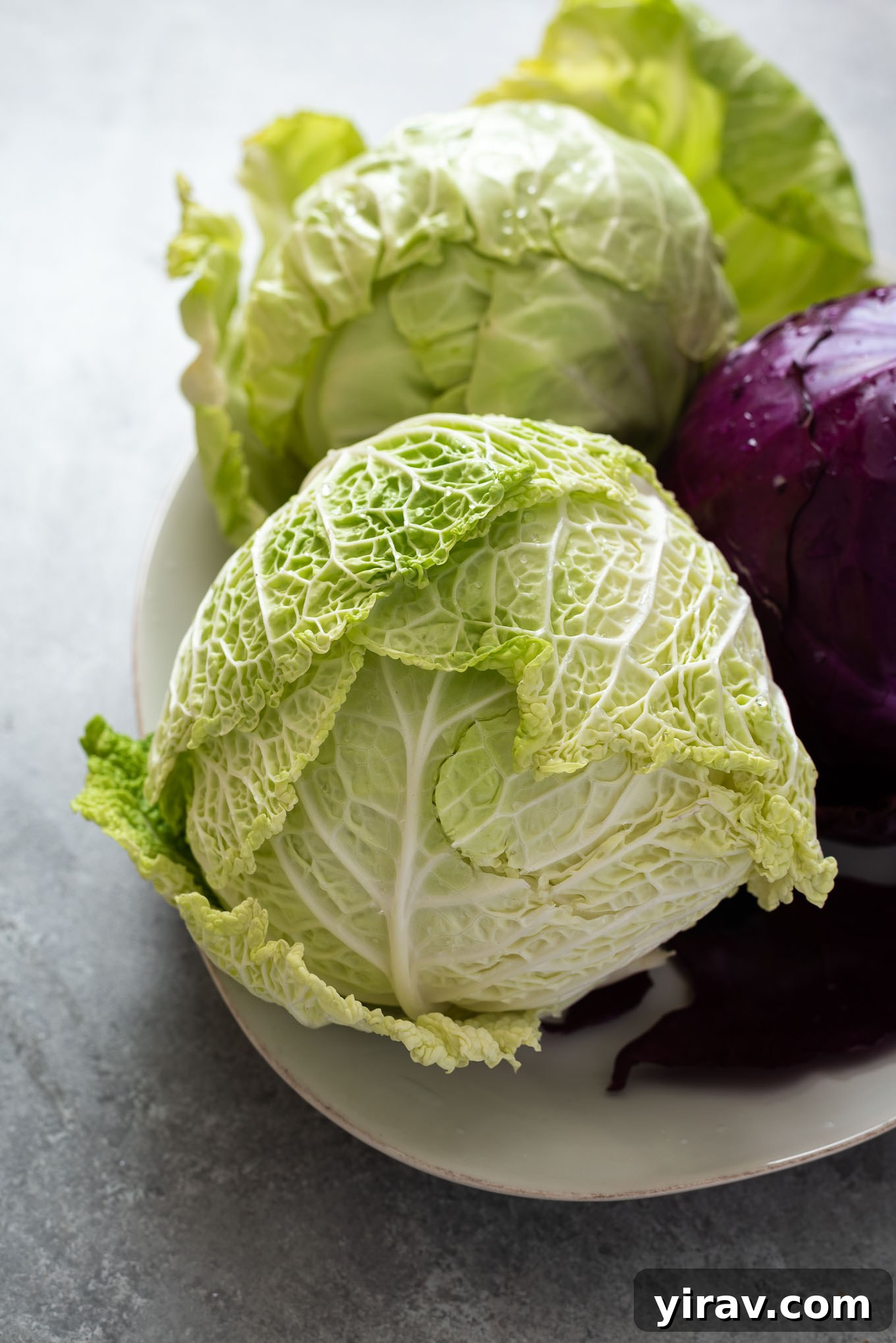
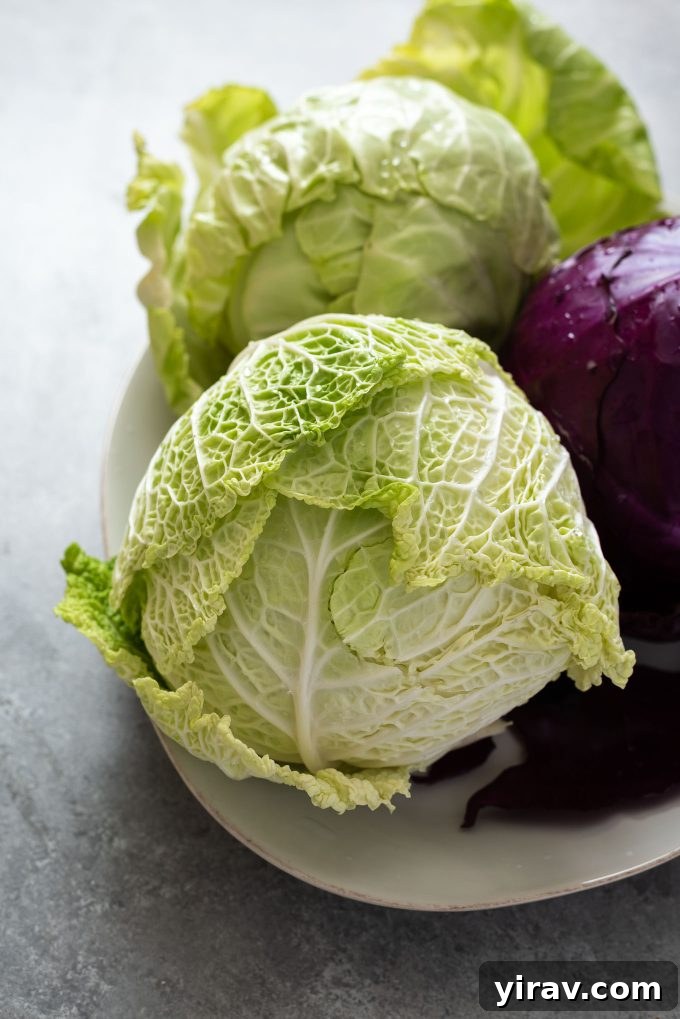
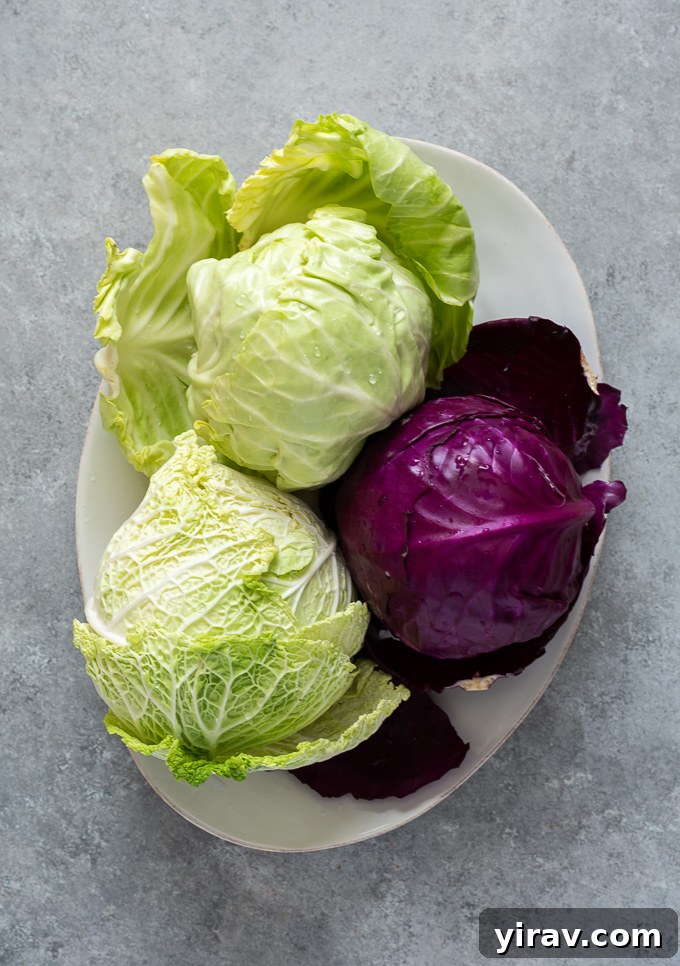
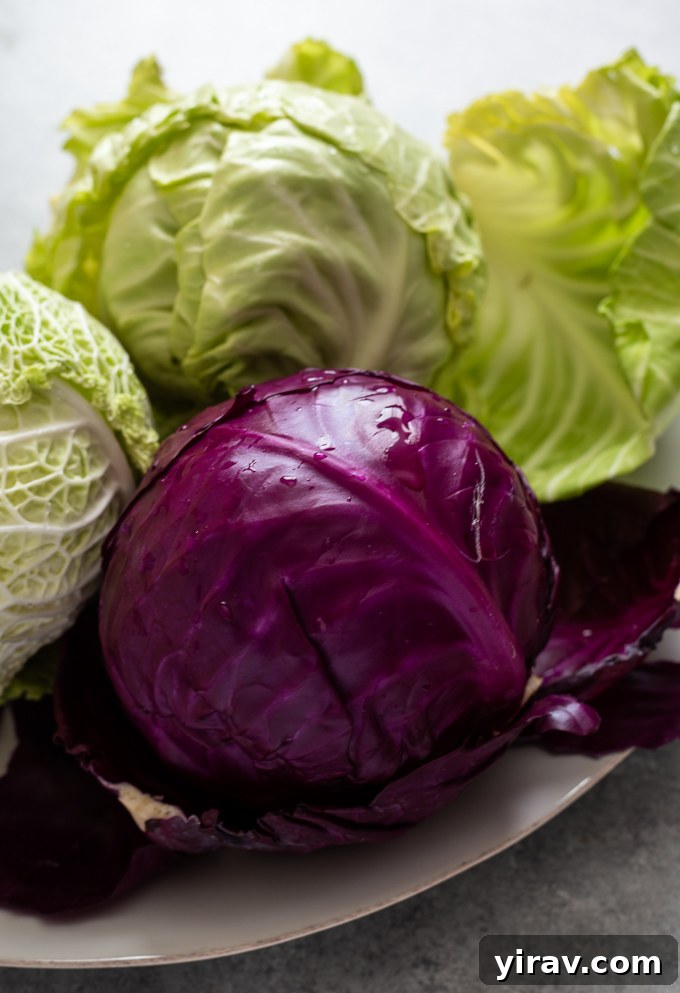
Cabbage holds a prominent place within the Brassicaceae family, often broadly referred to as the “brassica” family, a botanical group that also includes other highly nutritious vegetables such as bok choy, broccoli, Brussels sprouts, cauliflower, and kale. While the world of cabbage encompasses a surprising number of cultivars, four primary varieties are most widely available in grocery stores and offer incredible versatility in the kitchen.
- Green Cabbage (aka Cannonball Cabbage): This is undoubtedly the most common and recognizable type of cabbage. Its characteristic compact, round, and dense shape gives it the playful moniker “cannonball.” When eaten raw, it delivers a mild, slightly peppery crunch, making it an indispensable ingredient for classic coleslaws and crisp salads. However, when cooked, its flavor gracefully transforms, becoming wonderfully sweet and tender, lending itself beautifully to comforting stews, savory sautés, and robust roasted dishes. Green cabbage is notably durable and holds up well to extended cooking times.
- Napa Cabbage (aka Chinese Cabbage): Distinct from its European counterparts, Napa cabbage is oblong in shape, featuring delicate, crinkly, greenish-yellow leaves that transition into broad, crisp, white stalks at the base. It possesses a notably softer texture and a sweeter, milder flavor compared to green cabbage. Its tender leaves are exquisite in delicate stir-fries, traditional kimchi, fresh Asian-inspired salads, and as light, edible wraps. Napa cabbage cooks remarkably quickly, absorbing the flavors of accompanying ingredients with ease.
- Red or Purple Cabbage: A true visual showstopper, this variety is dense and round, much like green cabbage, but boasts a striking reddish-purple hue. The intensity of its color can actually vary depending on the pH level of the soil in which it’s cultivated. Red cabbage offers a bolder, more pronounced peppery flavor than green cabbage and retains a satisfying crunch even after cooking. It’s a fantastic choice for vibrant slaws, tangy pickled preparations, and roasted dishes where its brilliant color can truly elevate the presentation, though it’s worth noting its color may bleed into other ingredients during prolonged cooking.
- Savoy Cabbage: Named for the picturesque Savoy region of France, this elegant variety is characterized by its round shape and distinctive crinkly, deeply textured leaves, which are typically a yellowish-white with bright green edges. Savoy cabbage strikes a delightful balance, offering a texture that is simultaneously crisp and remarkably soft, coupled with a subtly mild, earthy flavor. Its tender yet sturdy leaves make it an exceptional candidate for classic cabbage rolls, fresh wraps, delicate stir-fries, and gently sautéed side dishes, as it generally requires less cooking time than its denser green or red cousins.
- Beyond these four widely available varieties, the world of cabbage offers even more to explore. You might encounter Pointed Cabbage (also known as Sweetheart Cabbage), prized for its sweet, tender leaves, or even vibrant ornamental cabbages, though these are typically grown for decorative purposes rather than culinary use. Each variety contributes its unique characteristics to the table, inviting endless culinary experimentation.
Health Benefits of Cabbage
Despite its humble reputation and often being overshadowed by other “superfoods,” cabbage is an exceptionally healthy vegetable that offers a remarkable array of nutritional benefits. It’s a true powerhouse, providing a wealth of essential vitamins, minerals, and potent antioxidants, all while being impressively low in calories. Consistently incorporating cabbage into your diet is an easy, delicious, and highly effective way to bolster your overall health and well-being.
A single cup of raw chopped cabbage, which is approximately 89 grams, provides a significant nutritional boost:
- Calories: A mere 22 calories, making it an excellent choice for weight management and adding bulk to meals without excessive caloric intake.
- Carbohydrates: Approximately 5.2 grams, a substantial portion of which comes from dietary fiber, crucial for digestive health.
- Protein: 1 gram, contributing to your daily protein needs.
- Fiber: A healthy 2 grams, vital for supporting a robust digestive system and maintaining gut regularity.
Beyond these foundational macronutrients, cabbage stands out as an outstanding source of several vital micronutrients:
- Vitamin C: Cabbage is an excellent source of Vitamin C, providing a substantial portion of your recommended daily intake. This powerful antioxidant is fundamental for a healthy immune system, promotes radiant skin by aiding collagen production, and helps protect cells from oxidative damage.
- Vitamin K: It is particularly rich in Vitamin K, a critical nutrient essential for proper blood clotting and plays a significant, often underestimated, role in maintaining strong, healthy bones.
- Vitamin B6 and Folate: These important B vitamins are instrumental in numerous bodily functions, including energy metabolism, optimal brain function, and the formation of healthy red blood cells. Folate is especially crucial for cell growth and is vital during pregnancy.
- Minerals: Cabbage contains good amounts of manganese, a trace mineral involved in bone formation and metabolism, as well as smaller but beneficial quantities of potassium, calcium, and magnesium.
Furthermore, this unassuming vegetable is celebrated for its potential to:
- Reduce Inflammation: Cabbage is loaded with various antioxidants, including sulforaphane, and unique anti-inflammatory compounds that are believed to help combat chronic inflammation, which is recognized as a underlying factor in numerous diseases.
- Improve Digestion: Its high fiber content acts as a natural digestive aid, promoting healthy bowel movements, preventing constipation, and acting as a prebiotic to nourish beneficial gut bacteria, thereby contributing to a balanced and thriving gut microbiome.
- Support Heart Health: Compounds found in cabbage, such as anthocyanins (especially abundant in red cabbage), have been scientifically linked to improved cardiovascular health, helping to reduce various risk factors for heart disease.
- Boost Immunity: The generous Vitamin C content, alongside other antioxidants and phytonutrients, plays a crucial role in strengthening the body’s immune defenses, helping it to effectively ward off infections and illnesses.
For those interested in a more extensive exploration of the profound health benefits offered by this incredible vegetable, we recommend consulting reputable resources such as Healthline’s comprehensive guide to cabbage health benefits.
Choosing and Storing Cabbage
The journey to enjoying delicious cabbage dishes begins with selecting the freshest produce and understanding the best practices for its storage. Proper selection and storage are paramount to preserving cabbage’s inherent crispness, vibrant flavor, and impressive nutritional value. A well-chosen and correctly stored head of cabbage can remain fresh and usable for a surprisingly long time, making it an economical and convenient vegetable to keep stocked in your kitchen.
How to Choose the Best Cabbage at the Market:
- Firmness and Weight: When you pick up a head of cabbage, it should feel notably dense and heavy for its size. This characteristic indicates a tightly packed head with excellent moisture content, a sign of freshness. Avoid heads that feel light or hollow.
- Leaf Appearance: Carefully inspect the outer leaves. They should appear healthy, bright, and vibrant, reflecting the cabbage’s natural color. Look for leaves that are free from any signs of wilting, significant discoloration, unsightly blemishes, or insect damage. While a few loose or slightly imperfect outer leaves are perfectly normal and can be easily peeled away, the underlying layers should be pristine and tightly bound.
- Smell: A fresh head of cabbage should have a neutral or very subtly earthy aroma. If you detect any strong, unpleasant, or sulfurous odor, it’s a clear indication that the cabbage is past its prime and should be avoided.
Optimizing Storage for Maximum Freshness:
Implementing proper storage techniques will significantly extend the shelf life of your cabbage, ensuring it stays crisp and flavorful for as long as possible:
- Whole, Uncut Heads: Whole heads of cabbage, kept intact, will inherently last much longer than those that have been cut. To store them, place the entire head in a loose plastic bag – this helps retain essential moisture without trapping excessive humidity, which can lead to rot. Store the bagged cabbage in the crisper drawer of your refrigerator. Under ideal conditions, a whole head of green or red cabbage can remain fresh for up to 3-4 weeks. Softer varieties like Napa and Savoy cabbage typically have a slightly shorter shelf life of 1-2 weeks.
- Cut Cabbage: Once you’ve cut into a head of cabbage, its moisture and nutrient retention begins to diminish more rapidly. To preserve any unused portions, wrap them tightly in plastic wrap or transfer them to an airtight container before returning them to the refrigerator’s crisper drawer. For the best quality, including optimal flavor and crisp texture, cut cabbage should be utilized within 3 to 5 days.
Remember, prioritizing seasonal produce not only offers the finest flavor but also the highest nutritional value. For a comprehensive overview detailing how to effectively choose and store a wide array of fruits and vegetables to keep them fresher for longer, we invite you to consult our in-depth guide to choosing and storing produce.
How to Cut Cabbage
Cutting cabbage is a remarkably straightforward process that becomes even easier with a few simple steps. Whether your recipe calls for finely shredded cabbage for a delicate slaw, sturdy wedges for roasting, or uniformly chopped pieces for a soup, mastering the basic cutting technique will make your kitchen tasks more efficient and enjoyable. All you need is a sharp chef’s knife and a stable cutting board.
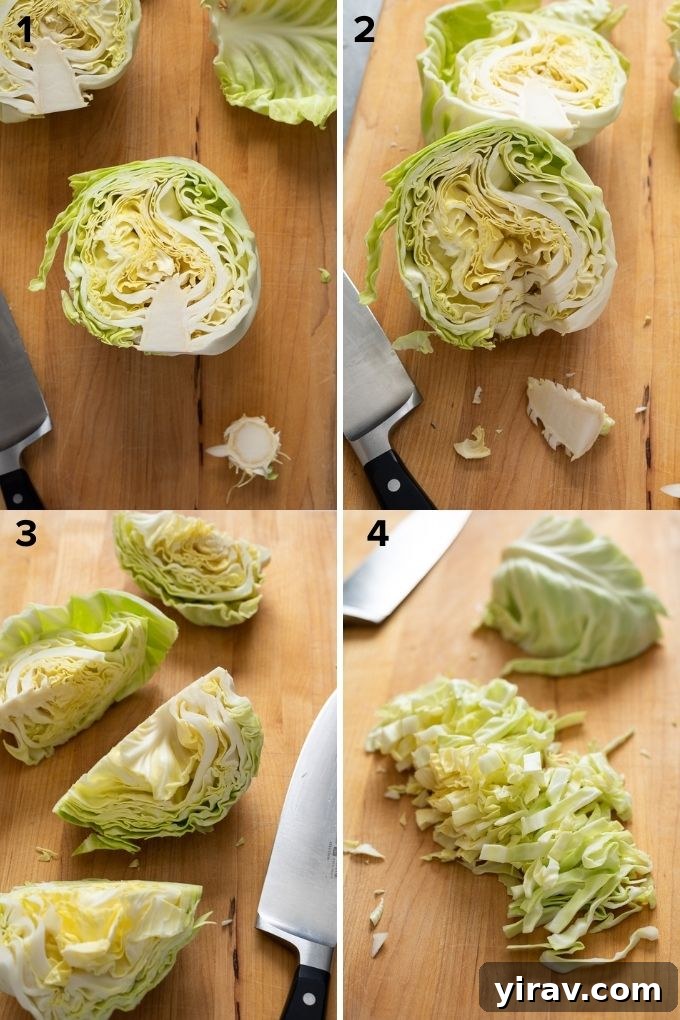
- Prepare the Cabbage: Begin by carefully peeling away any bruised, damaged, or excessively tough outer leaves that may be present on the cabbage head. Once the outer layers are removed, give the entire head a thorough rinse under cool running water, then pat it completely dry with paper towels or a clean kitchen towel.
- Cut in Half and Stabilize: Place the cabbage on your cutting board with the stem end facing down, creating a stable base. Using a sharp chef’s knife, carefully cut the cabbage precisely in half, slicing it straight down through the center from the top to the stem.
- Quarter the Cabbage: Take each half of the cabbage and place it cut-side down on your cutting board. Proceed to cut each half lengthwise again, effectively dividing the cabbage into four sturdy, manageable wedges.
- Remove the Core: The core of the cabbage is fibrous and typically not consumed. For each of your four wedges, identify the triangular core located at the bottom. Using a paring knife or the tip of your chef’s knife, carefully slice along the sides of the core, removing it in a V-shape. This step ensures that the remaining leaves are easy to separate and cook evenly.
- Slice into Strips or Shred: At this point, you can prepare the cabbage according to your recipe’s needs:
- For Strips (ideal for stir-fries, sautés, or roasted dishes): Place a cored wedge cut-side down on your cutting board. Slice across the wedge to create strips of your desired thickness, from thin ribbons to thicker chunks.
- For Shredded Cabbage (perfect for coleslaw, fermenting, or very fine cooking): You can stack a few of the strips you’ve cut, or continue slicing very thinly across the wedge. For an even finer shred, especially for large quantities, consider using a mandoline slicer (always with extreme caution and the appropriate safety guard) or a food processor equipped with a shredding disc.
Always prioritize safety in the kitchen. Ensure your knife is consistently sharp, as a dull knife can be more dangerous. Take your time, particularly when handling larger heads of cabbage, and keep your fingertips curled and tucked away from the blade to prevent accidents.
Can You Freeze Cabbage?
Absolutely, cabbage can indeed be frozen, offering a fantastic and practical method to preserve it for future culinary endeavors, especially when you find yourself with an abundance from a garden harvest or a great market find. While frozen cabbage might lose some of its inherent crispness, making it generally less suitable for fresh applications like raw salads, it remains perfectly excellent for use in a wide variety of cooked dishes such as comforting soups, hearty stews, savory casseroles, and quick sautés. The pivotal step to ensuring successful freezing and maintaining quality is the process of blanching it beforehand.
Simple, Step-by-Step Instructions to Freeze Cabbage:
- Prepare the Cabbage: Begin by carefully removing any tough, discolored, or damaged outer leaves from the head of cabbage. Then, rinse the entire cabbage head thoroughly under cold, running water to clean it.
- Cut into Desired Pieces: Proceed to cut the cabbage into the size and shape you anticipate using in your future recipes. This could be wedges, thin shreds, or convenient squares. It’s also highly recommended to remove the fibrous core at this stage, as detailed in the “How to Cut Cabbage” section above.
- Blanch the Cabbage: Bring a large pot of water to a rolling boil. Once boiling vigorously, carefully drop the prepared cabbage pieces into the water. Blanch green and red cabbage for approximately 2 to 3 minutes. Softer, more delicate varieties like Napa and Savoy cabbage typically require a shorter blanching time, around 1.5 to 2 minutes. Blanching is a crucial step as it helps to deactivate enzymes that can cause undesirable changes in color, flavor, and texture during freezing, thus preserving the cabbage’s quality.
- Immediately Cool in Ice Water (Shocking): As soon as the specified blanching time is complete, use a large slotted spoon or spider strainer to swiftly transfer the cabbage directly into a large bowl filled with ice water. This rapid cooling process, often referred to as “shocking,” immediately halts the cooking process, thereby maintaining the cabbage’s texture and its vibrant color.
- Thoroughly Drain and Dry: Once the cabbage pieces are completely cooled (this usually takes a few minutes in the ice bath), drain them thoroughly. It is absolutely crucial to pat the cabbage exceptionally dry using paper towels or a clean kitchen towel. Any excess moisture remaining on the cabbage can lead to the formation of ice crystals and result in freezer burn, which degrades quality.
- Package for Freezing: Transfer the thoroughly dried cabbage into high-quality freezer-safe bags or durable airtight containers. If using freezer bags, press out as much air as possible before sealing to minimize air exposure and prevent freezer burn.
- Label and Freeze: Clearly label each bag or container with the contents (e.g., “Shredded Green Cabbage”) and the date it was frozen. Store the cabbage in your freezer for optimal quality for up to 8 to 12 months, although it will generally remain safe for consumption indefinitely beyond that if properly stored.
When you’re ready to use your frozen cabbage, you can often add it directly to simmering hot dishes like soups, stews, or stir-fries without the need for prior thawing. If a recipe requires a drier texture, or if you prefer, you can thaw it in the refrigerator overnight before incorporating it into your cooking.
25+ Best Cabbage Recipes to Inspire Your Cooking
Now that you’re well-versed in the incredible world of cabbage—its varieties, benefits, and preparation—it’s time to put that knowledge into delicious action! Cabbage is an incredibly versatile ingredient that can be transformed into a myriad of mouth-watering dishes across various global cuisines. From quick and easy weeknight meals to comforting weekend projects, its adaptability makes it a truly exciting vegetable to cook with. Whether you’re a fan of the mild sweetness of green cabbage or the bold, peppery notes of red cabbage, you’re guaranteed to find something to love in this diverse collection.
Below, we’ve carefully gathered over 25 easy-to-follow and intensely flavorful cabbage recipes that will undoubtedly inspire you to move beyond the usual and explore new culinary horizons. Get ready to discover your new favorite way to enjoy this fantastic and healthful vegetable!
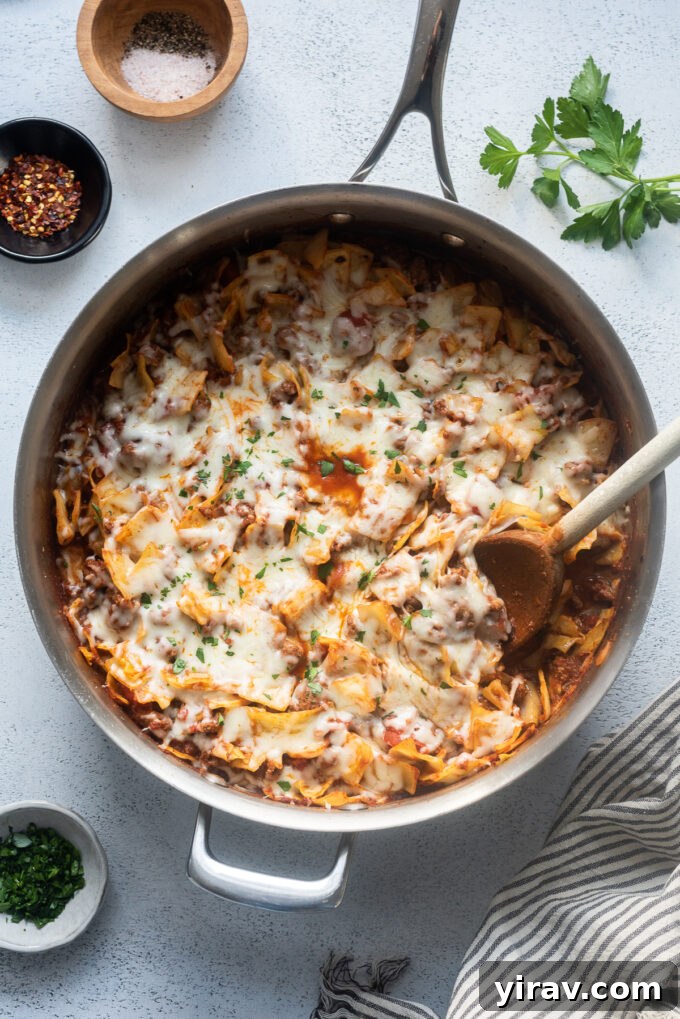
Cabbage and Ground Beef Casserole
Get the Recipe
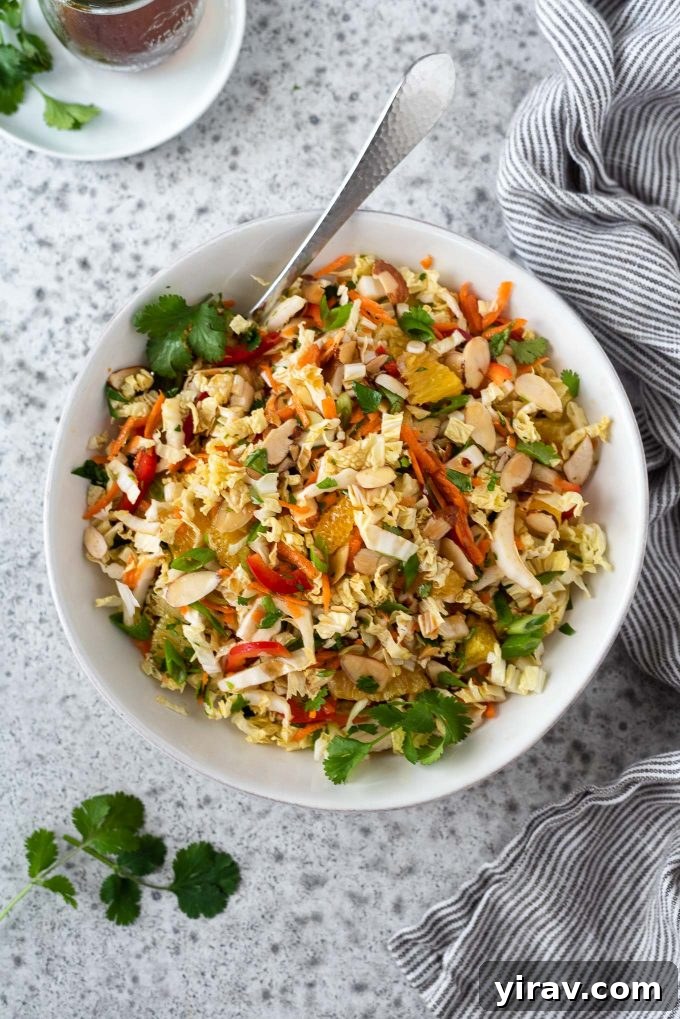
Napa Cabbage Salad with Asian Dressing
Get the Recipe
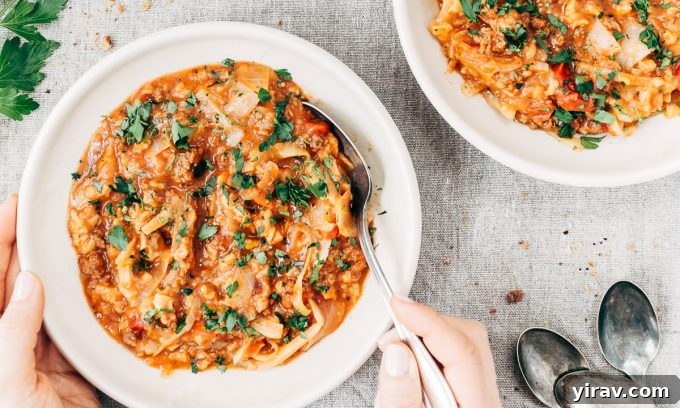
One-Pot Stuffed Cabbage Soup
Get the Recipe
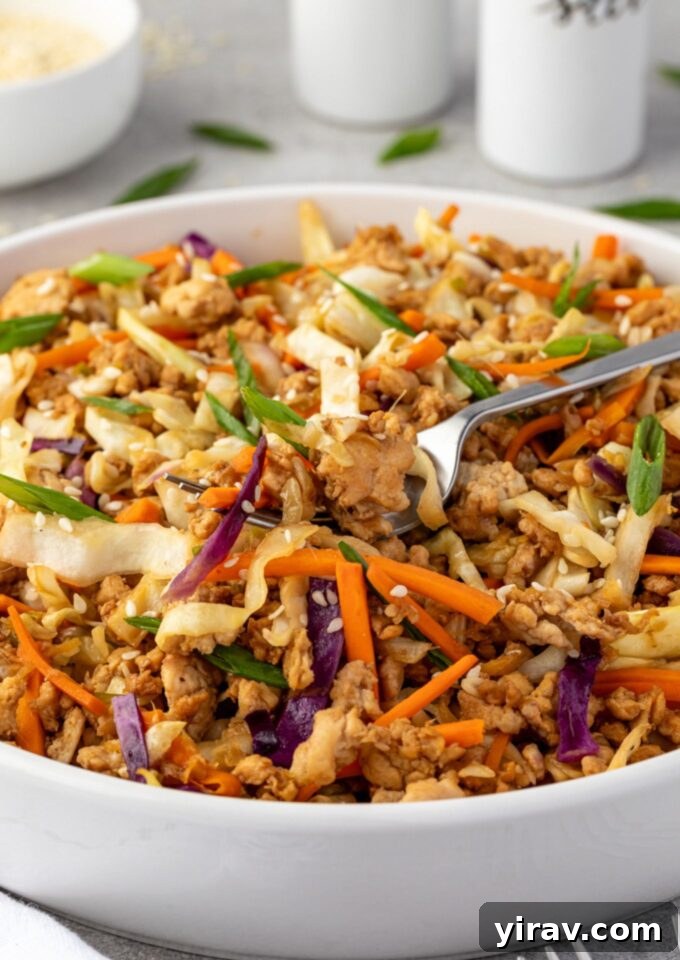
Egg Roll in a Bowl
Get the Recipe
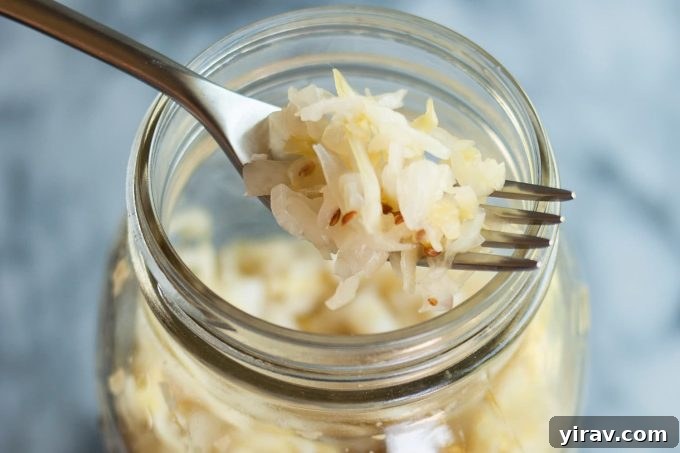
How To Make Homemade Sauerkraut in a Mason Jar
Get the Recipe
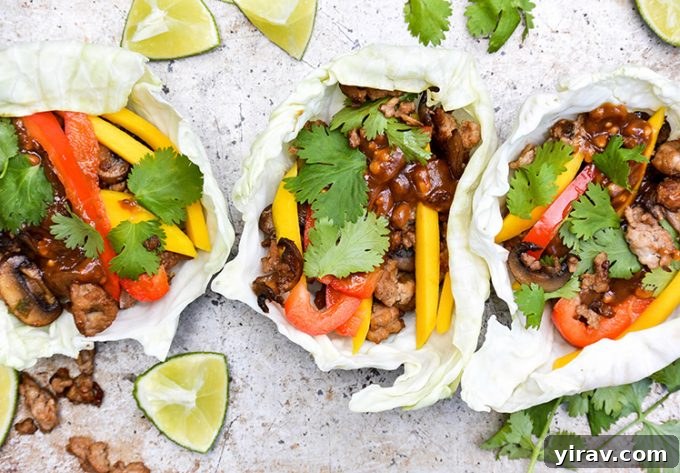
Thai Chicken Cabbage Wraps with Peanut Sauce
Get the Recipe
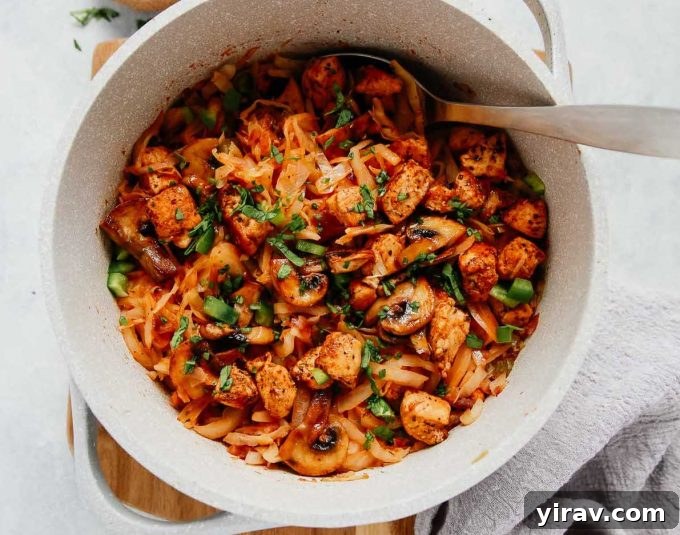
One-Pan Chicken and Cabbage
Get the Recipe
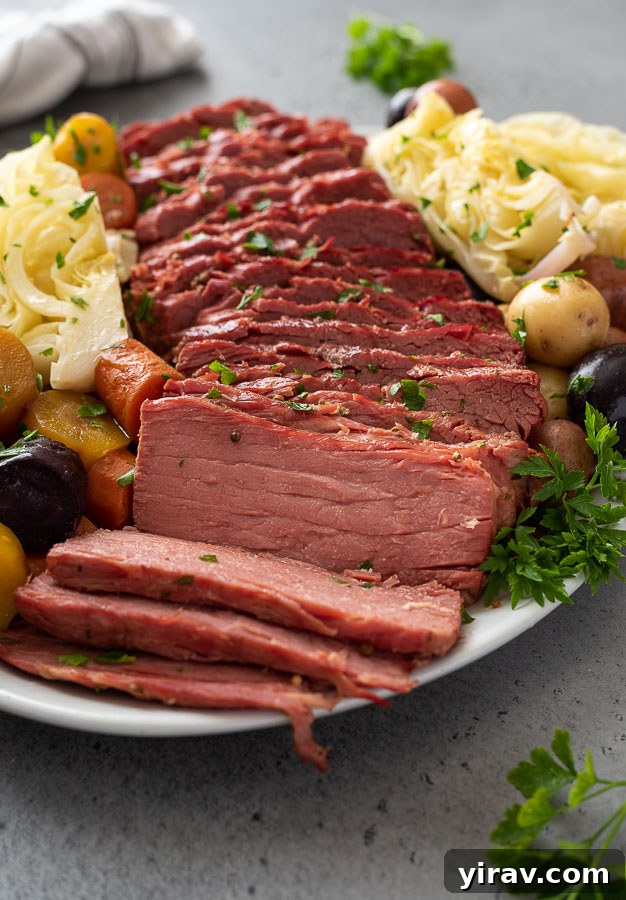
Corned Beef and Cabbage
Get the Recipe
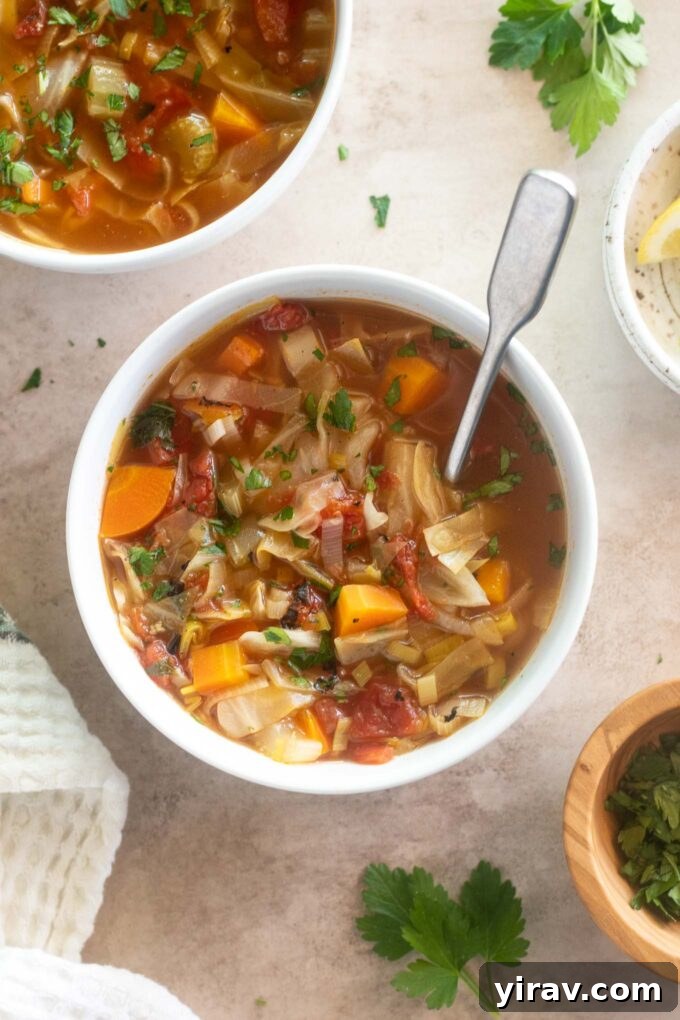
Cabbage Soup Recipe
Get the Recipe
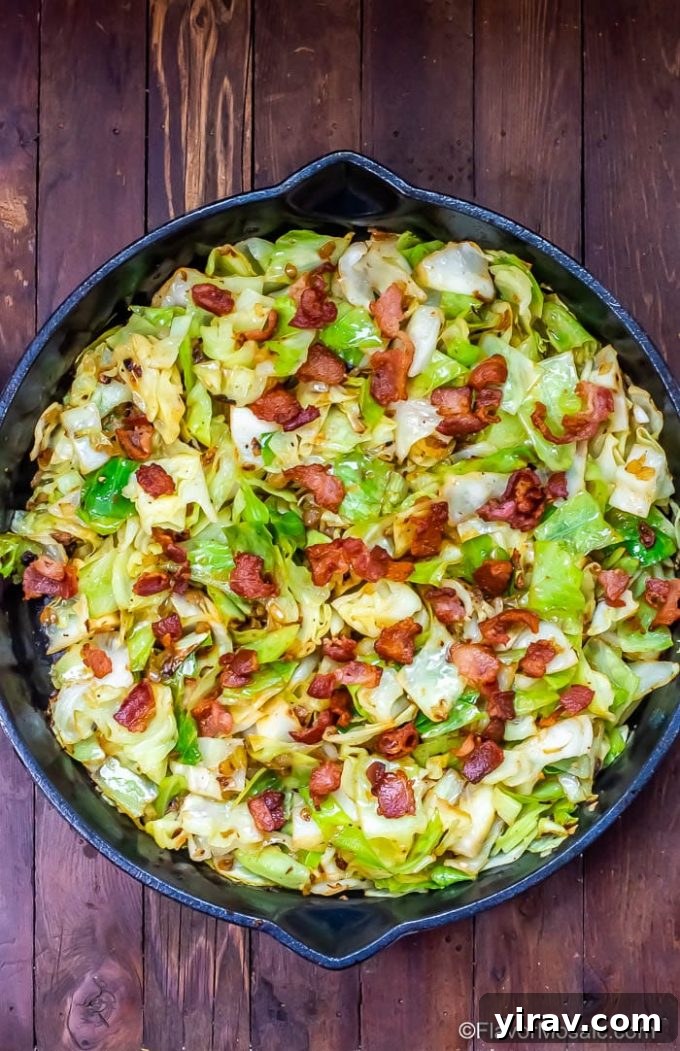
Fried Cabbage With Bacon
Get the Recipe
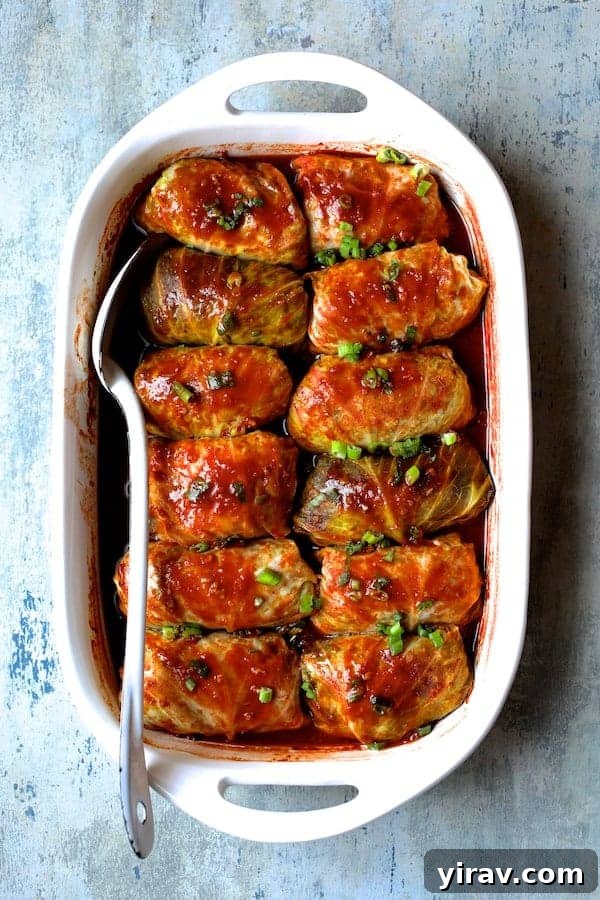
Spicy Asian Pork Cabbage Rolls
Get the Recipe
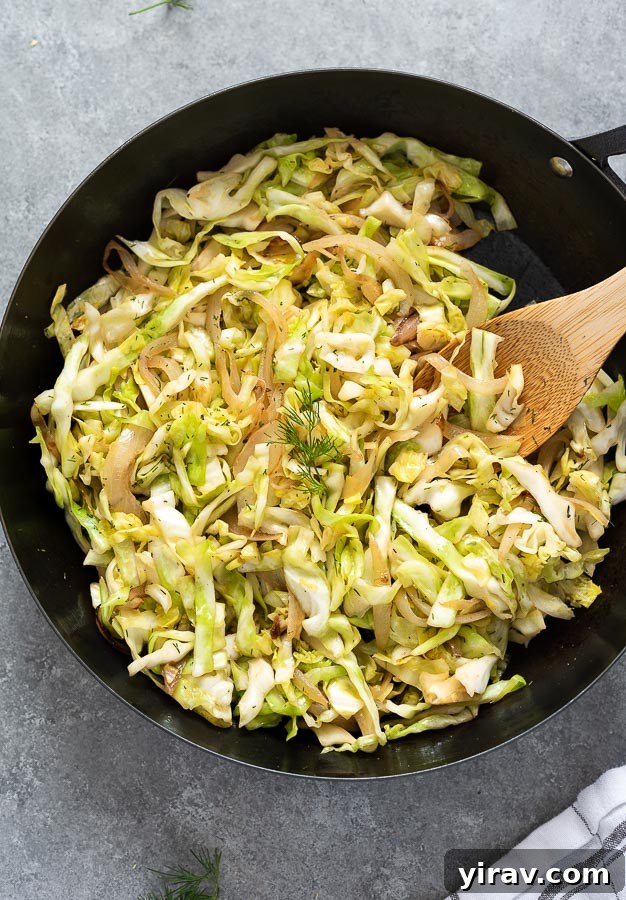
Simple Sautéed Cabbage
Get the Recipe
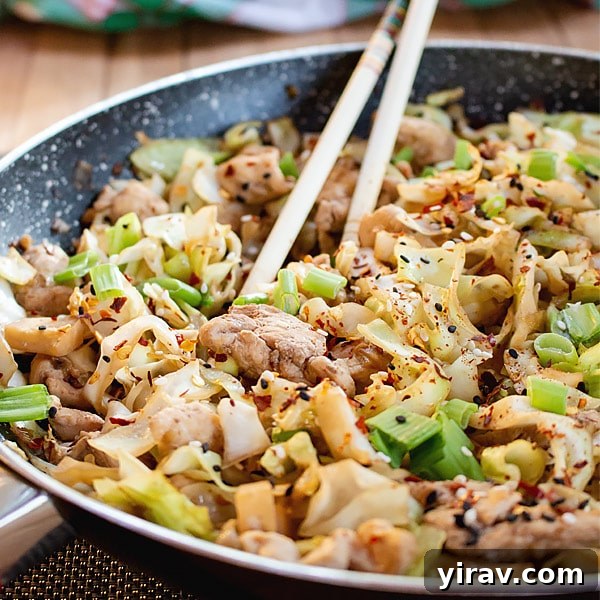
Quick Chicken Cabbage Stir Fry Recipe
Get the Recipe
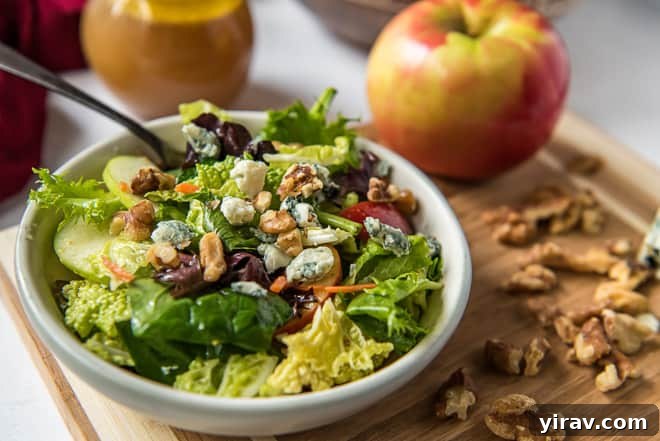
Apple Cabbage Salad with Walnuts and Gorgonzola
Get the Recipe
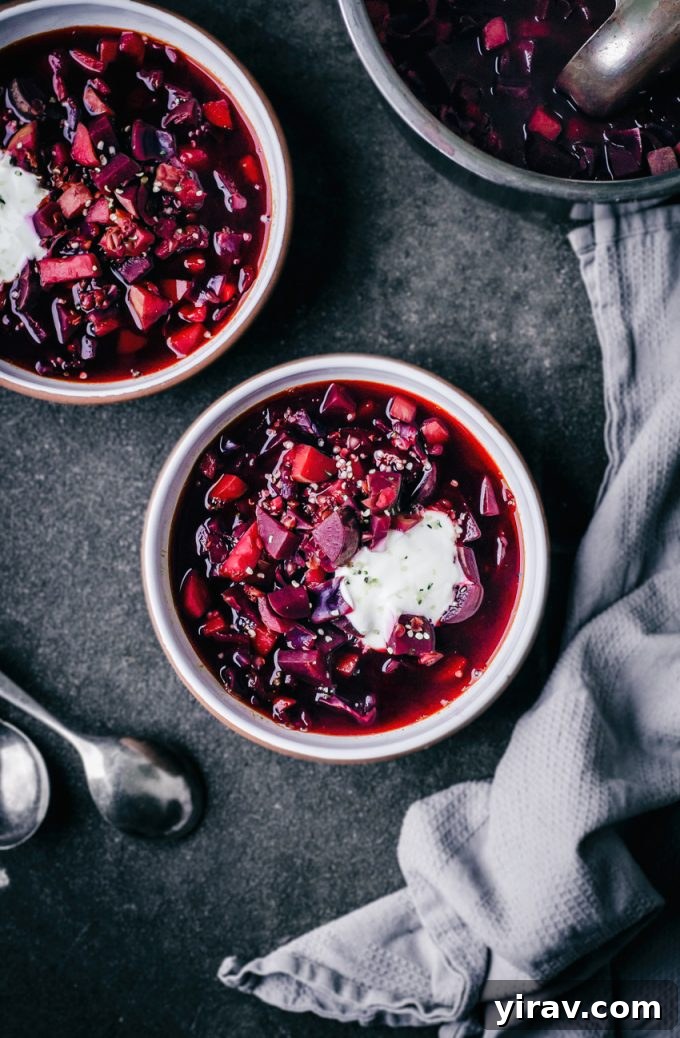
Lentil and Winter Vegetable Borscht
Get the Recipe
Fresh Spring Rolls with Peanut Sauce
Get the Recipe
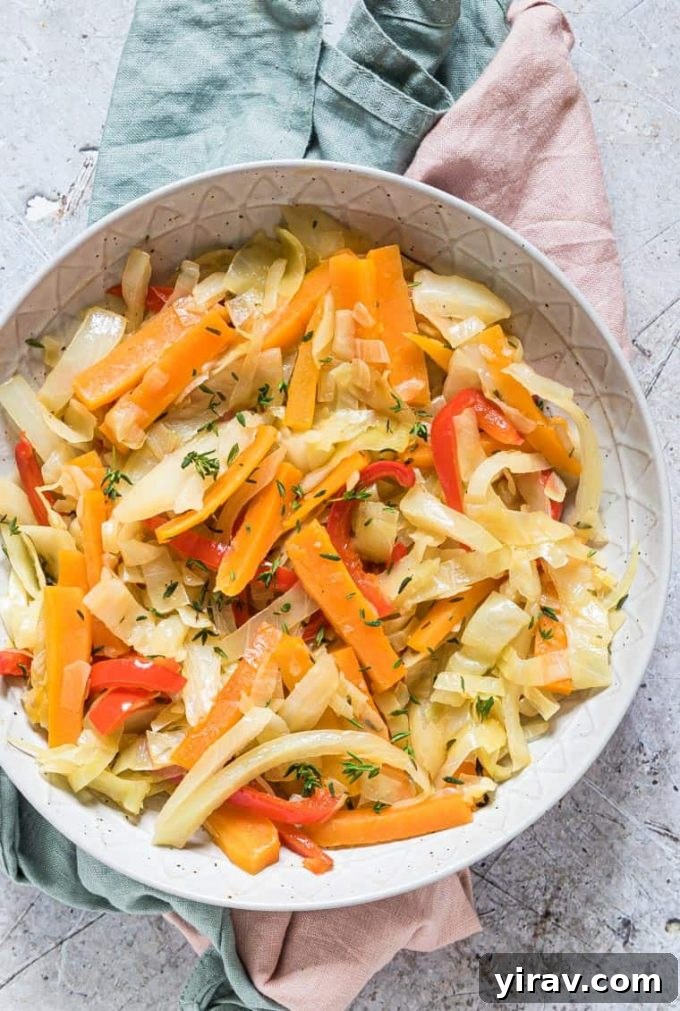
Jamaican Cabbage Recipe
Get the Recipe
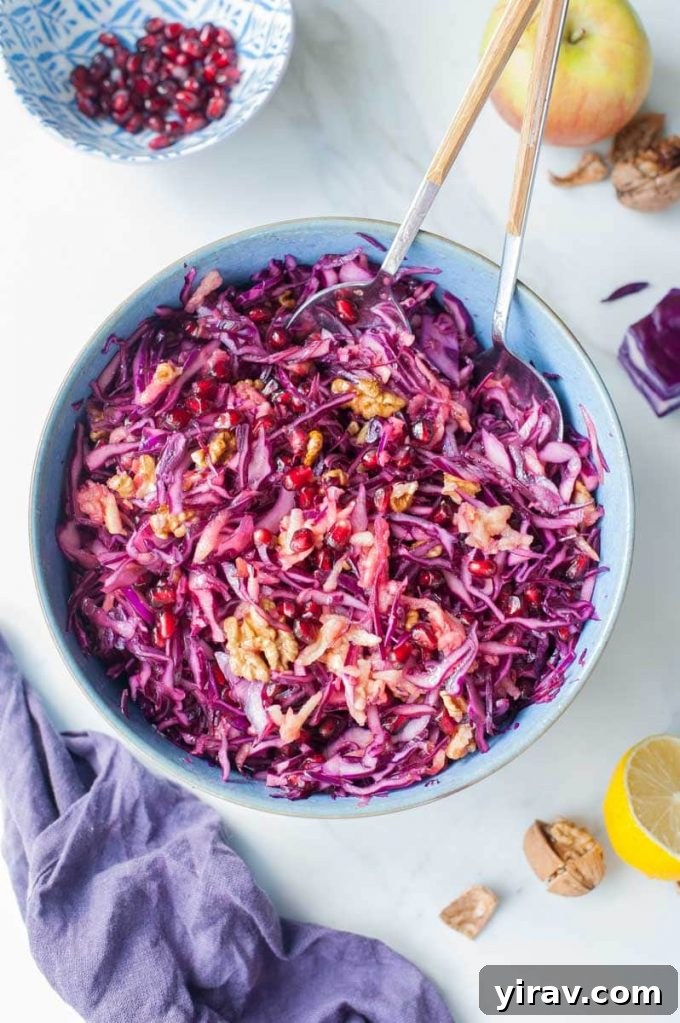
Red Cabbage and Apple Slaw
Get the Recipe
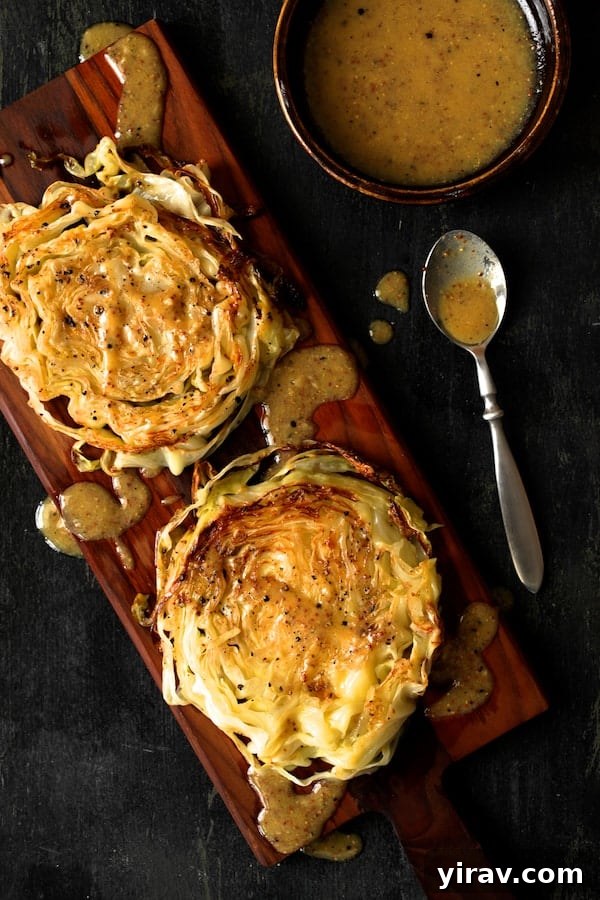
Roasted Cabbage Steaks with Mustard Vinaigrette
Get the Recipe
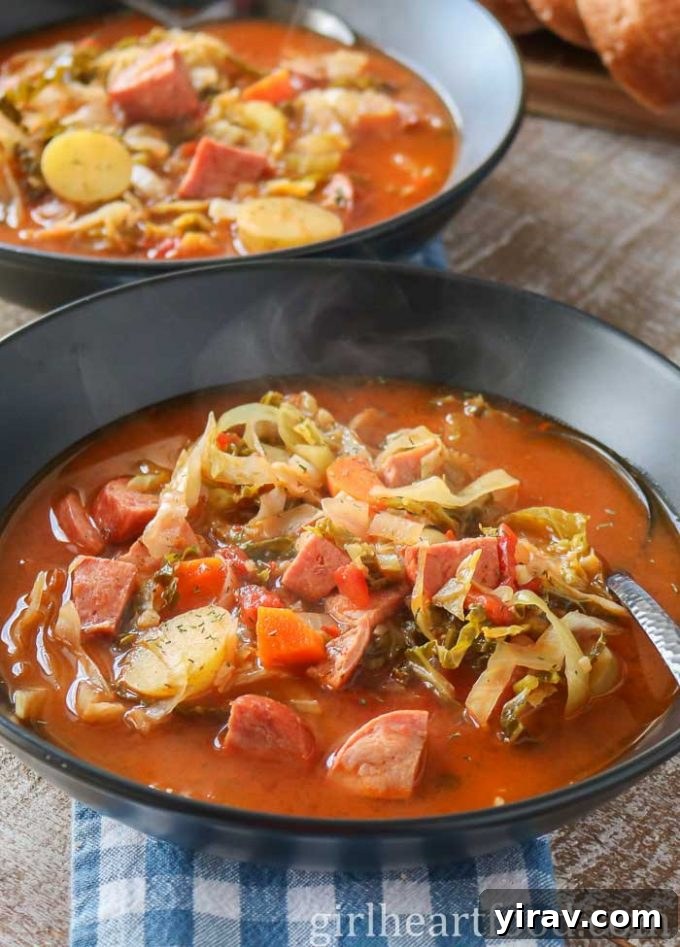
Cabbage Soup with Sausage and Potatoes
Get the Recipe
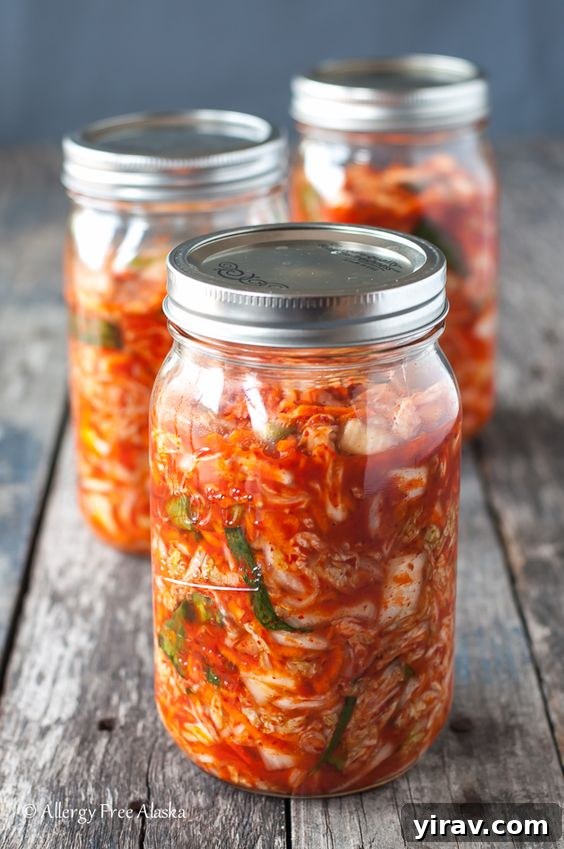
Homemade Kimchi
Get the Recipe
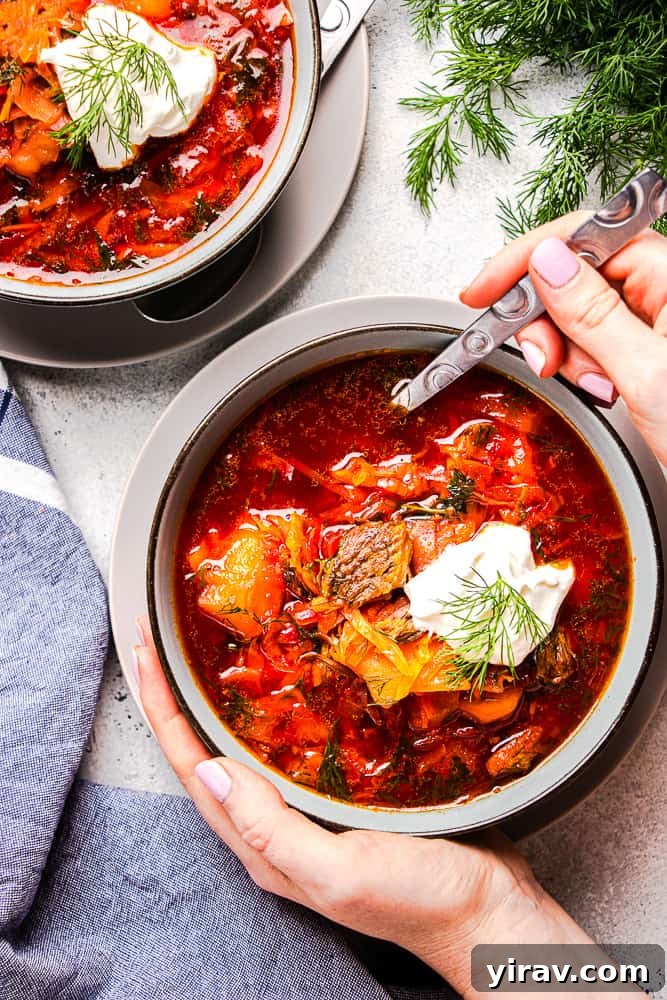
Borscht Soup with Beef
Get the Recipe
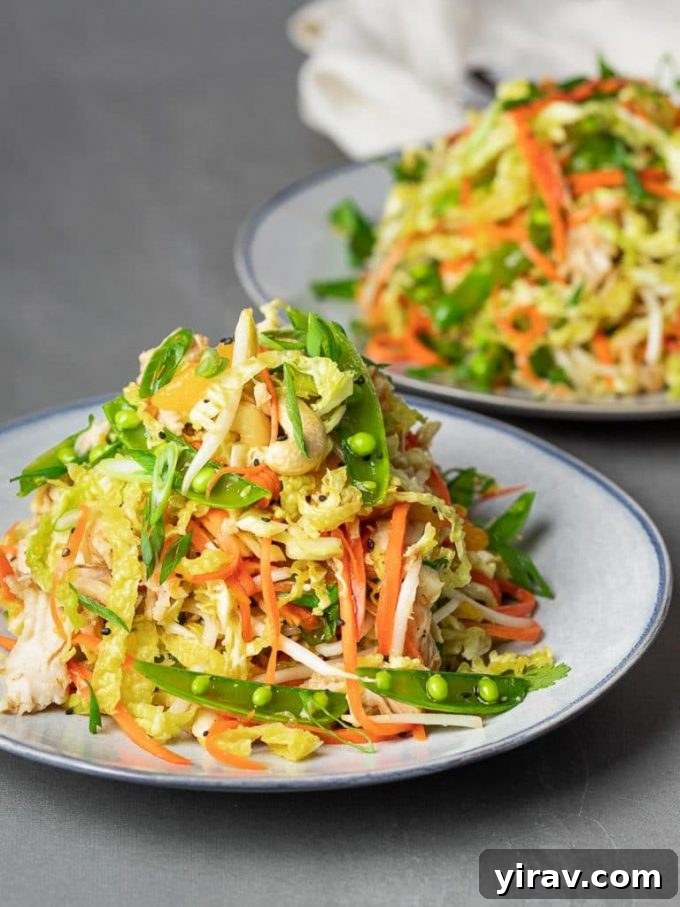
Healthy Chinese Chicken Salad
Get the Recipe
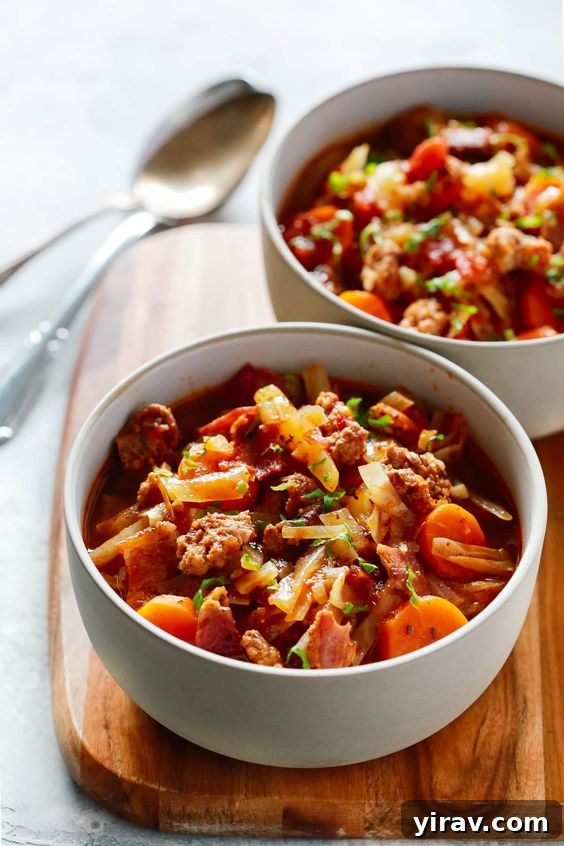
Cabbage and Sausage Stew
Get the Recipe
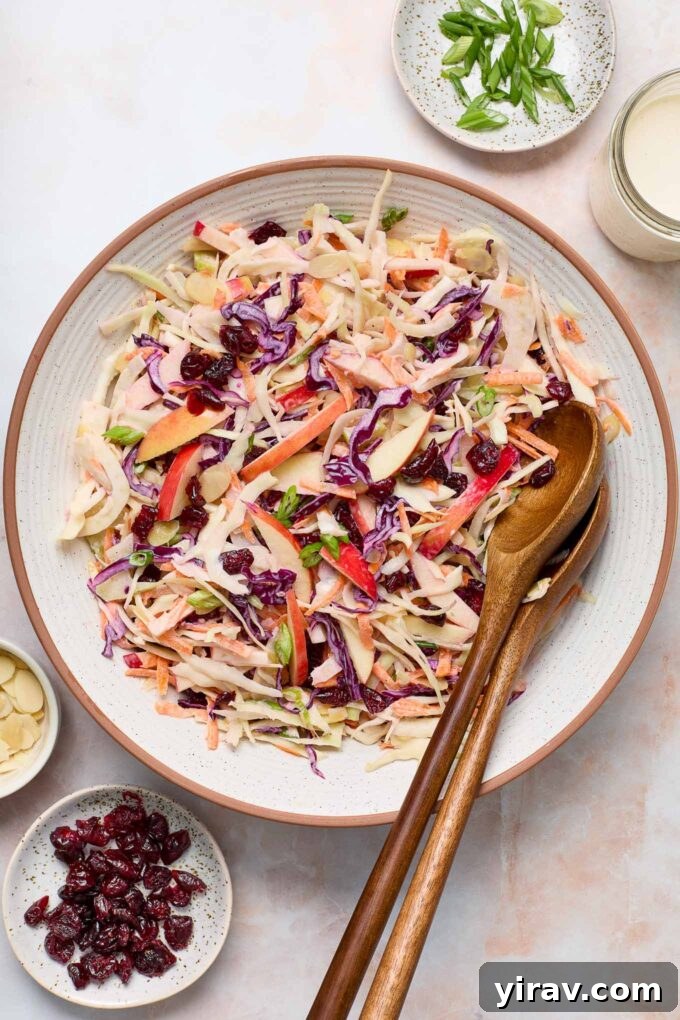
Fennel and Apple Slaw
Get the Recipe
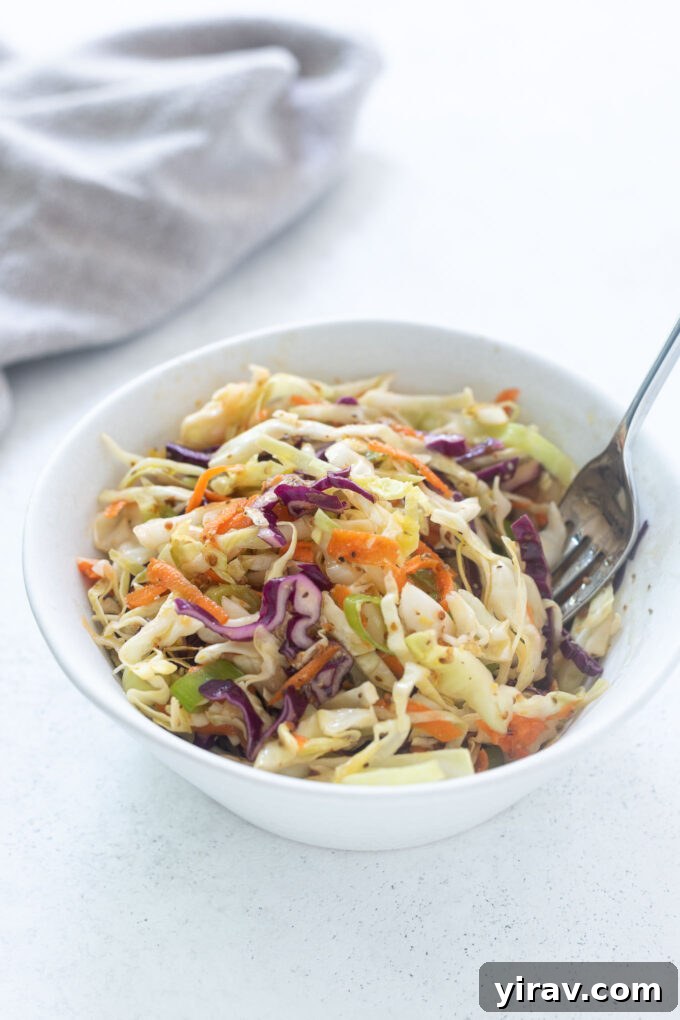
Vinegar Coleslaw Recipe
Get the Recipe
References
- Healthline – 13 Impressive Benefits of Cabbage
- Michelin Guide – 7 Varieties of Cabbage and How To Use Them
- Self Nutrition Data – Cabbage, raw Nutrition Facts
- WikiHow – How to Select and Store Cabbage
More Seasonal Recipe Collections to Explore
If you enjoyed discovering new ways to cook with cabbage, you’ll love these other seasonal produce guides and recipe collections. Expand your culinary repertoire with more fresh and exciting ideas:
- Butternut Squash Recipes
- Chicory Recipes & Produce Guide
- Fennel Recipes
- Leek Recipes
- March Seasonal Produce Guide
- October Seasonal Produce Guide
- Poblano Pepper Recipes
- Swiss Chard Recipes
- Winter Fruits and Vegetables