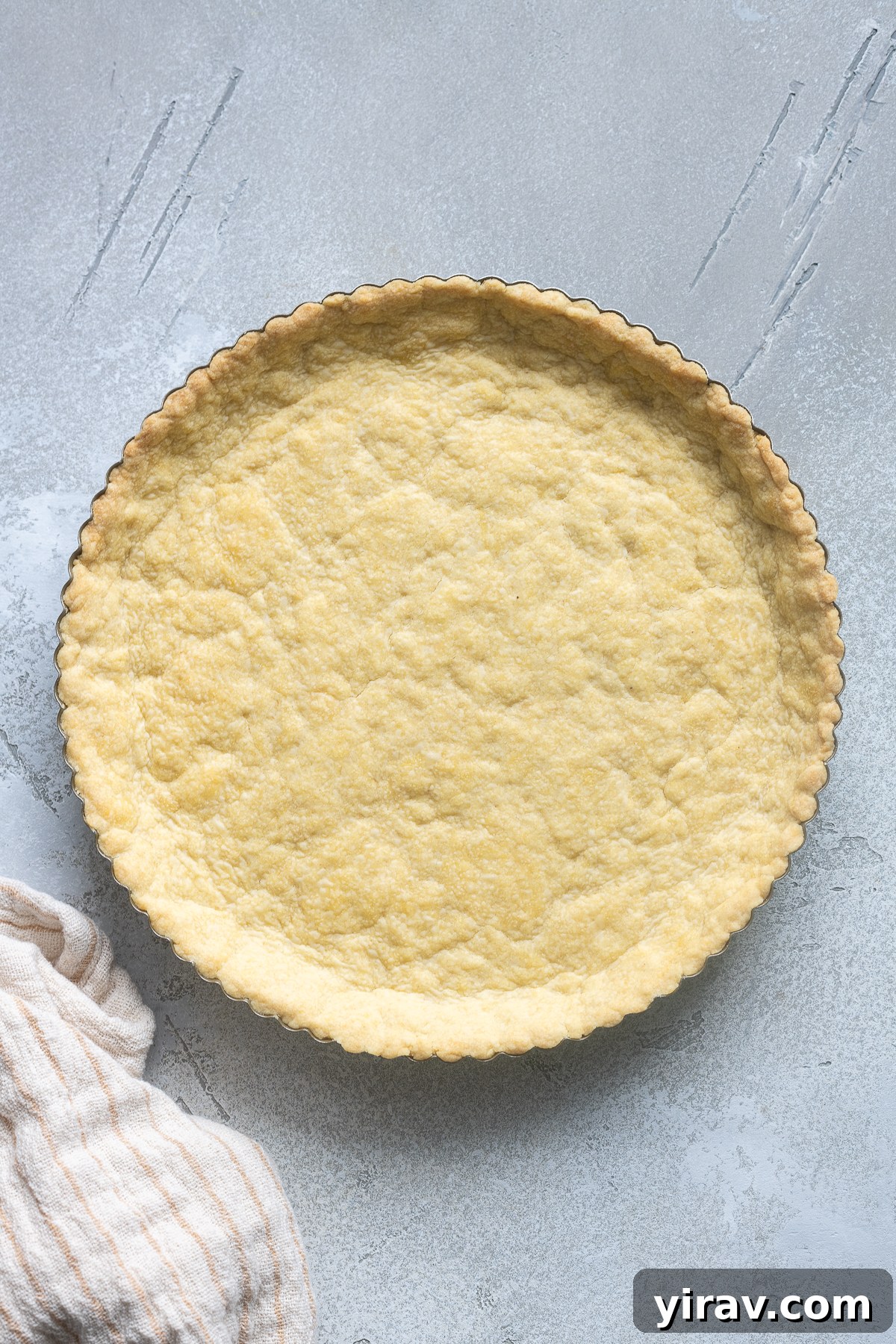
Unlock the secrets to crafting the perfect **Pâte Sucrée**, the quintessential French sweet tart dough that promises a delightful blend of sweetness, rich butteriness, and incredible ease of use. This versatile, press-in tart crust boasts a delicate, shortbread-like texture, requiring no tedious pie weights for baking, and comes together effortlessly in minutes with just a stand mixer or a hand mixer. Prepare to elevate your dessert game with this foundational pastry!
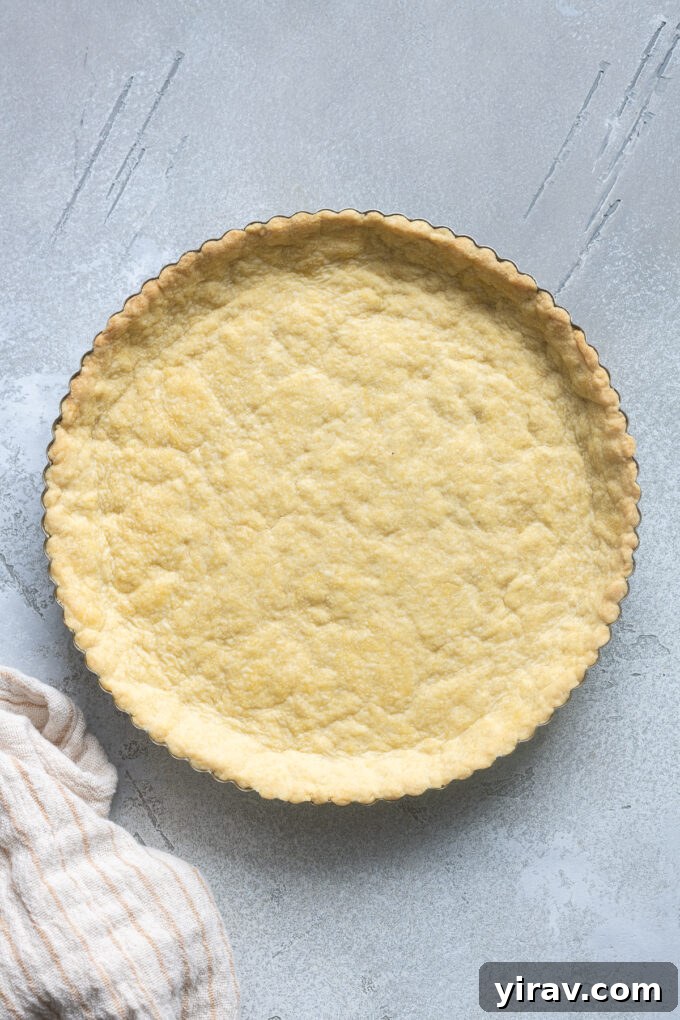
My journey with **Pâte Sucrée** began years ago in a professional cooking school, and it has remained a staple in my kitchen ever since. This classic French sweet tart dough offers a distinct culinary experience, setting it apart from more traditional flaky pie crusts. Its unique composition, featuring both egg yolk and powdered sugar, imparts an exquisitely soft, crumbly texture that beautifully mirrors a rich shortbread cookie.
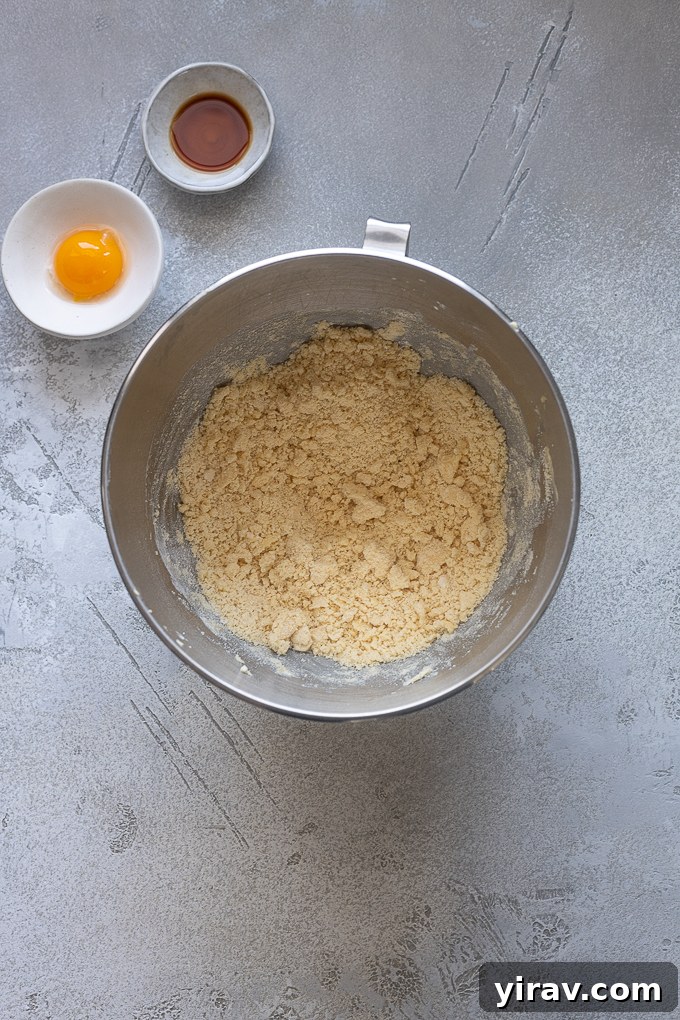
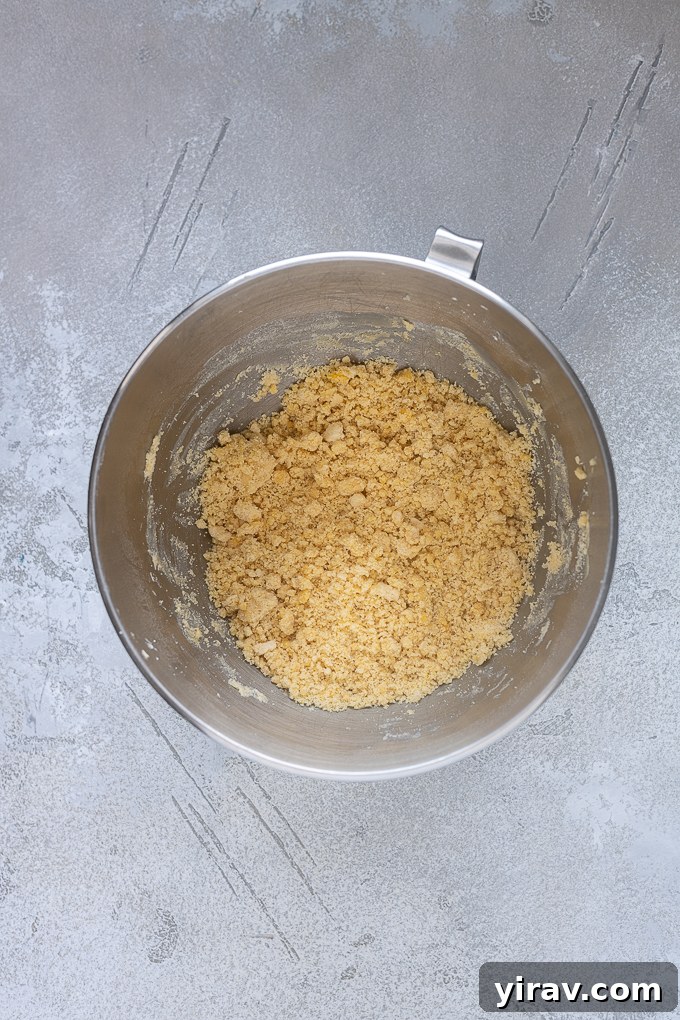
The preparation method for Pâte Sucrée is as straightforward as making shortbread itself. It starts by creaming together softened butter and powdered sugar until light and fluffy. This initial step is crucial for incorporating air and creating that tender, melt-in-your-mouth quality. Following this, the flour is gently mixed in, forming the bulk of the dough. The final touches come with the addition of egg yolk and a hint of vanilla, which introduce essential moisture and a depth of flavor that defines this remarkable pastry.
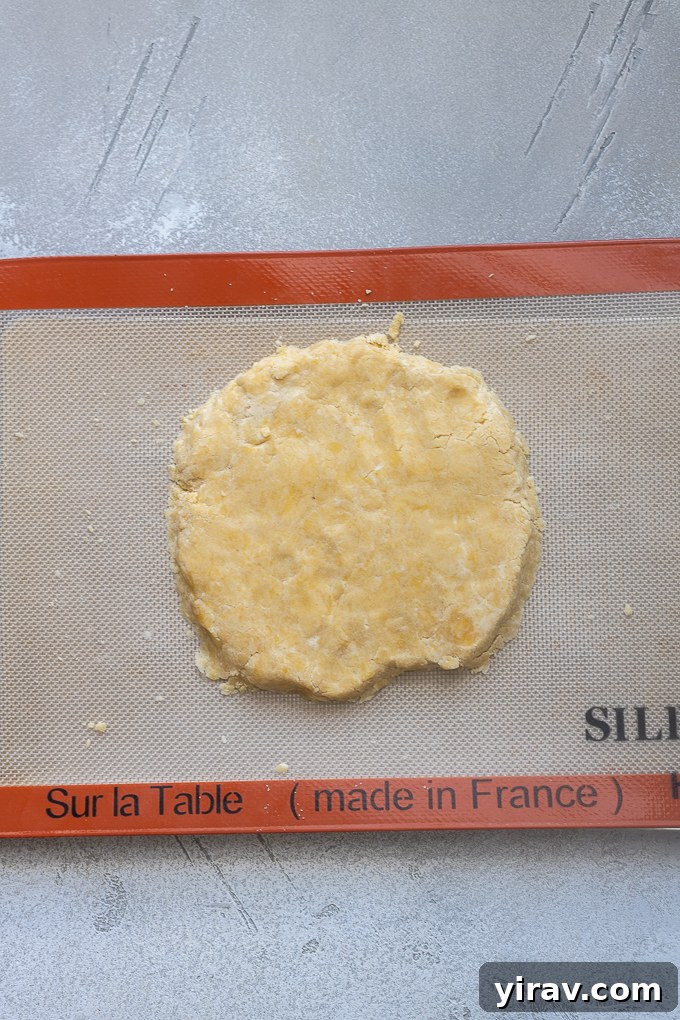
Once assembled, the dough is incredibly cooperative. It effortlessly forms into a manageable disc, ready to be pressed directly into a tart pan – or even a pie pan, if that’s your preference. The forgiving nature of this crust is one of its greatest assets; it doesn’t demand the precision or delicate handling often associated with other pastry doughs. This means no more worries about cracking or tearing, making it an ideal choice for both novice and experienced bakers alike.
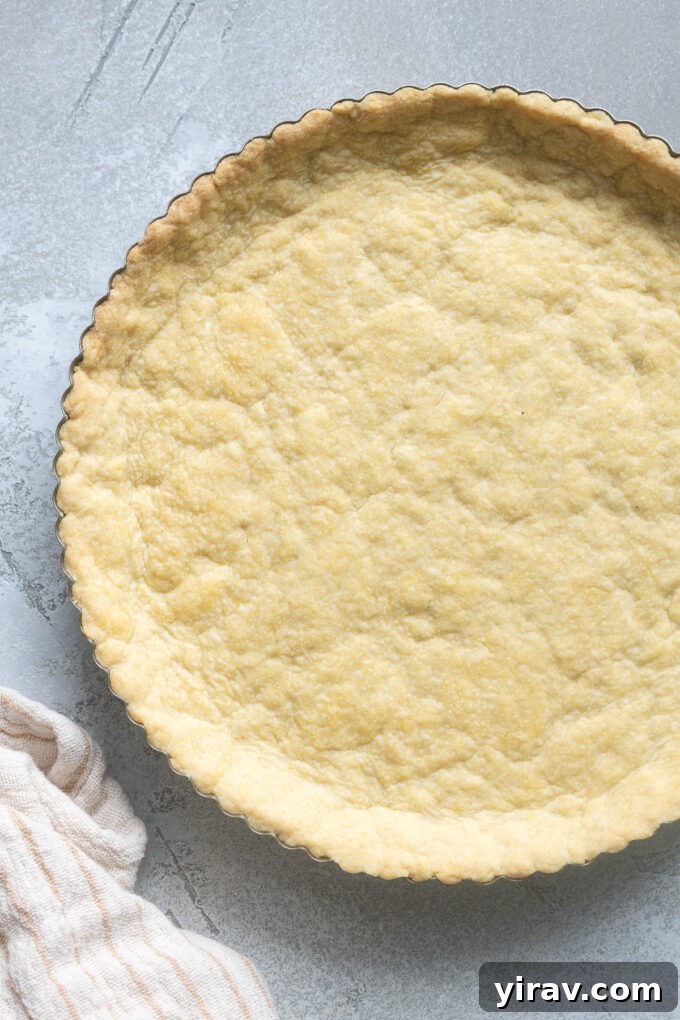
Perhaps one of the most appealing aspects of Pâte Sucrée is its no-fuss baking process. There’s absolutely no need for pie weights to prevent shrinkage, nor do you have to prick the dough with a fork (a process known as docking). It bakes beautifully and evenly on its own, typically achieving a perfect golden hue and a delightful aroma in just about 20 minutes. Mastering this sweet pastry dough is incredibly simple, and you’ll find yourself reaching for this recipe time and again for all your sweet tart creations.
By providing your email address, you agree to receive regular emails from me. You can unsubscribe at any time.
Send me the recipe!
Why You’ll Love This Pâte Sucrée Recipe
- Unmatched Texture and Flavor: This Pâte Sucrée delivers an exquisite soft, tender, and incredibly buttery texture. Its sweet flavor is reminiscent of the finest shortbread cookies, providing the perfect foundation for any sweet tart filling.
- Effortless Preparation: Forget complicated pastry techniques! This recipe comes together in approximately 10 minutes with just a few readily available ingredients and the help of a stand mixer or hand mixer. It’s truly a beginner-friendly recipe that yields professional results.
- Remarkably Easy to Work With: Unlike temperamental pie doughs that require careful handling to prevent toughness, this Pâte Sucrée is a dream. Its soft and pliable nature allows it to be simply pressed directly into the tart pan, eliminating the need for rolling pins and minimizing effort.
- No Pie Weights Required: One of the standout features of this recipe is that it bakes beautifully without the need for pie weights. The dough holds its shape perfectly, resulting in a consistently even and beautifully golden crust every time.
- Perfect for Planning Ahead: This dough is incredibly flexible, allowing you to prepare it up to a few days in advance or freeze it for future use. This makes it an ideal choice for entertaining or when you want to get a head start on your baking projects.
What is Pâte Sucrée? A Classic French Pastry
Pâte Sucrée, literally meaning “sweet pastry” in French, is a fundamental dough in classic French pâtisserie, renowned for its delicate, cookie-like texture and rich, buttery flavor. While often compared to traditional pie crusts or even shortbread, it possesses distinct characteristics that make it ideal for sweet tarts.
Unlike a flaky pie crust (like *pâte brisée*), which aims for distinct layers created by cold butter and minimal handling, Pâte Sucrée is designed to be tender and crumbly. This difference primarily stems from two key ingredients: **powdered sugar** and **egg yolk**. Powdered sugar, with its fine consistency and often a touch of cornstarch, contributes to a melt-in-your-mouth texture that granulated sugar cannot quite achieve. The egg yolk acts as a rich binding agent, adding tenderness and preventing the dough from becoming overly dry or tough. It also contributes to the beautiful golden color of the baked crust.
The preparation method, often referred to as the “creaming method,” also differentiates it. Softened butter and sugar are creamed together first, a technique that incorporates air and contributes to the dough’s characteristic shortbread-like crumb. This contrasts with the “cut-in” method used for flaky pie crusts, where cold butter is cut into flour to create layers.
Pâte Sucrée is the pastry of choice for elegant fruit tarts, chocolate tarts, and creamy custard tarts because its inherent sweetness and sturdy yet tender structure perfectly complement a wide array of sweet fillings. It holds its shape beautifully during baking, minimizing shrinkage and ensuring a pristine appearance for your finished dessert.
Recipe Ingredients: The Essentials
This exquisite tart dough is fundamentally a sweet shortbread-style crust, relying on just a few basic, high-quality ingredients to achieve its signature taste and texture. Each component plays a vital role:
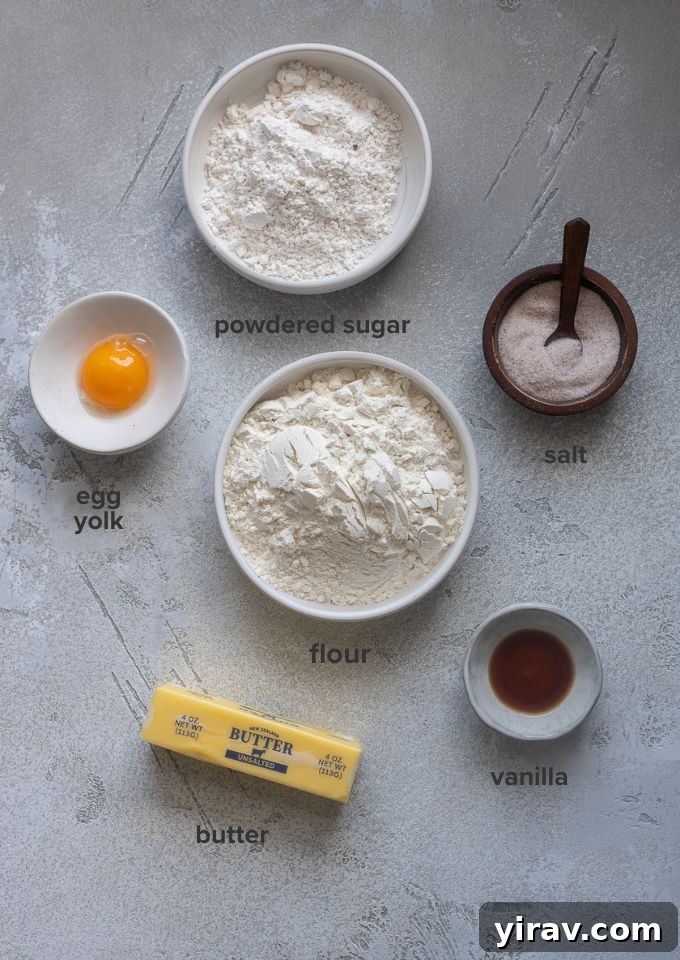
- All-Purpose Flour: The foundation of our dough, providing the necessary structure. Ensure your flour is fresh for the best results. While you can experiment with pastry flour for an even more tender crumb, all-purpose flour works perfectly for a balanced texture.
- Unsalted Butter: This is where the rich, indulgent flavor comes from. Using unsalted butter allows you to control the exact amount of salt in the recipe. It’s crucial that the butter is softened to room temperature—not melted, but pliable enough to cream smoothly with the sugar. This ensures proper emulsification and a consistent dough texture.
- Powdered Sugar (Confectioners’ Sugar): My ingredient of choice for sweetening this tart crust. Beyond its sweetness, powdered sugar is typically blended with a small amount of cornstarch, which is key. The cornstarch helps to inhibit gluten development, resulting in the incredibly soft, tender, and crumbly shortbread-like texture that defines Pâte Sucrée. It also dissolves more readily than granulated sugar, contributing to a smoother dough.
- Large Egg Yolk: This is a crucial binder and a source of richness. The egg yolk adds moisture, emulsifies the dough, and contributes to its delicate texture and golden color. It also helps to prevent the dough from becoming too crumbly, ensuring it holds its shape beautifully.
- Vanilla Extract: A teaspoon of good quality vanilla extract adds a delicious depth and warmth of flavor, complementing the butter and sugar beautifully. Feel free to get creative here; swap it out with your favorite extract such as almond, lemon, or even a hint of orange blossom water for a different aromatic profile.
- Sea Salt: A small pinch of sea salt enhances all the other flavors, balancing the sweetness and making the butteriness truly sing. If you opt for salted butter, remember to omit the added salt from the recipe.
See the recipe card below for the precise measurements and quantities.
How to Make Pâte Sucrée: Step-by-Step
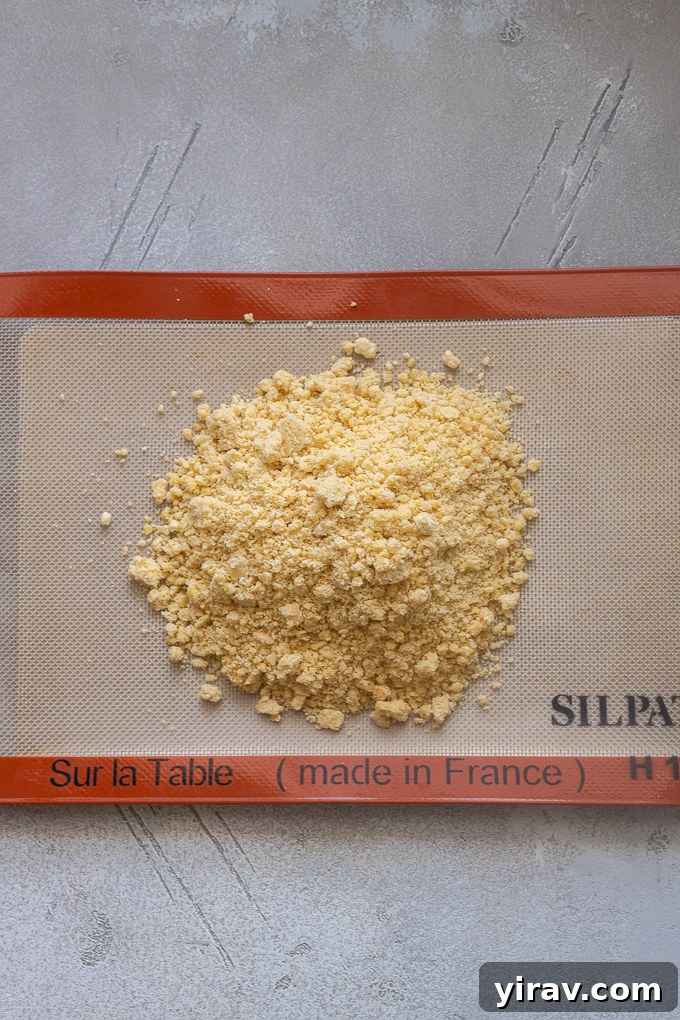
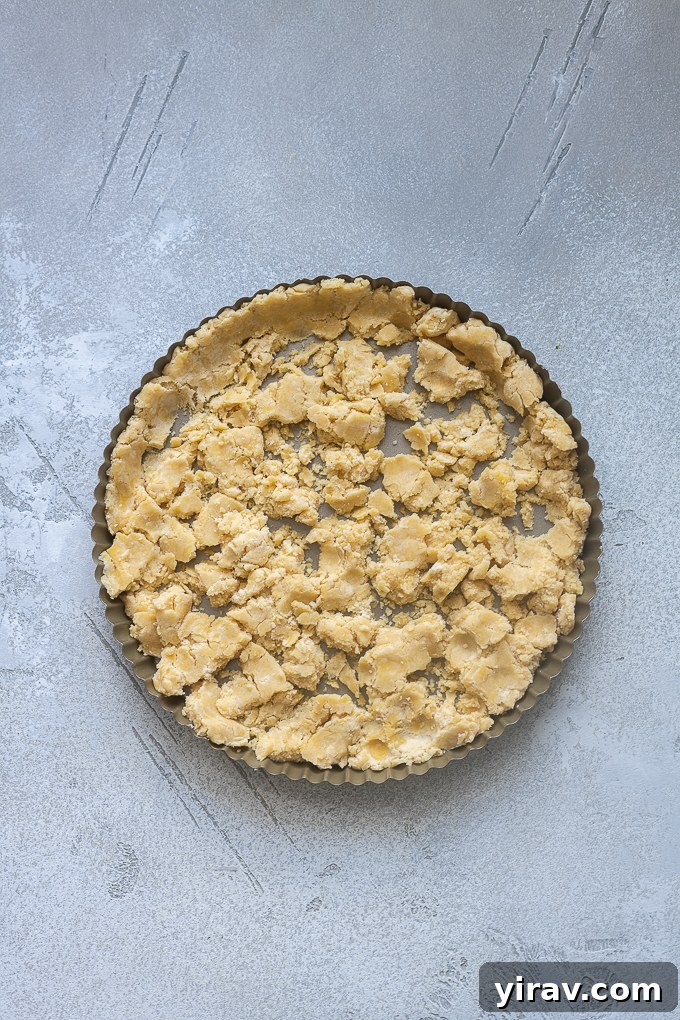
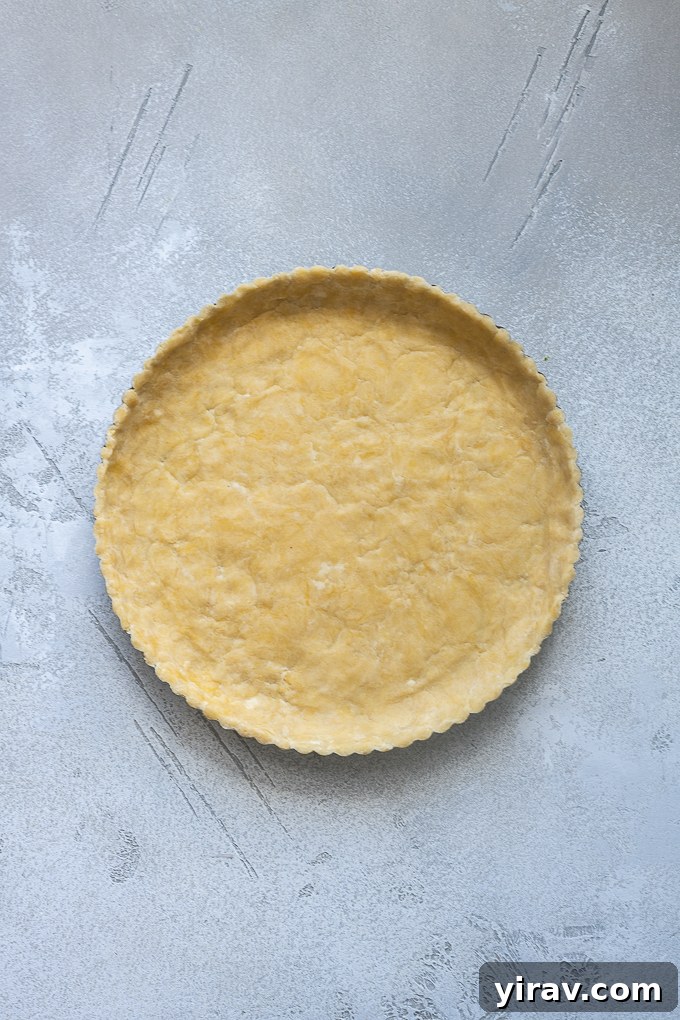
Preparing this homemade sweet tart dough is an incredibly rewarding experience. It’s remarkably simple, yet yields results that are guaranteed to impress. The process mirrors that of classic shortbread dough, coming together seamlessly in a stand mixer. Its soft, buttery consistency means no rolling is required – the dough is simply pressed directly into your tart pan! This unique texture also negates the need for pie weights and eliminates the necessity of docking (pricking with a fork) the tart shell before baking, making the process truly fuss-free.
Pro Tip for Efficiency: This dough is incredibly forgiving and perfect for make-ahead preparation. You can prepare the dough up to 3 days before you plan to use it. Simply form it into a disc, or even press it into your tart pan, then wrap it tightly in plastic wrap and store it in the refrigerator. This allows you to spread out your baking tasks and enjoy fresh tarts with minimal last-minute effort.
For detailed step-by-step instructions, please refer to the comprehensive recipe card at the bottom of this article.
Essential Equipment for Tart Making
While Pâte Sucrée is famously easy to make, having the right tools can make the process even smoother and ensure a beautifully finished product. Here’s what you’ll need:
- Stand Mixer with Paddle Attachment (or Hand Mixer): This is highly recommended for creaming the butter and sugar effectively and incorporating the dry ingredients without overmixing. The paddle attachment is ideal for creating the right texture for this dough.
- 9-inch to 9.5-inch Non-Stick Tart Pan with Removable Bottom: This is the gold standard for Pâte Sucrée. The removable bottom allows for effortless unmolding of your delicate tart crust, preserving its perfect fluted edges. The non-stick coating helps prevent sticking and ensures a clean release.
- Silpat Silicone Baking Mat or Parchment Paper: While not strictly essential for baking the crust (as it’s pressed directly into the pan), a Silpat mat or parchment paper is useful for gathering and shaping the dough into a disc before chilling, or for easily transferring the dough if you choose to roll it out.
- Rubber Spatula: Essential for scraping down the sides of your mixing bowl, ensuring all ingredients are thoroughly incorporated.
- Measuring Cups and Spoons: Accurate measurements are crucial in baking, especially for precise pastry recipes.
If you don’t have a tart pan with a removable bottom, a regular pie plate can work in a pinch. However, be aware that unmolding might be trickier, and the overall aesthetic might differ slightly. Investing in a good tart pan is highly recommended for anyone who loves making sweet tarts.
Common Questions About Pâte Sucrée (FAQs)
Absolutely! If you don’t own a 9-inch to 9½-inch non-stick tart pan with a removable bottom, a standard 9-inch pie plate will work just fine. However, it’s important to choose a pie plate that is somewhat shallow, with sides coming up about 1 to 1¼ inches. Avoid deep-dish pie plates, as the dough might not extend far enough, or the proportions of crust to filling could be off. When using a pie plate, the baking time may vary slightly due to differences in heat distribution and depth. Start checking for doneness after 15 minutes, and continue baking for up to 20-22 minutes, or until the crust is beautifully golden brown and emits a fragrant shortbread-like aroma.
While the beauty of this Pâte Sucrée recipe lies in its press-in method, which is incredibly simple and convenient, you certainly have the option to roll it out if you prefer a more traditional approach. To do so, chill the dough for about 15-30 minutes after forming it into a disc. This brief chilling period will make it firmer and easier to handle. Then, roll it out on a lightly floured surface to your desired thickness. You can follow similar rolling techniques as described in my flaky pie crust recipe, keeping in mind Pâte Sucrée is more tender. Be gentle, as this dough is softer than a typical pie crust.
No, one of the wonderful advantages of this soft, buttery Pâte Sucrée dough is that pie weights are entirely unnecessary. Its unique composition helps it hold its shape perfectly during baking, preventing shrinkage and puffing. There’s also no need to dock (prick with a fork) the dough, saving you an extra step. It truly stays beautifully in place, resulting in a perfectly even crust every time.
No, for the immediate press-in method, there is no strict requirement to chill the dough before pressing it into the pan. The dough is designed to be soft and pliable, making it easy to work with at room temperature. However, if you’ve prepared the dough in advance and stored it in the refrigerator, it will be quite firm. In this case, allow it to stand at room temperature for a few minutes until it softens enough to be easily pressed into the pan without cracking.
Proper storage is key to making this recipe work for your schedule:
- Unbaked Tart Shell (Refrigerated): To store unbaked tart dough, form it into a disc, then wrap it tightly in plastic wrap. It can be kept in the refrigerator for up to 3 days. Alternatively, you can press the dough into the tart pan you plan to use, wrap the entire pan tightly with plastic wrap, and store it in the refrigerator for up to 3 days.
- Freezing Tart Dough: For longer storage, shape the dough into a disc and wrap it tightly in plastic wrap, followed by a layer of aluminum foil for extra protection against freezer burn. It can be frozen for up to 3 months. When you’re ready to use it, thaw the dough overnight in the refrigerator the day before you plan to bake.
- Baked Tart Shell (Refrigerated): A fully baked and cooled Pâte Sucrée crust can be stored, wrapped loosely or in an airtight container, at room temperature for up to 2 days, or in the refrigerator for up to 4-5 days.
Best Ways to Use This Versatile Sweet Tart Dough
The beauty of Pâte Sucrée lies in its incredible versatility, serving as the perfect foundation for an endless array of sweet creations. Its buttery, subtly sweet flavor complements almost any filling. Here are just a few of my favorite ways to utilize this delightful dough:
- Classic French Fruit Tart: This is arguably the most iconic use for Pâte Sucrée. Fill your perfectly baked crust with silky homemade pastry cream (crème pâtissière) and artfully arrange a vibrant assortment of fresh seasonal fruits on top. It’s the ultimate dessert for spring and summer, showcasing both elegance and natural sweetness.
- Zesty Citrus Tarts: For a bright and refreshing dessert, fill the baked crust with luscious homemade lemon curd or a tangy lime curd. The sweet pastry provides a beautiful contrast to the sharp citrus notes. Finish with a dollop of homemade whipped cream or creamy coconut whipped cream for an irresistible treat.
- Indulgent Chocolate Ganache Tart: Transform your Pâte Sucrée into a chocolate lover’s dream by pouring my rich chocolate ganache recipe into the baked and cooled tart shell. The crisp, buttery crust provides the perfect counterpoint to the smooth, intense chocolate. Garnish with fresh raspberries, a sprinkle of sea salt, or delicate chocolate shavings for an elevated finish.
- Nut Tarts: Think pecan pie, but with a refined French touch. A Pâte Sucrée crust makes an exceptional base for rich, sticky nut fillings, offering a more delicate crunch than traditional pie crusts.
- Cream Tarts: Beyond pastry cream, this crust is ideal for various cream-based fillings like vanilla bean cream, coffee cream, or even a light mascarpone cream, offering endless possibilities for flavor combinations.
Troubleshooting Your Pâte Sucrée
Even with an easy recipe like Pâte Sucrée, occasional hiccups can occur. Here are some common issues and how to resolve them:
- Dough is too crumbly: If your dough feels excessively dry and won’t come together, it likely needs a bit more moisture. Add cold water, one teaspoon at a time, mixing gently until the dough just comes together. Be careful not to add too much, as this can make it sticky.
- Dough is too sticky: This usually happens if your butter was too soft (partially melted) or if you added too much liquid. If it’s slightly sticky, try chilling it for 15-30 minutes. If it’s very sticky, you can try adding a tablespoon or two of flour, but avoid overworking it.
- Crust shrinks during baking: While Pâte Sucrée is less prone to shrinking than other doughs, it can still happen if the dough is overmixed (developing too much gluten) or if it’s too warm when placed in the oven. Ensure your butter is softened, not melted, and avoid excessive kneading or mixing after the flour is added. A brief chill (15 minutes) before baking can also help stabilize it.
- Soggy bottom: To prevent a soggy bottom, ensure your tart shell is fully baked until golden brown before adding any liquid fillings. For very moist fillings, you might consider brushing the pre-baked crust with a thin layer of melted white chocolate or egg wash before filling to create a barrier. Always cool the crust completely before adding fillings.
- Edges are browning too quickly: If the edges of your tart are getting too dark before the rest of the crust is done, you can loosely cover them with strips of aluminum foil during the last part of the baking time.
Make-Ahead and Storage Tips
One of the many benefits of Pâte Sucrée is its excellent make-ahead potential, making it perfect for efficient meal planning or entertaining:
- Prepare the Dough in Advance: You can prepare the raw dough up to 3 days before you intend to use it. After shaping it into a disc, wrap it tightly in plastic wrap to prevent it from drying out, and store it in the refrigerator.
- Store Pressed-In Crust: For even greater convenience, you can press the dough into your tart pan, then wrap the entire pan tightly with plastic wrap. This prepped crust can also be stored in the refrigerator for up to 3 days. This method saves significant time on baking day.
- Softening Chilled Dough: If you’ve chilled the dough (either as a disc or in the pan), it will be quite firm when it comes out of the refrigerator. Allow it to sit at room temperature for 10-20 minutes before attempting to press it into the pan or work with it, as this will make it much more pliable and prevent cracking.
- Freezing Raw Dough: For long-term storage, shape the dough into a disc, then wrap it securely in plastic wrap, followed by a layer of aluminum foil. This double wrapping helps prevent freezer burn. The dough can be frozen for up to 3 months. To use, transfer it to the refrigerator to thaw overnight before proceeding with the recipe.
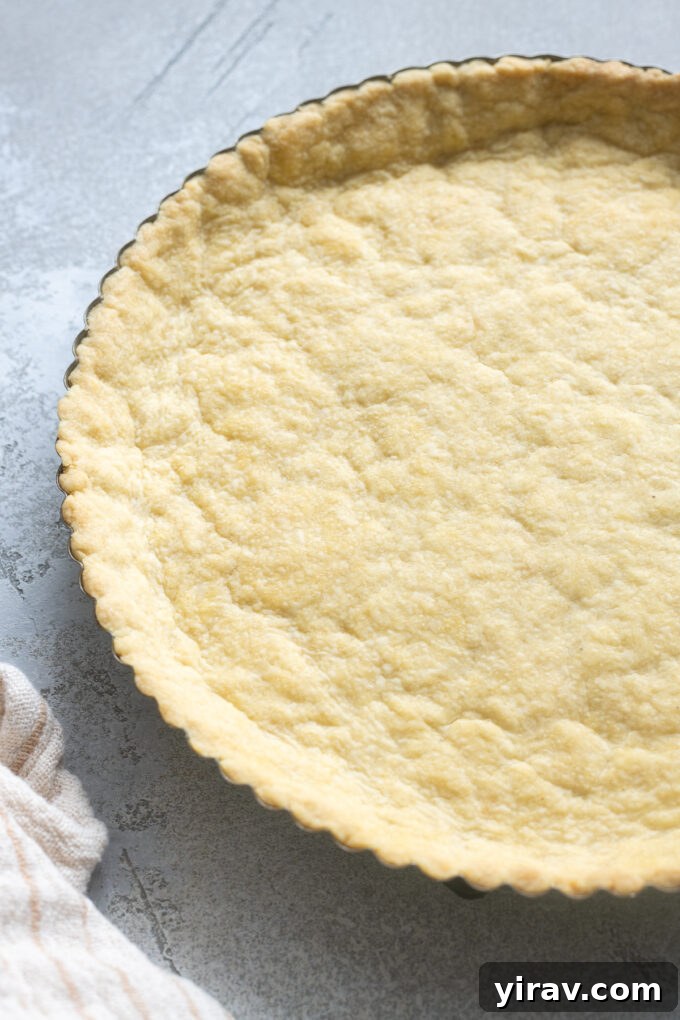
- Storing Baked Crust: Once baked and completely cooled, the Pâte Sucrée crust can be stored at room temperature, loosely covered or in an airtight container, for up to 2 days. For slightly longer storage, you can refrigerate it for up to 4-5 days. Ensure it’s fully cooled before covering to prevent condensation and sogginess.
More Delightful Dessert Recipes to Explore
If you enjoyed making this Pâte Sucrée, you’ll love exploring other exquisite dessert recipes from my collection:
- Classic Apple Tarte Tatin
- Rustic Blueberry Galette
- Wholesome Breakfast Fruit Tarts
- Irresistible Easy Lemon Bars
Did you try this recipe? If so, be sure to leave a review below and tag me @flavorthemoments on Facebook and Instagram!
Pâte Sucrée (Sweet Tart Dough)
Servings:
8
servings
10 minutes
20 minutes
30 minutes
Pin Recipe
reviews
Leave a Review »
Equipment
-
Tart pan
-
Silpat Silicone Baking Mat, Full Size
Ingredients
- 1 stick unsalted butter 4 ounces; softened to room temperature
- 1/2 cup powdered sugar
- 1 1/4 cup all purpose flour
- 1/4 teaspoon sea salt omit if using salted butter
- 1 large egg yolk
- 1 teaspoon vanilla extract
Instructions
-
In a stand mixer fitted with the paddle attachment (or using a regular hand mixer), cream together the softened unsalted butter and powdered sugar on low speed until just combined. Increase the speed to medium and beat for about 2 minutes until the mixture is light, fluffy, and pale. Be sure to scrape down the sides of the bowl as needed to ensure even mixing.1 stick unsalted butter, 1/2 cup powdered sugar
-
Add the all-purpose flour and sea salt (if using) to the creamed mixture. Beat on low speed until the flour is just incorporated, again scraping down the sides of the bowl. Next, add the large egg yolk and vanilla extract. Beat on medium-low speed until all ingredients are combined and the dough begins to form moist, clumpy crumbs that hold together when squeezed. If the dough appears too dry and isn’t coming together, add a tablespoon (or a bit more if needed) of cold water and mix until combined, being careful not to overmix.1 1/4 cup all purpose flour, 1/4 teaspoon sea salt, 1 large egg yolk, 1 teaspoon vanilla extract
-
Pour the dough out onto a Silpat baking mat or a clean work surface. Gently gather the dough and press it together with your hands, shaping it into a smooth, flat disc. At this stage, you have the option to wrap the disc tightly with plastic wrap and store it in the refrigerator for 1-2 days, or freeze it for longer storage.
-
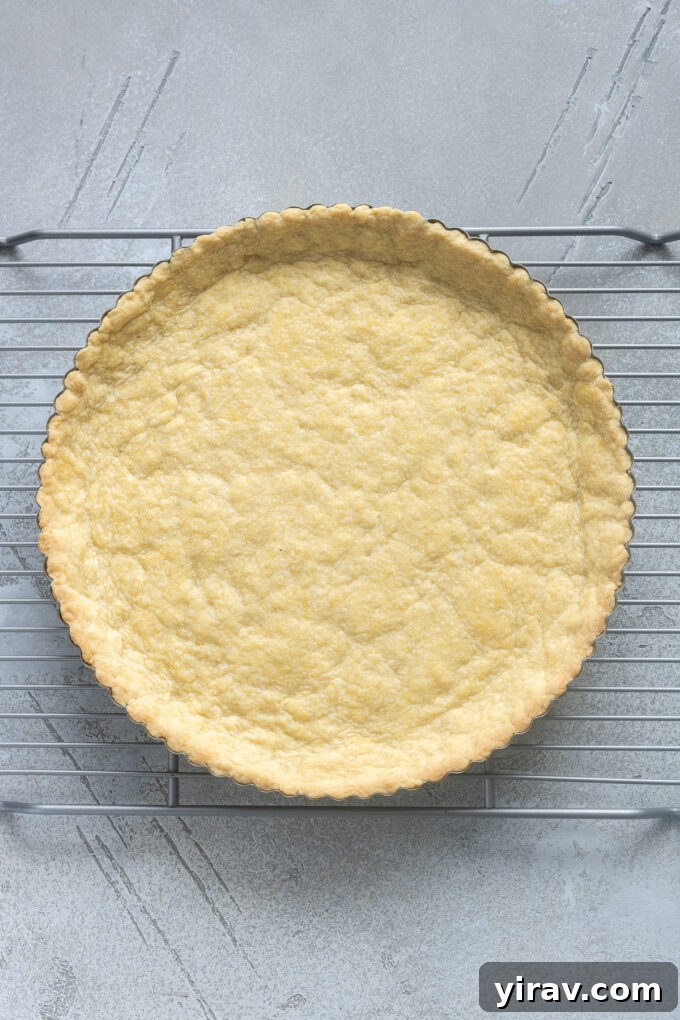
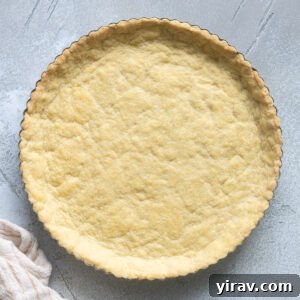
Preheat your oven to 350°F (175°C). Tear the dough into several small chunks and evenly distribute them across the bottom of a non-stick 9-inch to 9½-inch tart pan with a removable bottom. Using your fingers or the bottom of a small, flat glass, gently press the dough into the edges of the pan, then evenly across the bottom, ensuring a consistent thickness throughout. You can also cover the pressed-in dough with plastic wrap and store it in the refrigerator for up to 1 day before baking. Bake the crust for 20 minutes, or until it is lightly golden brown and smells like freshly baked shortbread. Baking times can vary between ovens, so for best results, start checking for doneness after 15 minutes.
-
Once baked, remove the tart crust from the oven and allow it to cool completely on a wire rack before attempting to fill it. This prevents any condensation and ensures the crust remains crisp. Fill with your favorite fillings such as pastry cream, lemon curd, chocolate ganache, or fresh fruits. Enjoy your homemade, perfectly sweet tart!
Notes
- Pro Tip: Prepare the dough up to 3 days before you plan to use it. You can form it into a disc, or press it into the pan and wrap it tightly in plastic wrap and store it in the refrigerator.
- Use powdered sugar for this tart dough to achieve its signature soft, shortbread-like texture.
- If you don’t have a non-stick tart pan with a removable bottom, you can use a 9-inch pie plate (avoid deep dish versions). Be aware that baking time may take a few minutes longer and unmolding may be trickier.
- If you make the dough in advance and refrigerate it, allow it to come to room temperature for 10-20 minutes to soften before pressing it into the pan easily.
- To freeze, shape the dough into a disc and wrap tightly in plastic wrap, followed by aluminum foil. Freeze the dough for up to 3 months. Thaw overnight in the refrigerator before use.
Nutrition
Nutrition is estimated using a food database and is only intended to be used as a guideline for informational purposes.