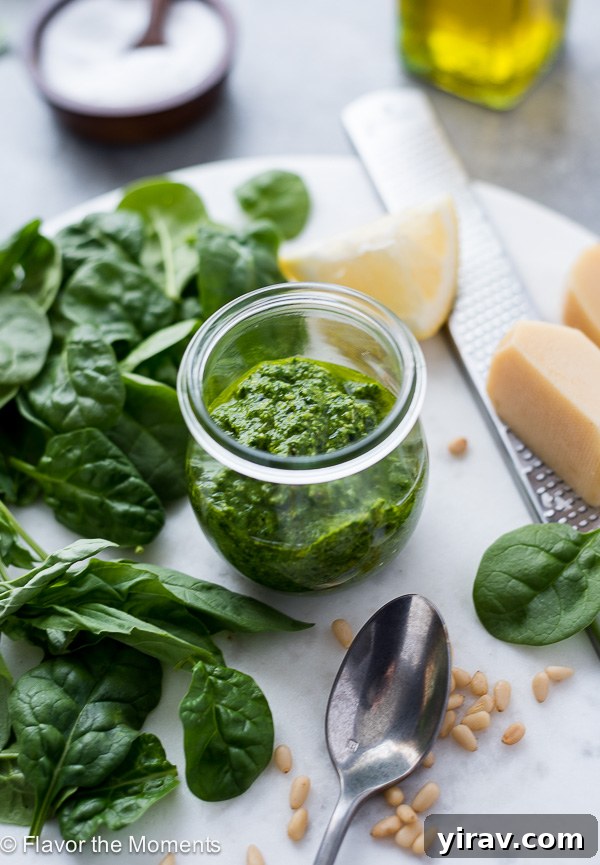
Unlock the secret to an incredibly versatile and flavorful sauce with this ultimate guide on how to make pesto sauce. Forget the limitations of basil and pine nuts – this recipe empowers you to create delicious homemade pesto using virtually any greens, from vibrant spinach and hearty kale to even the often-discarded carrot tops. Master this simple technique and elevate your culinary creations with a fresh, customizable sauce in just a few easy steps!
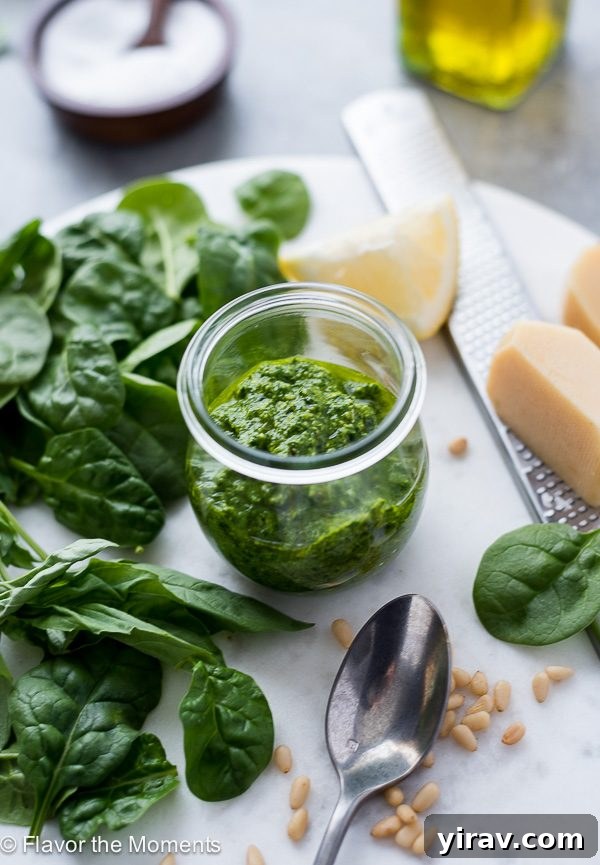
Years ago, I watched a friend effortlessly whip up a batch of homemade pesto sauce, and I was genuinely impressed. Like many home cooks, I assumed pesto was a complex gourmet creation, strictly bound by a handful of traditional ingredients. Little did I know, the art of making pesto from scratch is not only impressive but also remarkably straightforward and incredibly adaptable. Over time, this vibrant sauce has become one of my most cherished and frequently prepared recipes, transforming everyday meals into something extraordinary.
Learning how to make pesto sauce is a game-changer for any kitchen enthusiast. It’s more than just a sauce; it’s a foundational skill that opens up a world of flavor possibilities and helps reduce food waste by utilizing ingredients you already have on hand. This comprehensive guide will walk you through the simple process, showing you how to harness the power of diverse greens, aromatic herbs, and various nuts or seeds to create your perfect pesto blend. Get ready to experience the magic – it truly is a culinary revelation!
Never Miss a Delicious Recipe!
Sign up to receive our latest recipes and cooking tips directly in your inbox. We promise only delicious content!
Why You’ll Love This Versatile Pesto Recipe
If you’re looking to add a burst of fresh flavor to your meals without spending hours in the kitchen, this homemade pesto recipe is for you. Here’s why it’s destined to become a staple in your cooking repertoire:
- Unleash Culinary Creativity: This guide teaches you how to make pesto sauce with an extensive array of greens, herbs, and nuts. It’s a fantastic way to utilize whatever fresh ingredients you have on hand, transforming them into a vibrant, delicious sauce. Whether you’ve got a garden overflowing with spinach or a handful of leftover carrot tops, this recipe encourages experimentation and reduces food waste.
- Effortless Meal Prep: Pesto is an ideal make-ahead component for busy weeks. It can be easily stored in the fridge for up to a week, or frozen for several months, allowing you to have a ready-to-use flavor booster whenever you need it. This convenience makes healthy, flavorful meals achievable even on the busiest days.
- Unmatched Versatility: Far from being just a pasta topping, homemade pesto sauce is incredibly adaptable. It serves as a fantastic accompaniment to a wide variety of dishes, from succulent grilled meats and seafood to vibrant grilled vegetables, savory eggs, hearty grain bowls, and of course, classic pasta dishes. Its bright, herbaceous profile instantly elevates any plate.
- Healthy & Wholesome: By using fresh greens and healthy fats from nuts and olive oil, this pesto recipe offers a nutritious boost to your diet. It’s packed with vitamins, antioxidants, and beneficial compounds, making it a delicious way to incorporate more wholesome ingredients into your everyday cooking.
Essential Pesto Sauce Ingredients & Clever Substitutions
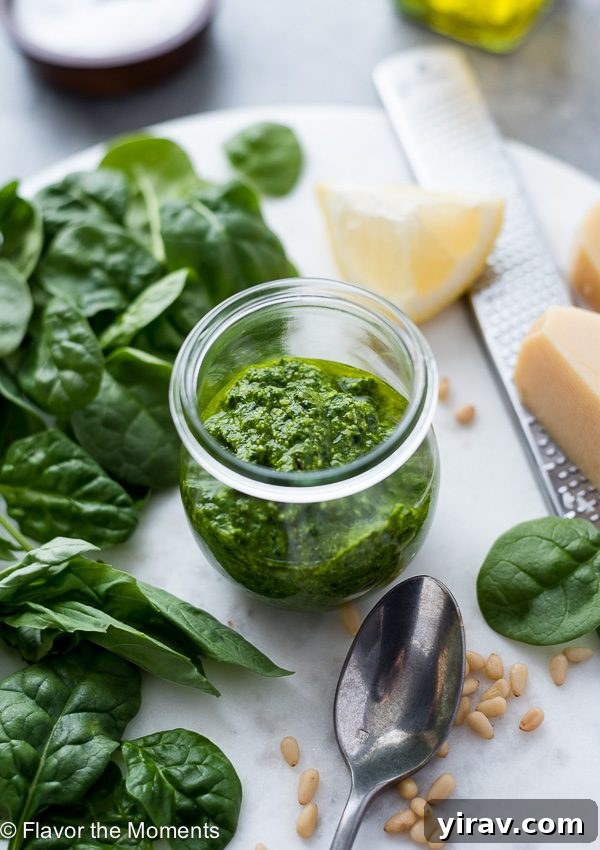
Traditionally, pesto alla Genovese is made with a precise blend of fresh basil, garlic, pine nuts, Parmesan or Pecorino cheese, and high-quality olive oil. However, the beauty of modern cooking lies in its flexibility! Today, we embrace a more expansive view of pesto, recognizing that its core principle – pounding together fresh ingredients into a vibrant paste – can be applied to countless combinations. This adaptability means you can enjoy delicious homemade pesto even when classic ingredients aren’t available or when you simply want to experiment.
No basil? No problem! Those expensive pine nuts out of budget? We have solutions. You truly don’t need to adhere rigidly to tradition to make an outstanding pesto. The key is understanding the role each component plays and how different ingredients can provide similar textures and flavor profiles.
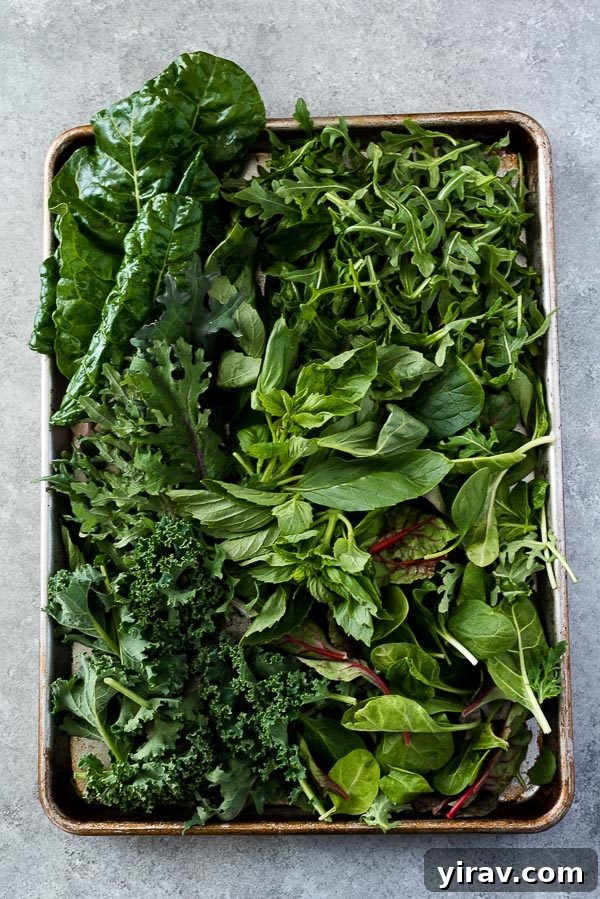
You can use a single type of green or herb, or get creative with a combination of two or more. I’ve personally experimented with and had fantastic results using all the following ingredients:
- Greens & Herbs: This is where the magic happens!
- Leafy Greens: Spinach (mild, adds body), power green blend (convenient, diverse nutrients), arugula (peppery kick), Swiss chard (earthy, slightly bitter), kale (hearty, nutrient-dense, use baby kale or de-stemmed dinosaur kale for best texture), and even carrot tops (surprisingly fresh and herbaceous, a great way to reduce food waste!).
- Fresh Herbs: Basil (classic, sweet, aromatic), cilantro (bright, citrusy, for a Mexican-inspired twist), parsley (fresh, clean, slightly peppery), and mint (cooling, refreshing, pairs wonderfully with lamb or peas).
Don’t be afraid to mix and match! A combination of half greens and half herbs often yields a beautifully balanced flavor, but any ratio can truly work depending on your preference.
- Nuts & Seeds: These provide texture, richness, and often a subtle nutty flavor.
- Classic & Beyond: Pine nuts (the traditional choice, buttery), walnuts (earthy, robust), pecans (buttery, slightly sweet), almonds (mild, creamy), pistachios (vibrant color, distinct flavor), pepitas (pumpkin seeds, mild, slightly sweet), and sunflower seeds (nutty, affordable). Toasting your nuts or seeds beforehand significantly enhances their flavor profile.
- Garlic: A single clove of fresh garlic provides that essential aromatic punch. Adjust to your taste – some prefer a milder garlic presence, while others enjoy a more pronounced flavor.
- Cheese:
- Traditional: Freshly grated Parmesan or Pecorino Romano cheese adds a salty, umami depth.
- Vegan/Dairy-Free Alternative: If you’re following a vegan, paleo, or Whole30 diet, or simply don’t have cheese on hand, feel free to omit it completely. You can also substitute it with nutritional yeast for a cheesy, savory umami flavor without the dairy. I’ve often left out the Parmesan and been delighted with the outcome!
- Olive Oil: Use a good quality extra virgin olive oil. Its flavor will be prominent in the final sauce, so choose one you enjoy. For an extra layer of flavor, consider using herb-infused olive oils.
- Fresh Lemon Juice: While not a classic ingredient, a squeeze of fresh lemon juice is my secret weapon! It brightens all the flavors and helps maintain the pesto’s vibrant green color. It adds a crucial acidic counterpoint that lifts the entire sauce.
- Seasoning: Kosher salt and freshly ground black pepper are essential to taste. Start with the recommended amounts and adjust as needed to balance the flavors.
The beauty of this recipe lies in its adaptability. Don’t be afraid to get creative and tailor your pesto to your palate and what’s available in your pantry. There’s truly no wrong answer when you’re exploring new flavor combinations!
Unleash Your Creativity: Pesto Combinations to Try
The magic of making pesto at home is the endless possibilities for customization. Move beyond the traditional basil and pine nut pairing and explore new flavor profiles that will tantalize your taste buds. Here are some fantastic pesto combinations to inspire your next batch of homemade pesto:
- Arugula + Pistachios: This combination yields a vibrant, slightly peppery pesto with a delicate, subtly sweet nutty finish. Perfect for salads or a light pasta dish.
- Spinach + Walnuts: A more earthy and robust pesto, spinach provides a mild base while walnuts add a rich, deep flavor. Try my dedicated spinach pesto recipe for an excellent example.
- Kale + Pepitas or Pecans: For a hearty, nutrient-packed pesto, kale (especially baby kale for a milder flavor) combined with the slight sweetness of pepitas or the buttery richness of pecans is a winner. This pesto holds up well to grilling and heartier dishes.
- Carrot Tops + Walnuts or Pine Nuts: Don’t throw away those beautiful carrot tops! They make an incredibly fresh, slightly herbaceous pesto. Paired with walnuts or traditional pine nuts, it’s a wonderfully sustainable and flavorful choice. See my carrot top pesto recipe for detailed instructions.
- Power Green Blend + Pepitas or Sunflower Seeds: A convenient option for a quick and healthy pesto. The mixed greens offer a balanced flavor, and pepitas or sunflower seeds keep it budget-friendly and delicious.
- Parsley + Mint + Walnuts or Almonds: This blend creates a refreshing, bright, and invigorating pesto. The mint adds an unexpected lift that makes it perfect for spring dishes, lamb, or even as a spread for sandwiches.
- Cilantro + Peanuts or Cashews: For an Asian or Latin-inspired twist, cilantro offers a distinctive aromatic base. Paired with the creaminess of cashews or the earthiness of peanuts, it makes a fantastic sauce for tacos, grilled chicken, or noodle bowls.
These combinations are just a starting point. Feel free to mix different greens, herbs, and nuts based on your personal preference and what you have readily available. The world of homemade pesto is truly your oyster!
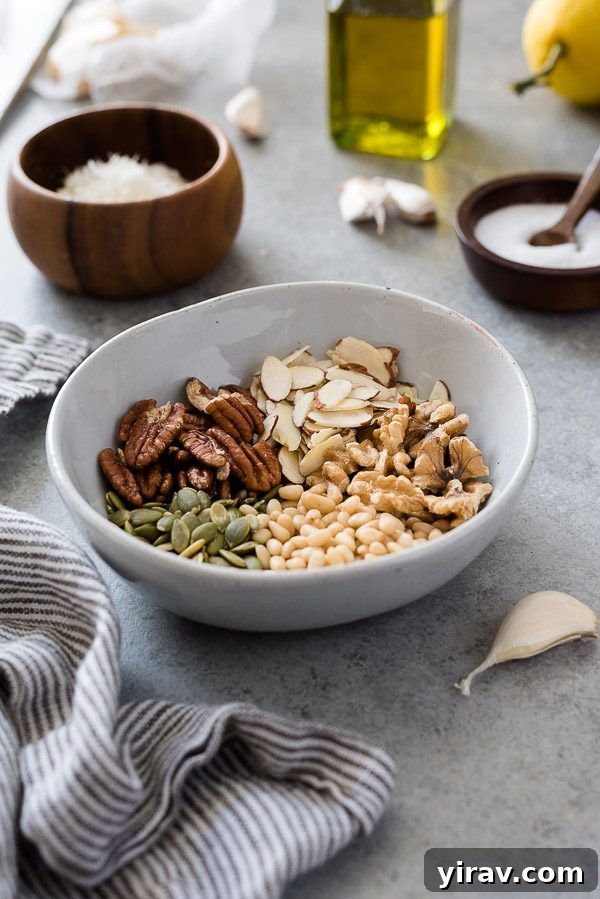
The Easy Way: How to Make Pesto with a Food Processor
Historically, pesto sauce was meticulously prepared using a mortar and pestle – a method that gives the sauce its very name, as “pesto” in Italian means “pounded.” In cooking school, I experienced the traditional mortar and pestle method firsthand to create the vibrant “pistou” for our soupe au pistou, a hearty Provençal minestrone. The resulting soup and pesto were absolutely divine, showcasing the depth of flavor achieved through this ancient technique. However, for most home cooks today, time is a precious commodity, and a more efficient approach is often preferred.
Fortunately, modern kitchen appliances make learning how to make pesto sauce incredibly quick and simple. These days, the vast majority of people prepare pesto using either a food processor or a high-powered blender. My personal preference, and the method I find yields the most consistent results for a perfectly textured pesto, is my trusty food processor.
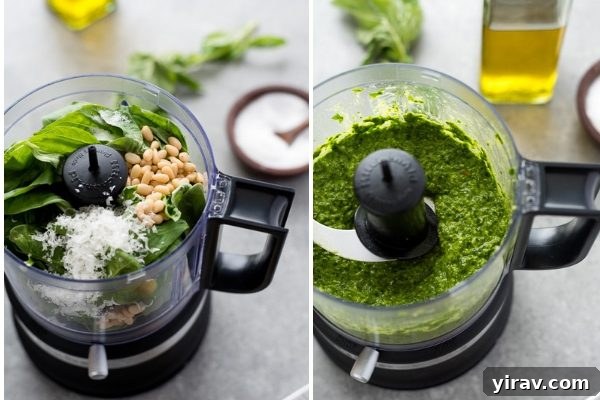
Using a food processor ensures all ingredients are finely chopped and evenly incorporated without over-blending, which can sometimes lead to a slightly bitter pesto due to over-shearing the greens.
- Combine Dry Ingredients: Begin by adding all the solid ingredients – your chosen greens and herbs, minced garlic, lemon juice, toasted nuts or seeds, Parmesan cheese (if using), salt, and pepper – into the bowl of your food processor. Pulse a few times until the ingredients are coarsely chopped and well combined. This initial pulsing helps to break down the solids evenly before the oil is introduced.
- Incorporate Olive Oil: Stop the processor, scrape down the sides of the bowl with a spatula to ensure everything is incorporated, then secure the lid. With the food processor running, slowly drizzle the extra virgin olive oil through the feed tube in a steady, thin stream. Continue to process until the pesto reaches your desired consistency – smooth, yet still with a slight texture from the nuts and greens. Avoid over-processing, as this can make the pesto too pasty or warm, diminishing its fresh flavor.
- Taste and Adjust: Once your pesto has reached the ideal consistency, give it a taste. Adjust the seasoning as necessary, adding more salt, pepper, or lemon juice to brighten the flavors. Your homemade pesto sauce is now ready to enjoy!
This simple method ensures a consistently delicious and vibrant pesto every time, proving that gourmet flavors are easily achievable in your own kitchen.
Pesto Perfection: Your Top Questions Answered
Making homemade pesto is wonderfully straightforward, but a few common questions often arise. Here are the answers to help you achieve pesto perfection every time:
Keeping pesto a beautiful, vibrant green is a common desire. The key to preventing discoloration, which is often caused by oxidation and enzyme activity, is a simple blanching method. To achieve a really vibrant green, you can blanch your herbs or greens in boiling water for about 15 seconds. Immediately after, plunge them into a bowl of ice water to shock them and halt the cooking process. This preserves their bright color. Drain the blanched greens thoroughly, gently blot them dry to remove excess water, and then proceed with your recipe. While this step is effective, I personally often skip it as I haven’t encountered significant issues with my pesto turning brown, especially with the addition of lemon juice. However, it’s an excellent option if you’re concerned about maintaining that striking green hue for aesthetic appeal.
Pesto is a classic, uncooked sauce originating from the Liguria region of Italy, specifically Genoa. It is traditionally made by pounding fresh basil, garlic, pine nuts, hard cheese (Parmesan or Pecorino), and olive oil together. The name “pesto” itself comes from the Italian word “pestare,” meaning “to crush” or “to pound.” This bright, fresh-tasting sauce is renowned for its herbaceous aroma and rich, savory flavor. It’s incredibly versatile, serving as a delectable accompaniment for pasta, grilled chicken or fish, a spread for pizza and sandwiches, a flavorful addition to soups, and much more.
Proper storage is essential to maintain the freshness and flavor of your homemade pesto. Store fresh pesto in an airtight container in the refrigerator for up to 5-7 days. To prevent oxidation and keep its vibrant green color for longer, pour a thin layer of olive oil over the surface of the pesto before sealing the container. For longer-term storage, pesto freezes beautifully. You can freeze it in small portions in ice cube trays. Once frozen solid, transfer the pesto cubes to a freezer-safe bag or container and store for up to 3 months. This method allows you to thaw only the amount you need, reducing waste and ensuring fresh flavor for future meals.
Absolutely! Making a delicious vegan pesto is incredibly simple and results in a sauce that is just as flavorful and satisfying. If you’re following a vegan, paleo, or Whole30 diet, simply omit the Parmesan cheese entirely. The nuts, greens, garlic, and olive oil still create a wonderfully rich and aromatic base. For an added cheesy, umami depth without dairy, you can substitute the Parmesan with nutritional yeast. This flaky, savory ingredient provides a similar flavor profile and can be incorporated in the same step as the other solid ingredients. Enjoy your homemade, dairy-free pesto!
Expert Tips for the Best Homemade Pesto Sauce
Achieving a truly exceptional homemade pesto is easier than you think with these expert tips:
- Toasted Nuts for Deeper Flavor: While raw nuts work, toasting them beforehand significantly enhances their flavor and aroma, adding a layer of depth to your pesto. You can purchase pre-toasted nuts to save time, or easily toast them yourself. Simply spread your chosen nuts or seeds on a rimmed baking sheet and bake in a 350ºF (175ºC) oven for 5-10 minutes, stirring occasionally, until they are golden brown and fragrant. Keep a close eye on them, as nuts can burn quickly!
- Achieving Perfect Consistency: The amount of olive oil can be adjusted to achieve your preferred pesto consistency. Some like it thicker, others prefer it a bit looser. After blending, if your pesto feels too thick, add up to 2 tablespoons more extra virgin olive oil, drizzling it in slowly with the processor running, until it reaches the desired texture.
- Embrace Flexibility: Remember, this is a very flexible recipe. Don’t stress too much about exact measurements for greens and nuts. Use whatever fresh ingredients you have on hand, adhering generally to the ratios provided in the recipe card below. The beauty of homemade pesto is in its adaptability and your creative input.
- Taste as You Go: Always taste your pesto before serving. Adjust the seasoning (salt, pepper, and lemon juice) to perfectly balance the flavors. Sometimes a little extra zest or a pinch of salt can make all the difference.
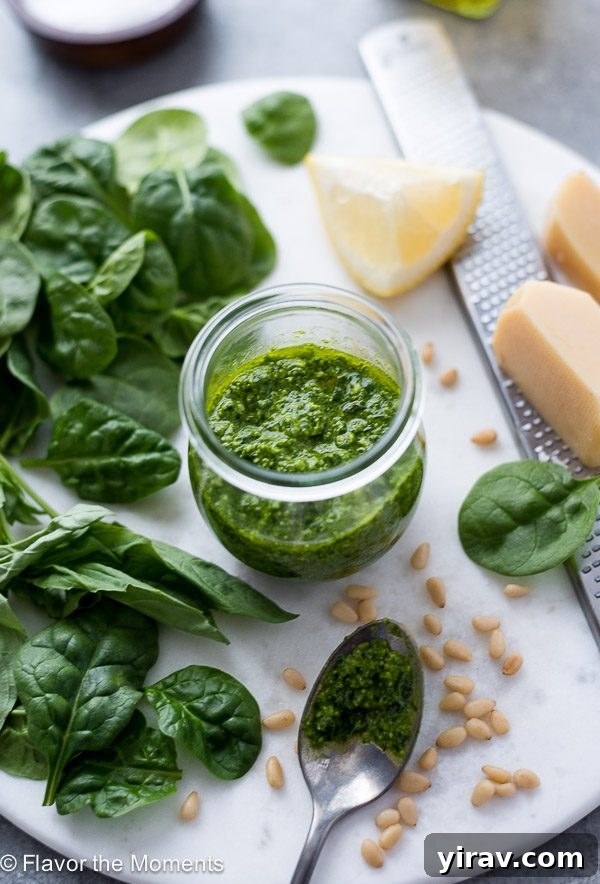
Beyond Pasta: Creative Uses for Your Homemade Pesto
Once you’ve mastered how to make pesto sauce, you’ll discover its incredible versatility. Pesto is far more than just a pasta sauce; its vibrant flavor can enhance a myriad of dishes, making it a true kitchen superhero. The options are truly endless!
- Pasta Perfection: Of course, pesto and pasta are a match made in culinary heaven. Toss it with warm spaghetti, linguine, or penne for a quick and satisfying meal. Chicken pesto pasta and wild mushroom ravioli with pesto are two of our absolute favorite comforting dinners!
- Lighter Carb Alternatives: For lower carb or gluten-free meals, serve your homemade pesto over spiralized zucchini noodles (zoodles) or nutrient-rich spaghetti squash. It’s a delicious way to enjoy all the flavor without the heavier carb load.
- Sandwiches, Wraps & Pizza: Use pesto as a flavorful spread instead of mayonnaise or mustard in sandwiches and wraps. It adds a fresh, herbaceous kick that transforms even a simple turkey sandwich. It’s also an exceptional base sauce for pizza, offering a delightful alternative to traditional tomato sauce.
- Elevate Soups & Stews: Add a generous dollop of pesto to your favorite soups or stews just before serving. It instantly brightens the dish and adds a gourmet touch, like in my comforting summer vegetable soup with pesto.
- Marinades & Dressings: Whisk pesto with a little extra olive oil and vinegar for a quick and zesty salad dressing. It also makes an incredible marinade for grilled chicken, fish, or shrimp, infusing them with incredible flavor.
- Roasted & Grilled Delights: Drizzle pesto over roasted or grilled vegetables like asparagus, bell peppers, or zucchini. Serve it alongside grilled meats or seafood, or swirl it into grain bowls for an extra layer of taste and moisture.
- Breakfast Boost: Stir a teaspoon into scrambled eggs, spread it on toast with avocado, or add it to a breakfast panini for a savory start to your day.
With a batch of homemade pesto in your fridge or freezer, you’ll always be just moments away from adding a burst of fresh, gourmet flavor to almost any meal. Experiment and discover your favorite ways to enjoy this incredible sauce!
Explore More Delicious Sauce Recipes
If you love making sauces from scratch, you’ll definitely want to explore these other fantastic recipes that will take your cooking to the next level:
- Homemade Chimichurri Sauce Recipe
- Authentic Greek Tzatziki Recipe
- Homemade Green Enchilada Sauce
- Rich Homemade Meat Sauce with Red Wine & Mushrooms
- Vibrant Roasted Red Pepper Sauce
- Easy Tomato Basil Marinara Sauce
Did you try this recipe? If so, be sure to leave a review below and tag me @flavorthemoments on Facebook and Instagram!
How to Make Pesto Sauce (with any greens!)
Yields:
1 cup
15 mins
0 mins
15 mins
★
★
★
★
Based on 1 review
Leave a Review »
Equipment
-
Kitchen Aid 7 cup Food Processor
Ingredients
- 4 cups mixed herbs or greens (see notes for suggestions)
- 1 clove garlic (minced)
- 2 tablespoons fresh lemon juice
- 1/3 cup toasted nuts or seeds**
- 1/3 cup freshly grated Parmesan (omit for vegan or replace with nutritional yeast)
- 1/2 teaspoon kosher salt
- 1/8 teaspoon freshly ground black pepper
- 6 tablespoons extra virgin olive oil (add up to 2 tablespoons more to reach desired consistency)
Instructions
-
Place the greens/herbs, garlic, lemon juice, toasted nuts or seeds, Parmesan (if using), salt, and pepper into the bowl of a food processor or blender. Process with short pulses until the mixture is roughly chopped.4 cups herbs or greens, 1 clove garlic, 2 tablespoons fresh lemon juice, 1/3 cup toasted nuts or seeds**, 1/3 cup freshly grated Parmesan, 1/2 teaspoon kosher salt, 1/8 teaspoon freshly ground black pepper
-
Scrape down the sides of the bowl. With the processor running, slowly add the olive oil through the feed tube and continue to process until the pesto reaches your desired consistency – smooth but with some texture. Taste and adjust seasoning as necessary.6 tablespoons extra virgin olive oil
-
Your versatile homemade pesto sauce is ready! Toss it with your favorite pasta, serve with chicken or vibrant grain bowls, or spread it generously on pizza crust or sandwiches for an instant flavor boost!
Notes
- Pro Tip for Greens: Feel free to use any combination of greens and herbs you prefer! Excellent choices include basil, cilantro, parsley, mint, fresh carrot tops, spinach, arugula, kale, Swiss chard, or a power greens blend. Experimentation is encouraged to find your favorite blend!
- Nut & Seed Variations: Pine nuts, walnuts, pistachios, pecans, almonds, pepitas (pumpkin seeds), and sunflower seeds all work wonderfully in this recipe. For enhanced flavor, use pre-toasted nuts or toast them yourself by baking on a rimmed baking sheet in a 350ºF (175ºC) oven for 5-10 minutes until golden and fragrant.
- Keep Pesto Green: To help maintain a really vibrant green color, you can blanch your herbs or greens in boiling water for 15 seconds, then immediately plunge them into ice water to stop the cooking process. Drain and pat dry gently before using them in the sauce. While optional, this technique is effective if discoloration is a concern.
- Storage: Store fresh homemade pesto in an airtight container in the refrigerator for up to 5 days. For longer storage, freeze it in small portions (e.g., in ice cube trays) for up to 3 months. Covering the surface with a thin layer of olive oil can also help prevent browning in the fridge.
- Vegan/Paleo/Whole30 Options: If you are following a vegan, paleo, or Whole30 diet, simply omit the Parmesan cheese entirely. Nutritional yeast can be added as a substitute to provide a cheesy, umami flavor without dairy.
Nutrition
Calories: 141kcal,
Carbohydrates: 5g,
Protein: 4g,
Fat: 13g,
Saturated Fat: 2g,
Polyunsaturated Fat: 10g,
Cholesterol: 3mg,
Sodium: 252mg,
Fiber: 2g,
Sugar: 1g
Nutrition is estimated using a food database and is only intended to be used as a guideline for informational purposes. Individual results may vary.
Did you try this recipe?Be sure to tag @flavorthemoments with the hashtag #flavorthemoments on Instagram so I can see what you made!