
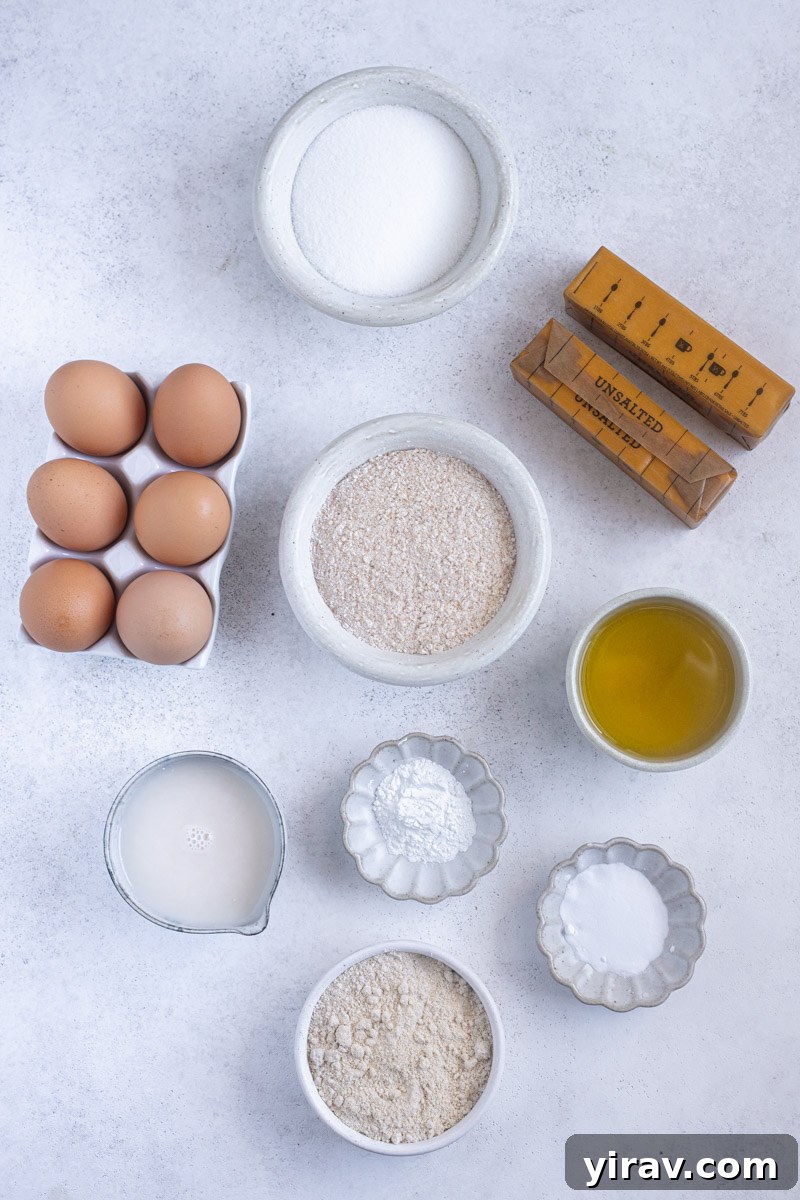
This comprehensive guide delves into Common Ingredient Substitutions for Cooking and Baking, offering practical swaps for baking ingredients, various flours and grains, natural sweeteners, essential pantry staples, and dairy products. Empower yourself to cook confidently with ingredients you already have, adapt recipes to suit diverse dietary needs, and minimize unnecessary trips to the grocery store.
We’ve all been there: halfway through a recipe, only to discover a key ingredient is missing. Perhaps you’re baking a batch of muffins and realize you’re out of eggs, or preparing dinner and lack the specific grain or dairy product a recipe calls for. Such culinary dilemmas are common, but they don’t have to derail your cooking plans.
Fortunately, the world of cooking and baking is forgiving, and many ingredients can be reliably substituted with items you likely already have on hand. Mastering a few dependable ingredient substitutions for cooking and baking can transform your kitchen experience, making it more flexible, sustainable, and enjoyable. This knowledge not only helps reduce food waste but also saves you valuable time and effort, eliminating last-minute dashes to the grocery store.
Ingredient swaps are also invaluable tools for adapting recipes to meet various dietary preferences or manage food allergies. Whether you’re navigating gluten-free, dairy-free, vegetarian, or vegan cooking, or simply aiming to incorporate more whole food ingredients into your meals, understanding the functional roles of different ingredients empowers you to make confident adjustments without compromising the recipe’s integrity.
This guide is designed to be your go-to resource for common and practical ingredient substitutions for everyday cooking and baking. We’ll explore effective swaps for essential baking staples, a variety of flours and baking grains, hearty whole grains and legumes, natural sweeteners, versatile pantry items, and essential refrigerator ingredients.
While some substitutions offer a simple 1:1 replacement, others may require minor adjustments to achieve optimal results. Baking, often described as a more precise science than cooking, can sometimes see subtle variations in texture or flavor when ingredients are swapped. However, countless home cooks successfully utilize these substitutions daily, achieving delicious outcomes.
Keep this comprehensive guide handy whenever you need to cook with what you have on hand, adapt a recipe to fit specific dietary requirements, or simply explore new culinary possibilities.
When to Use Ingredient Substitutions
Ingredient swaps are particularly beneficial in a variety of kitchen scenarios, offering flexibility and convenience:
• You’ve run out of a crucial ingredient and wish to avoid an unplanned trip to the grocery store.
• You’re adapting beloved recipes to accommodate specific dietary preferences, allergies, or intolerances (e.g., gluten-free, dairy-free, vegan, nut-free).
• You aim to replace highly refined ingredients with healthier, whole food alternatives to enhance the nutritional profile of your meals.
• You simply want to maximize the use of ingredients you already possess in your pantry, refrigerator, or freezer, reducing potential food waste.
It’s worth noting that cooking, especially for savory dishes like soups, grain bowls, salads, casseroles, and sauces, is generally more adaptable and forgiving when it comes to substitutions. The flavor profiles and textures are often more flexible. Baking, on the other hand, relies on precise chemical reactions and ingredient ratios. While many baking substitutions are highly effective, they might occasionally lead to subtle alterations in the final texture or rise of the baked good. Nevertheless, with a bit of understanding, successful baking swaps are entirely achievable.
How to Use This Guide
This comprehensive guide is thoughtfully organized by ingredient category, allowing for quick and efficient navigation to find the specific swap you need. Whether you’re in the midst of meal prep or planning your next baking project, you’ll find reliable alternatives for a wide array of ingredients.
You’ll discover essential and effective swaps across these key categories:
• Core Baking Essentials (eggs, milk, butter, leavening agents, etc.)
• Diverse Flours and Baking Grains (all-purpose, whole wheat, gluten-free options)
• Versatile Whole Grains, Pasta, and Legumes (quinoa, rice, lentils)
• Natural and Alternative Sweeteners (sugar, honey, maple syrup)
• Everyday Pantry Mainstays (sauces, condiments, vinegars)
• Essential Refrigerator Staples (yogurt, cream, cheeses)
Many of the listed swaps can be made as a straightforward 1:1 replacement, simplifying your cooking process. For other substitutions, specific notes and recommended adjustments are provided to ensure the best possible outcome in your culinary creations. Always refer to these guidelines for optimal results.
Baking Essentials
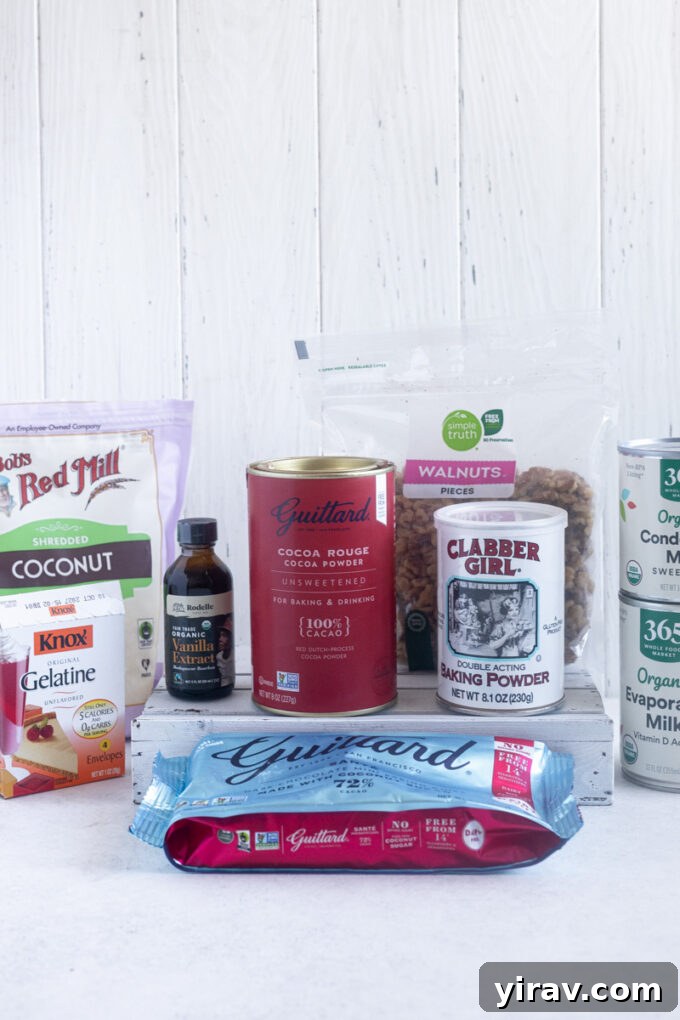
Eggs
Eggs are multifaceted powerhouses in baking, contributing significantly to structure, moisture, binding, and leavening. If you find yourself out of eggs, or if you’re adapting a recipe to be egg-free for dietary reasons, several reliable substitutes can stand in for them, particularly in muffins, cakes, pancakes, and quick breads. The best substitute often depends on the recipe and the egg’s primary role.
You can effectively replace 1 large egg with any of the following:
• Flax Egg: Combine 1 tablespoon of finely ground flaxseed meal with 2½ tablespoons of water. Stir well and let it sit for 5-10 minutes until it thickens to a gel-like consistency. This is an excellent binder and adds a subtle nutty flavor and fiber.
• Chia Egg: Similar to a flax egg, mix 1 tablespoon of chia seeds (preferably ground for best binding) with 2½ tablespoons of water. Allow it to sit for 5-10 minutes to form a gel. Chia eggs are also fantastic binders and are rich in omega-3s.
• Unsweetened Applesauce: Use ¼ cup of unsweetened applesauce. This swap adds moisture and a hint of sweetness, making it ideal for recipes where a slight fruity note is welcome. It works well in softer baked goods like muffins and breads.
• Mashed Banana: Replace with ¼ cup of mashed ripe banana. Be aware that this will impart a distinct banana flavor and added sweetness to your dish. It’s best suited for recipes where banana flavor is complementary, such as banana bread or certain muffins.
• Plain Yogurt (dairy or non-dairy): Use ¼ cup of plain, unsweetened yogurt. This adds moisture and a slight tang, contributing to a tender crumb in cakes and muffins. Ensure it’s plain to avoid unwanted flavors.
Flax and chia eggs are particularly effective as binding agents in baked goods where the egg’s structural role is crucial. Applesauce, banana, and yogurt primarily contribute moisture and richness, and might require slight adjustments to other liquids if the batter becomes too wet.
Milk
Milk serves as a vital liquid component in both baking and cooking, providing moisture, richness, and contributing to the overall texture and flavor of a dish. The good news is that most dairy and a wide range of plant-based milks can be easily swapped on a 1:1 basis, offering great flexibility for dietary needs or personal preference.
Common and effective milk substitutes include:
• Almond Milk: A popular plant-based option, mild in flavor and excellent in most recipes. Opt for unsweetened varieties in baking.
• Oat Milk: Known for its creamy texture and subtle sweetness, oat milk is a fantastic substitute, particularly in baking where its richness can mimic dairy milk.
• Soy Milk: Offers a good protein content and a neutral flavor profile, making it a versatile dairy-free alternative for both sweet and savory applications.
• Cashew Milk: Very creamy and mild, cashew milk is another excellent choice for adding richness without a strong flavor, especially in sauces and baked goods.
• Coconut Milk (canned or carton): While carton coconut milk is thinner and suitable for direct 1:1 swaps, canned full-fat coconut milk provides a significantly richer, thicker texture and a distinct coconut flavor. It’s often preferred in curries, creamy sauces, and desserts where richness is desired.
For baking, it’s generally best to use unsweetened plant milks to avoid altering the sugar balance of the recipe. For savory dishes, the choice depends on your desired flavor and consistency.
Buttermilk
Buttermilk is prized in baking for its unique acidity, which reacts with baking soda to produce light, tender baked goods. It also adds a distinctive tangy flavor and contributes to a moist texture. If you don’t have buttermilk on hand, it’s incredibly easy to make a suitable substitute at home using basic ingredients.
To replace 1 cup of buttermilk, use any of these methods:
• Milk + Lemon Juice: Combine 1 cup of regular dairy milk (whole, 2%, or even skim) with 1 tablespoon of fresh lemon juice. Stir gently.
• Milk + Vinegar: Alternatively, mix 1 cup of dairy milk with 1 tablespoon of white vinegar or apple cider vinegar. Stir well.
• Dairy-Free Milk + Lemon Juice/Vinegar: For a dairy-free option, use 1 cup of unsweetened plant-based milk (like almond or soy milk) with 1 tablespoon of lemon juice or vinegar.
After mixing, let the chosen combination sit undisturbed for 5-10 minutes. During this time, the acid will curdle the milk slightly, creating a texture and acidity similar to traditional buttermilk. You’ll notice small curds forming, which is exactly what you want. Stir it once more before incorporating it into your recipe.
Butter
Butter is a foundational ingredient that brings rich flavor, moisture, and tenderness to baked goods, and acts as a delicious fat for cooking. Its unique solid-at-room-temperature property and melting point contribute significantly to the texture of many dishes. While its flavor is distinct, several effective substitutes can be used.
When replacing butter, consider these options:
• Coconut Oil: A versatile 1:1 swap for butter in many recipes, especially in baking. For a neutral flavor, choose refined coconut oil; unrefined (virgin) coconut oil will impart a noticeable coconut taste. It solidifies like butter, making it great for recipes requiring solid fat.
• Olive Oil: Use ¾ cup of olive oil to replace 1 cup of butter. Olive oil works particularly well in muffins, quick breads, cakes, and savory dishes where its fruity or peppery notes are complementary. It adds moisture and tenderness.
• Avocado Oil: Similar to olive oil, use ¾ cup of avocado oil per 1 cup of butter. Avocado oil has a very high smoke point and a neutral flavor, making it excellent for both baking and high-heat cooking. It provides moisture without altering flavor.
• Ghee: Ghee (clarified butter) can be used as a 1:1 swap. It has a rich, nutty, buttery flavor and a higher smoke point than regular butter, making it suitable for both baking and cooking, especially sautéing and roasting. It is also dairy-free (lactose and casein removed).
When substituting, remember that the texture and flavor of your final product may vary slightly depending on the chosen alternative. For flaky pastries, butter’s unique structure is hard to replicate precisely.
Oil
Oils contribute moisture, tenderness, and richness to baked goods and are crucial for cooking methods like sautéing and frying. Different oils have different flavor profiles and smoke points. When substituting oil, consider the desired outcome regarding texture, flavor, and cooking method.
Here are reliable swaps for cooking oil:
• Melted Butter: A simple 1:1 swap. Melted butter will add a rich, buttery flavor to your recipe. Be mindful of its lower smoke point compared to some oils if using for high-heat cooking.
• Coconut Oil: A 1:1 swap. Refined coconut oil is a neutral-flavored option, while virgin coconut oil will add a distinct coconut aroma and taste. It’s solid at cooler temperatures, which can affect texture in some baked goods.
• Unsweetened Applesauce: For baked goods, you can replace up to half of the oil with unsweetened applesauce. This is a popular way to reduce fat and add moisture, resulting in a slightly denser, moister crumb. It’s not suitable for frying or savory cooking where oil’s fat content is crucial.
• Plain Greek Yogurt: In baked goods, you can substitute up to half of the oil with plain Greek yogurt. This adds moisture and protein, often resulting in a more tender and slightly tangy product. Like applesauce, it’s not a direct fat substitute for cooking methods.
Always consider the overall recipe. For instance, in deep frying, only oils with high smoke points are appropriate.
Baking Powder
Baking powder is a leavening agent that contains both an acid and a base, along with a starch, allowing it to create carbon dioxide bubbles and cause baked goods to rise when moisture is added and/or heat is applied. If you’re out of baking powder, you can often create a suitable substitute using baking soda and an acid.
• To replace 1 teaspoon of baking powder: Combine ¼ teaspoon of baking soda with ½ teaspoon of cream of tartar. Cream of tartar is an acidic ingredient that will react with the baking soda to produce the necessary lift. Use immediately.
Baking Soda
Baking soda (sodium bicarbonate) is a pure base that requires an acidic ingredient (like buttermilk, yogurt, lemon juice, or molasses) in a recipe to activate and produce carbon dioxide, which helps baked goods rise. If your recipe calls for baking soda and you only have baking powder, a larger quantity is needed as baking powder is less concentrated.
• To replace 1 teaspoon of baking soda: Use 3 to 4 teaspoons of baking powder. Since baking powder already contains an acid, you’ll need to ensure your recipe doesn’t rely solely on baking soda for its leavening, and you might need to slightly reduce other acidic ingredients if present.
Cornstarch
Cornstarch is a common thickening agent used to give body to sauces, gravies, soups, stews, and pie fillings, creating a glossy, clear finish. It works by absorbing liquid and swelling when heated. Several other starches or flours can be used as alternatives, though the precise texture might vary.
Consider these swaps for cornstarch:
• Arrowroot Powder: A fantastic 1:1 swap for cornstarch. Arrowroot thickens at a lower temperature, creates a clearer finish, and is stable at freezing temperatures. It’s an excellent gluten-free alternative.
• Tapioca Starch (or Tapioca Flour): Also a 1:1 swap. Tapioca starch provides a glossy finish and a slightly chewy texture, making it great for fruit pies and sauces. It’s also gluten-free.
• All-Purpose Flour: To replace 1 tablespoon of cornstarch, you’ll need about 2 tablespoons of all-purpose flour. Flour has less thickening power than cornstarch and can sometimes leave a cloudy or opaque finish. It’s best to create a slurry with cold water before adding it to hot liquids to prevent lumps.
Cocoa Powder
Cocoa powder is a crucial ingredient for chocolate flavor in many desserts. There are two primary types, and understanding their differences is essential for successful baking, as they are not always interchangeable without adjustments. If a recipe doesn’t specify, natural cocoa powder is typically the intended type.
• Natural Cocoa Powder: This type is acidic and has a strong, bitter chocolate flavor. It is commonly paired with baking soda in recipes, as the acid reacts with the base to aid in leavening and create a rise.
• Dutch-Processed Cocoa Powder: This cocoa powder has been treated with an alkali to neutralize its acidity. It has a smoother, milder, and darker chocolate flavor. Because it’s neutral, it’s typically used in recipes that call for baking powder (which already contains its own acid), or in recipes that don’t rely on cocoa for leavening.
• Natural Cocoa ↔ Dutch-Processed Cocoa: While sometimes a 1:1 swap might seem convenient, the different acidity levels mean that swapping them directly can impact the leavening in recipes that use baking soda or baking powder. For best results, try to match the type specified. In recipes that don’t rely on leavening (like frostings or ice cream), they are often interchangeable for flavor.
• Unsweetened Chocolate Square: To replace 1 ounce of unsweetened chocolate, combine 3 tablespoons of cocoa powder with 1 tablespoon of butter or oil (melted). This helps replicate the fat content and richness of solid chocolate.
Chocolate Chips
Chocolate chips are a common addition to many baked goods, offering bursts of sweetness and chocolate flavor. If you find yourself without them, or prefer an alternative, there are several straightforward options.
• Chopped Chocolate: A perfect 1:1 substitute. Use any bar of baking chocolate (dark, semi-sweet, milk, or white) and chop it into chip-sized pieces. High-quality chopped chocolate can even melt more smoothly and add a richer texture than standard chips.
• Omission: If chocolate chips are simply folded into a recipe for added flavor and texture (e.g., in cookies or muffins) and are not critical to the structure, they can often be omitted entirely without significantly impacting the final product, though the flavor profile will be simpler.
Sweetened Condensed Milk
Sweetened condensed milk is a thick, syrupy, very sweet milk product, essential for many desserts like pies, fudge, and no-bake cheesecakes. It’s made by removing most of the water from milk and adding a large amount of sugar. While not an exact 1:1 substitute in all recipes due to slight texture differences, you can create a decent homemade version.
• Homemade Evaporated Milk + Sugar: To make a substitute, combine 1 cup of evaporated milk with ¾ cup of granulated sugar. Simmer this mixture over medium-low heat, stirring frequently, for about 10–15 minutes, or until it has visibly thickened and reduced slightly. This will yield a product similar in sweetness and consistency, though typically slightly thinner than store-bought condensed milk.
Evaporated Milk
Evaporated milk is a shelf-stable milk product where about 60% of the water has been removed, resulting in a richer, creamier consistency than regular milk. It’s unsweetened, unlike condensed milk, and is often used in creamy soups, sauces, casseroles, and certain desserts.
Here are suitable substitutions for evaporated milk:
• Half-and-Half: A direct 1:1 swap. Half-and-half offers a similar richness and fat content, making it an excellent alternative in most savory and sweet dishes.
• Milk + Cream: To create 1 cup of evaporated milk, combine ¾ cup of regular milk (whole or 2%) with ¼ cup of heavy cream. This blend effectively mimics the richer fat content and creaminess.
• Whole Milk: Can be used as a 1:1 swap, but be aware that the final result will be slightly thinner and less rich. It works best in recipes where the evaporated milk isn’t the sole source of thickness or richness.
• Dairy-Free Milk: Unsweetened dairy-free milks (like full-fat canned coconut milk or a rich oat milk) can be used as a 1:1 swap, especially in soups and savory recipes. For richer results, consider a blend of plant milk with a bit of plant-based cream.
Flours & Baking Grains
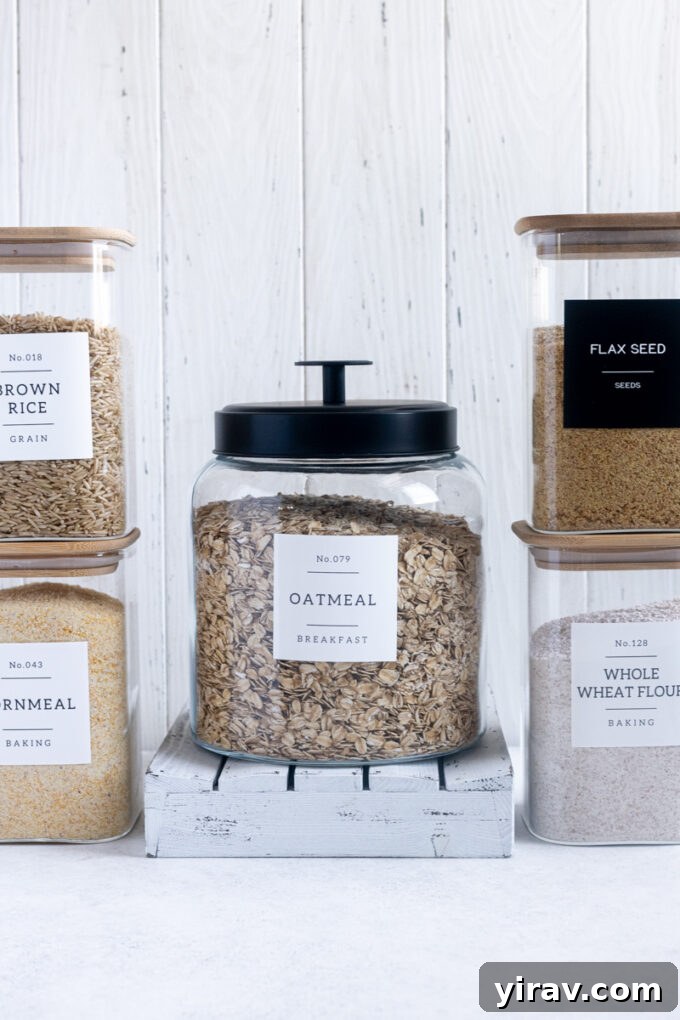
Flours and baking grains form the backbone of many baked goods, providing structure, texture, and flavor. Understanding their different properties, especially gluten content and absorbency, is key to successful substitutions. While some flours can be swapped 1:1, others require careful consideration and often adjustments to liquid or other ingredients.
All-Purpose Flour
All-purpose flour, milled from a blend of hard and soft wheats, is a versatile choice with a moderate protein (gluten) content, making it suitable for a wide range of baking. If you’re looking for alternatives, especially for whole grain or gluten-free options, consider these:
• White Whole Wheat Flour: A 1:1 swap for all-purpose flour. It’s made from a lighter variety of wheat, so it retains the nutritional benefits of whole wheat but has a milder flavor and finer texture, very similar to all-purpose flour.
• Spelt Flour: Can often be used as a 1:1 swap in most recipes, particularly for quick breads, muffins, and cookies. Spelt is an ancient grain with a slightly nutty flavor and a lower gluten content than modern wheat, which can result in a more tender crumb. While it contains gluten, it behaves differently and is sometimes tolerated by those sensitive to modern wheat (though not suitable for celiacs).
• Gluten-Free 1:1 Flour Blend: For gluten-free baking, a reputable 1:1 gluten-free flour blend (often containing a mix of rice flour, tapioca starch, potato starch, and xanthan gum) can be a direct 1:1 substitute for all-purpose flour in many recipes. Always check the package instructions, as brands can vary.
Whole Wheat Flour
Whole wheat flour includes the entire wheat kernel (bran, germ, and endosperm), providing more fiber, nutrients, and a distinct nutty flavor. Its higher protein content can result in denser baked goods.
• White Whole Wheat Flour: A direct 1:1 swap. As mentioned, it offers the nutritional benefits of whole wheat with a lighter flavor and texture, making it a good choice if you prefer a less robust whole wheat taste.
• Half Whole Wheat + Half All-Purpose Flour: This blend is a popular way to introduce whole grains into a recipe without sacrificing too much of the light texture associated with all-purpose flour. It balances flavor, texture, and nutritional value, often used in a 1:1 ratio to the original flour amount.
Spelt Flour
Spelt flour is an ancient grain flour known for its slightly nutty and sweet flavor, and a gluten structure that is somewhat more delicate than modern wheat. It’s a fantastic alternative for adding depth of flavor and tenderness to baked goods.
• All-Purpose Flour: A good 1:1 swap in most recipes if you need a widely available alternative, though you’ll lose spelt’s distinct flavor and potentially some tenderness. Adjust liquid if the batter seems too stiff.
• White Whole Wheat Flour: Another excellent 1:1 option, offering a similar whole grain profile and texture, though without the unique nutty flavor of spelt. It’s a great choice for retaining a whole grain aspect.
Spelt adds a slightly nutty flavor and a tender crumb to baked goods, making it a favored choice for bread, muffins, and pancakes.
Oat Flour
Oat flour is a naturally gluten-free flour (if certified GF) made from ground oats. It’s unique in that it lacks gluten, which means it behaves differently from wheat flours, often requiring recipe modifications. It imparts a sweet, mild, and wholesome flavor.
Important Note: Oat flour is not a direct 1:1 substitute for all-purpose flour or whole wheat flour in most standard recipes. It works best in recipes specifically developed for oat flour, as its lack of gluten means it needs different structural support. Recipes may require less liquid and often an additional egg or binder to compensate for the absence of gluten structure.
• Homemade Oat Flour: You can easily make your own oat flour by blending rolled oats (old-fashioned oats) in a high-speed blender or food processor until a fine, powdery flour is achieved. (See resources on how to make oat flour for detailed instructions).
• All-Purpose Flour: While not a 1:1 swap, if you’re adapting an oat flour recipe, using all-purpose flour will require significant modifications. You may need to increase liquid and reduce or remove additional binders, as the gluten in all-purpose flour provides structure.
Almond Flour
Almond flour is a popular gluten-free, low-carb flour made from finely ground blanched almonds. It’s rich in protein, healthy fats, and fiber, and contributes a moist, tender texture and a subtle nutty flavor to baked goods. Due to its unique composition, it’s not a direct substitute for wheat-based flours.
Important Note: Almond flour is not a direct 1:1 substitute for all-purpose flour or whole wheat flour. Its lack of gluten and high fat content means it absorbs liquids differently and provides a different structure. It works best in recipes specifically developed for almond flour or other nut flours.
- Other Nut Flours (such as Hazelnut Flour): In recipes specifically calling for nut flours, other finely ground nut flours (like hazelnut flour) can often be used as a 1:1 swap, as they share similar properties and fat content.
- Paleo Flour Blends: Many paleo flour blends are formulated to mimic the properties of almond flour (or a combination of almond and coconut flour). Always check the package for specific 1:1 recommendations, as compositions vary.
Cornmeal
Cornmeal, made from dried and ground corn, adds a distinct texture and sweet, earthy flavor to baked goods like cornbread, muffins, and polenta. Its texture can range from fine to coarse.
- Polenta: Coarse-ground cornmeal specifically used for making the Italian dish of the same name. It’s a 1:1 swap for coarser cornmeal in savory dishes, but may be too coarse for some delicate baked goods.
- Fine Corn Flour: If your recipe calls for fine cornmeal, a very finely ground corn flour can be a 1:1 swap, providing a smoother texture.
- Masa Harina: While also corn-based, masa harina is not a direct substitute for cornmeal. It’s treated with an alkali process (nixtamalization) before grinding, giving it a unique flavor, aroma, and texture (essential for tortillas and tamales) that differs significantly from standard cornmeal.
Whole Grains, Pasta & Legumes
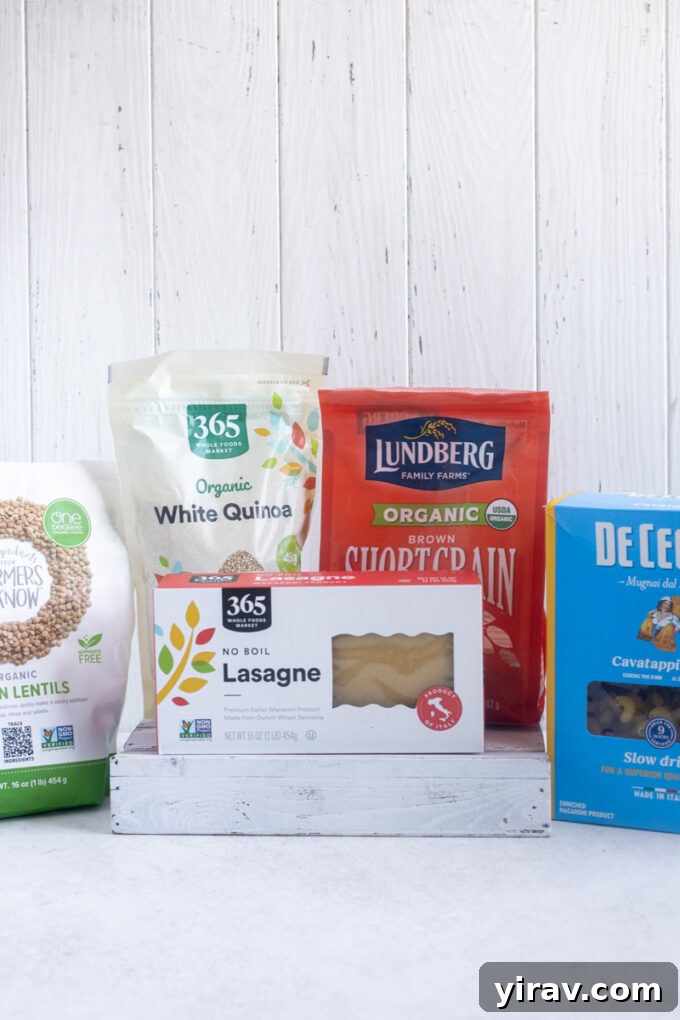
Whole grains, pasta, and legumes are incredibly versatile ingredients that form the basis of many healthy and satisfying meals. They are often interchangeable in dishes like salads, grain bowls, stir-fries, and hearty soups, offering flexibility in flavor and texture. While substitutions are generally straightforward, be mindful that cooking times and required liquid amounts may vary significantly between different types.
For beans and legumes, the substitutions listed below are based on cooked or canned amounts, as dry legumes will have different cooking times and expand considerably when rehydrated and cooked.
Quinoa
Quinoa is a highly nutritious, gluten-free pseudo-grain renowned for its complete protein profile and slightly nutty flavor. It cooks relatively quickly and has a delightful fluffy-chewy texture, making it a popular choice for salads and side dishes.
The grains listed below are excellent cooked swaps for quinoa, but remember that the specific cooking time and amount of liquid needed in a recipe will vary for each one:
• Brown Rice (cooked): A readily available 1:1 swap. Brown rice offers a chewier texture and nutty flavor, providing good substance to meals. Adjust liquid and cooking time accordingly if cooking from dry.
• Farro (cooked): Offers a robust, chewy texture and a deep, nutty flavor. Farro is an ancient grain and a fantastic 1:1 substitute when cooked, adding a rustic touch to dishes.
• Bulgur (cooked): A quick-cooking wheat product that provides a tender, slightly chewy texture and mild flavor. It’s a great 1:1 swap, especially good for salads like tabbouleh.
Brown Rice
Brown rice is a whole grain known for its nutty flavor, chewy texture, and high fiber content. It takes longer to cook than white rice but offers greater nutritional benefits.
The grains listed below are good cooked swaps for brown rice, but cooking times and liquid amounts will differ if starting from dry grains:
- Wild Rice: While botanically a grass seed, wild rice is cooked and used similarly to grains. It has a distinctive earthy flavor and a wonderfully chewy texture, making it a great 1:1 substitute.
- Quinoa: A lighter, quicker-cooking alternative with a complete protein profile and similar nutty notes. A 1:1 cooked swap.
- Barley: A hearty grain with a chewy texture and mild, slightly malty flavor. Pearl barley cooks faster but is less whole grain. A 1:1 cooked swap.
White Rice
White rice is a refined grain, lighter in texture and quicker to cook than brown rice, with a milder flavor. It’s a staple in many cuisines worldwide.
• Brown Rice: A healthier 1:1 swap, offering more fiber and nutrients. Be mindful of its longer cooking time and higher liquid requirement compared to white rice.
• Jasmine or Basmati Rice: Both are types of aromatic long-grain white rice with distinct fragrances and fluffy textures. They are excellent 1:1 swaps for regular white rice, enhancing the flavor profile.
• Quinoa: A nutritious and quick-cooking pseudo-grain that can easily replace white rice as a side or in dishes like pilafs, with a 1:1 cooked swap.
Lentils
Lentils are nutrient-dense legumes, rich in protein and fiber, and cook relatively quickly without pre-soaking. They are versatile, used in soups, stews, salads, and as a meat substitute.
These swaps are based on cooked or canned amounts:
• Chickpeas (Garbanzo Beans): A robust 1:1 swap, offering a slightly firmer texture and nutty flavor. Excellent in salads, stews, and purees.
• White Beans (e.g., Cannellini, Great Northern): Provide a creamy texture and mild flavor, making them a good 1:1 substitute in most applications where lentils are used for body and protein.
• Black Beans: Offer a distinct earthy flavor and soft texture. A 1:1 swap, particularly good in chili, tacos, or Mexican-inspired dishes.
Chickpeas
Chickpeas are hearty legumes with a firm texture and nutty flavor, central to many Mediterranean, Middle Eastern, and Indian cuisines. They are commonly found canned or dried.
These swaps are based on cooked or canned amounts:
• White Beans (e.g., Cannellini, Garbanzo): A close 1:1 swap, especially for dishes where chickpeas provide bulk and a mild flavor, such as in salads or stews.
• Lentils: While smaller, cooked lentils can be a good 1:1 substitute for chickpeas in terms of protein and texture contribution to soups, curries, or even veggie burgers, though the texture will be softer.
Sweeteners
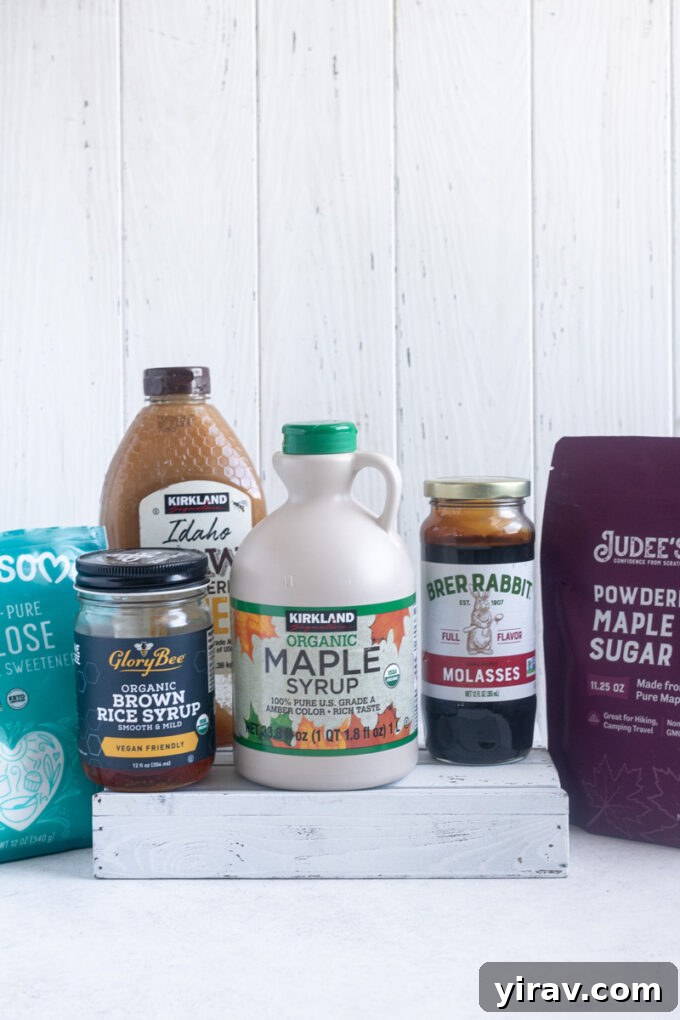
Sweeteners do more than just add sweetness; they contribute to texture, browning, and moisture retention in baked goods. Granulated sweeteners generally substitute 1:1 by volume, while liquid sweeteners like honey or maple syrup require slight adjustments to the overall liquid content of a recipe. The intensity of sweetness and flavor profile can also vary.
White Sugar (Granulated Sugar)
White granulated sugar is a neutral sweetener that provides structure, tenderness, and contributes to browning in baked goods. If you’re looking for alternatives, especially for whole food or less refined options, consider these:
- Maple Sugar: A 1:1 swap for granulated sugar. It’s dehydrated maple syrup, offering a rich, caramelized maple flavor and behaving similarly to white sugar in recipes.
- Date Sugar: Also a 1:1 swap. Made from dehydrated and ground dates, it has a distinct caramel-like flavor and can affect the color of baked goods. It’s less soluble than white sugar, which can impact texture slightly.
- Coconut Sugar: A common 1:1 swap. Coconut sugar has a pleasant caramel-like flavor, similar to brown sugar but with a milder sweetness. It can be used directly but may result in slightly less browning and a softer texture.
- Sucanat (Sugar Cane Natural): A less refined cane sugar option that can be used as a 1:1 swap. It retains more of the molasses flavor than white sugar.
Allulose
Allulose is a “rare sugar” that offers the taste and texture of sugar but with significantly fewer calories and no impact on blood sugar. It’s gaining popularity as a low-calorie sweetener for its functional properties in baking.
• Usage Ratio: Due to its slightly lower sweetness intensity compared to table sugar, use about 1⅓ cups of allulose to replace 1 cup of granulated sugar for equivalent sweetness.
• Texture Considerations: Allulose doesn’t brown or caramelize exactly like traditional sugar. It may result in baked goods with a softer texture and less browning on the crust. It’s best in recipes where a slightly softer texture is acceptable or even desired.
Using Liquid Sweeteners Instead of Granulated Sugar
Liquid sweeteners, such as honey and maple syrup, add moisture and unique flavors. When substituting them for granulated sugar, adjustments to the recipe’s liquid components are necessary.
To replace 1 cup of granulated sugar:
• ¾ cup Honey: Honey is sweeter than sugar and has a distinct floral flavor. Reduce other liquid in the recipe by 2–3 tablespoons.
• ¾ cup Maple Syrup: Maple syrup offers a rich, earthy, caramelized flavor. Reduce other liquid in the recipe by 2–3 tablespoons.
Liquid sweeteners generally produce baked goods with a softer, moister crumb and add a deeper, more complex flavor profile. They also tend to brown more quickly, so you might need to adjust oven temperature or baking time.
Brown Sugar
Brown sugar, which is granulated sugar with added molasses, provides moisture, a chewy texture, and a distinctive caramel-like flavor. Its moisture content also contributes to softer baked goods.
• Coconut Sugar: A good 1:1 swap. Coconut sugar has a similar flavor profile to brown sugar but is typically milder in sweetness and has a slightly less moist texture. It works well in most recipes.
• White Sugar + Molasses: To recreate brown sugar, combine 1 cup of white granulated sugar with 1 tablespoon of molasses. Mix thoroughly until the sugar is uniformly colored and moist. This is an excellent way to get the exact flavor and moisture content of brown sugar.
Honey
Honey is a natural liquid sweetener with a unique floral and sometimes earthy flavor, depending on its source. It’s sweeter than sugar and contributes moisture to baked goods.
• Maple Syrup: A straightforward 1:1 swap for honey. Maple syrup offers a similar liquid consistency and sweetness, though its flavor profile is distinctly earthy and caramelized. It’s a versatile alternative.
Maple Syrup
Maple syrup, derived from maple tree sap, provides a distinct woody, caramelized, and earthy sweetness. It’s a popular natural sweetener in both baking and cooking.
• Honey: A reliable 1:1 swap. Honey will provide a similar liquid consistency and sweetness level, but with its own unique floral flavor profile. Remember to adjust other liquids in the recipe if swapping for granulated sugar.
Brown Rice Syrup
Brown rice syrup is a thick, amber-colored sweetener made from fermented brown rice. It’s less sweet than sugar, honey, or maple syrup, and has a mild, somewhat malty flavor, with a very thick, sticky texture that can contribute to crispiness in certain recipes.
• Maple Syrup: Can be used as a 1:1 swap for brown rice syrup, especially for its liquid component. However, maple syrup is sweeter, so you might need to adjust the overall sweetness of the recipe. The texture will be thinner.
• Honey: Use about 1¼ cups of honey to replace 1 cup of brown rice syrup, as honey is significantly sweeter. This swap will also alter the flavor and result in a slightly thinner consistency.
Brown rice syrup is known for being less sweet with a mild flavor and a very thick, sticky texture, which can impact the final chewiness or crispiness of a baked good. Consider its unique properties when substituting.
Pantry Mainstays
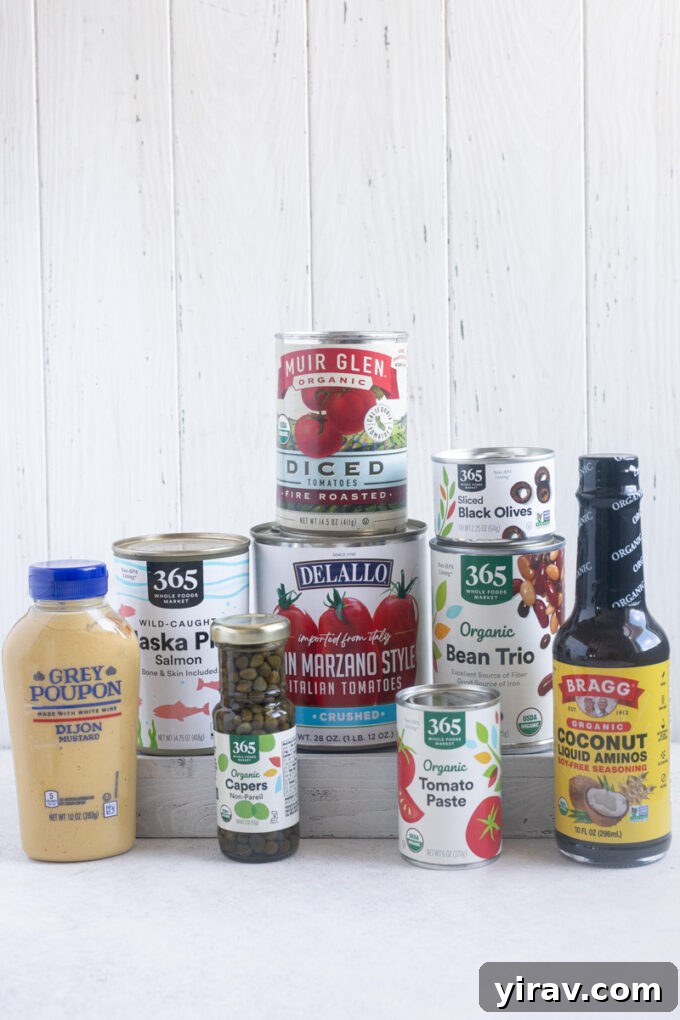
A well-stocked pantry is a home cook’s best friend. Even with a diverse array of ingredients, you might occasionally find yourself missing a key item. Fortunately, many common pantry staples have readily available substitutes that can save a meal and a trip to the store. These swaps can often be made without significantly altering the dish’s flavor or texture, especially in savory cooking.
Breadcrumbs
Breadcrumbs are used for coating, binding, and topping dishes, adding texture and substance. They come in various forms, from fine dry crumbs to coarser Panko. Many alternatives can provide a similar effect.
• Panko Breadcrumbs: A perfect 1:1 swap. Panko crumbs are Japanese-style breadcrumbs, known for their larger, flakier texture and ability to create a crispier coating than standard breadcrumbs.
• Rolled Oats: For binding in meatballs, meatloaf, or vegetarian patties, rolled oats (especially finely ground) can be a 1:1 swap. They add fiber and a slightly chewy texture. Not ideal for crispy coatings.
• Crushed Crackers: Use 1:1. Any plain crackers (saltines, club crackers, gluten-free crackers) can be crushed into crumbs to provide a salty, buttery, or neutral binding and coating. The flavor will depend on the cracker chosen.
• Almond Flour: A great gluten-free, low-carb 1:1 swap, particularly for binding in meatballs or as a light coating. It adds a nutty flavor and contributes to moisture.
Worcestershire Sauce
Worcestershire sauce is a savory, fermented condiment with a complex flavor profile: tangy, sweet, salty, and umami-rich. It’s often used in marinades, dressings, and savory dishes to add depth.
• Soy Sauce: Offers a similar savory, umami-rich flavor and can be used as a close substitute. While it lacks the full complexity of Worcestershire, it provides a good base. Adjust for saltiness.
• Coconut Aminos: A soy-free and gluten-free alternative to soy sauce, it also provides a milder, slightly sweeter savory flavor. Use as a 1:1 swap, especially for dietary needs, keeping in mind it’s less intense.
• Tamari: A gluten-free version of soy sauce, offering the same deep savory notes. It’s a 1:1 swap for soy sauce and can function similarly to Worcestershire in adding umami.
Soy Sauce
Soy sauce is a fermented condiment essential in many Asian cuisines, delivering a salty, umami-rich flavor. For those with dietary restrictions or preferences, several excellent alternatives are available.
• Tamari: A direct 1:1 swap and the closest alternative to soy sauce. Tamari is traditionally gluten-free and often has a richer, less salty flavor than standard soy sauce. Ideal for gluten-sensitive individuals.
• Coconut Aminos: A popular soy-free and gluten-free 1:1 swap. Coconut aminos have a milder, slightly sweeter flavor than soy sauce, but still provide excellent savory depth. Great for allergies or whole food preferences.
Tomato Paste
Tomato paste is a concentrated form of tomatoes, offering deep, rich tomato flavor to sauces, stews, and braises. A small amount goes a long way in adding umami and body.
• Reduced Tomato Sauce: If you’re out of paste, you can create a substitute by simmering tomato sauce (or canned crushed tomatoes) until it thickens significantly. You’ll need about 2–3 tablespoons of reduced sauce to replace 1 tablespoon of paste. Cook over low heat, stirring frequently, until much of the liquid has evaporated and it reaches a paste-like consistency.
Canned Tomatoes
Canned tomatoes come in various forms (diced, crushed, whole, sauce), each suited for different applications. Generally, different types of canned tomatoes can be used interchangeably with only slight adjustments to texture.
• Diced Tomatoes → Crushed Tomatoes: If a recipe calls for diced tomatoes and you only have crushed, you can use crushed tomatoes as-is for a smoother consistency, or briefly pulse the crushed tomatoes in a food processor for a texture closer to diced.
• Crushed Tomatoes → Diced Tomatoes: If you only have diced and need crushed, you can use diced tomatoes as-is, understanding the sauce will be chunkier. For a smoother texture, you can crush them by hand or pulse them briefly.
• Tomato Sauce → Crushed Tomatoes: Tomato sauce has a smoother consistency than crushed tomatoes. You can use it as a substitute, but the dish will be smoother. If you want more texture, you can add some fresh chopped tomatoes.
• Whole Tomatoes → Crushed or Diced: Canned whole peeled tomatoes are incredibly versatile. You can easily crush them by hand (they are typically very soft) or blend them briefly in a food processor to achieve a texture similar to crushed or diced tomatoes.
Vinegar
Vinegar adds acidity, tang, and brightens flavors in dressings, marinades, and sauces, and can aid in leavening (as with buttermilk). The type of vinegar significantly impacts the final flavor. While many can be swapped, consider the flavor intensity.
- Lemon or Lime Juice: A good 1:1 swap for most vinegars, providing similar acidity and brightening effects, but with a distinct citrus flavor. Excellent in dressings and where a fresh, zesty note is desired.
- White Wine Vinegar ↔ Apple Cider Vinegar: These two can generally be swapped 1:1. Both are mild, fruity, and versatile. Apple cider vinegar has a slightly more pronounced fruity tang.
- Red Wine Vinegar ↔ White Wine Vinegar: A 1:1 swap is often possible, particularly in savory dishes. Red wine vinegar has a bolder, fruitier flavor, while white wine vinegar is milder. The color might be affected.
- Rice Vinegar ↔ Apple Cider Vinegar: Rice vinegar is typically milder and slightly sweeter than apple cider vinegar. A 1:1 swap is possible, but be mindful of the subtle flavor difference. Avoid seasoned rice vinegar unless that sweetness is desired.
- White Vinegar: This is a strong, sharp vinegar. Use sparingly as a substitute for other vinegars, and dilute it slightly, as its potent flavor can easily overpower a dish. It’s best reserved for pickling or recipes where its intensity is beneficial.
- Balsamic Vinegar: Not a direct substitute for most other vinegars. Balsamic vinegar is significantly sweeter, thicker, and has a more concentrated, complex flavor. It should only be swapped if its distinct profile is complementary to the dish.
Mayonnaise
Mayonnaise is a creamy emulsion used as a condiment, binder, and moisturizer in salads, sandwiches, and dips. Its rich, tangy flavor is distinctive, but several alternatives can offer similar creaminess and texture.
• Plain Greek Yogurt: A healthy 1:1 swap that adds creaminess and a tangy flavor with less fat and more protein. It’s especially good in dressings and dips.
• Sour Cream: Another excellent 1:1 swap, offering a similar rich, creamy texture and tangy taste. Works well in salads (like potato or pasta salad) and as a topping.
• Mashed Avocado: For a healthier, dairy-free alternative, mashed avocado can be a 1:1 swap, providing creaminess and healthy fats. It will add its own distinct flavor and green hue to your dish. Best used fresh.
Dijon Mustard
Dijon mustard, originating from Dijon, France, is known for its pale yellow color and creamy texture, offering a sharp, tangy, and subtly spicy flavor with notes of white wine. It’s a common ingredient in dressings, sauces, and marinades, adding depth and a complex piquancy.
• Yellow Mustard: A 1:1 swap, though yellow mustard is much milder and often sweeter, with a less complex flavor profile. It will provide the tang but not the depth of Dijon.
• Whole Grain Mustard: A good 1:1 swap, offering a similar flavor profile to Dijon but with the added texture of whole mustard seeds. This can be a delightful addition if the texture is welcome.
• Stone Ground Mustard: Also a good 1:1 swap, providing a robust, slightly coarser texture and a flavor that is usually sharper and more complex than yellow mustard, often closer to Dijon.
Capers
Capers are edible flower buds, typically brined or packed in salt, adding a distinctive briny, salty, and slightly pungent flavor to dishes. They are particularly popular in Mediterranean cuisine, enhancing sauces, salads, and seafood.
• Chopped Green Olives: A fantastic 1:1 swap, offering a similar salty, briny flavor and a firm texture. Use pitted green olives, finely chopped, to mimic capers.
• Chopped Pickles (Cornichons): Small, tart pickles (cornichons or gherkins) can also be finely chopped and used as a 1:1 swap. They provide a tangy, briny note, though without the unique pungency of capers.
Canned Coconut Milk
Canned coconut milk, especially full-fat versions, is renowned for its rich, creamy texture and distinct coconut flavor. It’s an excellent dairy-free alternative for adding richness and body to soups, curries, sauces, smoothies, and some baked goods.
• Heavy Cream: A direct 1:1 swap for its richness and fat content, making it ideal in savory dishes and many desserts where a dairy-free option isn’t required. Note that it lacks the coconut flavor.
• Half-and-Half: A 1:1 swap that offers a lighter creaminess than heavy cream, but still richer than regular milk. Suitable for less rich sauces or lighter soups.
• Milk (with butter): To mimic the richness, you can combine 1 cup of milk with 1 tablespoon of melted butter (dairy or plant-based) to replace 1 cup of canned coconut milk, particularly in recipes where extreme thickness isn’t essential.
Refrigerator Essentials
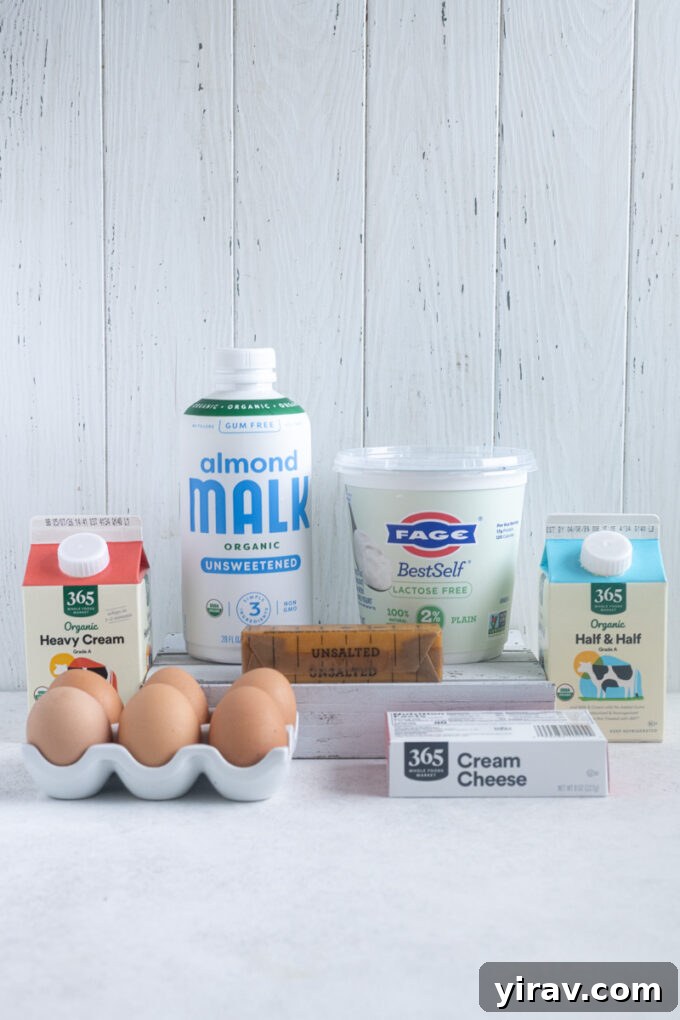
Many everyday refrigerator staples are versatile and frequently used in both cooking and baking. While eggs, milk, and butter have been thoroughly covered in the “Baking Essentials” section due to their critical roles in baked goods, other dairy and fresh items also have useful substitutions that can help you adapt recipes, manage dietary needs, or simply work with what you have.
Sour Cream
Sour cream offers a distinct tangy flavor and rich, creamy texture, making it a popular addition to baked goods, dips, and as a topping. Its acidity can also contribute to tenderness in baking.
• Plain Greek Yogurt: An excellent 1:1 swap, especially for health-conscious cooks. Greek yogurt provides a similar tangy flavor and thick, creamy consistency, with the added benefit of higher protein and lower fat. It’s superb in dips, as a topping, and in many baked goods.
• Dairy-Free Yogurt: For dairy-free needs, unsweetened plain dairy-free yogurt (such as coconut, almond, or soy yogurt) can serve as a 1:1 swap. Ensure it’s thick and plain to best mimic sour cream.
Ricotta Cheese
Ricotta cheese is a soft, fresh, Italian whey cheese with a mildly sweet flavor and a creamy, granular texture. It’s a key ingredient in lasagna, stuffed shells, and many cheesecakes.
• Blended Cottage Cheese: A highly effective 1:1 swap. Cottage cheese, when blended until smooth, achieves a similar creamy consistency and mild flavor profile to ricotta, making it ideal for pasta dishes and baking where ricotta’s texture is primarily for creaminess.
Cream Cheese
Cream cheese is a soft, mild, and spreadable cheese with a distinct tangy flavor. It’s a beloved ingredient for bagels, cheesecakes, and creamy sauces.
• Mascarpone Cheese: A luxurious 1:1 swap. Mascarpone is an Italian cream cheese, even richer and softer than traditional cream cheese, with a sweeter flavor. It works wonderfully in desserts and sweet applications, though it will be less tangy.
• Blended Cottage Cheese: While not a direct 1:1 for taste, blended cottage cheese can offer a similar creamy consistency and protein content, especially in savory applications or as a base for spreads, achieving a texture close to cream cheese.
Heavy Cream (Heavy Whipping Cream)
Heavy cream, also known as heavy whipping cream, is a rich dairy product with a high fat content (typically 36% or more). It’s essential for achieving rich sauces, creamy soups, and, most notably, for whipping into stable whipped cream. While several swaps exist for adding richness, none perfectly replicate its whipping properties.
The swaps listed below are generally 1:1 for adding richness and creaminess to soups, stews, sauces, and baking. However, the exact texture and fat content will vary slightly, and there is no true substitute for heavy cream or heavy whipping cream when aiming to make stable, fluffy homemade whipped cream. Heavy cream and heavy whipping cream can be used interchangeably in most recipes as their fat content is very similar.
• Half-and-Half: A 1:1 swap for less rich applications like creamy soups or coffee creamer. It’s lighter than heavy cream (about 10-18% fat) so it won’t provide the same thickness or whipping ability.
• Milk + Butter: To replace 1 cup of heavy cream, combine ¾ cup of whole milk with ¼ cup of melted butter. Whisk until well combined. This mixture mimics the fat content and richness for cooking and some baking, but won’t whip.
• Full-Fat Canned Coconut Milk: A fantastic dairy-free 1:1 swap for richness and creaminess in savory dishes (like curries or creamy pasta sauces) and some desserts. Ensure you use the thick, creamy part from the top of a chilled can for maximum richness. It will impart a coconut flavor.
Greek Yogurt
Greek yogurt is thicker, tangier, and higher in protein than regular yogurt, making it a versatile ingredient for cooking, baking, and as a healthy topping or snack.
• Sour Cream: A popular 1:1 swap for its similar thick texture and tangy flavor. Excellent in dips, as a topping, or in baking for added moisture and tenderness.
• Plain Yogurt (strained): Regular plain yogurt can be used as a 1:1 swap, but for a similar thick consistency, it’s best to strain it through a coffee filter or cheesecloth for a few hours to remove excess whey, making it thicker like Greek yogurt.
High-Heat Oils for Cooking and Frying
Choosing the right cooking oil is crucial, especially when cooking at higher temperatures such as sautéing, roasting, searing, or deep-frying. Oils have varying smoke points—the temperature at which they begin to smoke and break down, potentially releasing harmful compounds and imparting off-flavors. Selecting oils with high smoke points ensures stability, preserves flavor, and maintains the nutritional quality of your food.
It’s generally advisable to avoid oils that contain trans fats or highly refined oils that are prone to oxidation and become unstable when exposed to high heat, as these can negate the health benefits of your meal.
Good Oils for High-Heat Cooking
These oils are stable, possess high smoke points, and are excellent choices for various high-temperature cooking methods, maintaining their integrity and flavor:
• Avocado Oil: Boasting one of the highest smoke points (around 500°F or 260°C), avocado oil is remarkably stable and has a very mild, neutral flavor, making it incredibly versatile for almost any high-heat application, including frying and roasting.
• Ghee (Clarified Butter): With a high smoke point (approximately 485°F or 252°C), ghee offers a rich, nutty, and distinctly buttery flavor. Since its milk solids have been removed, it tolerates much higher heat than regular butter, making it ideal for sautéing, searing, and roasting without burning.
• Refined Coconut Oil: Refined coconut oil has a high smoke point (around 400°F or 204°C) and a neutral flavor (unlike virgin coconut oil, which retains a coconut taste). It’s a solid choice for general high-heat cooking and baking where a neutral flavor is desired.
• Light Olive Oil (not Extra Virgin): While extra virgin olive oil has a lower smoke point and is best for low-heat cooking or finishing, ‘light’ or ‘pure’ olive oil is more refined and has a higher smoke point (around 465°F or 240°C), making it suitable for sautéing and roasting without imparting a strong flavor.
• Peanut Oil: A popular choice for deep frying due to its high smoke point (around 450°F or 232°C) and neutral flavor, which doesn’t overpower the food.
• Safflower Oil (High-Oleic): High-oleic safflower oil has a very high smoke point (around 450-510°F or 232-266°C) and a neutral flavor, making it another excellent choice for high-heat applications.
Oils to Avoid for High Heat
Using oils with low smoke points or those prone to degradation at high temperatures can negatively impact flavor, create off-odors, and even produce unhealthy compounds. It’s best to reserve these for low-heat cooking, dressings, or finishing dishes.
The following oils are more prone to breaking down at high temperatures and should generally be avoided for intense heat applications:
• Unclarified Butter: While delicious, regular butter has milk solids that burn easily at relatively low temperatures (smoke point around 302-350°F or 150-175°C). Use ghee instead for higher heat or cook with butter over medium-low heat to avoid burning.
• Unrefined Seed Oils: Oils like unrefined flaxseed oil, walnut oil, or pumpkin seed oil have very low smoke points and delicate flavors. They are best used raw in dressings or as a finishing oil, not for cooking with heat.
• Extra Virgin Olive Oil: Despite its popularity, Extra Virgin Olive Oil has a moderate smoke point (around 375°F or 190°C) and can lose its nuanced flavor and beneficial compounds when heated too high. It’s best for sautéing at medium heat or as a finishing oil.
• Oils Containing Trans Fats or Partially Hydrogenated Oils: These are highly processed oils (often found in older forms of vegetable shortening or certain margarines) and are unhealthy, becoming even more detrimental when heated. Always check labels and avoid them.
• Canola Oil (conventional): While widely used, conventionally produced canola oil is often highly refined and can be prone to oxidation at higher heats. Opt for organic, cold-pressed versions if using.
Adapting Recipes for Common Dietary Needs
One of the most powerful applications of ingredient substitution knowledge is the ability to confidently adapt recipes to suit various dietary needs, preferences, or allergies. This section outlines common swaps for popular dietary adjustments, allowing you to enjoy your favorite meals without compromise.
Gluten-Free Cooking and Baking
For individuals with celiac disease, gluten sensitivity, or those choosing a gluten-free lifestyle, replacing wheat-based ingredients is essential. The key is to find alternatives that provide similar structure and texture.
Use ingredients such as:
• Gluten-Free Flour Blends: Look for “1:1” or “cup-for-cup” gluten-free flour blends. These are pre-mixed to mimic the properties of all-purpose wheat flour and often contain a combination of rice flour, tapioca starch, potato starch, and xanthan gum. They are the most straightforward swap for wheat flour in many recipes.
• Almond Flour: Excellent for adding moisture, protein, and a rich, nutty flavor. Best in recipes specifically designed for almond flour or where a denser, moister crumb is desired (e.g., cakes, cookies, macarons).
• Oat Flour: A wholesome, naturally gluten-free flour (ensure it’s certified GF to avoid cross-contamination) that adds a mild, sweet flavor. It works well in muffins, pancakes, and certain cookies. May require additional binders or less liquid due to its lack of gluten.
• Alternative Grains: Replace wheat-based grains like couscous or bulgur with naturally gluten-free options such as quinoa, brown rice, wild rice, or gluten-free pasta in salads, side dishes, and main courses.
Dairy-Free Cooking and Baking
For those avoiding dairy due to lactose intolerance, milk allergies, or a vegan diet, a wide array of plant-based alternatives can seamlessly replace traditional dairy products.
Replace dairy with:
• Plant-Based Milks: Unsweetened almond, oat, soy, or cashew milk can replace dairy milk 1:1 in most recipes. Oat milk often offers the creamiest texture.
• Coconut Milk or Coconut Cream: Full-fat canned coconut milk is an excellent substitute for heavy cream or evaporated milk, providing rich creaminess to sauces, soups, and desserts. Coconut cream (the thick part from the top of a chilled can) can replace heavy cream in many applications (except whipping for peaks).
• Dairy-Free Yogurt: Unsweetened plain plant-based yogurts (coconut, almond, soy) can replace dairy yogurt or sour cream 1:1 in baking, dips, and as toppings.
• Healthy Fats for Butter: Use olive oil, avocado oil, or refined coconut oil (solid or melted, depending on the recipe) as dairy-free butter alternatives. Plant-based butters are also available as a direct 1:1 swap.
• Nutritional Yeast: A common seasoning that adds a cheesy, umami flavor to dairy-free sauces, gravies, and “cheese” sauces.
Egg-Free Cooking and Baking (Vegan Options)
Whether for allergies or a vegan lifestyle, going egg-free in baking requires understanding the egg’s role and choosing the right replacement.
Replace 1 large egg with:
- Flax Eggs: 1 tablespoon ground flaxseed meal + 2½ tablespoons water, allowed to gel. Excellent binder.
- Chia Eggs: 1 tablespoon chia seeds + 2½ tablespoons water, allowed to gel. Also a great binder, rich in nutrients.
- Unsweetened Applesauce: ¼ cup per egg. Adds moisture and slight sweetness; best for softer baked goods.
- Mashed Banana: ¼ cup per egg. Adds moisture, sweetness, and a banana flavor; suitable where the flavor is complementary.
- Silken Tofu (blended): ¼ cup per egg. Provides moisture and a slight binding effect, neutral in flavor.
- Commercial Egg Replacers: Follow package directions; these are formulated to mimic egg properties in baking.
Refined Sugar-Free Baking
Opting for unrefined or natural sweeteners can be a great way to reduce processed sugar intake. These alternatives often bring their own unique flavors and nutritional benefits.
Replace 1 cup of refined white sugar with:
• Maple Syrup: ¾ cup per 1 cup sugar. Reduce other liquids in the recipe by 2–3 tablespoons. Adds a rich, earthy flavor.
• Honey: ¾ cup per 1 cup sugar. Reduce other liquids in the recipe by 2–3 tablespoons. Imparts a distinct floral sweetness.
• Coconut Sugar: A 1:1 swap. Offers a caramel-like flavor, similar to brown sugar but with a milder sweetness and lower glycemic index.
• Date Sugar: A 1:1 swap. Made from dried and ground dates, providing a rich, natural caramel flavor and fiber. It doesn’t dissolve as well as other sugars, so it’s best in recipes where a slightly granular texture is acceptable.
• Allulose: Approximately 1⅓ cups per 1 cup sugar for equivalent sweetness, with minimal calories and no blood sugar impact. Note its effect on browning and texture.
Empowered with knowledge of these common ingredient substitutions, you can approach any recipe with newfound flexibility and confidence. Whether you’re navigating dietary restrictions, embracing healthier alternatives, or simply making do with what your pantry offers, these swaps will make your cooking and baking journey smoother and more creative. Bookmark this comprehensive guide and keep it close at hand, ensuring you’re always ready to adapt and innovate in the kitchen!