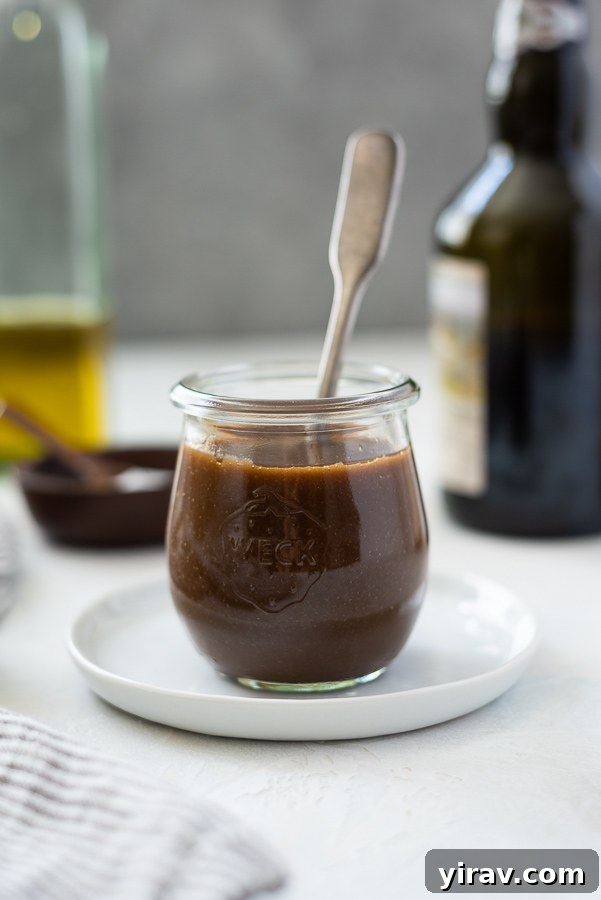
Balsamic Vinaigrette Dressing is a timeless classic that brings a burst of sweet and tangy flavor to any dish. Imagine a homemade dressing so effortlessly delicious, prepared in mere minutes with just a handful of staple ingredients, that you’ll forever bid farewell to its store-bought counterparts. This recipe isn’t just a dressing; it’s an experience, transforming your salads from ordinary to extraordinary with its fresh, vibrant taste.
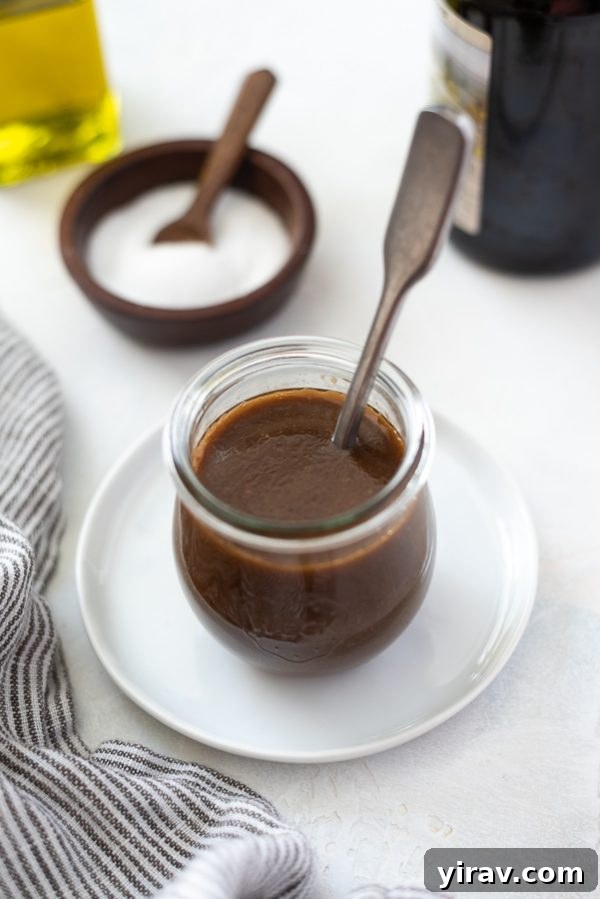
For those who cherish fresh, wholesome food, the importance of a high-quality salad dressing cannot be overstated. A truly exceptional dressing elevates a simple bowl of greens into a culinary delight. This philosophy drives my passion for crafting homemade dressings, and it’s why I advocate for making your own. Store-bought options, while convenient, often contain a cocktail of preservatives, excessive sodium, and refined sugars that can detract from the natural goodness of your fresh salad ingredients.
Over the years, I’ve completely shifted away from purchasing pre-made salad dressings. The difference in taste, freshness, and nutritional value is simply incomparable to what you can achieve at home. My collection of homemade salad dressing recipes consistently outperforms anything from the supermarket shelf. It takes just a few minutes each week to whip up a batch of dressings like my zesty Greek salad dressing or invigorating apple cider vinegar dressing, and the impact on my daily salads is immense – they burst with freshness and flavor.
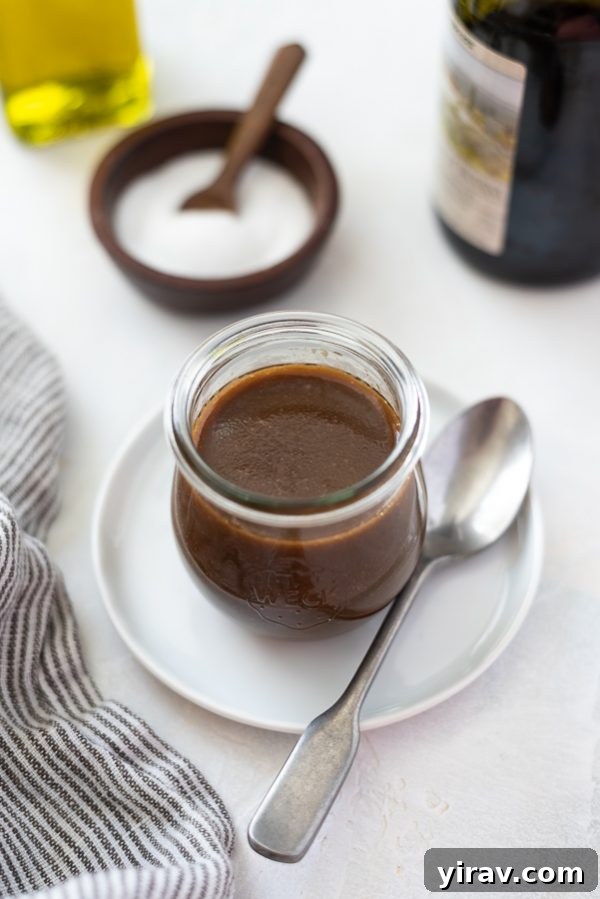
This particular balsamic dressing recipe has been a beloved staple in my kitchen for a long time. It strikes the perfect balance between sweet and tangy, complemented by the savory depth of Dijon mustard and a bright hint of fresh lemon juice. These ingredients work in harmony, making every component of the dressing shine brilliantly. The beauty of this recipe lies in its simplicity and versatility, making it an indispensable addition to your culinary repertoire.
Beyond its incredible taste, making your own balsamic vinaigrette offers numerous benefits. You have complete control over the quality of ingredients, allowing you to choose organic, premium options free from artificial additives. It’s also often more cost-effective in the long run and contributes to a healthier lifestyle by reducing your intake of processed foods. Furthermore, the process itself is incredibly rewarding, providing a sense of accomplishment with every batch you create.
Toggle
Why This Balsamic Vinaigrette Is A Must-Make:
- This balsamic vinaigrette dressing offers a sublime balance of sweet and tangy notes, delivering a fresh, homemade flavor that store-bought varieties simply cannot replicate. Its vibrant taste will revitalize your salads and impress your palate.
- Crafted with just 5 core ingredients, this recipe is incredibly adaptable. You can easily customize it based on what you have on hand, making it a flexible and convenient option for any meal.
- It comes together in less than 5 minutes, making it an ideal choice for busy weeknights or impromptu gatherings. This quick preparation ensures you always have a gourmet-quality dressing ready to elevate your culinary creations.
- Homemade means healthier! By preparing your own dressing, you control the ingredients, avoiding unwanted preservatives, excessive sodium, and artificial flavors often found in commercial dressings.
- This vinaigrette is incredibly versatile, not just for salads. Use it as a marinade for meats, a drizzle over roasted vegetables, or even a dipping sauce for crusty bread. Its robust flavor profile enhances a wide array of dishes.
- Prepping a batch of this dressing in advance saves you time throughout the week, ensuring that a delicious and healthy option is always within reach for quick, nutritious meals.
Essential Ingredients for Balsamic Vinaigrette
Creating an outstanding balsamic vinaigrette starts with choosing quality ingredients. Each component plays a vital role in achieving that perfect balance of flavor and texture.
- Olive oil: For the most robust and authentic flavor, opt for extra virgin olive oil. Its rich, fruity notes provide the perfect base for this vinaigrette. While extra virgin is recommended, a good quality light olive oil can also be used for a milder taste.
- Balsamic vinegar: This is truly the star of the show. Invest in the best quality balsamic vinegar you can reasonably afford. A higher quality vinegar will offer a more complex sweetness and depth, making a significant difference in the final taste of your dressing. Look for terms like “Modena” or “Aceto Balsamico Tradizionale” for superior options, though good commercial varieties are also excellent for everyday use.
- Dijon mustard: More than just a flavor enhancer, Dijon mustard is crucial for emulsification. It helps bind the oil and vinegar together, preventing them from separating and creating a smooth, creamy texture. Its distinctive savory and slightly spicy notes also add a wonderful depth to the dressing.
- Fresh lemon juice: While optional, a squeeze of fresh lemon juice brightens all the flavors, adding a vibrant tang that lifts the entire dressing. It complements the balsamic beautifully, making the dressing feel even fresher.
- Maple syrup: This natural sweetener balances the acidity of the vinegar and adds a subtle richness. Pure maple syrup is preferred for its distinct flavor, but you can easily substitute it with honey or agave nectar for a similar sweetening effect. Adjust the amount to your preferred level of sweetness.
- Salt and pepper, to taste: These fundamental seasonings are essential for enhancing all the other flavors. Use fine sea salt or kosher salt and freshly ground black pepper for the best results. Don’t be shy; proper seasoning brings the dressing to life.
Optional Add-ins for Customization:
Feel free to get creative and customize your balsamic vinaigrette to suit your taste:
- Garlic: A minced fresh garlic clove adds a pungent, aromatic kick. If you’re not a fan of raw garlic’s intensity, roasted garlic can offer a milder, sweeter depth.
- Shallots: Finely minced shallots provide a delicate oniony flavor that’s less harsh than raw onion, adding another layer of savory complexity.
- Fresh Herbs: Experiment with finely chopped fresh herbs like basil, oregano, thyme, or rosemary. These add garden-fresh aromas and flavors, perfect for specific salad pairings.
- Red Pepper Flakes: For a touch of heat, a pinch of red pepper flakes can introduce a subtle warmth that complements the sweetness and tang.
- Nutritional Yeast: A tablespoon can add a cheesy, umami depth, especially if you’re aiming for a vegan savory profile.
See the recipe card below for the full list of ingredients and quantities.
Crafting Your Balsamic Dressing: Step-by-Step
Mastering homemade balsamic dressing is a true game-changer in the kitchen, and it genuinely takes mere minutes to prepare. Once you realize how quick and easy it is, you’ll wonder why you ever bought it from a bottle.
Pro tip: For ultimate convenience, prep a batch of this versatile dressing in advance and store it in the refrigerator. Having it readily available will make healthy meal prep a breeze!
The simplest and most effective method for making homemade salad dressing is using a mason jar. This technique is not only efficient but also ensures a perfectly emulsified dressing every time. Here’s how:
- First, gather all your ingredients: extra virgin olive oil, balsamic vinegar, Dijon mustard, maple syrup, fresh lemon juice, and a pinch of salt and pepper.
- Carefully pour each ingredient into a clean mason jar. Ensure the lid is securely fastened to prevent any spills during the shaking process.
- Now comes the fun part: vigorously shake the jar! Continue shaking until all the ingredients are thoroughly combined and have emulsified. This means the oil and vinegar, which typically separate, will form a smooth, uniform consistency thanks to the emulsifying power of the Dijon mustard. This usually takes about 30 seconds to a minute of energetic shaking.
- Once emulsified, your balsamic vinaigrette is ready to use! Pour it over your favorite greens, use it as a marinade, or store it for later enjoyment.
Alternatively, if you don’t have a mason jar, you can also whisk the ingredients together in a bowl. Start by combining the vinegar, Dijon, maple syrup, lemon juice, salt, and pepper. Then, slowly drizzle in the olive oil while continuously whisking until the mixture is fully emulsified. A small whisk or even a fork can do the job effectively.
See the recipe card below for full instructions.
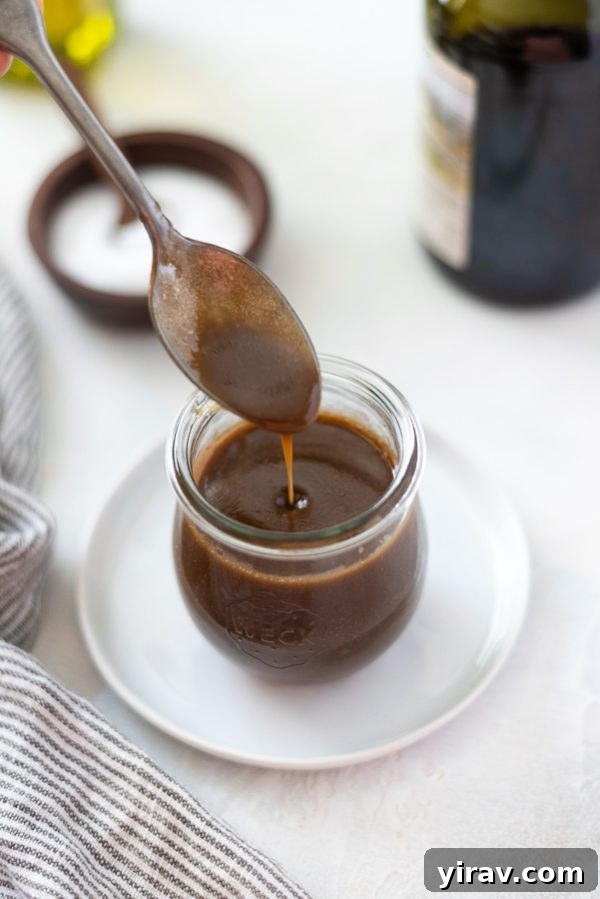
Balsamic Dressing FAQs: All Your Questions Answered
Balsamic vinegar is a truly unique and prized vinegar, originating from Italy. Its distinctive flavor comes from the “grape must” – the freshly crushed whole grape juice, including skin, seeds, and stems. This must is boiled down to a concentrate, then fermented and aged in a series of wooden barrels, typically made from different types of wood like oak, cherry, or juniper. Traditional balsamic vinegar, known as “Aceto Balsamico Tradizionale,” is aged for a minimum of 12 years and often much longer, resulting in a rich, syrupy, and complex flavor. Commercial varieties, more commonly found in grocery stores, combine grape must with wine vinegar and may include caramel coloring for consistency. For the best flavor in your dressing, always choose a balsamic vinegar with a short and clear ingredient list, ideally just “grape must” or “cooked grape must” and “wine vinegar,” avoiding those with added sugars or artificial ingredients.
The terms “vinaigrette” and “dressing” are often used interchangeably, but there’s a subtle distinction. A vinaigrette is a specific type of dressing, characterized by being an emulsion of oil and vinegar, typically in a ratio of three parts oil to one part vinegar. It often includes other aromatics and seasonings like Dijon mustard, herbs, garlic, or shallots. The key is its oil-and-acidic-base. “Dressing,” on the other hand, is a broader, umbrella term that encompasses any sauce or mixture used to enhance the flavor of a salad. This includes vinaigrettes, but also creamy varieties like Caesar, ranch, blue cheese, or even yogurt-based dressings. So, while all vinaigrettes are dressings, not all dressings are vinaigrettes.
Yes, homemade balsamic vinaigrette absolutely needs to be refrigerated. Because it contains fresh ingredients like lemon juice (and any optional fresh garlic or herbs), it is perishable. Storing it in the refrigerator helps to slow down the growth of bacteria and maintain its freshness. However, it’s important to note that the olive oil in your dressing will solidify and become cloudy when cold. This is completely normal and doesn’t affect the quality. To bring it back to its original consistency and vibrant appearance, simply take the dressing out of the refrigerator about 10-15 minutes before serving. Allow it to come to room temperature, then give it a vigorous shake to re-emulsify before drizzling over your salad or dish.
When stored properly in an airtight container in the refrigerator, homemade balsamic vinaigrette can last for up to 2 weeks. The acid from the vinegar and lemon juice acts as a natural preservative, helping to extend its shelf life. However, if you add fresh ingredients like minced garlic, shallots, or delicate herbs, its lifespan might be slightly shorter, typically around 7-10 days. Always check for any off-smells or unusual appearances before using, and if in doubt, it’s best to discard and make a fresh batch.
Absolutely! This recipe is naturally vegan if you use maple syrup as the sweetener. If you typically use honey, simply swap it for an equal amount of pure maple syrup or agave nectar. All other ingredients – olive oil, balsamic vinegar, Dijon mustard, lemon juice, salt, and pepper – are plant-based, making this an excellent choice for vegan diets.
The best way to emulsify vinaigrette is through vigorous agitation, which breaks down the oil into tiny droplets and disperses them evenly throughout the vinegar, with the help of an emulsifier like Dijon mustard. The mason jar method (shaking vigorously) is excellent and easy. Alternatively, using a whisk or an immersion blender can also achieve a smooth emulsion. When whisking, gradually stream in the oil while continuously whisking the other ingredients. An immersion blender or food processor will create the most stable and thickest emulsion very quickly.
Versatile Serving Suggestions
This balsamic vinaigrette is incredibly versatile and can enhance a wide variety of dishes, extending far beyond just salads. Its balanced sweet and tangy profile makes it a fantastic culinary asset:
- Classic Salads: Of course, it’s perfect with green salads. Serve this dressing with:
- Fig salad
- Raspberry salad
- Spring mix salad
- Strawberry fields salad
- Tricolore salad
- Marinade for Proteins: Its acidic components help tenderize meats, while the flavors infuse beautifully. Use it as a marinade for chicken, fish (especially salmon or cod), pork, or even firm tofu before grilling, baking, or pan-searing.
- Drizzle over Roasted Vegetables: Elevate your roasted broccoli, asparagus, Brussels sprouts, or root vegetables with a generous drizzle of this vinaigrette after they come out of the oven. The heat brings out its aromatics.
- Caprese Skewers or Salad: A natural pairing! Drizzle over fresh mozzarella, cherry tomatoes, and basil for a quick and elegant appetizer or side dish.
- Bruschetta Topping: Mix with chopped fresh tomatoes and basil, then spoon over toasted baguette slices for a delightful appetizer.
- Grain Bowls: Add a flavorful punch to quinoa, farro, or couscous bowls topped with roasted vegetables and your favorite protein.
- Dipping Sauce: Serve it alongside crusty bread as an appetizer or with grilled pita.
- Fruit Salad Enhancer: A light drizzle over a fruit salad with berries, melon, and soft cheese can create a surprising and delightful flavor contrast.
Chef’s Notes for the Perfect Vinaigrette
- Pro tip: Always prepare a larger batch in advance! Having this delicious dressing ready in your refrigerator means you’re always just moments away from a fresh, flavorful salad or a quick boost to your meals.
- Quality Matters: The flavor of your vinaigrette is only as good as its ingredients. Invest in a high-quality extra virgin olive oil and a good balsamic vinegar for the best results. The difference is truly palpable.
- Customize Your Flavor Profile: Don’t be afraid to experiment! Add minced garlic or shallots for a savory depth. For a brighter dressing, increase the lemon juice. If you prefer it sweeter, add a bit more maple syrup. Fresh herbs like basil, oregano, thyme, or a pinch of dried chili flakes can also introduce exciting new dimensions. If using fresh garlic and shallots, pulsing the dressing in a food processor or using an immersion blender will ensure they are finely incorporated and distribute their flavor evenly.
- Proper Storage: Store your homemade balsamic vinaigrette in an airtight container, such as a sealed mason jar, in the refrigerator. This will keep it fresh for up to 2 weeks.
- Re-emulsification is Key: Remember that olive oil will solidify and appear cloudy when cold. This is perfectly normal. Before serving, take the dressing out of the refrigerator a few minutes in advance to allow it to come closer to room temperature. Give it a good, vigorous shake until it’s beautifully re-emulsified and smooth again.
- Seasoning: Taste and adjust! Always taste your dressing before serving and adjust the salt and pepper as needed. A properly seasoned dressing can make all the difference.
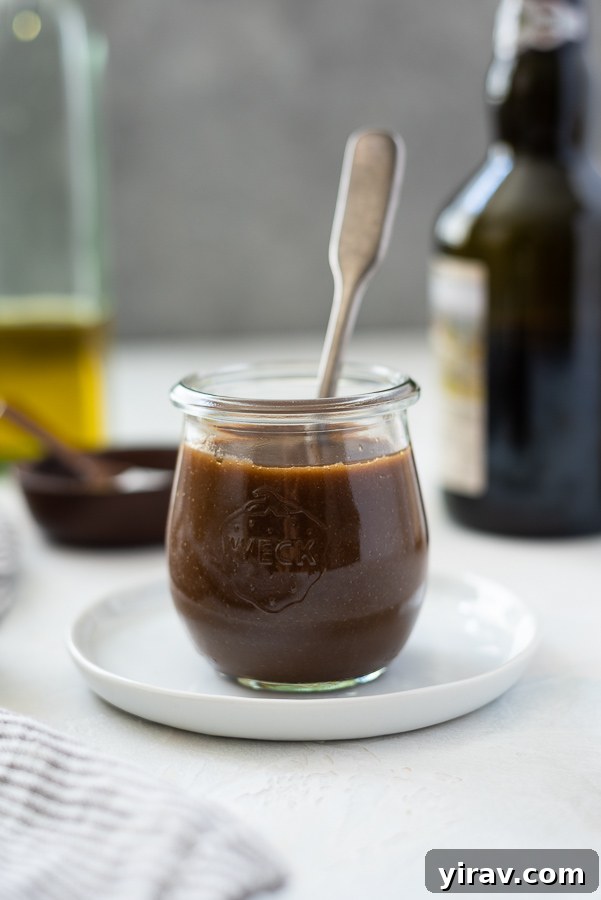
Discover More Delicious Salad Dressing Recipes
If you love the simplicity and flavor of this balsamic vinaigrette, you’ll be delighted to explore more homemade dressing options. Expanding your repertoire of dressings means you’ll always have a fresh, healthy, and exciting accompaniment for any salad or meal. Here are some other fantastic recipes to try:
- Champagne Vinaigrette: A delicate and sophisticated dressing perfect for lighter salads.
- Citrus Vinaigrette: Bright and zesty, ideal for spring and summer greens.
- Easy Greek Salad Dressing: A robust, herb-filled dressing that transports you to the Mediterranean.
- Greek Yogurt Ranch: A healthier, creamy alternative to traditional ranch, packed with flavor.
- Lemon Vinaigrette: Simple, fresh, and incredibly versatile, a staple for any kitchen.
- Honey Mustard Dressing: Sweet and savory, excellent for salads or as a dipping sauce.
- Italian Salad Dressing: A classic blend of herbs and spices that’s always a crowd-pleaser.
- Red Wine Vinaigrette: A tangy and bold dressing, perfect for heartier salads.
- Raspberry Vinaigrette Dressing: A fruity twist that adds a burst of sweet-tart flavor.
Each of these recipes is designed to be easy to make, using fresh ingredients to ensure maximum flavor and health benefits. Experimenting with different dressings will not only enhance your meals but also inspire you to try new flavor combinations in your cooking.
Did you try this recipe? If so, be sure to leave a review below and tag me @flavorthemoments on Facebook and Instagram
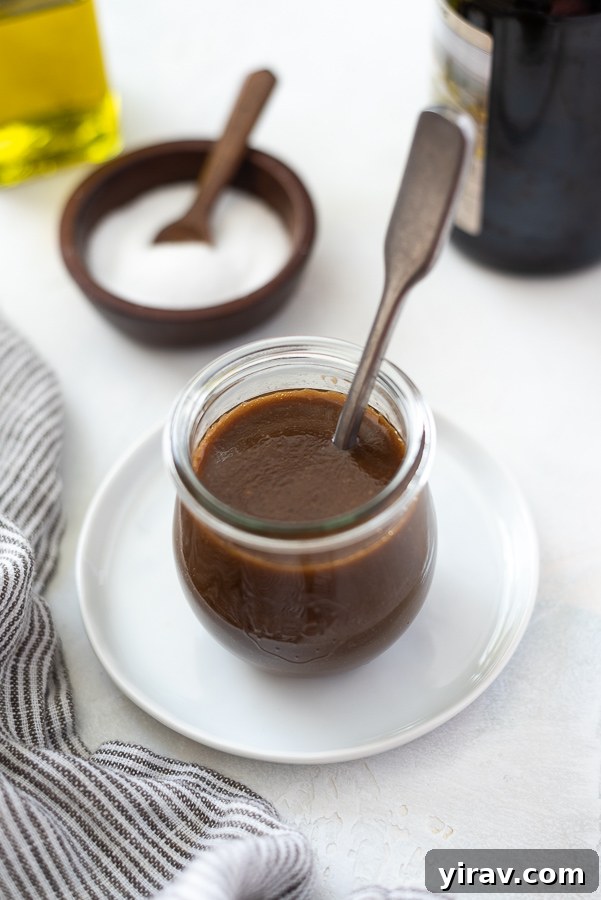
Balsamic Vinaigrette Dressing
reviews
Leave a Review »
Ingredients
- 6 tablespoons extra virgin olive oil
- 3 tablespoons balsamic vinegar use good quality for best results
- 2 teaspoons dijon mustard
- 1 teaspoon pure maple syrup
- 1 teaspoon fresh lemon juice
- salt and freshly ground black pepper to taste
Instructions
-
Place all ingredients into a small jar and seal with a lid. Shake vigorously until emulsified.
-
Serve and enjoy!
Notes
- Pro tip: Prep a batch in advance to have on hand for your salads!
- Add garlic, shallots or herbs to change up your dressing! If using fresh garlic and shallots, pulse the dressing in a food processor.
- Dressing keeps for up to 2 weeks in an air tight container in the refrigerator.
- Keep in mind that the dressing will solidify when it’s cold, so place out at room temperature a few minutes before serving and shake well before using.
Nutrition
Nutrition is estimated using a food database and is only intended to be used as a guideline for informational purposes.