

Embrace the Bitterness: Your Ultimate Guide to 27+ Chicory Recipes

Celebrate the unique charm of chicories with this comprehensive collection of 27+ Chicory Recipes! Dive into a world of flavor, discovering delicious ways to utilize radicchio, escarole, frisée, and Belgian endive. Beyond the recipes, this guide provides essential information on how to select, store, and prepare each variety, alongside valuable nutritional insights and expert tips to master these versatile greens.
Each season presents its own culinary treasures, and for me, the cooler months bring a particular excitement for winter produce. Among these seasonal delights, chicories hold a special place in my kitchen.
My journey with chicories began during cooking school, where I gained invaluable experience with each distinct variety. It was there that I truly fell in love with their vibrant colors, crisp textures, and complex flavors.
For those new to the world of chicories, they are a family of hardy leafy greens characterized by their inherent bitterness. While this distinctive flavor might seem intimidating at first, it’s precisely what makes them so captivating and versatile.
If you’re hesitant about bitter flavors, fear not! This guide will teach you simple yet effective techniques to mellow their intensity through various cooking methods or by expertly pairing them with complementary ingredients.
Chicories are a daily staple in my cooking during this time of year, and I sincerely hope the diverse collection of Chicory Recipes presented below inspires you to incorporate them more frequently into your own culinary repertoire.
Table of Contents
- FAQs About Chicories
- Exploring Chicory Varieties
- Belgian Endive
- Escarole
- Frisée (Curly Endive)
- Radicchio
- 27+ Chicory Recipes to Inspire Your Cooking
- References
If you’re passionate about fresh produce and seeking more inspiring recipes, explore our other seasonal guides:
- Apple Recipes
- Butternut Squash Recipes
- Cabbage Recipes
- Cranberry Recipes
- Delicata Squash Recipes
- Leek Recipes
- March Seasonal Produce Guide
- Fennel Recipes
- Persimmon Recipes
- Poblano Pepper Recipes
- Pomegranate Recipes
- Swiss Chard Recipes
- Winter Fruits and Vegetables
FAQs About Chicories
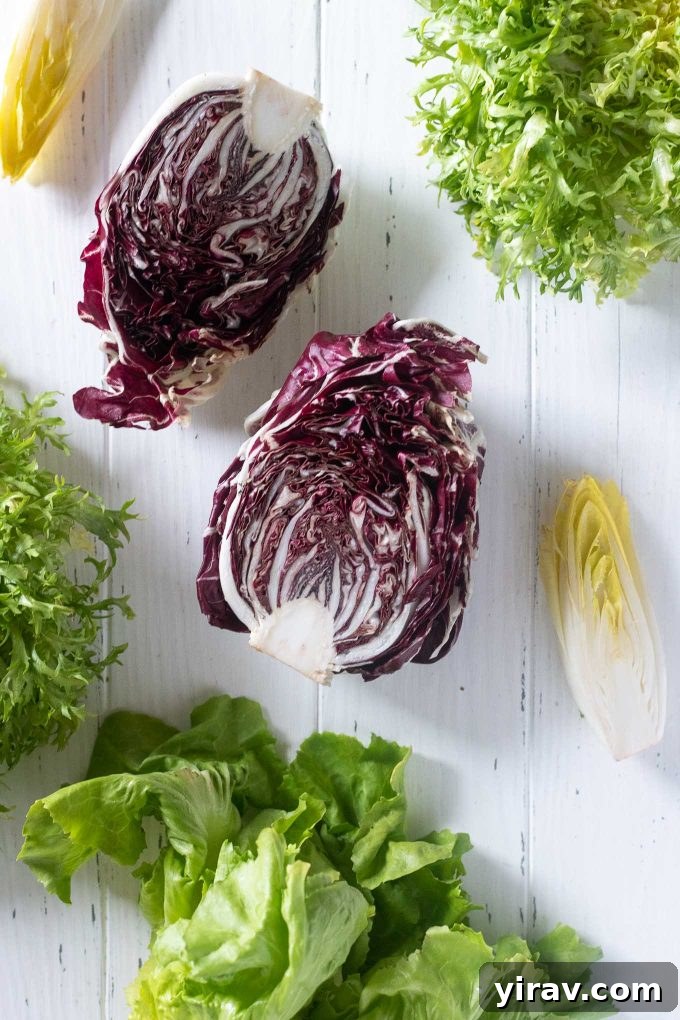
Chicories (Cichorium intybus) are a captivating group of hardy leafy vegetables belonging to the chicory family, sharing similarities with traditional lettuce but boasting a more robust character. They are renowned for their crisp texture and vibrant colors, typically thriving and reaching their peak season from late fall through early spring, making them a winter kitchen essential.
These cultivated varieties originated from the wild chicory plant, a beautiful perennial distinguished by its striking purplish-blue flowers. Both the delicate flowers and the leaves of the wild plant are entirely edible and have historically been used for various medicinal purposes.
The root of the chicory plant, famously known as chicory root, has a long-standing history, cultivated for centuries across Europe. Its naturally bitter flavor made it a popular and enduring substitute for coffee, particularly in times when coffee was scarce or expensive.
Chicories possess a distinct bitter flavor, with the intensity varying between varieties. This inherent bitterness, however, is their culinary superpower, allowing them to shine when paired thoughtfully with other ingredients. They beautifully complement sweet elements like fruits (apples, pears, oranges), rich cheeses (blue cheese, goat cheese), crunchy nuts (walnuts, pecans), and savory meats (bacon, prosciutto).
Chicory lettuce is incredibly versatile, lending itself well to numerous cooking applications. Enjoy it raw in vibrant salads, or explore methods like sautéing, roasting, braising, and grilling. The magic happens when chicories are cooked: the heat gently mellows their bitterness, allowing a subtle, often surprising, sweetness to emerge. This transformation unlocks a whole new dimension of flavor, making them approachable even for those sensitive to bitter notes.
When cooked, the bitterness significantly mellows and a delightful, slightly sweet flavor develops. To further balance their assertive taste, consider dressings with acidity (vinegar, lemon juice) and sweetness (honey, maple syrup), or creamy components that coat the palate. Fatty ingredients like olive oil, avocado, or nuts also help to soften the bitter edge.
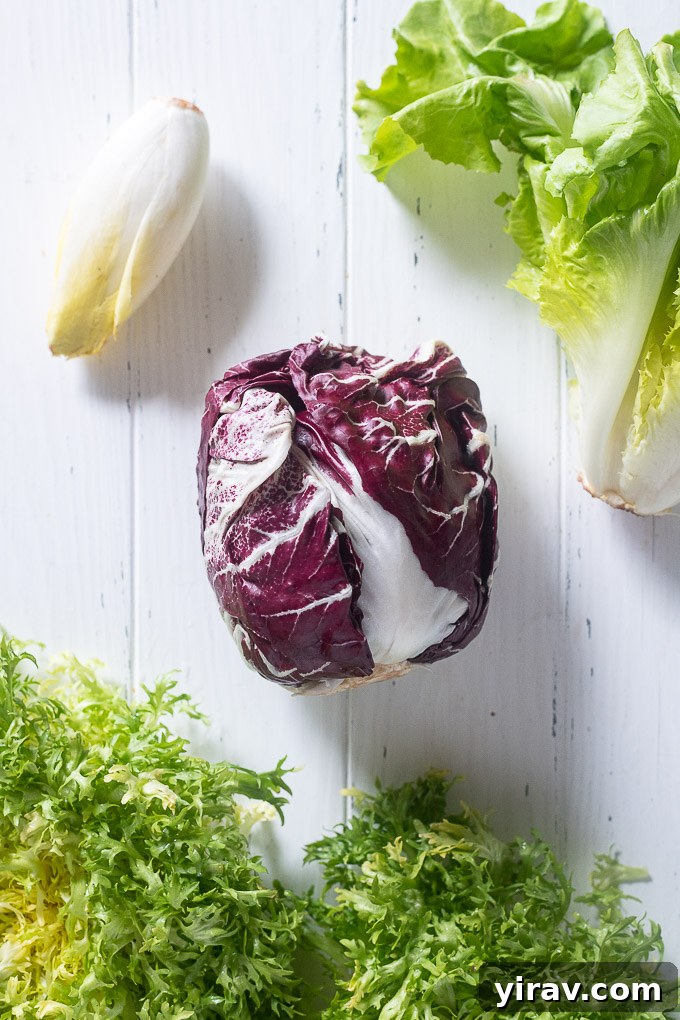
Beyond their unique flavor, chicory greens and lettuces offer a wide array of impressive health benefits. They are remarkably low in calories and carbohydrates, making them an excellent choice for a balanced diet. Chicories are packed with essential nutrients, serving as good sources of Vitamins A, B (including folic acid), C, and K. They also provide beneficial antioxidants like beta-carotene and vital minerals such as calcium, manganese, copper, iron, and potassium.
Moreover, chicories are rich in dietary fiber, which is crucial for digestive health. Some varieties, particularly chicory root, contain inulin, a type of prebiotic fiber that supports a healthy gut microbiome by nourishing beneficial bacteria. Incorporating chicories into your diet can contribute to overall well-being, aiding in nutrient absorption and supporting various bodily functions.
Exploring Chicory Varieties
Belgian Endive
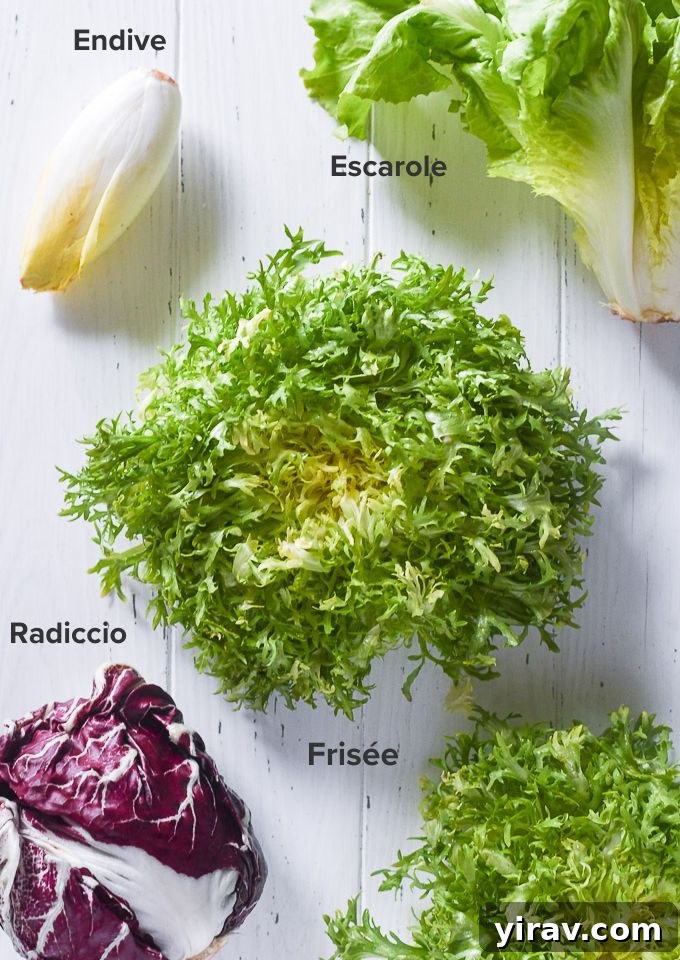
Belgian endive comes in two primary types: the classic pale yellow and white variety, and the striking red endive, which boasts beautiful red and white hues. Both are distinctively small, compact, and oblong in shape, featuring tightly packed, crisp leaves. Their mild bitterness and refreshing crunch make them incredibly versatile.
Belgian endive can be elegantly roasted or braised to soften its texture and deepen its flavor, or grilled for a smoky char. Its sturdy, cup-like leaves are perfect for stuffing with various fillings or serving as elegant dippers for sauces and spreads. Alternatively, it can be finely chopped and enjoyed raw in crisp salads, adding a sophisticated bite, or quickly sautéed for a tender side dish.
Choosing and storing Belgian endive
When selecting Belgian endive, look for heads that feel heavy for their size and are free from any brown spots or discoloration. To maintain its freshness, store endive in an open plastic bag within the crisper drawer of your refrigerator. It will stay fresh for up to one week.
For convenience, you can prep endive in advance by separating and washing the leaves. Store these prepped leaves in an airtight container in the refrigerator and aim to use them within 2-3 days for optimal crispness.
Escarole
Escarole presents itself as a broad, leafy green head, somewhat resembling butter lettuce in its open form but with a notably more bitter flavor profile. Its substantial leaves offer a pleasing chewiness and robustness.
Thanks to its sturdy texture, escarole excels in various culinary applications. It’s fantastic eaten raw in salads, providing a welcome bitter contrast. However, it truly shines when cooked, making an excellent addition to quick sautés, hearty soups, comforting stews, and flavorful pasta dishes, where its bitterness softens and becomes more nuanced.
Choosing and storing escarole
Opt for escarole heads that feel weighty and are free from any signs of wilting or discoloration. Store it in the crisper drawer of your refrigerator in an open plastic bag, where it will remain fresh for 5-7 days. It’s crucial to wash escarole thoroughly before use, as its curly leaves can trap quite a bit of grit.
Once prepped and washed, escarole can be stored in the refrigerator for 2-3 days. For longer storage, blanched escarole can be frozen for up to 3 months, making it convenient for future soups and stews.
Frisée (Curly Endive)
Frisée, often referred to as curly endive, is a striking variation of endive characterized by its open, bushy head of leaves. It features a beautiful gradient of colors, ranging from bright green on the outer leaves to pale yellow and white towards the heart. Its most distinctive feature is its sturdy, crisp, and wonderfully curly or “frizzy” appearance.
This chicory is celebrated for its unique texture and flavor, making it a favorite in both raw and cooked preparations. It’s particularly famous as the base for classic French salads like Salade Lyonnaise, where its delicate bitterness beautifully contrasts with rich, savory elements.
Choosing and storing frisée
When selecting frisée, choose heads that feel heavy and vibrant, with no signs of browning or wilting. Store it in the crisper drawer of your refrigerator in an open plastic bag, and it should stay fresh for 5-7 days.
Frisée can be quite gritty due to its curly nature, so be sure to wash it very well under cold running water before use. After washing, blot the leaves dry and tear them into desired pieces. Store washed and dried frisée in the refrigerator for 2-3 days.
Radicchio
Radicchio encompasses several captivating varieties, each with its own charm, including the widely recognized Chioggia, the elegantly speckled, the elongated Treviso, and the exquisite Castelfranco.
Chioggia radicchio is arguably the most common and recognizable type. It forms a small, tightly packed head, striking red and white in color, often mistaken for a miniature cabbage. However, its texture is much softer, and its flavor is distinctly bitter and peppery.
Treviso radicchio is similar to Chioggia but boasts a larger, more elongated shape with a slightly milder bitterness. Speckled radicchio, a beautiful cross between radicchio and escarole, features delicate leaves adorned with vibrant speckles, offering a softer texture and often a less intense bitterness.
Castelfranco radicchio is a true gem, celebrated for its creamy white leaves elegantly adorned with magenta speckles. Its delicate flavor profile is notably milder and sweeter compared to other radicchio varieties, making it superb in raw applications.
Radicchio leaves are excellent for sturdy lettuce wraps, holding various fillings, or chopped for a vibrant, bitter crunch in fresh salads. It’s equally delicious when sautéed, roasted, or grilled, where its robust flavor softens and sweetens, revealing new depths.
Choosing and storing radicchio
When selecting radicchio, look for heads that are firm and feel heavy in your hand, with vibrant, unblemished leaves. Avoid any heads that show signs of wilting, browning, or soft spots.
To store radicchio, place it in an open plastic bag within the crisper drawer of your refrigerator. It can maintain its freshness and crispness for up to one week.
Before use, remove any damaged or outer leaves. You can then separate the leaves to create individual cups for lettuce wraps or chop the head for salads and cooked dishes. Once prepped, store the cleaned radicchio in the refrigerator and aim to use it within 3-4 days to enjoy its best texture and flavor.
27+ Chicory Recipes to Inspire Your Cooking
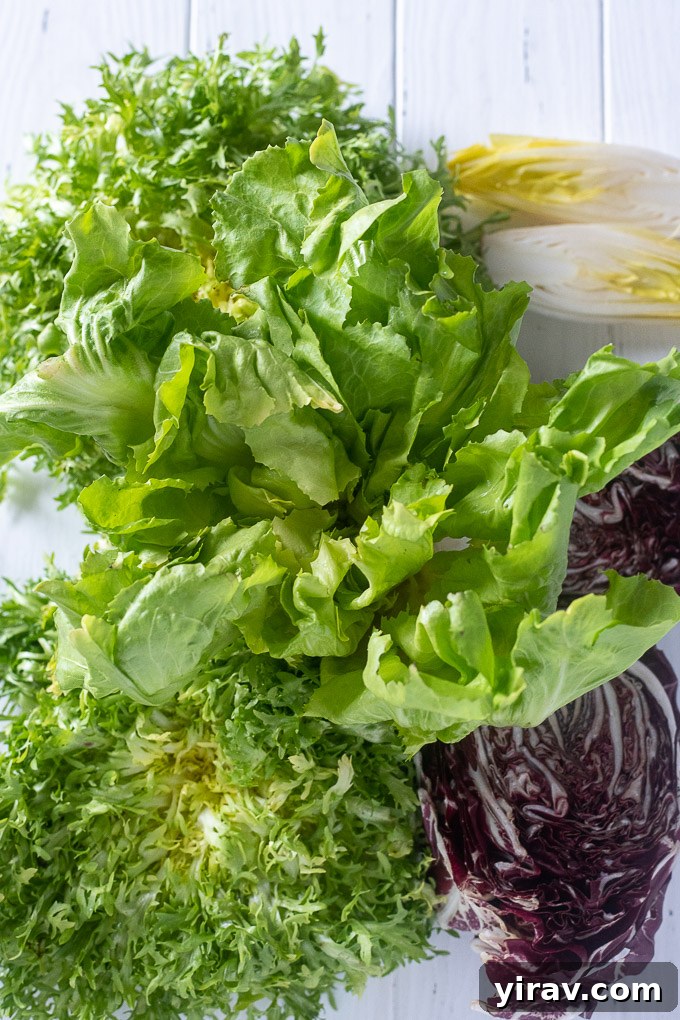
Ready to put your newfound chicory knowledge to the test? This curated collection of recipes showcases the incredible versatility of radicchio, escarole, frisée, and Belgian endive. From vibrant raw salads to comforting cooked dishes, you’ll find plenty of inspiration to incorporate these nutritious and flavorful greens into your meals. Each recipe highlights a different way to enjoy chicories, proving that their unique bitterness can be a culinary asset.
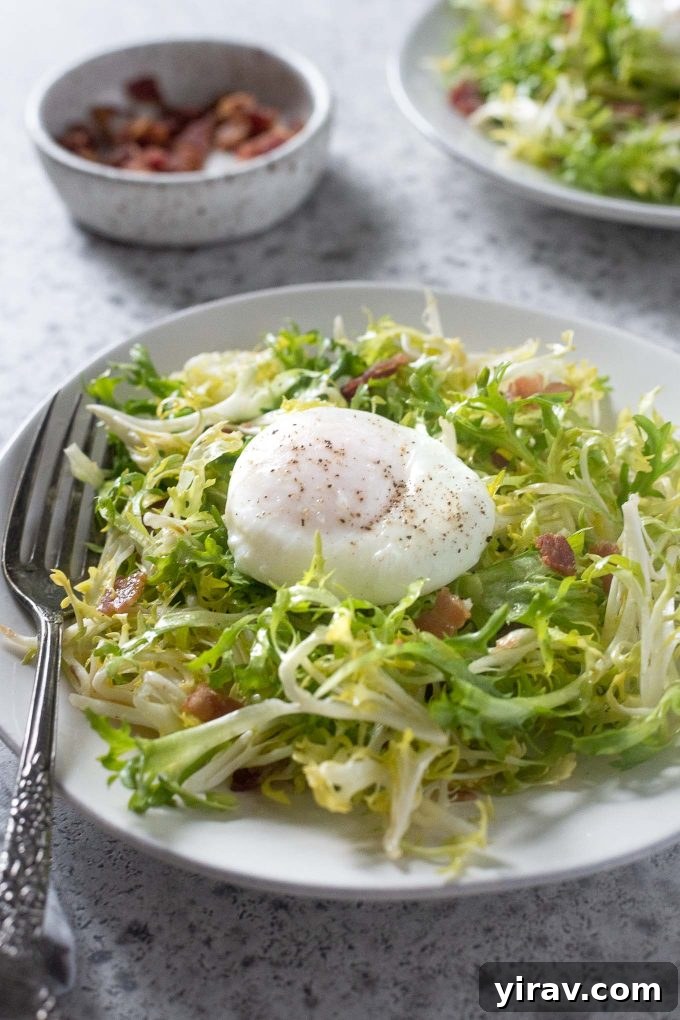
Salade Lyonnaise
Get the Recipe
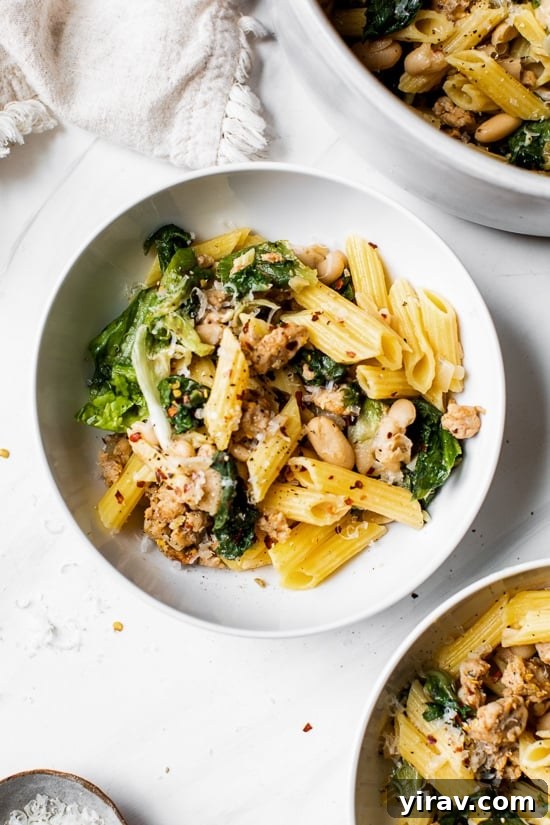
Pasta with Italian Chicken Sausage, Escarole and Beans
Get the Recipe
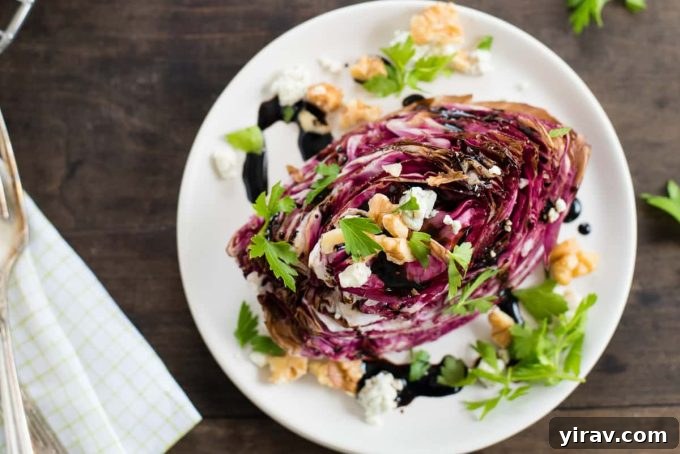
Roasted Radicchio Wedge Salad
Get the Recipe

Italian Wedding Soup
Get the Recipe
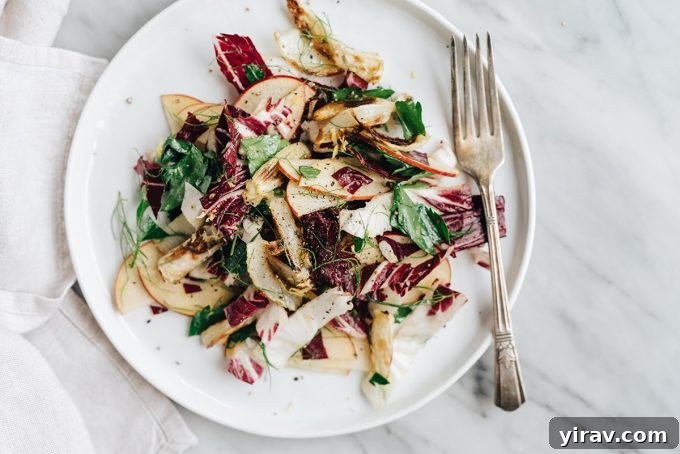
Roasted Fennel Salad with Apple and Radicchio
Get the Recipe
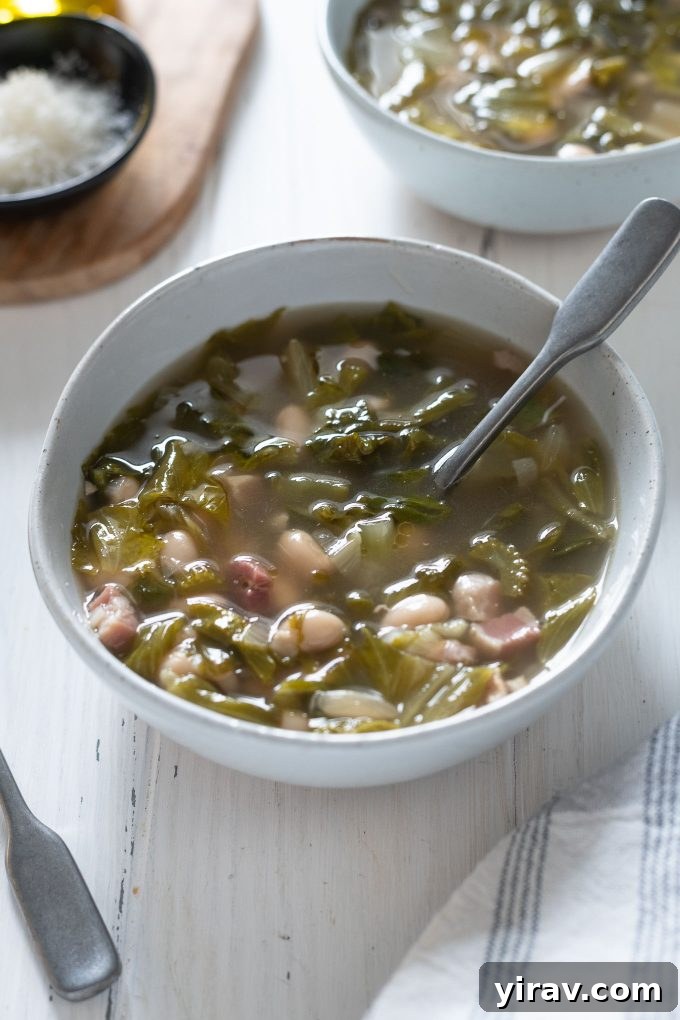
Escarole and Bean Soup
Get the Recipe

Frisee Citrus Salad
Get the Recipe

Endives au Gratin with Ham and Cheese – Endive Gratin
Get the Recipe
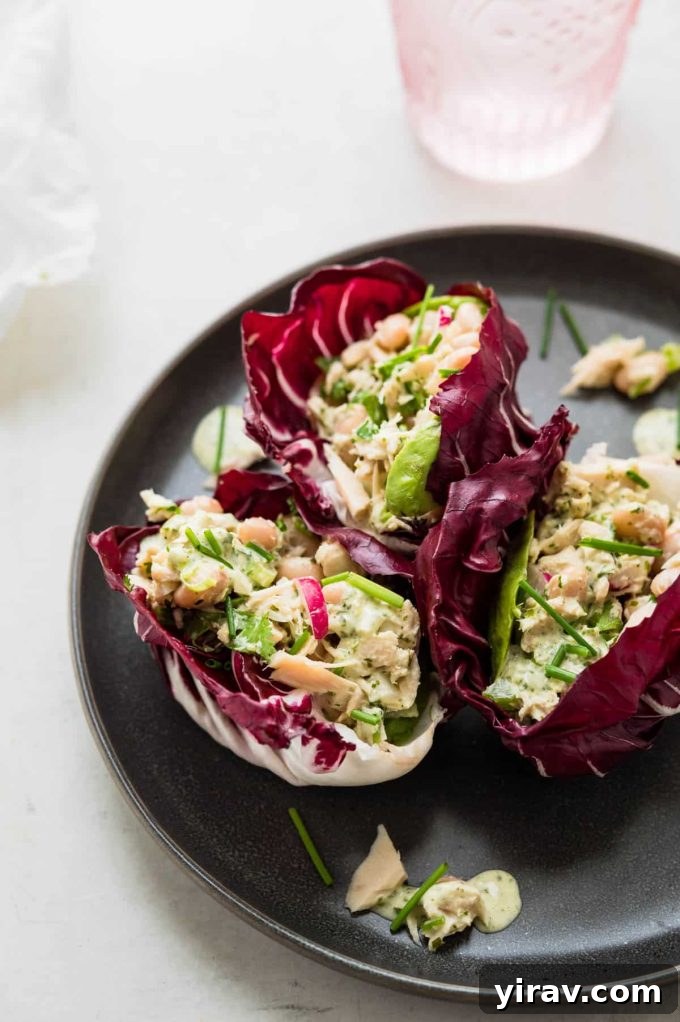
Zesty Tuna Lettuce Wraps
Get the Recipe
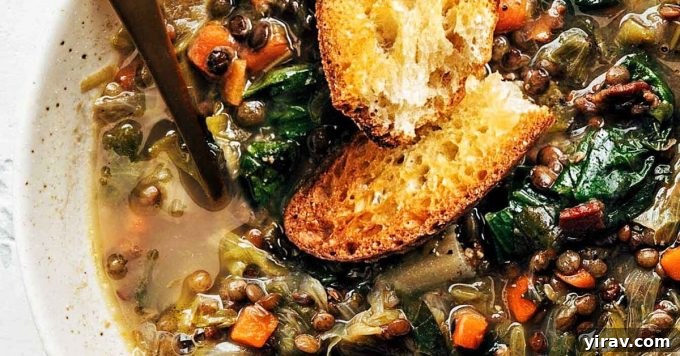
French Lentil Soup with Escarole
Get the Recipe
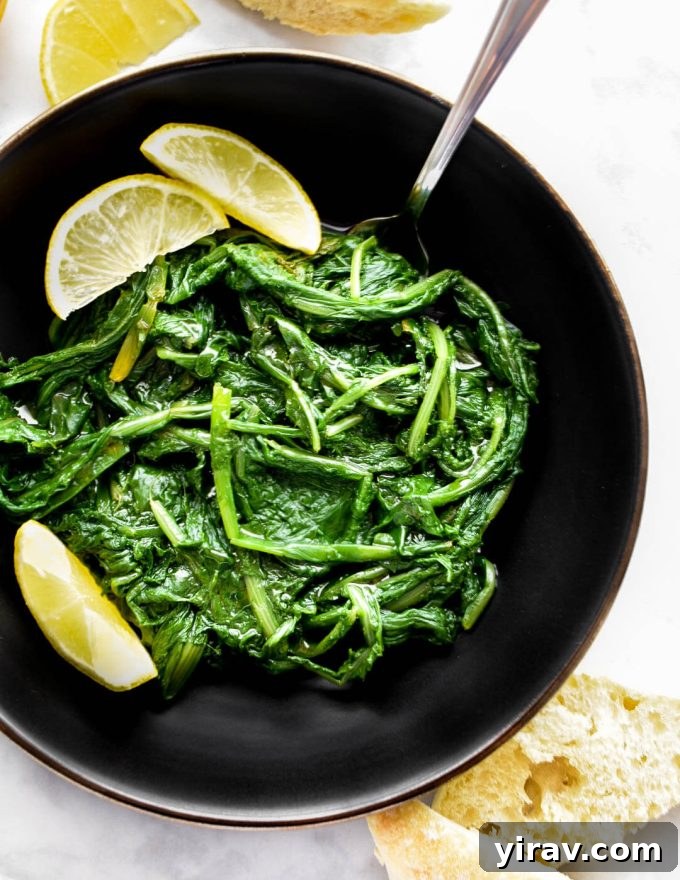
Horta Vrasta (Greek Boiled Leafy Greens) – Herbs & Flour
Get the Recipe
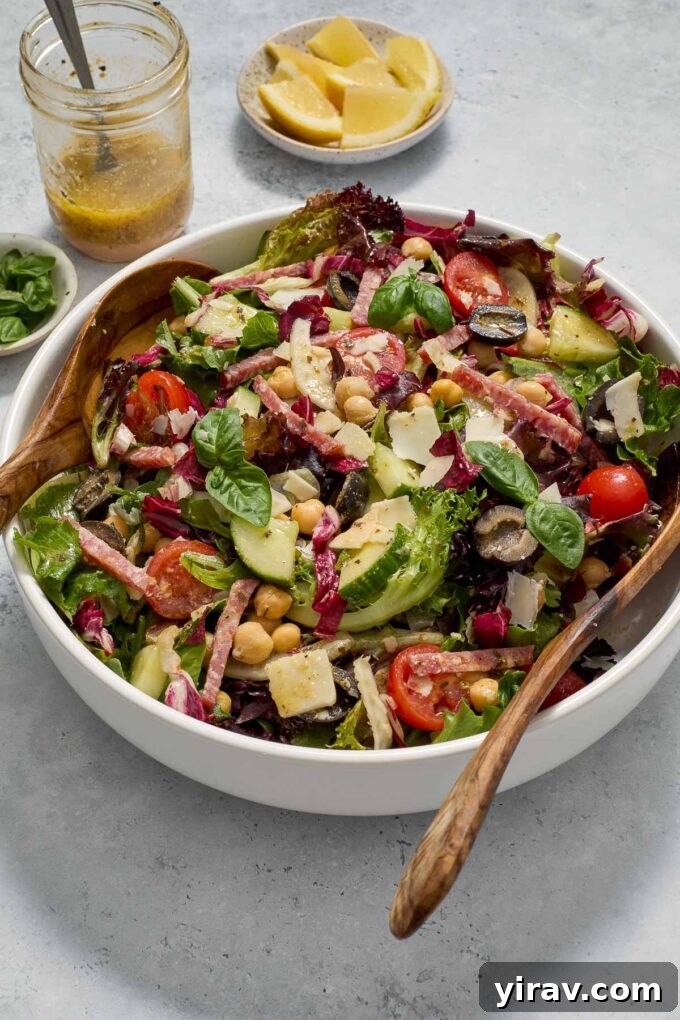
Italian Chopped Salad
Get the Recipe
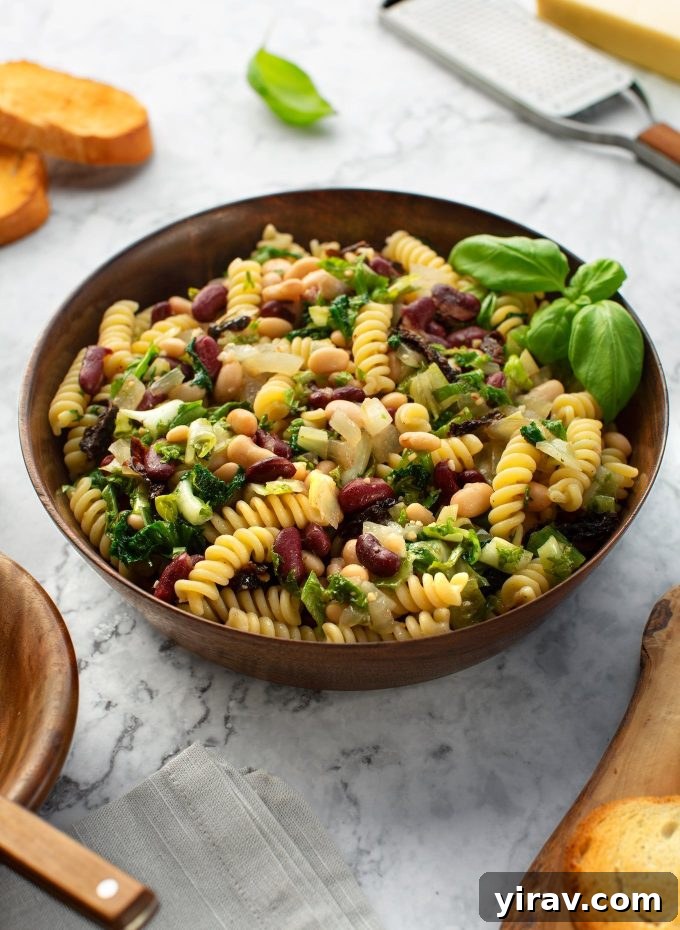
Pasta with Escarole and Two Beans – The Vegan Atlas
Get the Recipe
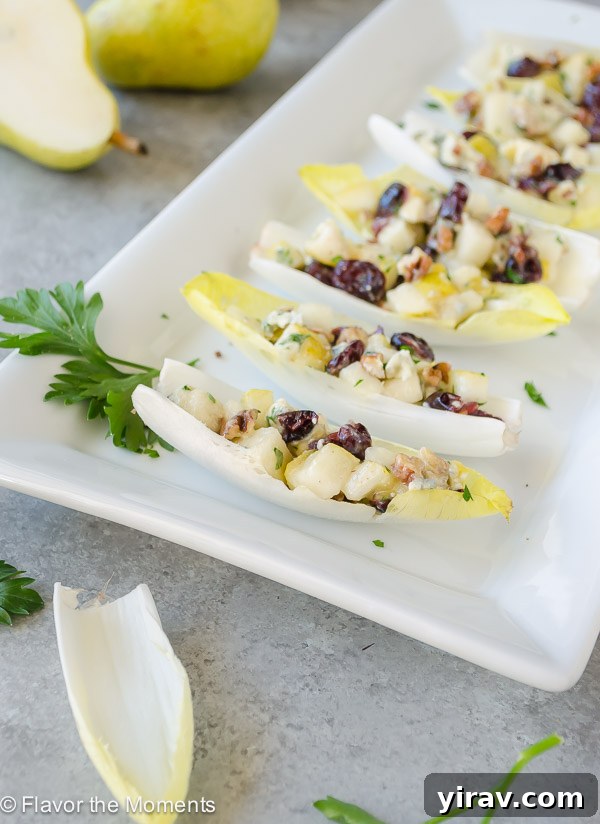
Endive Salad Bites with Pears, Blue Cheese, and Pecans
Get the Recipe
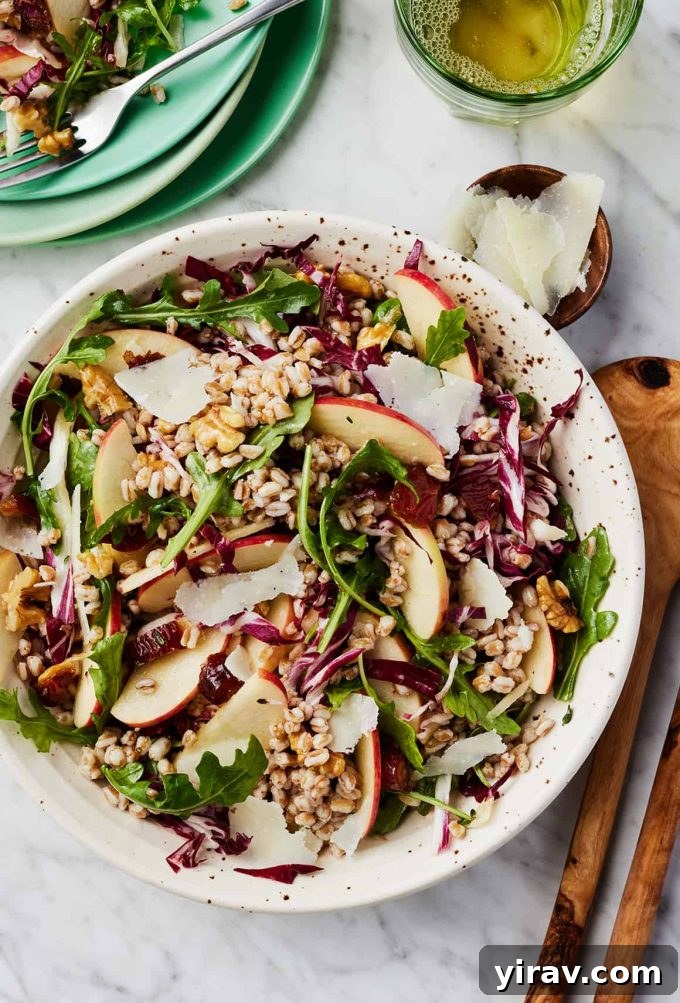
Farro Salad – Love and Lemons
Get the Recipe
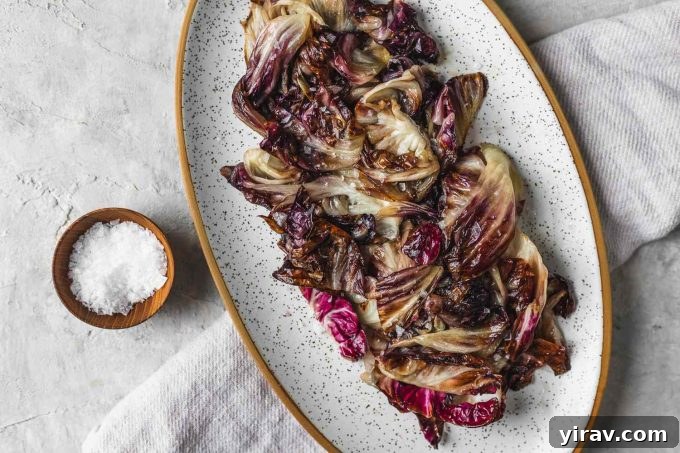
Perfectly Sauteed Radicchio to Mellow Its Sharp Flavor
Get the Recipe
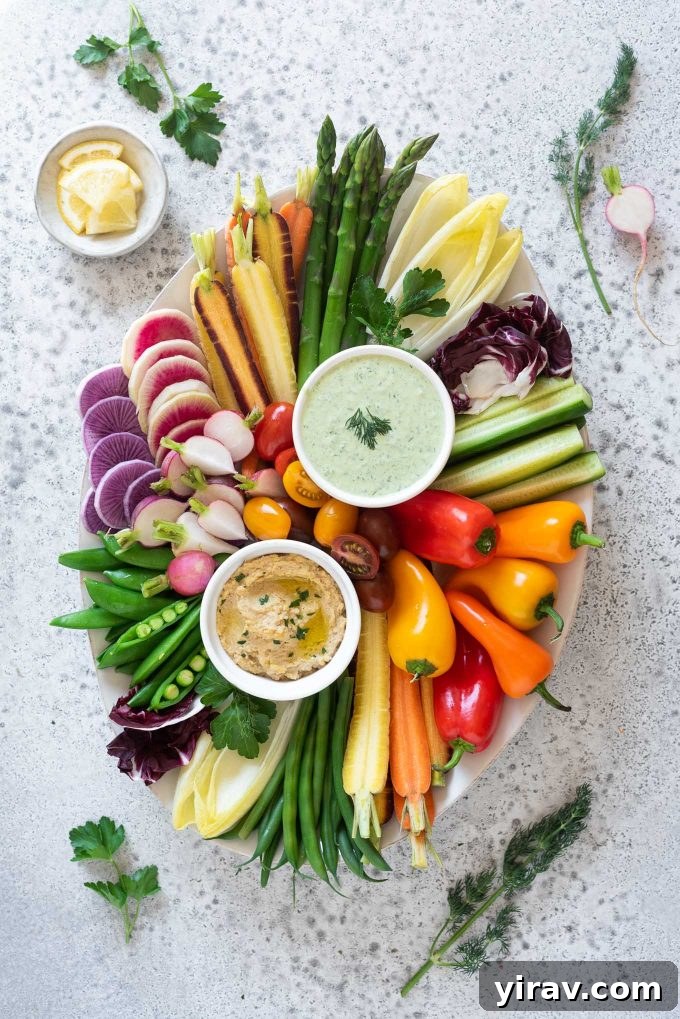
Easy Crudités Platter
Get the Recipe
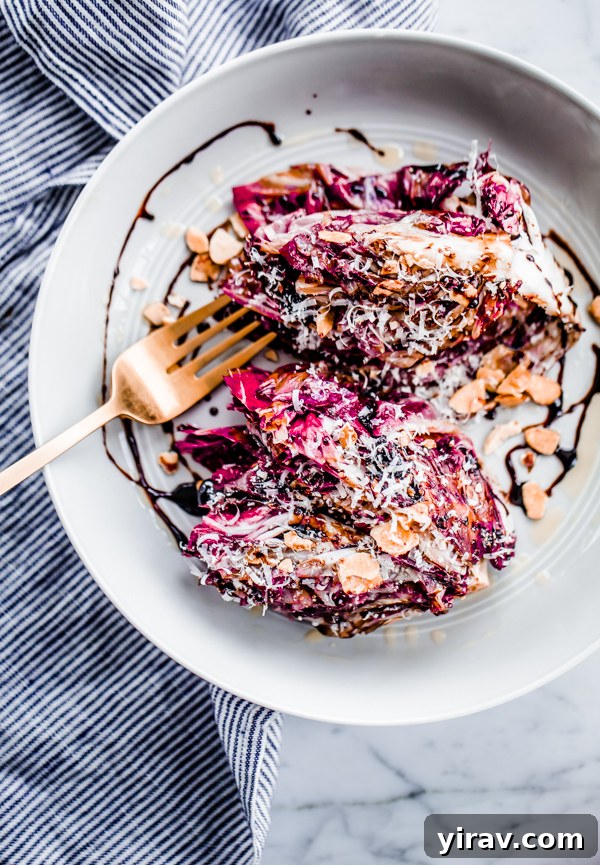
Grilled Radicchio with Fig Balsamic Syrup, Parmigiano, and Honey-Roasted Almonds
Get the Recipe
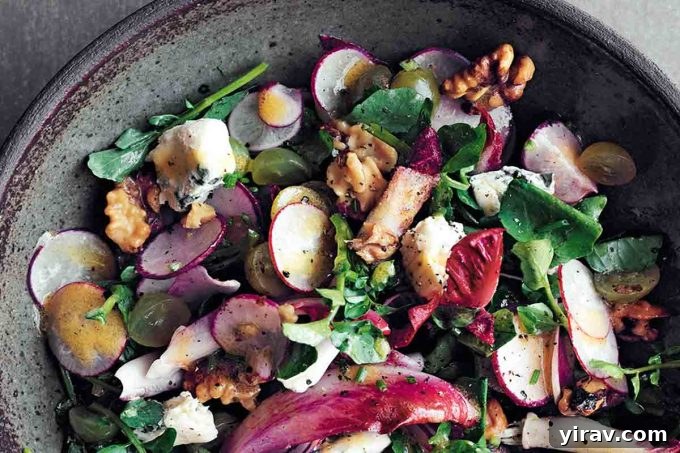
Endive Salad Recipe
Get the Recipe
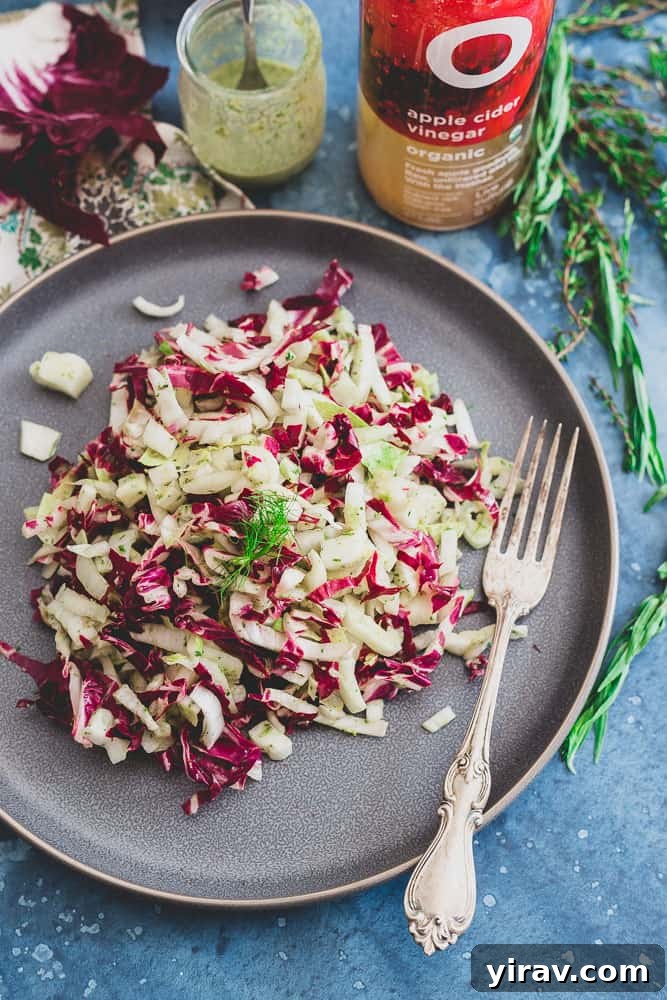
Radicchio Endive Salad – with Fennel and Tangy Dijon Herb Dressing
Get the Recipe
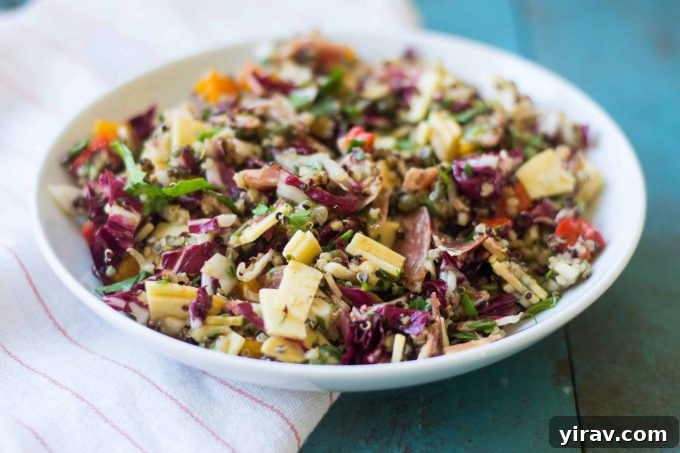
Chopped Antipasto Salad
Get the Recipe
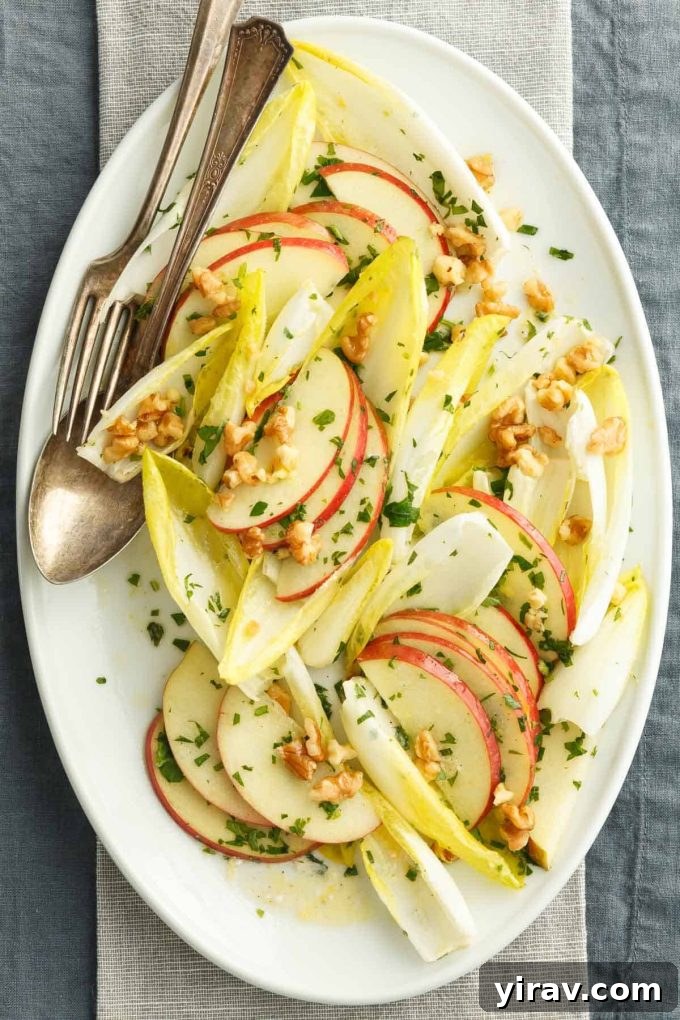
Belgian Endive Salad | Gourmande in the Kitchen
Get the Recipe
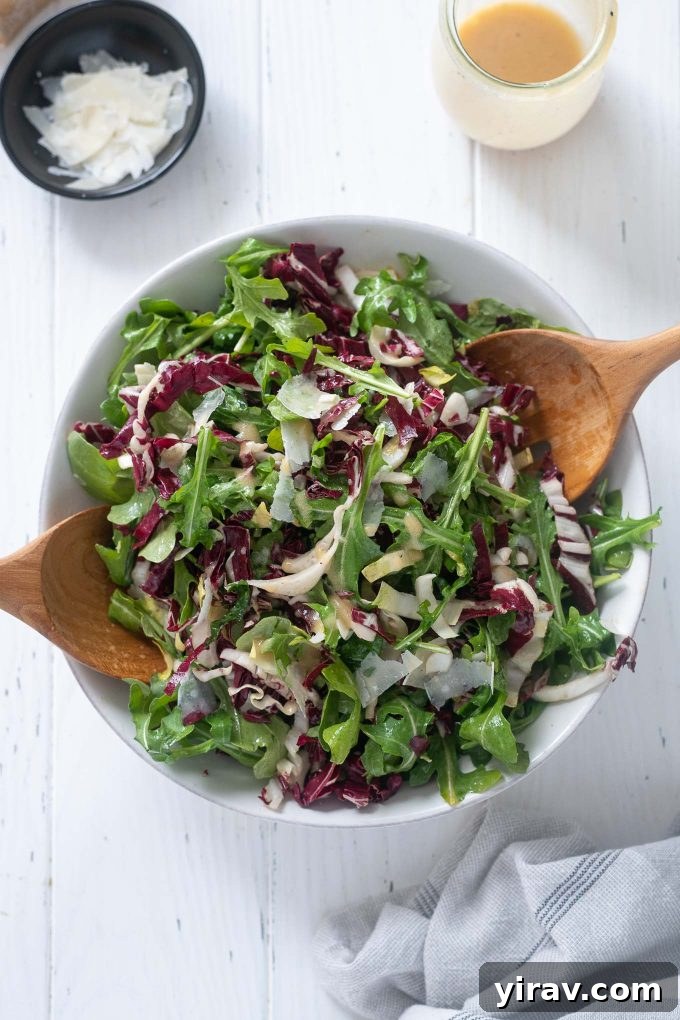
Italian Tricolore Salad
Get the Recipe
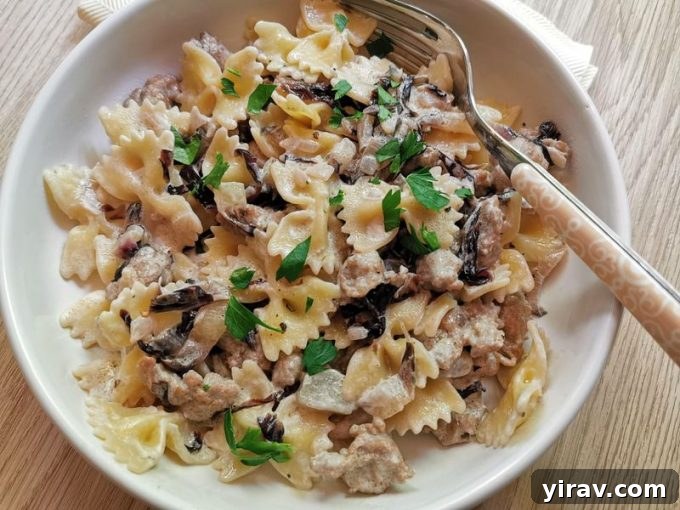
Sausage and Radicchio Pasta Recipe.
Get the Recipe
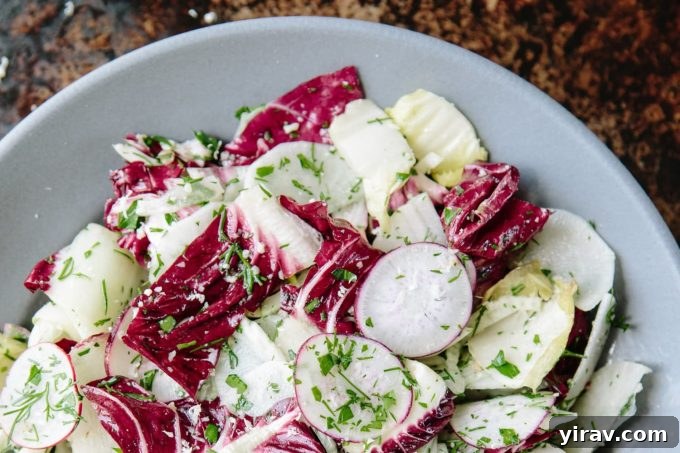
Bar Tartine’s Chicory Salad with Anchovy Dressing
Get the Recipe
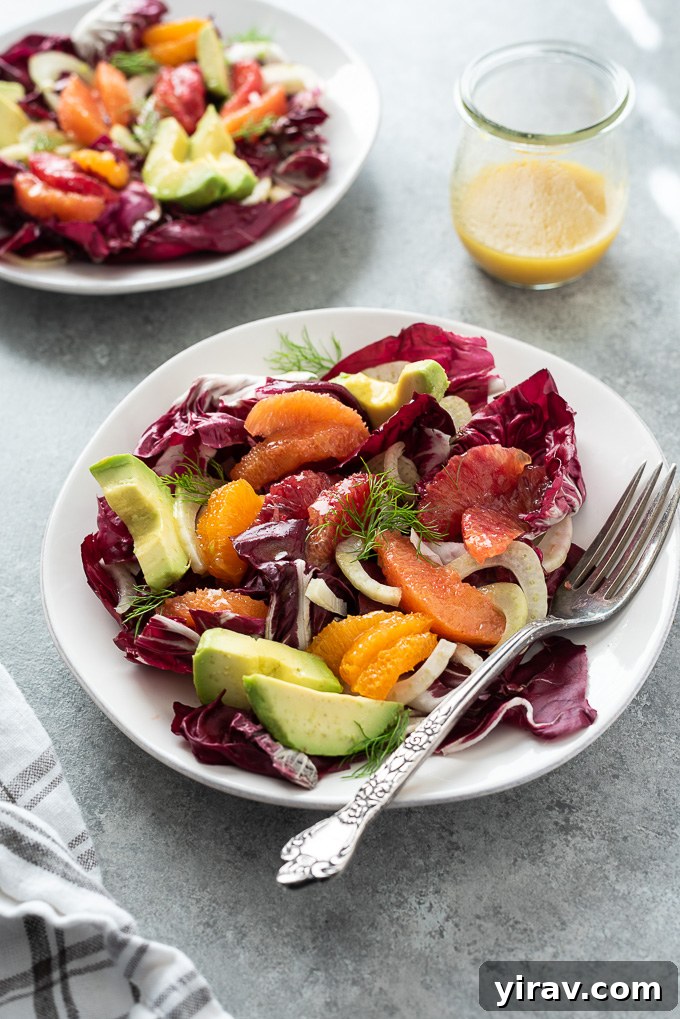
Radicchio Salad with Citrus Vinaigrette
Get the Recipe
References
- Healthline
- MasterClass
- Spruce Eats
- Wikipedia