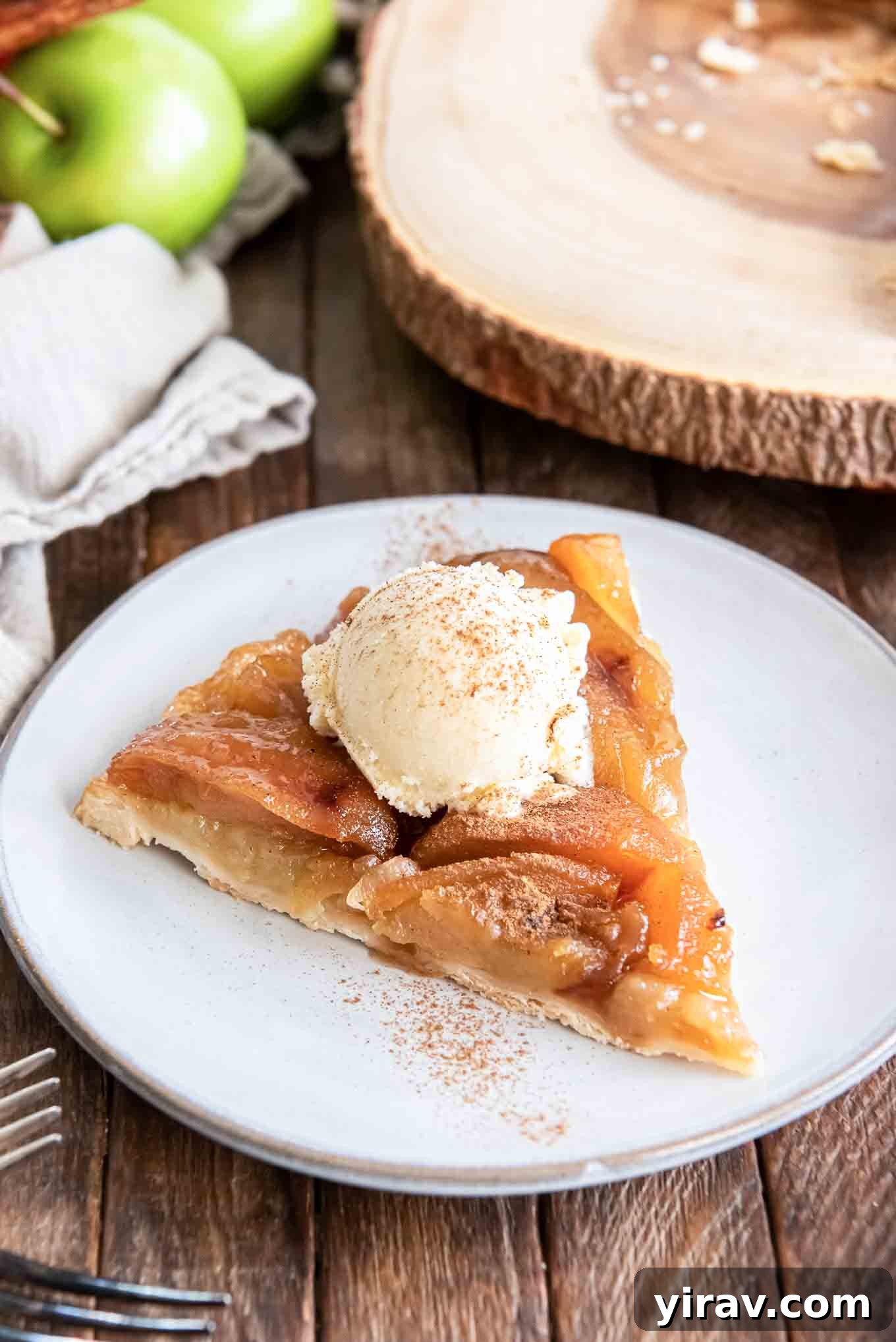
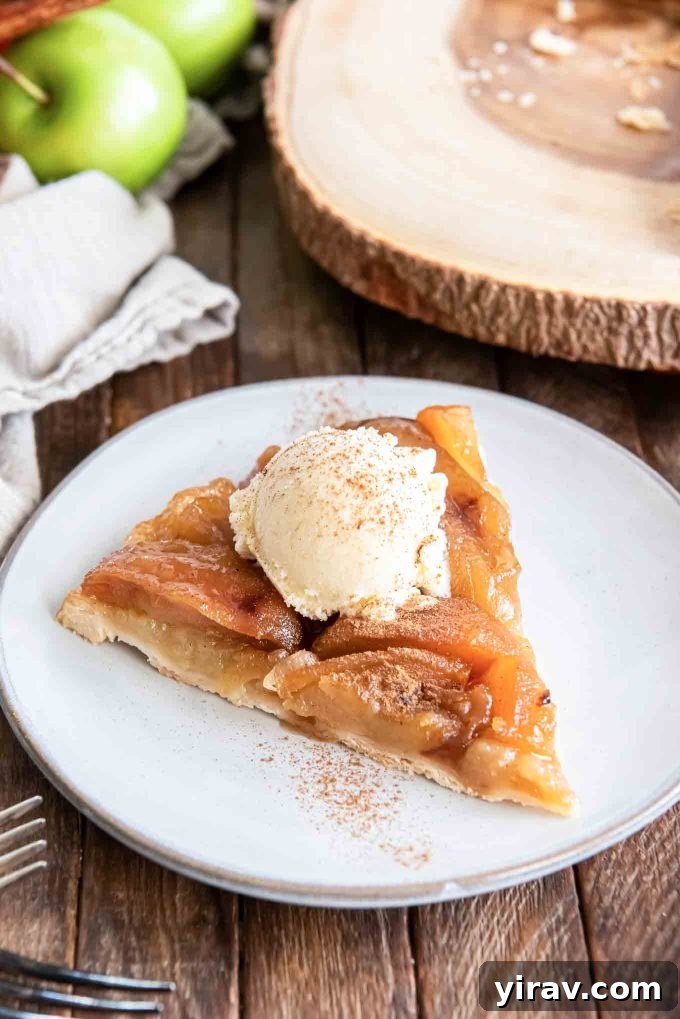
Indulge in the exquisite charm of this Classic Apple Tarte Tatin, a timeless French dessert that effortlessly outshines traditional apple pie with its elegant simplicity and irresistible flavor. Imagine tender, buttery caramelized apples nestled beneath a golden, flaky crust – a truly show-stopping creation that promises to captivate your senses and impress every guest. This recipe makes crafting such a masterpiece surprisingly easy, ensuring a delightful experience for both the baker and the connoisseur.
As the crisp air of autumn settles in, our cravings often turn to the comforting embrace of apple desserts. While the cozy aroma of cinnamon and baked apples fills our homes with classics like baked apples or apple crisp, there’s a particular French delight that brings an extra touch of sophistication to the season: the Tarte Tatin. This iconic upside-down apple tart, legendary for its tender, caramelized fruit and crisp pastry, is a must-have for special occasions, especially holiday gatherings like Thanksgiving.
The story of Tarte Tatin is as charming as the dessert itself, reportedly born from a delightful mistake in the late 19th century. Legend has it that the Tatin sisters, who ran a hotel restaurant in Lamotte-Beuvron, France, accidentally placed an apple tart in the oven upside down, or perhaps overcooked the apples in butter and sugar and then covered them with pastry. Whatever the exact mishap, the result was a magnificent creation: an inverted tart with beautifully caramelized apples and a perfectly cooked crust, so popular it earned a permanent place on their menu and, eventually, in patisseries worldwide. This recipe, adapted from my culinary school days, consistently delivers that same “WOW factor” to every table it graces.
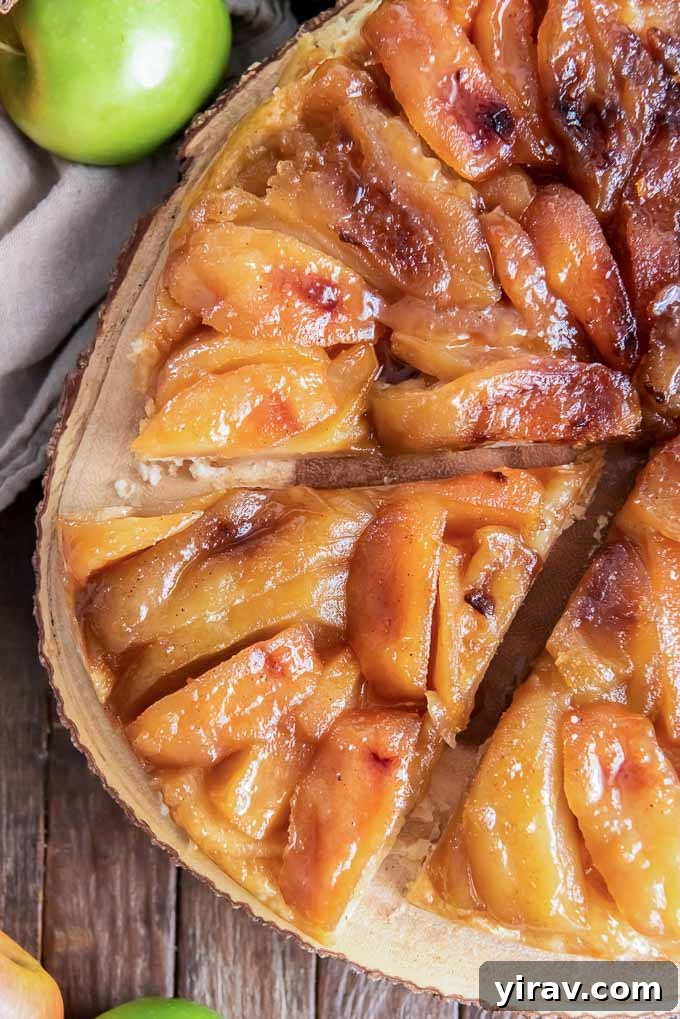
There’s an undeniable anticipation that builds as this hot tart is flipped onto a serving platter. The collective “ooohs” and “aaahs” are part of the experience, and while the idea of inverting a hot dessert might stir a hint of anxiety, rest assured, it’s far simpler than it appears. In fact, many find preparing this entire dessert more straightforward than baking a traditional apple pie, making it an accessible yet impressive choice for any home baker.
Why You’ll Love This Classic Apple Tarte Tatin
- Elegance Meets Simplicity: This Apple Tarte Tatin recipe is a testament to the fact that incredibly impressive desserts don’t have to be complicated. It delivers all the rich flavors and tender textures of a sophisticated French patisserie creation with a surprisingly straightforward process.
- A Show-Stopping Presentation: The magic happens when you invert the tart. The beautifully caramelized apples, glossy and golden, become the star, creating a stunning visual that guarantees gasps of delight and compliments from your guests. It’s a true feast for the eyes before it even touches the palate.
- Easier Than Apple Pie: Forget the complexities of double crusts and intricate lattice work. This recipe requires just one simple crust and far less fuss with the filling, making it a less intimidating option for bakers seeking a delicious apple dessert without the extra effort.
- Prepare Ahead for Convenience: Life is busy, and dessert shouldn’t add stress. Both the pie dough and the apples can be prepped in advance, allowing you to assemble and bake this exquisite treat closer to serving time. This flexibility makes it ideal for entertaining or busy weeknights.
- Unforgettable Flavor Profile: The combination of sweet, tart apples, rich buttery caramel, and a crisp, flaky pastry is simply irresistible. Each bite offers a harmonious blend of textures and tastes that will leave a lasting impression.
The Essential Ingredients for Apple Tarte Tatin
Tarte Tatin’s inherent magic lies in its ability to transform a handful of humble ingredients into an extraordinary dessert. Each component plays a crucial role in creating the perfect balance of sweetness, tartness, and flaky goodness.
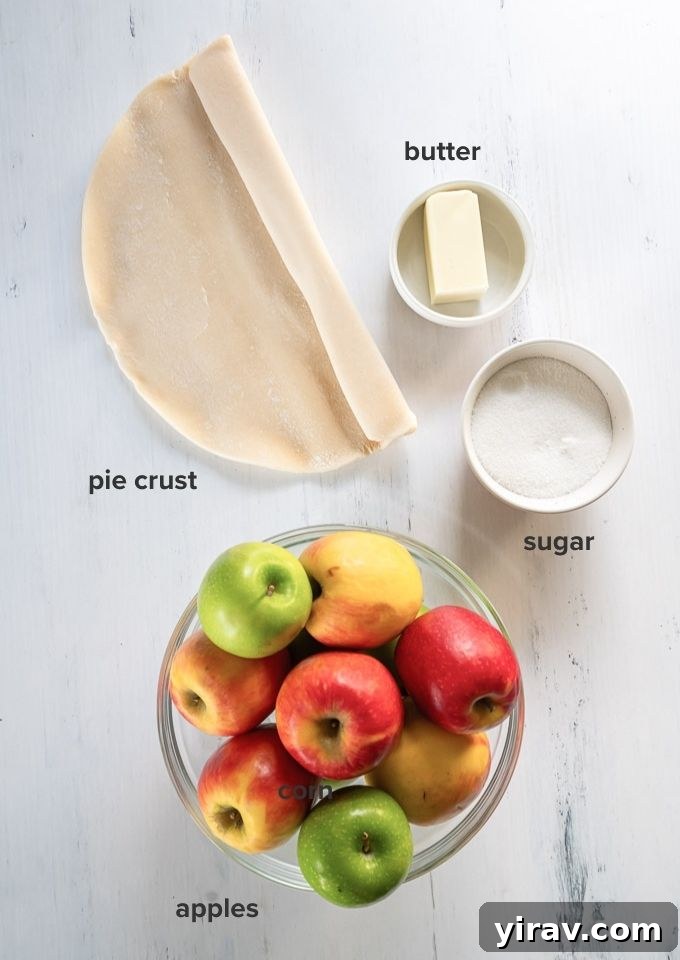
- Pie Crust: The foundation of our tart. While a high-quality store-bought 9-inch pie crust offers a fantastic shortcut, I highly recommend trying my homemade flaky pie crust. It yields an unparalleled buttery flavor and tender texture that elevates the entire dessert. Preparing your own crust also allows for a better fit to your pan and can be made several days in advance, simplifying your baking day.
- Apples: The heart of the tarte. Choosing the right apples is paramount. Opt for firm, crisp baking apples that hold their shape well during cooking and baking, preventing them from turning into mush. Cutting the apples into generous chunks (quarters or halves) not only saves time but also ensures a beautiful, substantial presentation of the fruit on the finished tart. Excellent choices include Granny Smith (for a tart contrast), Honeycrisp (sweet and crisp), Jonagold (sweet-tart), and Pink Lady (firm and sweet).
- Brown Sugar: This is my preferred sweetener for Tarte Tatin because it imparts a richer, more complex caramel flavor with notes of molasses. However, granulated sugar can be used as a direct substitute if brown sugar isn’t available, though the caramel will be slightly less deep in flavor. The sugar, combined with butter, forms the luscious, amber-hued caramel that coats the apples.
- Butter: The unsung hero. Unsalted butter is essential here, providing the luxurious richness and depth of flavor that defines a classic French dessert. It’s crucial for creating the perfect caramel base and ensuring the apples don’t stick to the pan, contributing to the tart’s smooth inversion and rich mouthfeel. Using good quality butter truly makes a difference in the final taste.
For the precise measurements and complete list of ingredients, please refer to the detailed recipe card at the bottom of this article.
Step-by-Step Guide to Making Apple Tarte Tatin
This Tarte Tatin recipe simplifies the baking process without compromising on flavor or presentation, offering all the beloved qualities of apple pie with significantly less effort. The key time-saver is cutting the apples into larger chunks—halved or quartered—which not only speeds up prep but also creates a more rustic and appealing texture in the finished tart. Furthermore, it requires only a single 9-inch pie crust, as opposed to the two often needed for traditional pies. The magic truly comes together in one heavy-bottomed skillet, transitioning seamlessly from stovetop to oven.
Pro Tip: To streamline your baking process, prepare your pie crust up to two or three days in advance and keep it chilled. The apples can also be peeled, cored, and even cooked with the butter and sugar on the stovetop ahead of time, then set aside until you’re ready to add the crust and bake. This advance preparation significantly reduces stress on baking day!
Detailed instructions with step-by-step imagery and precise timings are provided in the recipe card below.
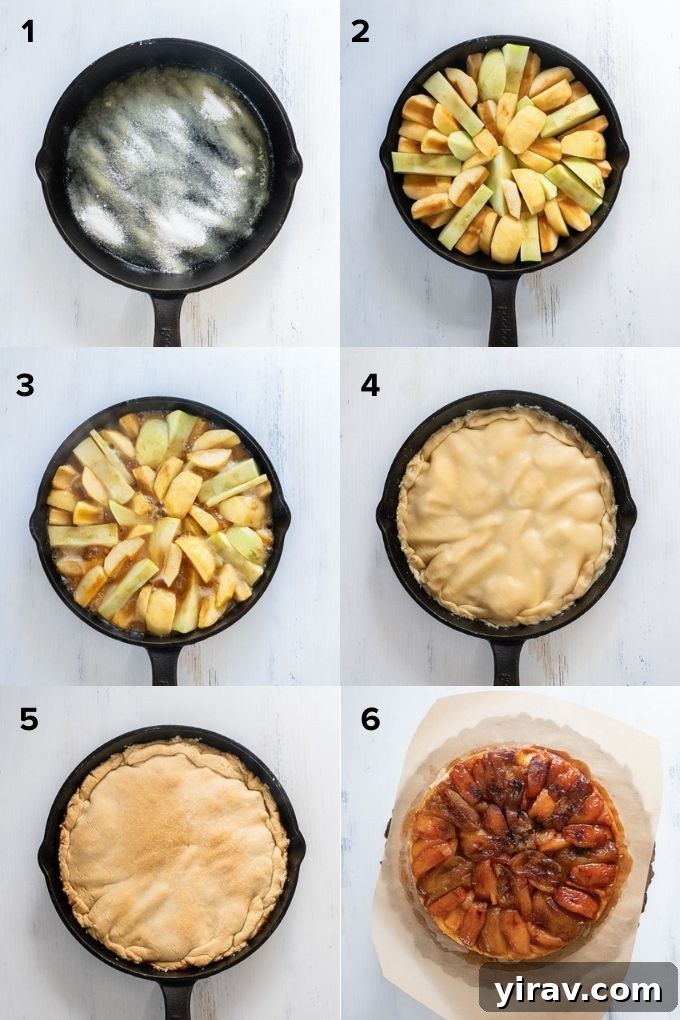
- Prepare the Skillet and Caramel Base: Begin by placing the unsalted butter directly into the bottom of your heavy-bottomed, oven-safe skillet. Melt the butter over medium heat until it’s fully liquid. Using a pastry brush, ensure the melted butter coats both the bottom and sides of the skillet generously. This prevents sticking and helps create a beautiful caramel crust. Remove the skillet from the heat, then evenly sprinkle the granulated or brown sugar over the butter.
- Arrange the Apples: Carefully arrange your prepared apple chunks (peeled, cored, and quartered or halved) into the skillet. Start by placing as many apples as possible cut-side up in a single layer at the bottom, creating an appealing pattern. Then, wedge any remaining apple pieces snugly over the top, filling any gaps to ensure a densely packed layer of fruit. The more apples you fit, the more substantial and delicious your tarte will be.
- Begin Caramelization on the Stovetop: Return the skillet to medium heat. Cook the apples without stirring, allowing the sugar and butter to melt and transform into a rich, bubbling caramel. This process usually takes about 10-15 minutes. Watch closely for the caramel to thicken and the apples to begin releasing their natural juices. If at any point the caramel starts to darken too quickly or appears burnt, immediately reduce the heat to medium-low to prevent scorching.
- Preheat and Rearrange: Once the apples have cooked sufficiently on the stovetop and the caramel is golden and thick, remove the skillet from the heat. Carefully rearrange the apples if necessary to ensure a visually appealing pattern, as this will be the top of your tart. While the apples cool slightly, preheat your oven to 350°F (175°C) and begin rolling out your chilled pie dough.
- Add the Pastry Crust: Roll out your pie dough on a lightly floured surface until it’s large enough to comfortably cover the apples in your skillet, with a slight overhang. Use a knife or kitchen shears to trim any excessive edges, aiming for a neat fit. Gently place the rolled dough directly over the apples in the skillet. Carefully tuck the edges of the pie crust down into the sides of the skillet, creating a seal around the apples and caramel.
- Bake to Golden Perfection: Transfer the skillet to the preheated oven and bake for approximately 30 minutes, or until the pie crust turns a beautiful golden brown and appears crisp. The baking time may vary slightly depending on your oven and the thickness of your crust.
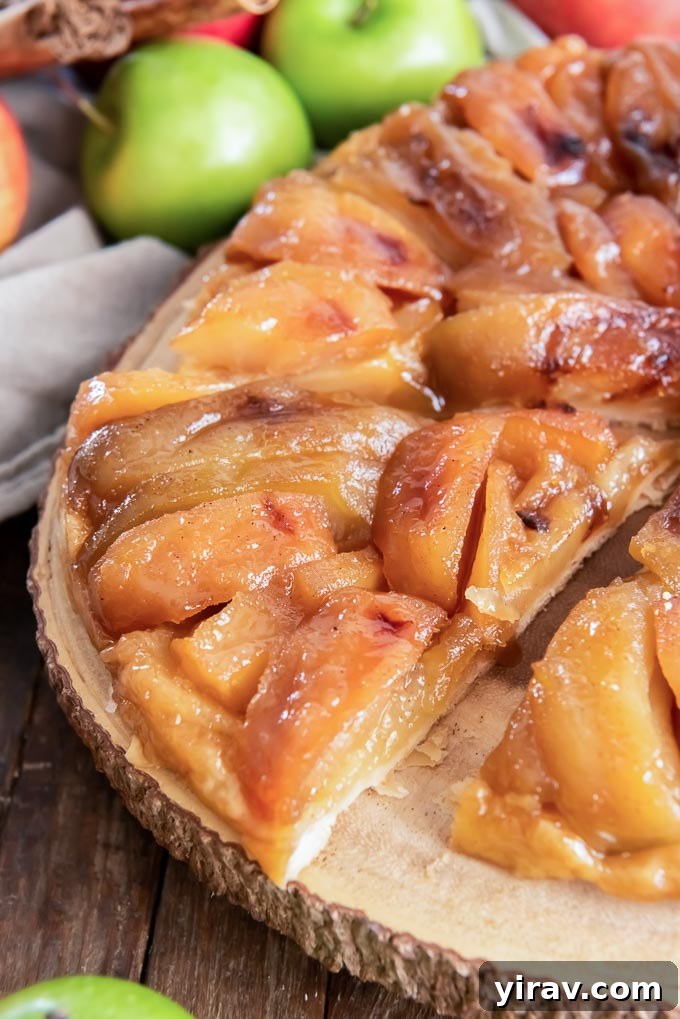
- Immediate Inversion and Serving: This step is the most dramatic and rewarding! As soon as the tarte comes out of the oven, immediately and confidently invert it onto a serving dish or plate. If any apple pieces or caramel happen to stick to the bottom of the skillet, simply use a spatula to carefully remove them and place them back onto the tart, seamlessly integrating them into your masterpiece. Serve this incredible dessert warm, either as-is to savor its pure flavors or topped with a dollop of homemade whipped cream or a scoop of premium vanilla ice cream for an extra layer of indulgence. Enjoy the cheers!
Frequently Asked Questions (FAQs)
While both are baked desserts with a pastry base and a filling, the key difference lies in their preparation and presentation. A traditional tart typically has a crust that lines a mold, which is then filled with fruit, custard, or savory ingredients and baked right-side up. A Tarte Tatin, however, is a unique “upside-down” tart. The fruit (most commonly apples) is first cooked in butter and caramelized sugar directly in an oven-safe pan on the stovetop. Only then is it topped with a layer of pastry dough and baked. After baking, the entire tart is dramatically inverted onto a serving platter, revealing the beautifully caramelized fruit on top. This inversion is its defining characteristic and what gives it its show-stopping appeal.
The ideal pan for Tarte Tatin is a heavy-bottomed, oven-safe skillet, as the dessert begins on the stovetop and finishes in the oven. Cast iron skillets are exceptionally well-suited for this purpose due to their excellent heat retention and even distribution, which promotes consistent caramelization. Other good options include heavy-duty stainless steel skillets or copper pans, provided they are oven-safe. A non-stick coating can also be beneficial, but ensuring a good layer of butter and sugar at the start is usually sufficient to prevent sticking in a well-seasoned cast iron pan.
For the best results, select baking apples that are firm and will maintain their shape and texture throughout the cooking and baking process. Avoid apples that tend to break down or become mushy. Excellent varieties include Granny Smith (for a lovely tart contrast), Honeycrisp (sweet, crisp, and holds up well), Jonagold (sweet-tart and firm), Braeburn, Fuji, and Pink Lady (firm with a balanced sweetness). A combination of sweet and tart apples can also add wonderful complexity to your Tarte Tatin.
Expert Tips for a Perfect Tarte Tatin
- Prepare Ahead for Success: As mentioned in the Pro Tip, leverage advance preparation. Make your pie crust a few days beforehand and keep it chilled. You can even peel, core, and cook the apples with the butter and sugar on the stovetop ahead of time. Once cooled, cover the pan and refrigerate until you’re ready to add the pastry and bake. This significantly reduces last-minute stress.
- The Right Apple Cut: For optimal texture and presentation, aim to quarter or halve your apples. Larger chunks not only hold their shape better during the cooking process but also create a more rustic and visually appealing tart, showcasing the fruit beautifully when inverted.
- Mastering the Inversion: The flip is the moment of truth! Don’t be afraid. Place your serving platter directly over the skillet, ensuring it’s centered. With oven mitts protecting your hands, firmly hold the skillet and platter together, and with a swift, confident motion, flip them over. If any stubborn apple pieces or precious caramel stick to the bottom of the pan, gently scrape them out with a spatula and reattach them to the tart. It’s easily fixable!
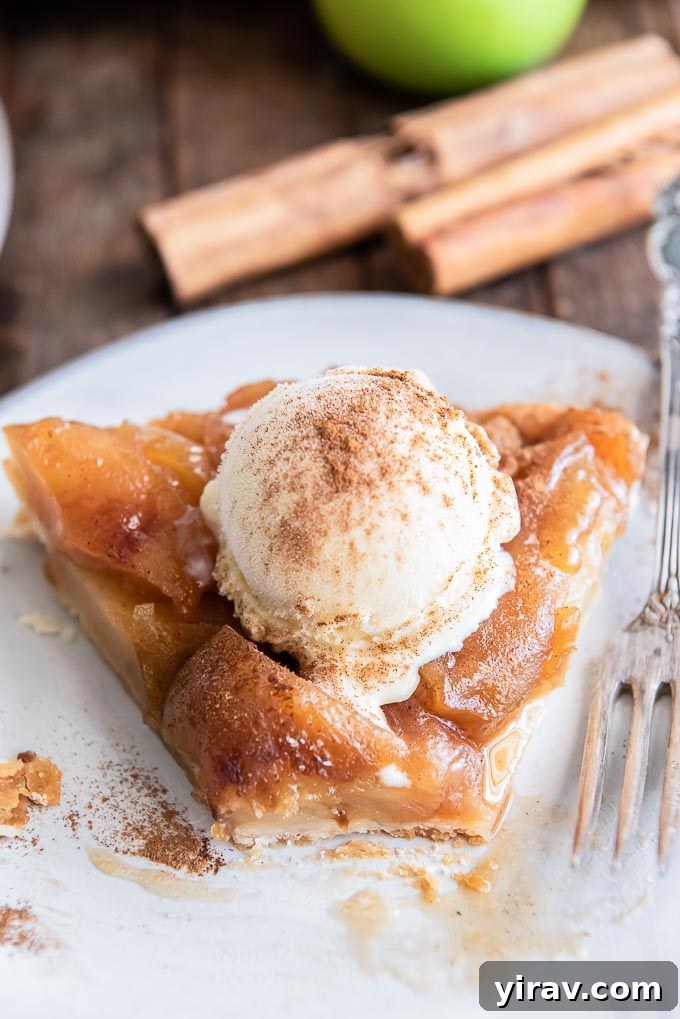
- Serving Suggestions: While undeniably delicious on its own, Tarte Tatin is elevated by simple accompaniments. Serve it warm, allowing the rich caramel to remain slightly gooey. A dollop of freshly homemade whipped cream adds a light, airy contrast, or a scoop of high-quality vanilla bean ice cream provides a delightful hot-and-cold experience as it melts into the warm apples.
- The Caramelization Process: Pay close attention to the caramel as it cooks on the stovetop. It should be a rich amber color, not too dark (which indicates burning and bitterness) and not too light (which means it hasn’t developed full flavor). Adjust your heat as needed, lowering it if the sugar starts to smoke or darken too quickly.
More Irresistible Apple Desserts You’ll Love
- Apple Cranberry Pie
- Apple Pie Bars
- French Apple Cake
Did you try this recipe? If so, be sure to leave a review below and tag me @flavorthemoments on Facebook and Instagram
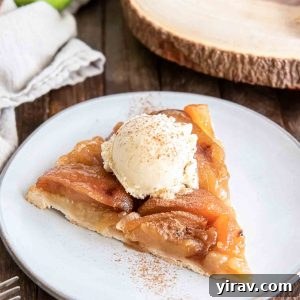
Classic Apple Tarte Tatin
Pin Recipe
reviews
Leave a Review »
Ingredients
- 1 batch Flaky pie crust or one store-bought 9″ pie crust
- 2 1/2 lbs. pink lady apples peeled, cored, and quartered (or use your favorite baking apples like Granny Smith or Honeycrisp)
- 4 tablespoons unsalted butter
- 3/4 cup granulated sugar (brown sugar can also be used for a deeper caramel flavor)
Instructions
-
Prepare the pie crust: If making homemade, prepare it ahead of time, form into a flattened disk, wrap in plastic wrap, and chill for a minimum of 30 minutes (or up to 2-3 days) before rolling. If using store-bought, ensure it’s at a workable temperature.
-
Melt the butter in a heavy-bottomed, oven-safe skillet over medium heat. Once melted, use a pastry brush to coat the bottom and sides of the skillet evenly. Remove from heat and evenly sprinkle the sugar over the butter.
-
Arrange the apples: Pack as many apple quarters/halves as you can into the bottom of the skillet, cut-side up, forming a tight pattern. Wedge any remaining apples over the top to fill gaps. Return the skillet to medium heat and cook the apples for 10-15 minutes, or until the sugar melts, caramelizes, and thickens, and the apples start to release their juices. If the caramel begins to darken too quickly, reduce the heat to medium-low.
-
Remove the skillet from heat and gently rearrange the apples to ensure a beautiful presentation when inverted. Preheat your oven to 350°F (175°C) while you roll out the pie dough.
-
Roll out the pie dough on a lightly floured surface until it’s large enough to cover the apples in the skillet. Trim any excess dough with a knife or kitchen shears. Carefully place the dough over the apples and tuck the edges down into the sides of the skillet, creating a seal.
-
Bake for 30 minutes, or until the crust is golden brown and flaky.
-
Immediately upon removing from the oven, carefully place a large serving dish over the skillet. Using oven mitts, confidently invert the tart onto the dish. If any apples or caramel stick to the pan, simply scrape them off and place them back onto the tart. Serve warm, optionally with vanilla ice cream or fresh whipped cream, and enjoy your culinary masterpiece!
Notes
- Advance Preparation: The pie crust can be prepared up to a few days in advance and kept refrigerated. Similarly, the apples can be peeled, cored, and even cooked on the stovetop with the butter and sugar ahead of time. Once cooled, cover the pan and refrigerate until you’re ready to add the pastry and bake.
- Apple Preparation: Quartering or halving the apples yields the best results. Larger pieces hold their shape beautifully during cooking and contribute to a more impressive, rustic presentation.
- Handling Stuck Apples: Don’t panic if some apple pieces adhere to the pan after inversion. Simply use a spatula to gently remove them and place them back onto the tart, reassembling for a perfect finish.
- Serving Suggestions: For an unforgettable dessert experience, serve the Tarte Tatin warm. It is exquisite on its own, but truly shines when accompanied by a dollop of homemade whipped cream or a scoop of creamy vanilla ice cream.
- Recipe Origin: This recipe has been slightly adapted from the excellent instruction received at Tante Marie Cooking School, San Francisco, CA.
Nutrition
Nutrition is estimated using a food database and is only intended to be used as a guideline for informational purposes.