
21 Essential Swiss Chard Recipes: Your Ultimate Guide to Cooking, Growing, and Enjoying This Nutritious Green
As a passionate lover of fresh produce, I’ve had the joy of exploring countless vegetables, but few have captivated me quite like Swiss chard. My journey with this magnificent leafy green began unexpectedly during my cooking school days several years ago. Prior to that, Swiss chard hadn’t found its way into my kitchen. However, once introduced to its incredible versatility and robust flavor, it quickly transitioned from an unfamiliar ingredient to a cherished staple in my culinary repertoire.
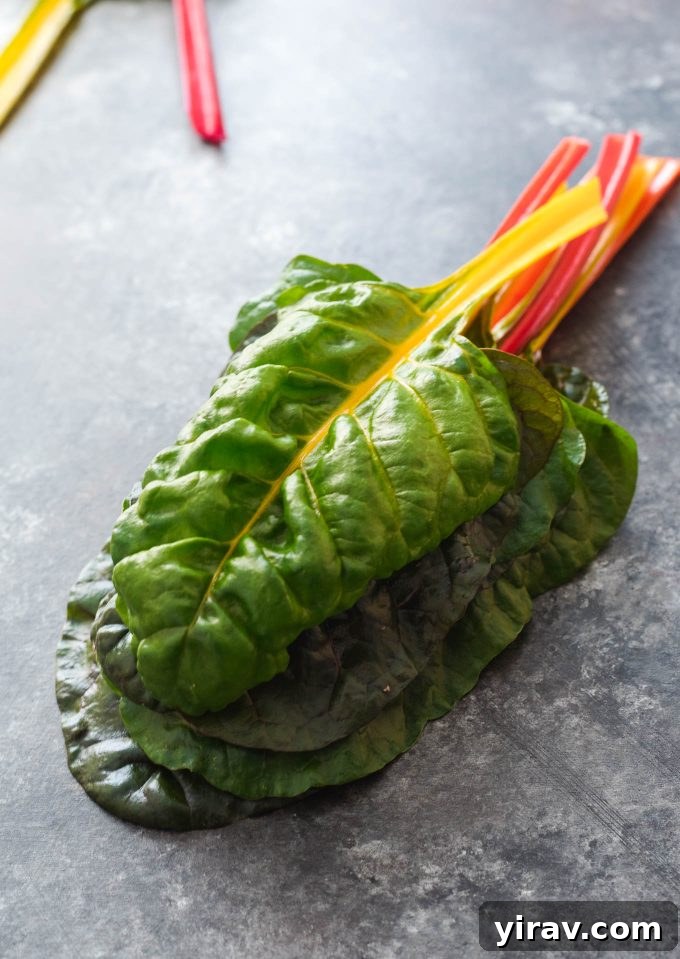
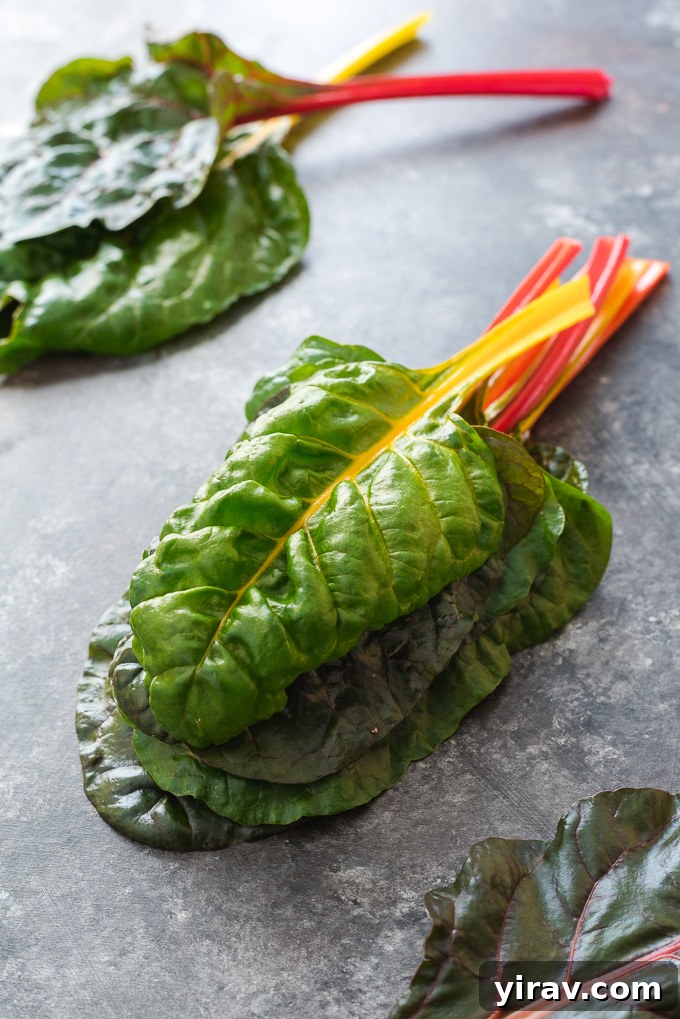
Inspired by its newfound status, I decided to cultivate Swiss chard in my own garden. To my delight, it proved to be an exceptionally rewarding endeavor. The vibrant, healthy rainbow chard leaves you admire in these very photos are a testament to my successful harvest! Its abundant growth presented a wonderful challenge, pushing me to discover a myriad of creative and delicious ways to incorporate it into my daily meals and special recipes.
This comprehensive guide is designed to share my enthusiasm and knowledge of Swiss chard with you. Whether you’re a seasoned gardener, a home cook eager to try new ingredients, or simply looking to boost your nutritional intake, you’ll find invaluable information here. We’ll delve into everything from its unique taste profile and optimal growing conditions to its impressive nutritional benefits. Most importantly, you’ll discover a collection of 21 inspiring recipes, offering fresh and exciting avenues to savor this wonderfully healthy green.
If you share my passion for fresh produce and exploring seasonal delights, be sure to explore these other fantastic recipe round-ups and produce guides. They offer more inspiration for making the most of nature’s bounty in your kitchen.
- April seasonal produce guide
- Butternut squash recipes
- Chicory recipes
- Cranberry recipes
- Delicata squash recipes
- Fennel recipes
- Fig recipes
- Leek recipes
- March seasonal produce guide
- June seasonal produce guide
- May seasonal produce guide
- Pomegranate recipes
- Radish recipes
- Winter fruits and vegetables
Frequently Asked Questions About Swiss Chard
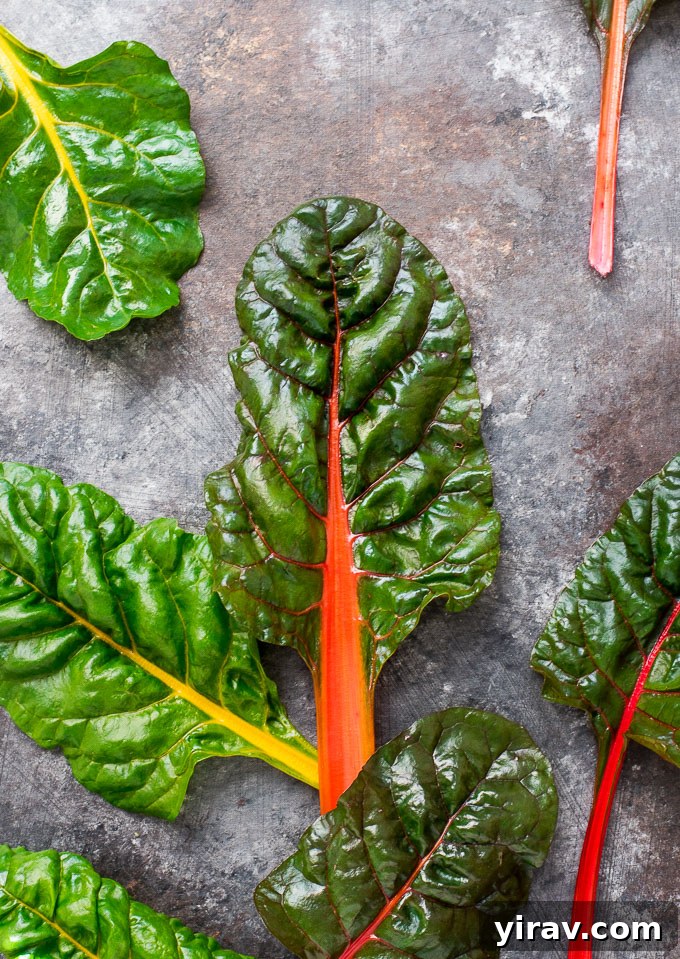
Swiss chard, often simply called chard, is a leafy green vegetable prized for its vibrant appearance and mild, earthy flavor. Despite its name, it’s not native to Switzerland, but rather to the Mediterranean region, where it has been a culinary staple for centuries. It belongs to the same botanical family as beets and spinach (Chenopodiaceae, now part of Amaranthaceae), sharing some of their characteristics but without producing a large, edible root like its beet cousins. Chard is easily recognizable by its large, crinkled or smooth leaves and thick, succulent stems, which come in a dazzling array of colors. You’ll find varieties like green chard, red chard, white chard, and the popular ‘Rainbow Chard,’ which is actually a mix of varieties with stems that can be red, yellow, pink, orange, or purple. When picked young, the leaves are tender, while mature leaves are robust and often quite enormous, making them a substantial addition to any dish. The delicate leaves contrast with the very hardy, fibrous stems, both of which are edible and delicious when properly prepared.
Swiss chard offers a nuanced flavor profile that is both intriguing and versatile. It possesses a mild, slightly sweet taste balanced by a subtle bitterness, often compared to spinach, though it generally holds up better structurally during cooking. There’s also an earthy undertone, reminiscent of beets, its botanical relative. The robust stems tend to have a firmer texture and a slightly stronger, more mineral-rich flavor compared to the tender leaves. What’s truly remarkable about chard is how its flavor mellows and sweetens significantly once cooked. The bitterness largely dissipates, leaving a pleasant, sweet earthiness. This transformation makes it incredibly adaptable to various cooking methods and cuisines, easily absorbing the flavors of accompanying ingredients without overpowering them. Whether sautéed, steamed, or added to soups, its gentle taste allows it to blend seamlessly into many dishes.
Absolutely! While many people are accustomed to eating Swiss chard cooked, its tender leaves are perfectly delightful and nutritious when served raw. The young, fresh leaves are particularly suitable for salads, offering a pleasant crunch and a slightly peppery, earthy flavor that adds depth. Even mature leaves, though heartier, can be enjoyed raw after a quick massage with a little olive oil and lemon juice, which helps to tenderize them and reduce any mild bitterness. Beyond salads, raw chard leaves can be used as nutritious wraps for various fillings, similar to collard greens, or finely chopped and added to smoothies for an extra boost of vitamins without altering the taste significantly. The stems, while edible raw, are quite firm and fibrous, so they are generally preferred cooked.
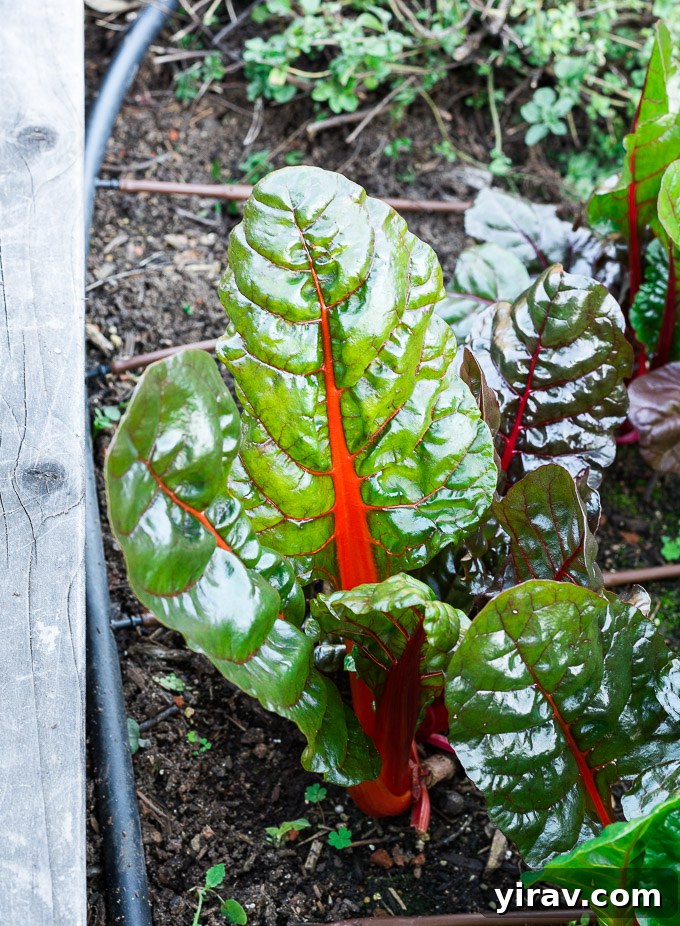
Swiss chard is an incredibly rewarding and relatively easy vegetable to grow, even for novice gardeners. It’s classified as a biennial, meaning it typically produces foliage in its first year and flowers and sets seed in its second year, though it’s commonly grown as an annual for its leaves. Chard is quite tolerant of varying temperatures, performing well in both cooler spring and fall weather, and often surviving light frosts. It should be planted either in the fall, allowing it to establish itself before the harshest winter weather (especially in milder climates), or in early spring, after the last frost has passed and the soil temperature consistently reaches at least 50 degrees F (10 degrees C). I personally planted four rainbow chard plants in late October, and they have thrived beautifully through the winter here in California, enduring several weeks of high 20s to low 30s temperatures with impressive resilience. I’ve found chard to be robust and low-maintenance, though slugs and snails can sometimes be a challenge, as they too appreciate its beautiful leaves. A good strategy is to harvest the outer leaves as soon as they reach a decent size, ensuring you get to them before any pests. When harvesting, clip the outer leaves at the base of the stalk, approximately 8-12 inches long, leaving the inner, younger leaves to continue growing. This “cut-and-come-again” method ensures a continuous harvest throughout the growing season, providing fresh chard for weeks or even months on end. Chard prefers full sun to partial shade and well-draining, nutrient-rich soil. Regular watering, especially during dry spells, will promote lush growth.
Swiss chard is a nutritional powerhouse, packed with an impressive array of vitamins, minerals, and antioxidants, making it an excellent addition to any diet. It’s an outstanding source of Vitamin A, crucial for vision, immune function, and skin health. It’s also exceptionally rich in Vitamin C, a powerful antioxidant that supports the immune system and aids in collagen production, and Vitamin K, which is essential for blood clotting and plays a vital role in bone health. Beyond vitamins, chard is an excellent source of essential minerals, including magnesium, important for muscle and nerve function, blood sugar control, and blood pressure regulation; potassium, critical for maintaining fluid balance and healthy blood pressure; and iron, vital for oxygen transport in the blood and preventing anemia. Furthermore, its high fiber content promotes digestive health, helps regulate blood sugar levels, and contributes to a feeling of fullness. Incorporating chard into your meals is an easy and delicious way to boost your nutrient intake, whether it’s blended into smoothies, wilted into soups, tossed into pasta dishes, or enjoyed in salads. To maximize its nutritional value and preserve its vibrant green color, it’s best to cook chard for a relatively short time, ensuring its delicate nutrients are retained.
When selecting Swiss chard, whether at a farmers market or grocery store, look for key indicators of freshness and quality. Prioritize bunches that have dark, vibrant green leaves. The leaves should appear crisp and firm, not wilted, yellowed, or limp. Avoid any bunches with significant browning, holes, or signs of pest damage. Equally important are the stems, which should be brightly colored (if choosing rainbow chard) and sturdy, without any mushy spots or discoloration. Given that chard leaves are typically large and somewhat delicate, they can sometimes rip or tear easily during handling. Take a moment to gently inspect the bunch and choose the one with the fewest imperfections. A fresh bunch of chard will have a subtle, earthy aroma, signaling its readiness for your kitchen.
Proper storage is key to extending the freshness of Swiss chard and enjoying its nutritional benefits. First, if your chard is wet, gently blot the leaves dry with a paper towel to remove excess moisture, as dampness can accelerate spoilage. Once dry, the best way to store fresh chard is in the crisper drawer of your refrigerator. For optimal results, wrap the unwashed chard leaves in a slightly damp paper towel, then place them inside a plastic bag or an airtight container. This method helps maintain humidity and prevents dehydration, keeping the chard crisp for longer. While some sources suggest it can last up to 5 days, I’ve found that for the best flavor and texture, it’s ideal to use fresh chard within 2-3 days of purchase. If you have an abundance of chard and wish to store it for longer periods, freezing is an excellent option. To freeze, blanch the cleaned and chopped chard leaves and stems in boiling water for 1-2 minutes, then immediately plunge them into an ice bath to stop the cooking process. Drain thoroughly, squeeze out any excess water, and store in a freezer-safe plastic zip-top bag, removing as much air as possible. Frozen blanched chard can last for several months and is perfect for adding to soups, stews, and casseroles.
Preparing Swiss chard is straightforward, allowing you to quickly get it ready for your favorite recipes. The first step is to thoroughly wash the leaves and stems under cool running water to remove any dirt or debris. Once clean, you’ll want to separate the sturdy stems from the more delicate leaves. A common and efficient method is to lay the chard leaf flat on a cutting board with the stem facing up towards you. Using a sharp knife, cut down along each side of the stem in a “V” shape, effectively detaching the leafy greens from the fibrous center stalk. Once separated, the leaves can be stacked a few at a time and sliced into ribbons, chopped, or left whole, depending on your recipe’s requirements. For cooking, I often treat Swiss chard leaves similarly to spinach – they are delicate and wilt quickly. A brief sauté, a quick addition to a simmering soup, or a stir-in for pasta is usually all it takes to make them tender and flavorful. Don’t discard the stems, however! They are entirely edible and possess a delightful crunch and mild flavor, akin to celery. Since they are much heartier than the leaves, the stems require a bit more cooking time. Simply chop them into bite-sized pieces and add them to your dish a few minutes before the leaves, allowing them to soften and develop their taste. They are excellent sautéed with garlic and olive oil, added to mirepoix for soups, or even pickled for a unique condiment.
21 Irresistible Swiss Chard Recipes for Every Palate
Are you wondering what culinary magic you can create with Swiss chard? Look no further! This curated collection of easy-to-follow recipes brilliantly showcases the incredible versatility of this vibrant leafy green. From comforting stews and savory tarts to refreshing salads and flavorful stir-fries, Swiss chard seamlessly integrates into a diverse range of dishes. It’s an exceptional addition that brings both robust flavor and a significant nutritional boost to your soups, casseroles, quiches, pasta dishes, and so much more. Prepare to be inspired and discover new favorite ways to enjoy Swiss chard!
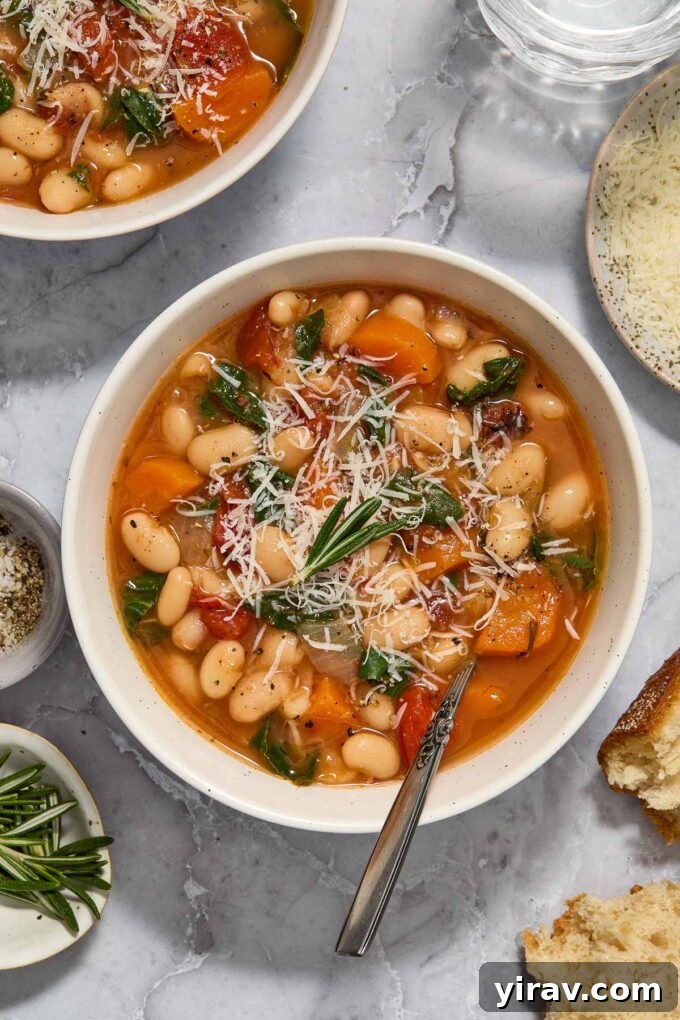
Instant Pot White Bean Stew
Get the Recipe
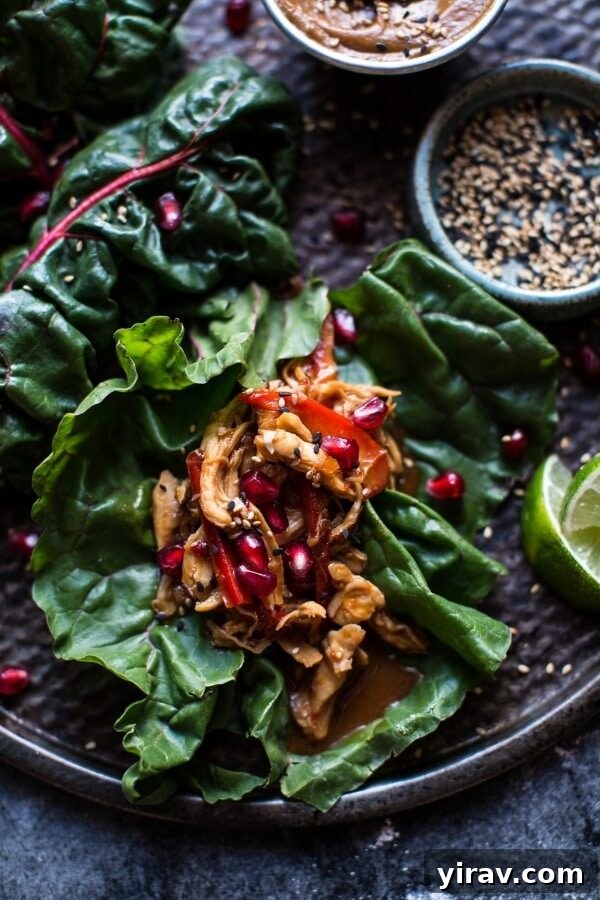
Sweet Thai Chile Chicken Swiss Chard Wraps with Peanut Ginger Sauce
Get the Recipe

Swiss Chard Tart with Chevre and Leeks
Get the Recipe
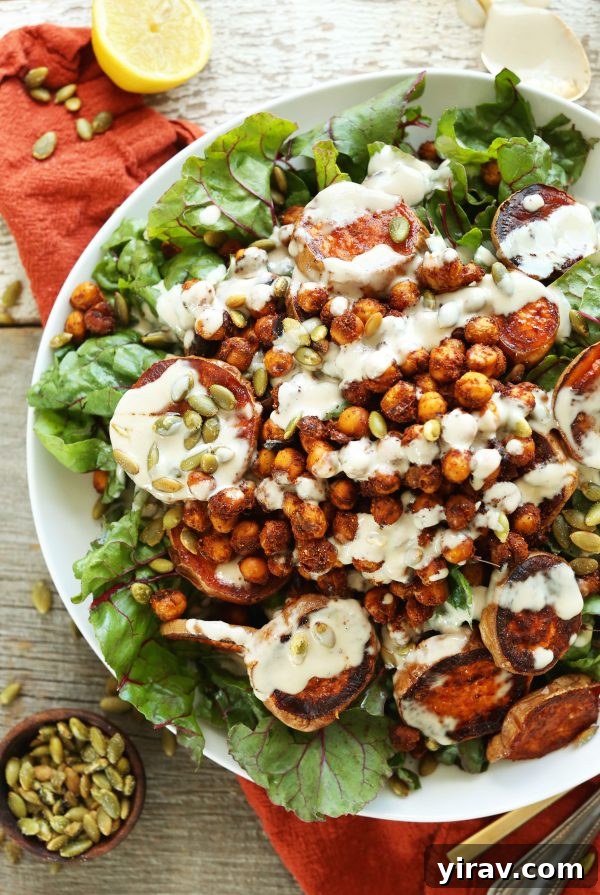
Roasted Sweet Potato & Chickpea Salad
Get the Recipe
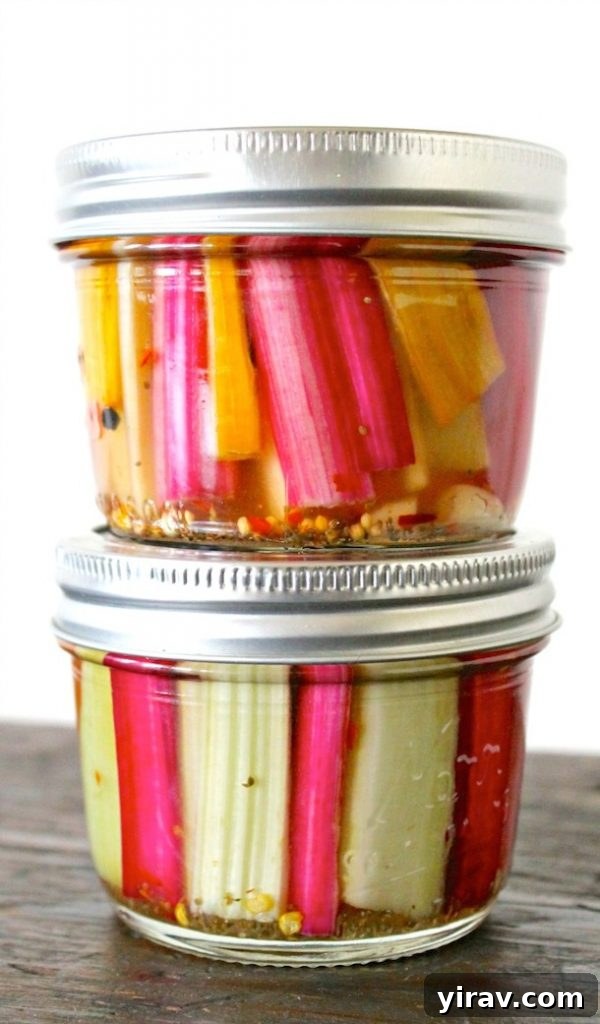
Spicy Pickled Swiss Chard Stems
Get the Recipe
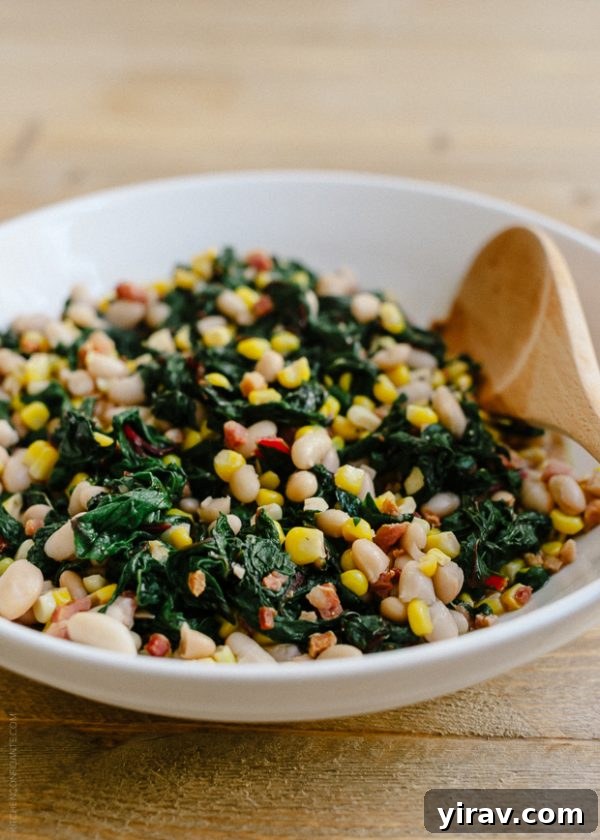
Swiss Chard with Pancetta, Corn and Cannelini Beans
Get the Recipe

Eggplant, Chickpea, and Chard Shakshuka
Get the Recipe

Swiss Chard Mushroom Enchiladas
Get the Recipe
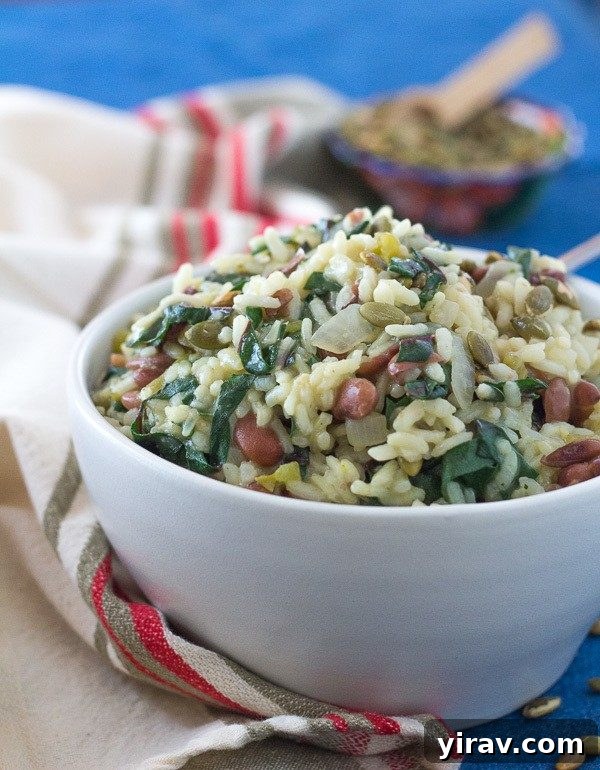
Spicy Instant Pot Chard and Pinto Bean Risotto
Get the Recipe

Farmers Market Frittata
Get the Recipe

Butternut Squash Vegetable Stew
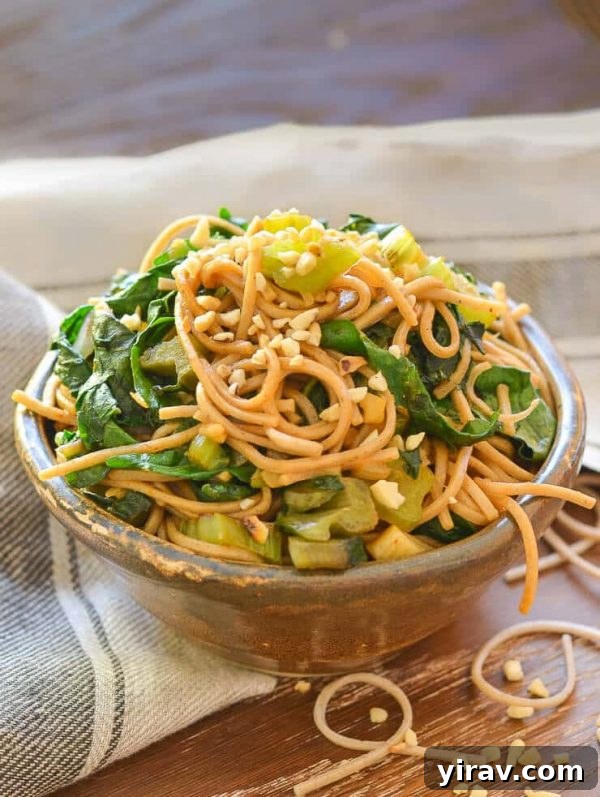
Swiss Chard Soba Noodle Stir Fry
Get the Recipe
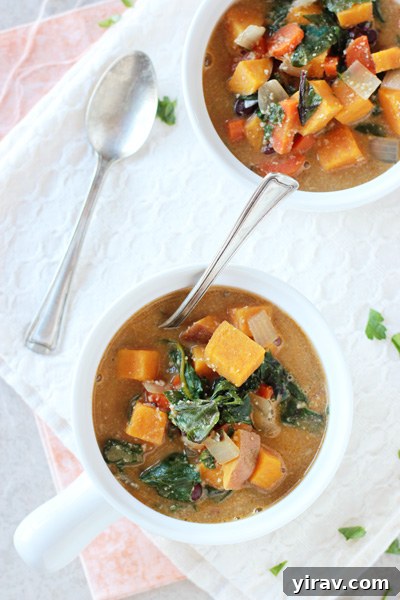
Creamy Sweet Potato and Swiss Chard Soup
Get the Recipe
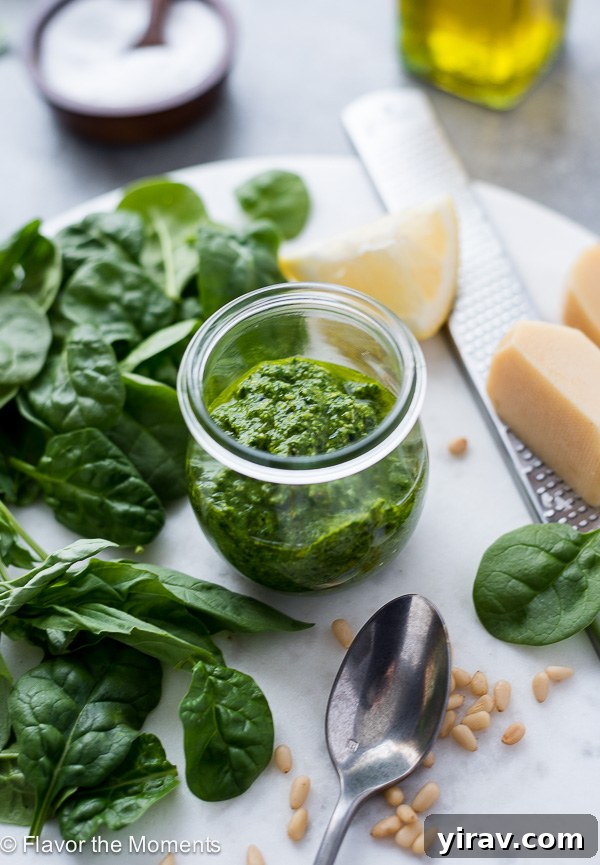
How to Make Pesto Sauce (with any greens!)
Get the Recipe
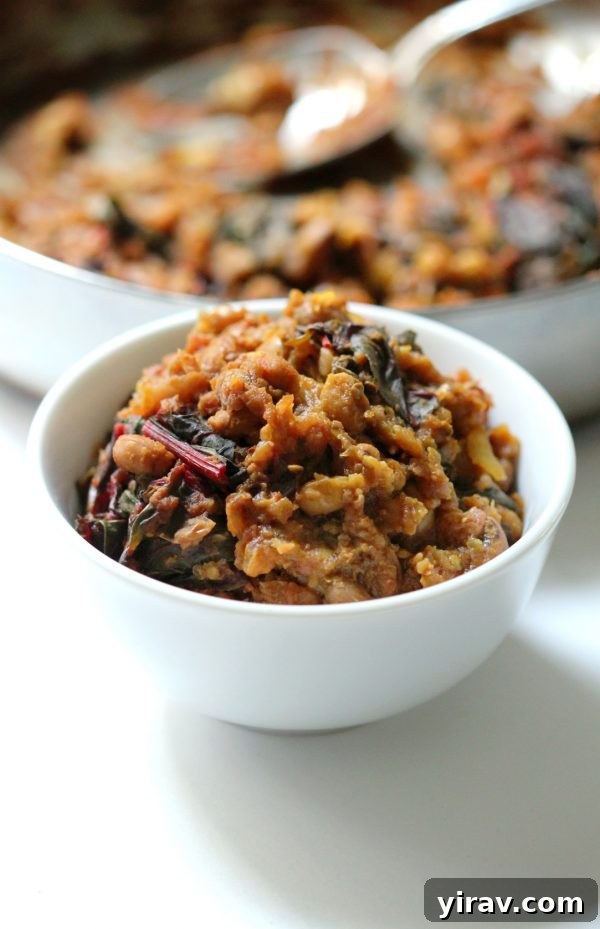
Black Eyed Pea Curry with Swiss Chard & Roasted Eggplant
Get the Recipe
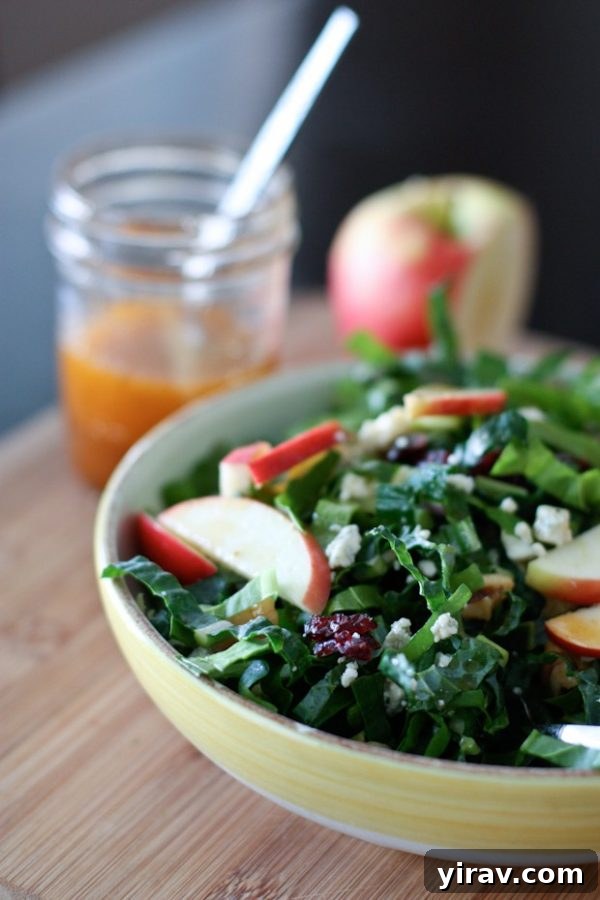
Kale and Chard Green Power Salad
Get the Recipe
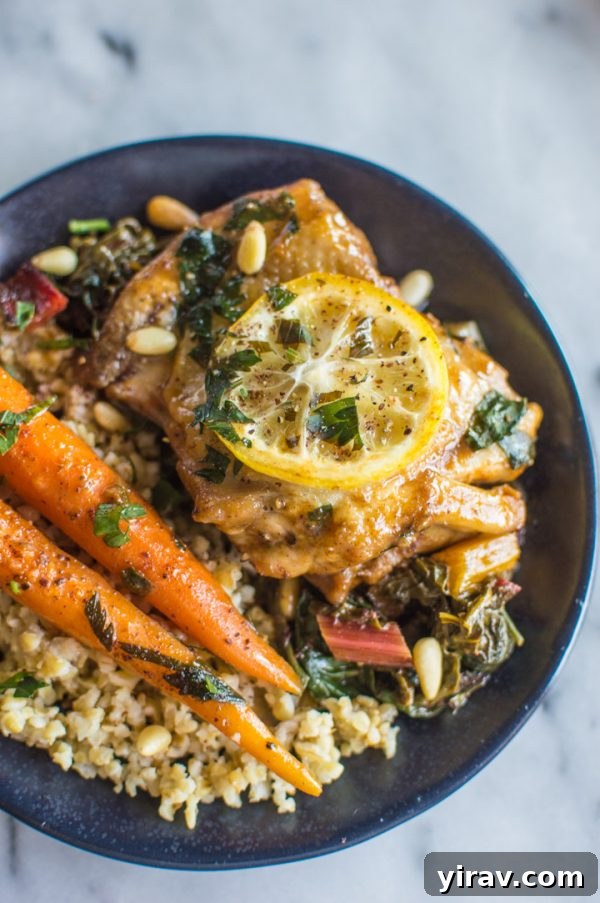
One-Pan Braised Lemon Paprika Chicken with Sumac
Get the Recipe
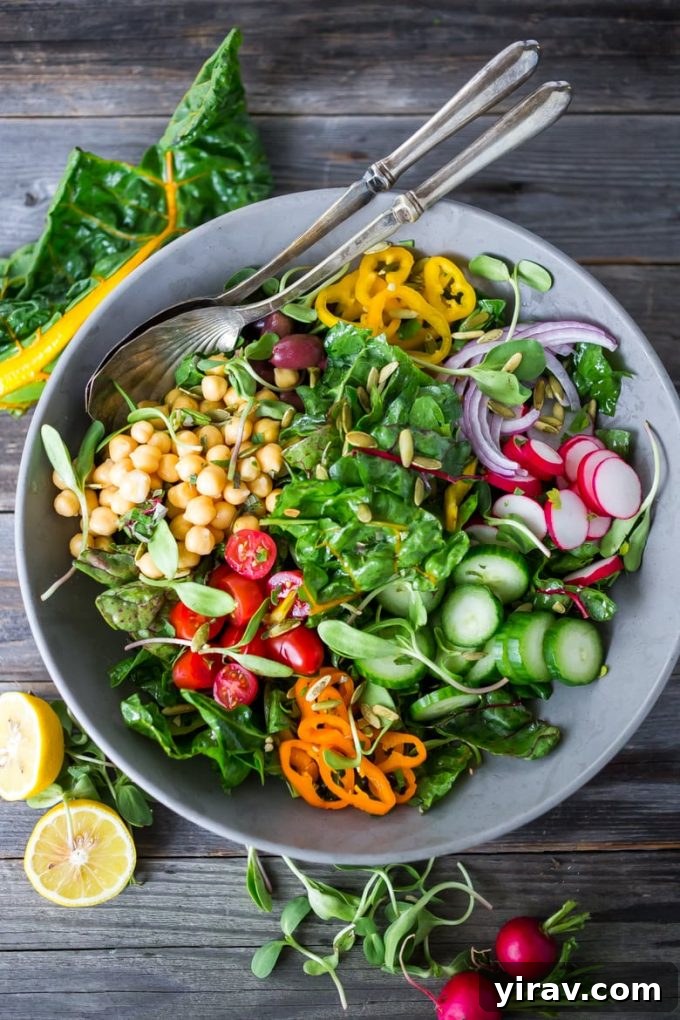
Mediterranean Chard Salad
Get the Recipe
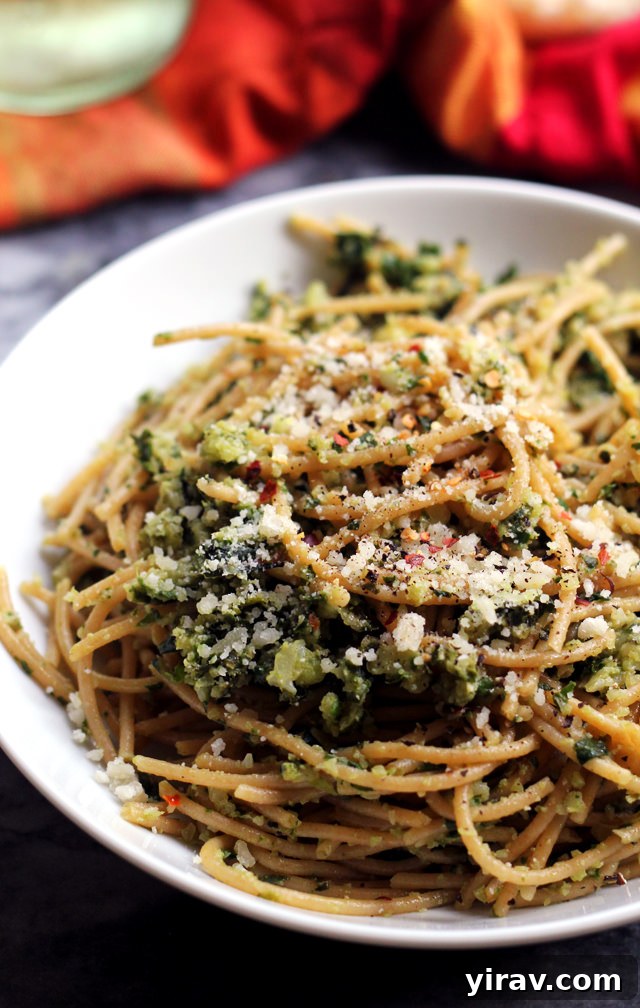
Spaghetti with Cauliflower and Garlicky Swiss Chard Gremolata
Get the Recipe
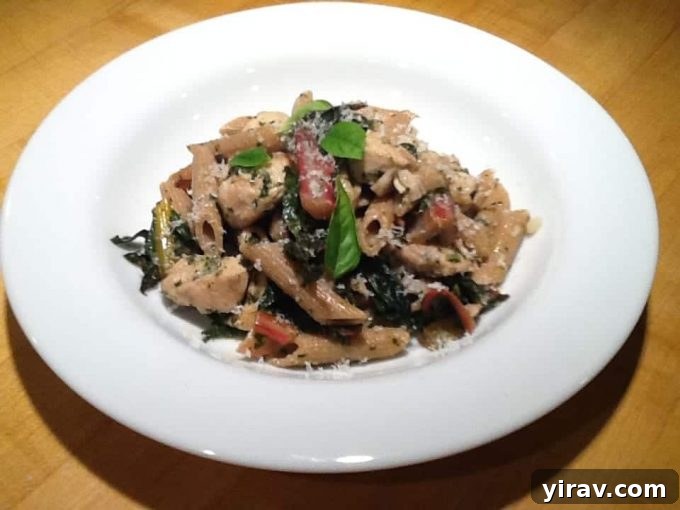
Pesto Chicken Pasta with Swiss Chard
Get the Recipe
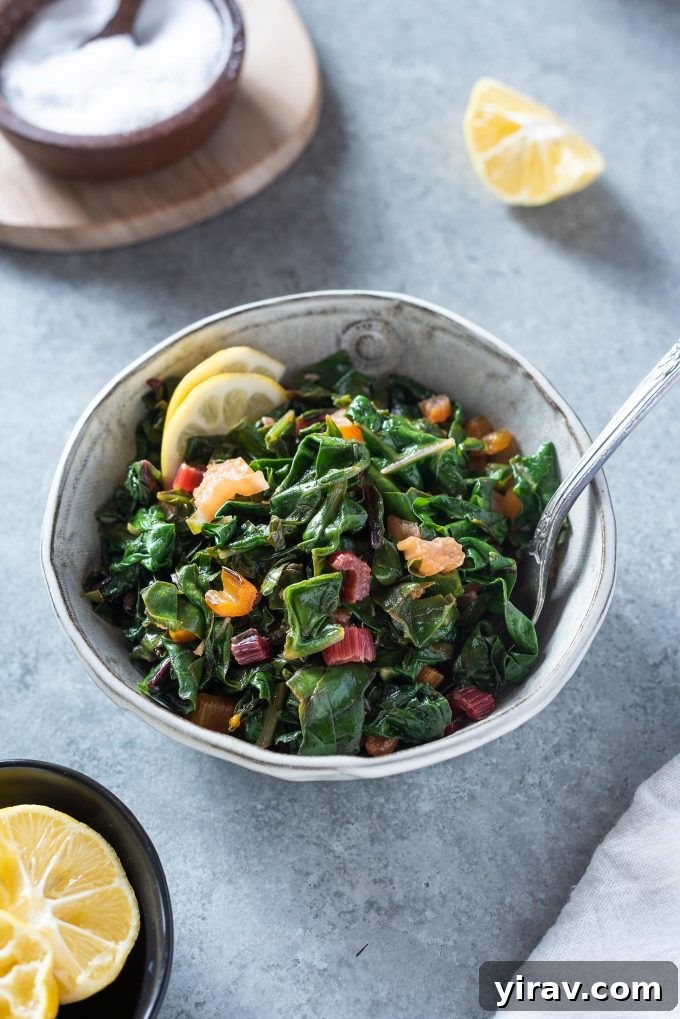
Sautéed Swiss Chard
Get the Recipe