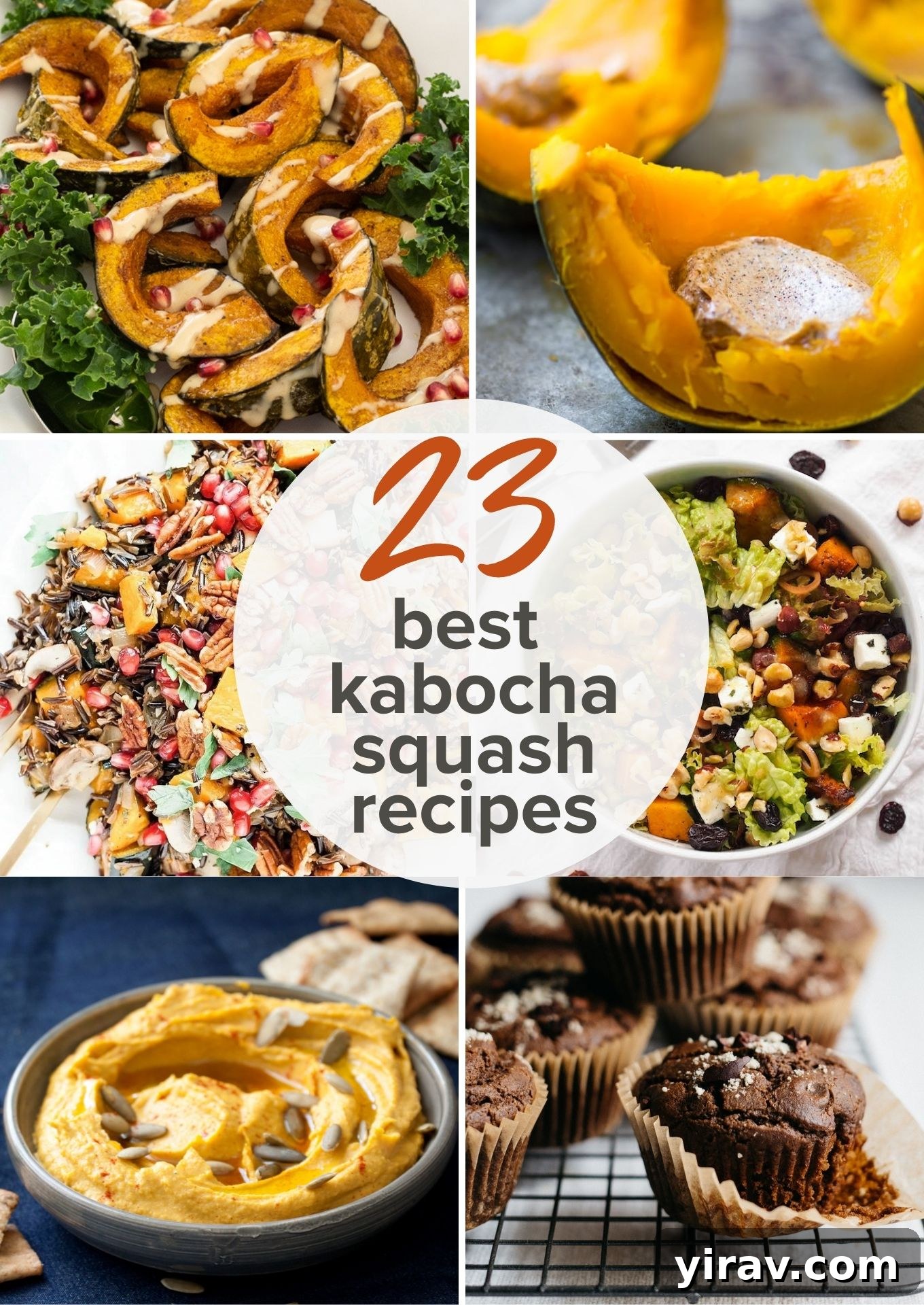
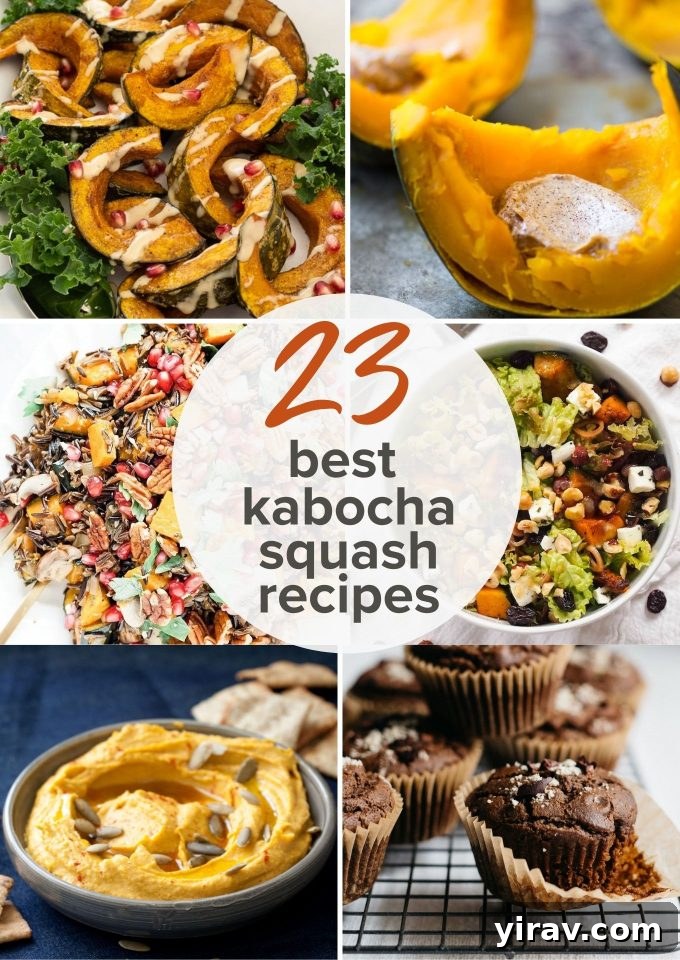
Welcome to the ultimate guide to Kabocha Squash Recipes! This cherished winter squash, also known as Japanese pumpkin, offers a unique blend of sweetness and earthy flavor that makes it a star ingredient in countless dishes. From comforting curries and hearty soups to savory hummus and surprisingly decadent cakes, Kabocha squash proves its incredible versatility time and again. In this extensive collection, we bring you 23 delicious ways to incorporate this amazing squash into your meals. Beyond the recipes, you’ll also uncover essential nutrition facts, learn the safest and easiest methods for cutting Kabocha squash, and much more to help you master this seasonal gem.
The arrival of autumn and winter brings with it a bounty of spectacular produce, and for many culinary enthusiasts, winter squash stands out as a true seasonal delight. While each variety boasts its own unique charm, Kabocha squash consistently tops the list as a favorite. Its rich, slightly sweet flavor and remarkably velvety texture set it apart, making it a highly sought-after ingredient in kitchens worldwide.
My own journey with Kabocha began during my cooking school days. Before then, it was an unfamiliar vegetable. Our instructors were fantastic at introducing us to a diverse range of produce, and I distinctly remember the first time I tasted this wonderful squash. It was an instant revelation, its special taste, delightful texture, and incredible adaptability immediately capturing my culinary imagination. Since then, I’ve loved discovering innovative ways to feature it in my recipes, always aiming to highlight its natural deliciousness.
Despite its increasing popularity, I still frequently encounter people who have yet to experience the joy of Kabocha squash. It’s my sincere hope that this comprehensive collection of recipes will inspire you, whether you’re trying it for the very first time or looking for exciting new methods to enjoy this magnificent ingredient.
Why Choose Kabocha Squash?
Kabocha squash isn’t just another pretty face in the produce aisle; it’s a culinary powerhouse that deserves a special spot in your kitchen. Its rising popularity stems from its unique flavor profile, ease of preparation, and remarkable nutritional density. Originating from Japan, this gourd has a distinguished heritage in Asian cuisine but has seamlessly integrated into global culinary traditions. Chefs and home cooks alike adore Kabocha for its firm texture that holds up beautifully to various cooking methods, from roasting to simmering, and its inherent sweetness that can elevate both savory and sweet dishes. Opting for Kabocha means choosing a vegetable that offers convenience (hello, edible skin!), health benefits, and an unforgettable taste experience.
Kabocha Squash FAQs
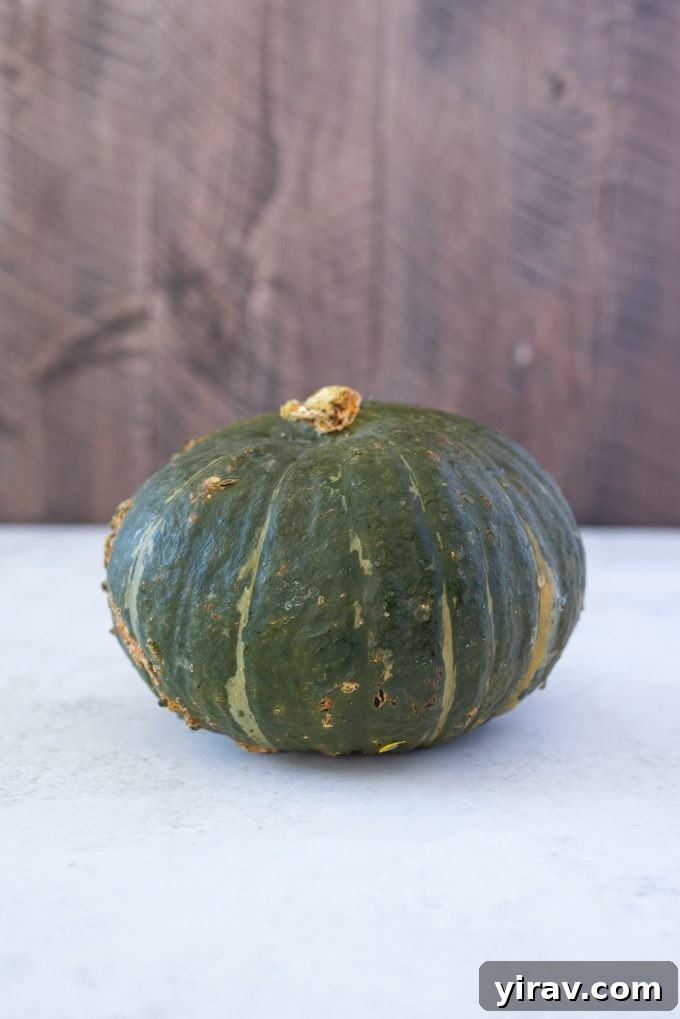
Kabocha squash, often affectionately referred to as Japanese pumpkin, is a distinct variety of winter squash. Its exterior is typically dark green, sometimes with golden flecks or lighter stripes, and has a characteristically bumpy, sometimes irregular, texture. Crack it open, and you’ll be greeted by vibrant orange flesh that is wonderfully sweet, dense, and velvety. Unlike many pumpkins, Kabocha boasts a less stringy and more buttery interior, making it incredibly appealing for a wide range of recipes.
The flavor of Kabocha squash is truly unique and often described as a delightful cross between a sweet potato and a pumpkin, with a distinct nutty undertone. It’s naturally sweet, but not overly so, making it versatile enough for both sweet and savory preparations. Its rich, starchy flesh becomes wonderfully creamy when cooked, offering a melt-in-your-mouth experience that distinguishes it from other winter squashes.
Absolutely! One of the fantastic advantages of Kabocha squash is its edible skin. When cooked, the skin softens beautifully, adding a pleasant chewy texture and a boost of nutrients to your dish. This means no more tedious peeling, which significantly reduces prep time and makes cooking with Kabocha incredibly convenient. Just ensure you wash the squash thoroughly before cooking to remove any dirt or residue. For an even softer skin, you can roast the squash at a slightly lower temperature for a longer duration, or steam it before incorporating into your recipes.
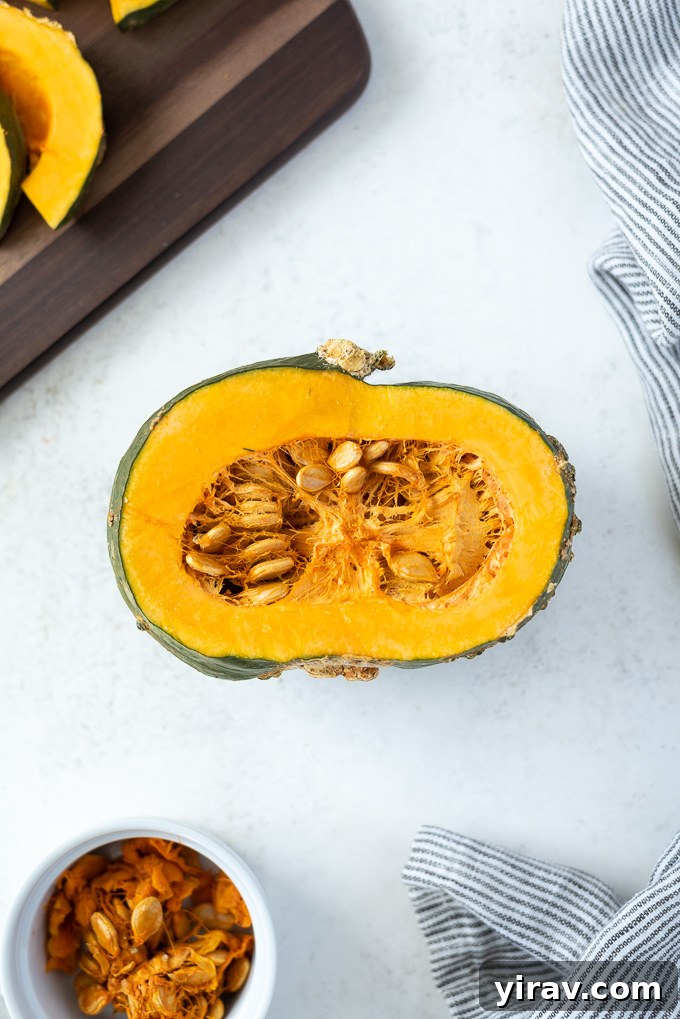
Kabocha squash is a nutritional powerhouse, offering numerous health benefits while being low in calories and fat. It’s an excellent source of dietary fiber, which aids digestion and promotes a feeling of fullness. Beyond fiber, Kabocha is rich in antioxidants, which help combat free radicals in the body. It also provides essential minerals like iron, copper, and magnesium, vital for various bodily functions, including energy production and red blood cell formation. Furthermore, its vibrant orange hue is a testament to its high beta-carotene content, a powerful antioxidant that the body converts into Vitamin A, crucial for vision, immune function, and skin health. It’s also a good source of B vitamins and Vitamin C, further boosting immunity and overall well-being. Incorporating Kabocha into your diet is a delicious way to nourish your body with essential vitamins and minerals.
Nutrition information for one cup of cooked Kabocha squash (approximately):
Calories: 49
Fat: .2 g
Carbohydrates: 12 g
Fiber: 2.7 g
Sugars: 5.1 g
Protein: 1.8 g
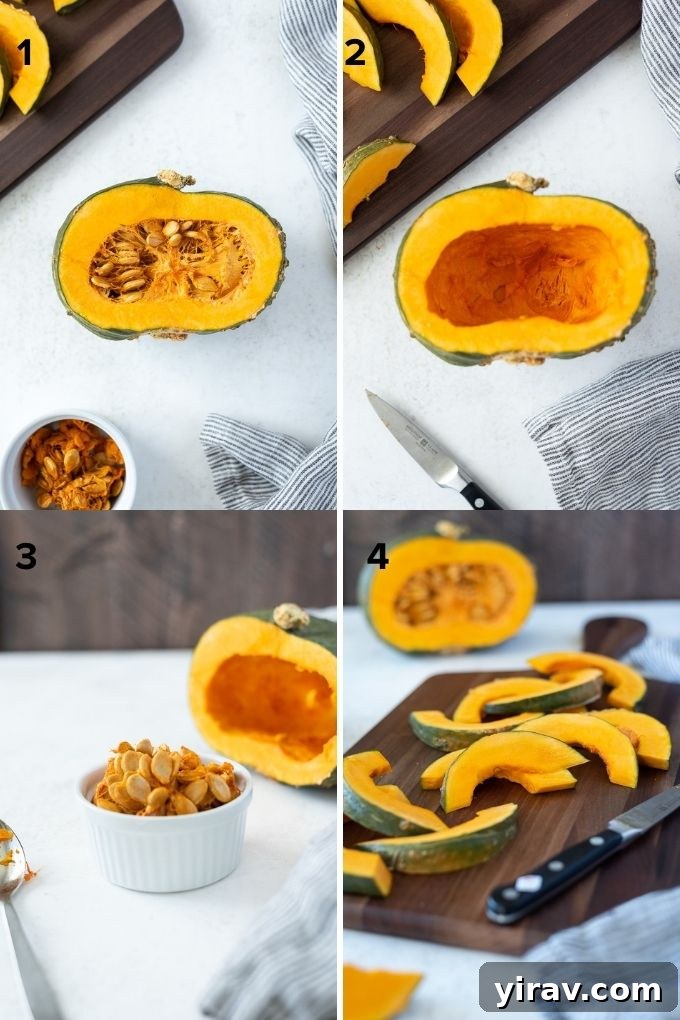
Cutting a hard winter squash like Kabocha can seem challenging, but with a few simple and safe tips, it becomes very easy to manage. The key is to have a sharp, sturdy chef’s knife and a stable cutting surface.
- Prepare the Squash: Begin by washing the Kabocha thoroughly. For added stability and to soften the skin slightly, you can optionally microwave the whole squash for 1-2 minutes.
- Stable Base: Place the squash upright on a sturdy cutting board. If it wobbles, slice a small piece off the bottom to create a flat, stable base.
- Initial Cut: Carefully insert the tip of your sharp chef’s knife into the top of the squash, near the stem. Apply firm, steady pressure to cut downwards, slowly working your way through one side of the squash. Repeat this process on the opposite side.
- Open the Squash: Once you’ve cut most of the way around, gently twist the squash halves apart. If it’s still too firm, use your knife to carefully cut through any remaining tough spots at the bottom.
- Remove Seeds: Use a large, sturdy spoon or an ice cream scoop to scrape out the seeds and fibrous strands from the center of both halves. Don’t discard the seeds – they’re perfect for roasting!
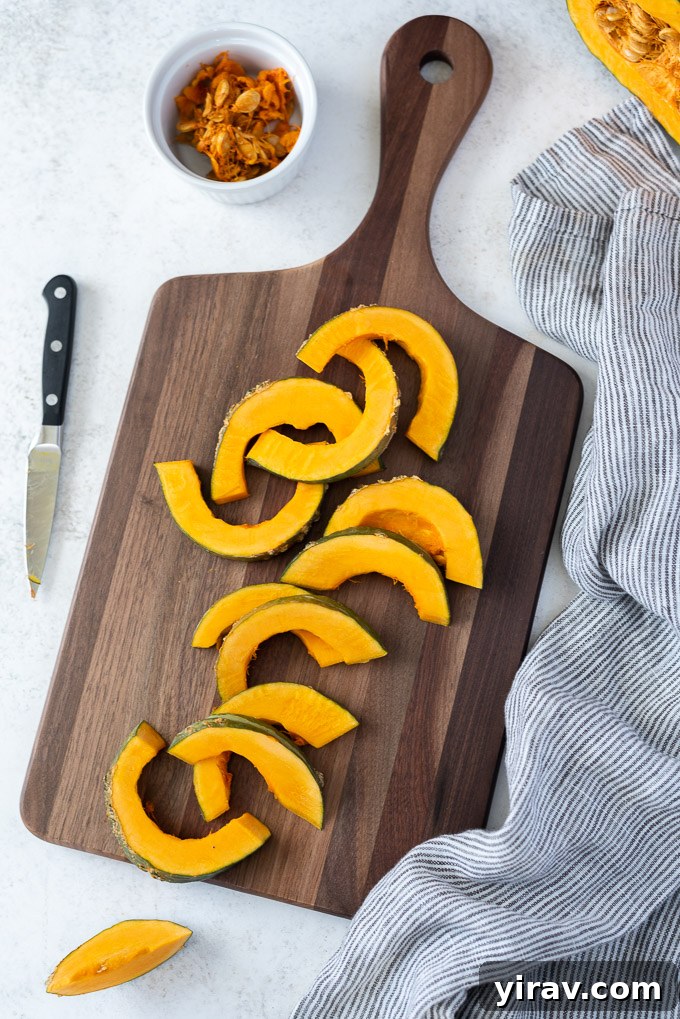
- Slice or Cube: Lay the squash halves flat, cut-side down, on the cutting board. Now, you can easily slice them into crescent wedges, or peel (if desired, though not necessary for Kabocha) and cube them for your recipe. Always cut away from your body and maintain a firm grip.
When selecting a Kabocha squash, look for one that feels firm and heavy for its size, indicating a rich, dense flesh. The skin should be dull, deep green, and free from any soft spots, bruises, or significant discoloration. A healthy Kabocha will also have a dry, intact stem.
Whole, uncut Kabocha squash stores exceptionally well. Keep it at room temperature in a cool, dark, and dry place, such as a pantry or cellar, and it can last for up to one month, sometimes even longer under ideal conditions. Once you cut the squash, its shelf life decreases. Tightly wrap any unused portions in plastic wrap and store them in the refrigerator for 3-5 days. For optimal freshness and flavor, it’s best to use cut squash as soon as possible.
Yes, Kabocha squash freezes beautifully, making it an excellent option for meal prepping and preserving your harvest. To freeze, you’ll first need to prepare it. You can either roast or steam cubed or sliced Kabocha until tender-crisp, or cook it and then puree it. Allow the cooked squash (cubes or puree) to cool completely. For cubes, spread them in a single layer on a baking sheet and freeze until solid, then transfer to an airtight freezer-safe bag or container. For puree, spoon it into freezer bags, leaving some headspace, or into ice cube trays for smaller portions. Frozen Kabocha squash will maintain its quality for up to 3 months, making it readily available for your favorite recipes whenever you need it.
Kabocha squash’s unique texture and flavor make it adaptable to a variety of cooking methods, each bringing out its best qualities:
- Roasting: This is a favorite method as it caramelizes the natural sugars, intensifying the squash’s sweetness and creating crispy edges on the edible skin. Roast wedges or cubes with your favorite seasonings (herbs, spices, a touch of maple syrup) and serve as a delicious side dish, or add to salads and grain bowls. You can even roast a whole Kabocha squash in the oven until tender, then scoop out the flesh.
- Pureeing: Cooked Kabocha squash can be easily pureed for a smooth, creamy base. You can cook it whole in an Instant Pot or steam it until very soft. The puree is perfect for velvety soups, risottos, sauces, or incorporating into baked goods like muffins and cakes.
- Simmering: Kabocha holds its shape well when simmered, making it an excellent addition to stews, chilis, and curries. Its sweetness beautifully balances savory and spicy flavors, absorbing the rich broths and spices.
- Baking: Grated raw Kabocha can be used in baking recipes much like grated carrot, adding moisture and a subtle sweetness to breads, muffins, and bars. Its puree is also a fantastic substitute for pumpkin puree in many dessert recipes.
If Kabocha squash isn’t available in your local grocery store, or if you simply prefer other varieties, you can often substitute it with other types of winter squash. The best substitutes will offer a similar sweet, starchy, and dense texture. Consider these excellent alternatives:
- Acorn Squash: Has a slightly nutty flavor and a firm texture that roasts well.
- Butternut Squash: Widely available, with a sweet, creamy flesh that is excellent for pureeing and roasting.
- Delicata Squash: Features an edible skin and a sweet, delicate flavor, similar to sweet potato.
- Red Kuri Squash: Very similar to Kabocha in taste and texture, with a bright orange flesh and edible skin.
- Sugar Pumpkin: Smaller, sweeter pumpkins specifically grown for eating, not carving.
- Sweet Potato: While not a squash, sweet potatoes offer a comparable sweetness and starchy texture, making them a good stand-in for many recipes.
- Heirloom Pumpkins: Many edible heirloom varieties offer unique flavors and textures; consult your farmer’s market for their best recommendations for cooking.
23 Delicious Kabocha Squash Recipes
Thanks to its delightful flavor profile, rich texture, and convenient edible skin, preparing and cooking Kabocha squash is a joy. It can be utilized in much the same way as other winter squashes – lending itself beautifully to comforting soups, hearty stews, elegant pasta dishes, vibrant salads, and even sweet treats. The following collection showcases just how truly unique and wonderfully versatile Kabocha squash can be, inviting you to explore its culinary potential in your own kitchen.
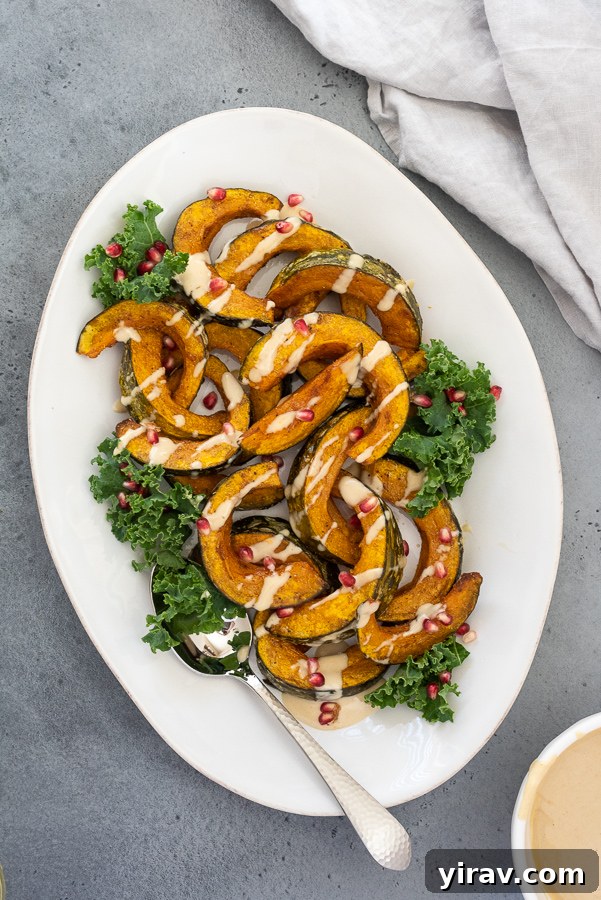
Roasted Kabocha Squash with Tahini Dressing
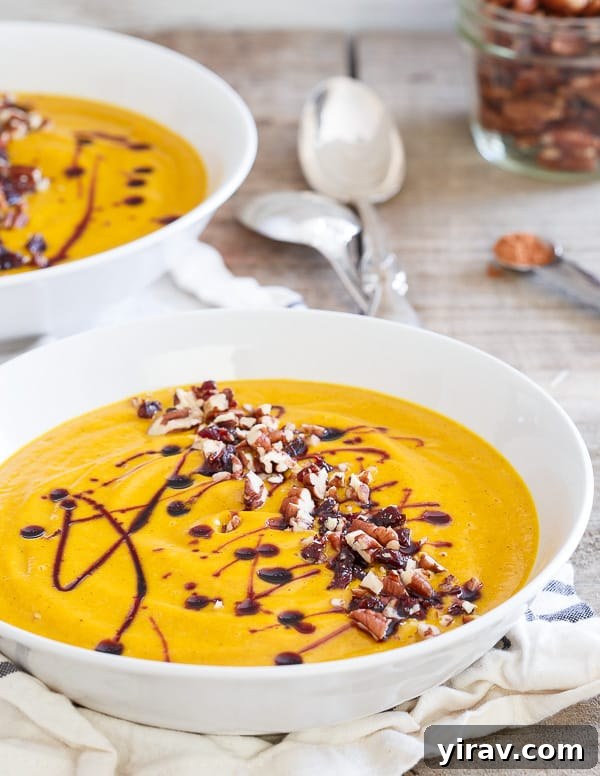
Kabocha Squash Soup
Get the Recipe
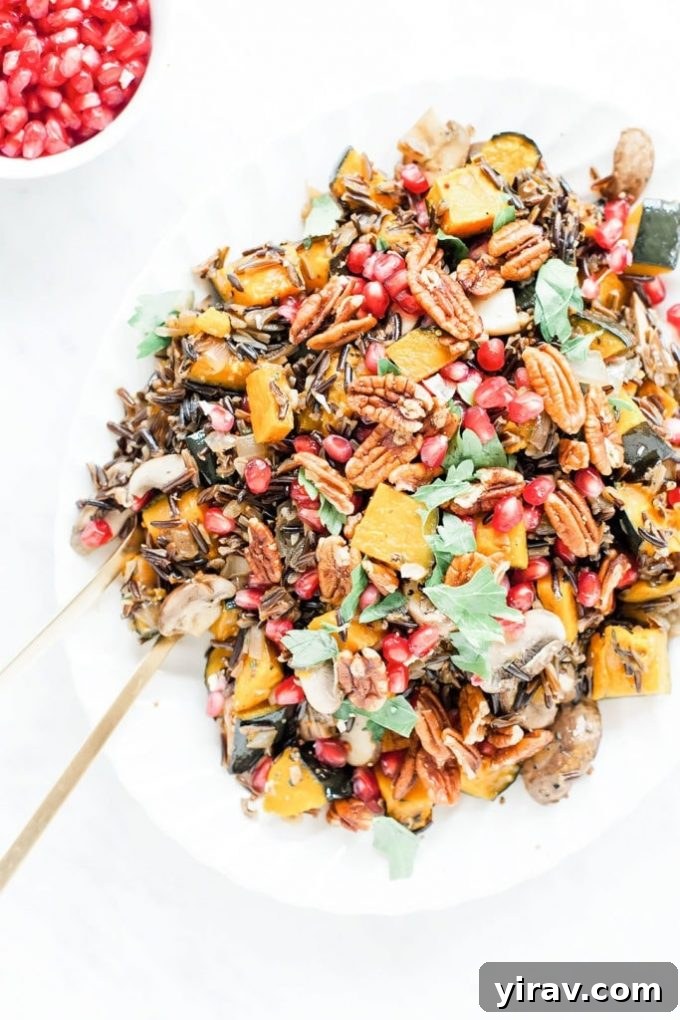
Wild Rice Salad with Kabocha Squash and Brown Butter Vinaigrette
Get the Recipe
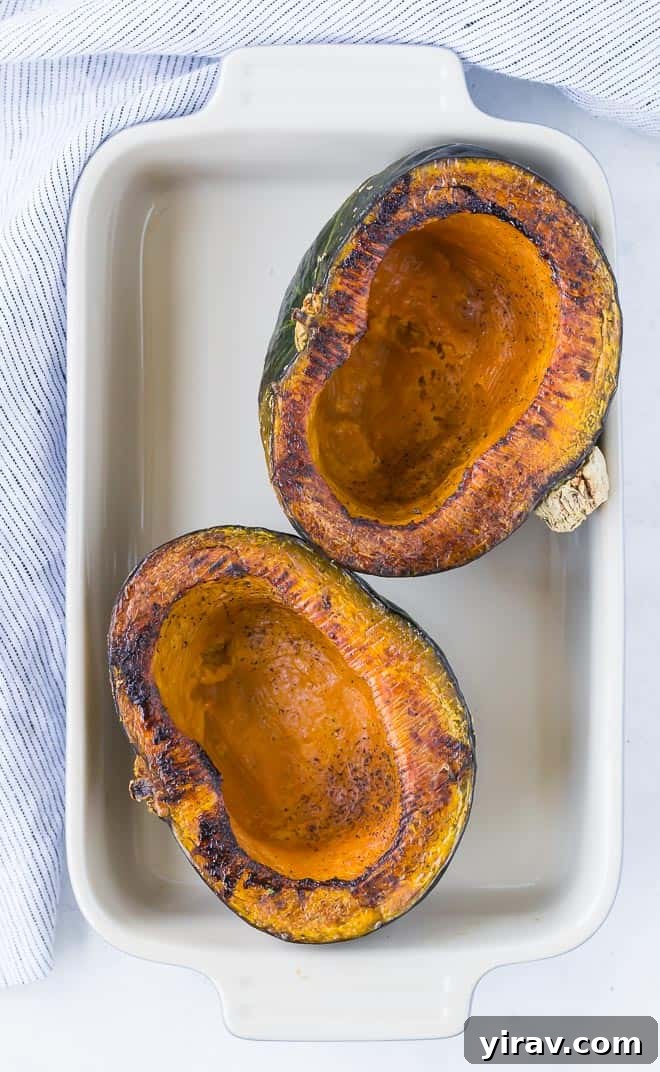
3 Ways to Cook Kabocha Squash
Get the Recipe
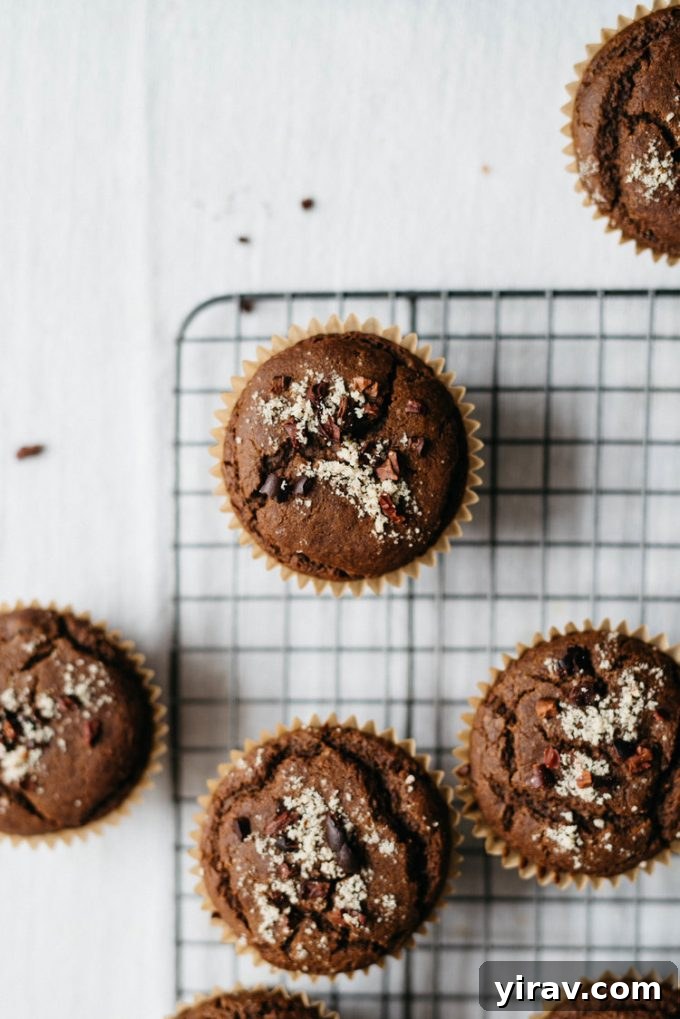
Dark Chocolate Kabocha Muffins
Get the Recipe
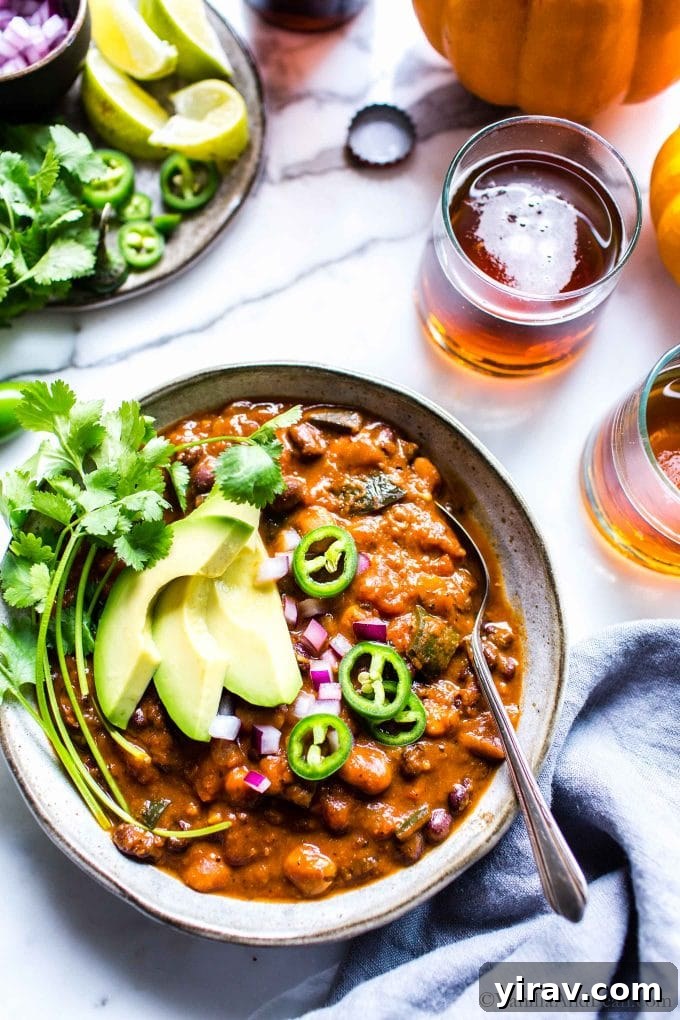
Kabocha Chili
Get the Recipe
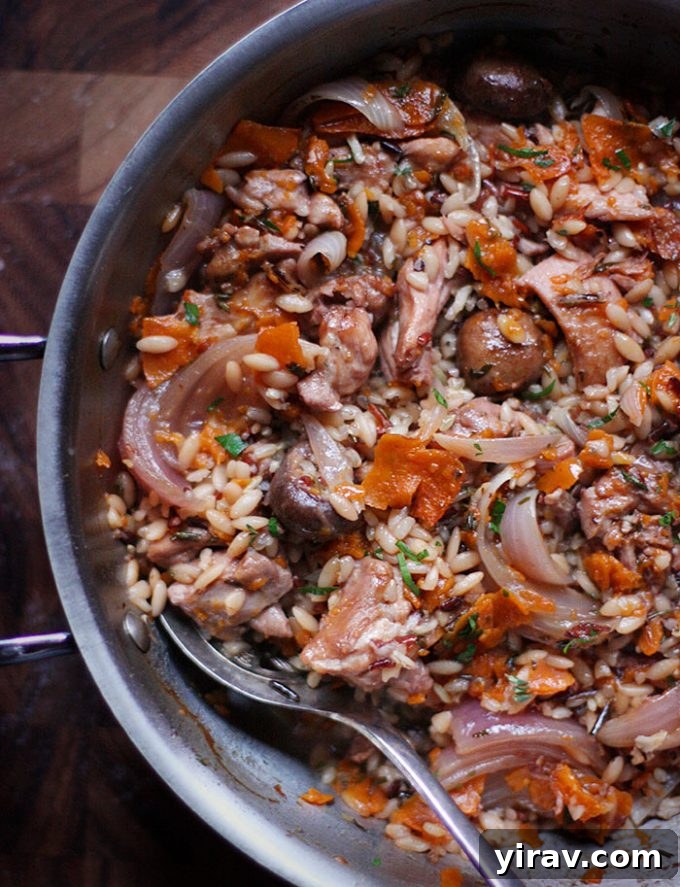
Oven Baked Chicken and Wild Rice Skillet with Kabocha Ribbons
Get the Recipe
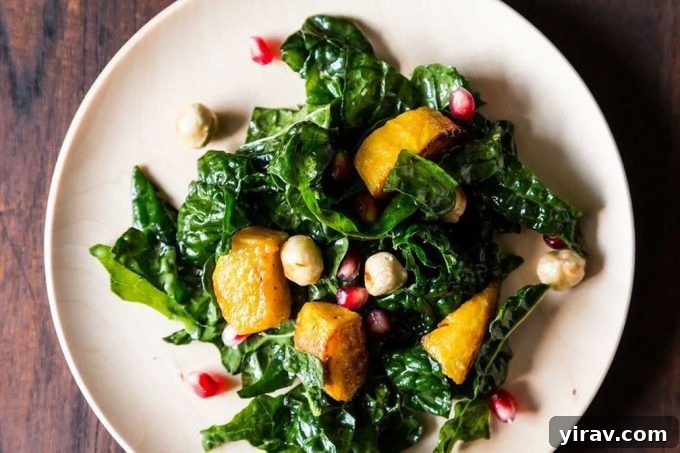
Hearty Kale Salad with Kabocha Squash, Pomegranate Seeds, and Toasted Hazelnuts
Get the Recipe
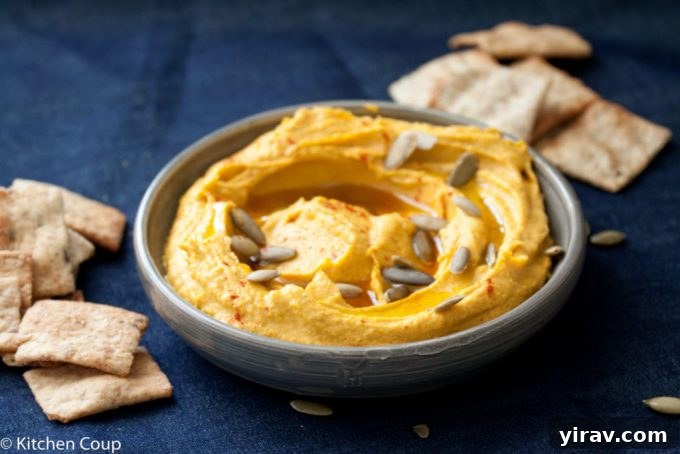
Kabocha Squash Hummus
Get the Recipe
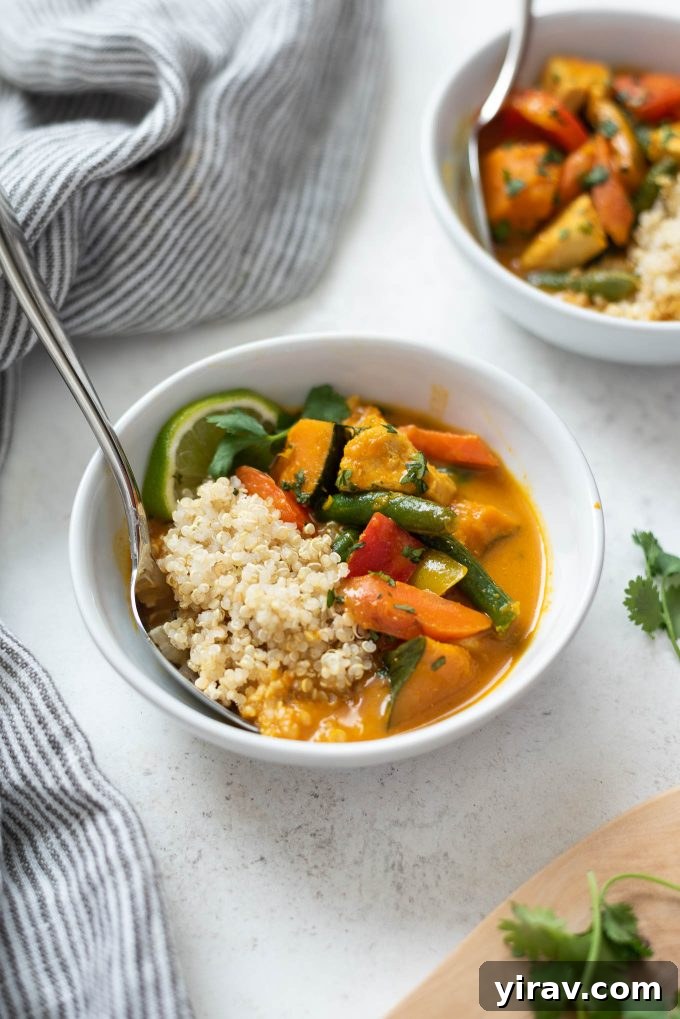
Thai Pumpkin Curry with Chicken
Get the Recipe
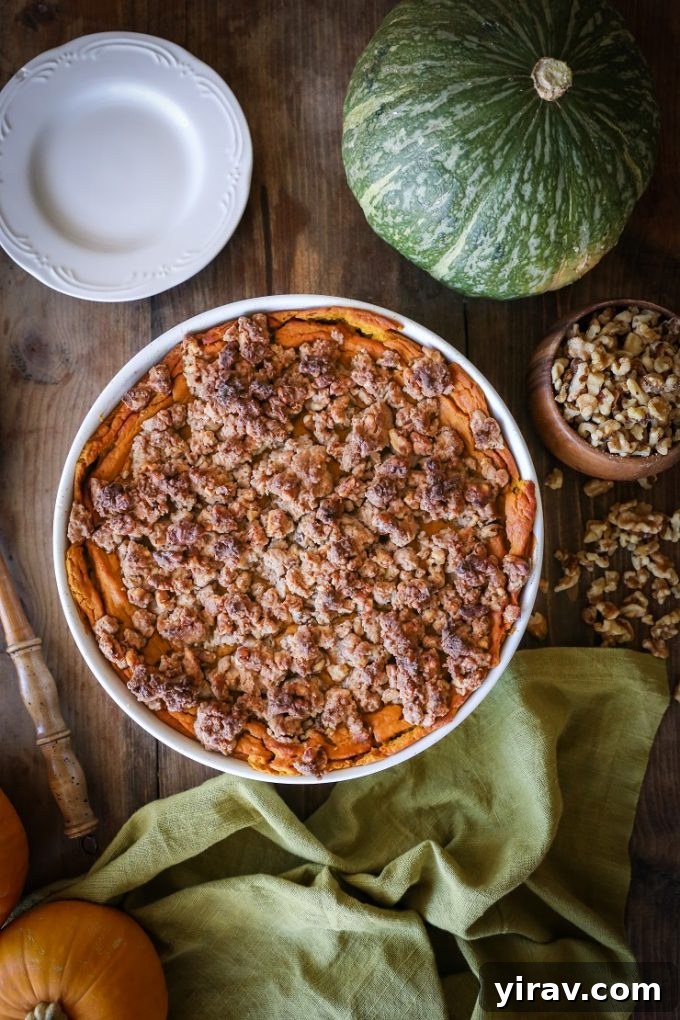
Kabocha Squash Casserole
Get the Recipe
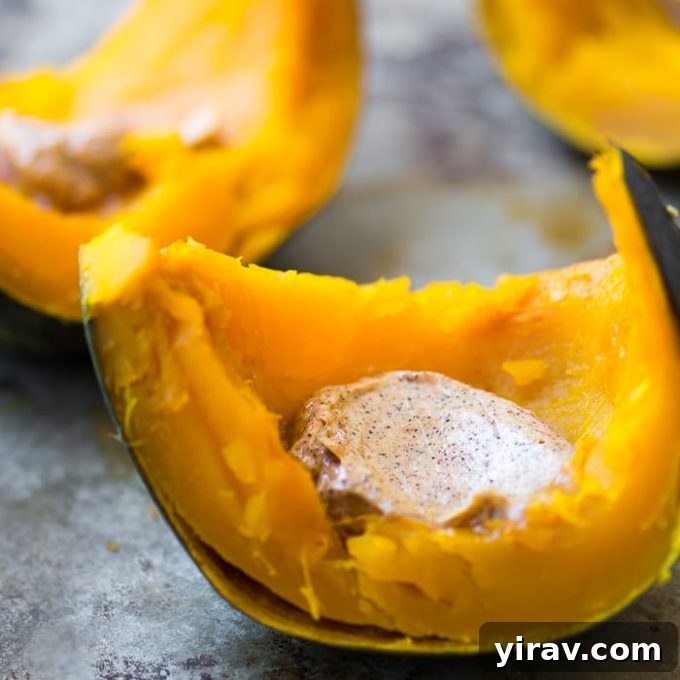
Whole Roasted Kabocha Squash with Chipotle Butter
Get the Recipe
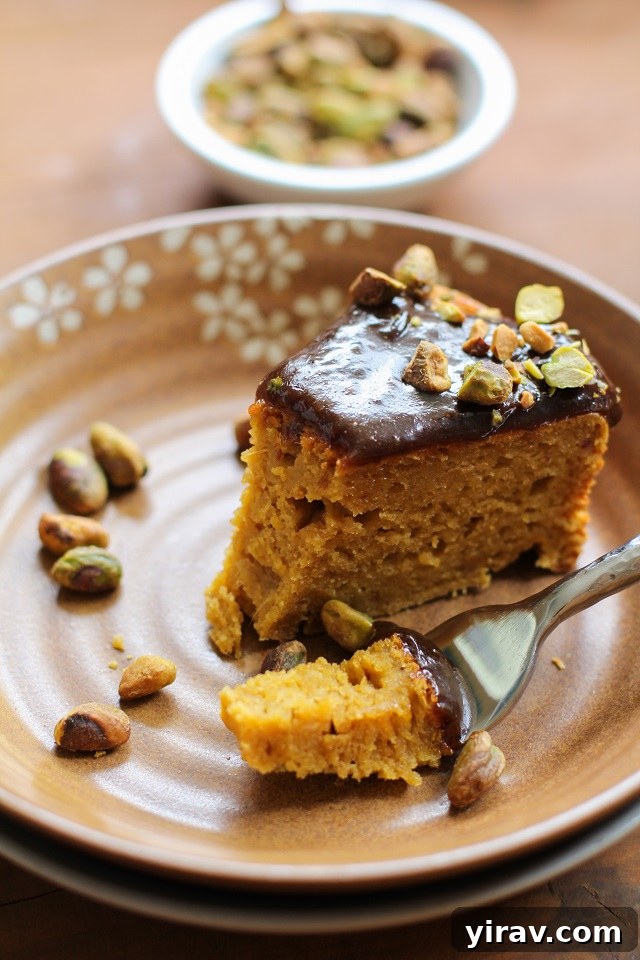
Kabocha Squash Cake with Chai Caramel
Get the Recipe
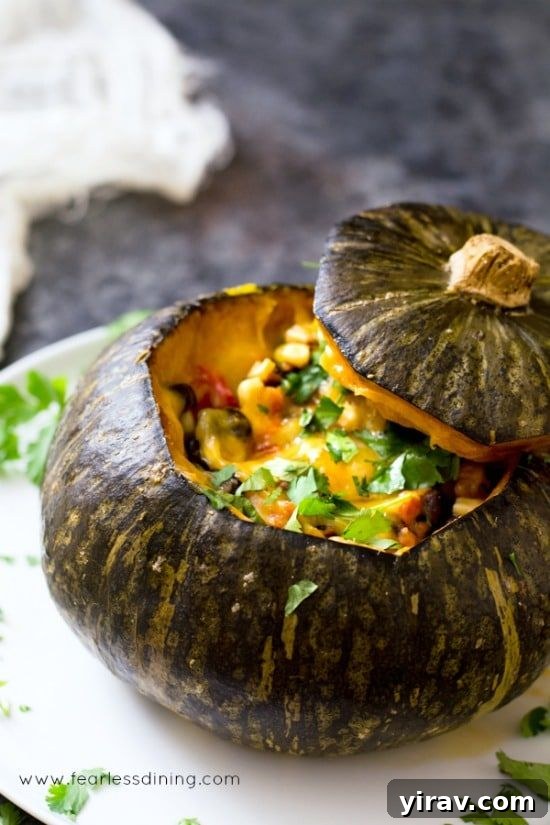
Vegetarian Stuffed Kabocha Squash
Get the Recipe
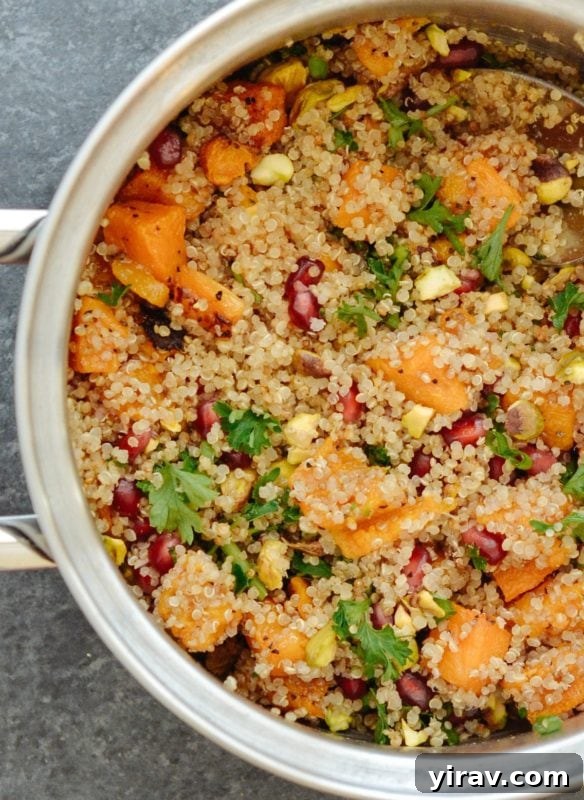
Maple Roasted Kabocha Squash & Quinoa Salad
Get the Recipe
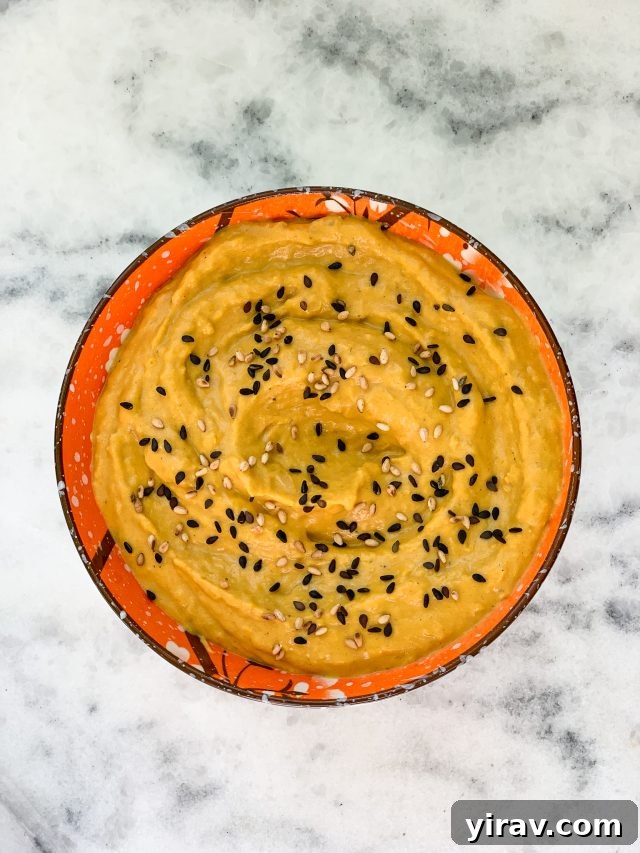
Roasted Kabocha Squash Dip
Get the Recipe
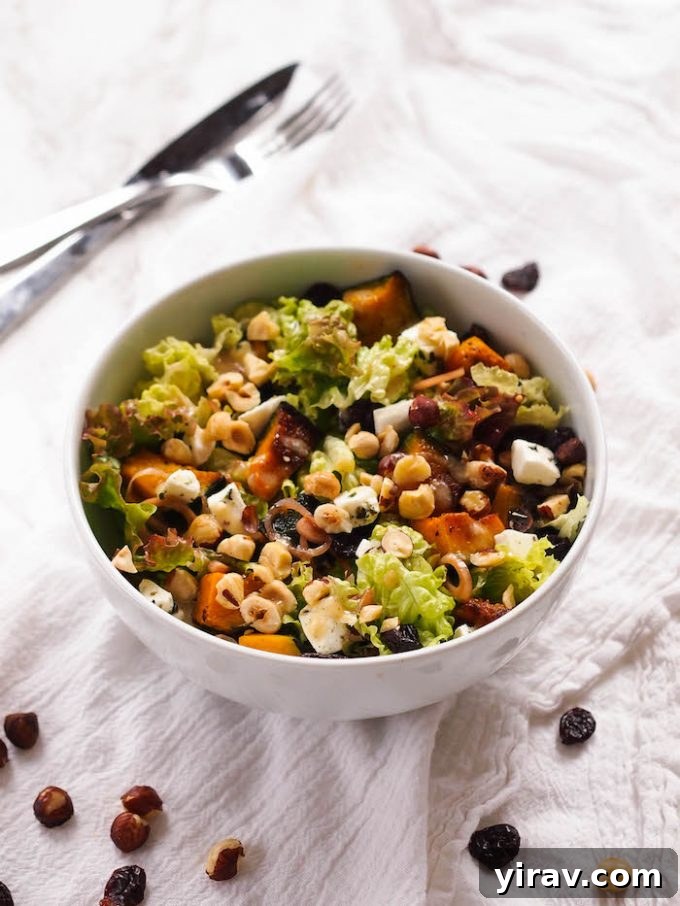
Roasted Kabocha Squash Salad with Creamy Garlic Dressing
Get the Recipe
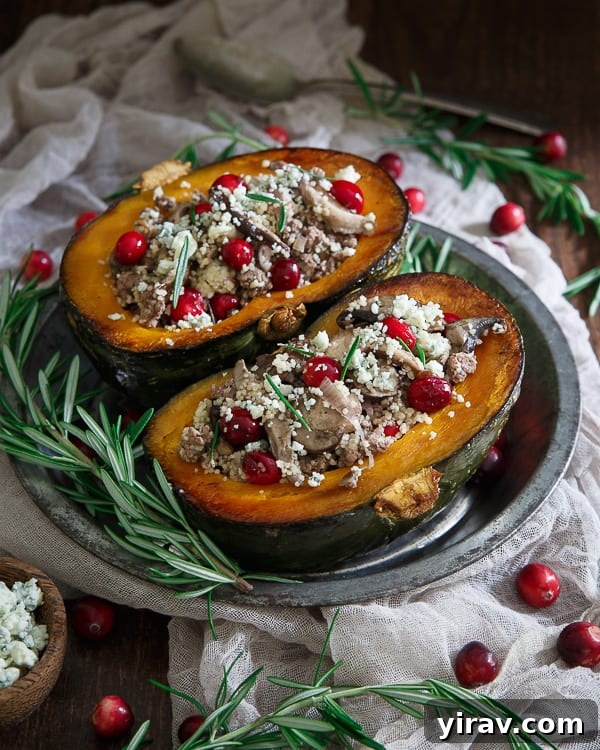
Lamb Stuffed Kabocha Squash
Get the Recipe
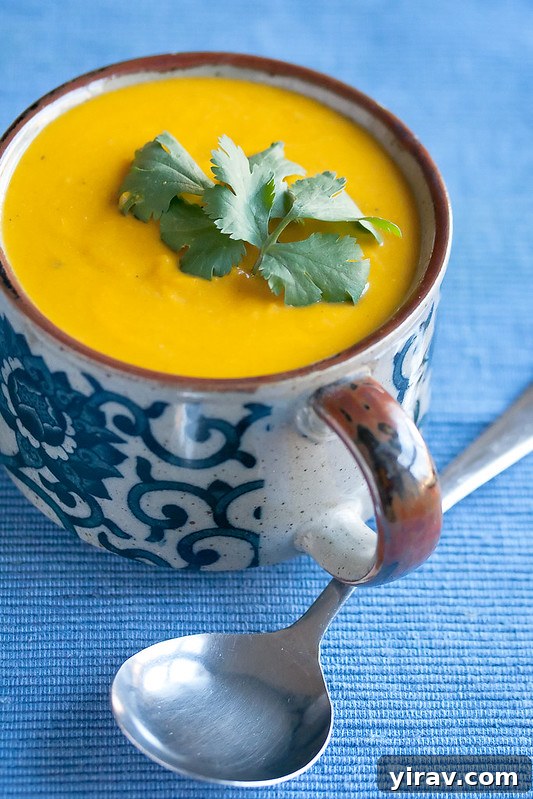
Spicy Kabocha Pumpkin Soup
Get the Recipe
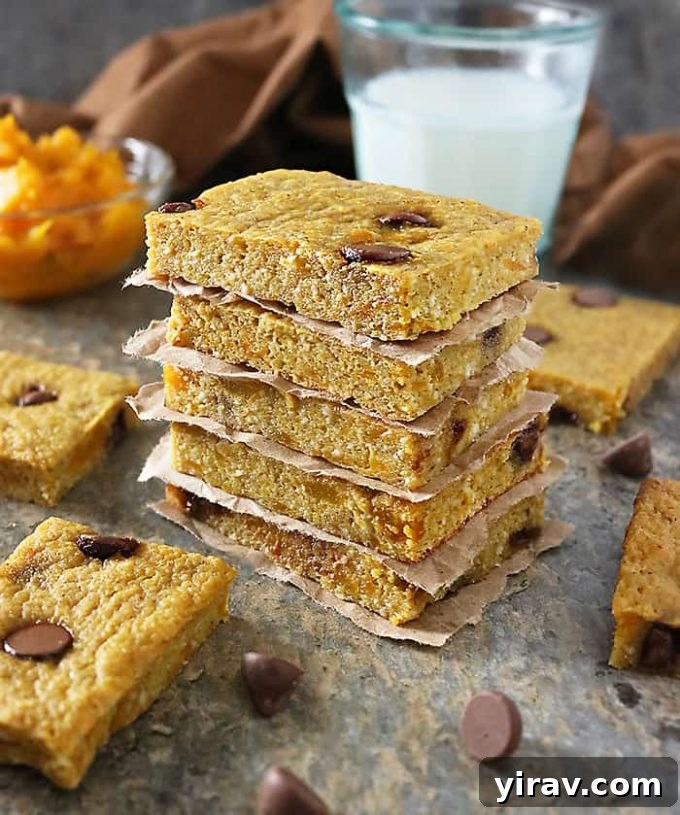
Chocolate Chip Kabocha Bars
Get the Recipe
Further Reading & Resources
To deepen your knowledge of Kabocha squash and its incredible benefits, explore these valuable resources:
- Organic Facts – Kabocha Squash
- Very Well Fit – Kabocha Squash Nutrition
Explore More Seasonal Produce Recipes You’ll Love
If you enjoy cooking with seasonal ingredients and exploring diverse produce, you’ll love these additional recipe collections. Each guide is designed to help you make the most of nature’s bounty:
- Butternut Squash Recipes
- Cabbage Recipes
- Chicory Recipes & Produce Guide
- Cranberry Recipes & Produce Guide
- Delicata Squash Recipes & Produce Guide
- Fennel Recipes & Produce Guide
- Leek Recipes & Produce Guide
- November Seasonal Produce Guide
- October Seasonal Produce Guide
- Persimmon Recipes & Produce Guide
- Poblano Pepper Recipes
- Pomegranate Recipes & Produce Guide
- Pumpkin Recipes
- Swiss Chard Recipes & Produce Guide