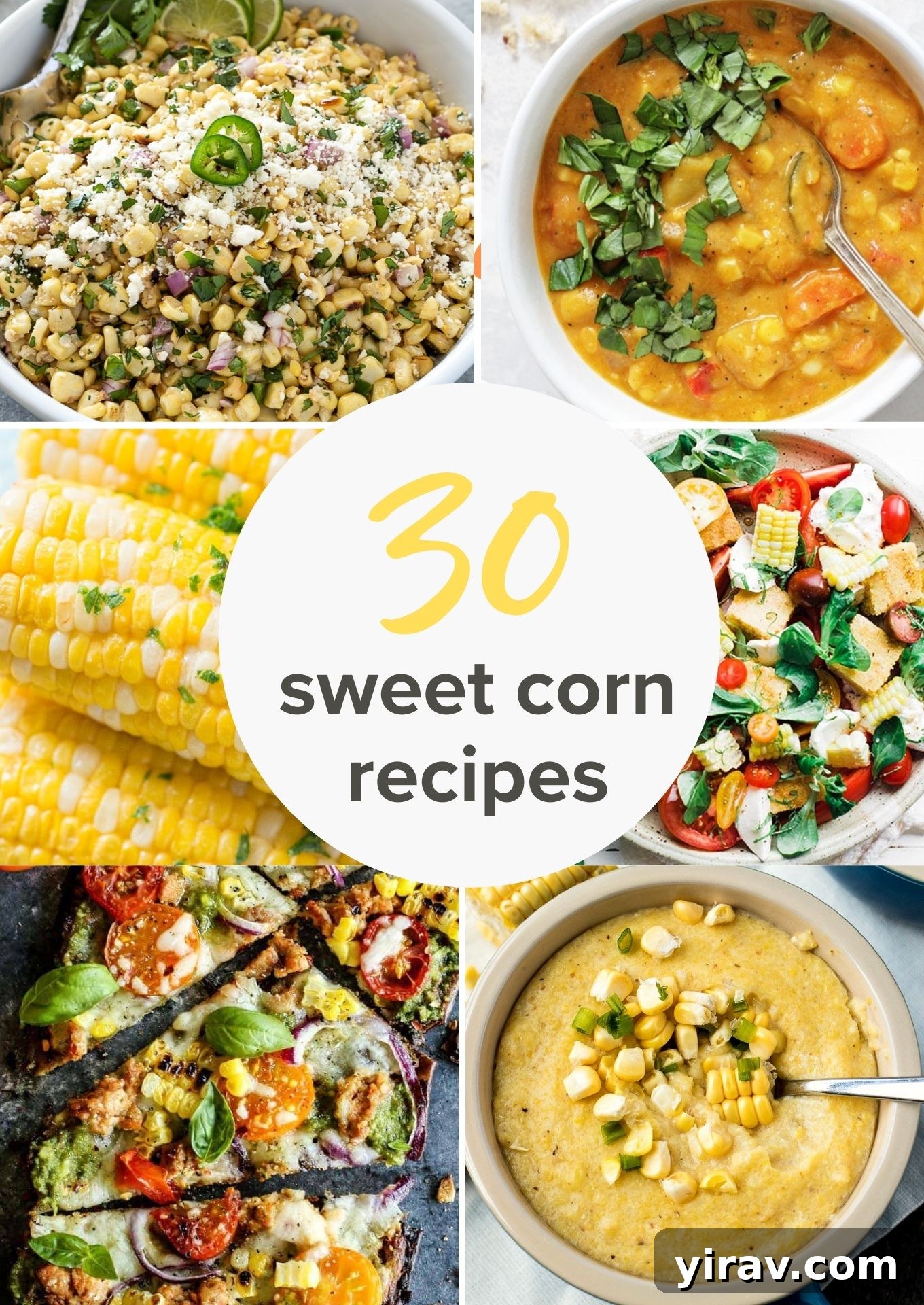
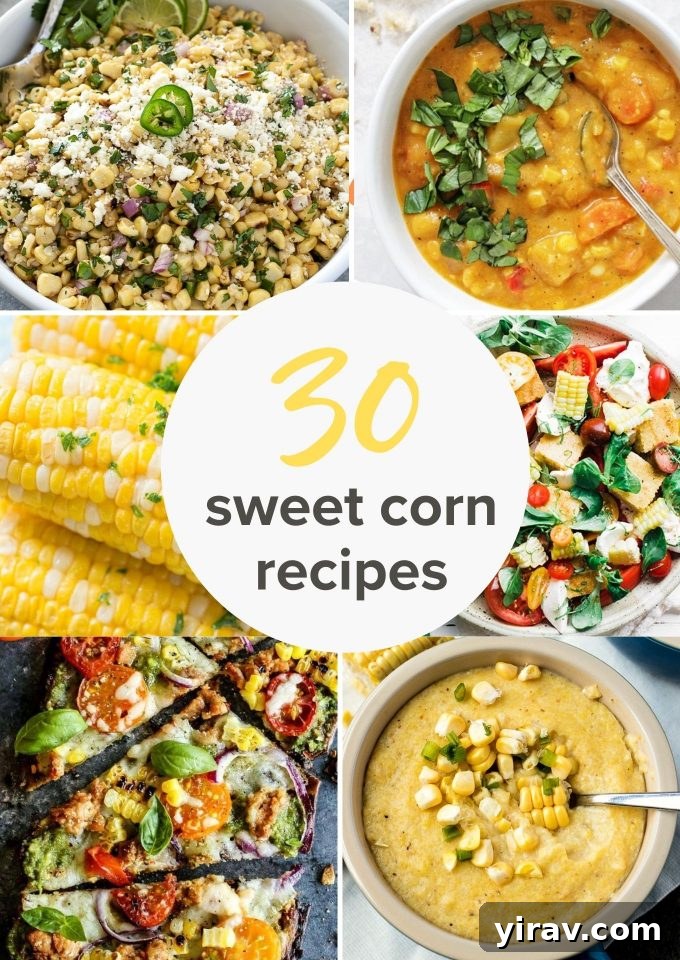
Welcome to your ultimate guide for celebrating the vibrant flavors of summer with an incredible collection of **fresh corn recipes**! As the days grow longer and the sun shines brighter, there’s no ingredient quite as synonymous with summertime enjoyment as sweet, succulent corn. This comprehensive guide features over 30 delectable fresh corn recipes, from comforting chowders and savory corn cakes to irresistible grilled corn on the cob and refreshing corn salads. Beyond the recipes, you’ll find an insightful produce guide, offering essential tips on how to select, store, and prepare corn to perfection, ensuring you get the most out of every kernel. Get ready to transform this humble golden grain into extraordinary dishes that will delight your palate all season long!
Growing up, corn on the cob was an absolute highlight of my summer. The moment my mom brought out those steaming ears, freshly boiled, was pure joy. I’d eagerly grab my corn cob holders, slather each row with a generous pat of butter, and devour it methodically, row by row. That simple ritual created indelible memories and cemented my love for this incredible vegetable. Today, that affection for corn remains just as strong, if not stronger. Throughout the summer months, it’s a weekly staple in my kitchen.
My routine often involves cooking a few ears at a time. Sometimes, I indulge in the nostalgic pleasure of eating it straight off the cob, just like I did as a child. Other times, I painstakingly remove the plump, crisp kernels, ready to toss them into vibrant salads or incorporate them into various recipes throughout the week. There’s truly nothing quite like that satisfying bite into a sweet, milky kernel – a flavor that, to me, unequivocally tastes like summer itself. Its versatility and inherent sweetness make it a favorite for countless culinary creations, and I’m excited to share some of the best ways to enjoy it.
Corn Essentials: FAQs
Corn, scientifically known as maize, is a globally significant crop and one of the most popular in America. This annual plant belongs to the grass family and is characterized by its sturdy, solid stem and large, elongated green leaves. What makes corn truly fascinating from a botanical and culinary perspective is its unique classification: **it’s considered a vegetable, a grain, and a fruit**, depending on how it’s consumed and processed.
- As a **vegetable**: When you enjoy fresh corn on the cob, the entire ear is treated as a vegetable due to its edible nature and high water content.
- As a **whole grain**: Once the kernels are separated from the cob and dried, they are recognized as whole grains, forming the basis for many staples like cornmeal and popcorn.
- As a **fruit**: Botanically, a fruit is the mature ovary of a flowering plant, containing the seeds. Since each corn kernel is a seed from the corn plant, popped corn (popcorn) technically qualifies as a fruit!
The corn industry in the United States is incredibly vast and diverse, with approximately 90 million acres dedicated to its cultivation, primarily in the Heartland region. A significant portion (10-20%) of the U.S. corn production is exported globally. While sweet corn is what we typically enjoy at our summer barbecues, about 99% of corn grown in America is field corn, which has distinct uses. Field corn is primarily used as feed for livestock such as cattle, hogs, and poultry, and is also a major source for producing ethanol biofuel.
In addition to these industrial applications, corn is a fundamental ingredient in producing a wide array of culinary and food-related products, including: corn starch (a common thickening agent), corn syrup (a sweetener), cornmeal (used in baking and cooking), masa (a dough for tortillas and tamales), polenta (a staple in Italian cuisine), corn flour, and various alcoholic beverages.
The nutritional profile of corn can vary depending on its type. Sweet corn, for instance, is typically richer in certain vitamins, while popcorn tends to offer higher mineral content. Regardless of the variety, corn is a valuable dietary addition. As a whole grain, it provides approximately 2.4 grams of dietary fiber per serving, which is crucial for digestive health, aiding in regular bowel movements and helping to prevent constipation.
Beyond fiber, corn is a source of essential nutrients. A typical serving contains around 77 calories, 22 carbohydrates (providing sustained energy), 3.4 grams of protein (important for muscle repair and growth), and 4.5 grams of natural sugars, which contribute to its naturally sweet flavor. It also contains various B vitamins (like thiamine, niacin, and folate) and antioxidants, which play vital roles in overall health and well-being.
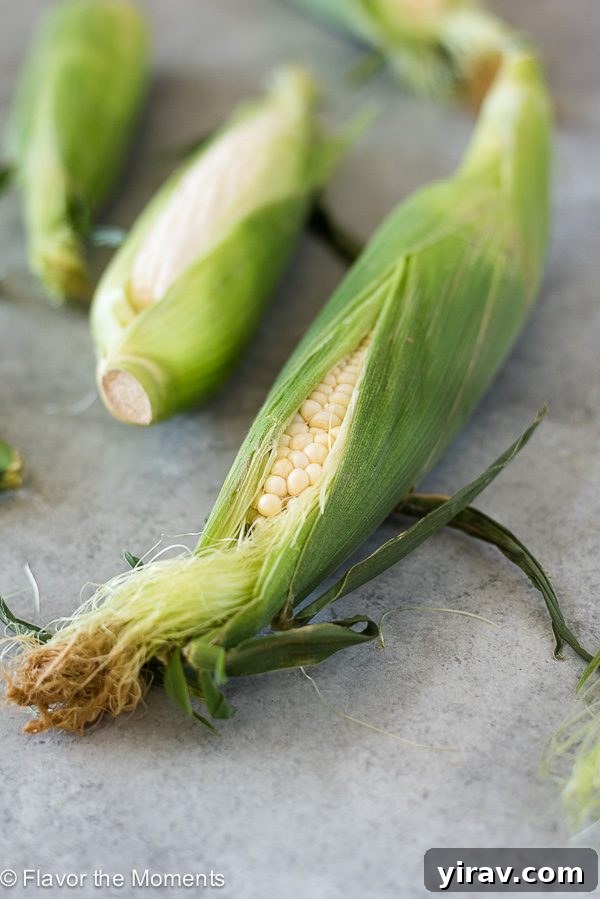
To preserve the peak freshness and sweetness of corn, proper storage is key. Ideally, store fresh corn on the cob in its husk in the refrigerator. This method helps retain moisture and flavor, keeping it fresh for approximately 1-3 days. For best results, try to consume it as soon as possible after purchase, as its sugars begin to convert to starch shortly after harvesting.
Once the corn has been shucked (husks and silk removed) and cooked, it should be stored in an airtight container in the refrigerator. In this state, cooked corn kernels or cobs will remain fresh and delicious for 3-5 days, ready to be incorporated into various meals.
Freezing is an excellent way to enjoy the taste of summer corn long after the season has passed. For freezing corn on the cob, first shuck it and remove all silk. You can blanch the cobs briefly in boiling water before freezing to help preserve color and texture, though it’s not strictly necessary. Place the shucked cobs in an airtight freezer bag or container, removing as much air as possible, and they will keep well for several months.
Alternatively, you can remove the kernels from the cob before freezing. After shucking, carefully slice the kernels off the cob with a sharp knife. Spread the raw kernels in a single layer on a baking sheet and freeze for an hour or two until solid. Then, transfer the frozen kernels to an airtight freezer bag or container. This prevents them from clumping together and makes it easy to use just the amount you need for recipes.
Fresh corn on the cob is incredibly versatile and can be cooked in numerous simple yet delicious ways. The two most popular methods are boiling and grilling, each yielding a unique texture and flavor profile.
Boiled Corn: This classic method produces tender, juicy kernels. To boil, place the shucked corn cobs in a large stockpot. Cover them with water, ensuring there are about 2 inches of water above the corn. Bring the pot to a rolling boil over high heat. As soon as the water boils, immediately remove the pot from the heat and cover it. Allow the corn to steep, covered, for about 10 minutes. This gentle cooking method ensures the corn is perfectly tender without becoming mushy. Drain the corn thoroughly in a colander and serve immediately with your favorite toppings!
Grilled Corn: Grilling imparts a wonderful smoky flavor and slight char to the kernels, intensifying their sweetness. There are several ways to grill corn: in the husk, wrapped in foil, or directly on the grates. For a detailed guide on how to achieve perfectly grilled corn every time, including tips for each technique, be sure to check out my comprehensive post on Easy Grilled Corn on the Cob!
Beyond these, don’t forget options like roasting in the oven, sautéing kernels in a skillet, or even using an air fryer for a quick and crisp result.
The Harvest: What to Look for When Buying Fresh Corn
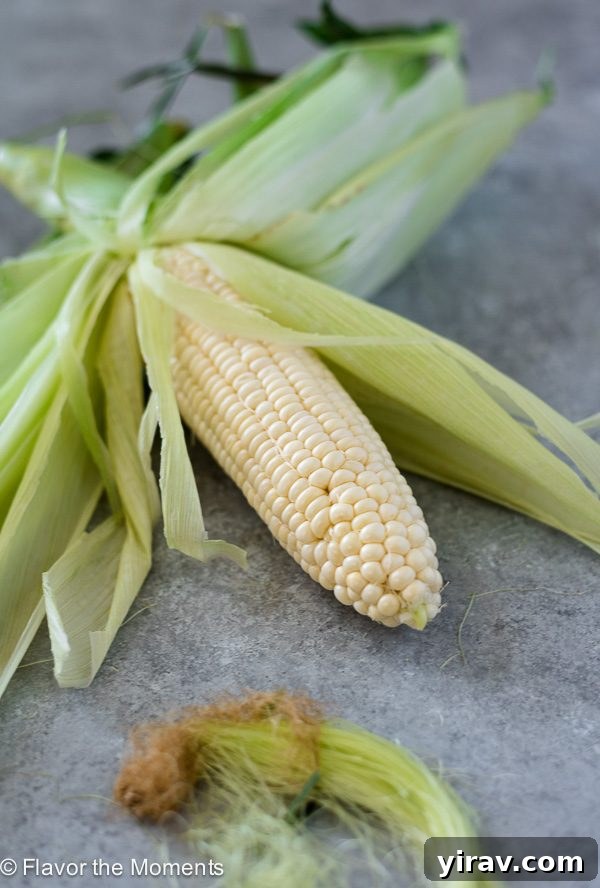
Selecting the best fresh corn is crucial for enjoying its sweet flavor and crisp texture. When you’re at the farmers market or grocery store, keep these tips in mind to pick perfect ears:
- **Inspect the Husk:** Look for bright green husks that are tightly wrapped around the ear. Avoid husks that are dry, yellowish, or have holes, as these can indicate older corn or pest damage.
- **Check the Silk:** The silk should be damp, plump, and light brown or golden. Black or dry silk is a sign that the corn is past its prime.
- **Feel the Kernels:** Gently squeeze the ear through the husk. You want to feel firm, plump kernels all the way to the tip. Gaps or soft spots mean underdeveloped or damaged kernels.
- **Smell:** A fresh, sweet aroma is a good indicator of fresh corn.
- **Don’t Peel Back Too Much:** While it’s tempting to peel back the husk to peek, try not to. Exposing the kernels to air causes them to dry out faster, diminishing their sweetness and texture. If you must peek, choose an ear that has been opened the least.
By following these simple guidelines, you’ll consistently bring home the freshest, sweetest corn, ready to be transformed into any of the incredible dishes below!
Over 30 Delicious Corn Recipes for Every Occasion
Are you wondering what magical creations you can whip up with that freshly picked corn? Look no further! Corn’s remarkable versatility allows it to shine in a vast array of dishes, equally at home in both sweet and savory preparations. This curated roundup of over 30 mouthwatering corn recipes is designed to ignite your culinary imagination. From the comforting warmth of corn chowder to the vibrant zest of Mexican street corn and salsas, and even unique sweet corn cakes, there’s a recipe here to suit every taste and occasion.
Prepare to be inspired and elevate your summer cooking with these exciting and diverse ways to enjoy the unparalleled taste of fresh corn!
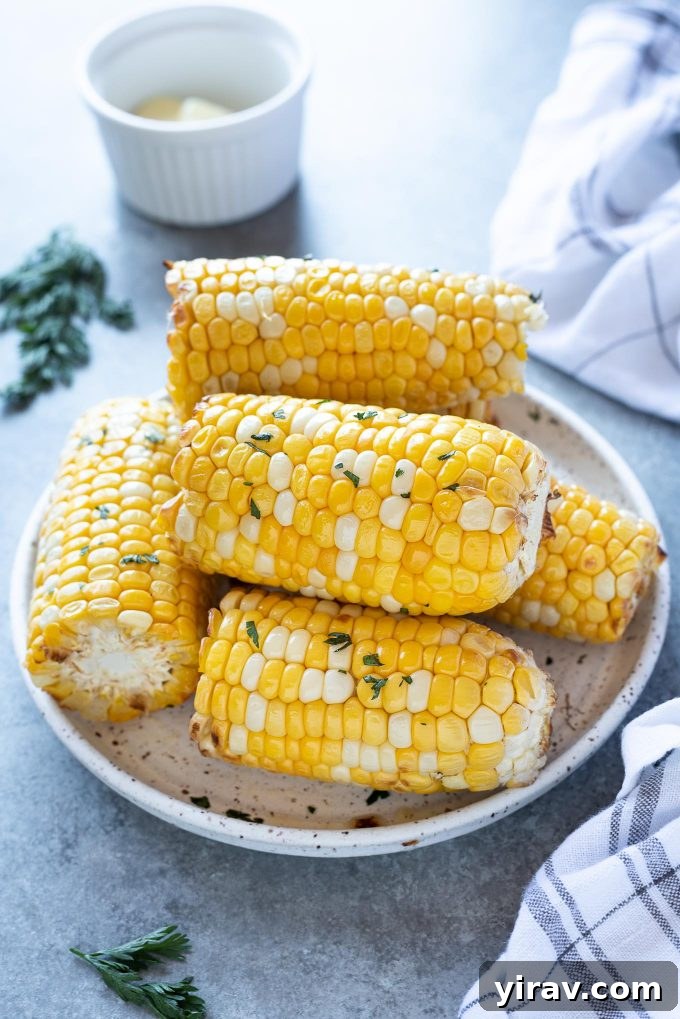
Air Fryer Corn on the Cob
Get the Recipe
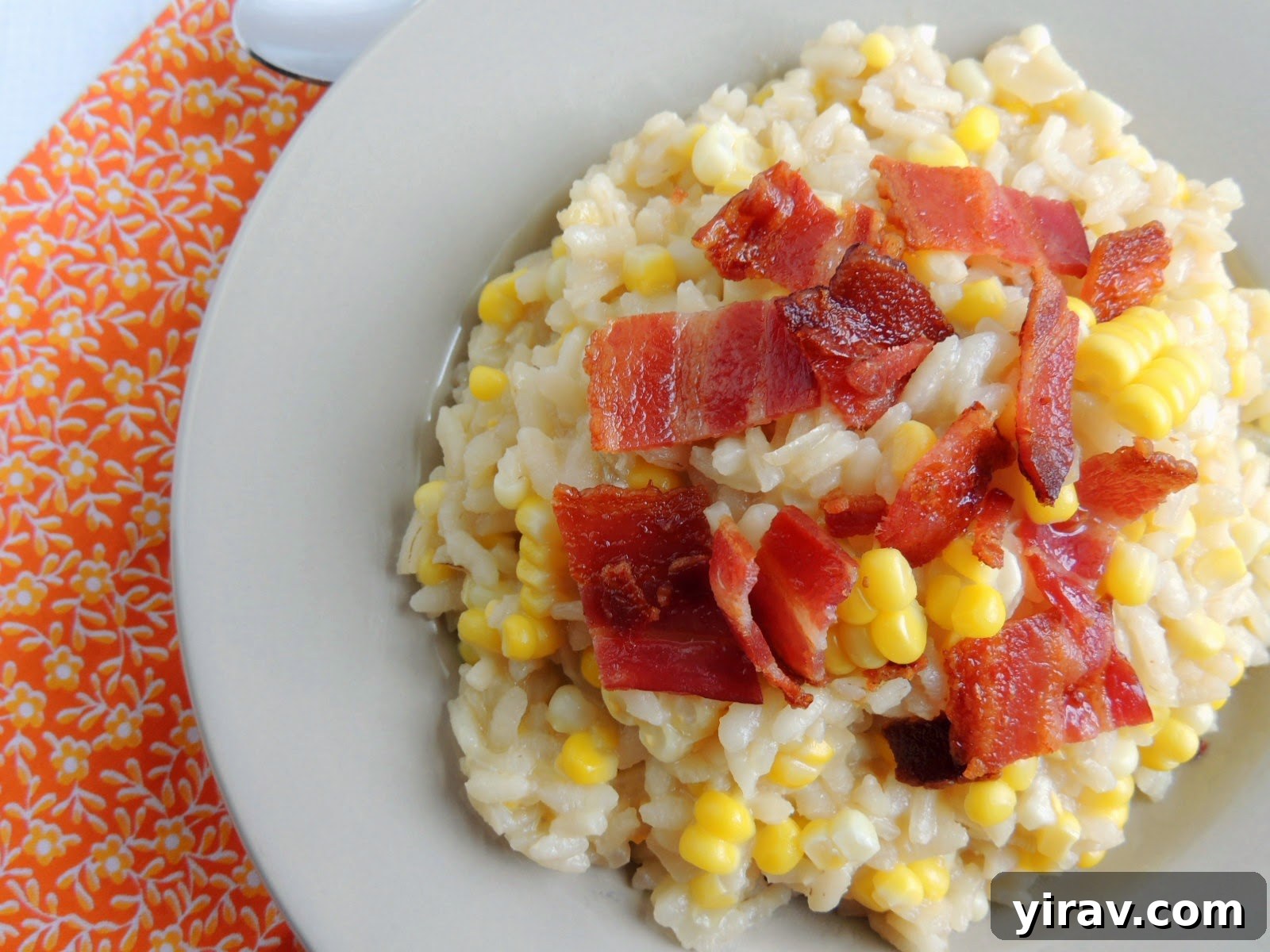
Bacon & Corn Risotto
Get the Recipe
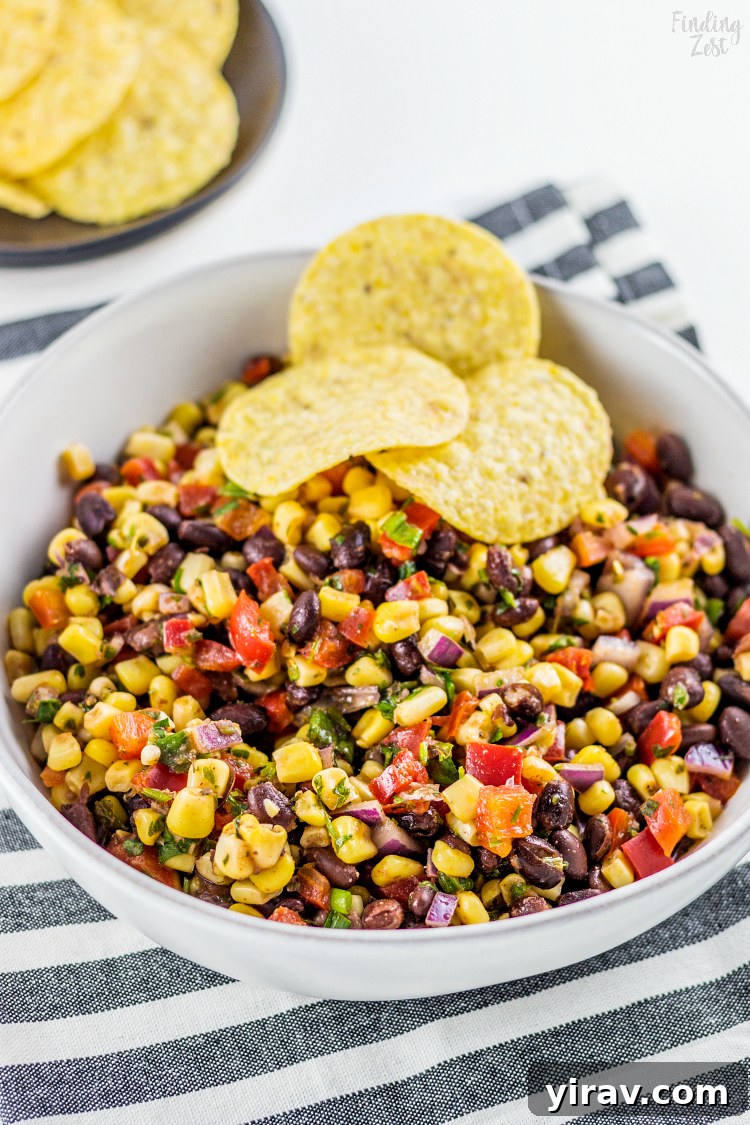
Black Bean Corn Salsa
Get the Recipe
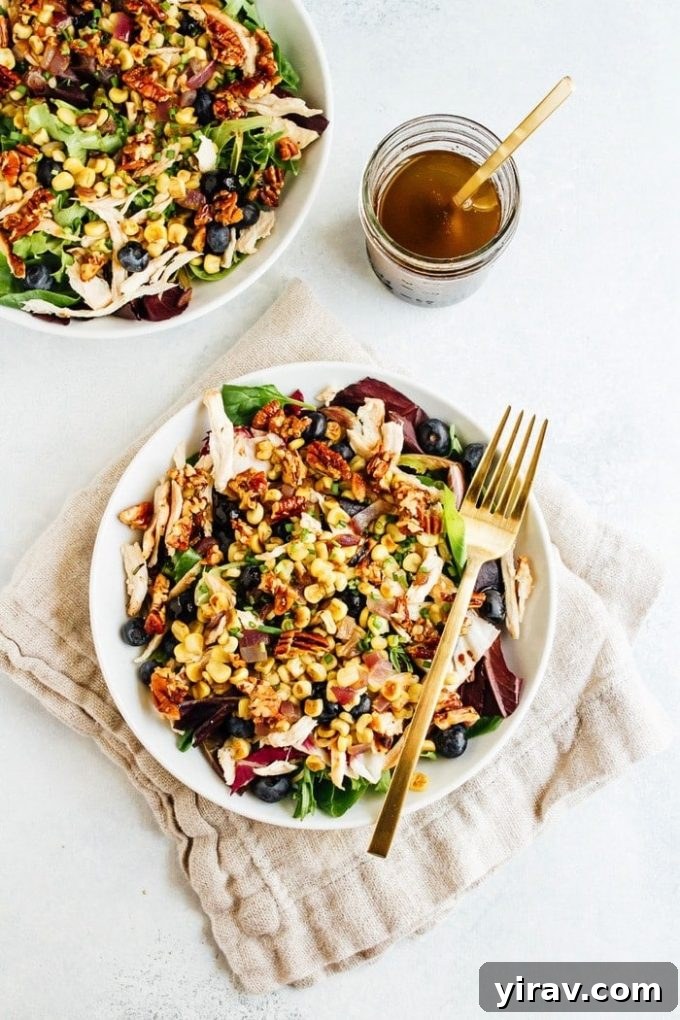
Blueberry Corn Chicken Salad
Get the Recipe
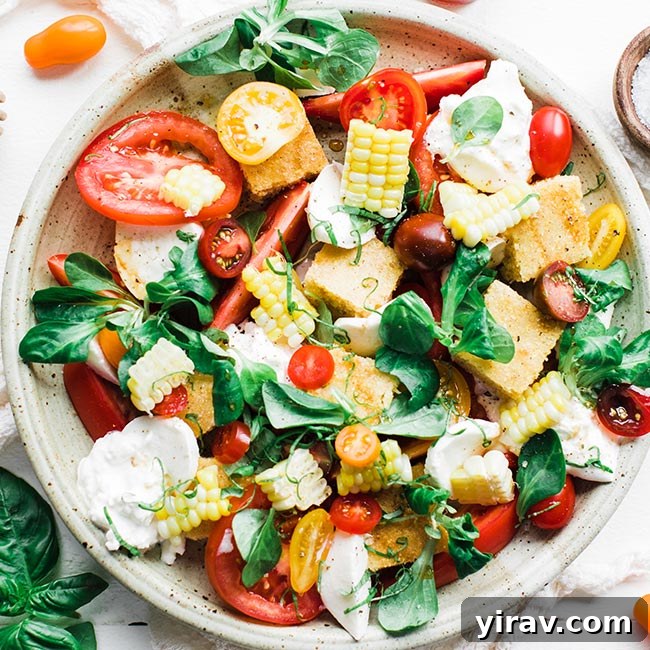
Caprese Salad Recipe with Homemade Cornbread
Get the Recipe
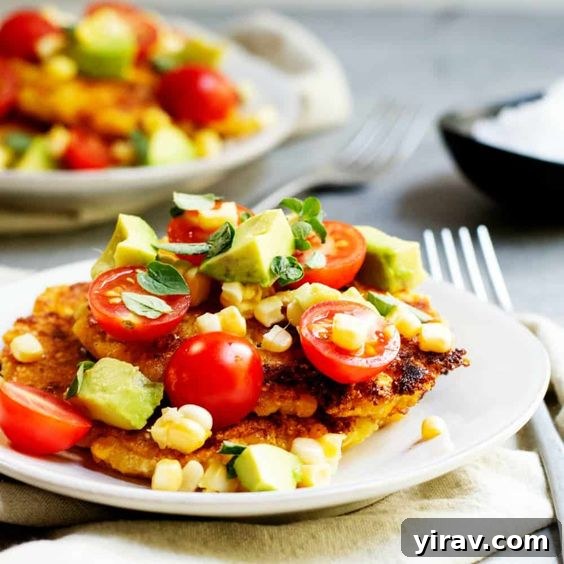
Corn Cakes
Get the Recipe

Corn Dip Stuffed Jalapeños
Get the Recipe
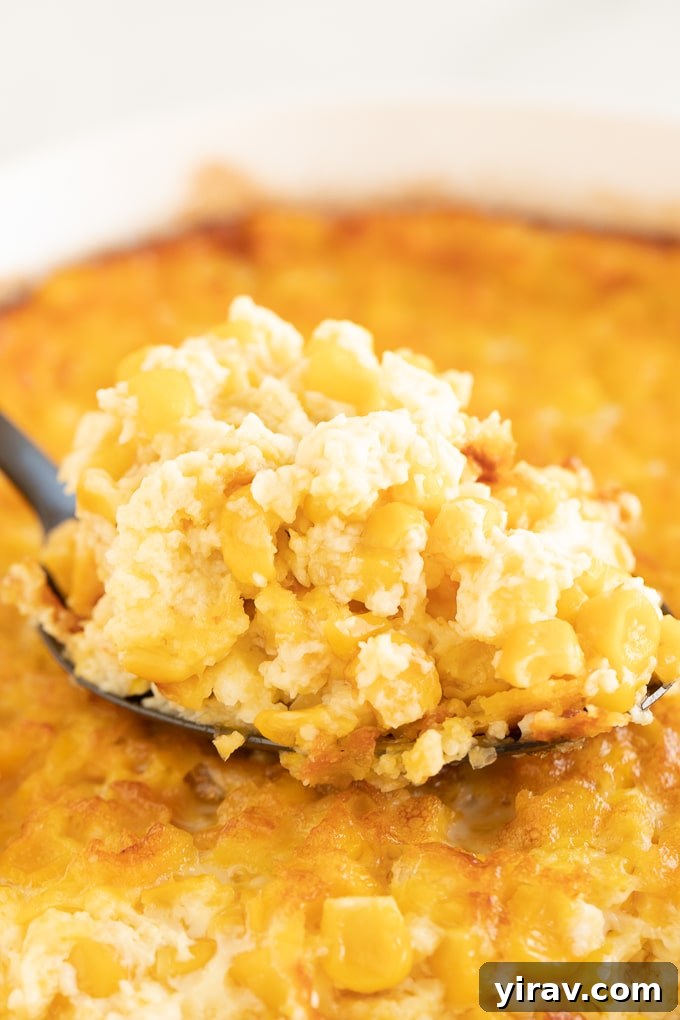
Corn Pudding
Get the Recipe
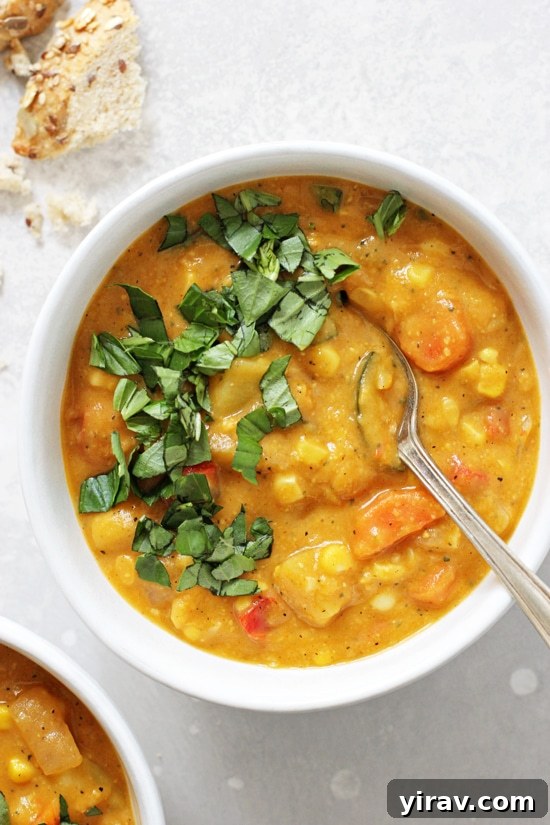
Dairy Free Corn Chowder
Get the Recipe

Farmers Market Grilled Flatbread Pizza
Get the Recipe
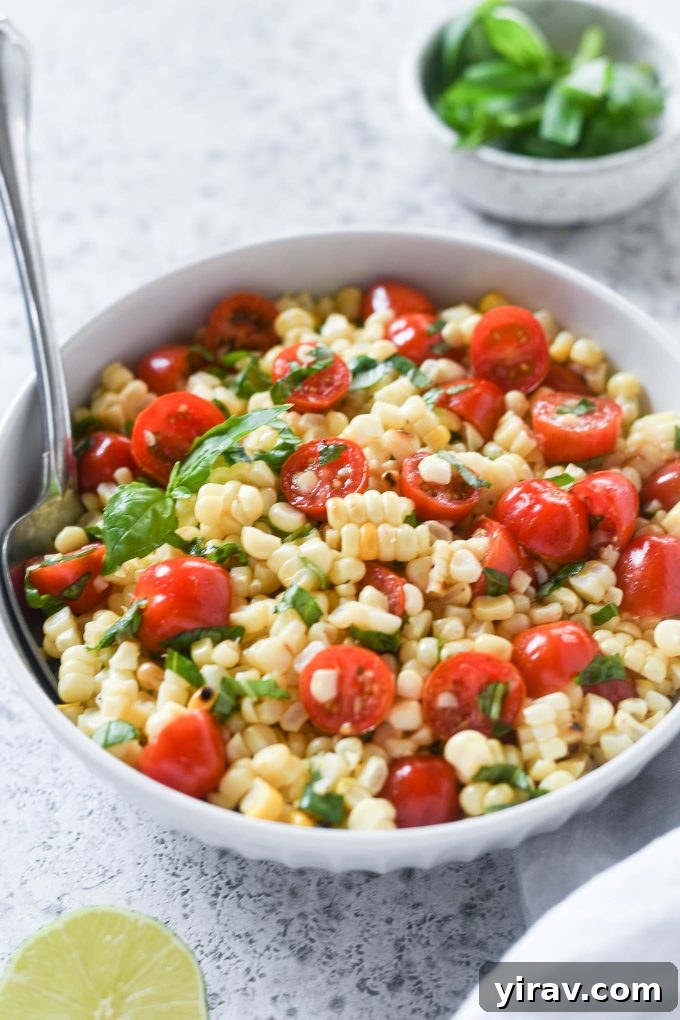
Fresh Corn and Tomato Salad
Get the Recipe
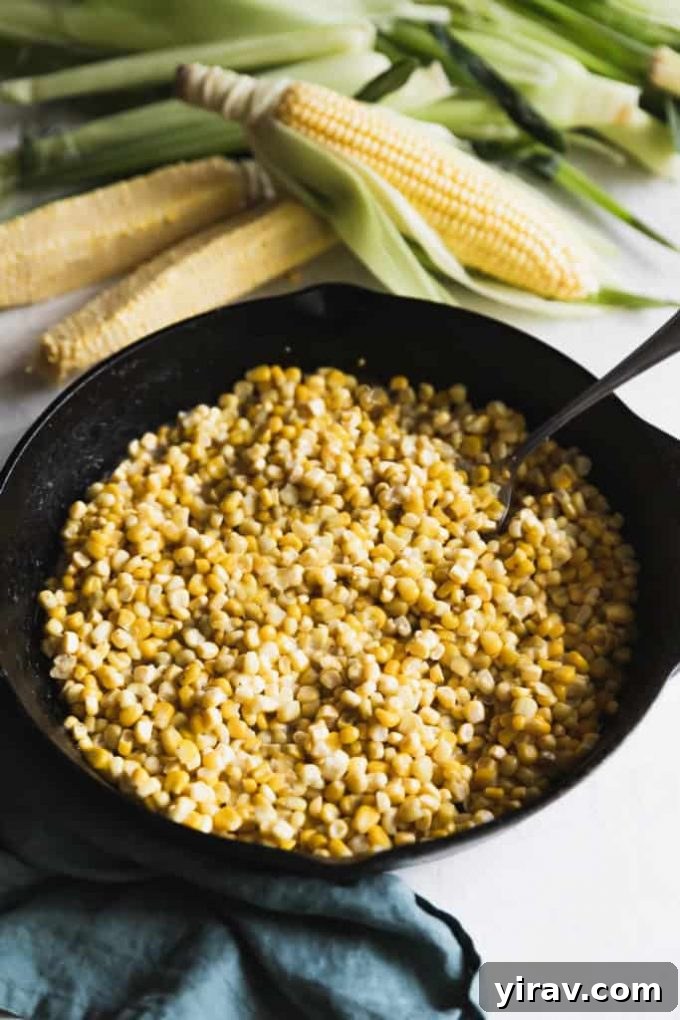
Fried Corn Recipe (Southern Fried Corn)
Get the Recipe
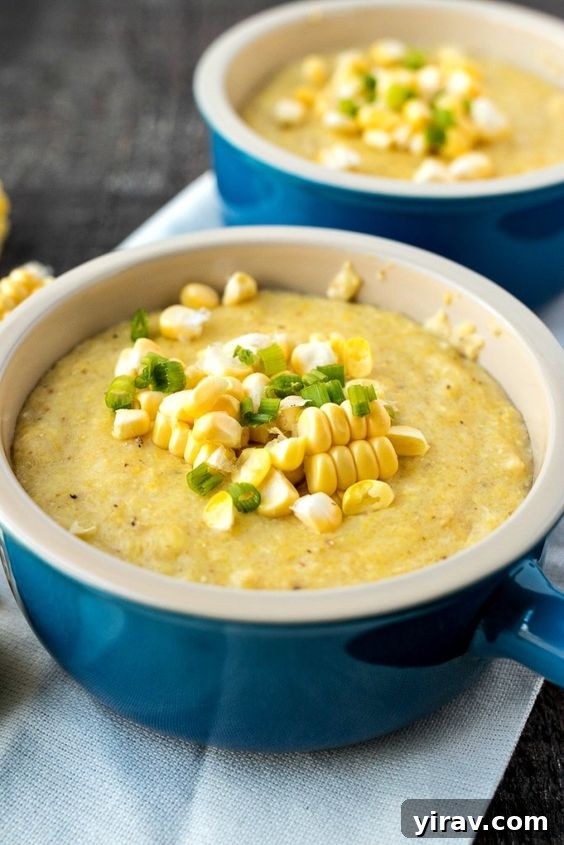
Goat Cheese & Sweet Corn Grits
Get the Recipe
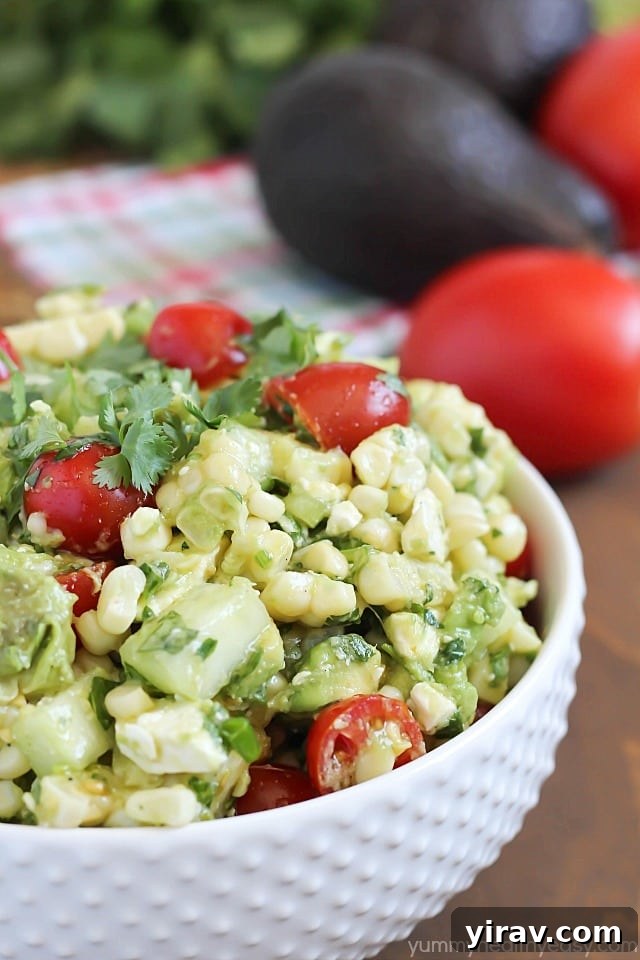
Grilled Corn & Avocado Salad
Get the Recipe
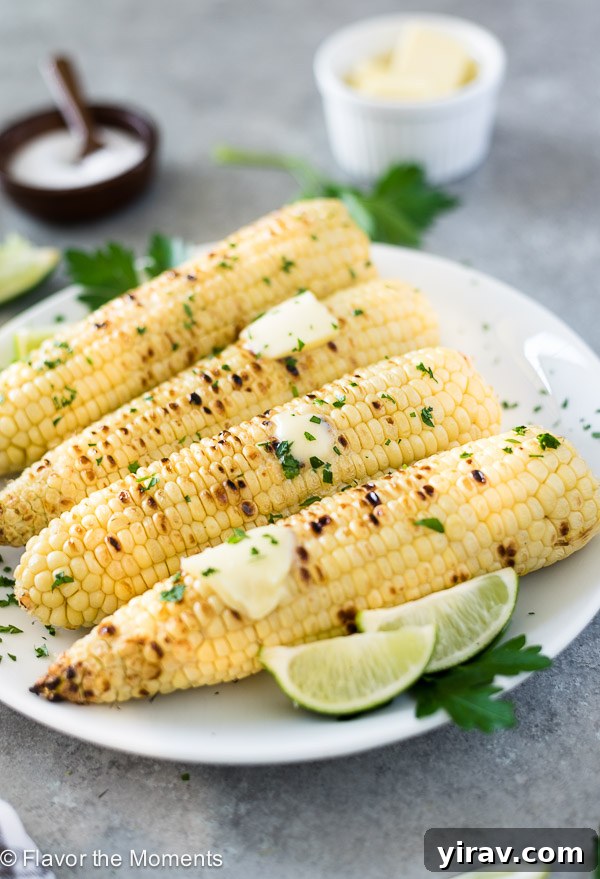
Grilled Corn on the Cob
Get the Recipe

Hummus Flatbread with Grilled Corn and Berries
Get the Recipe
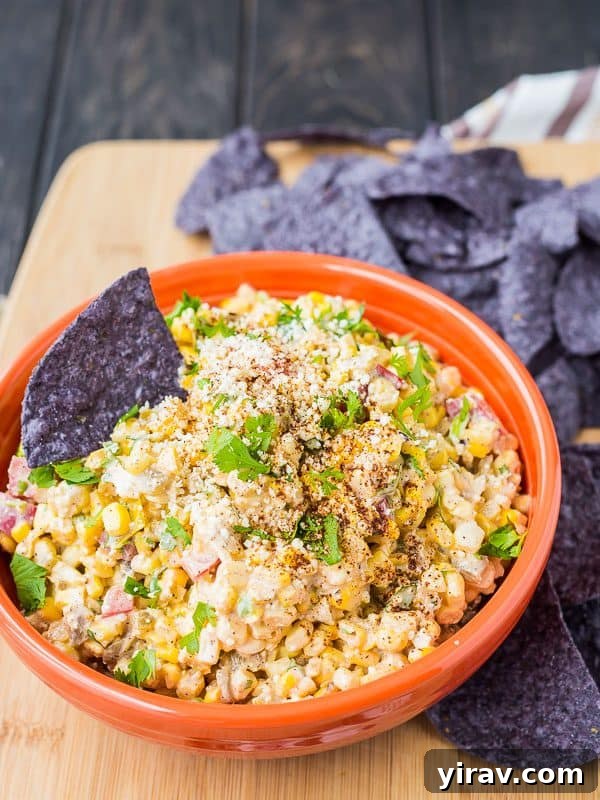
Mexican Corn Dip
Get the Recipe
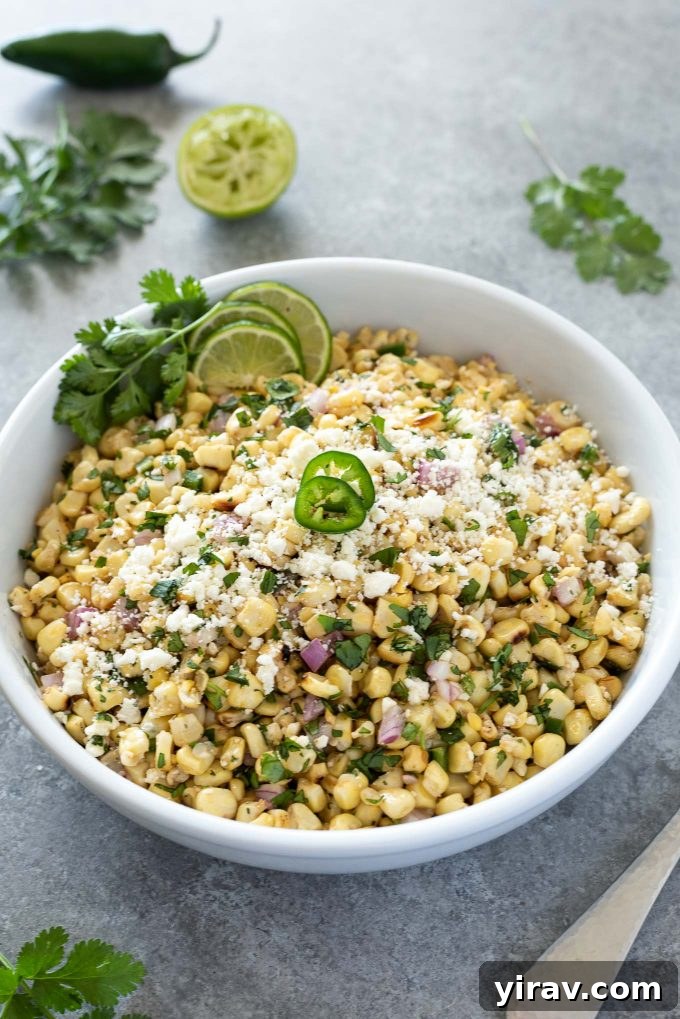
Grilled Mexican Corn Salad
Get the Recipe

Mexican Corn Salad with Honey Lime Shrimp
Get the Recipe
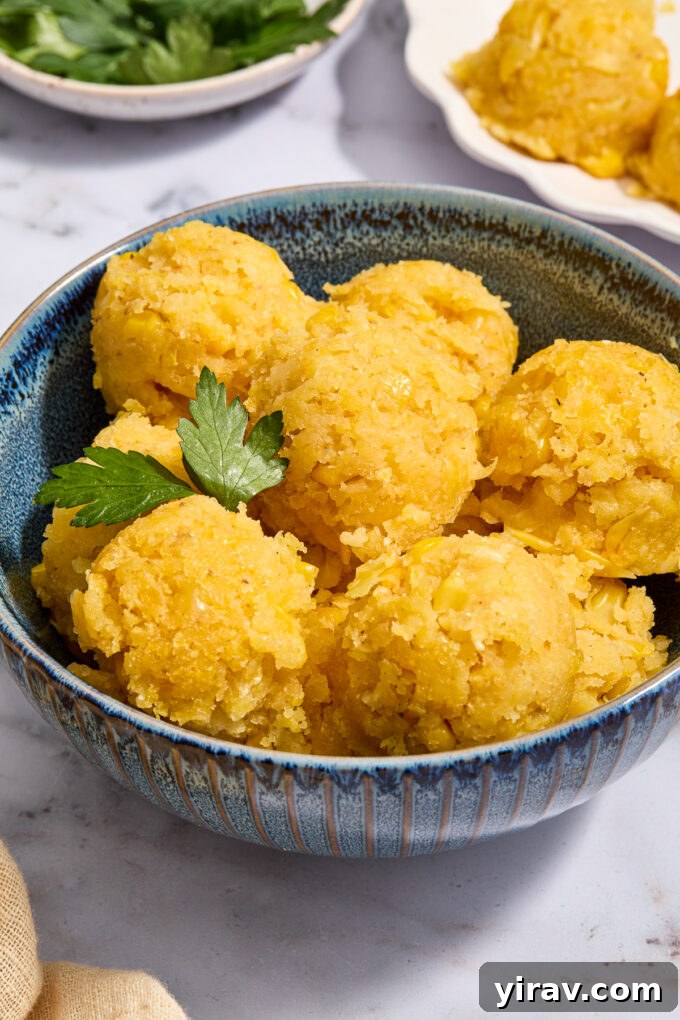
Mexican Sweet Corn Cake
Get the Recipe
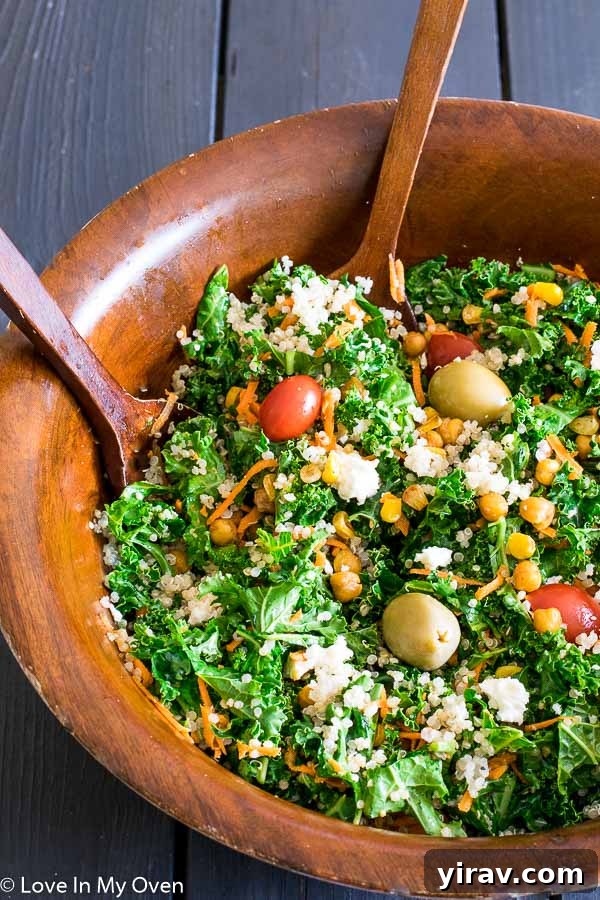
Roasted Corn and Chickpea Kale Salad
Get the Recipe
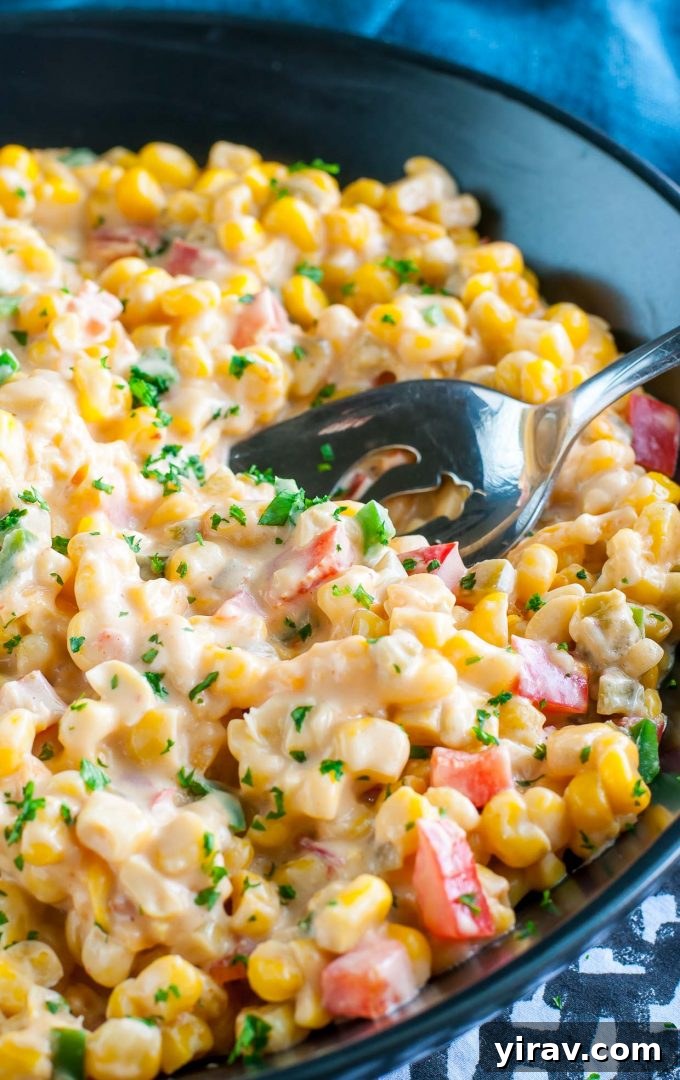
Spicy Southern Hot Corn
Get the Recipe
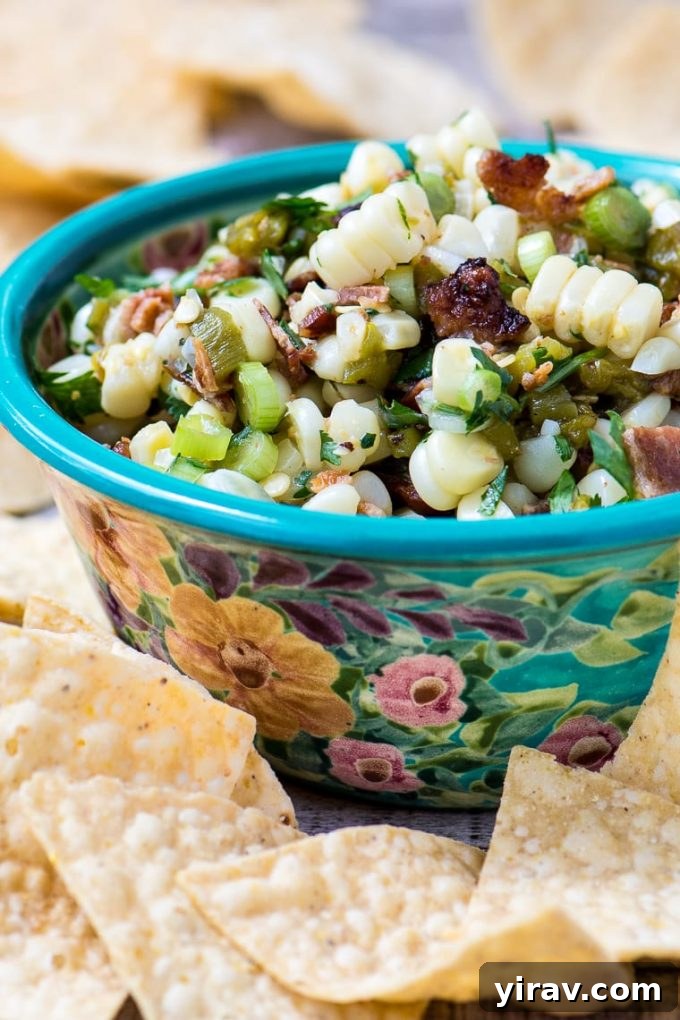
Sweet Corn, Hatch Chile, and Bacon Salsa
Get the Recipe
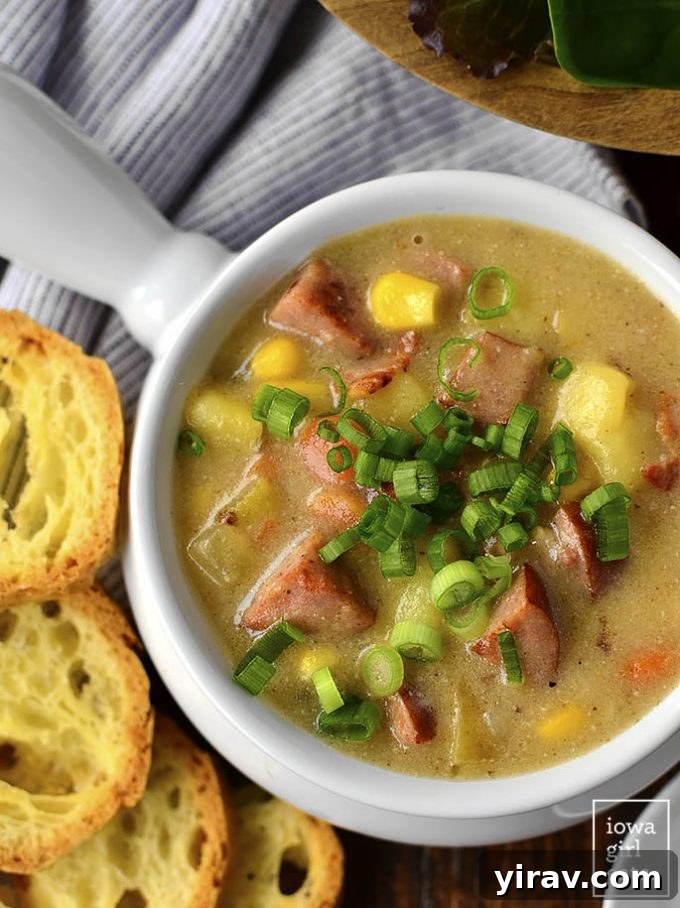
Sweet Corn, Kielbasa and Potato Soup
Get the Recipe

Zucchini Fritters Recipe
Get the Recipe
Sources:
- Encyclopedia Britannica
- Healthline
- Organic Facts
More Seasonal Produce Recipe Collections You’ll Love:
- Butternut squash recipes
- Cabbage recipes
- Cranberry recipes
- Delicata squash recipes
- Leek recipes
- Fava bean recipes
- Fig recipes
- July seasonal produce guide
- Persimmon recipes
- Poblano pepper recipes
- Pomegranate recipes
- Radish recipes
- Rhubarb recipes
- Tomatillo recipes
- Shishito pepper recipes
- Swiss chard recipes