
Discover the Versatility of Fennel: 25 Inspiring Recipes for Every Palate
If you’re looking to explore new flavors and add a unique twist to your meals, look no further than the humble yet extraordinary fennel bulb. This comprehensive guide, complemented by a collection of 25 Fennel Recipes, will unlock the secrets of this aromatic vegetable. You’ll learn everything from its remarkable nutritional benefits and how to perfectly slice it, to a myriad of delicious ways to incorporate it into your cooking. Prepare to be inspired and elevate your culinary repertoire with fennel!

For many years, fennel was an unfamiliar ingredient to me. As a stay-at-home mom over two decades ago, it simply wasn’t on my culinary radar. However, my journey changed dramatically when I enrolled in cooking school. Fennel quickly became a staple in our classes, and I soon discovered its incredible depth and versatility, transforming it into one of my all-time favorite ingredients.
My passion for fennel deepened even further during a trip to Italy, where I experienced it prepared in countless exquisite ways, from fresh salads to hearty roasted dishes. This experience ignited a desire to integrate it even more into my daily cooking.
For those new to this wonderful vegetable, fennel (Foeniculum vulgare) is a bulbous vegetable belonging to the carrot family. It’s characterized by its distinct, mild anise or licorice-like flavor, which is wonderfully crisp and refreshing when eaten raw. When cooked, particularly roasted, its flavor mellows into a sweet, tender, and incredibly delicious experience.
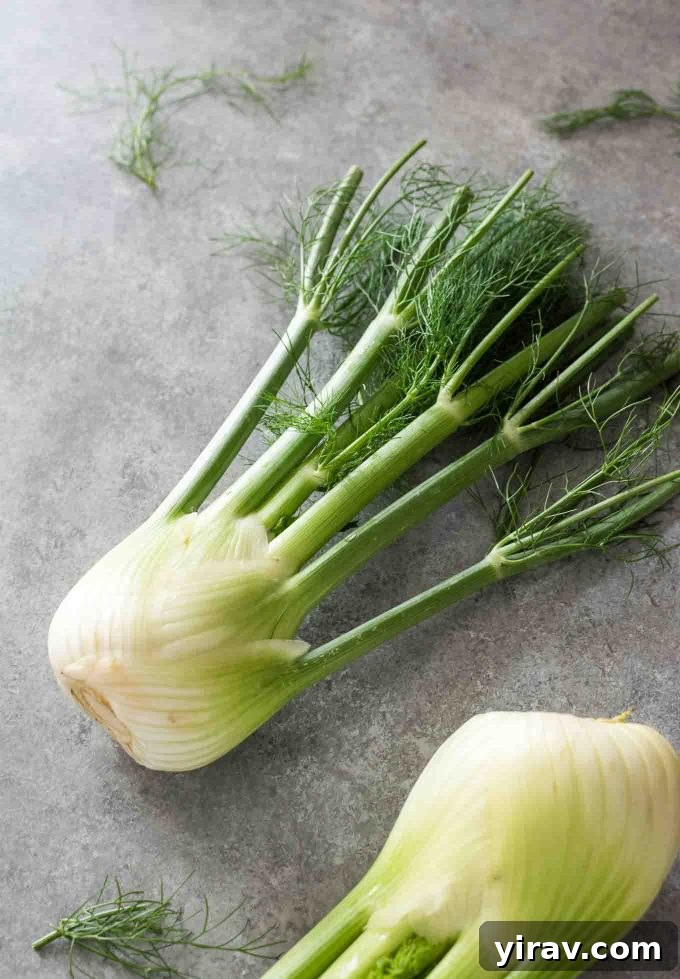
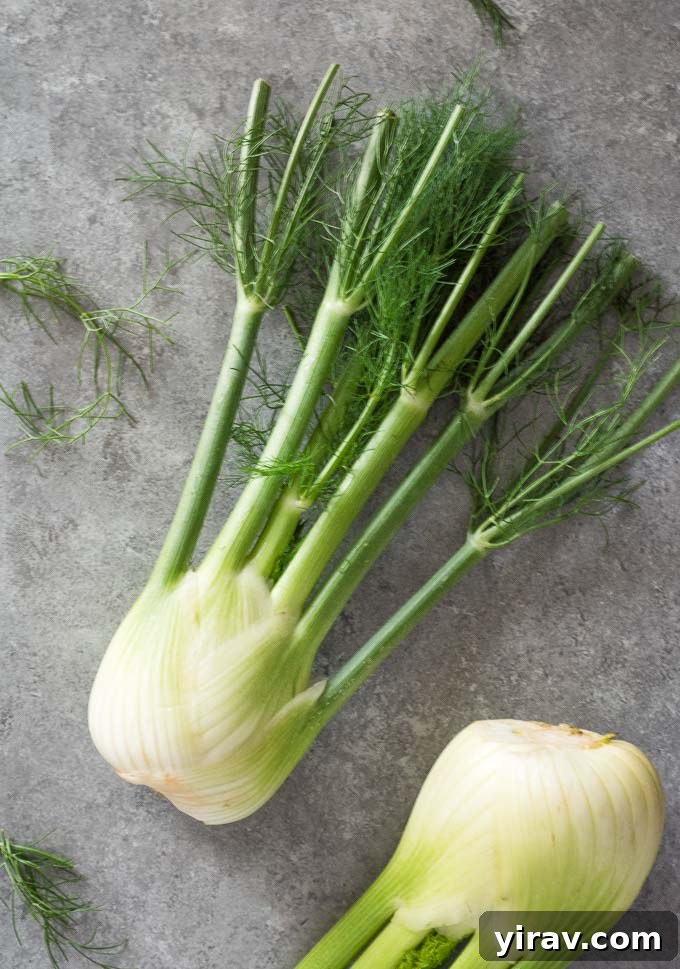
The fennel plant is comprised of several distinct parts, each offering unique culinary possibilities. The bulb, which is the most commonly consumed part, consists of thick, firm layers, similar to cabbage but with a more robust texture. Above the bulb are the delicate, feathery fronds, which resemble dill and carry a subtle anise aroma, perfect for use as an herb or garnish. The stalks connect the fronds to the bulb; while edible, they are typically quite tough and fibrous, making them less popular for direct consumption, though they can be excellent for flavoring stocks.
Fennel truly comes into its own during the colder months, with its peak season starting in January and continuing through February. During this time, it’s at its freshest and most flavorful, making it ideal for robust roasting, crisp salads, and comforting soups.
I genuinely hope that the information and diverse collection of 25 Fennel Recipes you’ll find below inspire you to experiment with this amazing vegetable, or to enjoy it even more often. Its unique flavor profile and health benefits make it a fantastic addition to any kitchen.
Fennel Nutrition & Benefits
Beyond its delightful flavor, fennel is a nutritional powerhouse that offers numerous health benefits, making it a valuable addition to a balanced diet. It’s low in calories but rich in essential vitamins, minerals, and dietary fiber.
- Vitamins: Fennel is an excellent source of Vitamin C, a powerful antioxidant that supports immune health and skin integrity. It also provides Vitamin A, important for vision, and several B-vitamins (like folate), which play a crucial role in energy metabolism.
- Minerals: This vegetable is packed with minerals such as potassium, vital for blood pressure regulation; manganese, important for bone health and metabolism; and smaller amounts of calcium, iron, and magnesium.
- Fiber: High in dietary fiber, fennel aids in healthy digestion, promotes satiety, and helps regulate blood sugar levels. A good fiber intake is also linked to a reduced risk of various chronic diseases.
- Antioxidants: Fennel contains a variety of potent antioxidants, including anethole (which gives it its distinctive flavor), quercetin, and rosmarinic acid. These compounds help combat oxidative stress in the body, protecting cells from damage and reducing inflammation.
- Digestive Health: Historically, fennel has been used as a digestive aid. Its compounds can help relax the smooth muscles of the gastrointestinal tract, alleviating indigestion, bloating, and gas. Fennel tea, made from its seeds, is a popular remedy for these issues.
- Anti-inflammatory Properties: The anethole in fennel has significant anti-inflammatory effects, which can be beneficial in managing chronic inflammatory conditions.
Incorporating fennel into your meals not only adds a unique and delicious flavor but also contributes to your overall well-being with its impressive nutrient profile.
What Does Fennel Taste Like?
Fennel is famously known for its mild, sweet anise or licorice-like flavor. However, its taste profile is much more nuanced and transforms significantly depending on whether it’s consumed raw or cooked.
- Raw Fennel: When served raw, fennel offers a wonderfully crisp, crunchy, and bright texture. The flavor is more pronounced, with a refreshing, slightly herbaceous note underlying the gentle anise. It can have a subtle bitterness, especially from the greener outer layers, which pairs beautifully with acidic dressings or sweet fruits.
- Cooked Fennel: Cooking fennel, particularly through roasting, braising, or sautéing, mellows its strong anise flavor considerably. Like onions, its cellular structure breaks down, resulting in a remarkably tender texture. The natural sugars caramelize, bringing out a deeper sweetness and a more subtle, earthy aroma. The licorice notes become less dominant, often blending into a warm, savory sweetness.
This versatility makes fennel an exceptional ingredient that pairs well with a broad range of foods. It complements the richness of root vegetables, the savory notes of chicken, pork, and lamb, and the delicate flavors of various fish. The aromatic, delicate fronds, with their milder anise flavor, are perfect when used as a fresh herb or a beautiful, fragrant garnish.
What is Fennel Used For?
Fennel’s adaptability extends across numerous cuisines and cooking methods, making it a versatile vegetable for a wide array of dishes. Every part of the fennel plant, from its bulb to its seeds, has a unique culinary application.
- Fennel Bulb:
- Raw: Shaved or thinly sliced fennel adds an irresistible crisp, crunchy texture and a refreshing, subtle anise flavor to salads, slaws, and crudité platters. It pairs exceptionally well with citrus fruits, apples, nuts, and various cheeses.
- Cooked: When cooked, the fennel bulb becomes incredibly tender and sweet, making it a fantastic addition to hot dishes. It shines in roasted vegetable medleys, where its edges caramelize beautifully. It can be braised, grilled, sautéed, or incorporated into comforting soups, stews, and risottos, adding a complex depth of flavor.
- Fennel Fronds: These delicate, feathery greens are often used as an aromatic herb, similar to dill or parsley. They make an excellent garnish for both savory and sweet dishes, can be chopped finely and added to dressings, pestos, or marinades, or even used to infuse oils and vinegars.
- Fennel Stalks: While typically too fibrous for eating directly, the stalks can be a valuable addition to stocks, broths, and consommés, imparting their subtle flavor without overwhelming the dish. They can also be used as a flavorful bed for roasting meats or fish.
- Fennel Seeds: The dried seeds of the fennel plant are a widely used spice globally. They possess a more concentrated anise flavor than the bulb and are a cornerstone in many cuisines:
- Indian Cuisine: Frequently used in spice blends (like panch phoron), curries, and as a mouth freshener after meals.
- Middle Eastern & Asian Cuisines: Integrated into various savory dishes, bread, and desserts. Fennel seed is one of the five core spices in the famous Chinese Five-Spice Powder.
- European & American Cuisine: A key ingredient in Italian sausages, certain breads, and often found in pickling spices. It’s also used to make flavorful teas and is even a component in the spirit absinthe.
From a crisp salad to a hearty roasted meal or a complex spice blend, fennel offers endless possibilities for enhancing flavor and texture in your cooking.
Choosing and Storing Fennel
To ensure you get the most flavor and freshness from your fennel, it’s essential to know how to select and store it correctly. A properly chosen and stored fennel bulb can last for a week or more, providing delicious meals throughout.
- Choosing Fennel:
- Firmness: Always select fennel bulbs that are firm and dense to the touch. Avoid any bulbs that feel soft, spongy, or have visible blemishes or dark spots.
- Color: The bulb should be uniformly white or pale green. The stalks should be bright green and crisp, not wilted or discolored.
- Fronds: Look for vibrant, feathery green fronds. These are a good indicator of freshness and can also be used in cooking. Avoid fennel with yellowed or withered fronds.
- Smell: Fresh fennel should have a subtle, clean anise aroma. A strong or unpleasant odor indicates it’s past its prime.
- Storing Fennel:
- Refrigeration: Fennel should be stored in the crisper drawer of your refrigerator. Place it in a loosely sealed plastic bag or an airtight container to maintain moisture and prevent it from drying out.
- Stalks and Fronds: If refrigerator space is limited, you can remove the stalks from the bulb, but always reserve the delicate fronds! These can be wrapped separately in a damp paper towel and stored in a bag to keep them fresh for garnishes or immediate use.
- Shelf Life: Stored correctly, a fresh fennel bulb can last for up to one week, sometimes even longer.
- Prepping Ahead: For convenience, you can wash and slice your fennel ahead of time. Store the sliced fennel in an airtight container with a damp paper towel to keep it crisp, perfect for adding to salads throughout the week.
Seasonal produce is always best when handled with care. For a complete overview of how to choose and store a wide variety of fruits and vegetables so they stay fresh longer, be sure to consult my detailed guide to choosing and storing produce.
How to Cut Fennel
Cutting fennel might seem a little intimidating at first, but it’s a straightforward process once you understand the basic steps. Different cuts are ideal for various recipes, whether you want thin slices for a salad or robust wedges for roasting.
Here’s a simple guide to preparing your fennel:
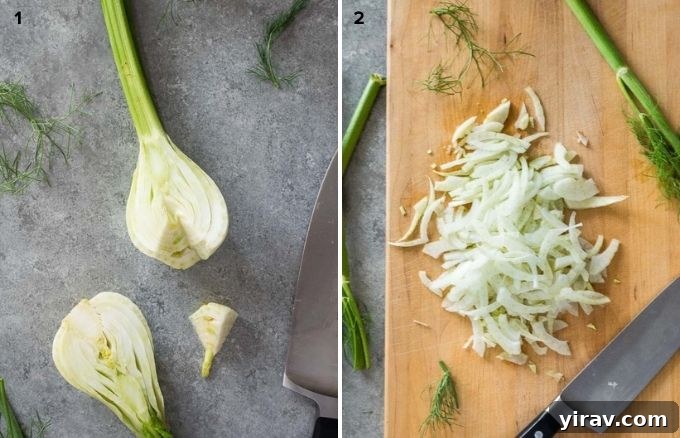
- Prepare the Bulb: Begin by placing the fennel bulb on a sturdy cutting board. Using a sharp chef’s knife, carefully remove the green stalks and the feathery fronds from the top of the bulb. Reserve the fronds for garnish if desired. Next, trim off a thin slice from the very bottom (the base or root end) of the bulb, just enough to create a flat surface.
- Halving the Bulb: Stand the fennel bulb upright on its newly flattened base. Slice it in half lengthwise, right through the center. You’ll notice a triangular core at the bottom of each half.
- Removing the Core (for thin slices/salads): If you plan to slice the fennel thinly for salads, slaws, or stir-fries, you’ll want to remove the tough, fibrous core. Lay each half cut-side down and, using your knife, carefully cut out the triangular core from the bottom. This will allow the layers to separate easily when sliced.
- Keeping the Core Intact (for wedges/roasting): If you’re cutting the fennel into wedges for roasting or braising, it’s often best to leave the core intact. The core helps hold the wedges together during cooking, preventing them from falling apart and maintaining their shape.
- Slicing or Wedging:
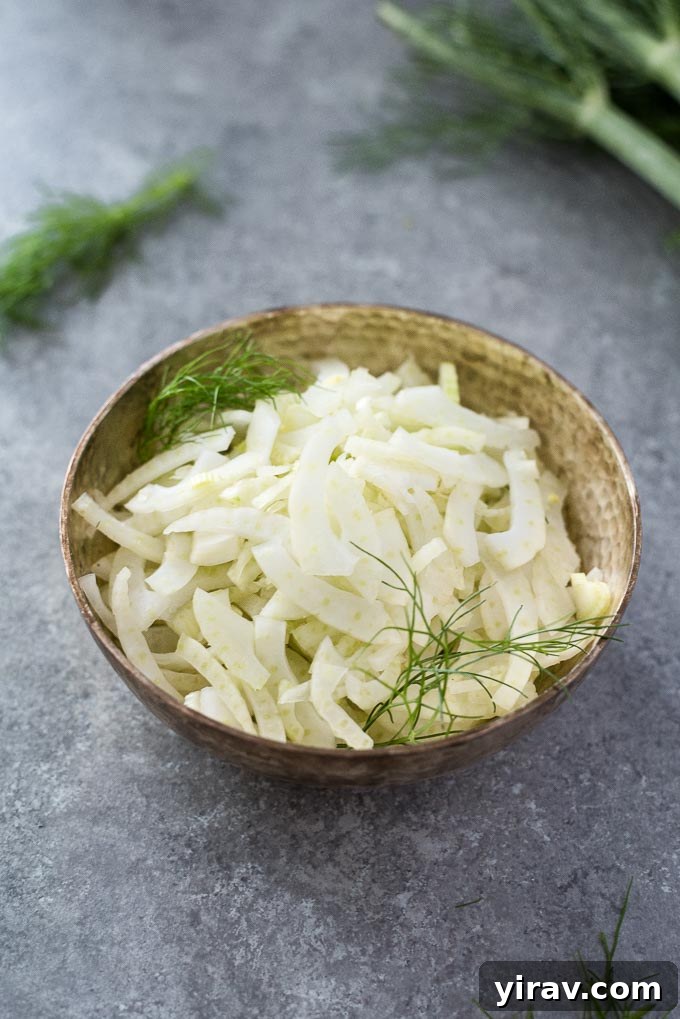
- Thin Slices: For salads, slaws, or quick sautéing, place the cored or uncored fennel half cut-side down and slice it thinly across the bulb. A mandoline slicer can achieve super-thin, uniform slices.
- Wedges: For roasting or grilling, keep the core intact (or remove it if you prefer) and cut the fennel halves into desired wedges, usually 1-inch thick, by slicing lengthwise again.
- Dicing: For soups, stews, or finely chopped preparations, you can dice the fennel after slicing it into strips.
For a visual demonstration and a complete tutorial on how to cut fennel with ease and precision, be sure to watch the helpful video below.
25 Delicious Fennel Recipes
Now that you’re well-versed in the world of fennel, it’s time to put that knowledge to delicious use! This collection of 25 recipes showcases the incredible versatility of fennel, proving it’s much more than just a garnish. From light and refreshing salads to hearty roasted dishes and comforting soups, these recipes will inspire you to embrace fennel in all its glory and enjoy its unique flavor and texture more often than ever before.
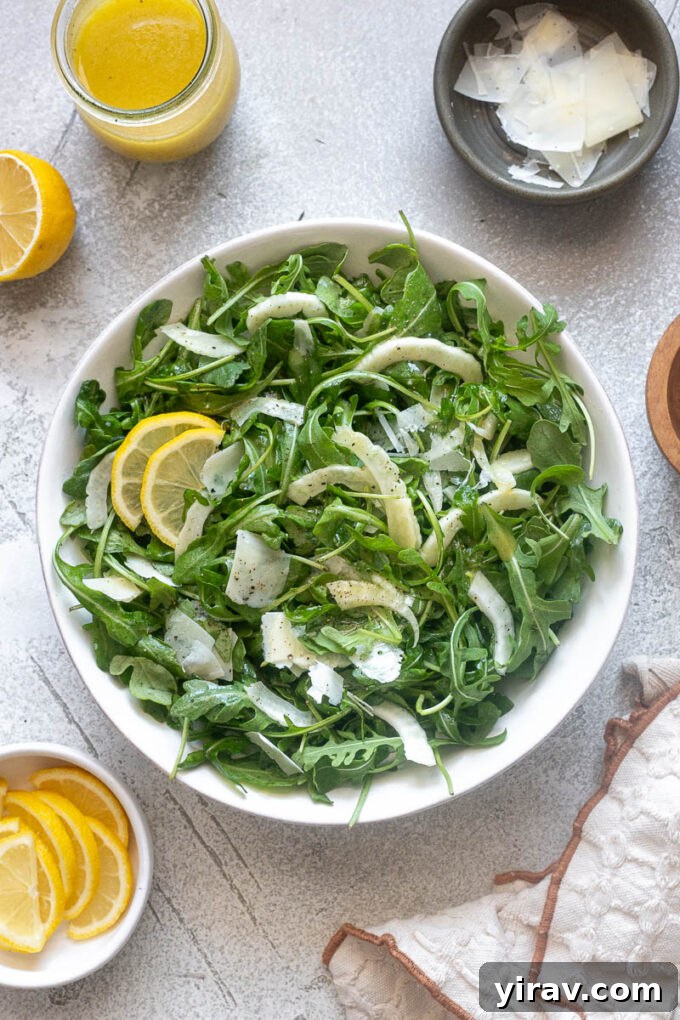
Arugula and Fennel Salad
Get the Recipe
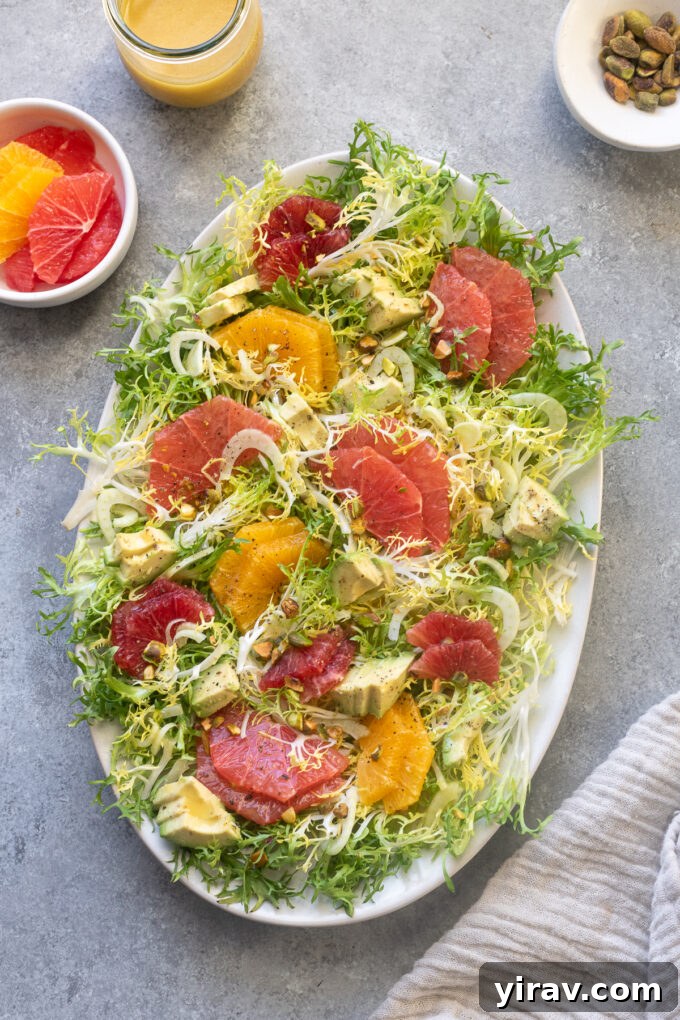
Frisee Citrus Salad
Get the Recipe
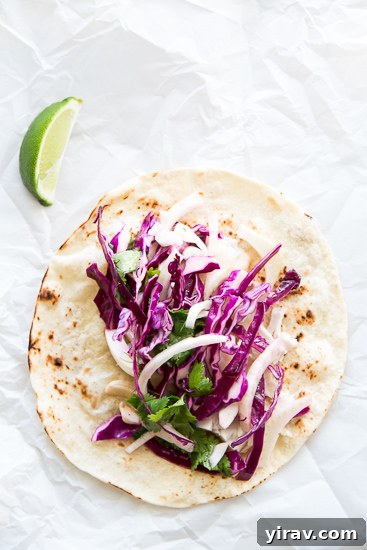
Spicy Fish Tacos with Fennel Slaw
Get the Recipe
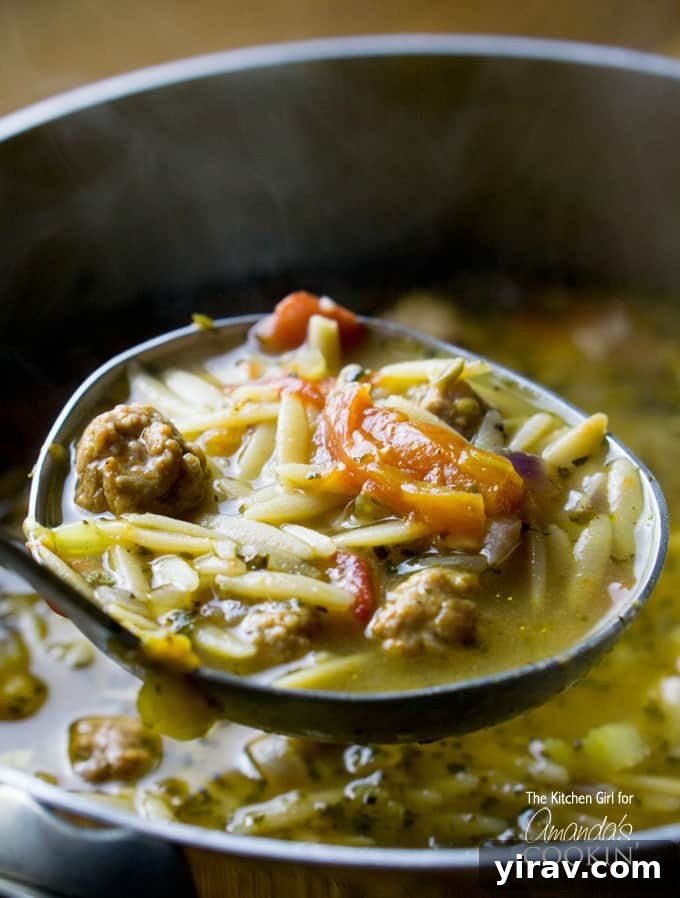
Italian Sausage Tomato Orzo Soup
Get the Recipe
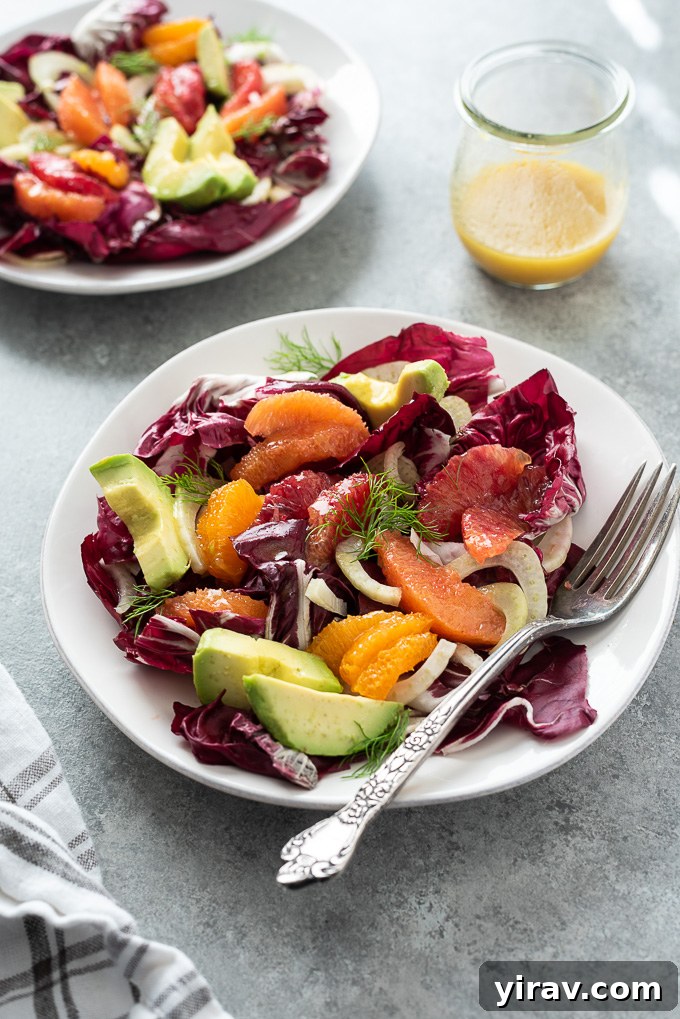
Radicchio Salad with Citrus Vinaigrette
Get the Recipe
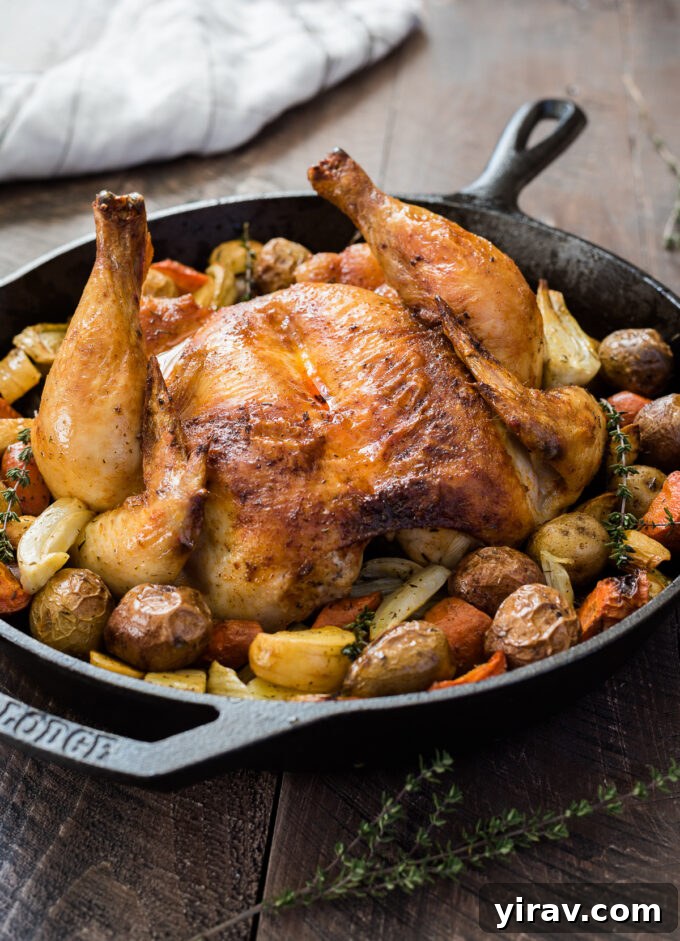
Oven Roasted Spatchcock Chicken
Get the Recipe
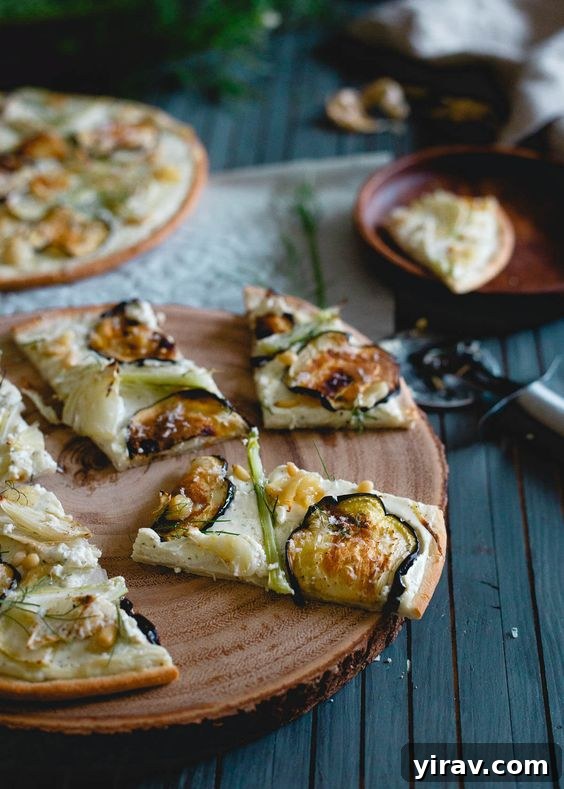
Roasted Eggplant Fennel Pizza with Whipped Garlic Feta
Get the Recipe
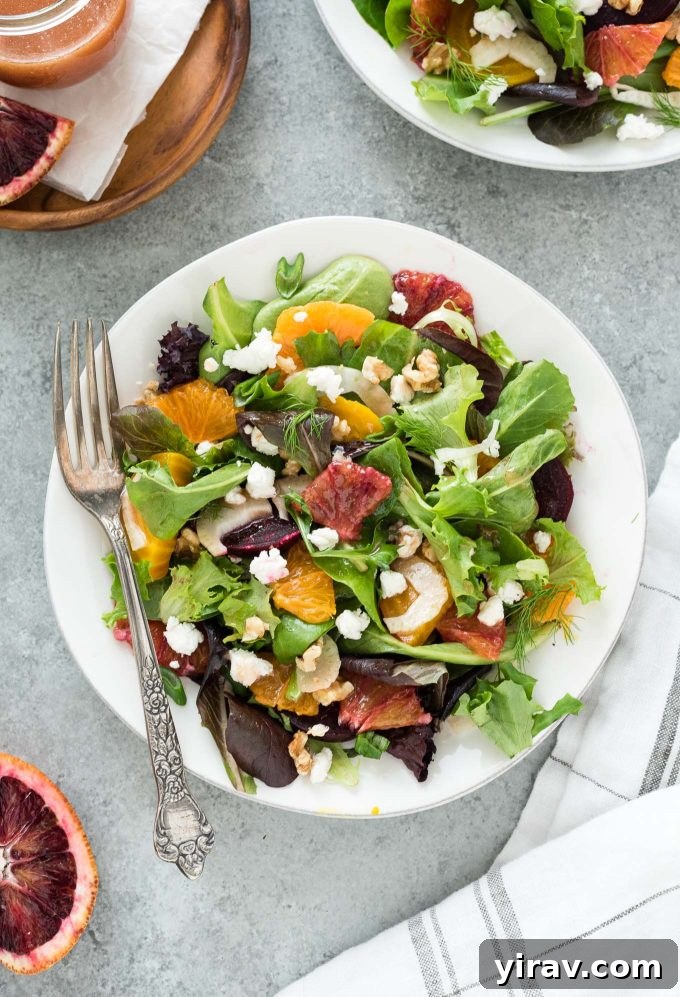
Roasted Beet Salad with Goat Cheese
Get the Recipe
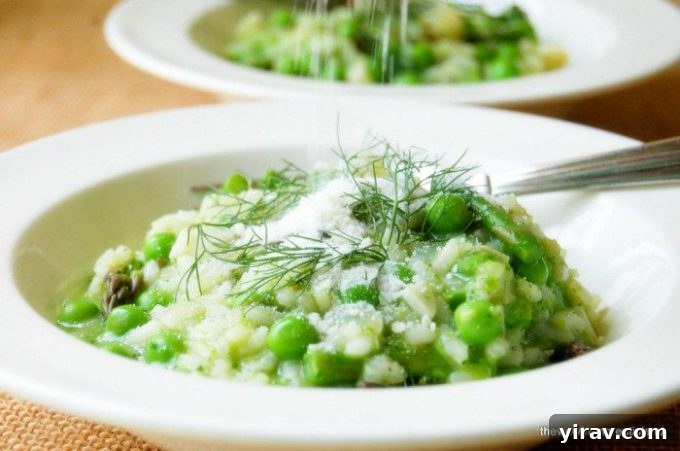
Spring Green Risotto with Peas, Asparagus, and Fennel
Get the Recipe
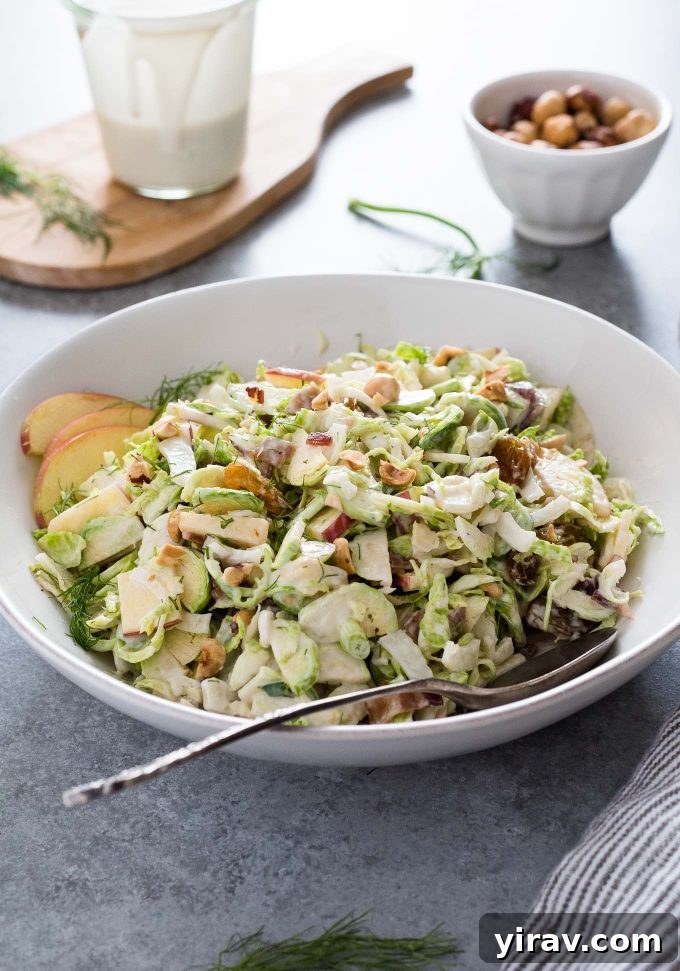
Creamy Shaved Brussels Sprout Salad
Get the Recipe
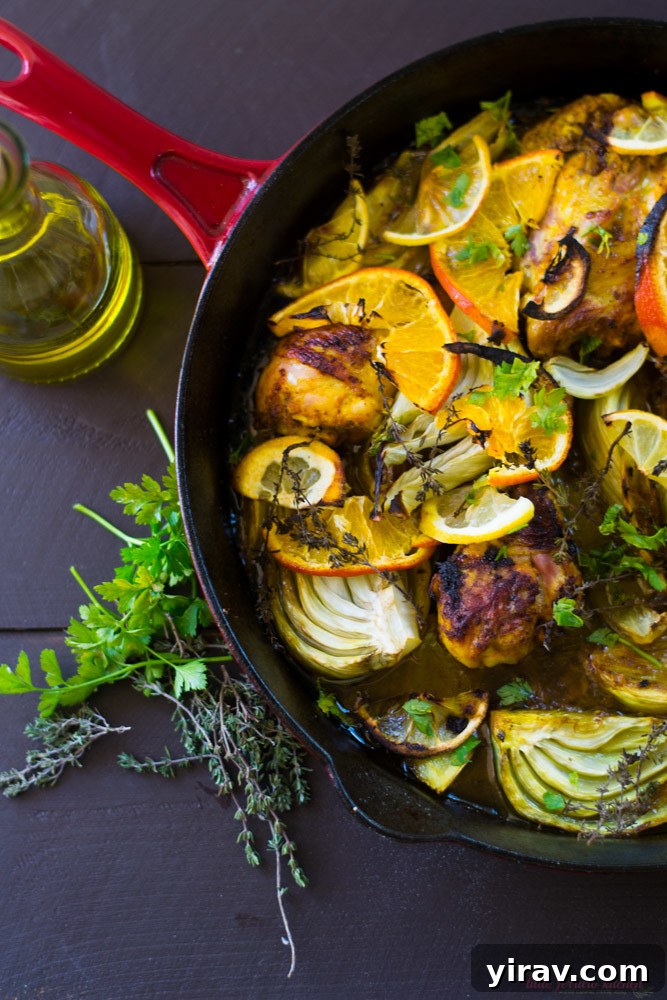
Olive Oil Braised Chicken with Citrus, Fennel and Turmeric
Get the Recipe
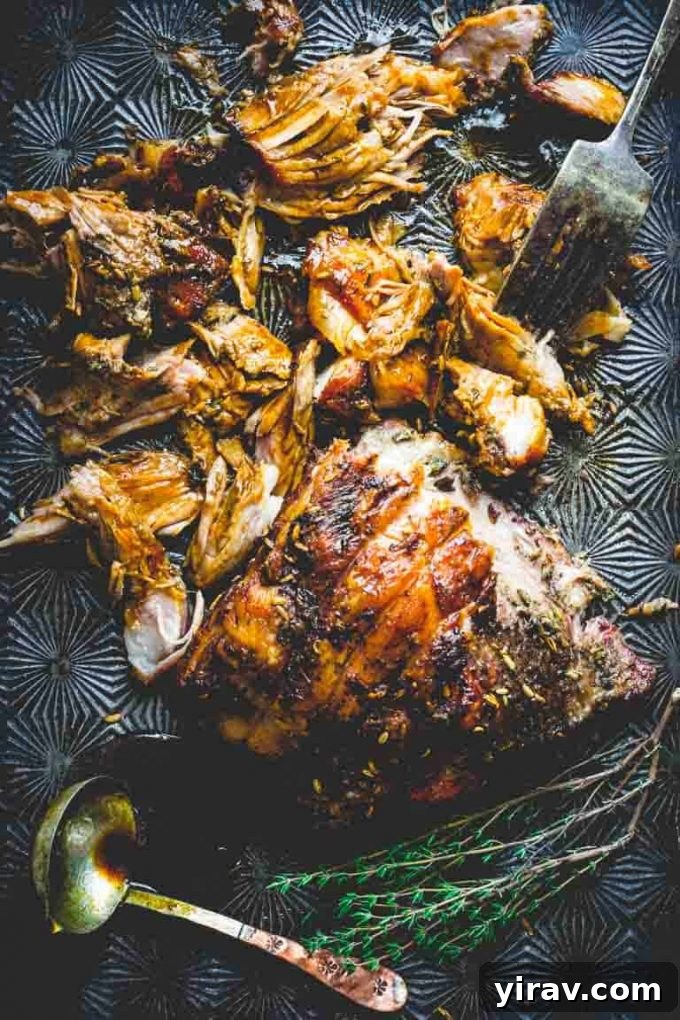
Slow Roasted Pork Shoulder with Fennel, Lemon and Rosemary
Get the Recipe
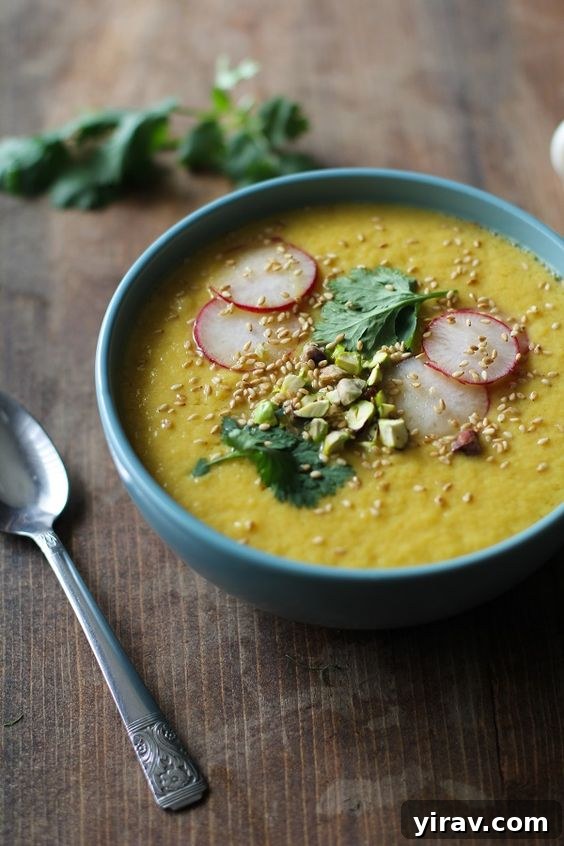
Golden Beet and Fennel Soup
Get the Recipe
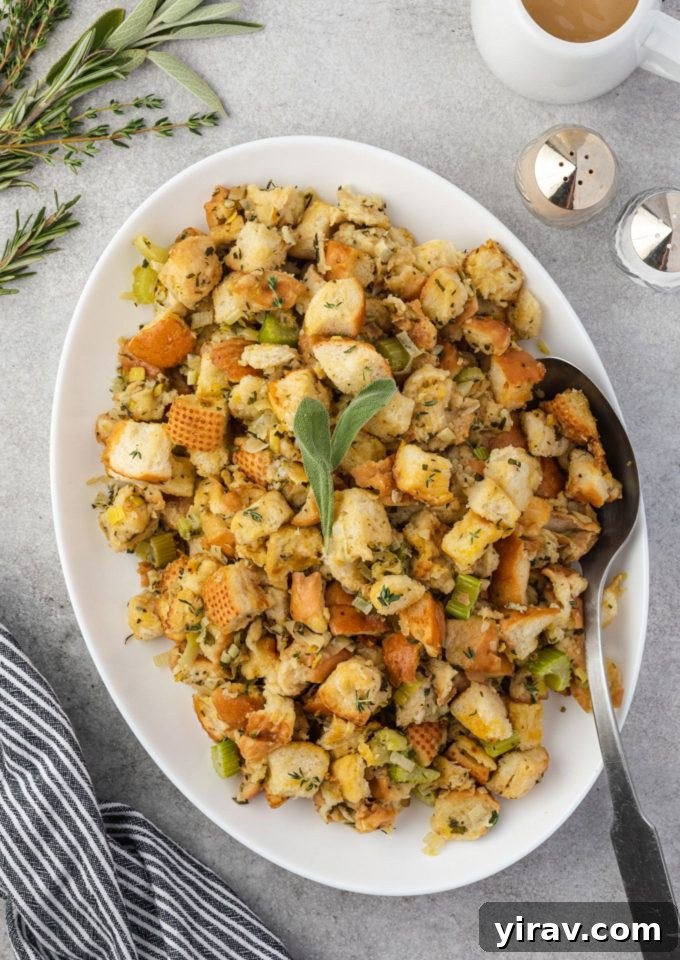
Easy Crock Pot Stuffing
Get the Recipe
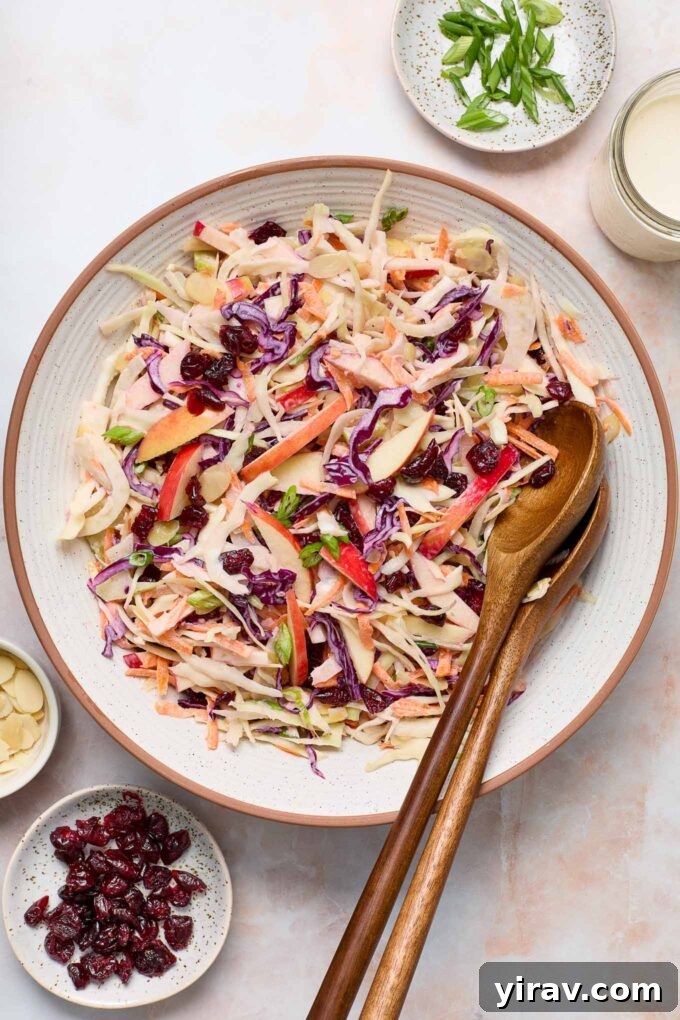
Fennel and Apple Slaw
Get the Recipe
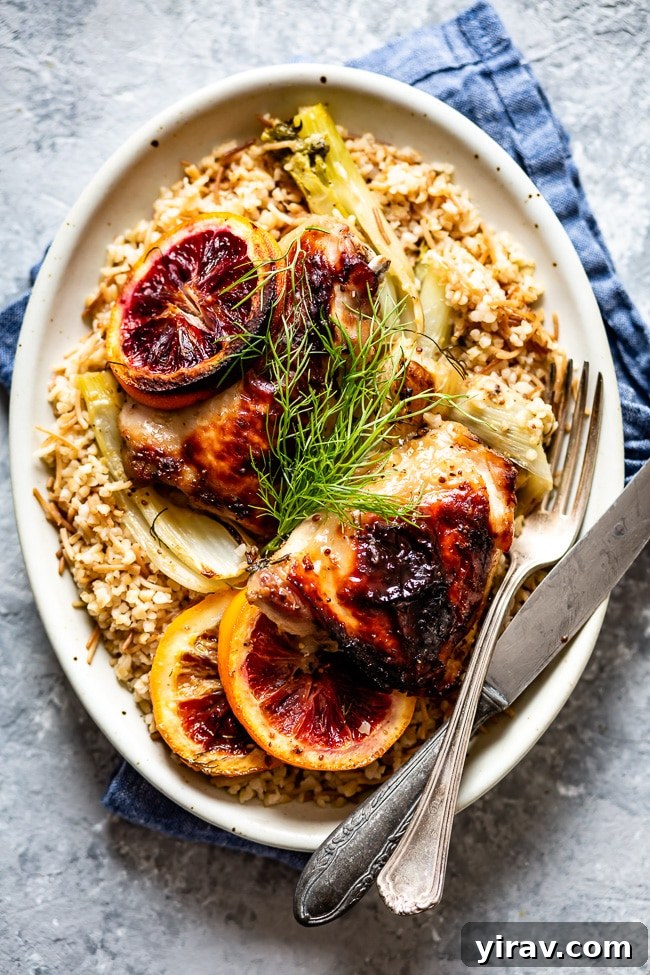
Oven-Roasted Orange Chicken with Fennel
Get the Recipe
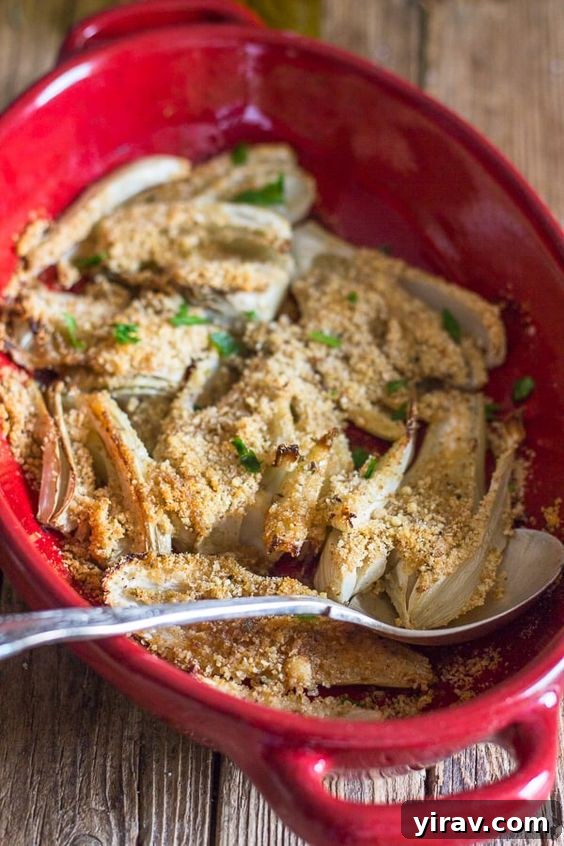
Italian Parmesan Baked Fennel
Get the Recipe
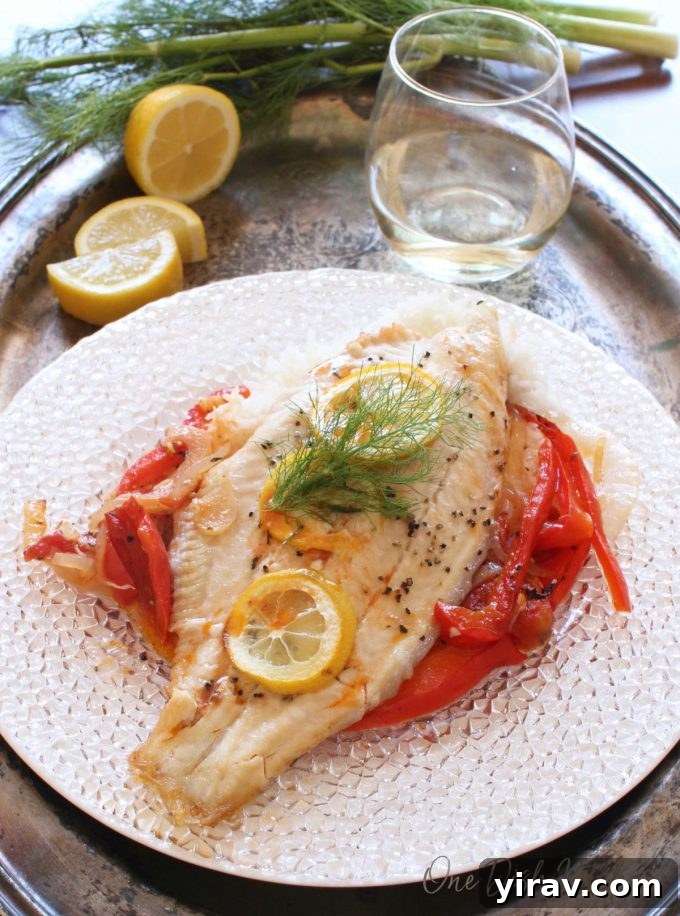
Healthy Baked Catfish
Get the Recipe
Sources
- Organic Facts
- Wikipedia
More Winter Produce Guides You’ll Love:
- Cabbage Recipes
- Chicory Recipes
- December Seasonal Produce Guides
- Leek Recipes
- March Seasonal Produce Guide
- Swiss Chard Recipes
- Winter Fruits and Vegetables